We are a network of states—partnered with university researchers—collaborating to develop coherent & equitable systems of state science education #NSFfunded
- Tweets 1,121
- Following 228
- Followers 1,590
- Likes 1,046


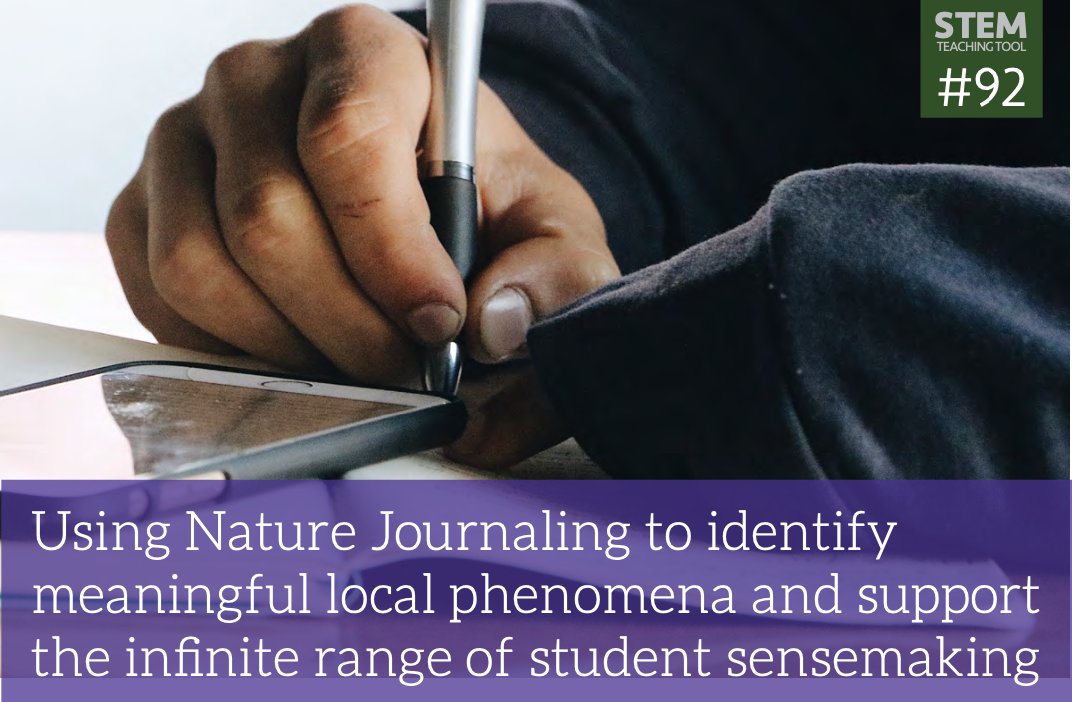
ALT Screenshot of the hero image for the linked resource. Text says: STEM Teaching Tool #92 Using Nature Journaling to identify meaningful local phenomena and support the infinite range of student sensemaking Image shows the hand of a student holding a pen writing with a cell phone resting on top of the paper.
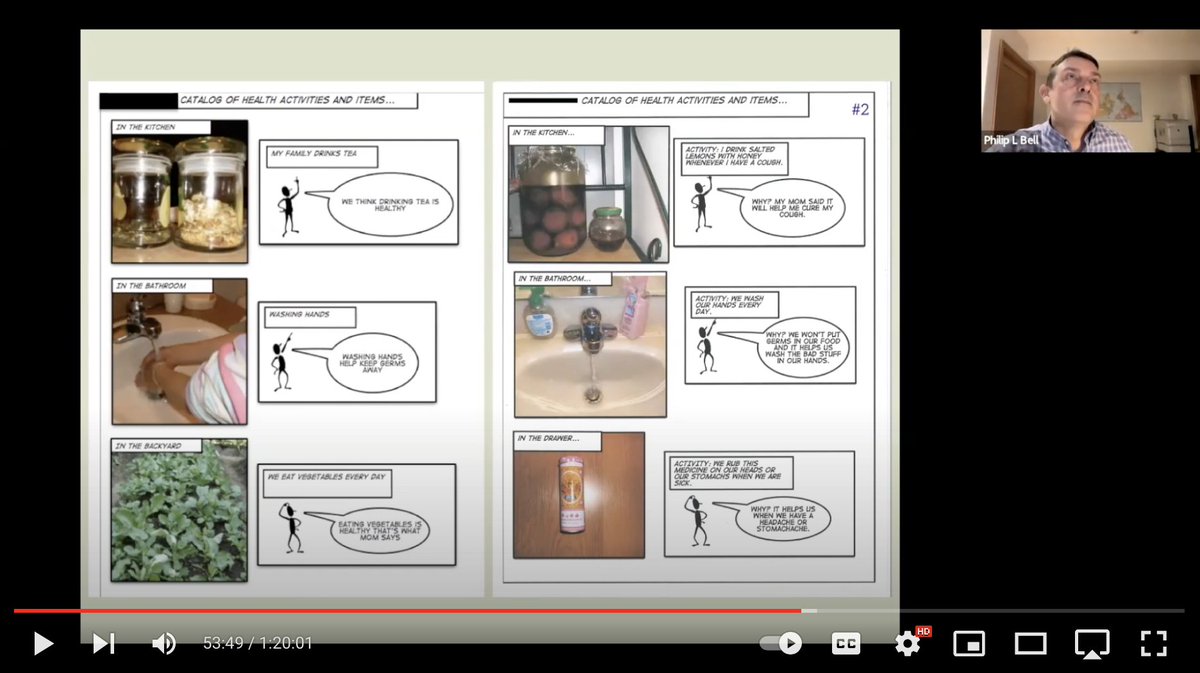
ALT Screenshot from the linked video showing student self-documentation of their cultural lives as described in the webinar.
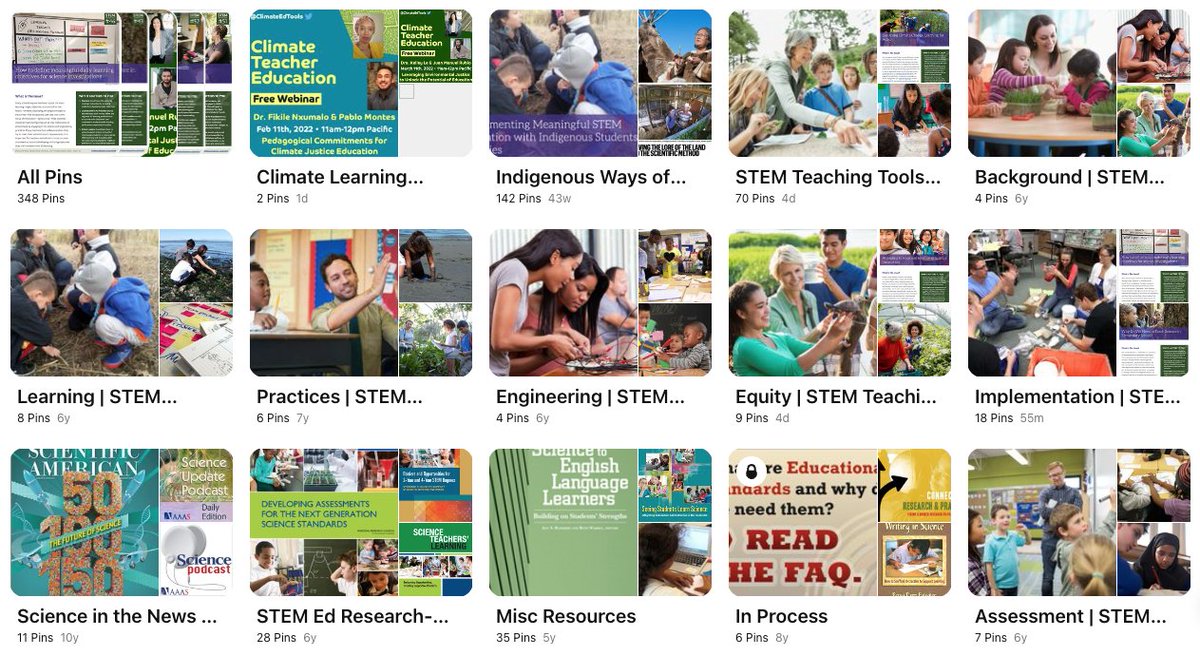
ALT Screenshot of the Pinterest boards associated with STEM Teaching Tools (accessed through the link in the Tweet).
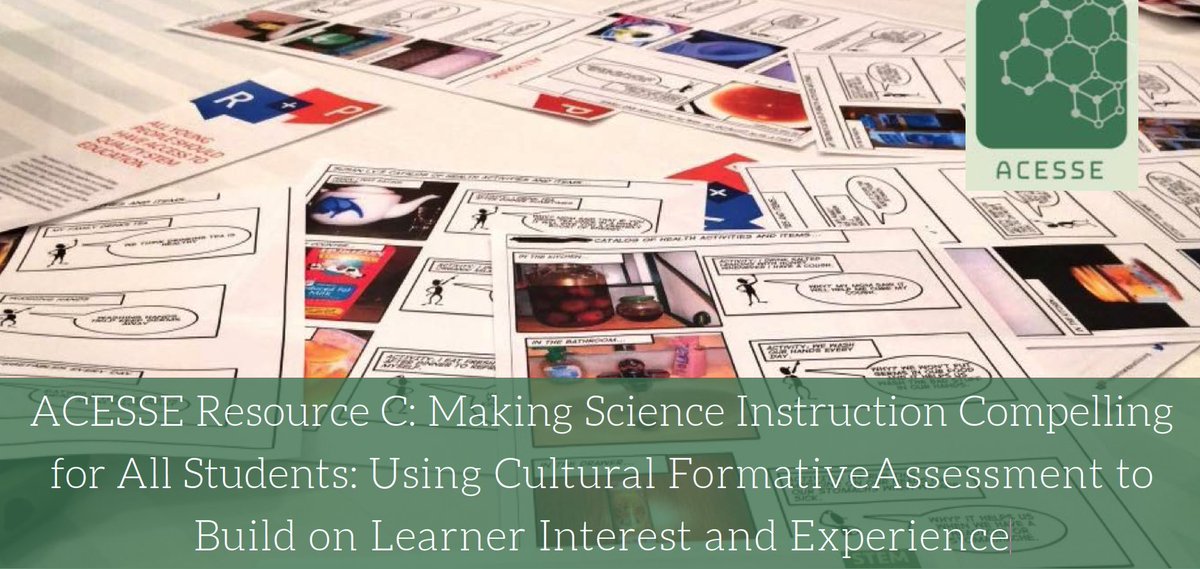
ALT Screenshot of first linked resource showing a range of pictures on a table along with short descriptions and the title of the resource: ACESSE Resource C: Making Science Instruction Compelling for All Students: Using Cultural Formative Assessment to Build on Learner Interest and Experience
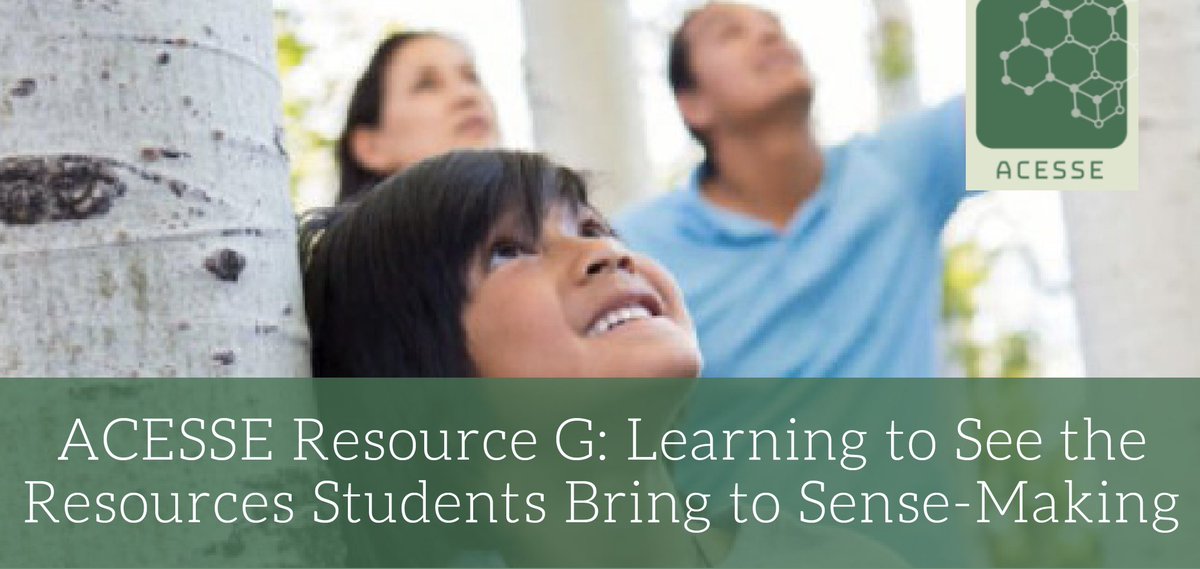
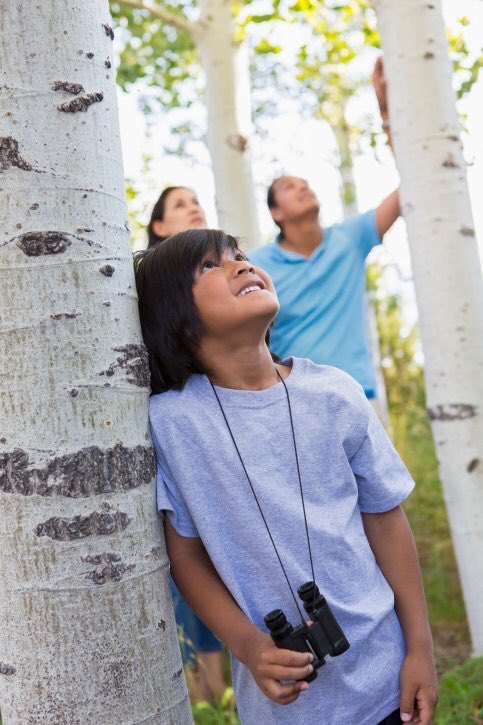
ALT Screenshot of second linked resource showing a Native family in a forest setting looking up to the tree canopy and the title of the resource: ACESSE Resource G: Learning to See the Resources Students Bring to Sense-Making
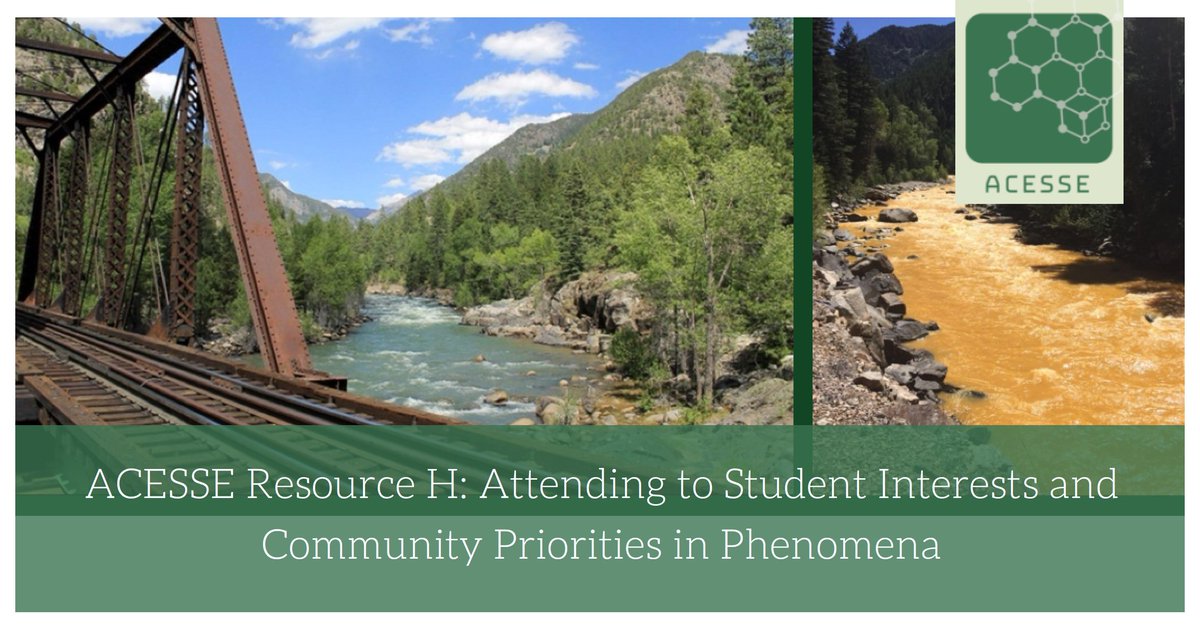
ALT Screenshot of third linked resource showing a a mountain river before and after an pollution spill and the title of the resource: ACESSE Resource H — Attending to Student Interests and Community Priorities in Phenomena
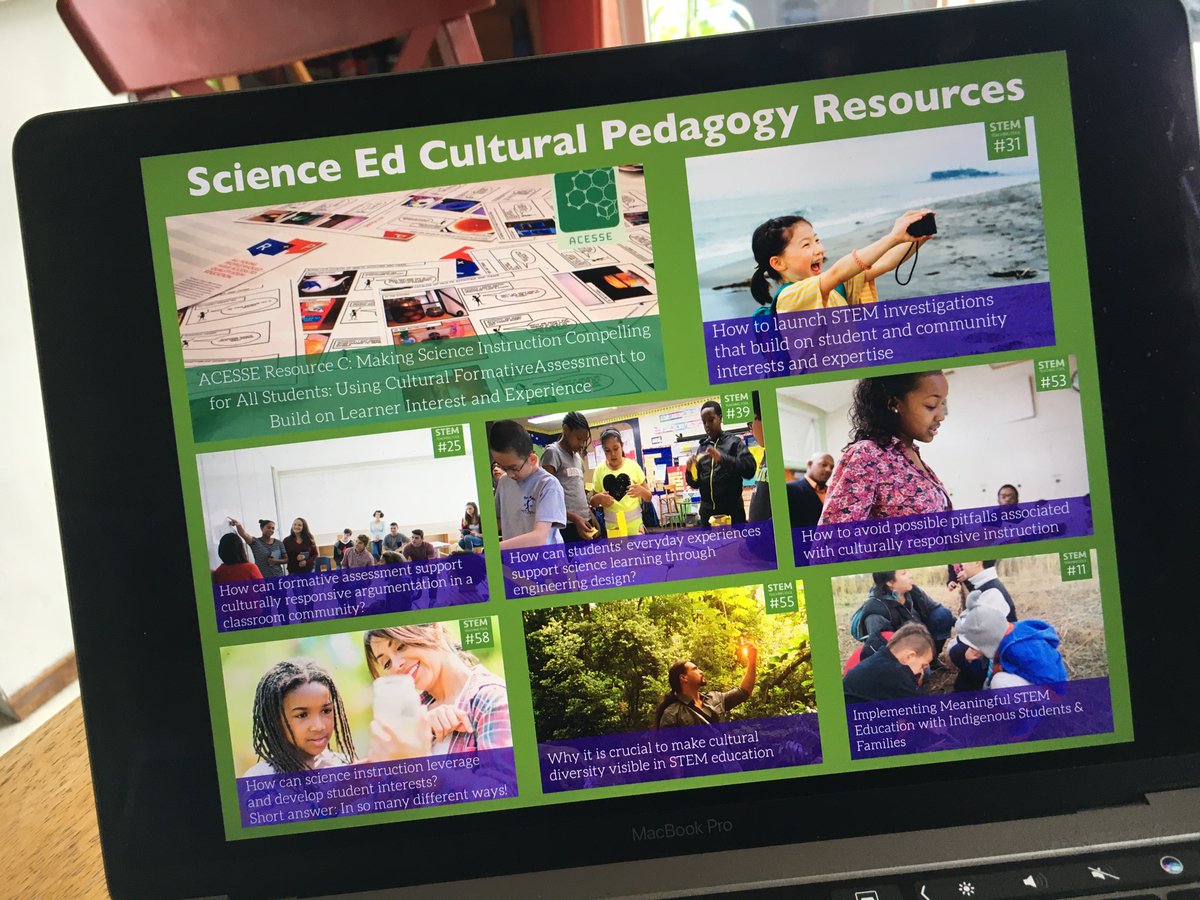
ALT Screenshot of a 8 STEM Teaching Tools resources available through the link including resources 31, 25, 39, 53, 58, 55 & 11 as well as PD module C (see next tweet in thread).
ALT Pic of the cover of the linked book showing the editors, title, and publisher logo.
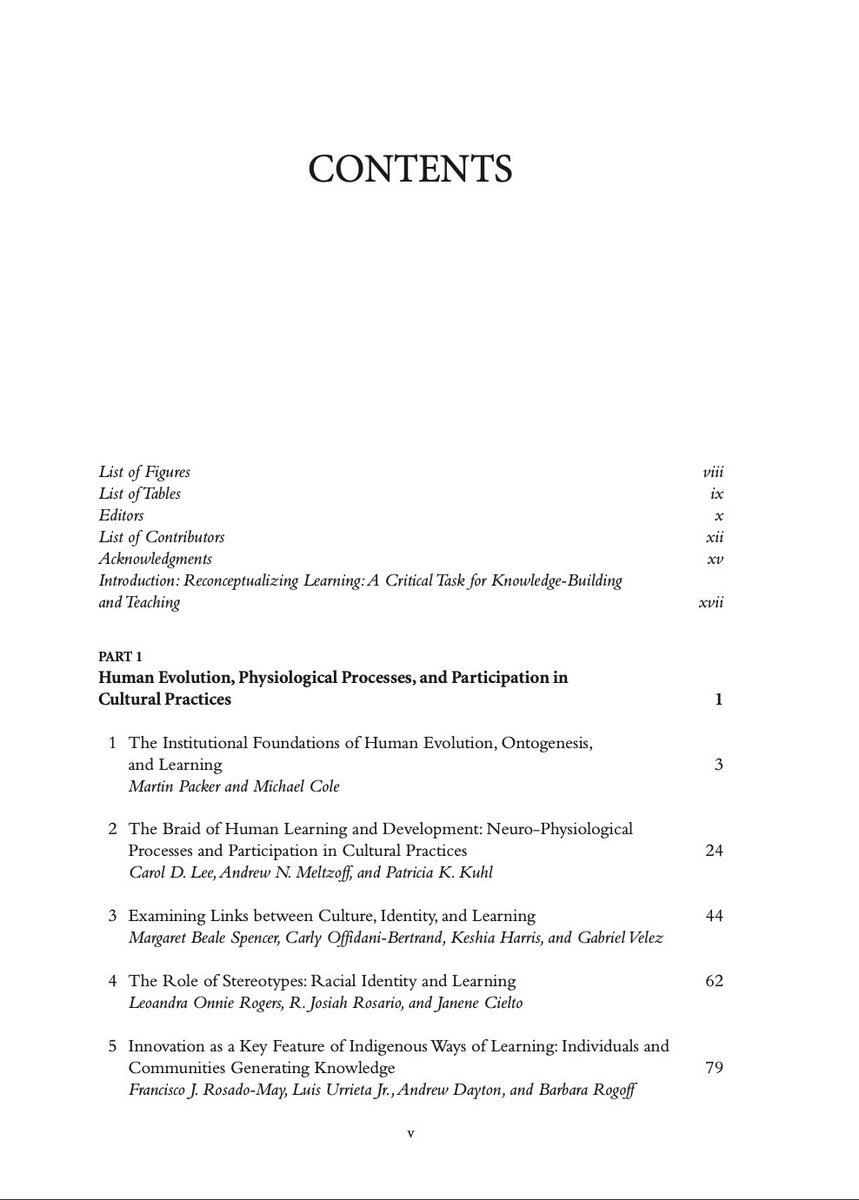
ALT Screenshot of the first page of the table of contents for the linked book (available open access).
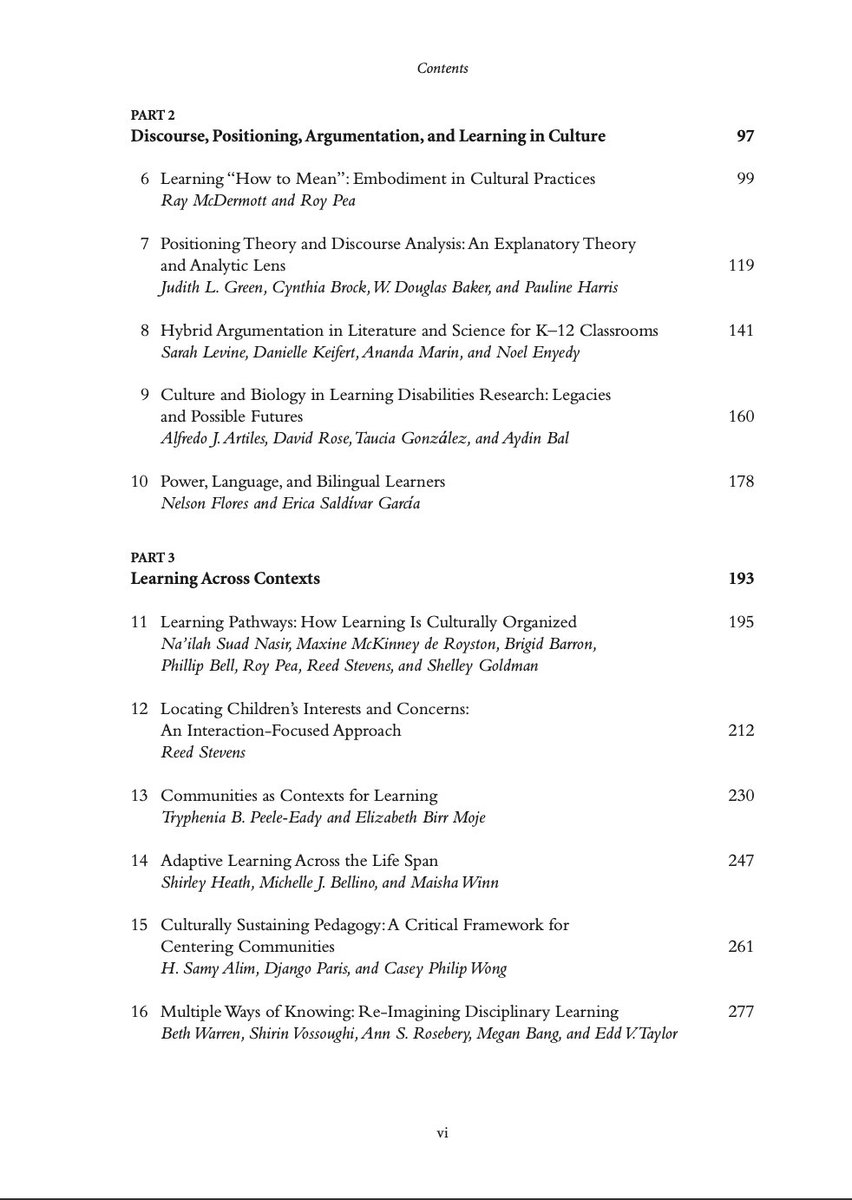
ALT Screenshot of the second page of the table of contents for the linked book (available open access).
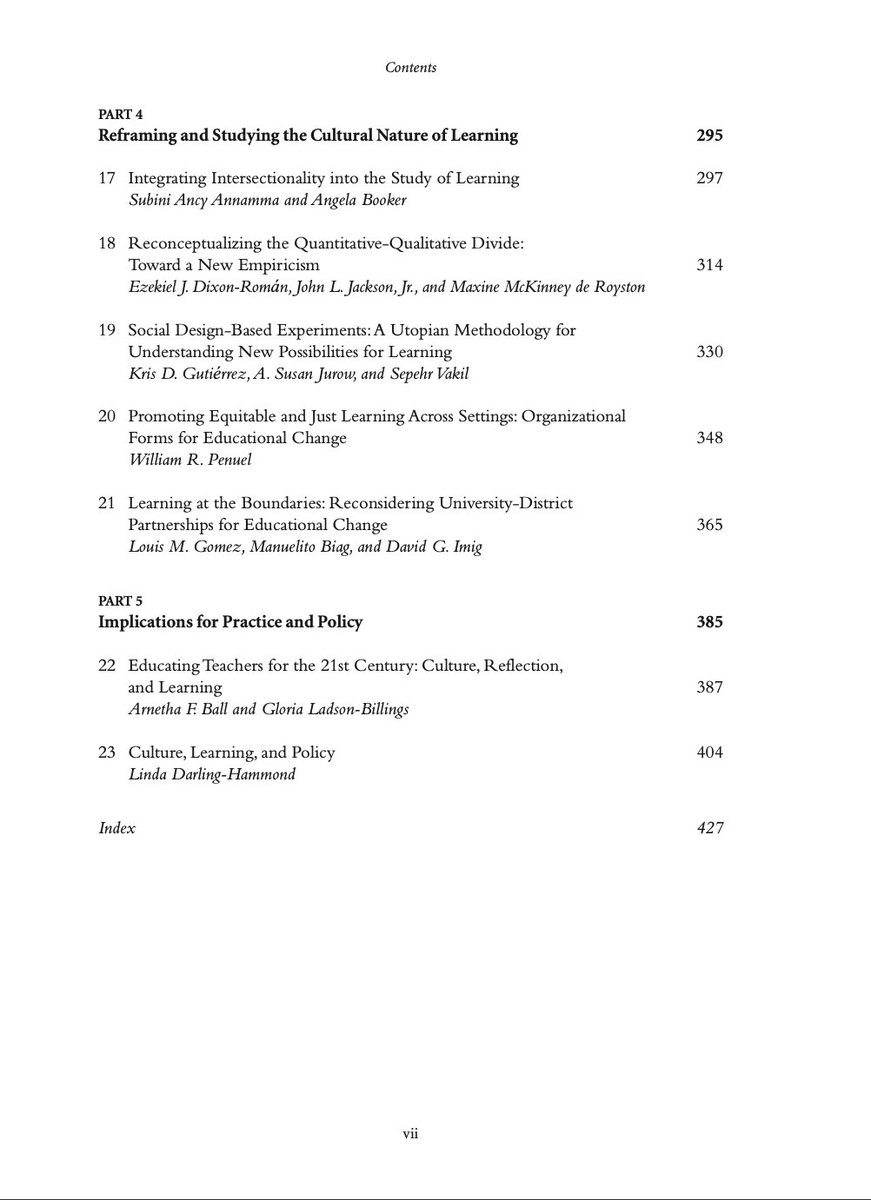
ALT Screenshot of the third and last page of the table of contents for the linked book (available open access).


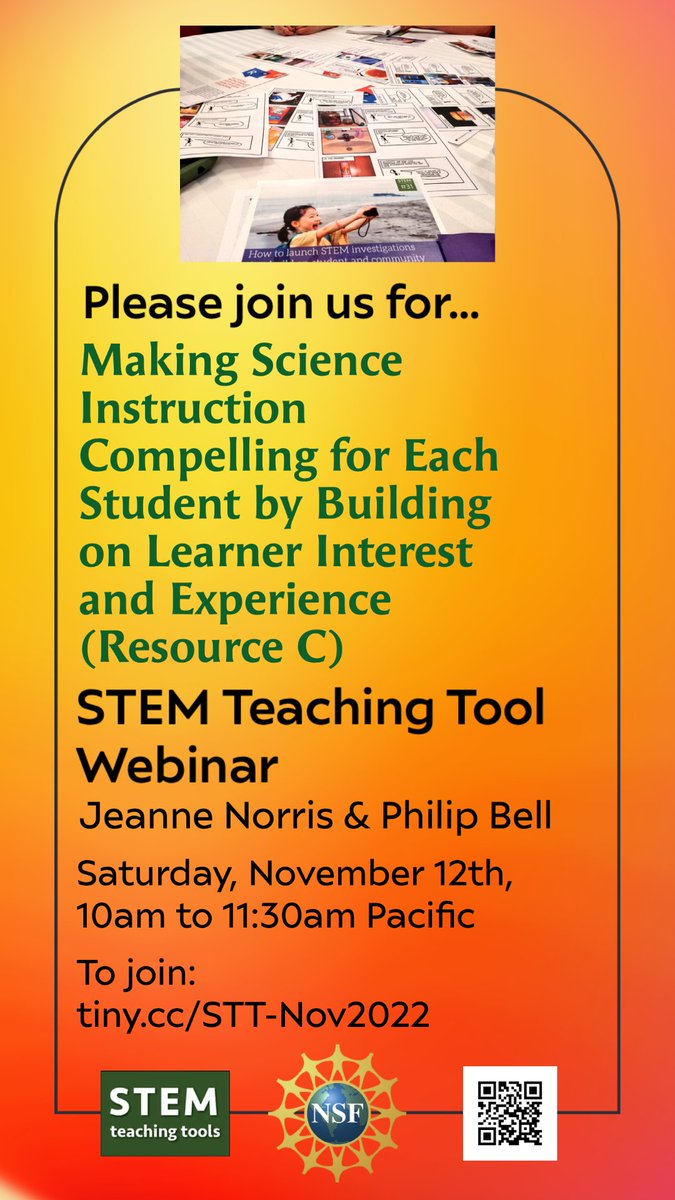
ALT Screenshot of the poster for the session. It shows a document image at the top of a young girl holding a camera and taking a selfie along with a variety of other pictures on other documents. And then it includes the following text... Please join us for… Making Science Instruction Compelling for Each Student by Building on Learner Interest and Experience STEM Teaching Tool Webinar Jeanne Norris & Philip Bell Saturday, November 12th, 10am to 11:30am Pacific To join: http://tiny.cc/STT-Nov2022 Logos for STEM Teaching Tools and the National Science Foundation, and the QR code for the link above.

ALT Screenshot of the poster for the session. It shows a document image at the top of a young girl holding a camera and taking a selfie along with a variety of other pictures on other documents. And then it includes the following text... Please join us for… Making Science Instruction Compelling for Each Student by Building on Learner Interest and Experience STEM Teaching Tool Webinar Jeanne Norris & Philip Bell Saturday, November 12th, 10am to 11:30am Pacific To join: http://tiny.cc/STT-Nov2022 Logos for STEM Teaching Tools and the National Science Foundation, and the QR code for the link above.

ALT Screenshot of slide that says... ACESSE Resource G Overview: Participants build capacity to identify the range of intellectual resources students use as they make sense of phenomena—after first exploring how equity and justice relate to culture-based approaches to pedagogy. http://stemteachingtools.org/pd/SessionG It includes a picture of the title slide of the linked resource, an image of a classroom situation with a young girl expressing her science model through gestures, and a pic of Jabari Johnson presenting a science rap at Rap Genius. Resources are in the linked resource Session G.
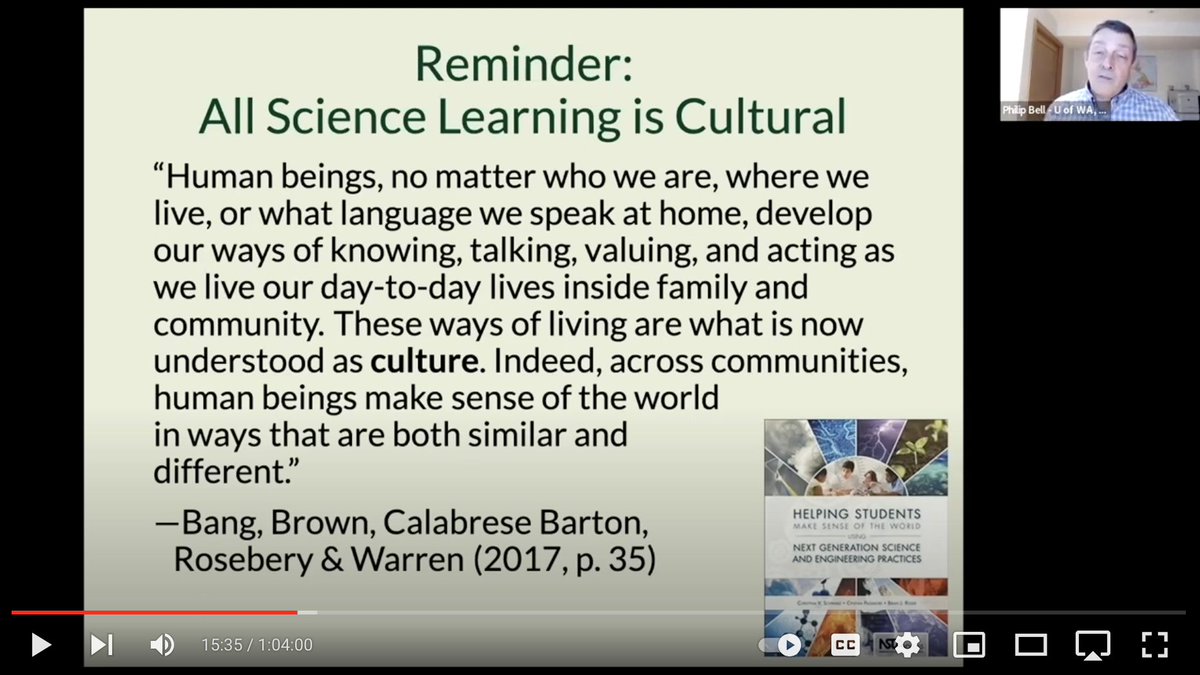
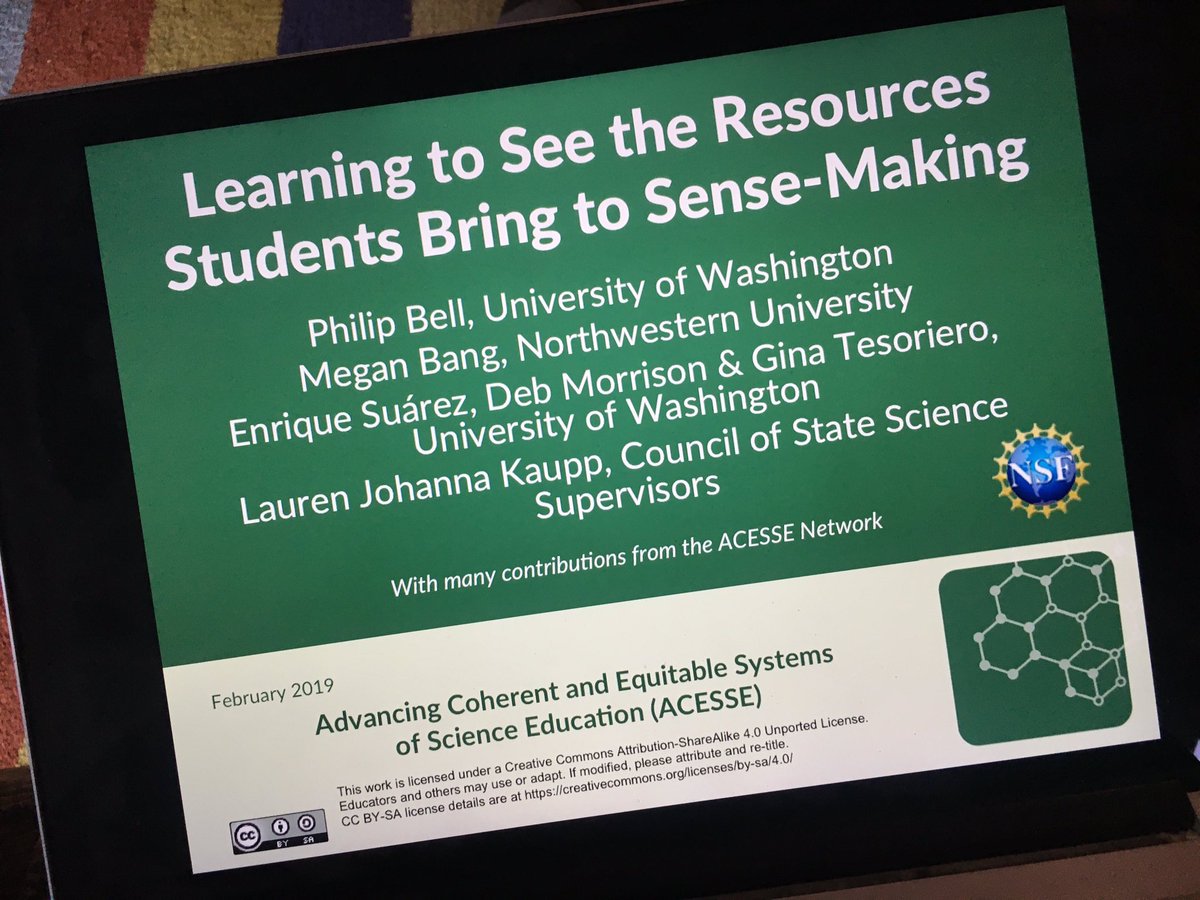
ALT Screenshot of slide that says: Reminder: All Sience Learning is Cultural “Human beings, no matter who we are, where we live, or what language we speak at home, develop our ways of knowing, talking, valuing, and acting as we live our day-to-day lives inside family and community. These ways of living are what is now understood as culture. Indeed, across communities, human beings make sense of the world in ways that are both similar and different.” —Bang, Brown, Calabrese Barton, Rosebery & Warren (2017, p. 35)
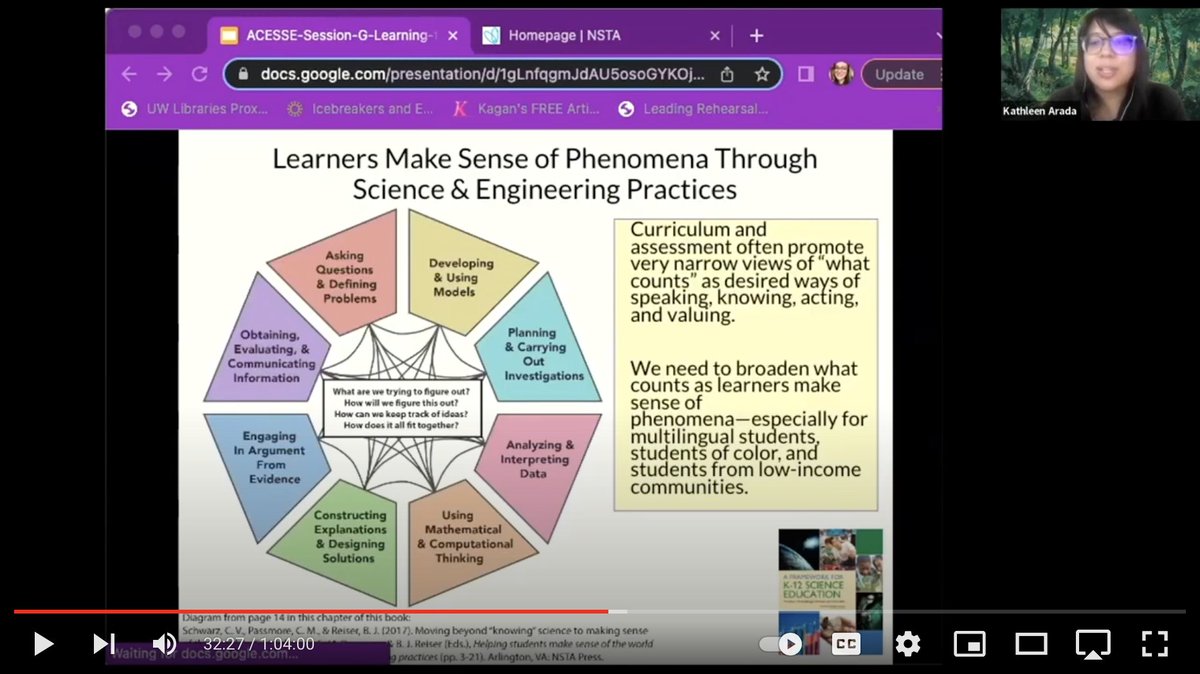
ALT Screenshot of a slide listing the 8 NGSS science and engineering practices that says... Learners Make Sense of Phenomena Through Science & Engineering Practices Curriculum and assessment often promote very narrow views of “what counts” as desired ways of speaking, knowing, acting, and valuing. We need to broaden what counts as learners make sense of phenomena—especially for multilingual students, students of color, and students from low-income communities.
ALT Screenshot of slide that says... And there are others… Reflection How else do your students spend their time making sense of the phenomena in their world?
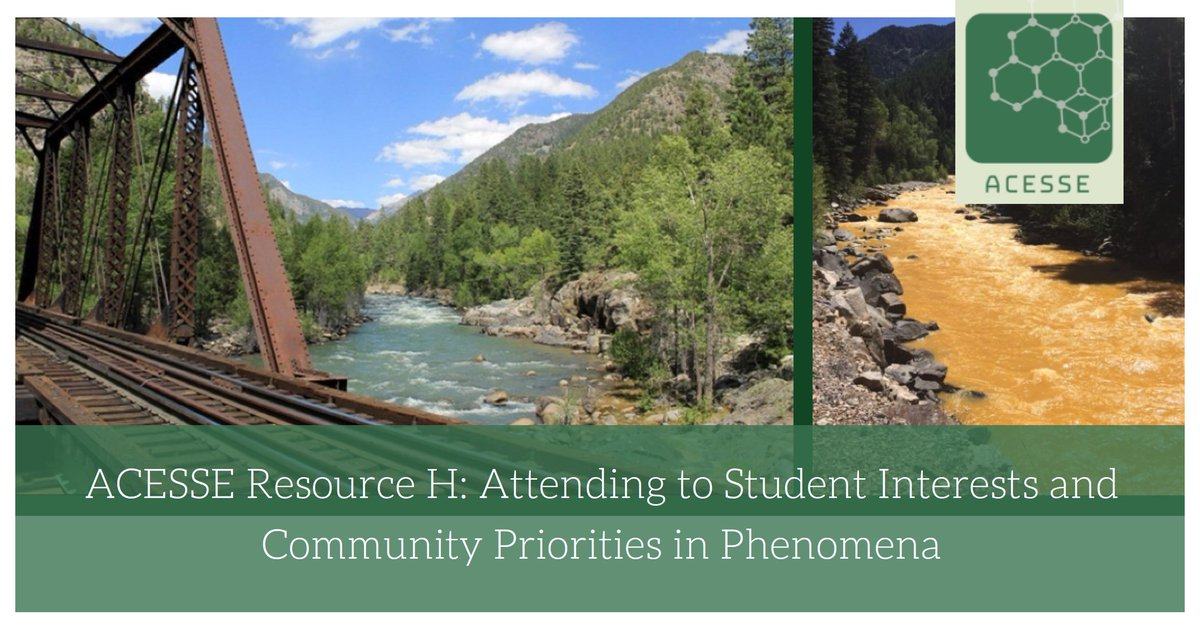
ALT Screenshot of the lead image for the linked resource: ACESSE Resource H — Attending to Student Interests and Community Priorities in Phenomena Two images of the same river are shown. On the left is a mountain river on a beautiful day. On the right is the same river after a catastrophic release of mining pollution into the river.

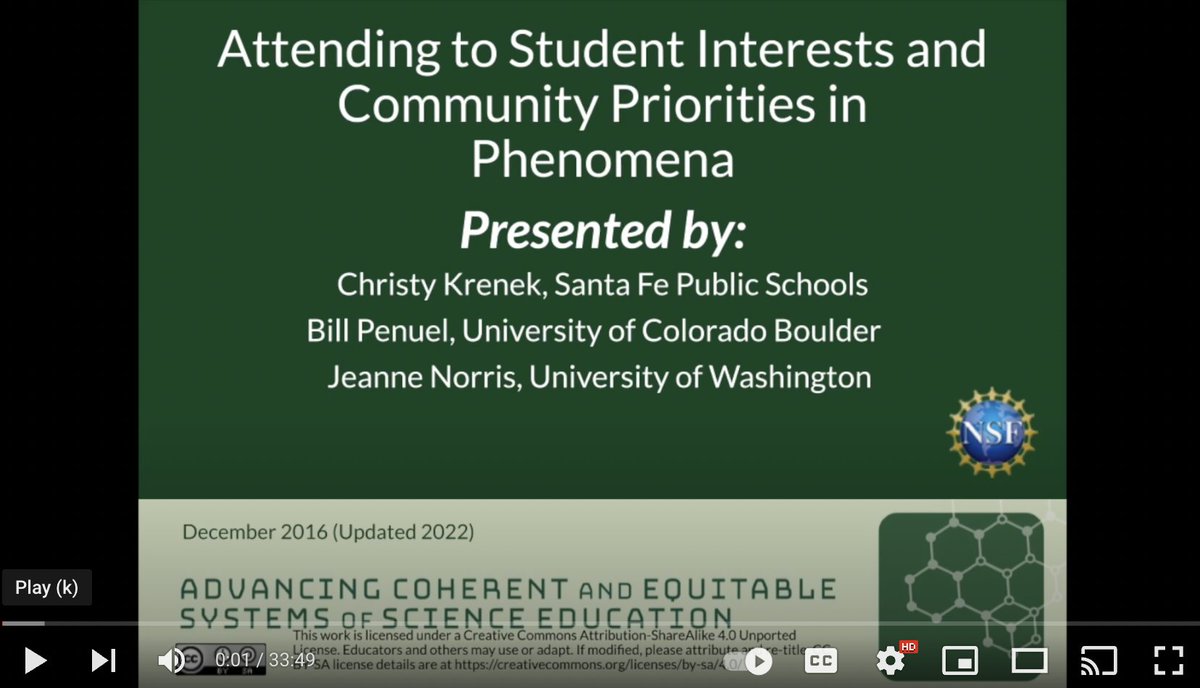
ALT YouTube screenshot of title card "Attending to Student Interests and Community Priorities in Phenomena" presented by Christy Krenek, Bill Penuel, and Jeanne Norris
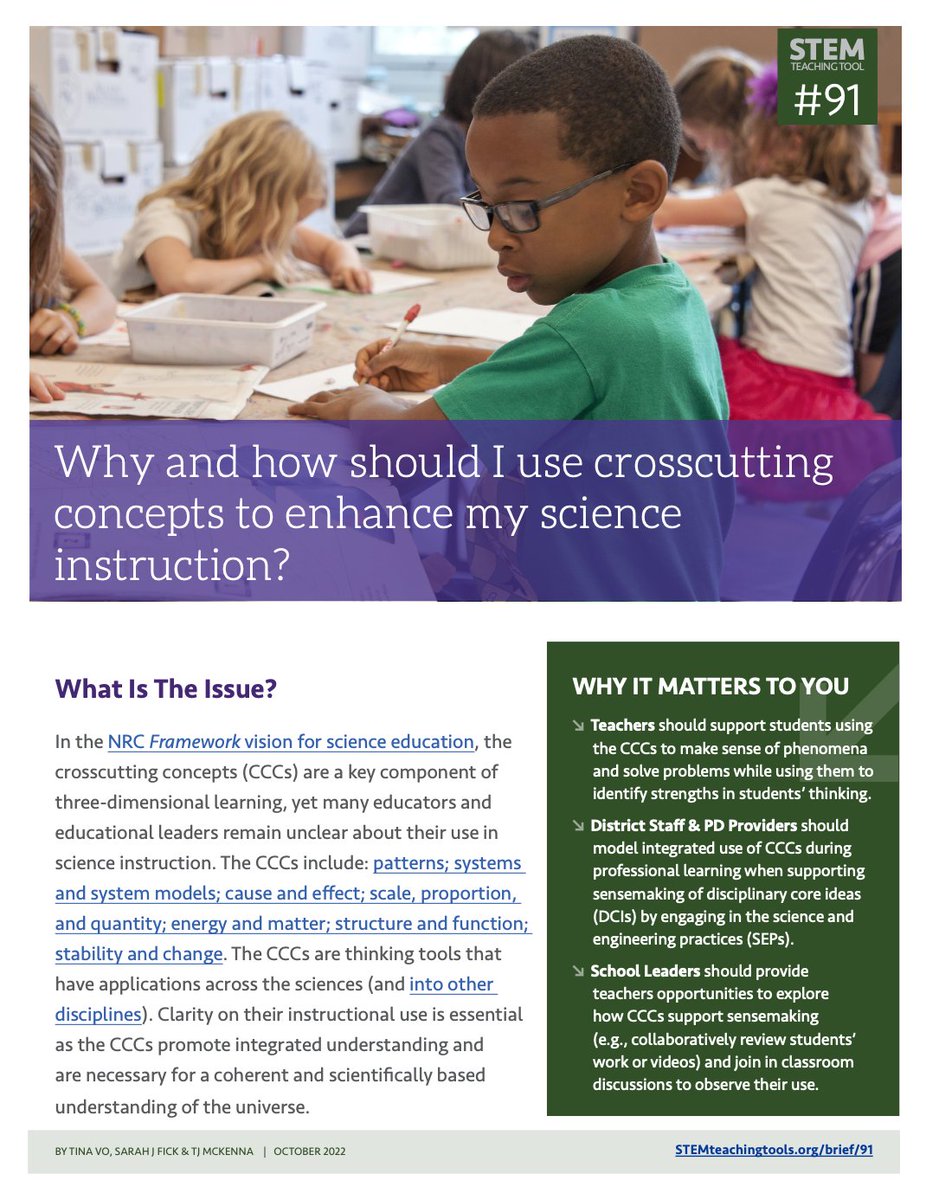
ALT Screenshot of the first page of the linked resource
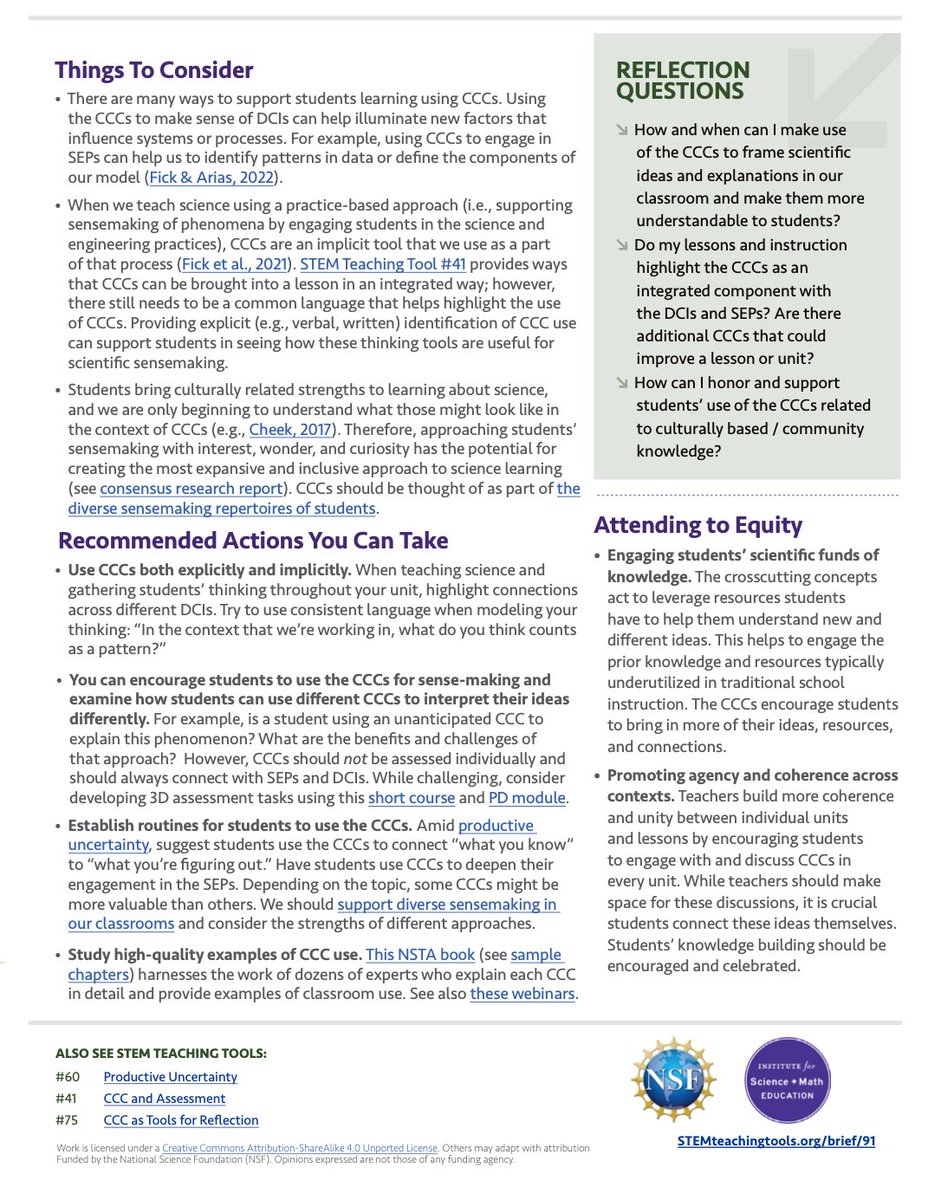
ALT Screenshot of the second page of the linked resource
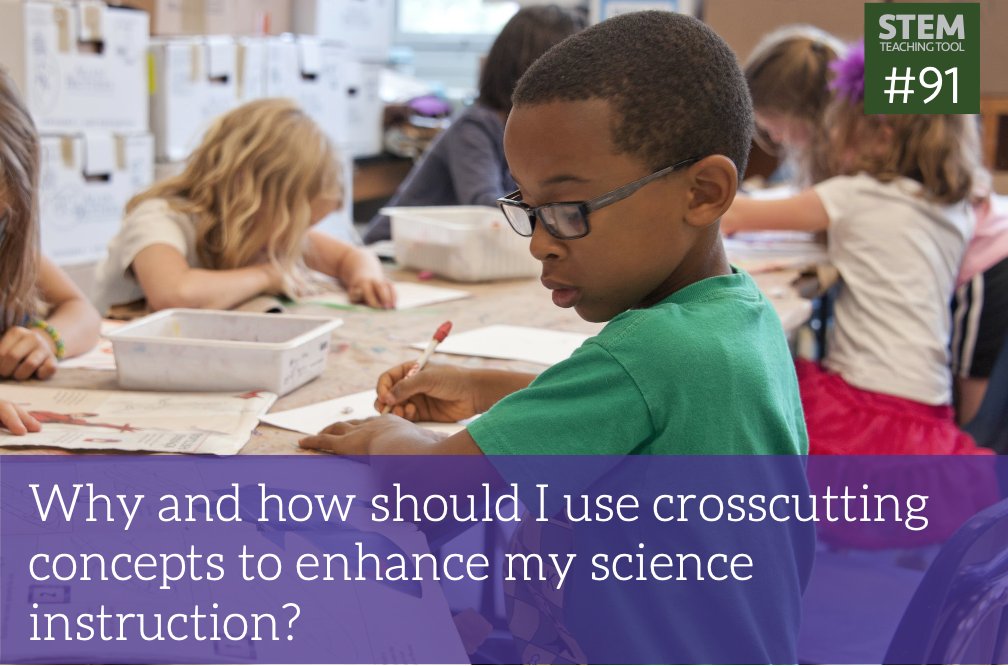
ALT Screenshot of the title image for the linked resource. Image shows a classroom of elementary students working at tables with a Black boy in the foreground. STEM Teaching Tool #91: Why and how should I use crosscutting concepts to enhance my science instruction?
ALT Screenshot of the title slide the presentation in the linked folder. Title: STEM Teaching Tools: Professional Learning Resources for Equitable 3D Instruction (NGSS)
ALT Screenshot of the title slide for the linked presentation called: Supporting equity and justice through science instruction: The road travelled and the one ahead Philip Bell (@PhilipLBell Twitter) University of Washington
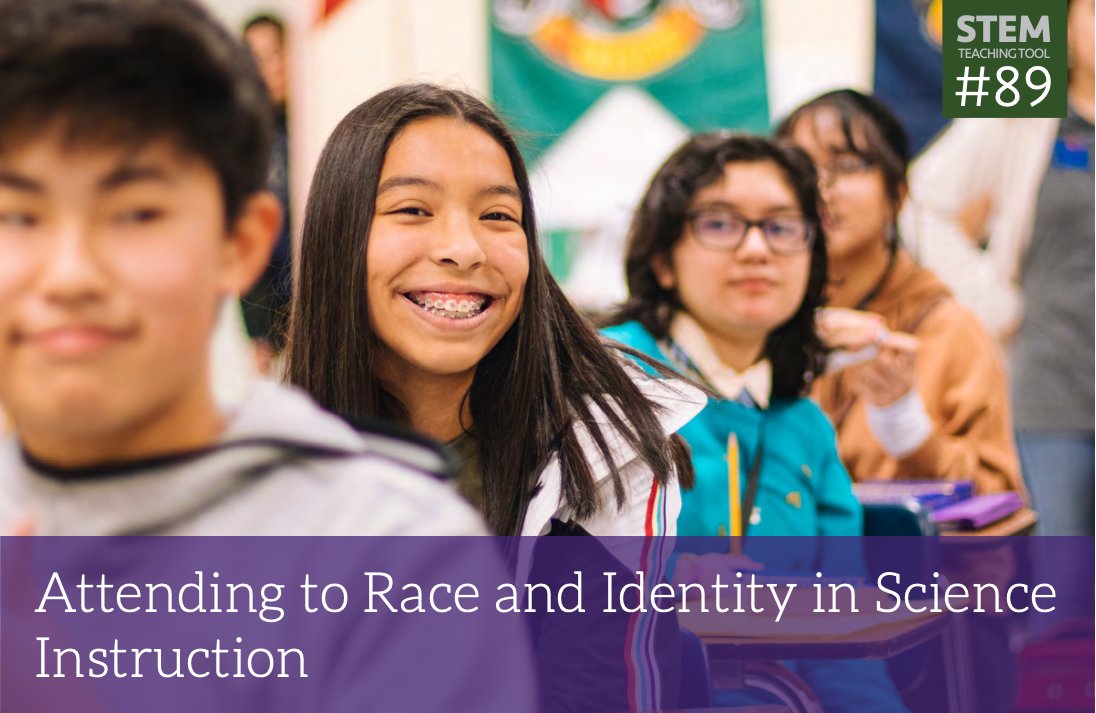
ALT Screenshot of the title image for STEM Teaching Tool #89: Attending to Race and Identity in Science Instruction https://stemteachingtools.org/brief/89
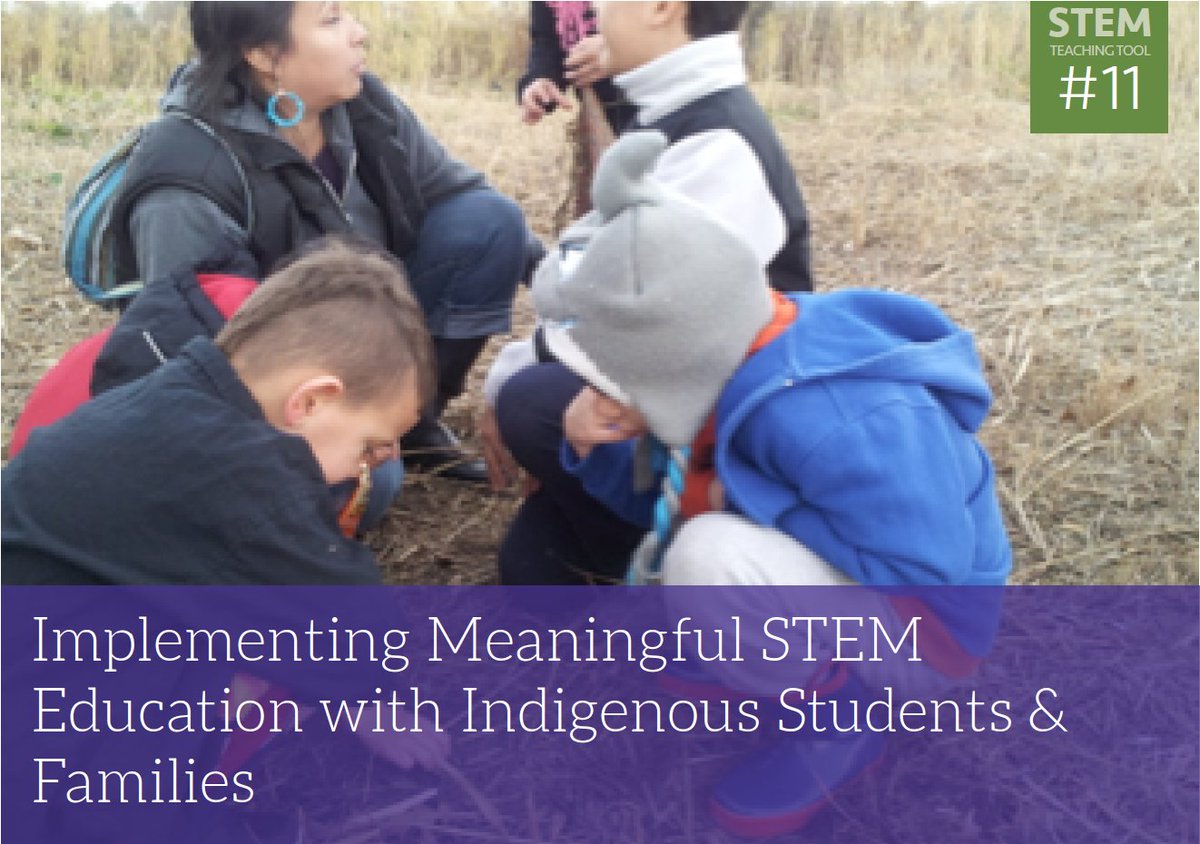
ALT Screenshot of the title image for STEM Teaching Tool #11: Implementing Meaningful STEM Education with Indigenous Students & Families https://stemteachingtools.org/brief/11
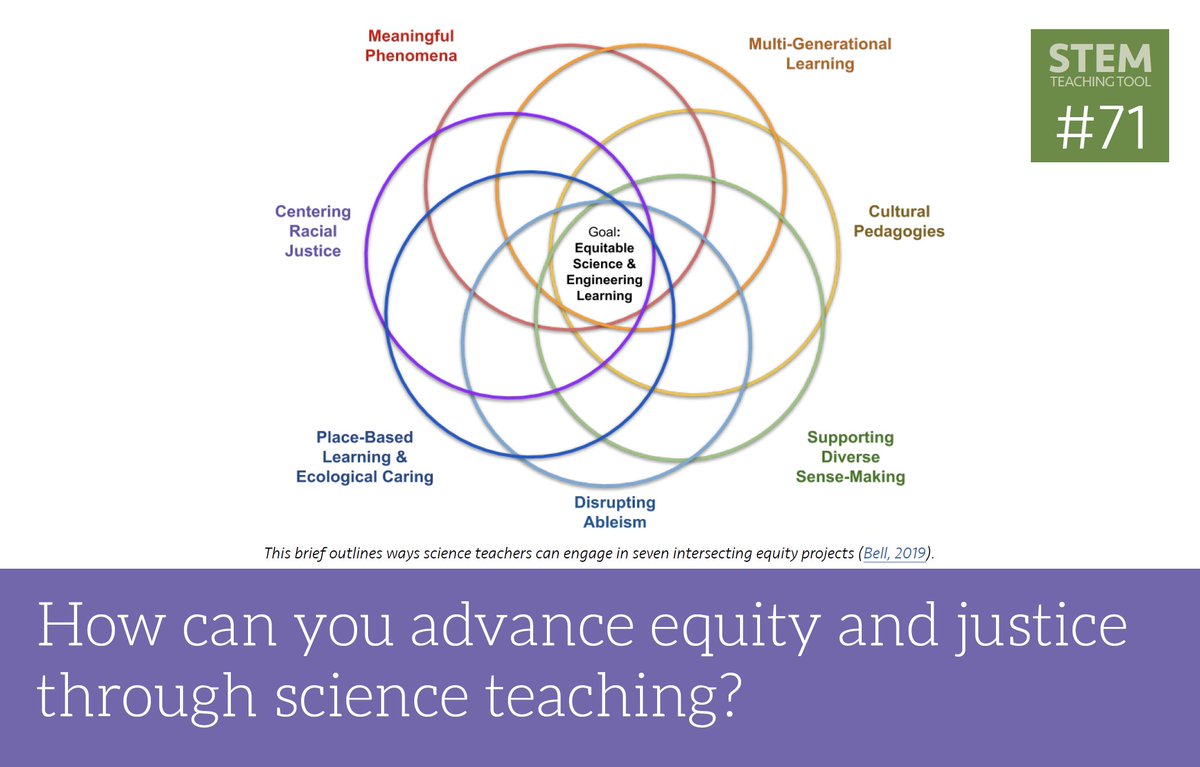
ALT Screenshot of the title image for STEM Teaching Tool #11: How can you advance equity and justice through science teaching? https://stemteachingtools.org/brief/71
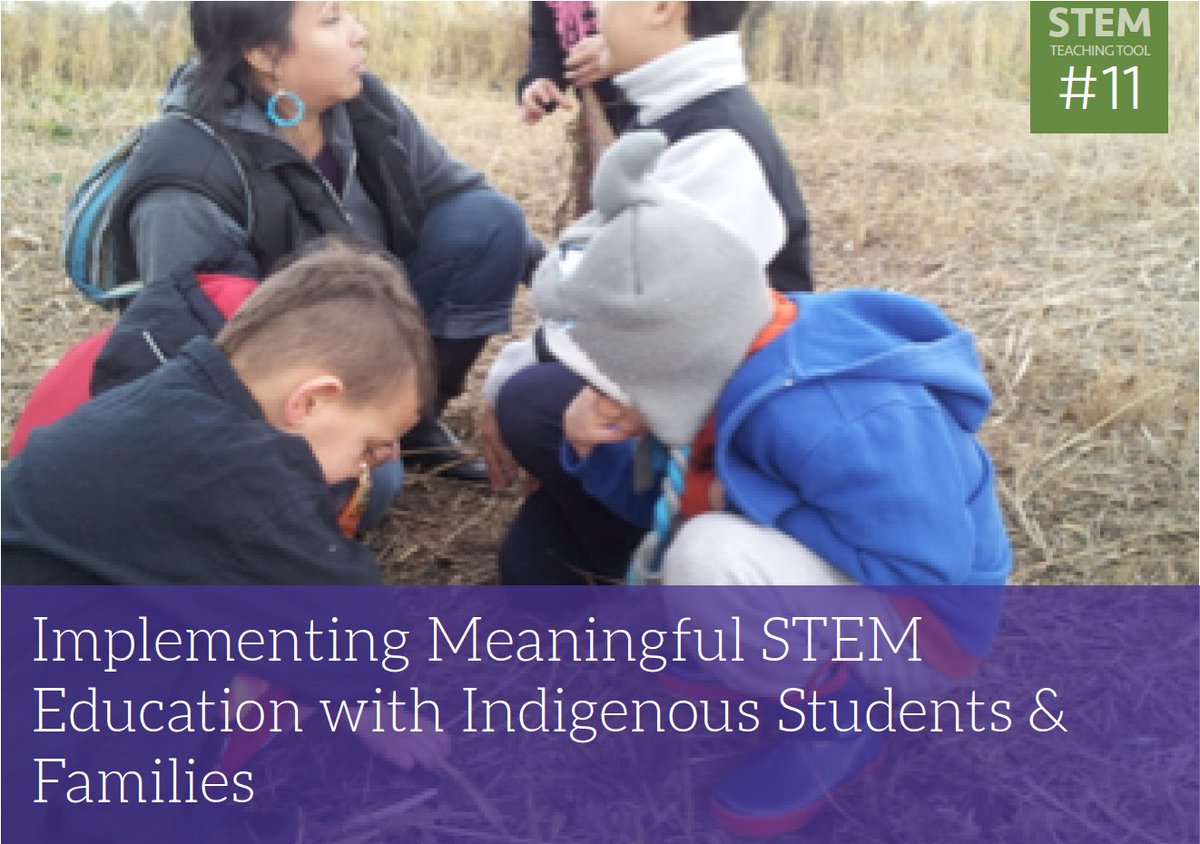
ALT Resource image for the first linked resource. It shows an Indigenous teacher talking with young students out in a field.
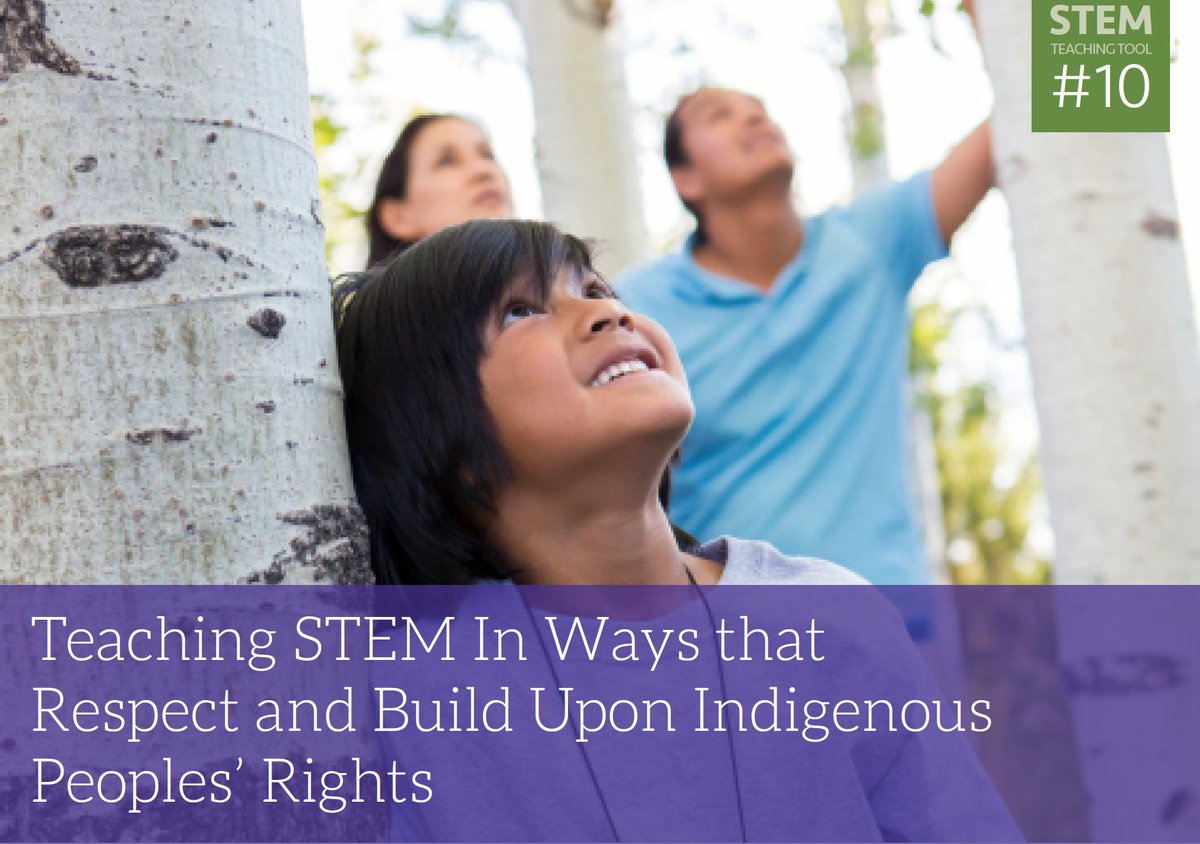
ALT Resource image for the second linked resource. It shows an Indigenous family stopped in a forest looking up at the tree tops in the same direction.
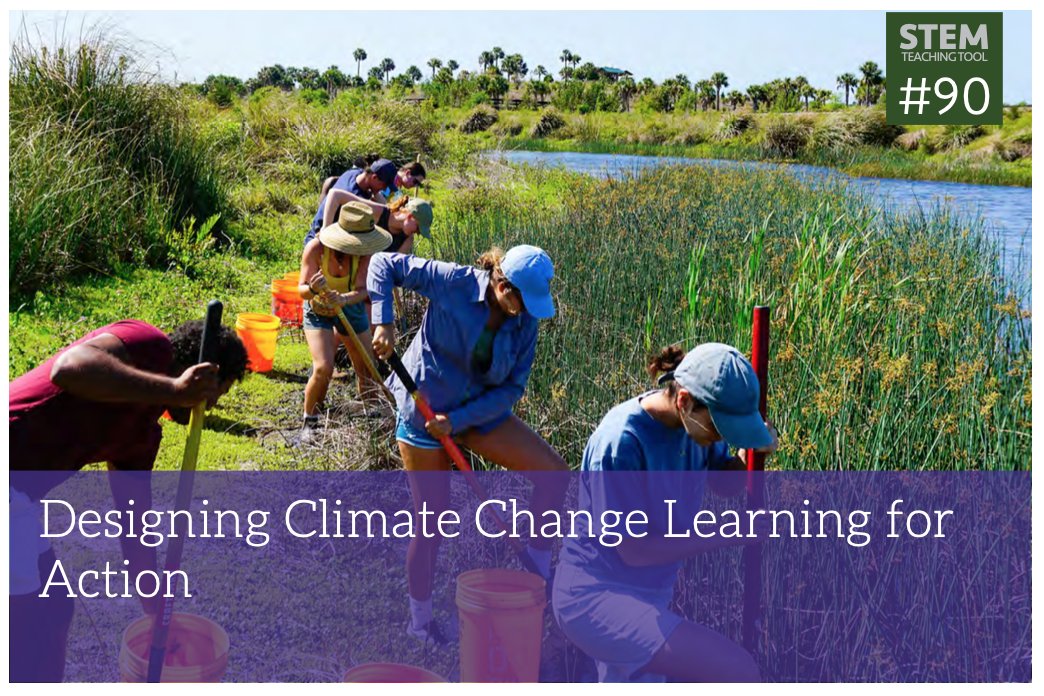
ALT Landing card for the linked resource showing seven adult holding shovels work at the edge of a lake marsh