Market & Opinion Research | Elections & Public Policy | Senior Advisor to startups and professional services firms $2-$20M | Sé curioso y ten compasión
Joined October 2008
- Tweets 3,978
- Following 1,128
- Followers 1,828
- Likes 2,772
411 Photos and videos
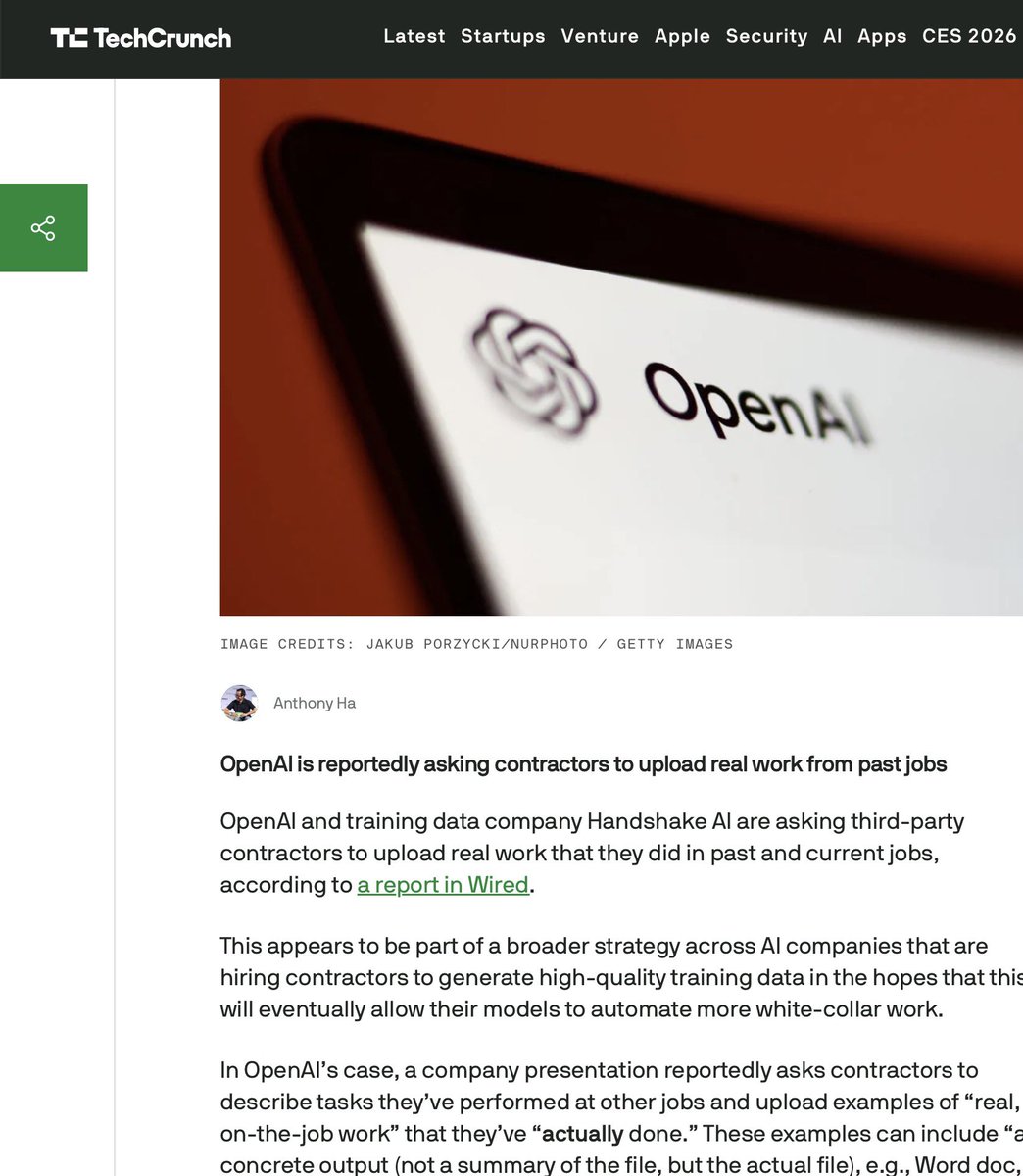
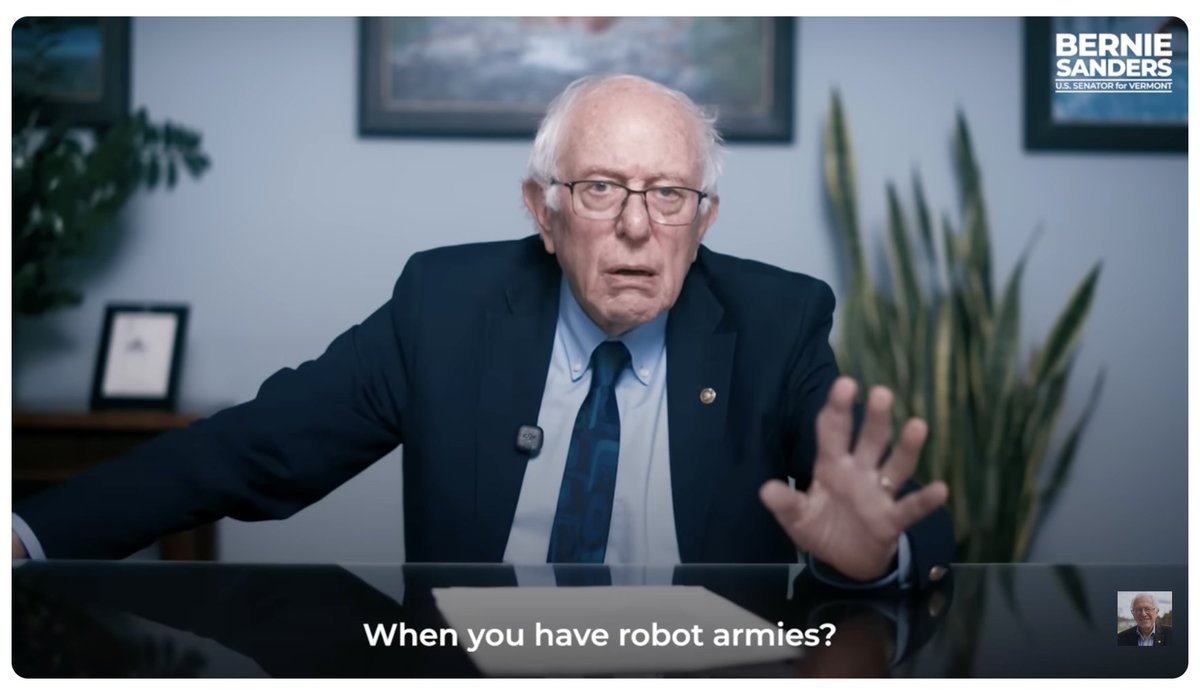
Can we all agree that this Boss Hogg version of running an economy does not benefit anyone but the Boss?

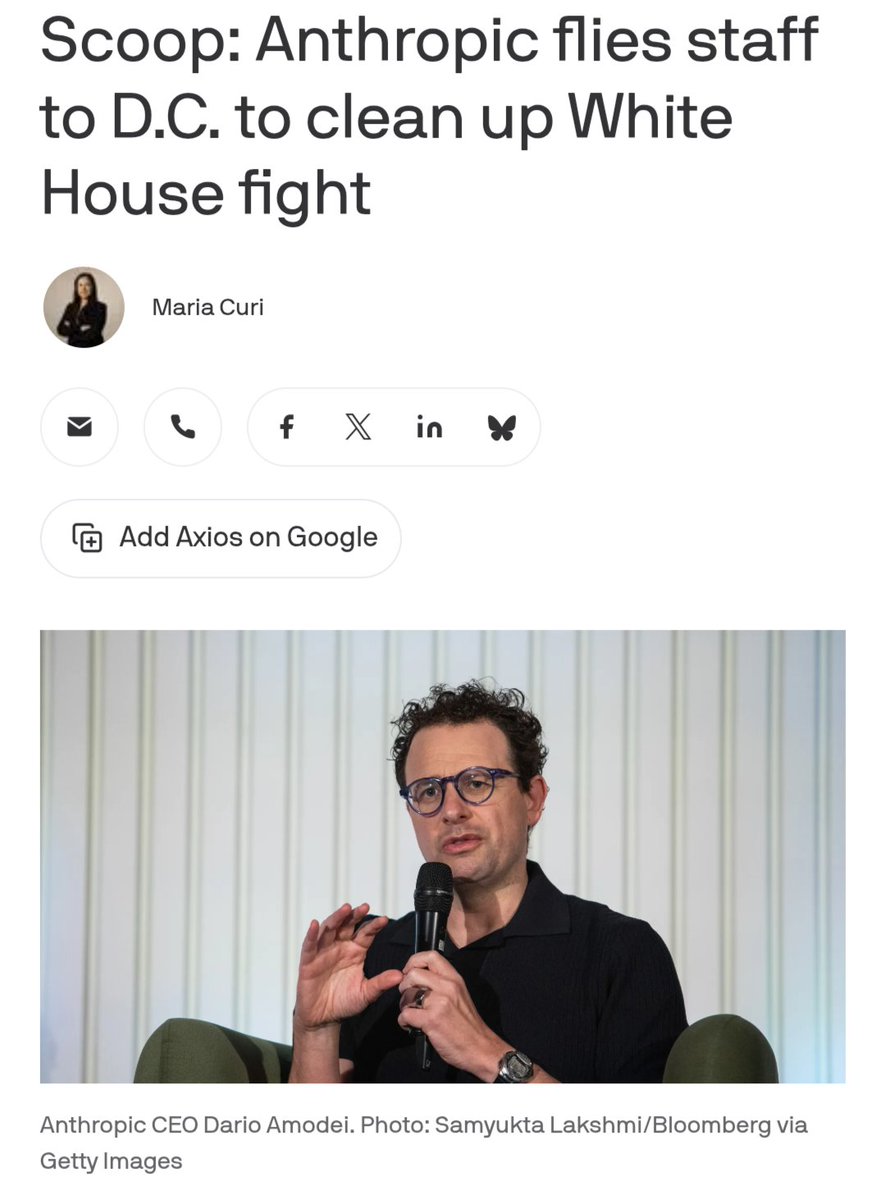
BREAKING: As per Axios, senior Anthropic technical staff are now in Washington meeting White House officials to resolve the ongoing dispute around Fable 5 and Mythos.
83
This is the perfect time to pursue your dream and open a bakery, law firm, creative agency, custom knitting store on Shopify...
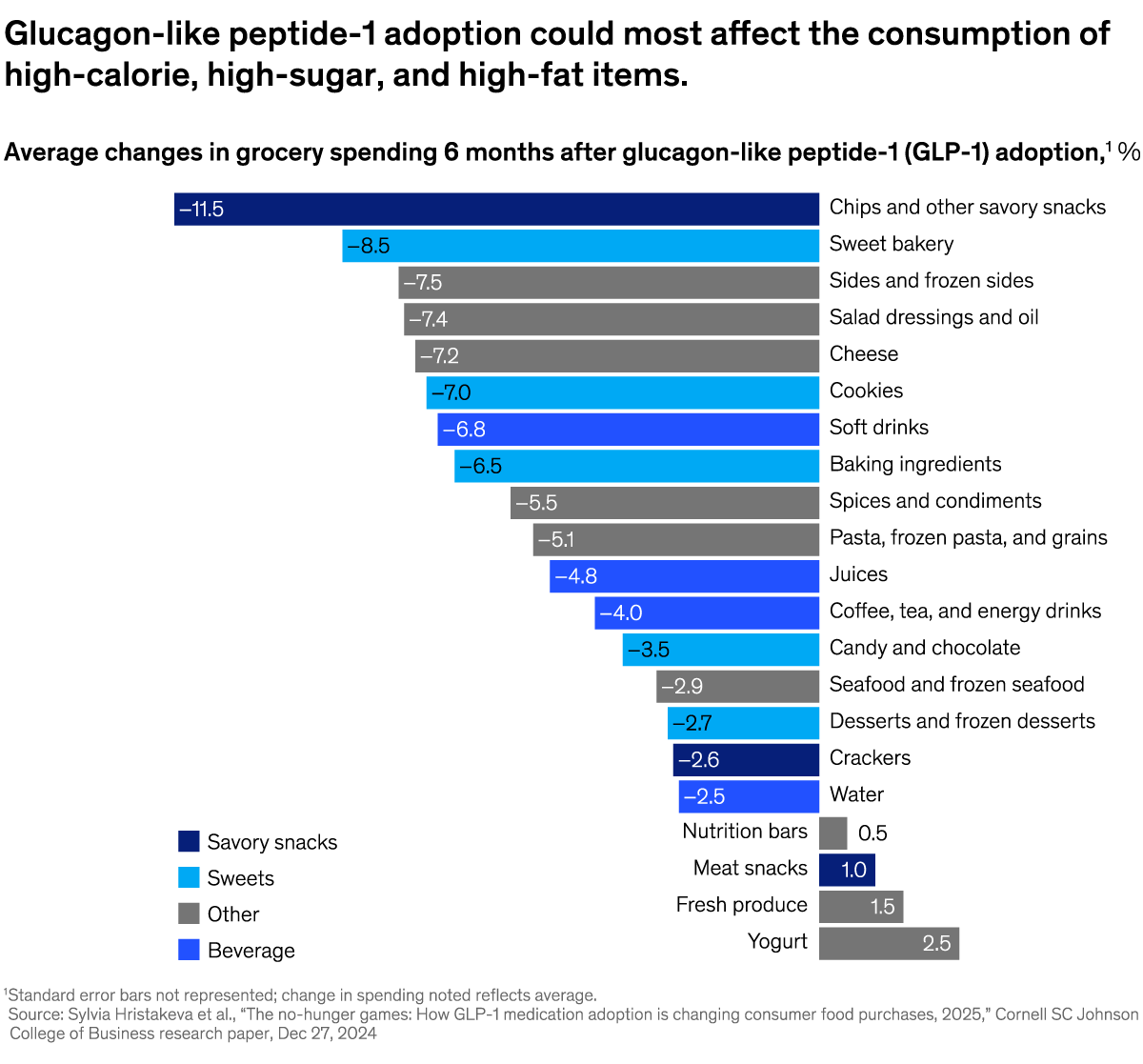
By the numbers, we should all be worried about our jobs - between AI and the robots powered by AI, the economy is being disrupted. With the adoption of GLP-1's 2's, and soon 3's people are eating a lot less. So you would think the advice would be to scrap your life-long dream of starting a ranch-flavored milkshake store. But that is not what you hear from all the best entrepreneurs.
𝗧𝗵𝗲𝗿𝗲 𝘄𝗶𝗹𝗹 𝗮𝗹𝘄𝗮𝘆𝘀 𝗯𝗲 𝗿𝗼𝗼𝗺 𝗳𝗼𝗿 𝗾𝘂𝗮𝗹𝗶𝘁𝘆, 𝘁𝗮𝘀𝘁𝗲, 𝗮𝗻𝗱 𝗶𝗻𝗻𝗼𝘃𝗮𝘁𝗶𝗼𝗻.
This @McKinsey chart shows the decline of snack foods - the suggestion is that everyone taking drugs to lose weight is the cause. Sure. But that doesn't mean people taking the shot or pill never eat a potato chip. It means they're more discriminating. So if you have a better one, by all means, put it out there.
I am a pollster, not an economist, but I have started and invested in dozens of businesses, successes and failures. The one thing I know for sure: The marketplace is big, huge, ginormous (I am pretty sure that's how Jamie Dimon and @elerianm both describe the prospects for economic growth).
Do all the due diligence you want. But do not let headlines dissuade you from pursuing something new, even if it flies in the face of a doom narrative.
1
62

Jun 12
The B- high school student who chooses the community college path and stops going after a few semesters doesn't usually end up finding academic success. But somehow I found my way back to higher education and today I hit another milestone.
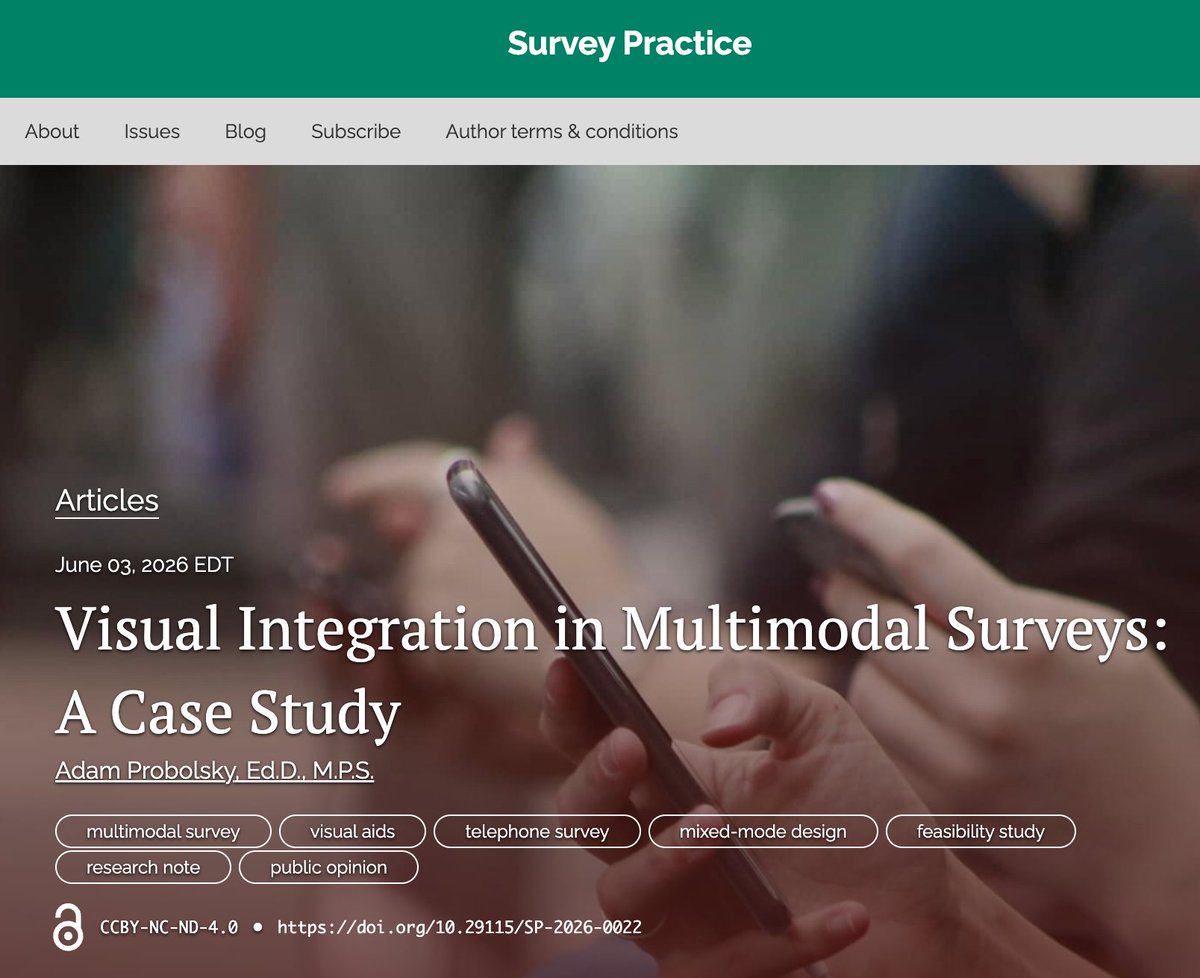
This month, I had my first academic journal article published in Survey Practice. It's a case study on a novel project we did in the City of Aspen, Colorado.
We needed to explain a series of alignments for a new bridge and roadway - they call it the Entrance to Aspen.
But the only way to make sure all voters (it would be on a future ballot) understood the options was to have them see them. An online-only poll where we could show everyone images was not possible in Aspen.
The town is too small, and we needed all the modes - mail, email- and text-to-web, and telephone (inbound and outbound) - to achieve statistical validity and a fully representative sample.
We came up with a way for everyone, regardless of their preferred communication method, to have immediate access to the images of the roadway options. It is a quick read and there are pictures.
1
81
Jun 12
48
Jun 8
I want outside partners to be able to access a Google doc/sheet/slide that lives in Box - but NOT have to login. It creates an untenable barrier for clients.
I get it. You’ll have to allow me to flip a switch to create a permissive environment for outsiders to edit my content, but it’s what’s needed in the marketplace.
I sent you a letter via Fedex on this last year.
287
Jun 7
View into life with an autistic child (not the TV version of autism)- everything is a threat. There are zero minutes when we can let down your guard.
Any object can become dangerous for the boy.
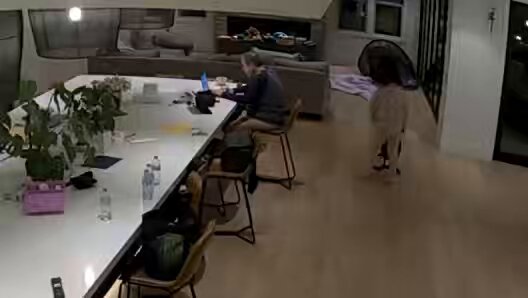
Even with me sitting 20 feet away, he put himself in peril. I was working at the kitchen island. I had my eyes on him. I was keeping programming he likes on the TV. I was making sure he had all the things that he needed, water, snacks. But I wasn’t totally engrossed in what he was doing. I was working. My brain assumed he was safe because he was standing up and walking around and laughing.
But he wasn’t safe, and my brain wasn’t processing why he was dragging around a somewhat heavy balancing machine for the previous hour. When he finally came over to me, I realized that he had his finger jammed through a metal link of a chain. His finger did not look good. It was scary to see.
When you think of a neurotypical 9 year old, they might be playing alone in the back yard or watching an iPad in their room. This is not possible with the boy. We try to give him some independence by creating safe spaces. But even then, he proves that there is no such thing.
It’s not his fault. He can’t control his body. But that doesn’t change the frustration. The fear. The never-ending feeling of being overwhelmed.
“Everything is a threat,” is my autism dad motto
1
286
Jun 4
Crazy story...
A few years ago I read The Room Where It Happened by John Bolton. He is smart and has vast knowledge. And was extremely curious about how he was able to recall all of the details that went into the book.
I even found the contact information for his assistant and sent a letter asking if he would share how he journals or keeps notes. I never got a response.
Now we know how he did it.
1
1
117
Jun 2
I’m conflicted staying this out loud, but @MazdaUSA’s current lineup of vehicles have some really good styling.
2
82
May 20
Where is the statement from a high up Googler acknowledging how awful this is and now they have new systems in place to ensure it can never happen again?

Google Cloud has blocked our account, making some Railway services unavailable. We have escalated this directly with Google. The Railway Platform team has since confirmed access to Google Cloud and is working on restoring access to all workloads.
We have access to some of our Google Cloud–hosted infrastructure and are working to restore the rest of the service. We apologize for the disruption.
136
May 20
This is an American who thinks she should be leading something other than a peer group of the criminally insane.
May 19

TX-35 Democratic candidate Maureen Galindo says she will convert ICE detention center in Karnes County into an internment camp for "American Zionists."
"It will also be a castration processing center for pedophiles, which will probably be most of the Zionists," she added.
1
118
May 14
We've all seen, read about, implemented, and failed at a hundred productivity techniques.
This is not about that.
But no matter what business you are in, getting things right is paramount. And it turns out that the simplest way to do that is a checklist.
That SOP you've been meaning to update (or build in the first place) is not important.
Just. Make. A. List.
Pick one consequential thing that your organization does on some regular basis. It can be how to properly format the cover sheet to your TPS reports or when to close the blast doors in the event of impending global thermonuclear war. Just pick one thing and write out the steps.
This. Is. Not. A. Process.
Think of this more like the radio traffic between astronauts and ground control leading up to a launch.
Ground Control: “Safety check: cockpit hatch latch status.”
Shuttle 2: “Hatch latch secure.”
Ground Control: “Suit integrity check, pilot. Report pressure.”
Shuttle 2: “Pilot suit nominal pressure.”
Ground Control: “Suit integrity check, mission specialist.”
Shuttle 2: “Mission specialist suit nominal.”
Ground Control: “Cabin pressure check.”
Shuttle 2: “Cabin pressure steady.”
These are the things that if they got them wrong, things would be very very bad. No one is asking if they took their vitamins this morning.
Dr. Atul Gawande is a surgeon who wrote *The Checklist Manifesto: How to Get Things Right*. It is an easy two-day read that will open your eyes to extreme efficacy of a checklist for the most critical tasks. He details checklist use in the cockpit, operating room, and skyscraper construction. You don't need to read the book, but you should. It gives you all the perspective you need to 1- get motivated and start, and 2- have the context to be able to explain the importance to others (a key to effective leadership).
If you choose to read the book, you will get a few laughs. He also finds a way to make surgery feel relatable.
There is Science Behind the Idea
Some people take offense to the idea that their job can be boiled down to a checklist. This does not suggest that people are mindless robots. It actually frees up your cognitive load so you can focus on the creative and the problem-solving.
29
Apr 30
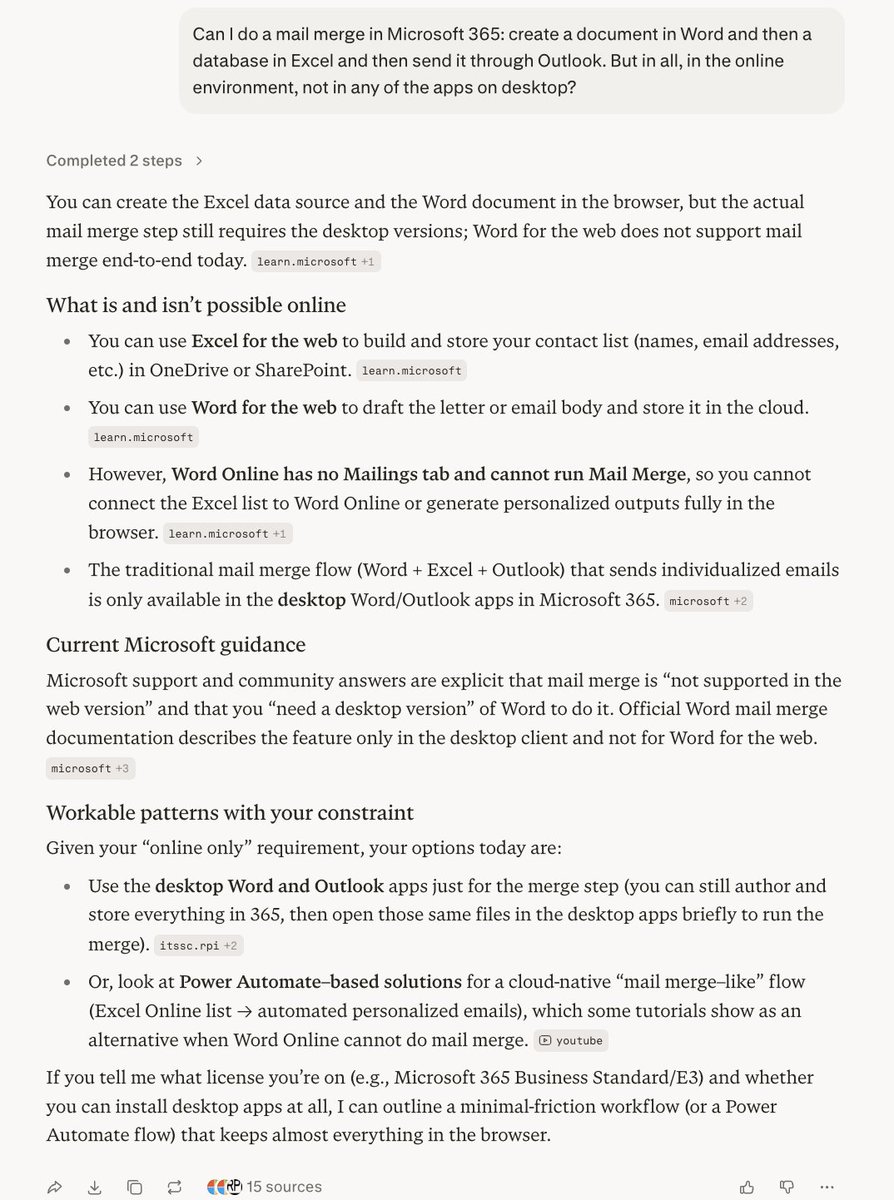
It would be more funny if it wasn't so annoying. But Microsoft is very good at making themselves less and less relevant to business.
1
44
Adam Probolsky retweeted

75% of California voters support expanding CARB #ZEV exemptions to include all vehicles expected to respond in emergency situations — not just fire trucks, ambulances, and police cars.
Public comment period ends TOMORROW.
Ask #CARB for local flexibility: csda.net/zev-flexibility
🎥 @AdamProbolsky, President, @ProbolskyRsrch
2
1
1
169
Mar 30
***Autism families (and supporters)***
There is a great opportunity help our kids get a voice through spelling. If you live in New York, please contact Senator Fahy and tell her to remove her amendments to S7792C (return to S7792C language).
Details on this site my wife and created:
sites.google.com/view/dr-ada…
51