
| Mancunian | Writer | Protocol Tester | back up account for @AdeizaJrWeb3 |
Joined January 2024
- Tweets 10,099
- Following 665
- Followers 560
- Likes 3,880
47 Photos and videos






AdeizaJrDefi retweeted

May 17
Tried interpreting a @thebeaksart character in my own style and vision.
“The Last Bloom” a beak from the sky.
Made of stone, floating through clouds, carrying a single flower like the last soft thing left untouched.
A fragment of the earth itself, less about fashion and more about nature, erosion, and silence.
Here’s my entry @DKashtalyan

25
23
53
2,596
AdeizaJrDefi retweeted

Mar 16
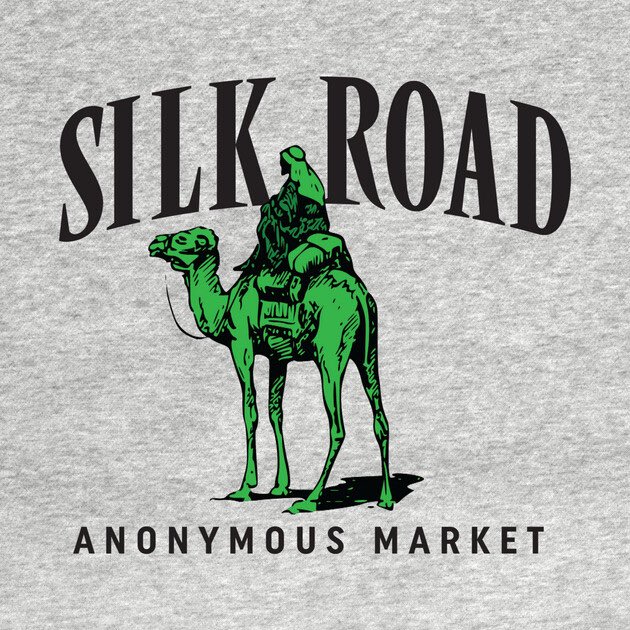
The real story of Ross Ulbricht is wilder than most people realize. 🇳🇬
A 26-year-old physics graduate built a $1B dark-web marketplace from a laptop, got two life sentences and still ended up free.
Here’s the full story below 👇🏽
In 2011, a young libertarian named Ross Ulbricht launched a website called Silk Road.
His idea was radical:
Create a free market on the internet where anyone could trade anything without government control.
To run the site, he used the alias “Dread Pirate Roberts.”
The name came from a character in the movie The Princess Bride.
Silk Road worked because it combined three technologies that had never been used together before:
- Tor (anonymous browsing)
- Bitcoin (pseudonymous money)
- Escrow systems (to create trust)
It became the first global anonymous marketplace.
At first, almost nobody used it.
Then word spread across forums like Bitcointalk and The Shroomery.
Within months, Silk Road exploded.
People called it “the Amazon of the Dark Web.”
You could buy almost anything:
• Drugs
• Fake IDs
• Hacking tools
• Digital services
• Rare books
But there were rules.
Weapons and child exploitation material were banned.
Between 2011 and 2013 the marketplace grew massive.
According to investigators:
• 100,000 users
• 3,000 vendors
• Millions of transactions
Nearly 9.5 million BTC flowed through the platform.
At today’s prices, that volume would be worth hundreds of billions of dollars.
But law enforcement across the world was closing in.
The investigation involved:
• FBI
• IRS
• DEA
• Homeland Security
Ironically, the first clue came from Ross himself.
When promoting Silk Road online, he once accidentally used a forum account connected to his real email.
That mistake started the trail.
By 2013 agents tracked him to San Francisco.
Ross often worked from cafés and public libraries.
On October 1, 2013, the FBI moved in.
They knew one thing:
If Ross closed his laptop, the evidence might be permanently encrypted.
So agents staged a distraction.
Two undercover officers pretended to argue loudly behind him in the library.
When he looked up…
An agent grabbed the laptop from his hands.
The screen allegedly showed him logged in as Dread Pirate Roberts.
Game over.
What investigators found on the laptop was enormous:
• Silk Road financial records
• Vendor lists
• Admin chat logs
• Operational notes
It was the digital blueprint of the entire marketplace.
But the case had an unexpected twist.
Two federal agents investigating Silk Road were later convicted of stealing Bitcoin from the case.
They ended up going to prison themselves.
In 2015, Ross Ulbricht was sentenced in federal court.
The punishment shocked the tech world:
Two life sentences 40 years.
No chance of parole.
For running a website.
The sentence sparked global debate:
Was this justice?
Or an example of the government making an example out of someone during the early days of crypto?
For years, activists campaigned for his release.
Then something unexpected happened.
In January 2025, President Donald Trump granted Ross Ulbricht a full presidential pardon.
After spending about 11 years in prison, he walked free.
Soon after his release, an anonymous supporter reportedly sent him 300 BTC.
Worth tens of millions of dollars.
Today Ross Ulbricht remains one of the most controversial figures in crypto history.
To some he’s a criminal.
To others he’s a symbol of digital freedom.
But one thing is certain:
Silk Road proved something that changed the internet forever.
Bitcoin could power a global economy beyond the control of governments.
And once that idea escaped…
There was no putting it back.
The Silk Road story is one of the most important chapters in the history of Bitcoin.
If you enjoyed this post, follow us for more deep dives into the stories that shaped crypto.

6
10
56
2,854

Mar 14
.@RealBet just gave me a VIP card and a Season 1 allocation for free
i didn't even have to deposit anything lol
claim.realbet.io/share/17485…
2
15
AdeizaJrDefi retweeted
Mar 11
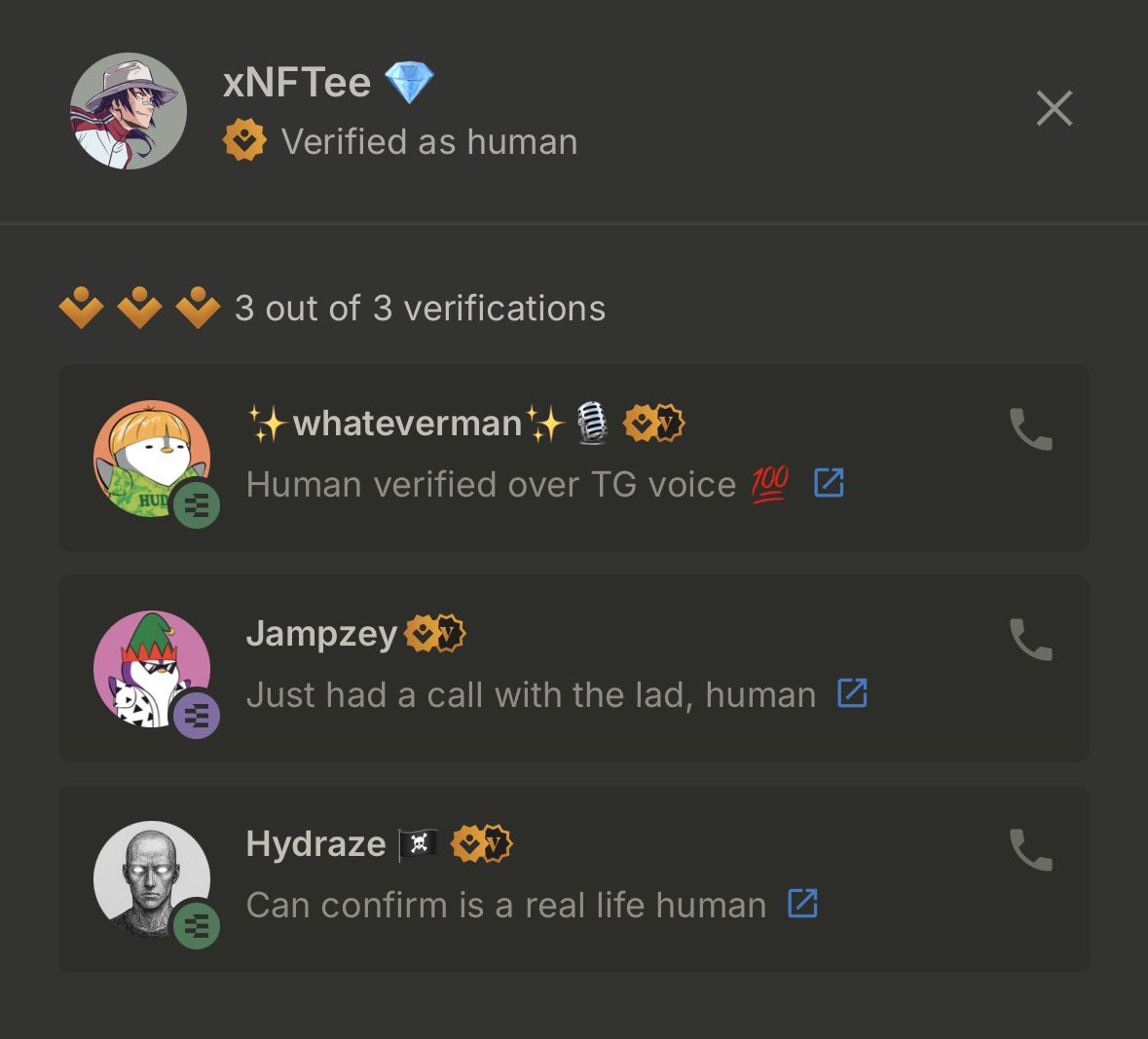
Human verified on Ethos ✅
Big thanks to My Daddy @Jampzey, @Hydraze420, and @what3verman for the vouches.
Appreciate you all 🫂
18
8
24
357
AdeizaJrDefi retweeted

Feb 28
I doubt Garnacho ever saw how good Adnan Januzaj was before he started thinking Man United couldn’t do without him.
Adnan was a superstar, incredibly good with both feet, the things he did yamal and Cole Palmer weren’t even close.
146
218
3,564
401,307
Feb 19
Feb 16

🎼 And now the end is near ...
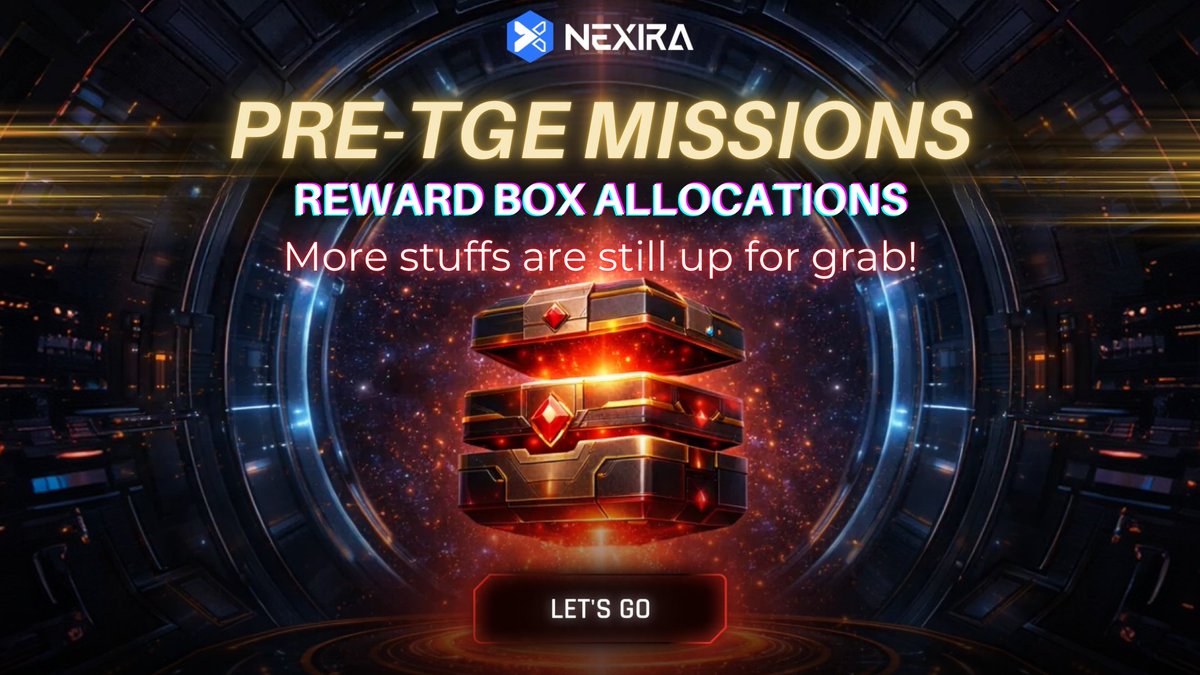
- Complete Pre-TGE Missions to allocate all boxes in RC.
- Unlock your boxes as scheduled.
- Do whatever you want at TGE.
Piece of cake! 😊
🎵 Yes it was our way.
PS. Don't forget 50 real Mini Warlord robots & secret bonuses for top participants (most referrals & completed tasks) are still up for grab.
👉 nexira.ai/airdrops/campaigns
#NexiraDAEP #TGE #Web3Gaming $NEXI
1
16
AdeizaJrDefi retweeted

Feb 13
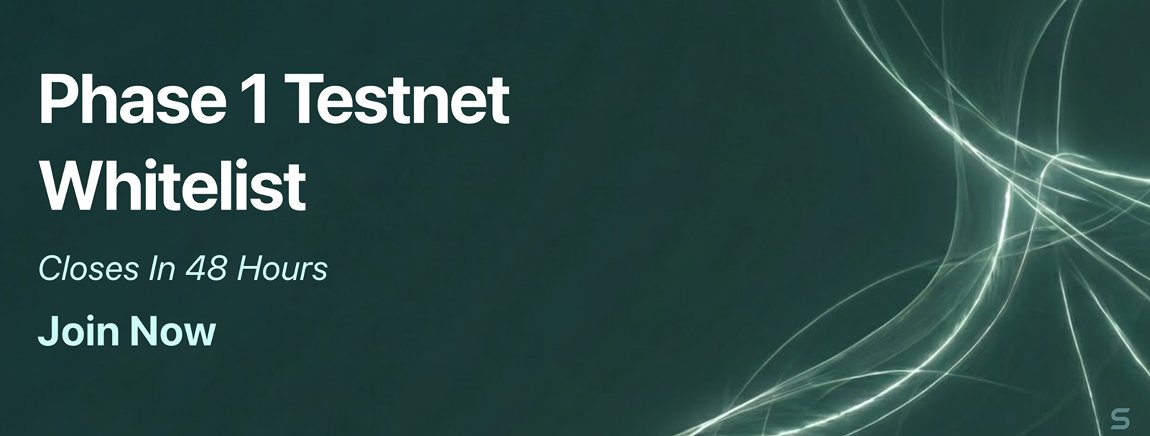
⚡ PHASE 1 TESTNET WHITELIST IS NOW OPEN ⚡
Whitelist registration is open for 48 hours.
Experience zero-slippage execution firsthand.
Complete Phase 1 testing → receive an exclusive NFT special rewards 🏛️
Register: stabilizer.finance/whitelist
It all starts now ✨
3,300
14,243
20,639
1,126,373
AdeizaJrDefi retweeted
Jan 28
2,638
12,803
18,353
583,747
AdeizaJrDefi retweeted

Jan 15
Front-run the market.
All possibilities in one view.
Never be exit liquidity again.
Limited Waitlist 👉 whales.market/prediction
308
293
531
76,010
Jan 14
Quest mode activated! ✅
Stacking beans and building alliances for Gassy Jack's beanstalk climb. Build a Gasless Future and unlock rewards together. LFGGasless! 🚀
ethgas.com/community/onboard…
6

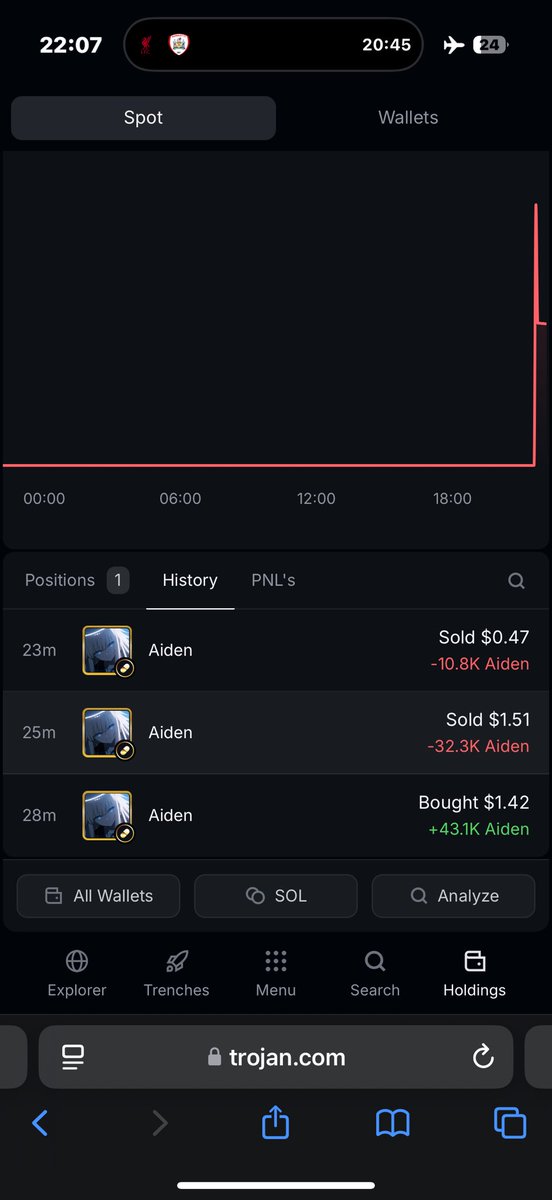
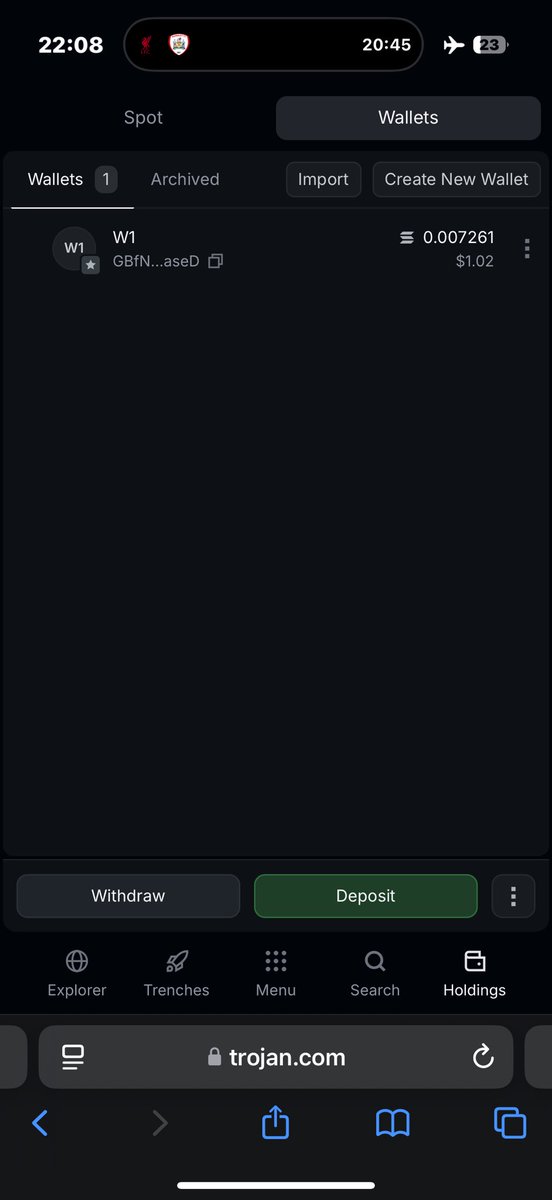
Wait, this looks like @TrojanOnSolana might be a scam.
I funded my wallet with $5, made a $1 trade, and got charged a $5 fee.
So the 5m$ is our fees
(GOD😭)
To everyone shilling this to their followers without proper research do better.
@cbCalicio change your ways 😒
44
7
110
24,761
AdeizaJrDefi retweeted

Jan 13
50K new trojan users 🐎
We are experiencing a very big spike in load and we are scaling out the infrastructure. Performance is slowly returning to where it belongs.
501
312
1,047
26,469
AdeizaJrDefi retweeted

Jan 7
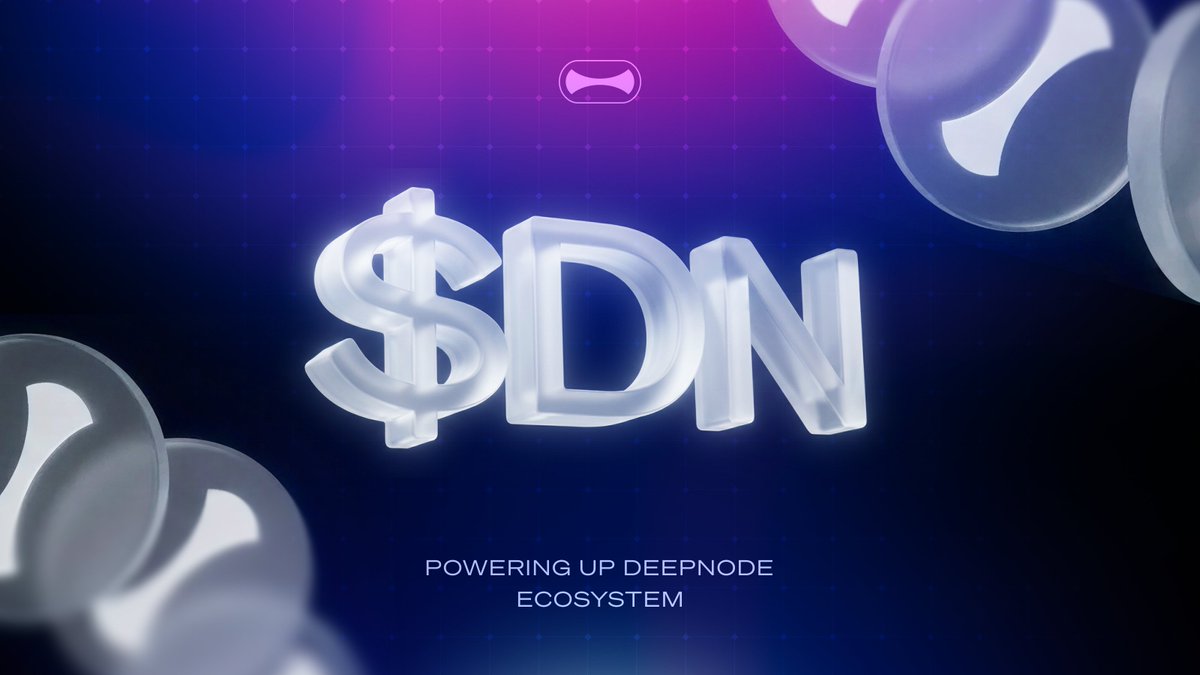
$DN is the core of DeepNode, tying all participating elements together and making sure the ecosystem is fair, transparent and community-powered.
Our token can be used to:
- Stake and receive yield
- Reward platform contributors
- Get access to different AI models
- Vote on governance decisions
TGE is coming on January 9th.
$DN will start a new AI revolution.
5,916
37,116
18,510
405,845
AdeizaJrDefi retweeted
Jan 7
$DN is built for the long haul.
Tokenomics designed with the community at the core.
Aligned incentives, responsible unlocks, and a distribution model that supports real growth over time.
We’re here to stay.
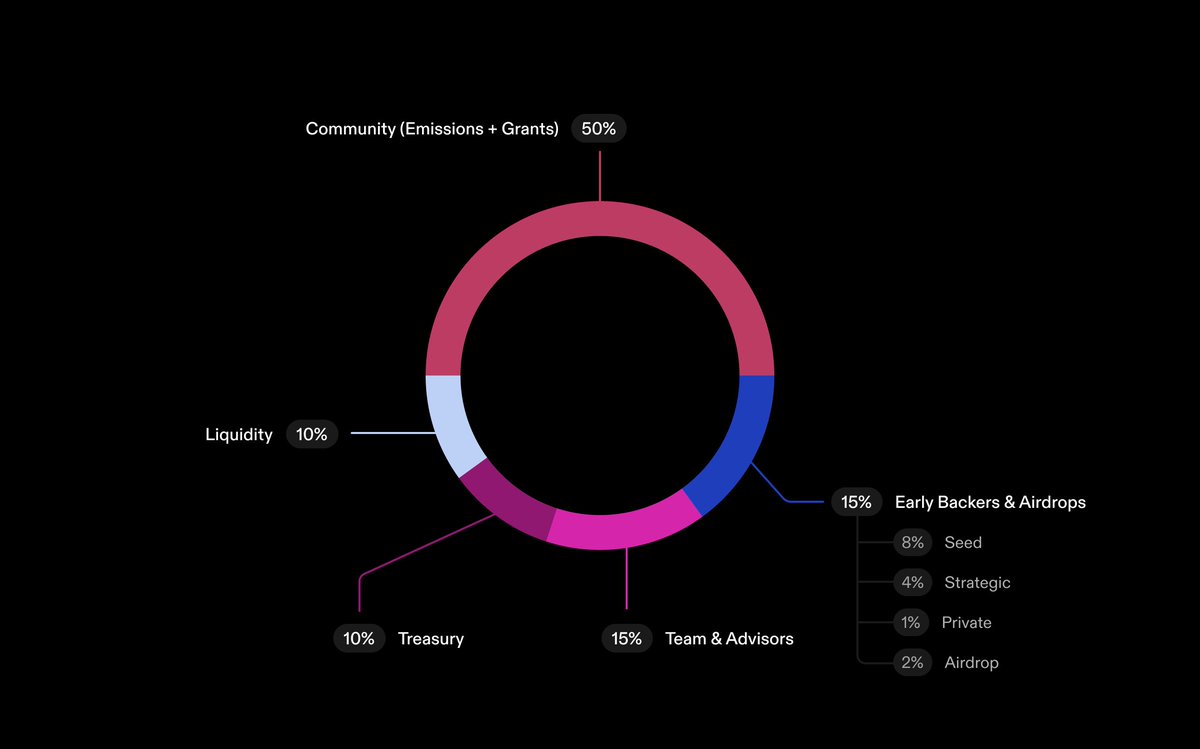
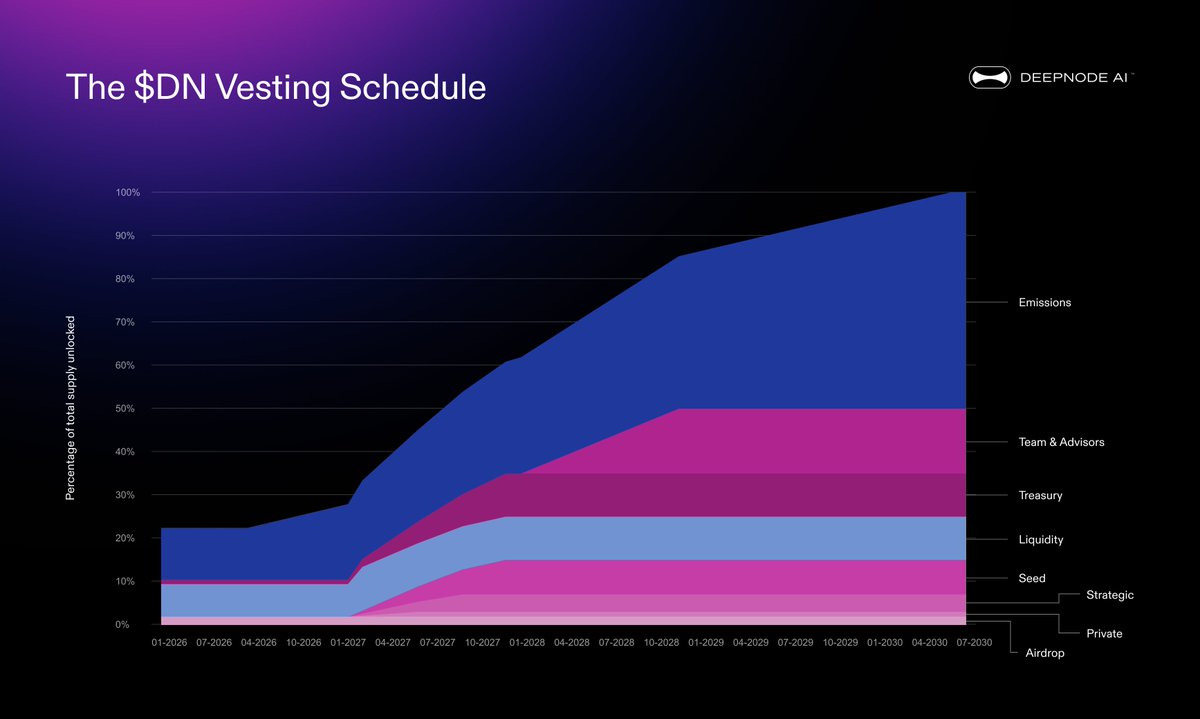
6,335
36,587
19,211
407,148
AdeizaJrDefi retweeted
Jan 6
Introducing the DeepNode Foundation @DNFoundation_
Established to steward the DeepNode ecosystem.
The protocol will continue to be community-owned, transparent and open by design.
Decentralized by design. Strengthened by the Foundation.
6,547
35,579
19,576
407,893
AdeizaJrDefi retweeted
Jan 5
9th January.
Mark it on your calendars, announce it to all CT, scream it out your window.
The day $DN comes to light is almost here.
Be ready for TGE!
14,179
50,825
31,050
802,037
AdeizaJrDefi retweeted
31 Dec 2025
$6.5M
That’s how much we raised across three funding rounds.
Thanks to all the top-tier funds and operators across Web3, AI, and Venture that believe in us:
Blockchain Founders Fund • Side Door Ventures • TBV • IOBC Capital • FOMO Ventures • 3Commas Capital • Kinetic Kollective • Prom Ventures • Nestoris • JLabs Digital • Zana Ventures • WildSage Labs • Rizzo
The momentum is real… and we’re just getting started.
Next up: TGE.
7,530
29,641
18,266
524,786
AdeizaJrDefi retweeted

25 Dec 2025
1/8 Thread
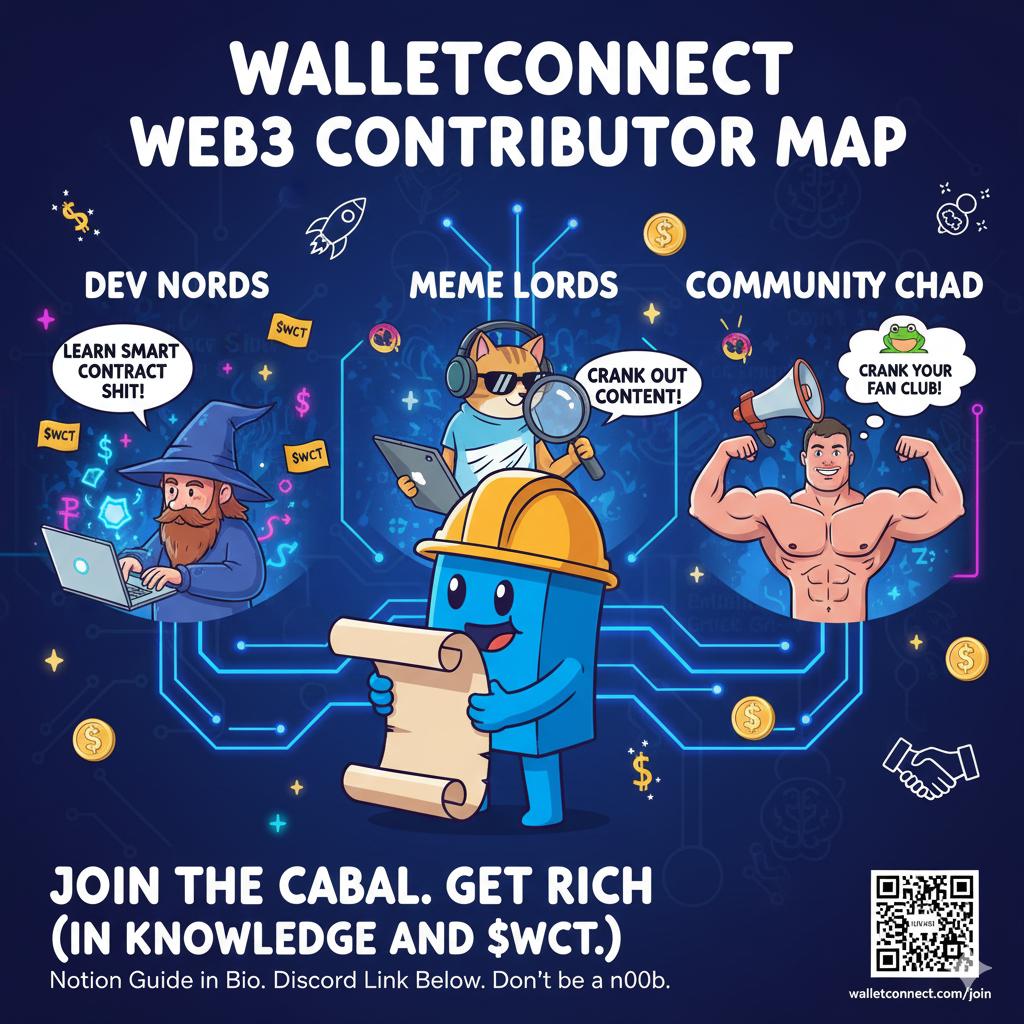
Most people wait for the next bull run to get rich. The real ones are spending their time contributing to the infrastructure that makes Web3 possible.
The @WalletConnect Contributor Community is now open. Here is how you can earn $WCT and a seat at the table. 👇
11
1
8
208

December 18, 2026. #AvengersDoomsday
2,002
35,664
198,858
11,044,082
AdeizaJrDefi retweeted

19 Sep 2025
When I started learning tech, I only had my partner who is a programmer. No friends in tech, no mentors. I just did what he told me to do. I stumbled a lot, and many times thought I wasn't good enough.
A thread 🧵
2
1
21
3,267