
Economist studying trade policy, finance, and macroeconomic outcomes. Research on tariffs, industrial policy, and global trade.
Joined August 2020
- Tweets 1,251
- Following 121
- Followers 3,557
- Likes 2,517
42 Photos and videos
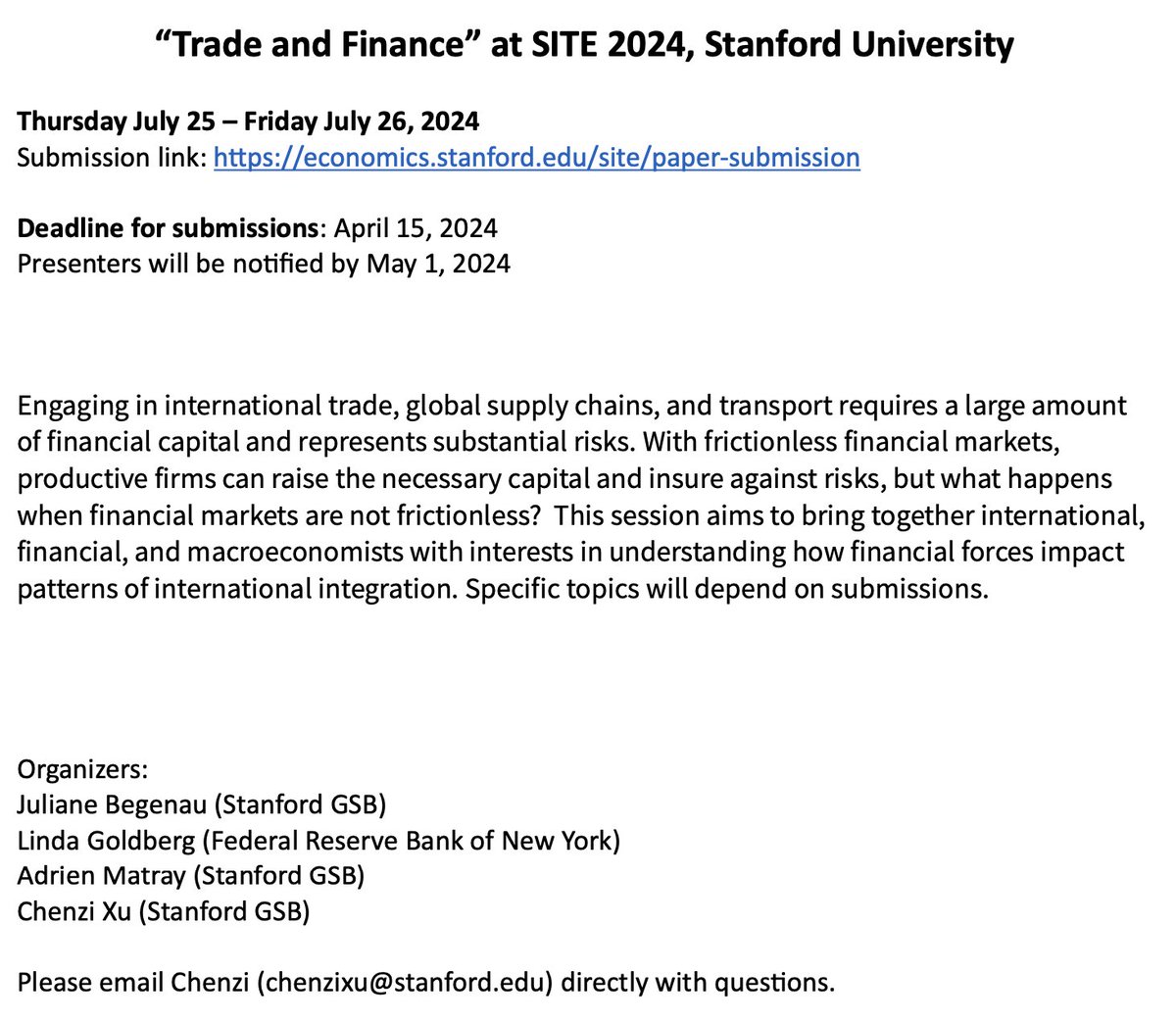
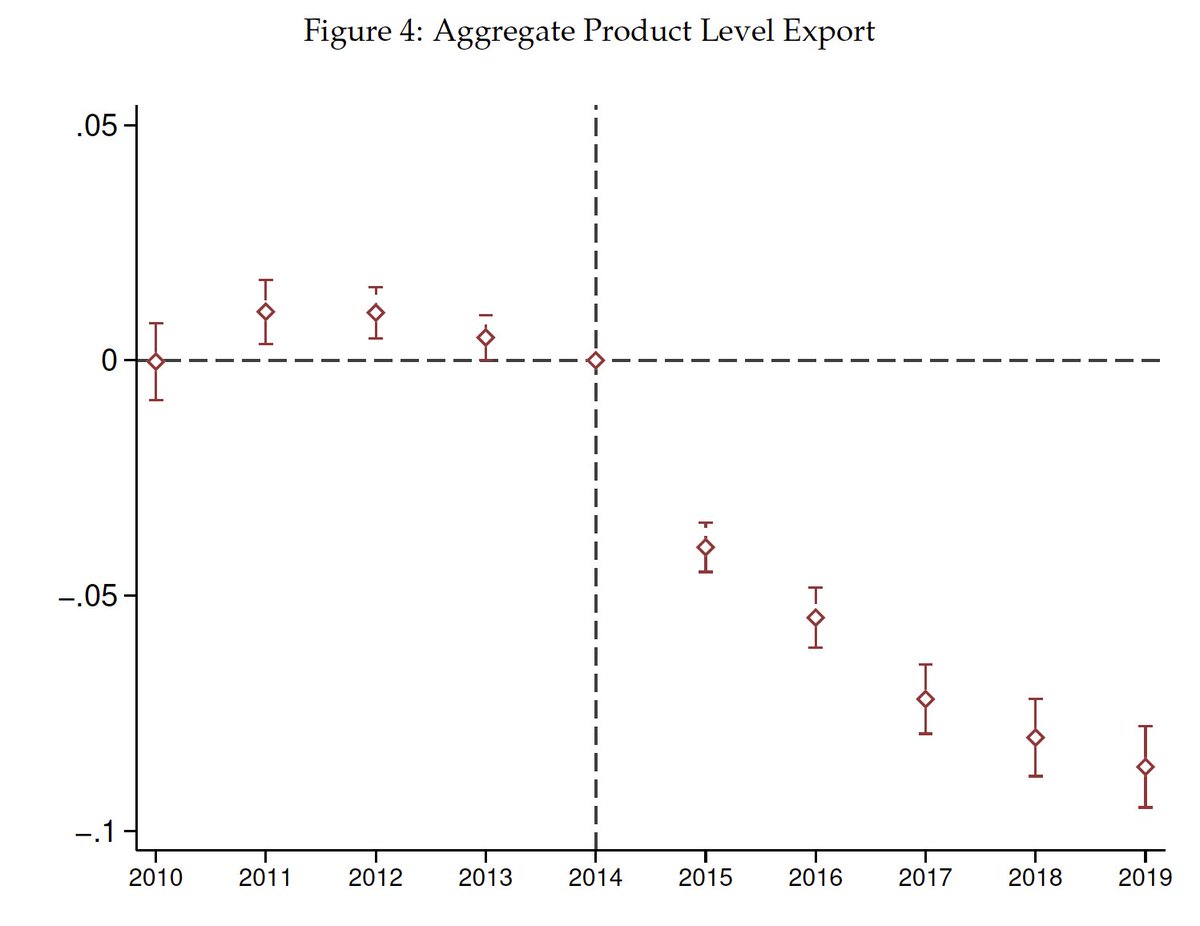
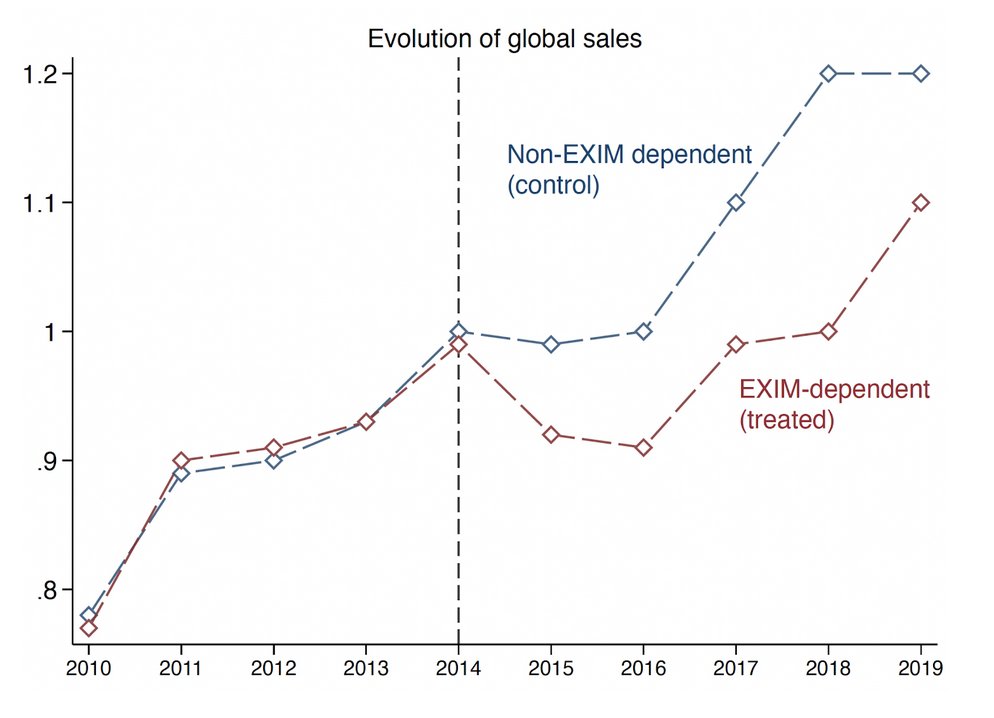
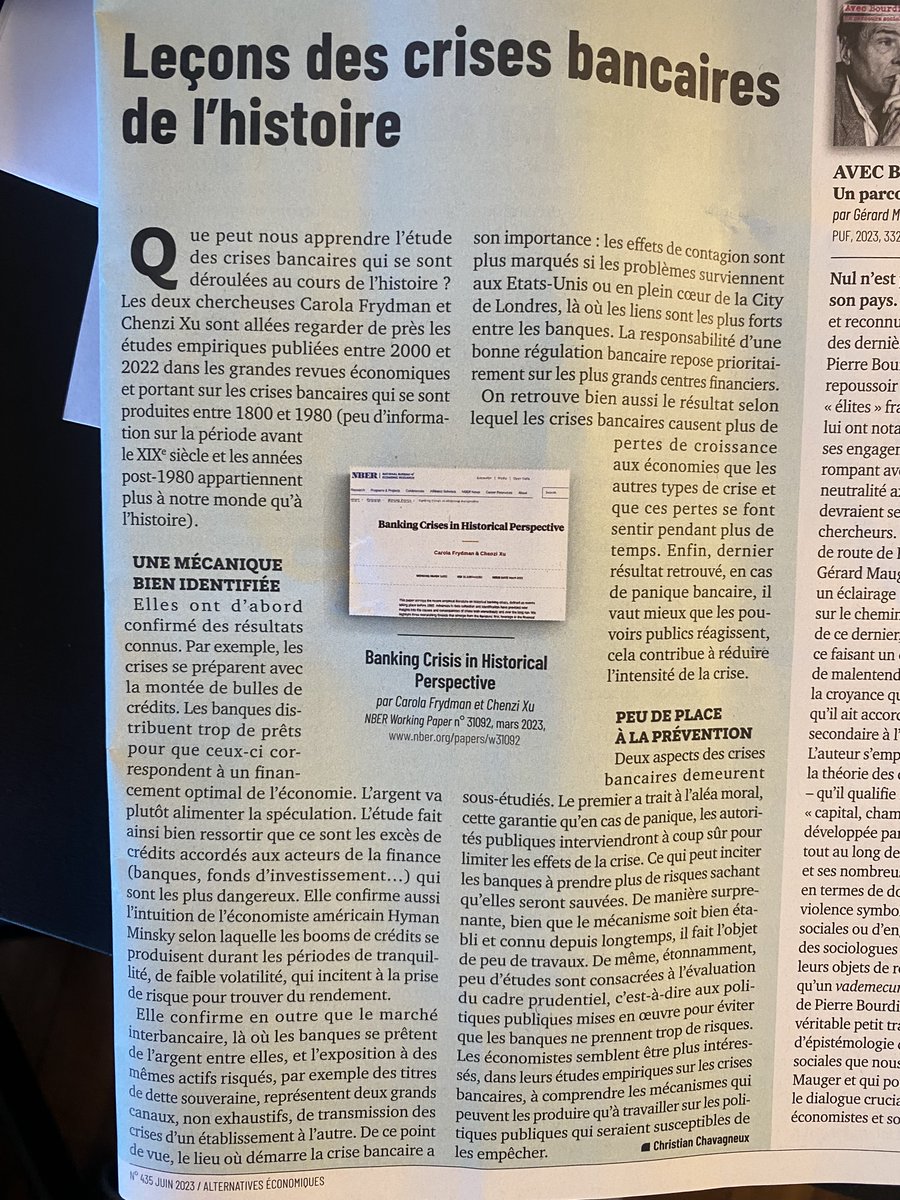



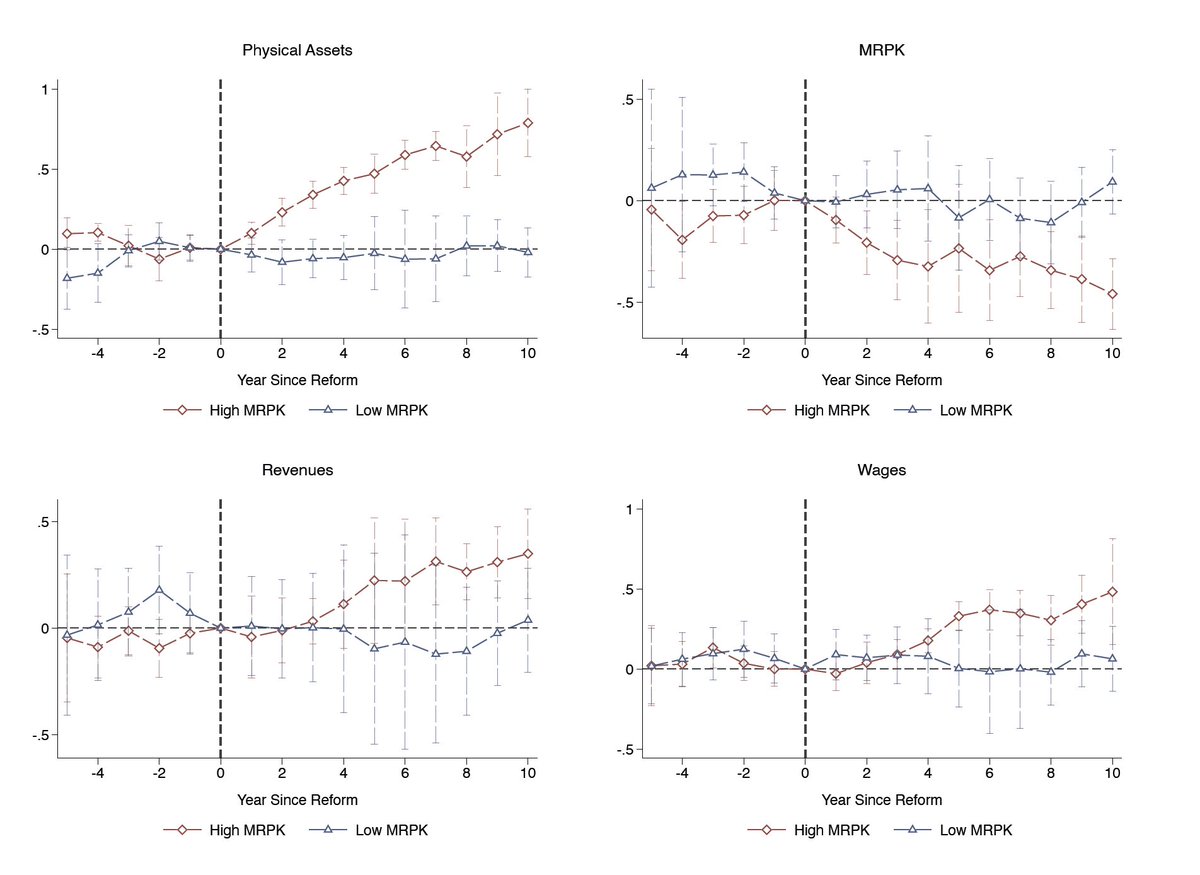
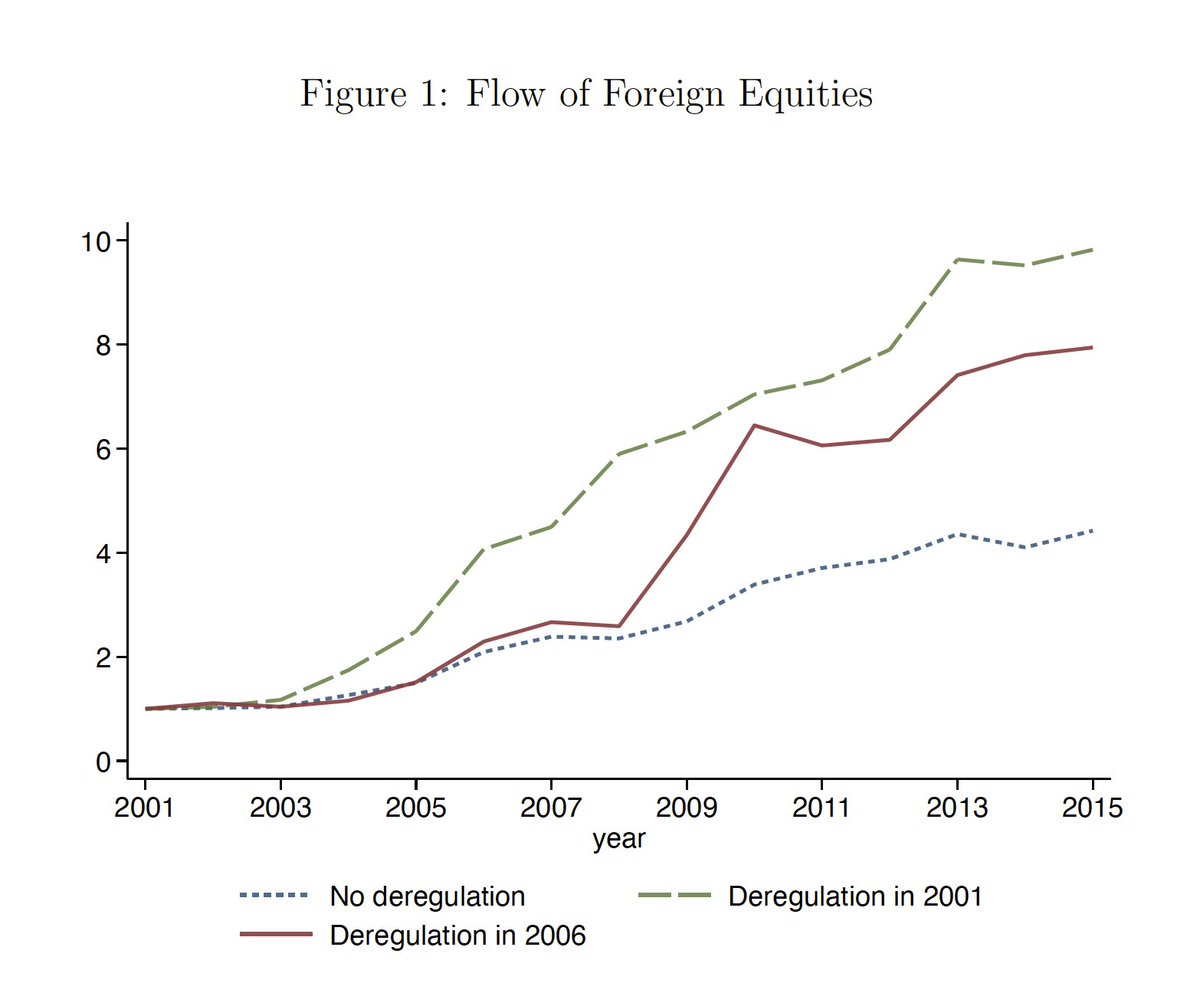
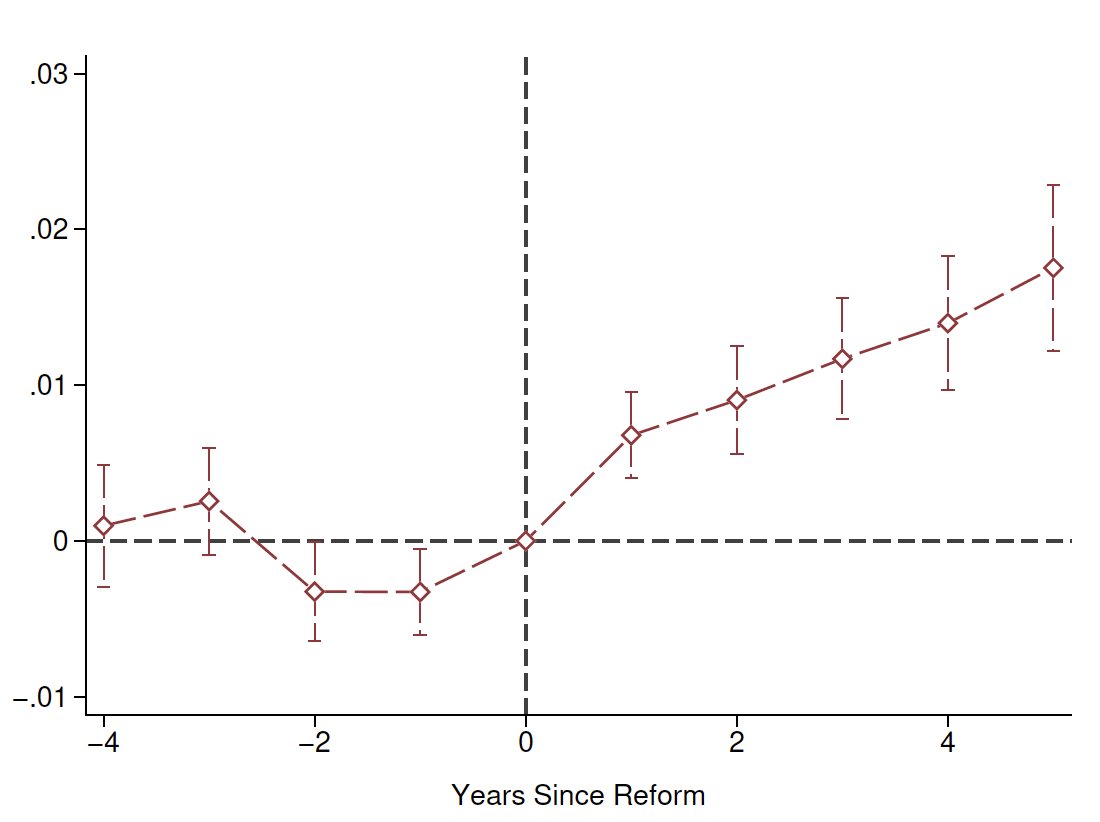
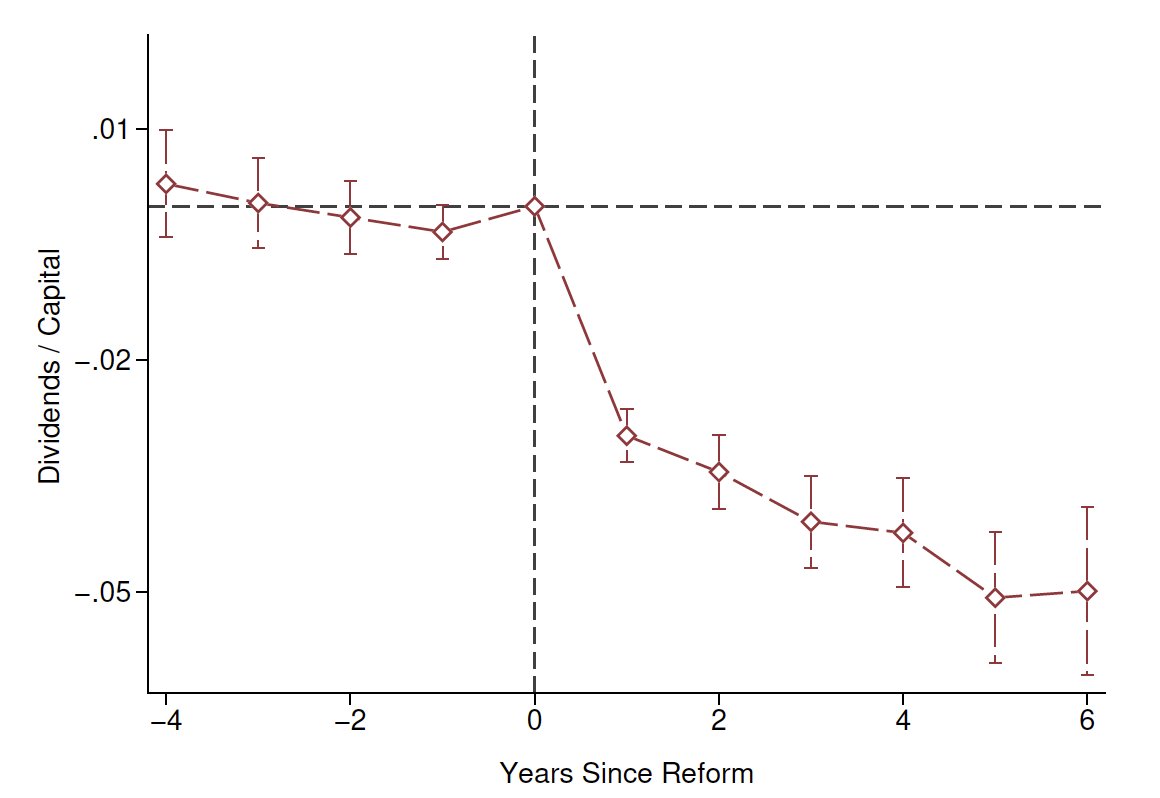

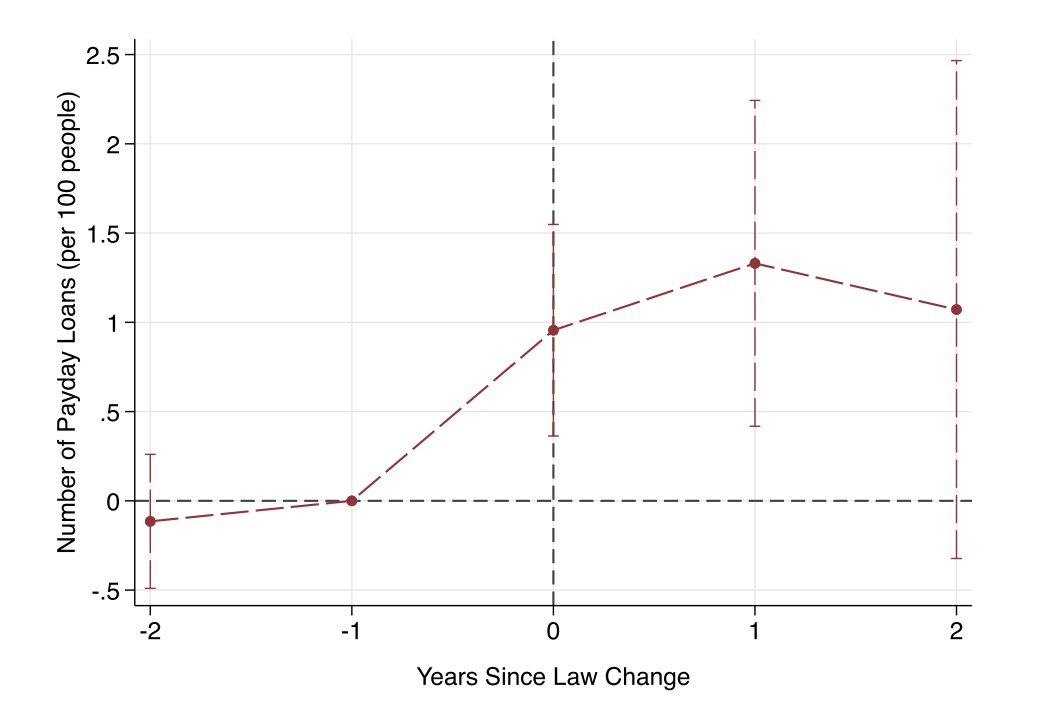
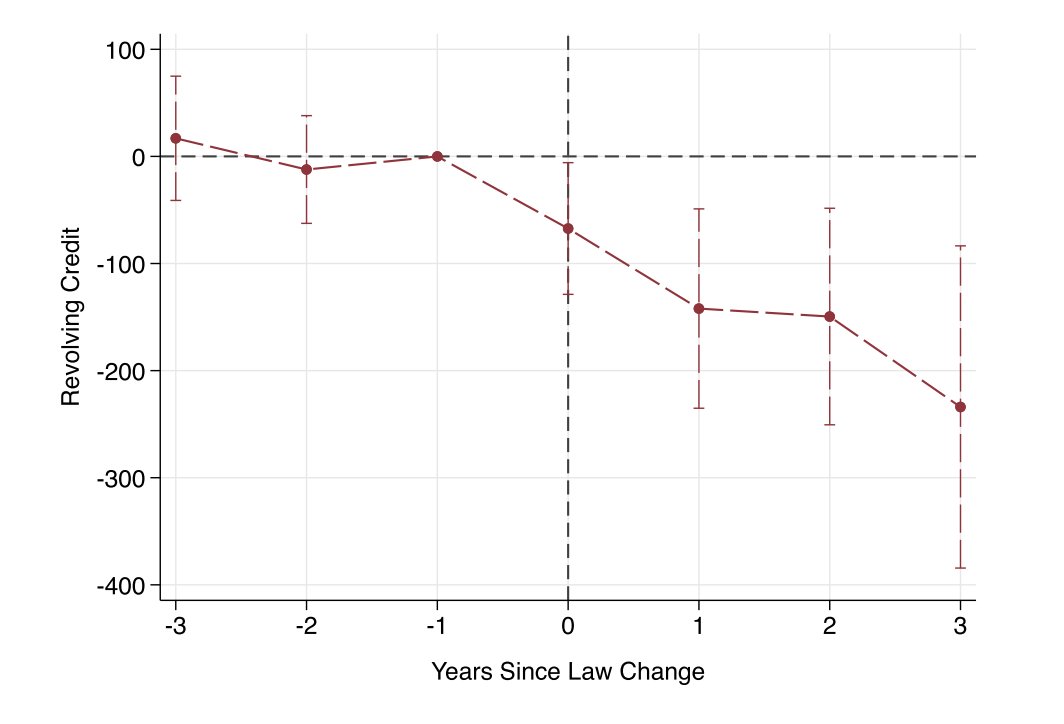
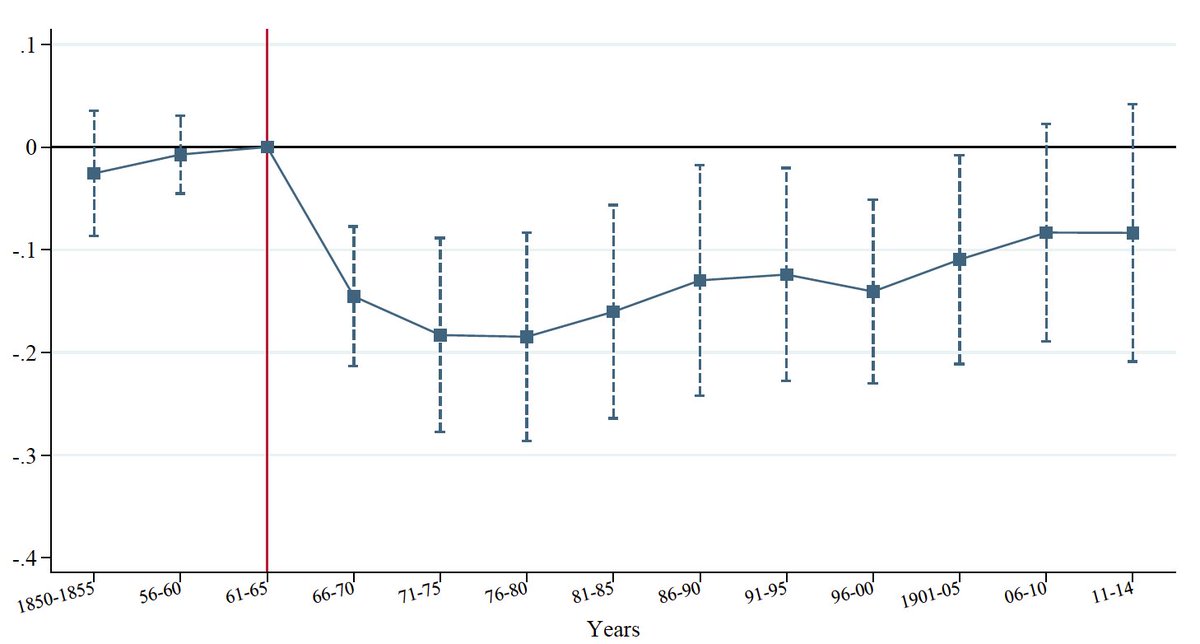
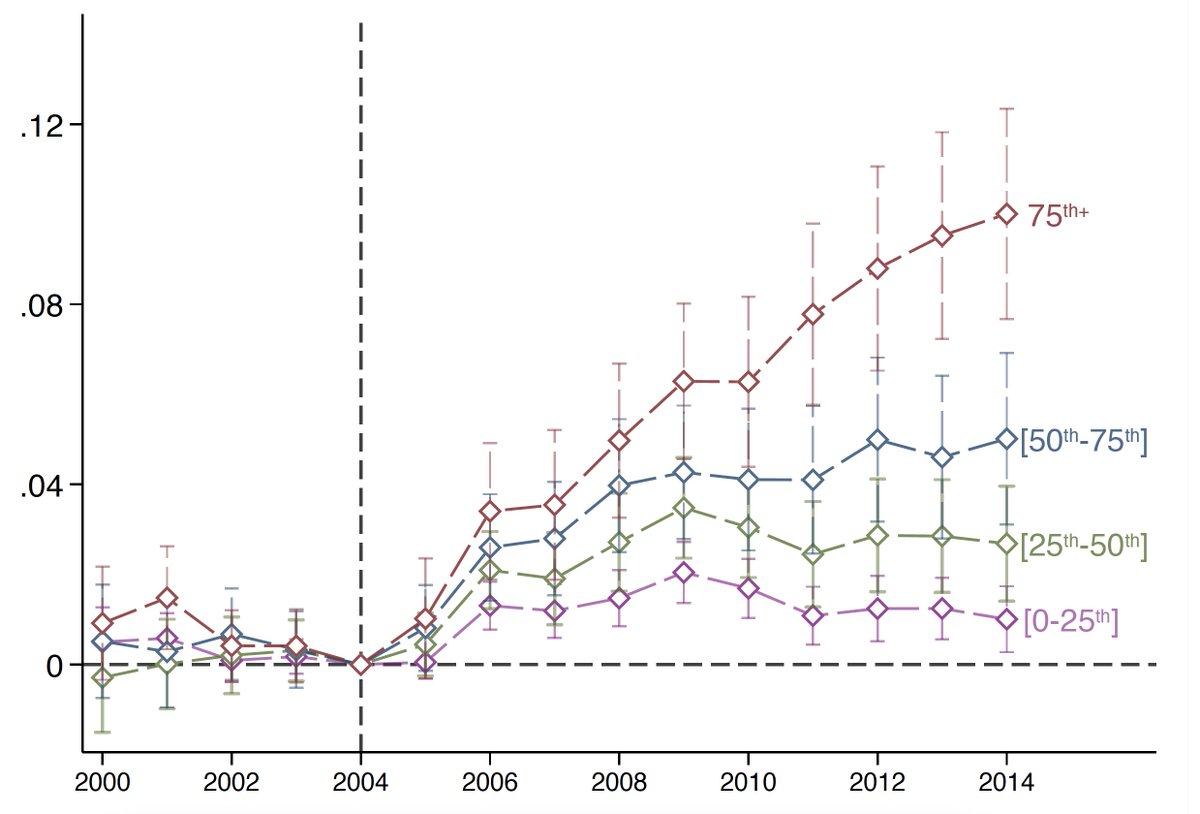
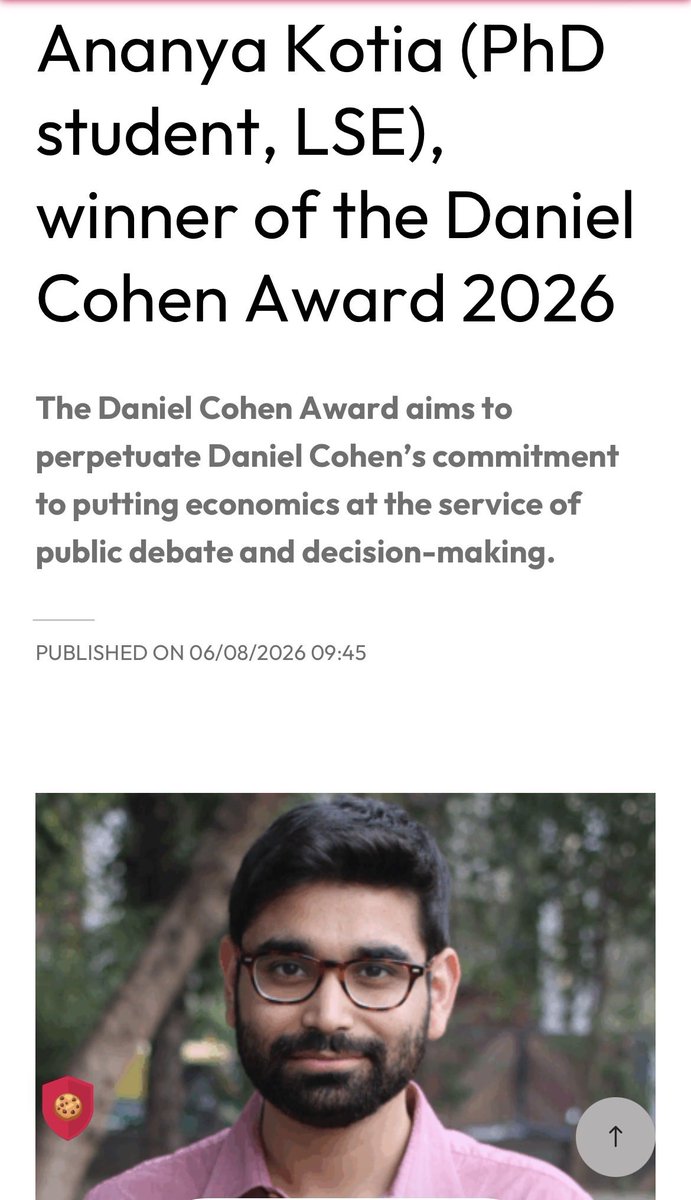
So richly deserved. Congrats @AnanyaKotia!!

Extremely proud of our fantastic @LSEEcon PhD student @AnanyaKotia for winning the Daniel Cohen Award!!!
1
11
2,801
Adrien Matray retweeted

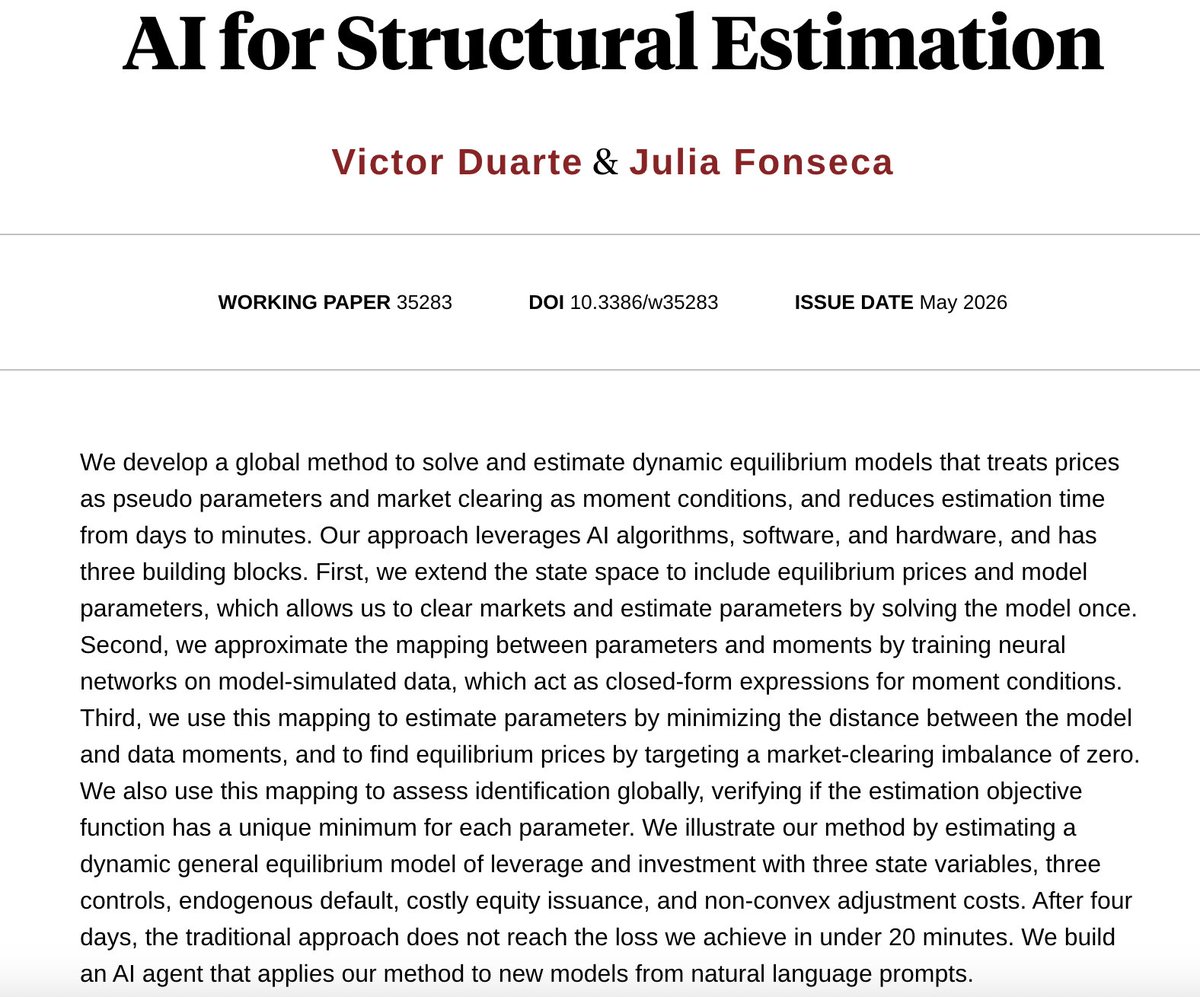
Excited to see this out! We come up with (AFAIK) a brand new way to solve for market-clearing prices: target an imbalance of zero like a moment condition. We expand the state space to include parameters and prices, so we can estimate and clear markets after solving the model once
5
25
135
14,099
Adrien Matray retweeted

Jun 8
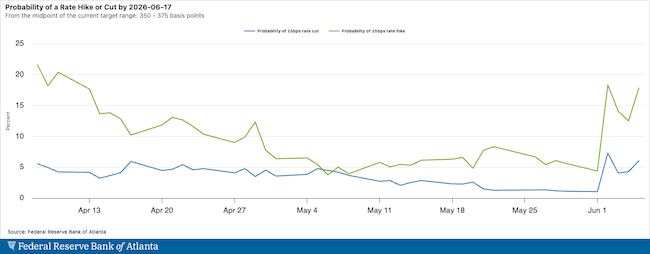
June 8: We've updated our Market Probability Tracker following @BLS_gov's release of May's #employment report. View the Atlanta Fed update online now: atlfed.org/49OfAst #ATLFedResearch
3
6
1,715
An absolutely incredible work by @NicolaLimodio
Jun 9

I typically do not post working papers. If anything, I prefer to write about published papers of mine (so rarely), or about the wonderful papers/colleagues from whom I learn so much (often about the #WEFIDEV network in #Finance & #Development).
But this one feels a little different.
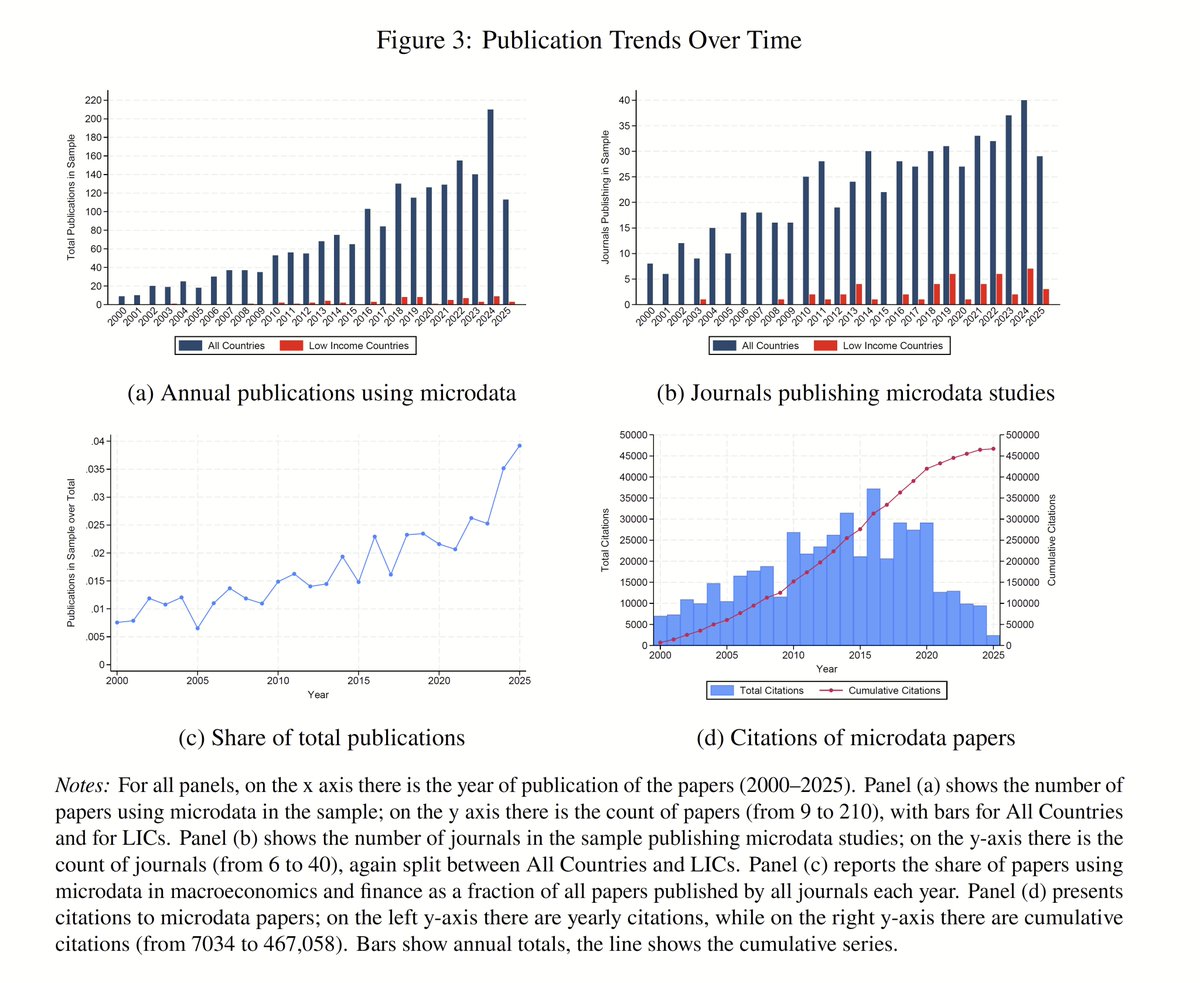
"Microdata for Research in Macroeconomics and Finance" is a fun paper that I wrote along the way (@cepr_org DP link below), after @pogourinchas, #PetiaTopalova, and #NanLi from the @IMFNews reached out with the idea of taking stock of how microdata are changing research in macroeconomics and finance, stimulated by the excellent work of the @FCDOGovUK headed by @DennisNovy.
The central idea is simple: over the last two decades, economics & finance have been transformed by the growing availability of granular data (credit registries, firm balance sheets, digital payments, and more). These allow us to move beyond aggregate averages & ask sharper questions. Who is constrained? Which firms respond to policy? How do payment systems reshape economic activity? Where are market imperfections most binding? And more.
This matters everywhere, but especially in low-income countries, where importing policies from high-income settings can be misleading. Market frictions, informality, enforcement, institutional capacity, and financial infrastructure often differ in fundamental ways. Better policy requires understanding these mechanisms from the ground up.
In the paper, I construct a new dataset of more than 1,900 academic publications using nine types of microdata, drawn from the top 50 journals in economics and finance between 2000 and 2025. The dataset combines bibliometric work, LLM-processing, and human verification.
1
4
22
10,500
Adrien Matray retweeted

1
9
30
3,716
(1/N) Does your Claude sometimes ignore your preferences? Suddenly forget your rules? Run Stata the wrong way out of nowhere?
You are not alone. And it is almost always the same mistake.
2
4
44
14,376
Good news: you can force Claude to behave how you want.
Write your non-negotiables as Hard Rules in your global CLAUDE.md. Add preferences. Iterate when Claude breaks one. It takes back and forth, but Claude misbehaving is NOT a fatality.
1
5
2,594
I wrote a full guide for economists who have never used Claude. Mental model, setup, hard rules, FAQ on the Dropbox mistake, common failures.
Take a look and tell me what is still missing.
amatray.github.io/ai-guide-f…
2
46
257
16,304

May 29
1/n ⚠️⚠️ how to use github and dropbox for economists. Economists are now told, for good reason, that if we use AI for research code, we should also use GitHub.
That advice is right. But the way many economists actually work creates a trap.
Most projects still live in Dropbox.
2
29
283
30,762
May 29
And before editing anything, always ask Git what branch the folder is actually on:
git status --short --branch
Do not infer branch state from the Dropbox folder name alone.
The folder name is a label. Git is the source of truth.
1
2
2,526
May 29
I wrote up the workflow here for research assistants and coauthors:
amatray.github.io/ai-guide-f…
The main point: Dropbox is the storage layer. GitHub is the collaboration layer. Mixing those roles is where mistakes happen.
3
3
29
2,396
