Joined September 2018
- Tweets 402
- Following 155
- Followers 1,509
- Likes 1,515
148 Photos and videos



Pinned Tweet

26 Apr 2020
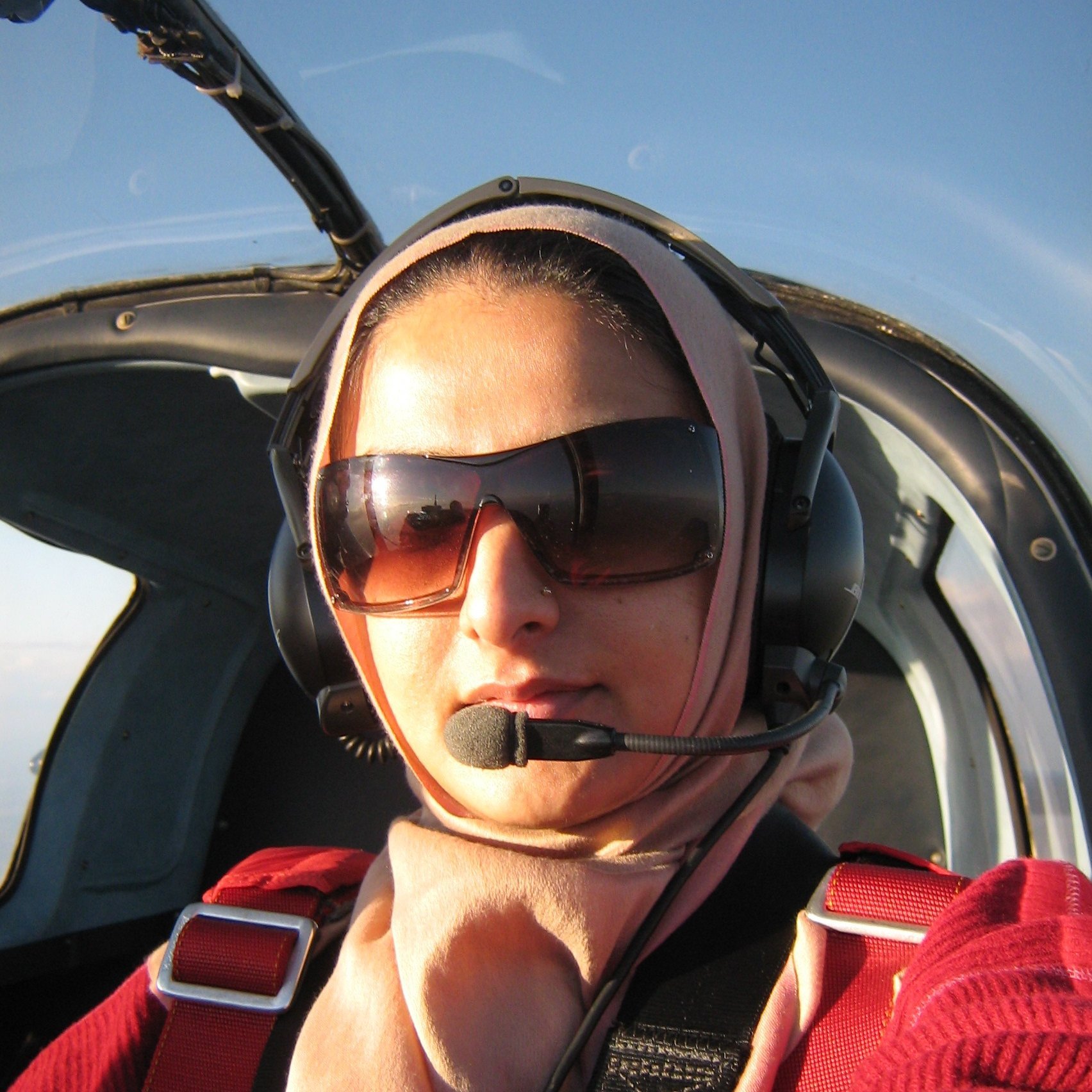
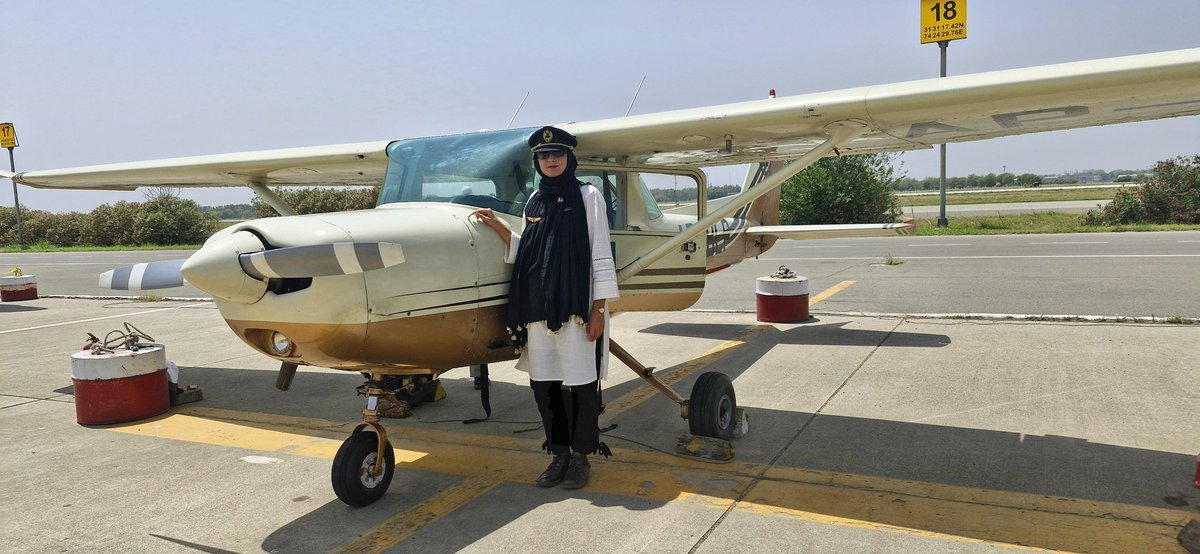
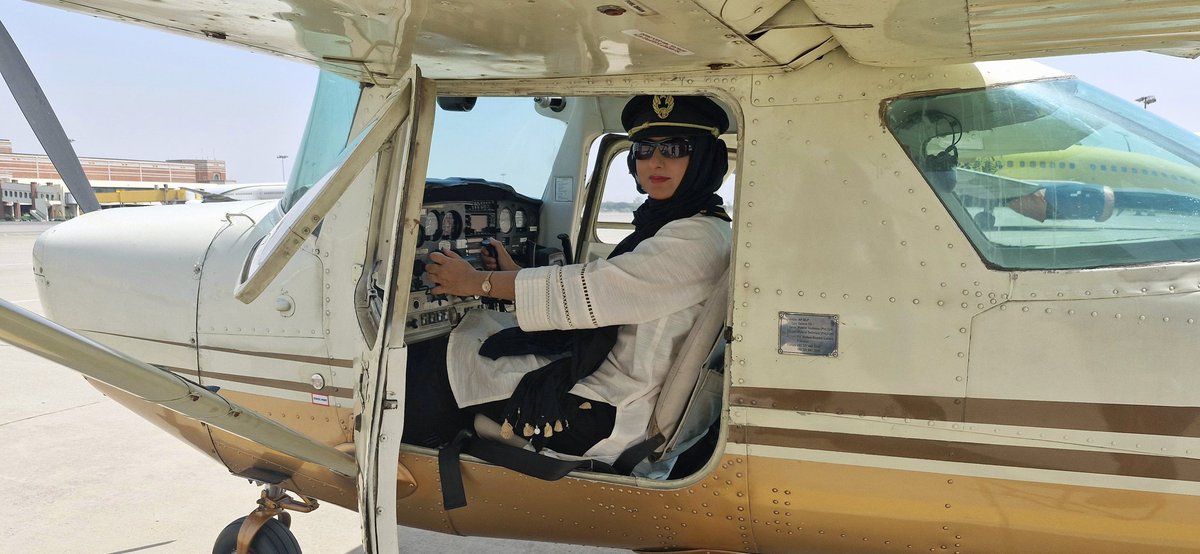
#WorldPilotsDay Let us aim to maintain the green earth and the blue skies once flying is resumed
13
13
168
Sarah Qureshi retweeted

Apr 29
🚨🇵🇰 Pakistani space program: faster and more efficient but still dependent on China
Pakistan launched its fifth indigenous satellite into orbit within 16 months – but all launches used Chinese carrier rockets.
Aerospace propulsion engineer Dr. Sarah Qureshi told Sputnik how the program has accelerated.
Tech priorities
Pakistan is not inclined toward core research and development or investment in domestic technologies, and relies heavily on ready-made designs from China.
Why now
A suitable partner has been found in China.
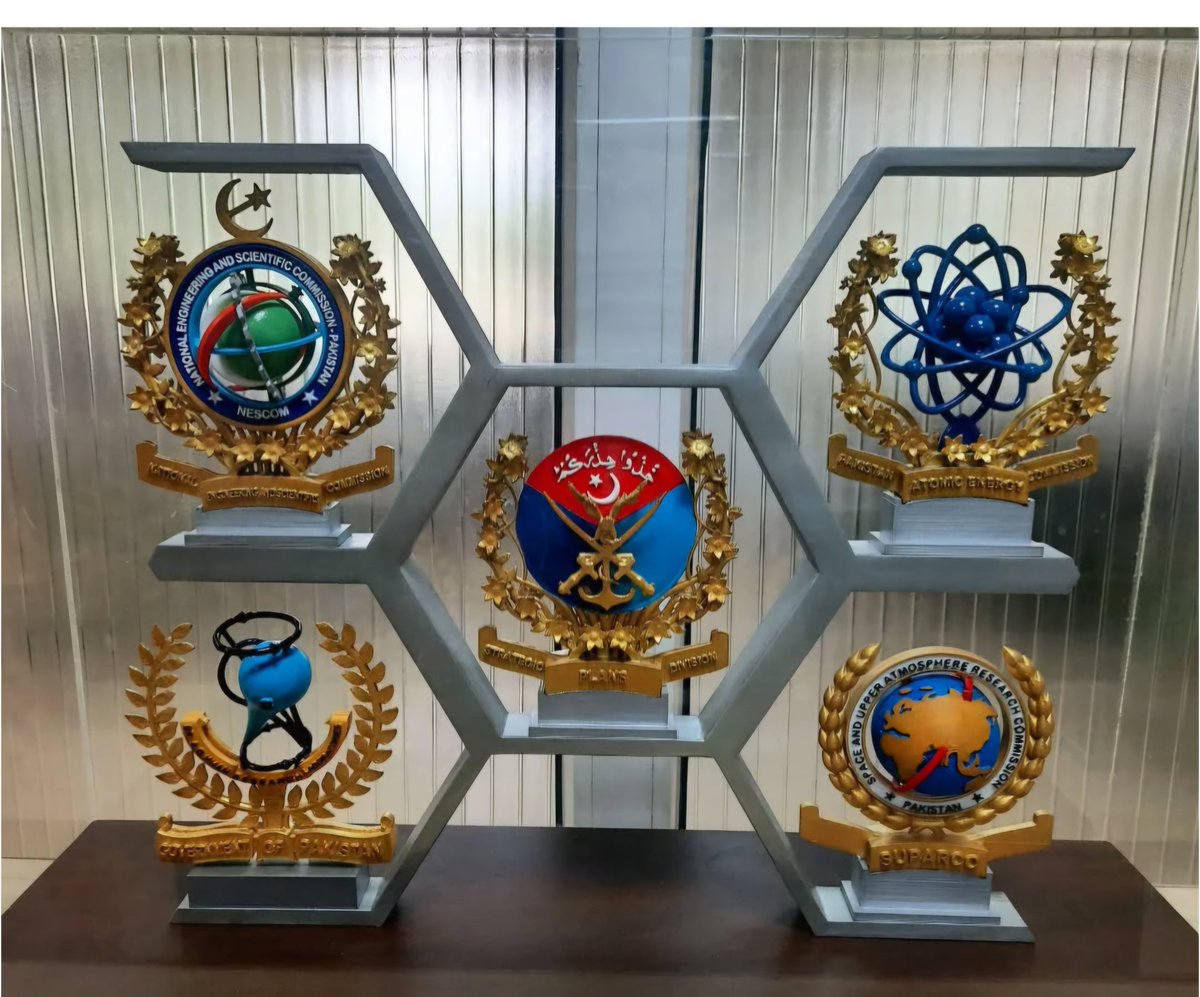
Aerospace, defense and satellite technologies are now united under the Strategic Plans Division, improving coordination.
Modularity means designs no longer need to be built from scratch.
The launch problem
"If a satellite costs a million to build, the rocket to launch it to space costs billions," Qureshi says. "It requires a lot of money and time."
Pakistan is capable of building its own rockets, but no significant budget has been allocated to make it a national priority.
Apr 28

🚨🇵🇰 Pakistan soars toward tech sovereignty with fifth satellite in 'Space Vision 2040' push
Over the past 16 months, Pakistan has launched five satellites. The country's media announced the fifth and most recent successful launch at the end of last week. All five satellites are designed for Earth observation.
Primary uses include:
🔸 Monitoring crops and forecasting agricultural yields
🔸 Assessing soil condition and tracking fertilizer use
🔸 Detecting and controlling unauthorized construction
🔸 Planning transport networks
🔸 Conducting maritime border surveillance and port monitoring
🔸 Supporting geological exploration and mineral detection
🔸 Monitoring water and air pollution
Satellite manufacturing:
All five satellites were built by Pakistan’s domestic aerospace industry. Four of them are entirely indigenous innovations, while one was developed in collaboration with China.
China’s role in the project:
All satellites were launched using Chinese carrier rockets
China also provided technical support, enabling Pakistan to access advanced space technologies while gradually strengthening its own domestic production capabilities
Significance:
The deployment of these five advanced satellites is part of Pakistan’s long-term national strategy, known as "Space Vision 2040." The overarching goal is to achieve full technological sovereignty — enabling Pakistan not only to manufacture its own satellites in the future but also to launch them independently from its own soil.
17
103
535
61,043
Sarah Qureshi retweeted

Apr 24
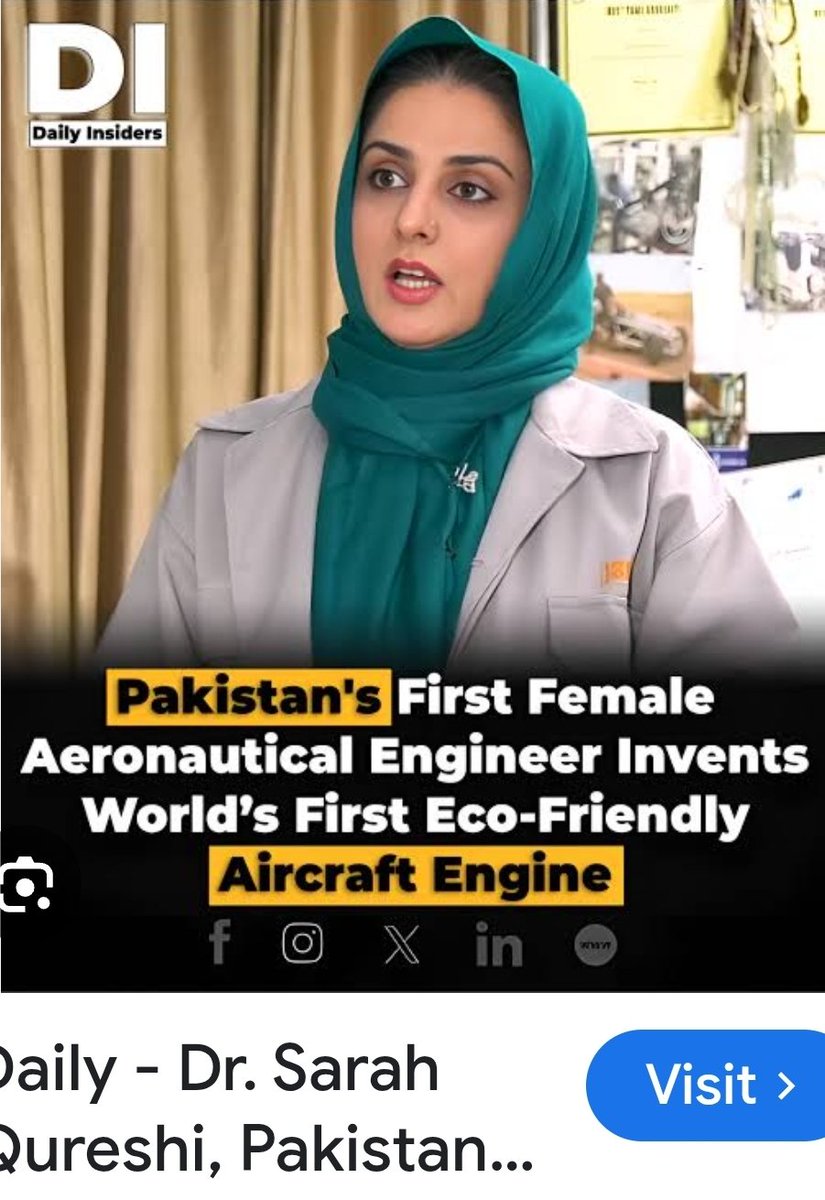
ڈاکٹر سارہ قریشی۔ 1
اکیلی لڑکی۔۔۔ نیندیں اڑا دیں
*سال 2001۔ NUST۔ مکینیکل انجینئرنگ ڈیپارٹمنٹ۔
پہلا دن۔* ساٹھ لڑکوں کے بیچ ایک لڑکی داخل ہوتی ہے۔ نام سارہ قریشی۔ کلاس کے پیچھے بیٹھتی ہے۔ لیکچرر گھور کر دیکھتا ہے۔ لڑکے سرگوشی کرتے ہیں۔ کوئی پوچھتا ہے “بی بی آپ غلط کلاس میں آ گئی ہیں، ہوم اکنامکس والی بلڈنگ ساتھ والی ہے”۔ سارہ مسکراتی ہے اور کاپی کھول لیتی ہے۔ اسے پتہ ہے کہ وہ غلط کلاس میں نہیں، غلط صدی میں پیدا ہوئی ہے۔ مگر صدی بدلنے کے لیے کسی ایک کو تو پہلا قدم اٹھانا پڑتا ہے۔ وہ قدم سارہ نے اس دن اٹھا لیا اور پھر چار سال تک NUST کی لیب میں سب سے آخر میں لائٹ بند کر کے جانے والی وہی لڑکی تھی جسے پہلے دن کلاس کا راستہ پوچھا گیا تھا۔ گارڈ رات دس بجے ٹوکتا تھا “بی بی گھر جاؤ، یہاں لڑکیوں کا کیا کام”، سارہ جواب دیتی تھی “چاچا، جہاز کا انجن بنا رہی ہوں، صبح تک ہو جائے گا تو چلی جاؤں گی”۔ گارڈ ہنستا تھا۔ سارہ نہیں ہنستی تھی۔
کیونکہ اسے پتہ تھا کہ پاکستان کی پہلی فیمیل مکینیکل انجینئر بننے کے لیے راتیں کالے کرنی پڑتی ہیں۔ 2005 میں ڈگری ملی۔ NUST کی تاریخ میں پہلی لڑکی۔ لوگوں نے کہا “چلو شاباش، اب نوکری کرو یا شادی”۔ سارہ نے دونوں باتیں سنیں اور تیسری کر دی۔ آٹوموٹو انڈسٹری جوائن کی۔ پاکستان کے ہب میں۔ جہاں انجن تو بنتے تھے مگر چھوٹے۔ سارہ نے وہاں UAV یعنی ڈرون کا آٹو پائلٹ سسٹم ڈیزائن کیا۔ وہ سسٹم جو ڈرون کو خود بخود اڑاتا ہے، بلندی سنبھالتا ہے، ہوا کے تھپیڑے میں بیلنس رکھتا ہے۔ انڈسٹری نے کہا “یہ لڑکی تو کام کی ہے”۔ مگر سارہ کا خواب بڑا تھا۔
اسے زمین پر نہیں، آسمان میں اڑنا تھا۔ اسکالرشپ ملی۔ UK چلی گئی۔ Cranfield University۔ دنیا کی ٹاپ ایرو اسپیس یونیورسٹی۔ وہاں PhD شروع کی۔ موضوع؟ Aerospace Propulsion۔ آسان لفظوں میں: جہاز کا انجن۔ اب ذرا رکو اور سوچو۔ لاہور کی ایک لڑکی، جسے NUST میں کلاس کا راستہ بتایا گیا تھا، اب دنیا کے سب سے مشکل موضوع پر PhD کر رہی ہے۔ اور اکیلی نہیں کر رہی۔ MSc کے گورے لڑکوں کو پڑھا بھی رہی ہے۔ وہ حیران ہو کر پوچھتے ہیں “You are from Pakistan? And you are teaching us jet engines?” سارہ کہتی ہے “Yes, and I will build one too”۔ پی ایچ ڈی کے دوران اس کا واسطہ پڑا ایک ایسے مسئلے سے جس نے پوری دنیا کو پریشان کیا ہوا تھا۔ جب جہاز اڑتا ہے تو پیچھے سفید لکیر چھوڑتا ہے۔ ہم سب نے دیکھی ہے۔ اسے کنٹریل کہتے ہیں۔ ہم سمجھتے ہیں بادل ہے۔ مگر سائنس کہتی ہے کہ یہ کاربن ڈائی آکسائیڈ سے دو گنا زیادہ خطرناک ہے۔ یہ گلوبل وارمنگ کی سب سے بڑی وجہ ہے۔ مطلب تمہاری گاڑی سے زیادہ جہاز کا وہ سفید دھواں زمین کو گرم کر رہا ہے۔ پچاس سال سے سائنسدان حل ڈھونڈ رہے تھے۔ امریکہ، جرمنی، جاپان سب فیل۔ سارہ نے اپنے والد مسعود لطیف قریشی کے ساتھ بیٹھ کر کہا “ابو، اگر مسئلہ دھوئیں کا ہے تو دھواں ہی ختم کر دیتے ہیں”۔ باپ فزسٹ تھا، بیٹی انجینئر۔ دونوں نے لیب میں تالا لگا دیا۔ 2018 کا سال تھا۔
تین سال لگے۔ نیندیں حرام ہوئیں۔ Cranfield کے پروفیسر
بھی ساتھ مل گئے۔ اور پھر ایک دن انجن اسٹارٹ ہوا۔ انجن نے دھواں باہر نہیں پھینکا۔ اندر ہی پکڑ لیا۔ کیسے؟ اس کے اندر ایک پریشر بیسڈ کنڈنسیشن سسٹم لگا ہے۔ یہ سسٹم ایگزاسٹ کے گرم بخارات کو ٹھنڈا کرتا ہے۔ بخارات پانی بن جاتے ہیں۔ وہ پانی جہاز کے ایک ٹینک میں جمع ہو جاتا ہے۔ کنٹریل؟ زیرو۔ دھواں؟ زیرو۔ گلوبل وارمنگ میں جہاز کا حصہ؟ ختم۔ اور کہانی یہاں نہیں رکی۔ سارہ نے کہا “یہ پانی ضائع کیوں کریں؟” اس نے سسٹم میں ایک اور کمال کر دیا۔ پائلٹ جب چاہے بٹن دبا کر وہ پانی بادلوں میں چھوڑ سکتا ہے۔ مطلب جہاز سے مصنوعی بارش۔ جہاں قحط ہو، وہاں پانی۔ ایک انجن، تین کام۔ ایک: گلوبل وارمنگ کم۔ دو: مصنوعی بارش۔ تین: فیول ایفیشنسی بڑھ گئی کیونکہ انجن کا درجہ حرارت کنٹرول میں رہا۔ دنیا نے جب یہ سنا تو سانس روک لی۔ امریکہ اور UK نے فوراً دو انٹرنیشنل پیٹنٹ دے دیے۔ 2018 میں ہی سارہ پاکستان واپس آئی۔ والد کے ساتھ مل کر کمپنی بنائی: Aero Engine Craft Private Limited۔ پاکستان کی تاریخ کی پہلی کمرشل جیٹ انجن R&D کمپنی۔ پرائیویٹ سیکٹر میں۔ ایک عورت کی لیڈرشپ میں۔ لیب لاہور میں لگائی۔
اور پھر وہ کر دکھایا جو آج تک کسی نے نہیں کیا تھا۔ پاکستان کا پہلا سول جیٹ انجن بنا دیا۔ جی ہاں۔ مکمل جیٹ انجن۔ زمین پر چلا کر دکھایا۔ ٹیسٹ ہوا۔ کامیاب۔ اس دن پاکستان دنیا کا چھٹا ملک بن گیا جو کمرشل جیٹ انجن بنا سکتا ہے۔ پہلے پانچ کون ہیں؟ امریکہ، برطانیہ، فرانس، روس، چین۔ چھٹا نام کس نے لکھوایا؟ ایک پاکستانی بیٹی نے۔ مگر رکو۔ کہانی ابھی باقی ہے۔ اسی دوران سارہ نے ایک اور پیٹنٹ فائل کر دیا۔ کس چیز کا؟ سپرسونک کمرشل ایئرکرافٹ انجن۔ جاری
138
797
2,337
83,490
Apr 19
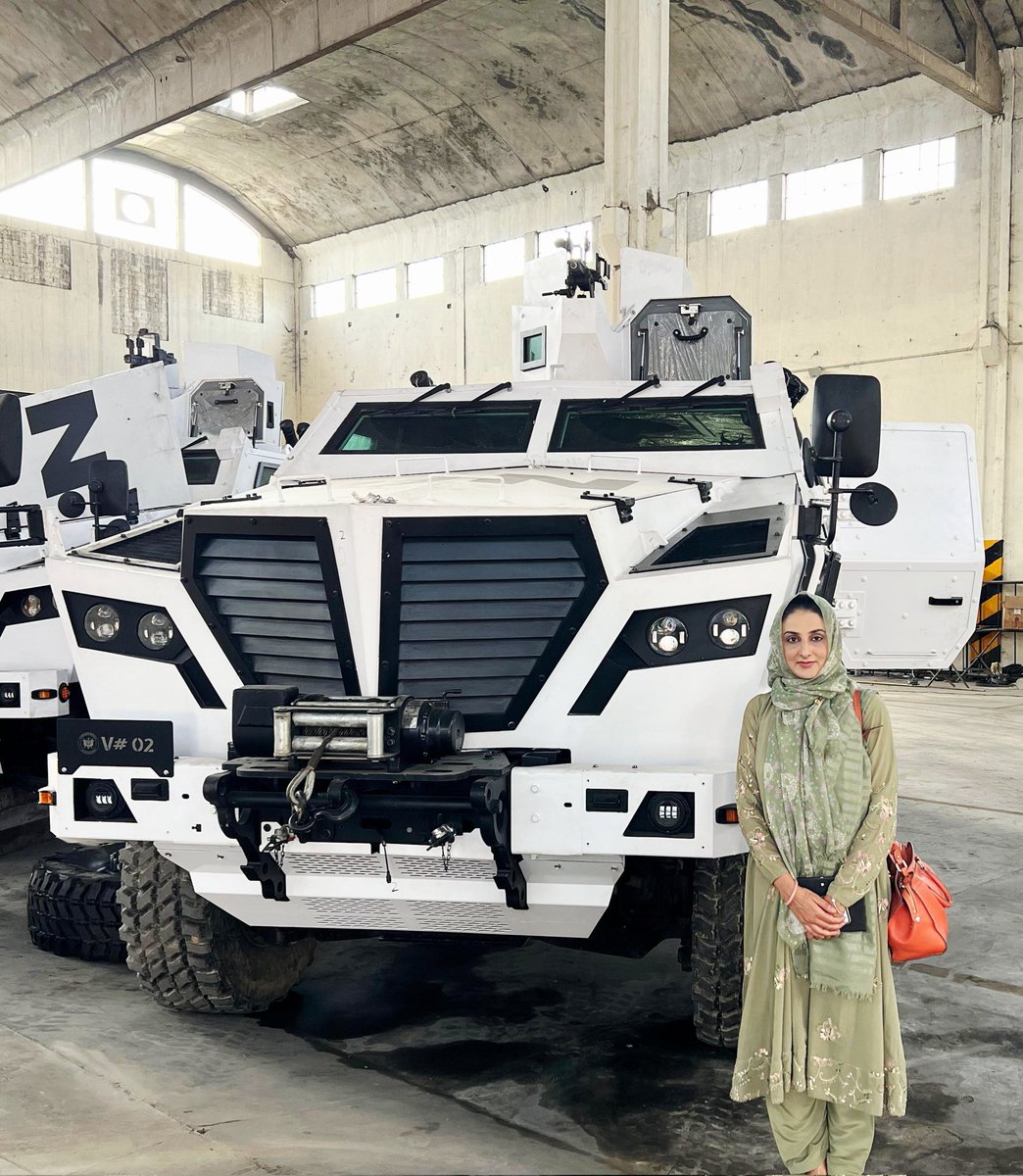
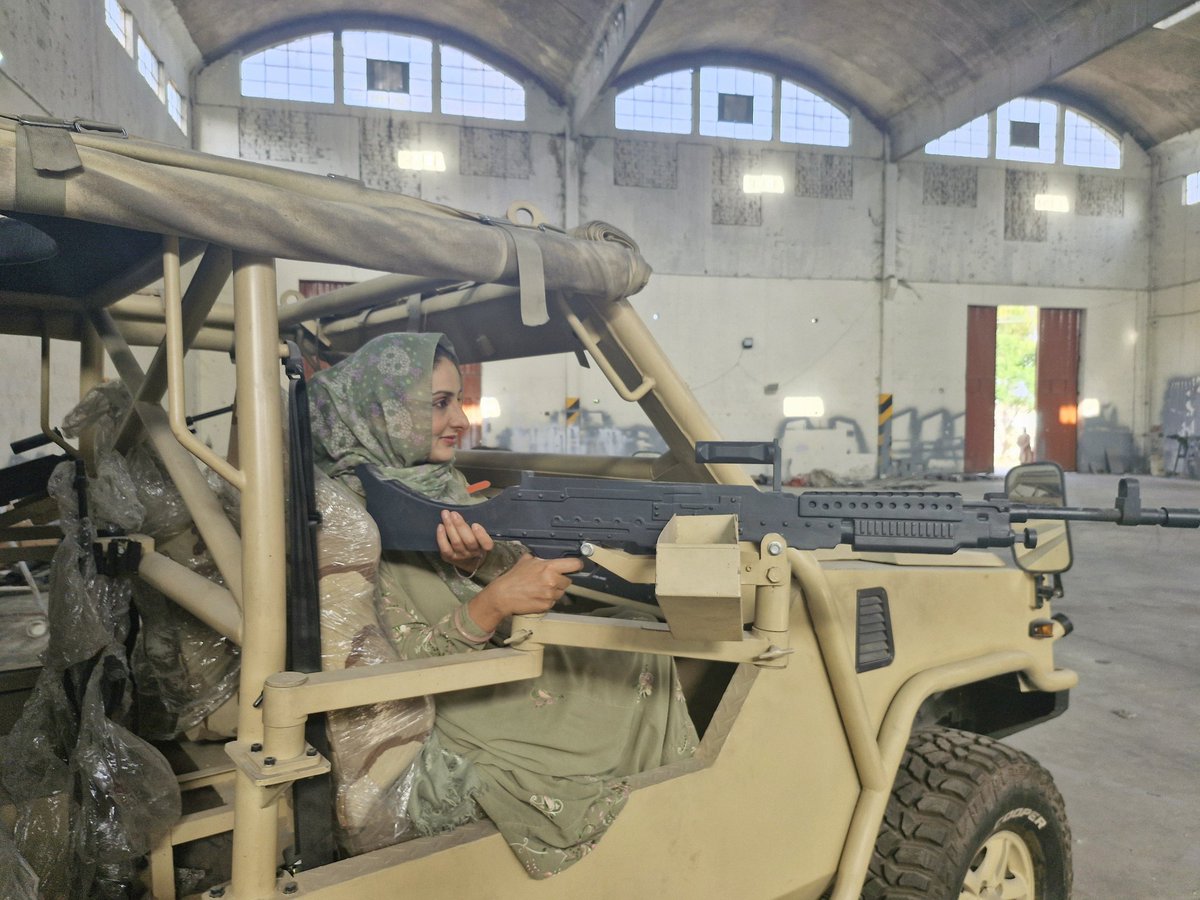
The PREDATOR SOV. A Special Operations Bullet-proof Armoured Vehicle. Made in Pakistan 🇵🇰 with Pride by the Cavalier Group @GroupCavalier #Pakistan #StraitOfHormuz #ArmouredVehicles #Bulletproof #MadeinPakistan #Technology
2
2
8
710
Apr 19
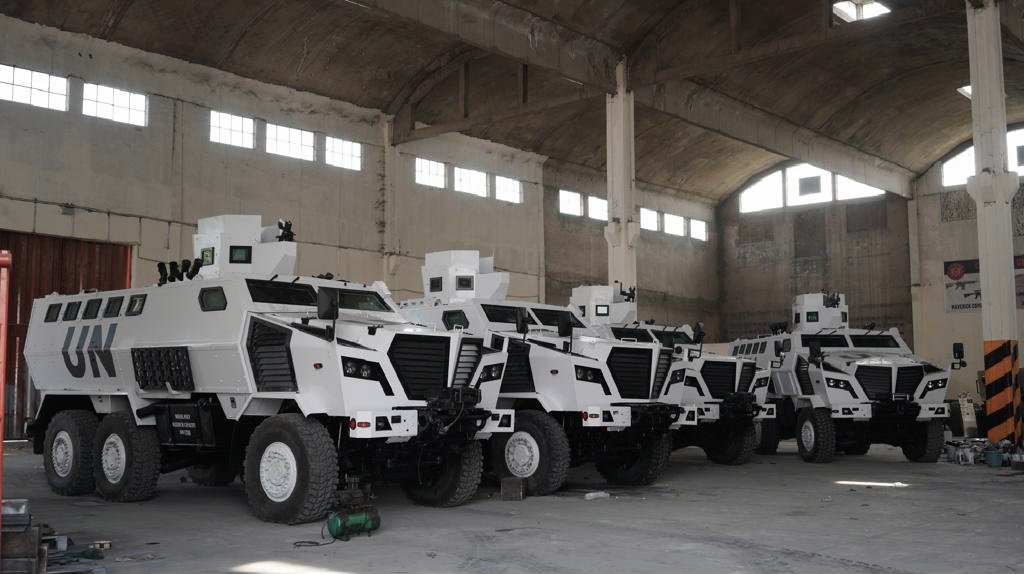
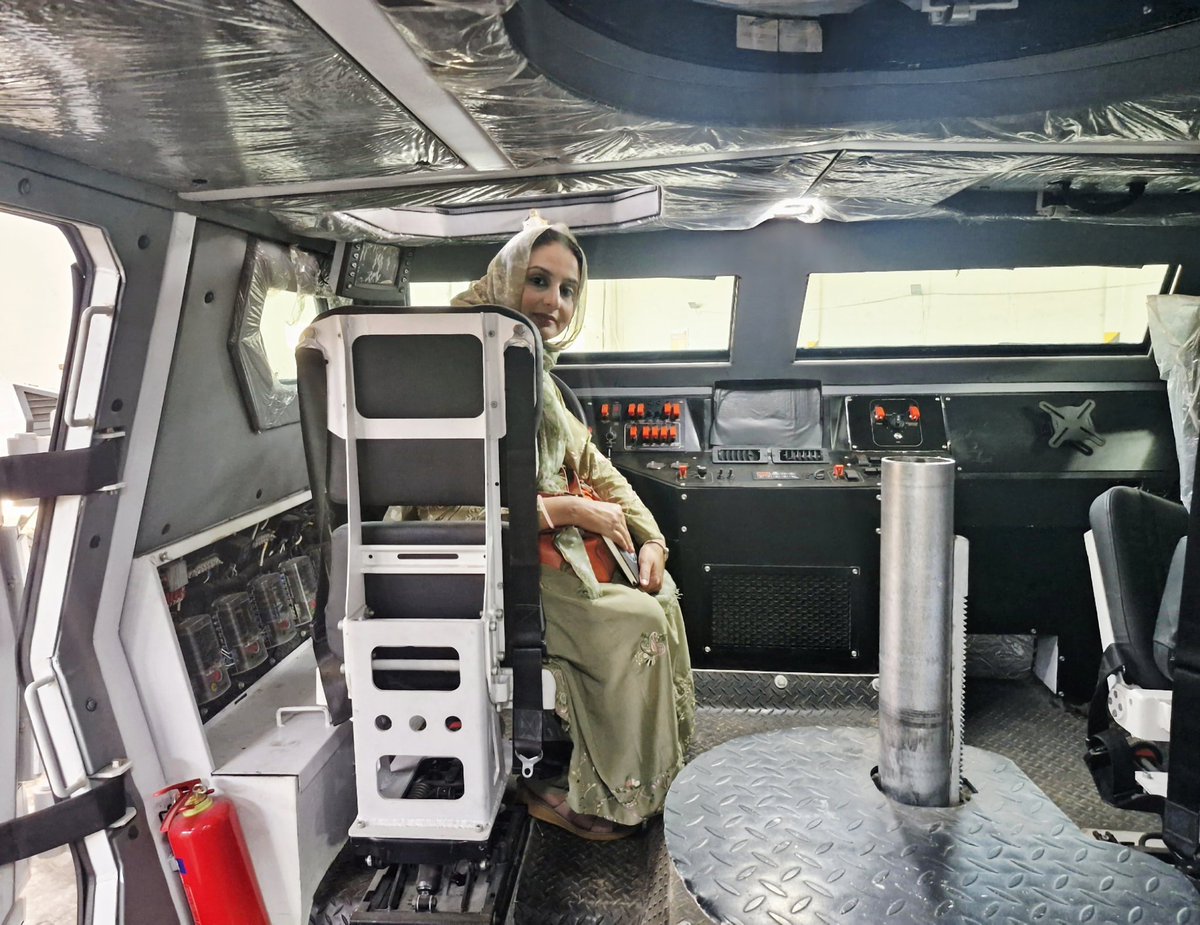
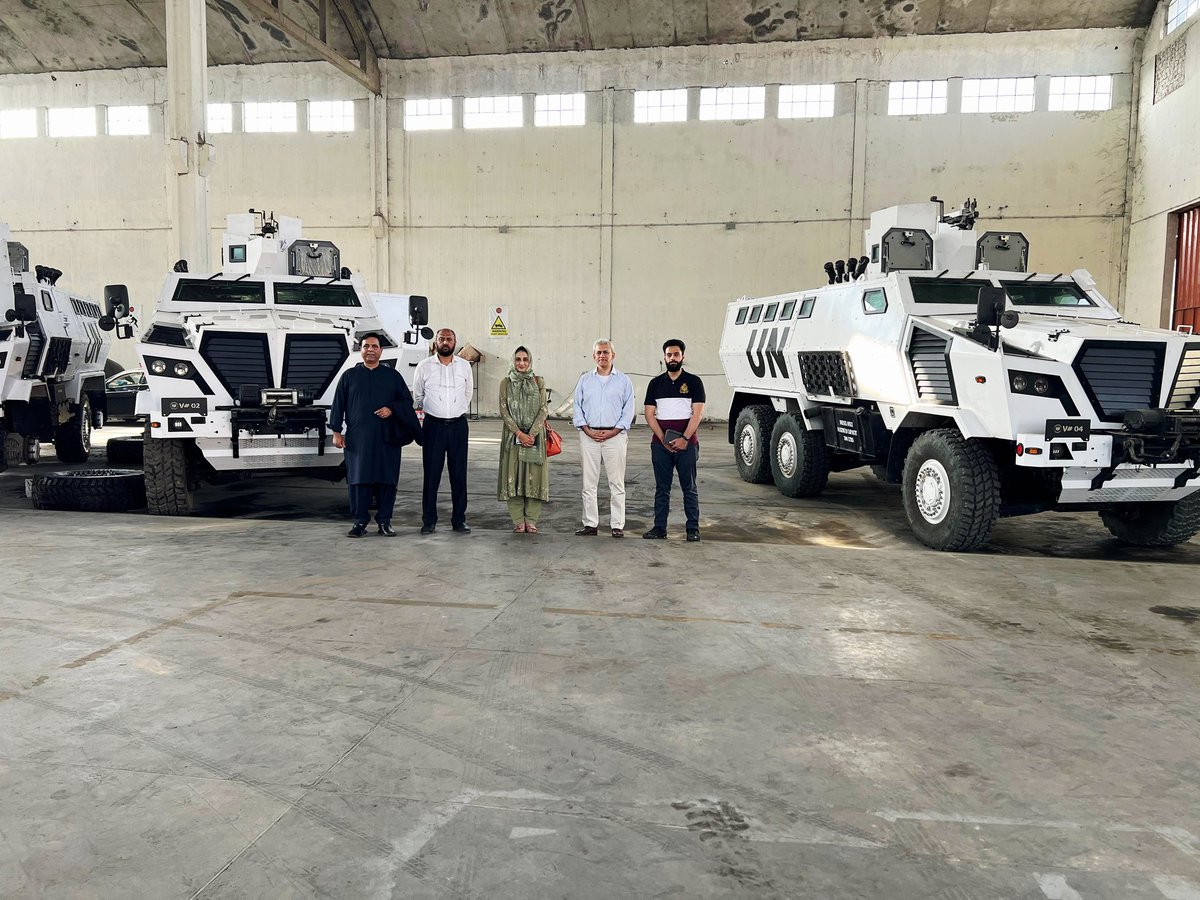
I visited the facility that develops the UN Peacekeeping Bullet-proof and Mine-Proof Armoured Vehicle HAMZA which is made of Ballistic Steel. Made in Pakistan 🇵🇰 by the Cavalier Group of Companies @GroupCavalier share.google/LfiAwa9jsC6lGVx… #Peacekeeping #UN #Vehicles #Pakistan
1
14
192
1
19
279
31 Dec 2025
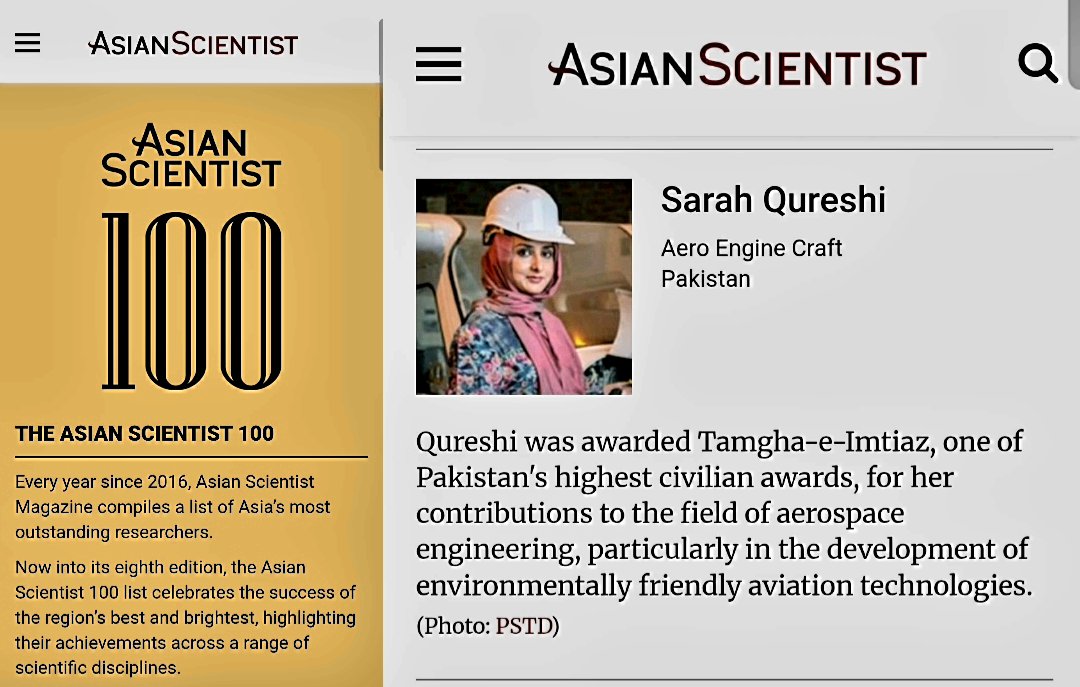
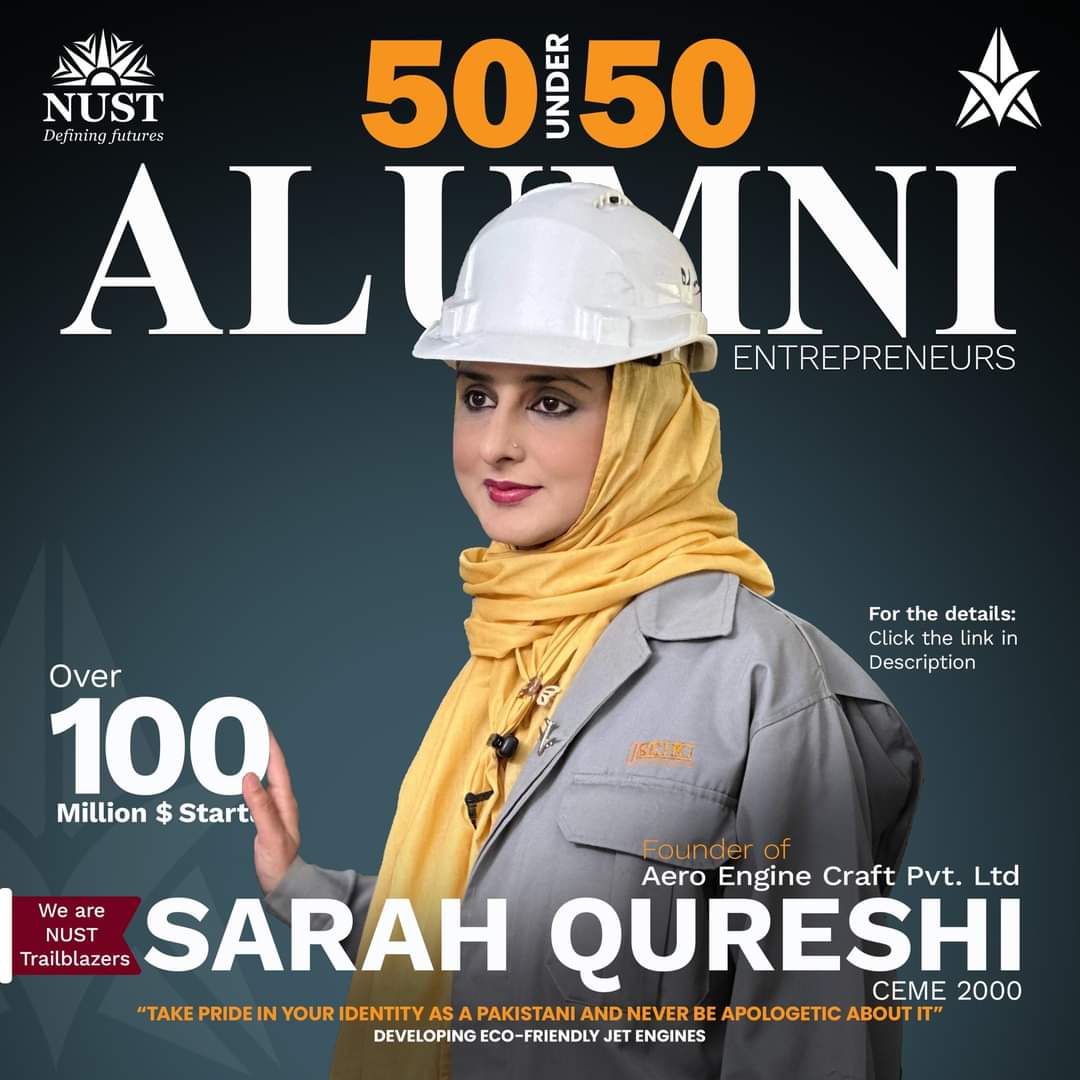
#HappyNewYear2026 Wrapping up 2025 with this recognition. I was listed among the 100 Asian Scientist for 2025 in the Aerospace & Astronomy Category. Full Link: lnkd.in/dWYCxTjs #HappyNewYear @asianscientist
2
1
10
239
Sarah Qureshi retweeted

27 Nov 2025
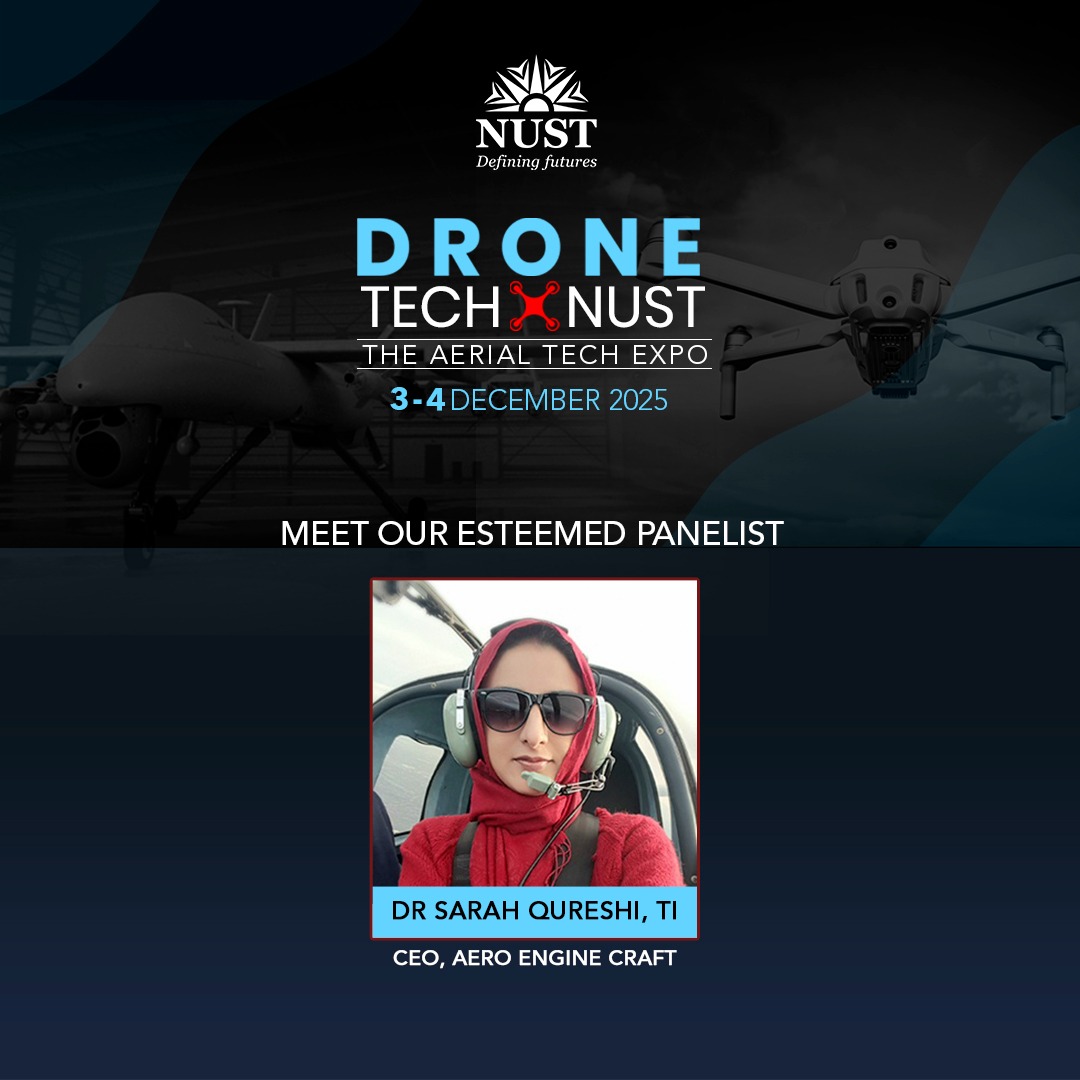
NUST Drone Tech X 2025 announces Dr Sarah Qureshi, TI, CEO Aero Engine Craft, as panelist and moderator for the upcoming aerial tech expo. She joins the platform as part of a national effort to drive dialogue, innovation and progress in drone technology.
#NUST #AeroThon2025
1
5
175
Sarah Qureshi retweeted
2 Dec 2025
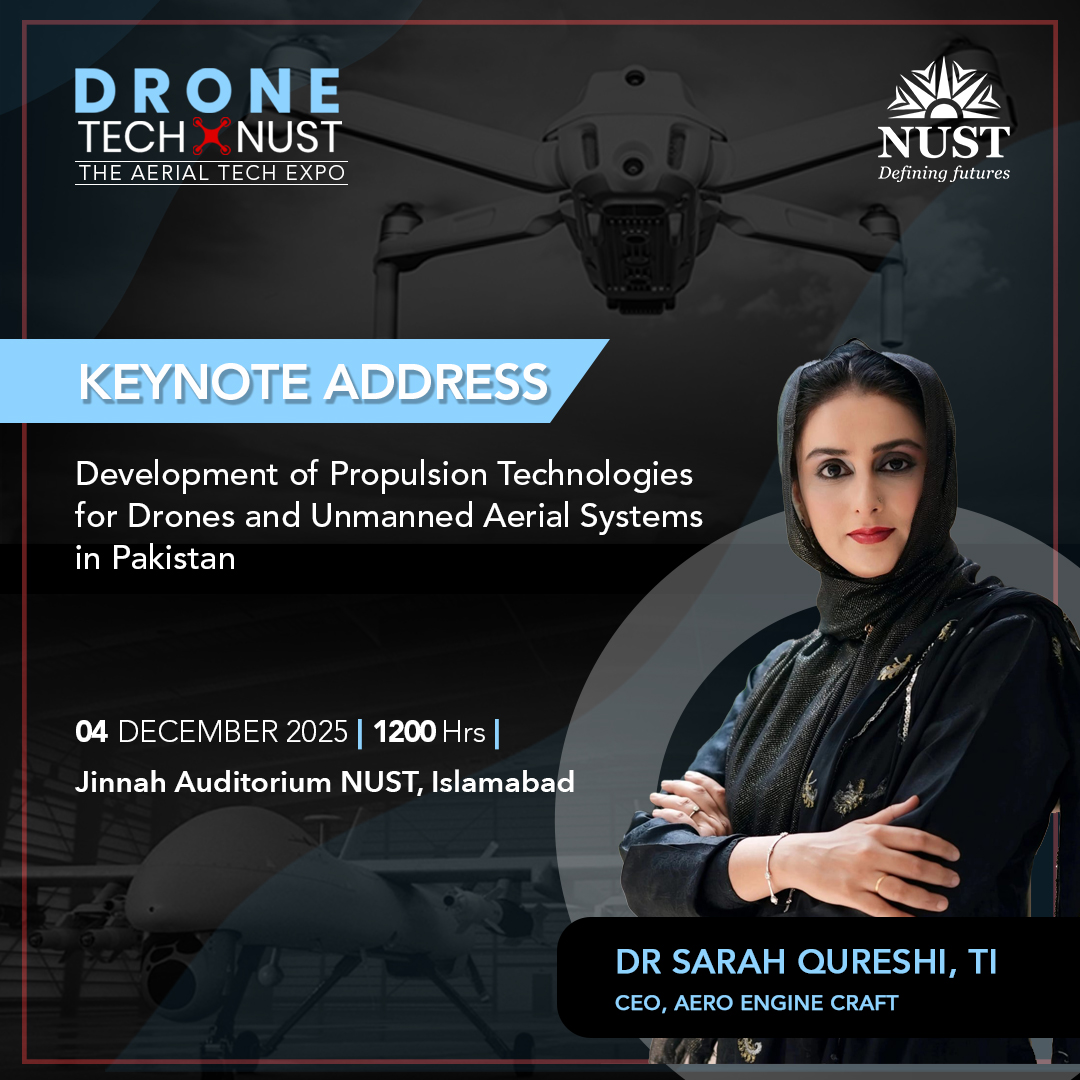
Drone Tech x NUST welcomes Dr. Sarah Qureshi, TI, CEO Aero Engine Craft, as a panelist, moderator & keynote speaker at AeroThon 2025. She will deliver a keynote on propulsion technologies for drones & UAS in Pakistan.
Dec 4, 2025 • 12:00 PM • NUST
#NUST #AeroThon2025
1
3
140
19 Nov 2025
RT @PakinToronto: Dr. Sarah Qureshi is a Pakistani aerospace engineer. She is developing world's first contrail free aircraft engine to red…
65
Sarah Qureshi retweeted

20 Sep 2025
Ever looked up at a plane streaking across the sky and wondered what powerful science makes it possible? How do jet engines work to propel aircraft at such incredible speeds?
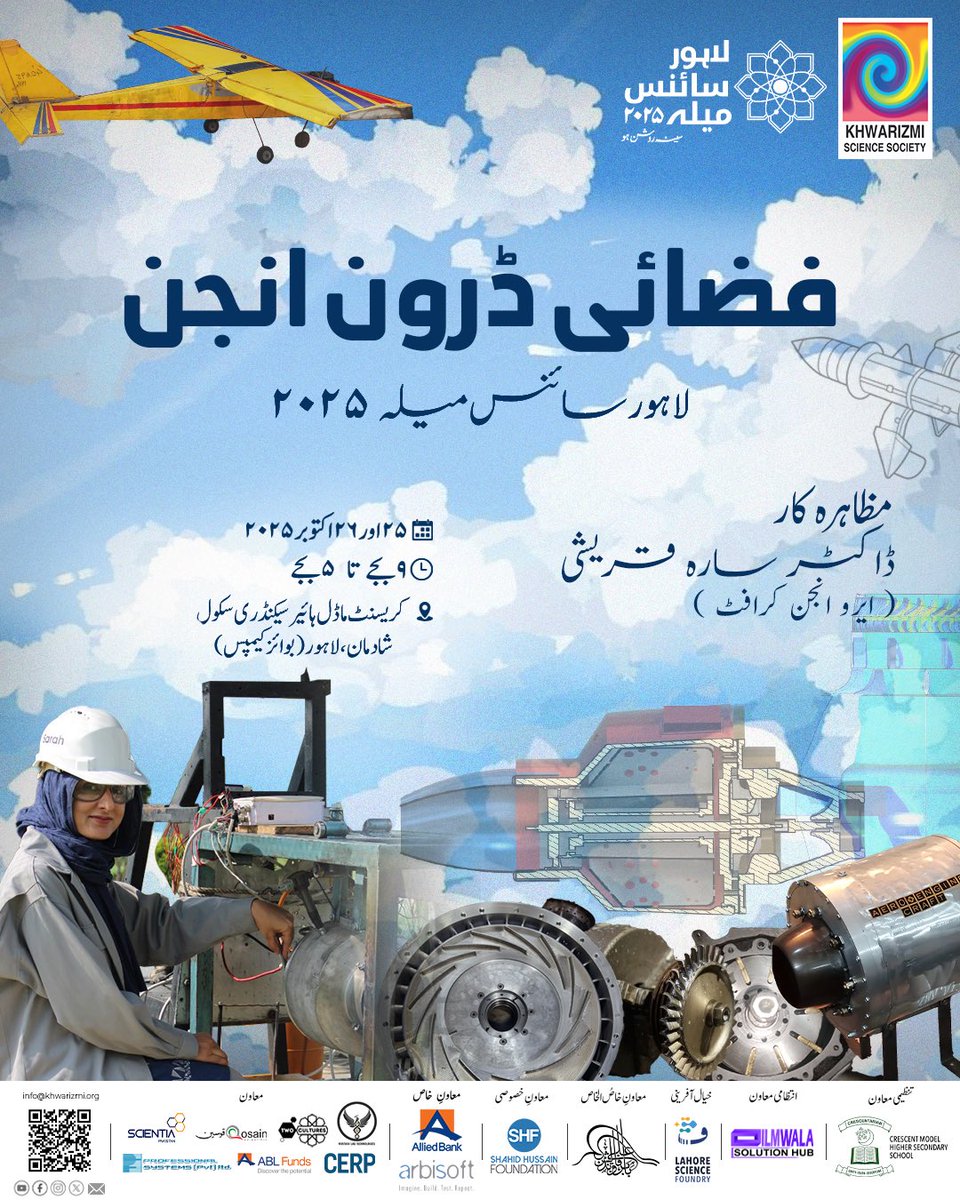
Find out at the Lahore Science Mela 2025!
Dr. Sarah Quereshi, an accomplished Aerospace Propulsion Engineer and CEO & CTO of Aero Engine Craft Private Ltd., will be joining us at this year’s Mela! She will be bringing her self-designed and self-built aircraft engines for a live demonstration.
Come meet her and discover the hidden science behind these marvelous inventions that are revolutionizing the world of aviation.
📅 Date: October 25-26, 2025
🕘 Time: 9AM - 5PM
📍 Location: Crescent Model Higher Secondary School, Shadman Lahore (Boys Campus)
کیا آپ نے کبھی آسمان پر اُڑتے ہوئے جہاز کو دیکھ کر سوچا ہے کہ اس کے پیچھے کونسی طاقتور سائنس کار فرما ہے؟
جیٹ انجن کس طرح ہوائی جہاز کو حیرت انگیز رفتار سے آگے بڑھاتے ہیں؟
یہ سب جاننے کے لیے آئیے لاہور سائنس میلہ 2025 میں!
ڈاکٹر سارہ قریشی، ایک شاندار ایرو اسپیس پروپلشن انجینئر اور Aero Engine Craft Pvt. Ltd. کی سی ای او و سی ٹی او، اس سال میلے میں ہمارے ساتھ ہوں گی۔ وہ اپنے ڈیزائن اور تیار کردہ ایئرکرافٹ انجنوں کا براہ راست مظاہرہ کریں گی۔
آئیے ان سے ملیے اور جانئیے اُن حیرت انگیز ایجادات کے پیچھے چھپی سائنس جو ہوابازی کی دنیا کو بدل رہی ہے۔ 🚀
#ScienceInAction #LahoreScienceMela #Aviation #InnovationInTheMaking #FutureOfScience #STEMPower #CuriosityUnleashed #LSMMela
#Aerospace #Engine
3
7
271
19 May 2025
As we celebrate victory over India, let's also recognise the brilliant minds behind our strategic technologies. The scientists & engineers who developed them are the true heroes of our nation & it's essential to acknowledge their contributions. #banyan_al_marsus #PakistanArmy
3
6
579
8 May 2025
Modern warfare uses state of the art Drones, Smart Bombs and Missiles that aim for targets using GPS Navigation with Feedback Control, Laser Guidance, and Night Vision. A Black-out does not affect their functionality or precision in any way.
#Pakistan #droneattacks #Blackout
8
486
7 Apr 2025
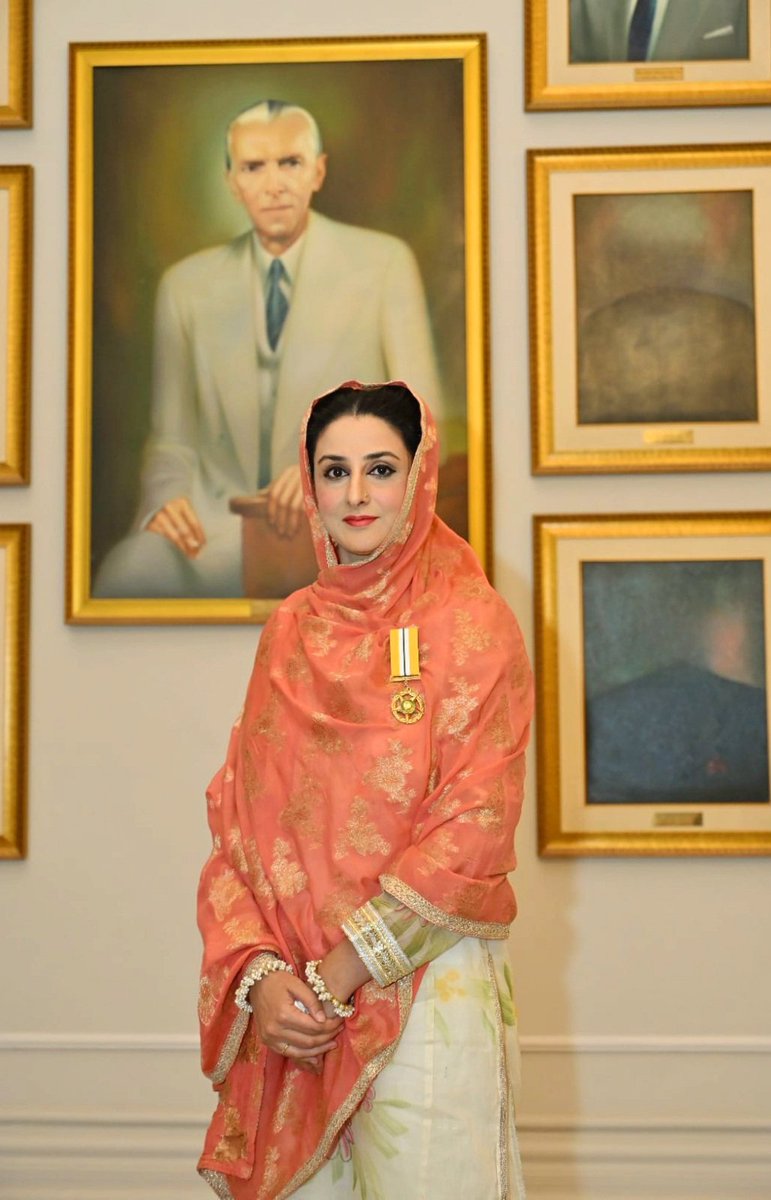
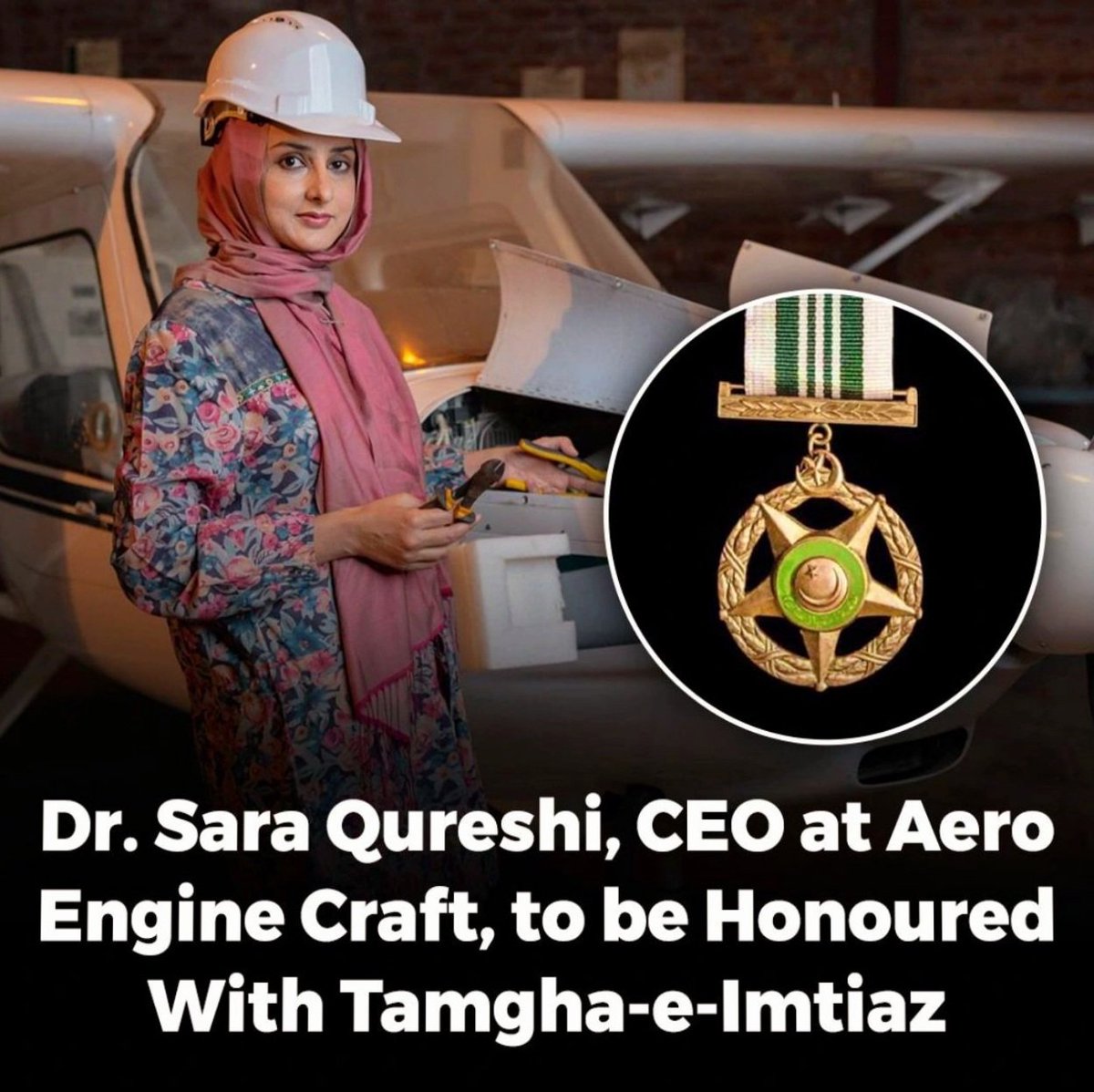
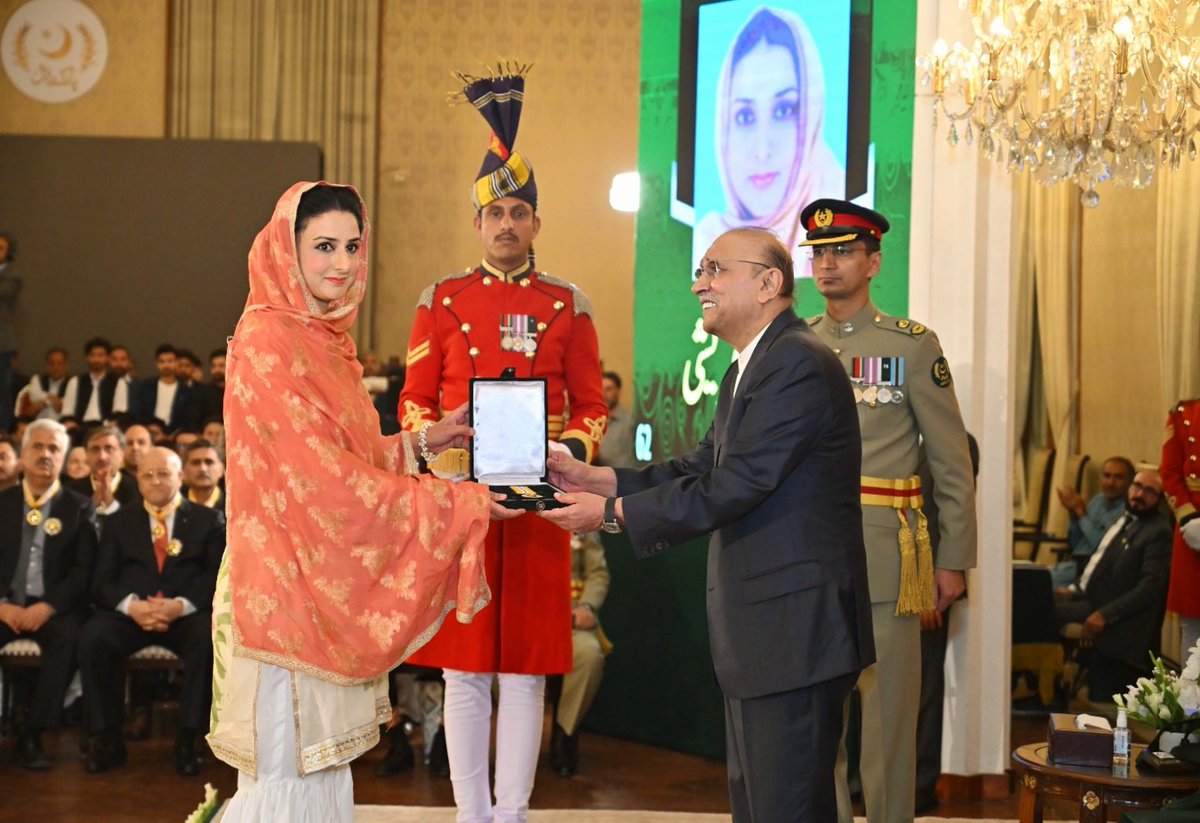
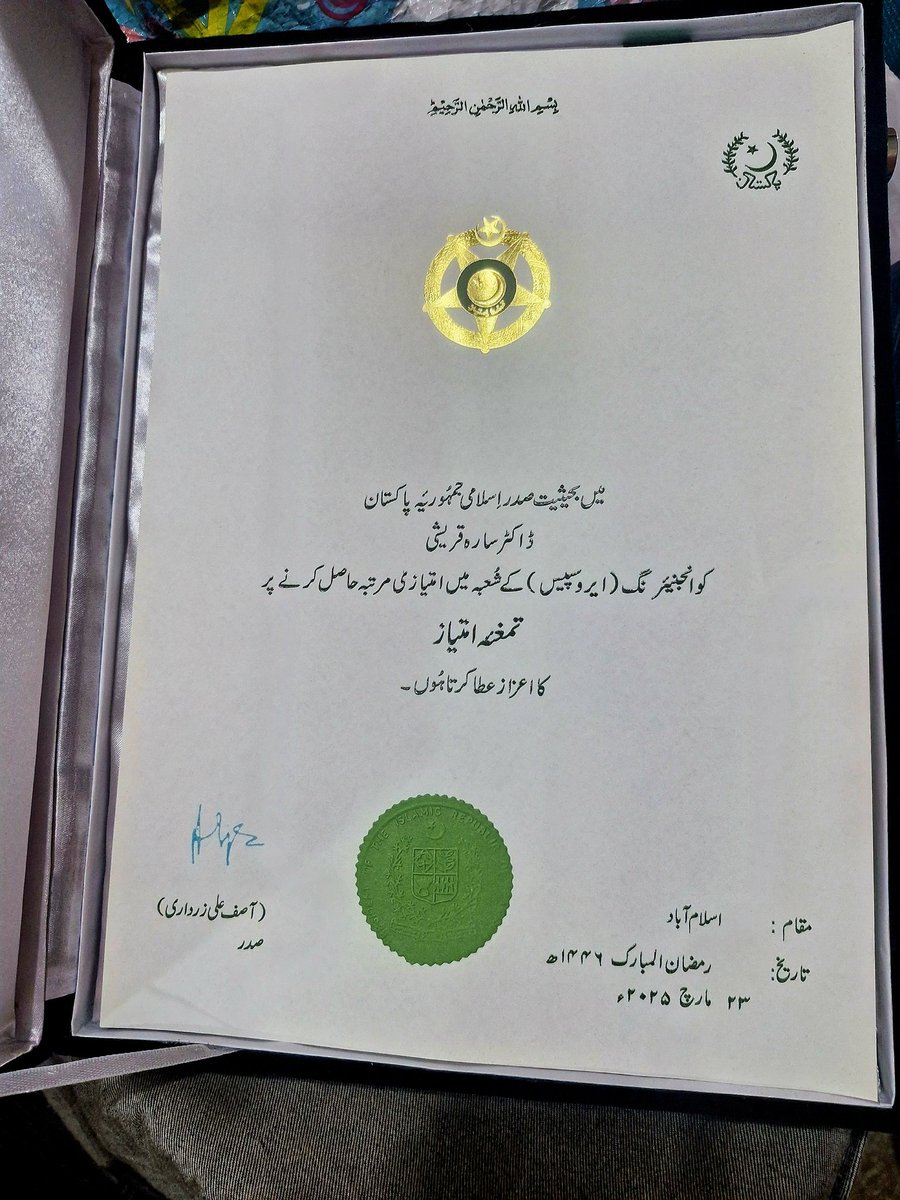
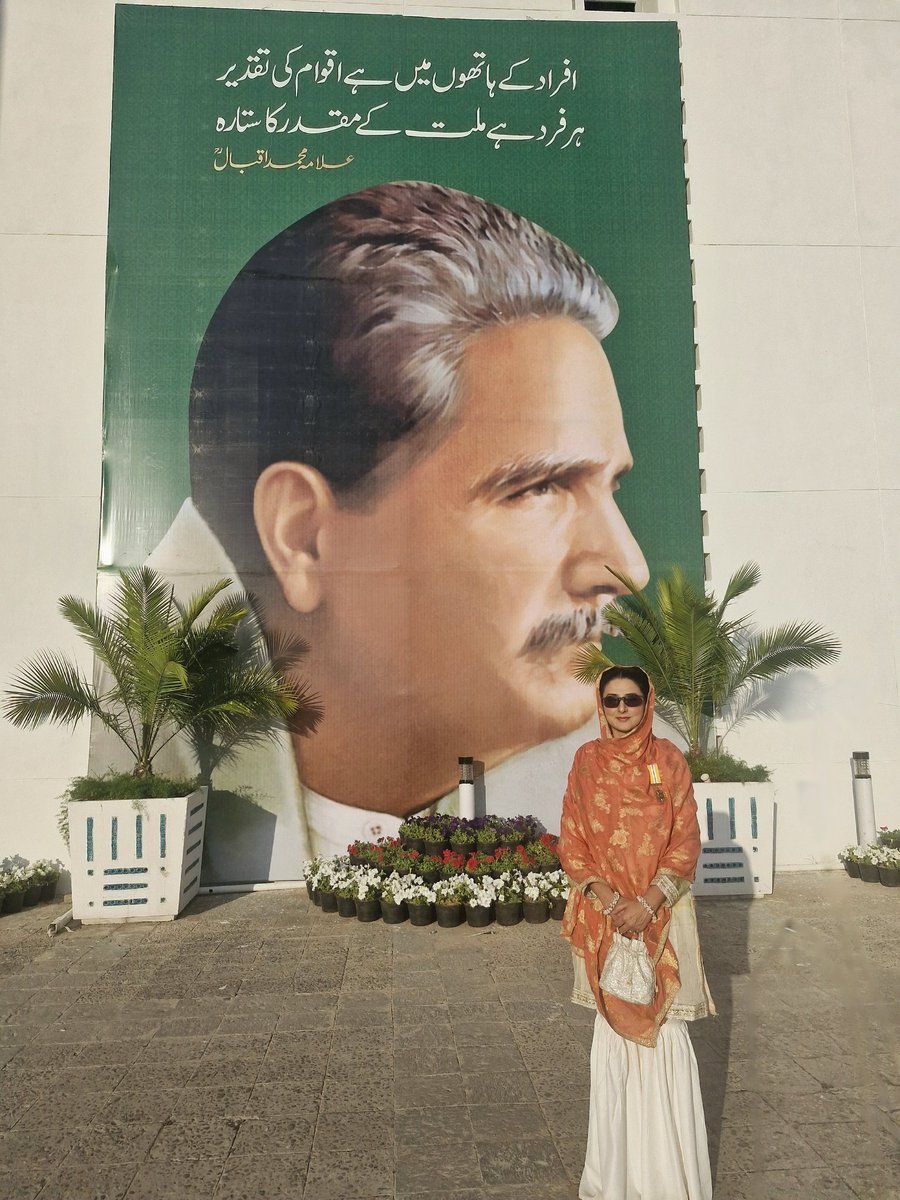
My #TamghaeImtiaz Award Ceremony. These awards are a state honour for individuals who make outstanding contributions to the country in their professional domains. The kind of work the government recognises reflects the standards and priorities of the country. #Pakistan #aerospace
1
10
246
4 Apr 2025
I received #TamghaeImtiaz (Medal of Excellence) National Award at the Pakistan Civil Awards Investiture Ceremony held on #pakistanresolutionday 23rd March 2025, at the President House Islamabad . This is a recognition by the Government of #Pakistan for outstanding contributions
1
5
315
20 Nov 2024
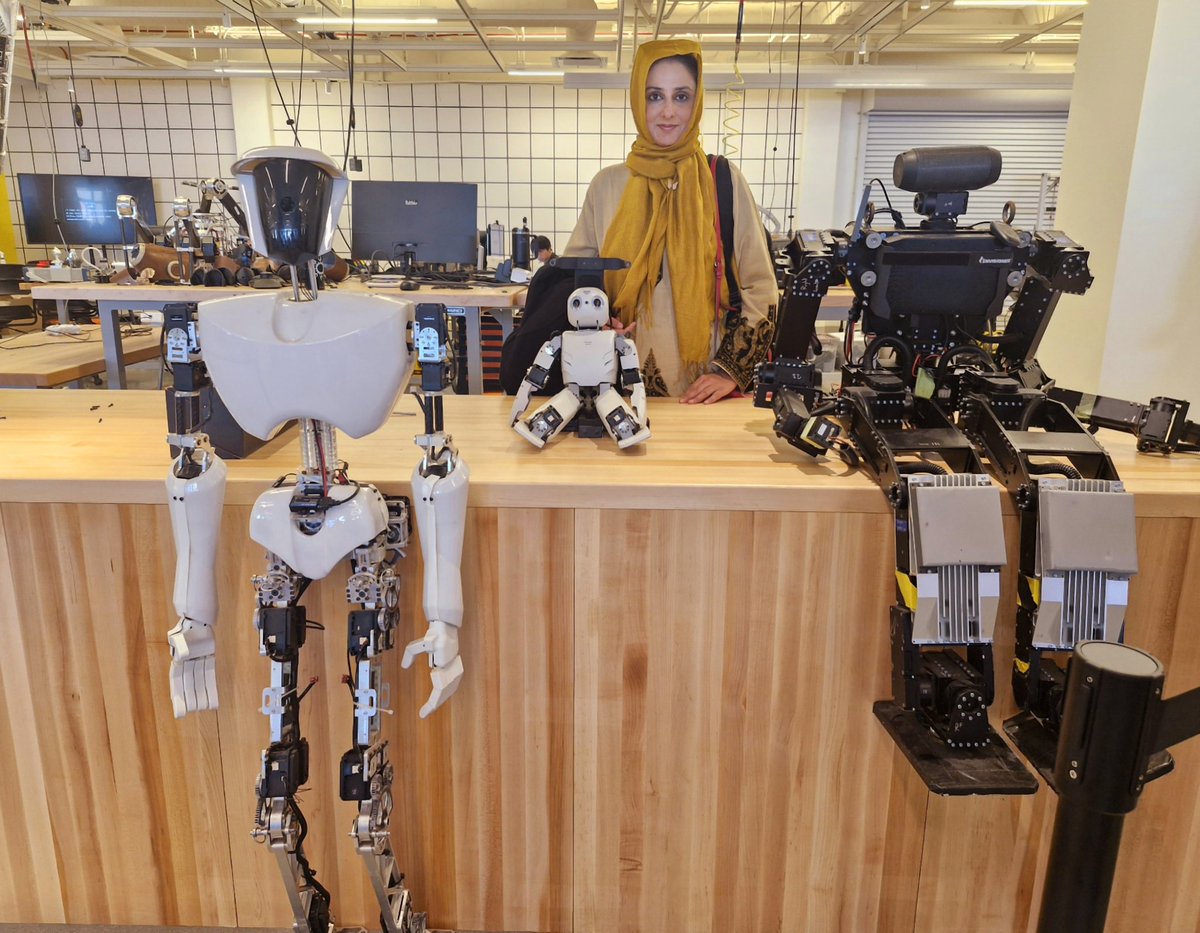
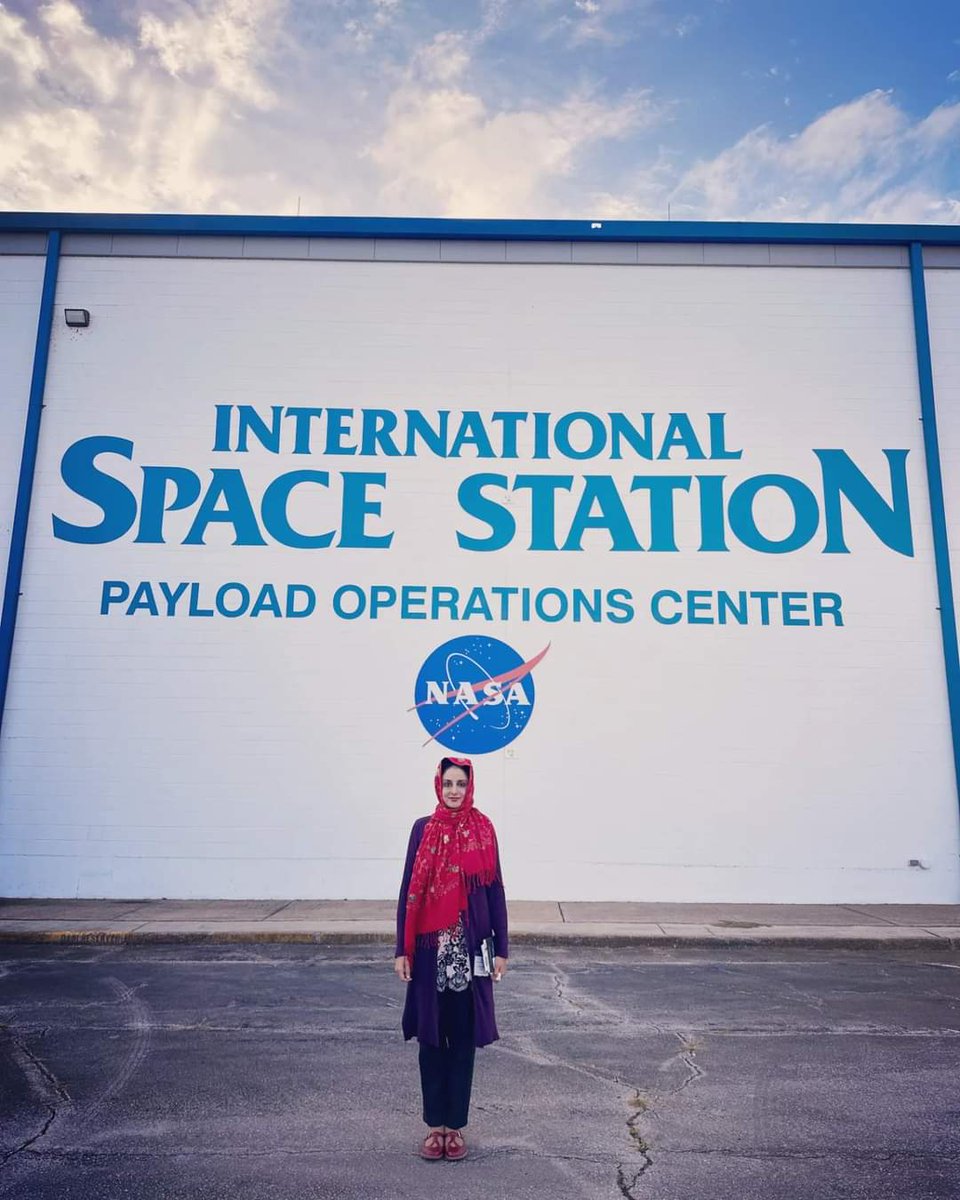
Marshall Space Flight Centre, NASA at the Rocket City, Huntsville, Alabama @NASA
2
1
17
552
Sarah Qureshi retweeted

14 Nov 2024
کیا ہمارے شارکس نے "Aero Engine Craft" میں انویسٹ کیا ہو گا؟اور اگر کیا ہے تو کس شارک نے کیا ہو گا؟
صحیح جواب دینے والوں کو ہمارے آفیشل ٹویٹر اکاؤنٹ پر فیچر کیا جائے گا۔
#SharkTank #GreenTV #SharkTankPakistan
109
191
2,385
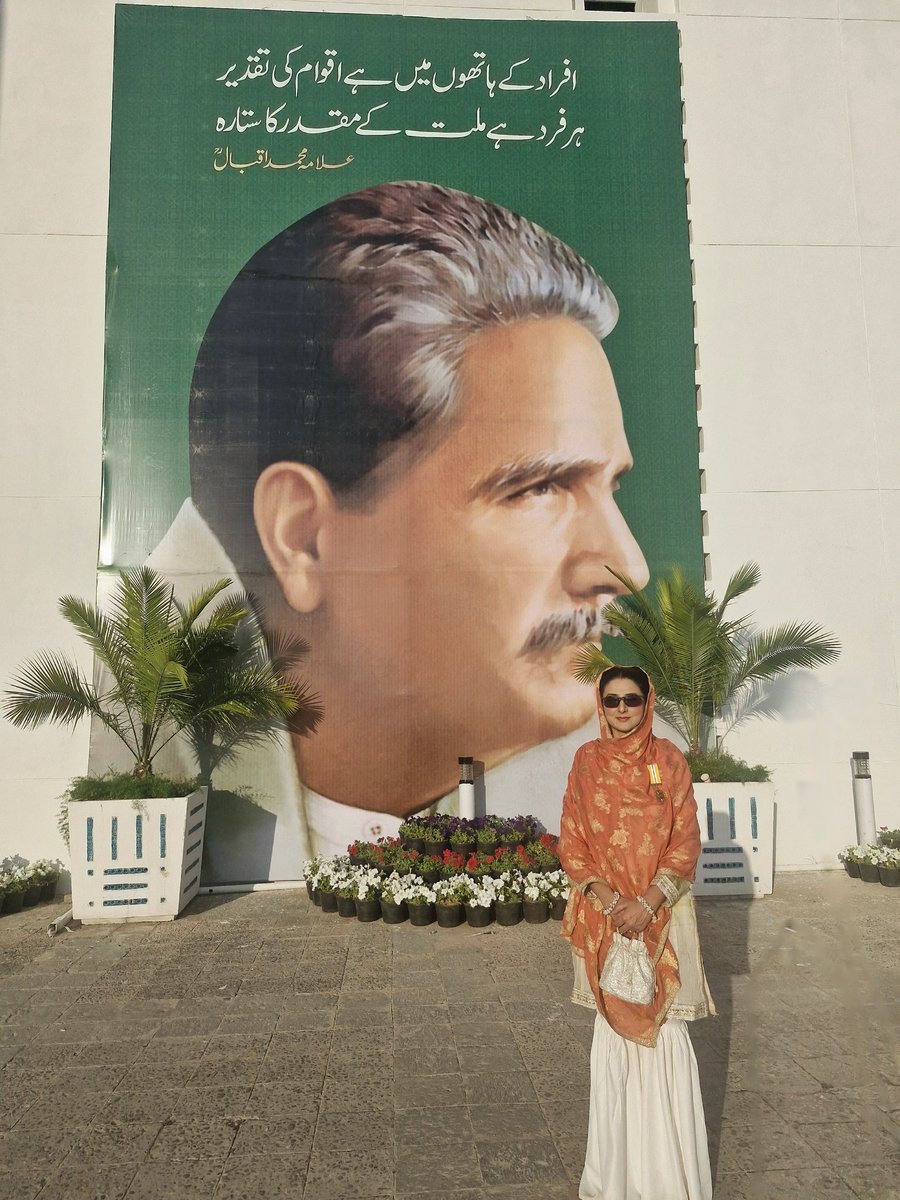
14 Aug 2024
My vision for Pakistan. Freedom should never be taken for granted. We must pay back to this country in our individual capacity for the identity and freedom that it has given us. Pakistan Zindabad 🇵🇰 #14thAugust #IndependenceDayPakistan #IndependenceDay #HappyIndependenceDay2024
5
356