Laboratory of Dritan Agalliu, Ph.D. neuroimmunology / vascular biology / blood-brain barrier biology / neuroscience - account run by lab members
Joined November 2019
- Tweets 1,182
- Following 443
- Followers 775
- Likes 354
12 Photos and videos


Agalliu Lab retweeted

May 30
Good luck Aomeng Cui finishing your medical degree at Columbia University Irving Medical Center! ♥️♥️
1
4
178
Agalliu Lab retweeted
May 30
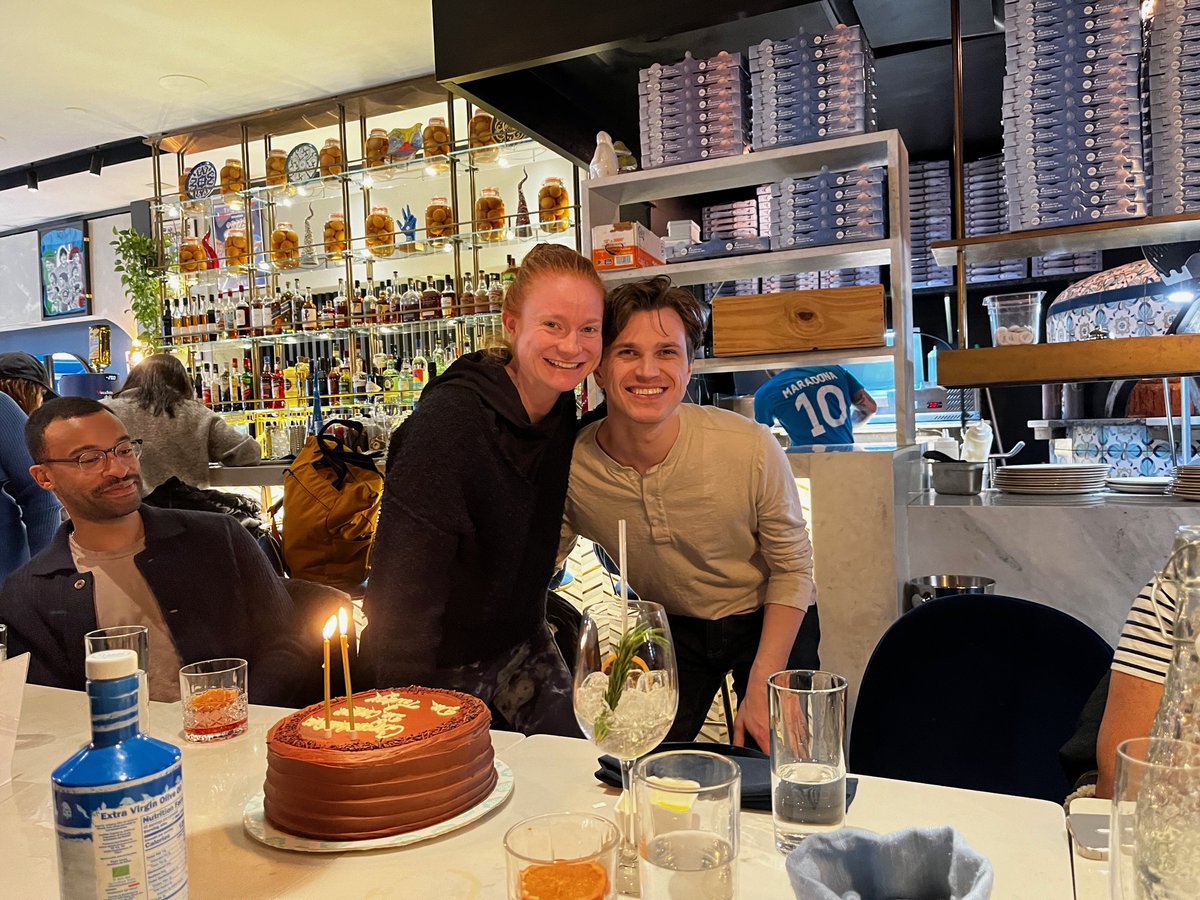
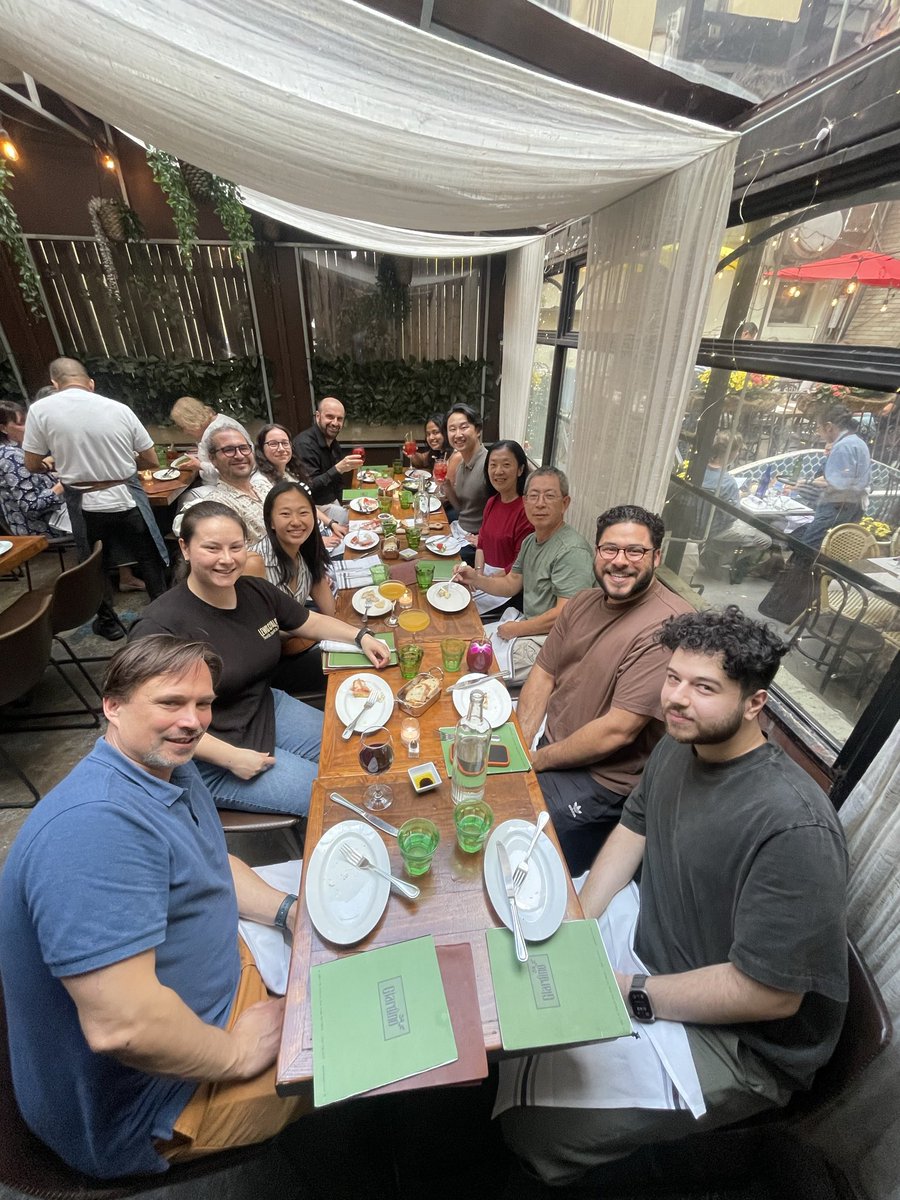
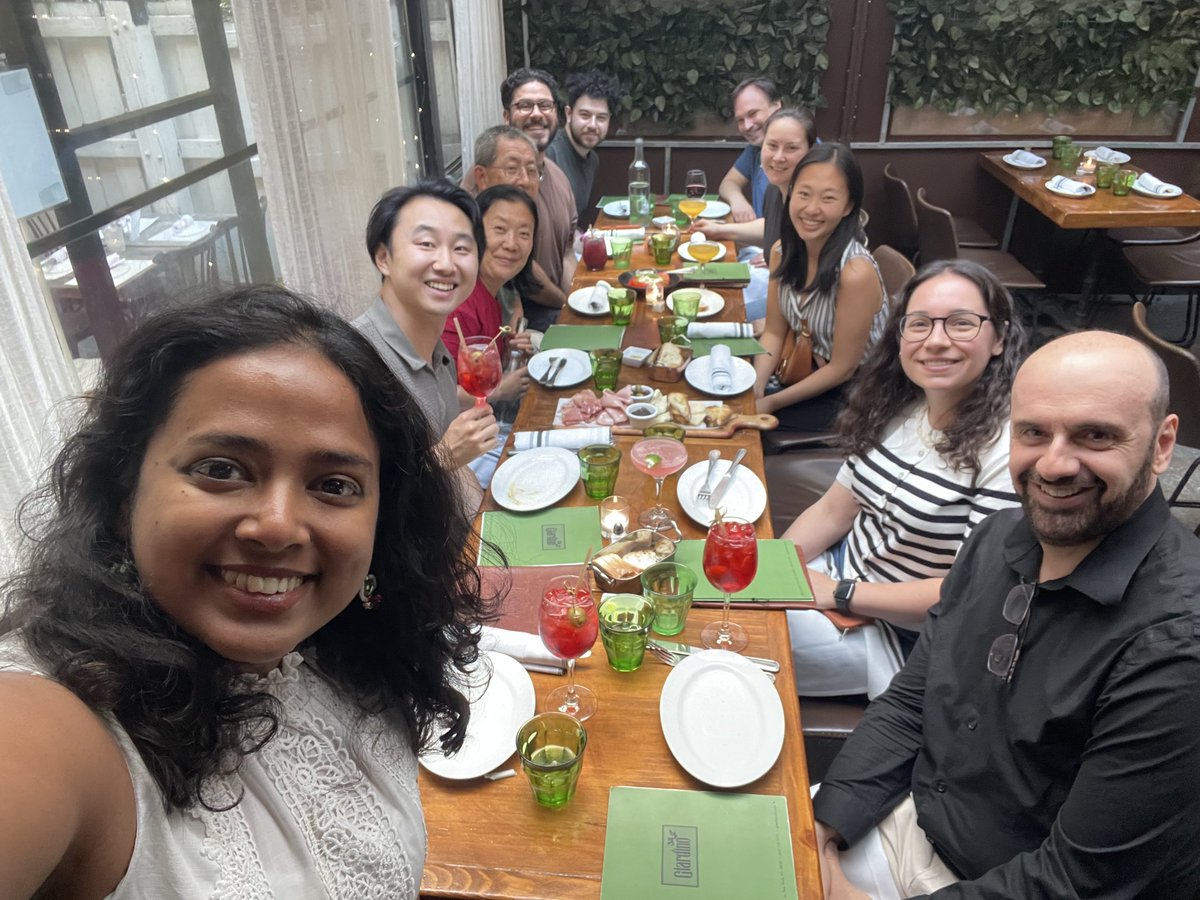
A wonderful dinner celebration at Giardino 45 with members of the @AgalliuLab and Sproul lab to celebrate the successful PhD dissertation of our amazing student Aomeng Cui. She led the study that generated a novel iPSC-based neurovascular unit using the 3D MIMETAS platform.
1
3
13
1,396

May 18
RT @Columbia: 🎓 Mark your calendars! On May 20, NYC’s iconic @EmpireStateBldg will glow Columbia Blue to celebrate our #Columbia2026 gradua…
24
Agalliu Lab retweeted
May 17
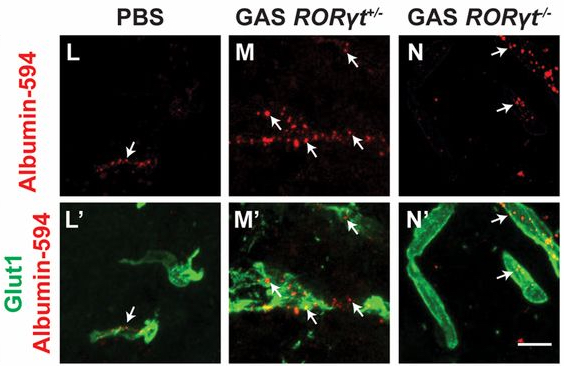
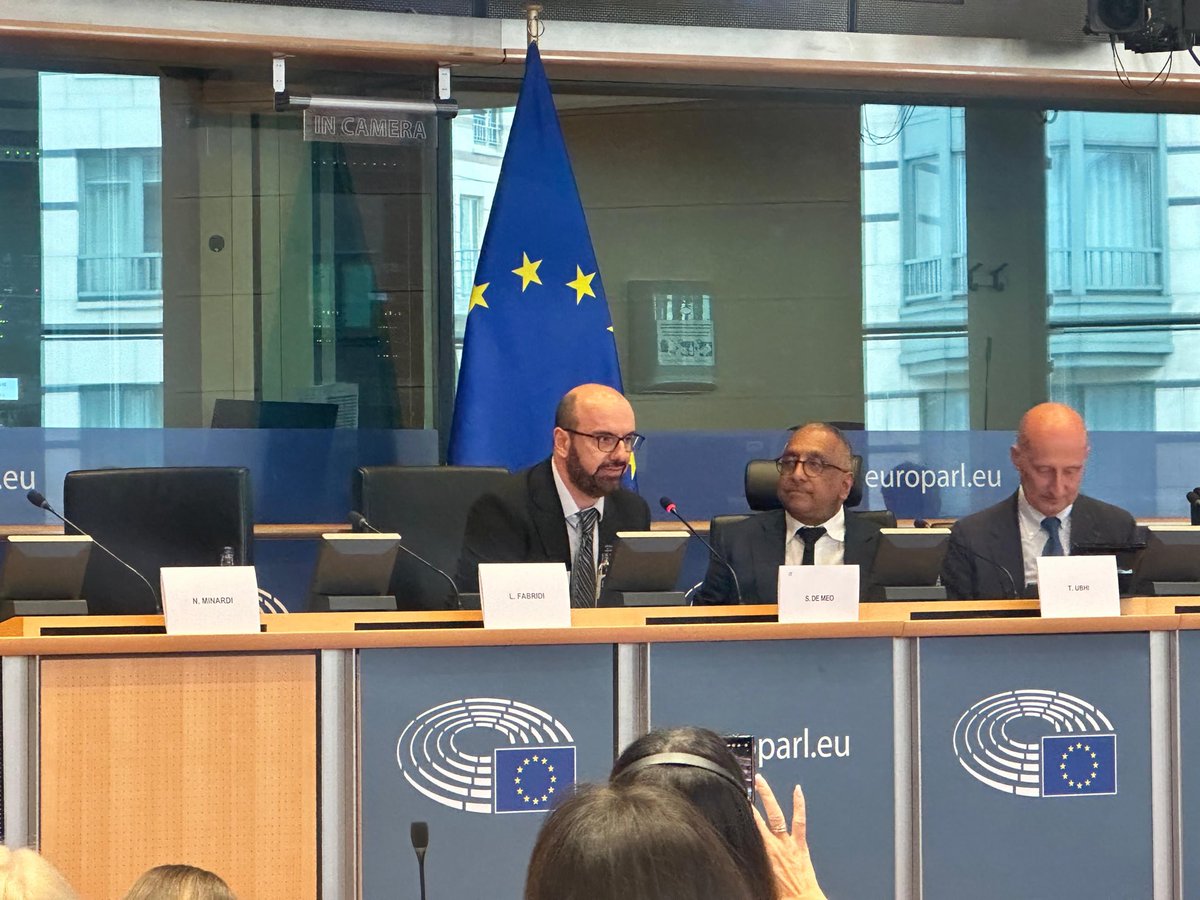
On May 13, 2026, I present our work on the molecular mechanisms by which brain cells respond to recurrent infections with Group A Strep at the European Parliament in Brussels to raise awareness about post-streptococcal CNS sequelae (PANDAS/PANS). #PANDAS #PANS #EU
2
3
16
697
Agalliu Lab retweeted
May 17
Thanks to the amazing work of Ugur Akcan @occludens we discovered that the autoantibodies targeting the BBB in schizophrenia patients, break down the BBB.
2
20
289
Agalliu Lab retweeted
May 17
The study suggests that schizophrenia has an immune component supporting the role of an aberrant immune response as a trigger for a neuropsychiatric disorder. This has similarities to our findings with post-streptococcal encephalitis (PANDAS).
1
5
24
349
Agalliu Lab retweeted
May 16
I am very excited to be part of the study entitled “High prevalence of CNS-directed autoantibodies in patients with schizophrenia” which outlines the identification of many autoantibodies, including those targeting the BBB in schizophrenia patients.
biorxiv.org/content/10.64898…
3
14
65
3,182
Agalliu Lab retweeted
Mar 6
I’m excited to announce that this collaboration with the Konofagou laboratory to examine the cell biological mechanisms and transcriptome changes at the BBB after Focused Ultrasound with Microbubbles-mediated BBB opening is now published.
nature.com/articles/s44172-0…
3
5
16
1,670
Agalliu Lab retweeted

19 Dec 2025
Drs. Dritan Agalliu (Columbia), Madeleine Cunningham (Univ of OK), Russell Dale (Univ of Sydney, AU), & Jennifer Frankovich (Stanford) present their research & discuss whether PANS & PANDAS are best understood as autoimmune, autoinflammatory, or both. ➡️pandasppn.org/neuroimmune-ep…
1
6
6
492
Agalliu Lab retweeted
9 Dec 2025
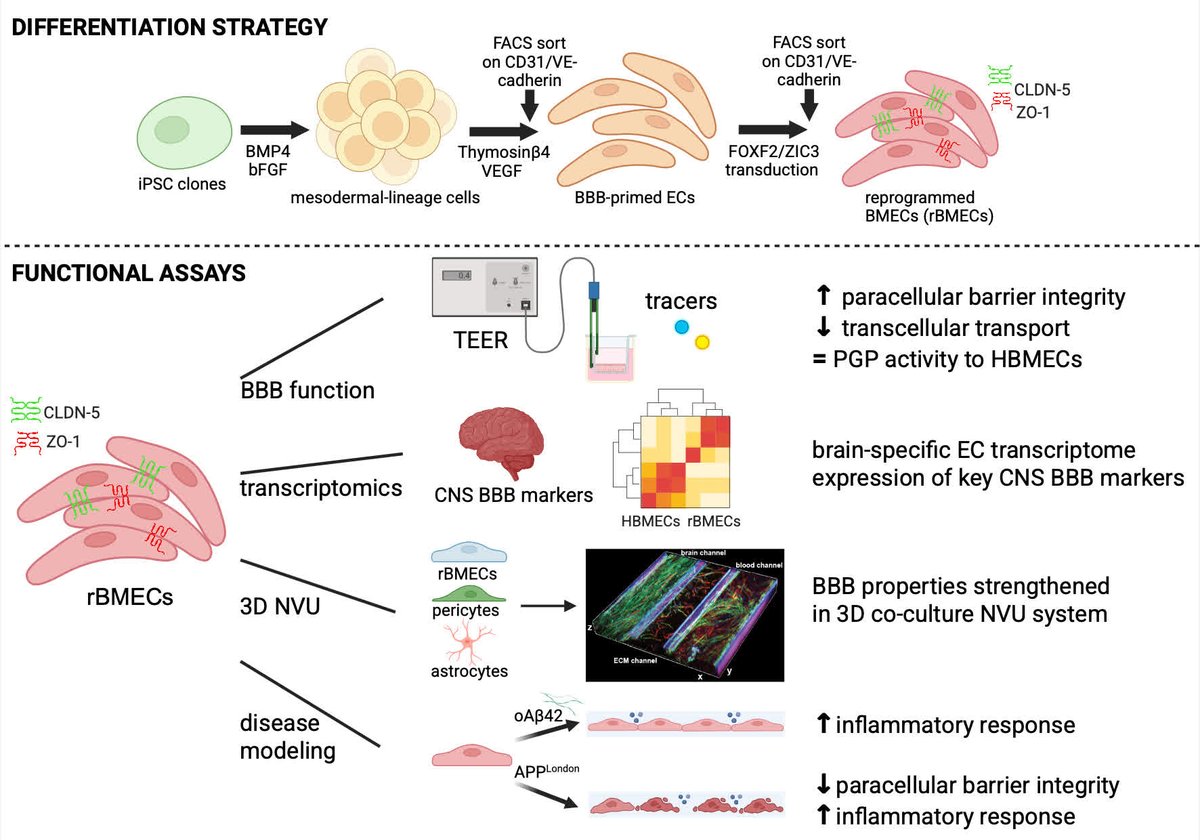
Finally - It is official. Thank you @atvbahajournals for highlighting the amazing work of Aomeng Cui in the @AgalliuLab and Sproul labs to generate IPSC-derived human brain endothelial cells and build a 3D iPSC - derived neurovascular unit for studying neurological diseases.
9 Dec 2025

Cui et al, describe the generation of human iPSC-derived BMECs using transcriptional
reprogramming with strong BBB features for modeling neurological disorders @DAgalliu
ahajrnls.org/3KHeF3p
3
9
22
3,566
Agalliu Lab retweeted

1 Dec 2025
Breakthroughs happen many times when you're able to re-imagine your project as a different form of puzzle.
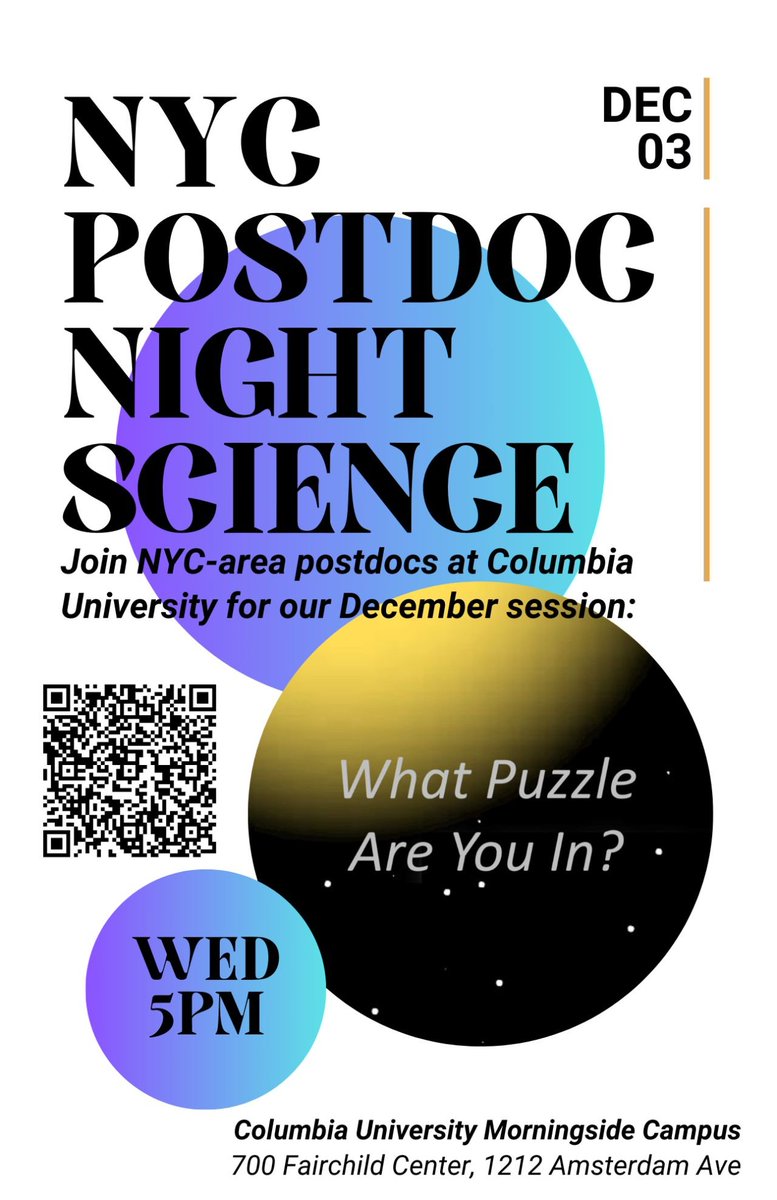
NYC Postdocs: Join us on Wednesday at Columbia University for this exciting Night Science session on puzzle switching! Registration is free and we have a few spots left.
23 Nov 2025

NYC Postdocs: Join us for our next Postdoc Night Science NYC session, when we will practice how to get new ideas using "puzzle-switching"! This time we're in Columbia (Morningside Campus) on Dec 3rd at 5PM.
Free registration: docs.google.com/forms/d/1onf… @StearnsLab @KelseyRMonson
3
3
42
6,423
Agalliu Lab retweeted

1 Dec 2025
According to Columbia neurologist Dr. Joshua Willey, strokes are becoming more common in younger adults. Patent foramen ovales (PFOs) and other underlying conditions, including clotting disorders and some autoimmune diseases, can increase a younger person’s stroke risk. columbiamed.link/3XjMSZG
1
4
1,110
Agalliu Lab retweeted
28 Nov 2025
I thank the @atvbahajournals editors for providing a fair, unbiased and honest review of our paper unlike some other journals that either refused to review the paper or provided an unfair review process.
1
4
138
Agalliu Lab retweeted
28 Nov 2025
Finally, we show that the APPLon/Lon mutation, a genetic risk factor for familial Alzheimer’s disease, has distinct effects on the rBMEC physiology compared to Ab exposure suggesting that the mutation does more than affect Ab processing and generation of the toxic Ab form.
1
2
101
Agalliu Lab retweeted
28 Nov 2025
Second we generate a 3D hiPSC-derived neurovascular unit with rBMECs, pericytes and astrocytes using the MIMETAS platform with flow which mirrors the brain 3D architecture.
1
2
111
Agalliu Lab retweeted
28 Nov 2025
In this study, first we describe a new protocol to generate human iPSC-derived brain endothelial cells (rBMECs) with the correct molecular and organotypic identity and robust blood-brain barrier properties.
1
3
190
Agalliu Lab retweeted
28 Nov 2025
I am very excited that our paper, a collaboration between Dr. Andrew Sproul and my laboratories, is finally published in @atvbahajournals. I want to thank expecially a very MSTP talented student, Aomeng Cui, from @AgalliuLab who led the study.
ahajournals.org/doi/10.1161/…
4
4
15
464
Agalliu Lab retweeted
14 Nov 2025
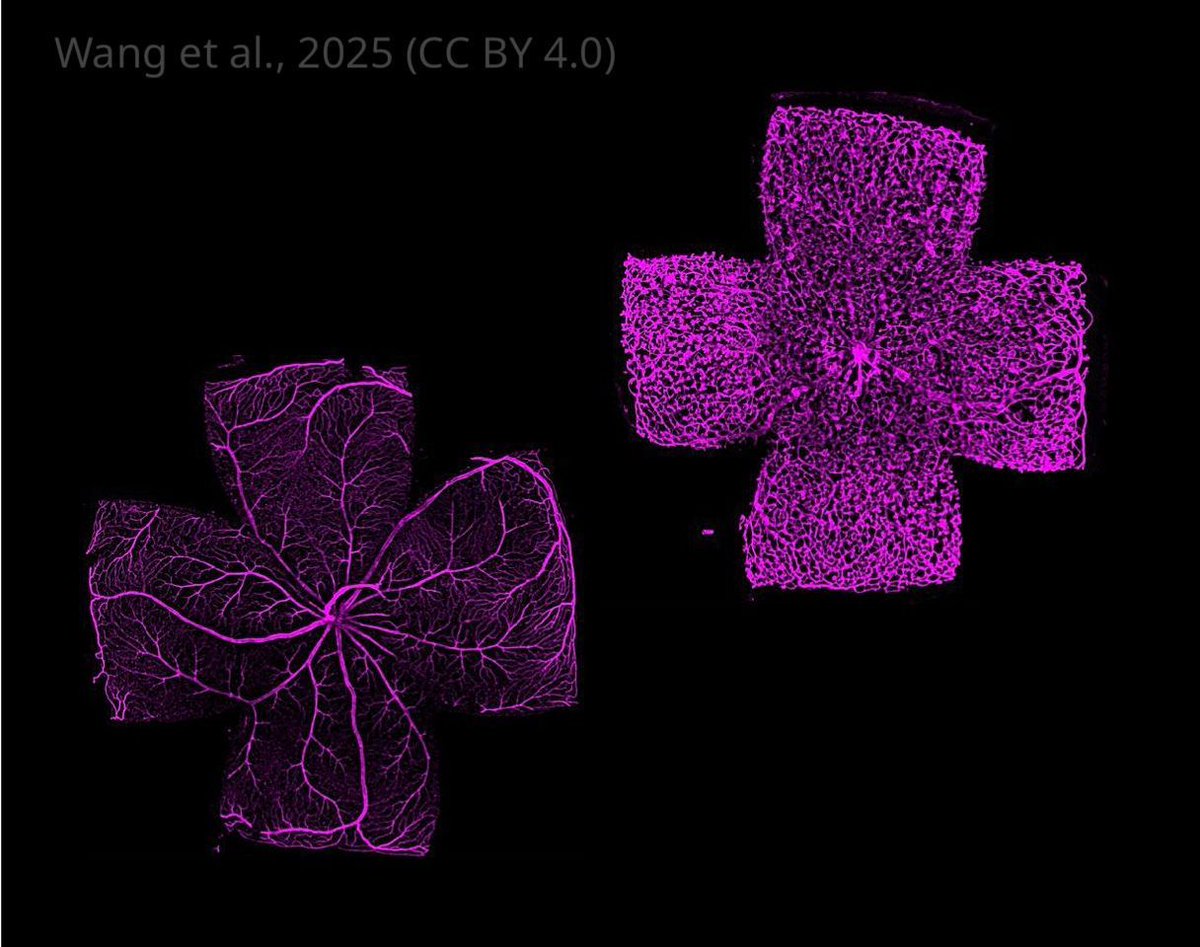
This is a beautiful paper by Jeremy Nathans group!
12 Nov 2025

Findings reveal how TGF-beta signalling keeps the brain’s blood vessels healthy.
Disrupting this in brain blood vessels disrupts retinal development and triggers immune cell invasion, revealing its role in maintaining vascular–immune balance in the CNS.
elifesciences.org/reviewed-p…
1
1
188
Agalliu Lab retweeted

12 Nov 2025
Interactive effects of blood–brain barrier breakdown and Alzheimer's disease biomarker status on cognitive decline in older adults without dementia alz-journals.onlinelibrary.w…
4
14
1,446