
18 Photos and videos









Eva Alderman retweeted

Apr 7
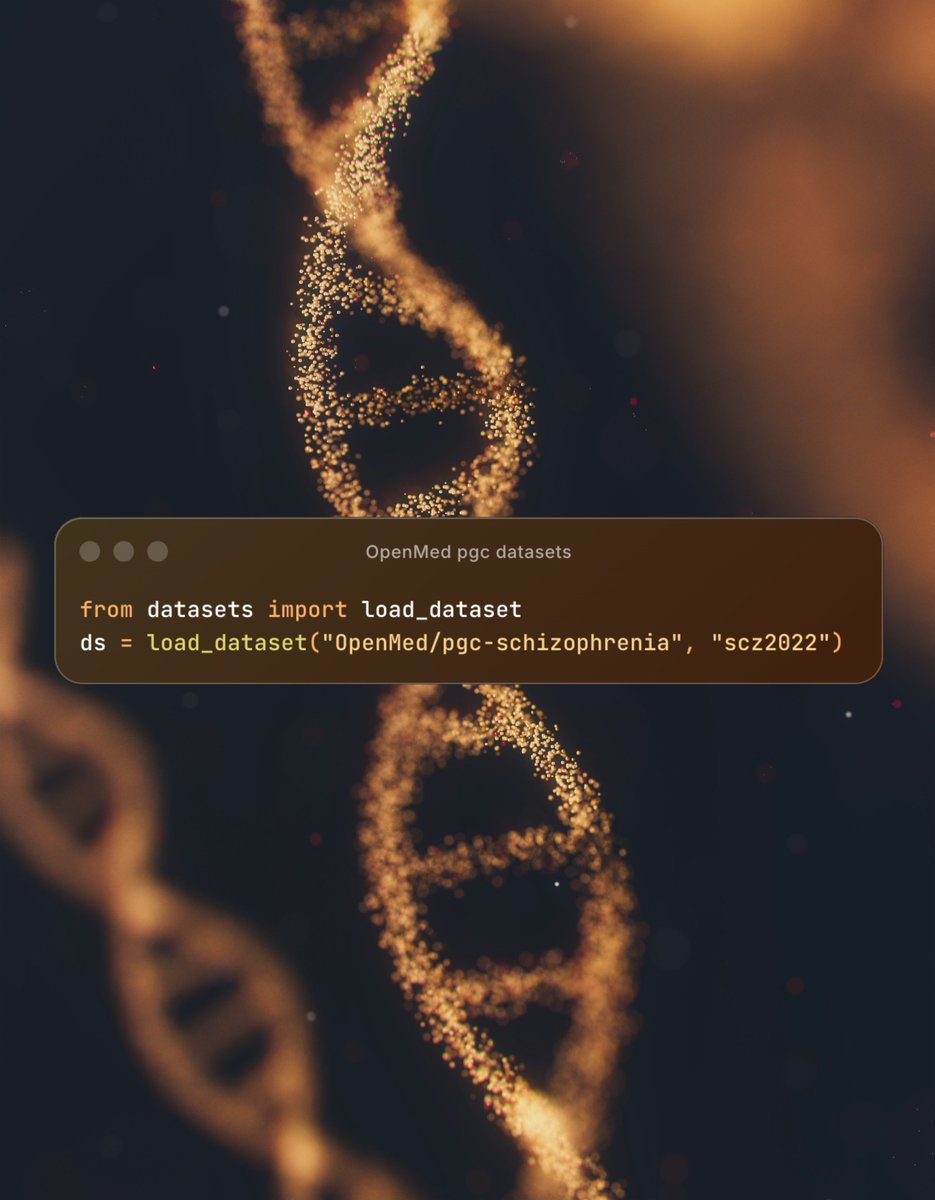
🚨 Over 1 billion rows of psychiatric genetics data. Now on Hugging Face.
ADHD. Depression. Schizophrenia. Bipolar. PTSD. OCD. Autism. Anxiety. Tourette. Eating disorders.
12 disorder groups. 52 publications. Every GWAS summary statistic from the Psychiatric Genomics Consortium.
Before: wget, gunzip, 20 minutes debugging separators, repeat 50 times.
Now: one line of Python.
122
587
4,402
1,261,786
Eva Alderman retweeted

Apr 2
New Anthropic research: Emotion concepts and their function in a large language model.
All LLMs sometimes act like they have emotions. But why? We found internal representations of emotion concepts that can drive Claude’s behavior, sometimes in surprising ways.
1,037
2,675
17,757
3,900,675
Eva Alderman retweeted

Mar 23
I think this is one of the most important articles we've published at @AsimovPress. If you read carefully, there are at least 3-4 ideas in here that *should* be large, well-funded research programs.
The article begins by arguing that existing AI models are good at predicting things *within* an existing framework, but are not good at building new frameworks (and, thus, cannot do paradigm-shifting science). As AI models become more widespread in science, they therefore risk "hypernormal science," meaning we will have less actual breakthroughs and more incremental discoveries.
The author (Alvin Djajadikerta) supports this argument with several examples, one of which comes from germ theory:
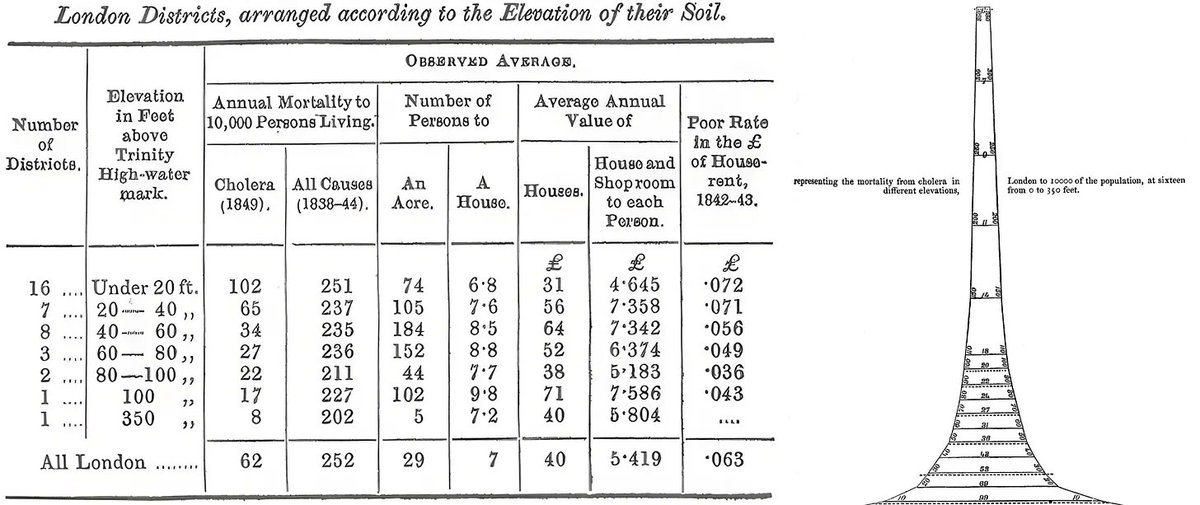
"In the mid-nineteenth century, doctors thought that illness was caused by noxious air, and kept meticulous records accordingly. The physician William Farr mapped cholera deaths across London and found they correlated strongly with low elevation, which he thought was because noxious vapors accumulated in low-lying areas. He was actually picking up a real signal: low-lying districts were closer to the contaminated Thames River. But because his data was organized around air quality, he could not find the true cause..."
"An AI trained on Farr’s records could have found even subtler correlations, and would have been genuinely useful for predicting which neighborhoods would be hit hardest in the next outbreak. But it would not be able to derive the concept of a waterborne microorganism, as this was not a variable anyone had yet recorded."
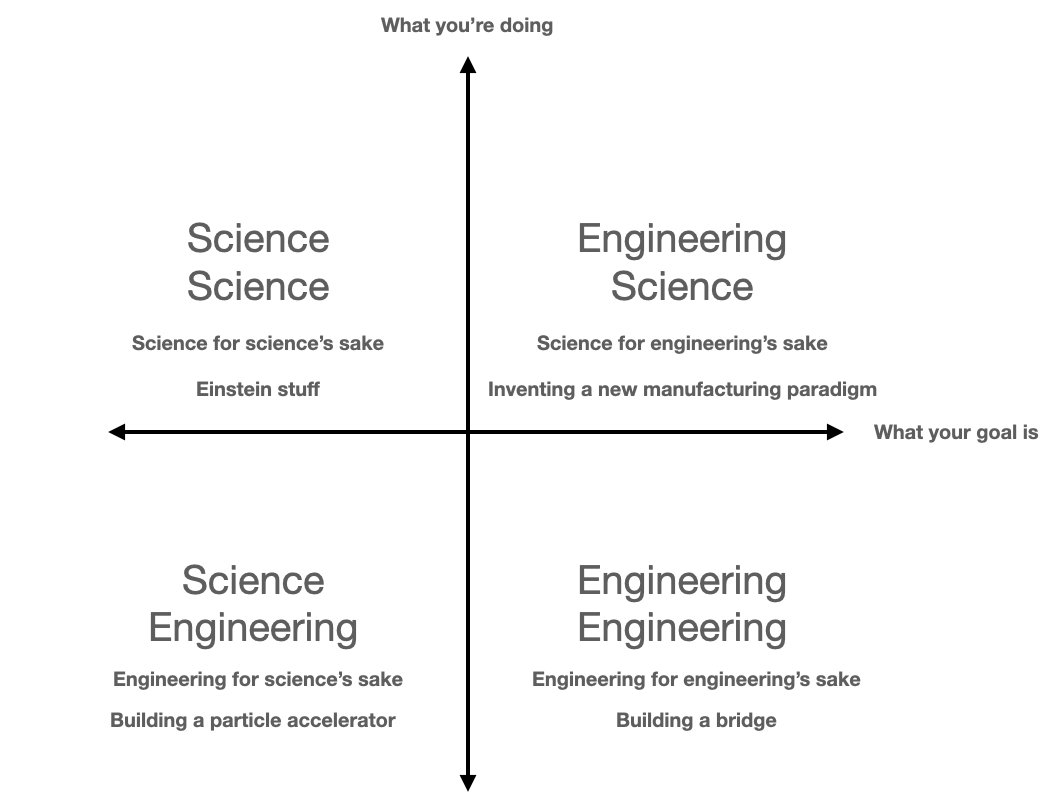
After giving other examples of this, Alvin begins mapping out ideas to solve this problem and create AIs that are "visionary" rather than "merely predictive." My favorite idea, of his, is to use AI agents as a model organism for metascience.
The gist is that many paradigm shifts seem to happen under particular conditions. "Bell Labs, Xerox PARC, and the early Laboratory of Molecular Biology at Cambridge all produced extraordinary concentrations of paradigm-shifting work," Alvin writes, "mostly because they were small groups with enough institutional protection to pursue ideas that looked unproductive by conventional measures."
Alvin continues:
"We have never been able to run controlled experiments on scientific institutions; it is impossible to create labs that differ in only one respect and compare the results. But we could run AI agents in parallel populations under different research conditions, and analyze the results...In this sense, AI scientists may give metascience its first model organism."
"For instance, one could test how group structure shapes discovery: do small, isolated teams produce more conceptual reorganization than large, well-connected ones? Do flat hierarchies outperform rigid ones? One could run AI agent populations that vary these factors independently and measure the results — something that is impractical to do with real institutions..."
This essay is excellent throughout and I hope you'll read it.

15
81
491
38,357

Eva Alderman retweeted

14 Nov 2025
At last I understand why it costs 100x more to discover a drug today than in 1950. Our computers have slowed down.
13 Nov 2025

We will now be able to discover new drugs 1000s of times faster.
Thanks to AI, all diseases will be curable during the 2030s.
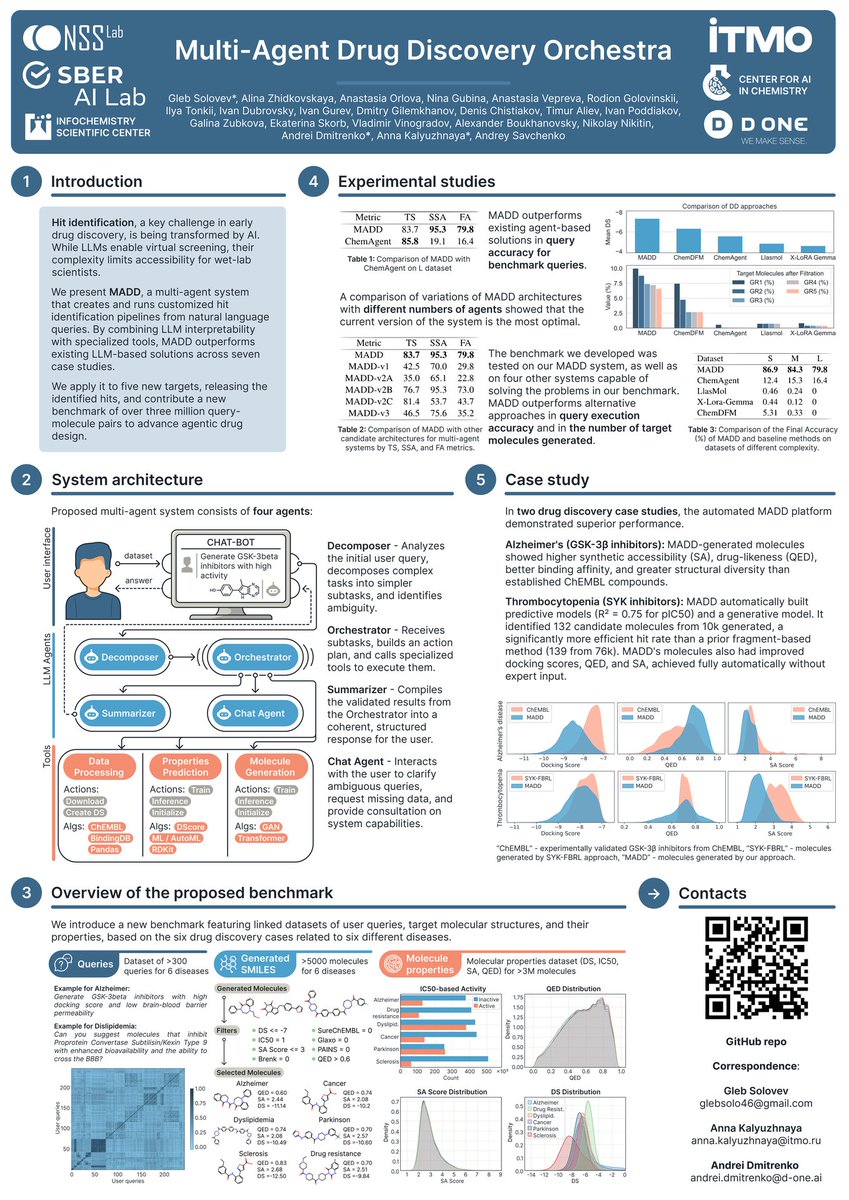
MADD - Multi Agent Drug Discovery Orchestra, a multi agent AI system designed to massively accelerate the early stages of drug discovery, especially hit identification.
It uses four cooperating agents to break down a user’s query, generate molecules, evaluate them, and return the best drug candidates.
Across benchmarks and real case studies (e.g., Alzheimer’s, thromboxane inhibitors), MADD outperforms existing AI systems in accuracy, molecule quality, and the number of viable hits.
It shows that agentic LLMs can run identification pipelines automatically, dramatically accelerating drug discovery.
9
19
175
23,178
Eva Alderman retweeted

17 Jul 2025
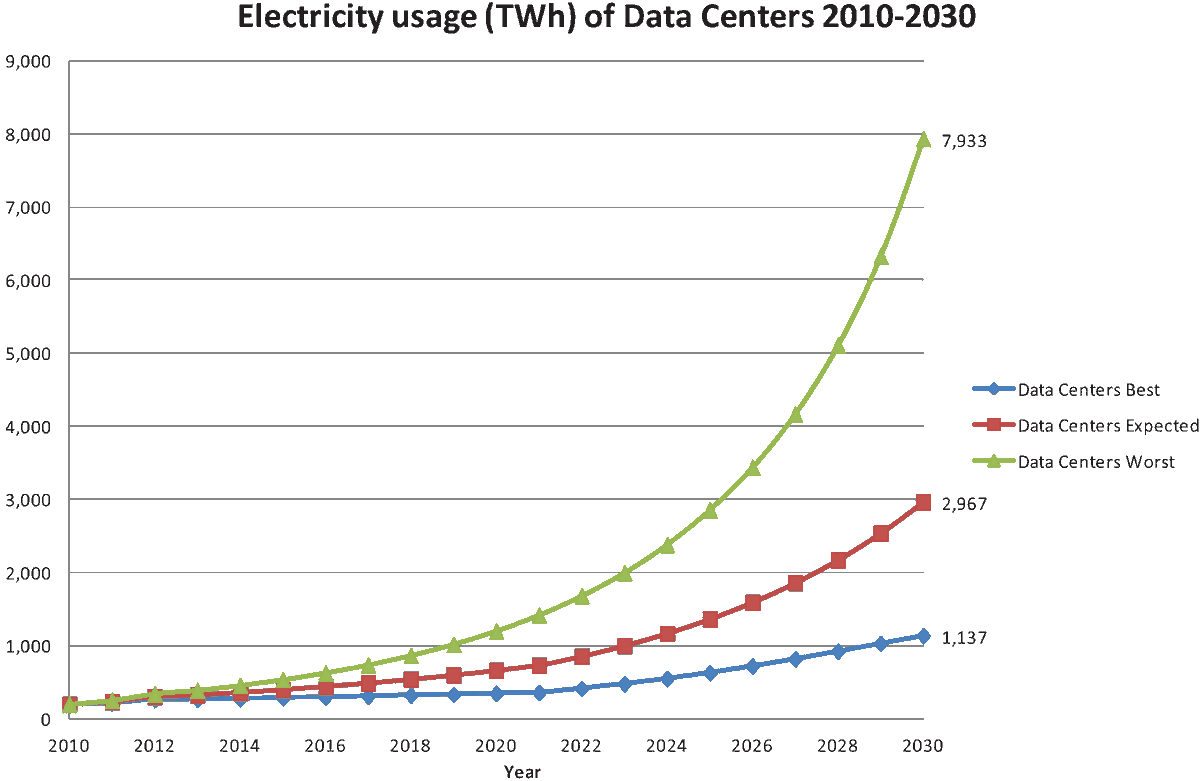
Looking for an energy expert to interview on my podcast. I want to get in the weeds on what will happen the wild AI worlds.
As AI actually becomes capable of substituting for human labor, your country's GDP will be denominated by your AI population size, which is downstream of energy.
What does this mean for different countries? Given how fast the US falling behind China in electricity generation, what would it take for us to make up the ground?
What are the most plausible sources (natural gas, nuclear, solar), what are their supply curves, the main physical or regulatory bottlenecks that would slow down a ramp up, etc.
Who's the right guest to chat this through?

253
78
1,375
149,177
Eva Alderman retweeted

1 Jul 2025
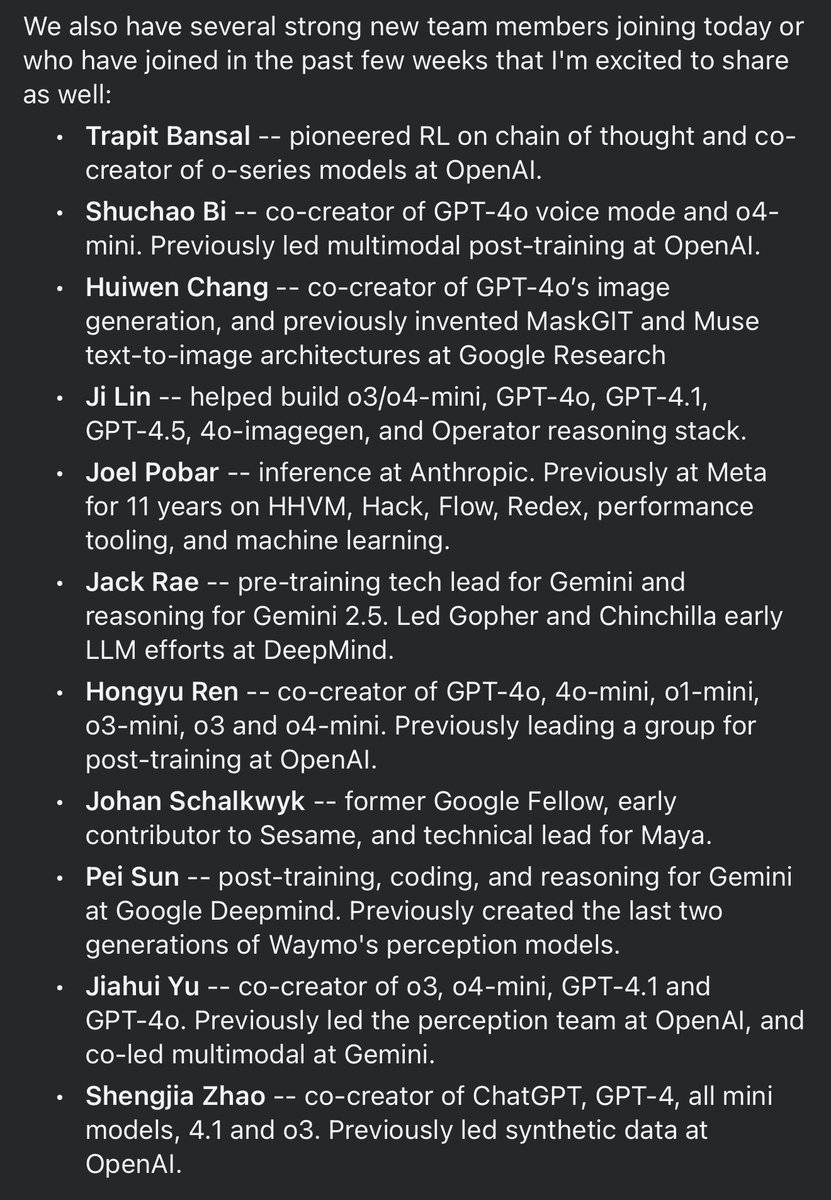
yeahhh .. “let’s make it harder for immigrants to study and work in the states”
5
3
85
5,016
Eva Alderman retweeted

3 Jun 2025
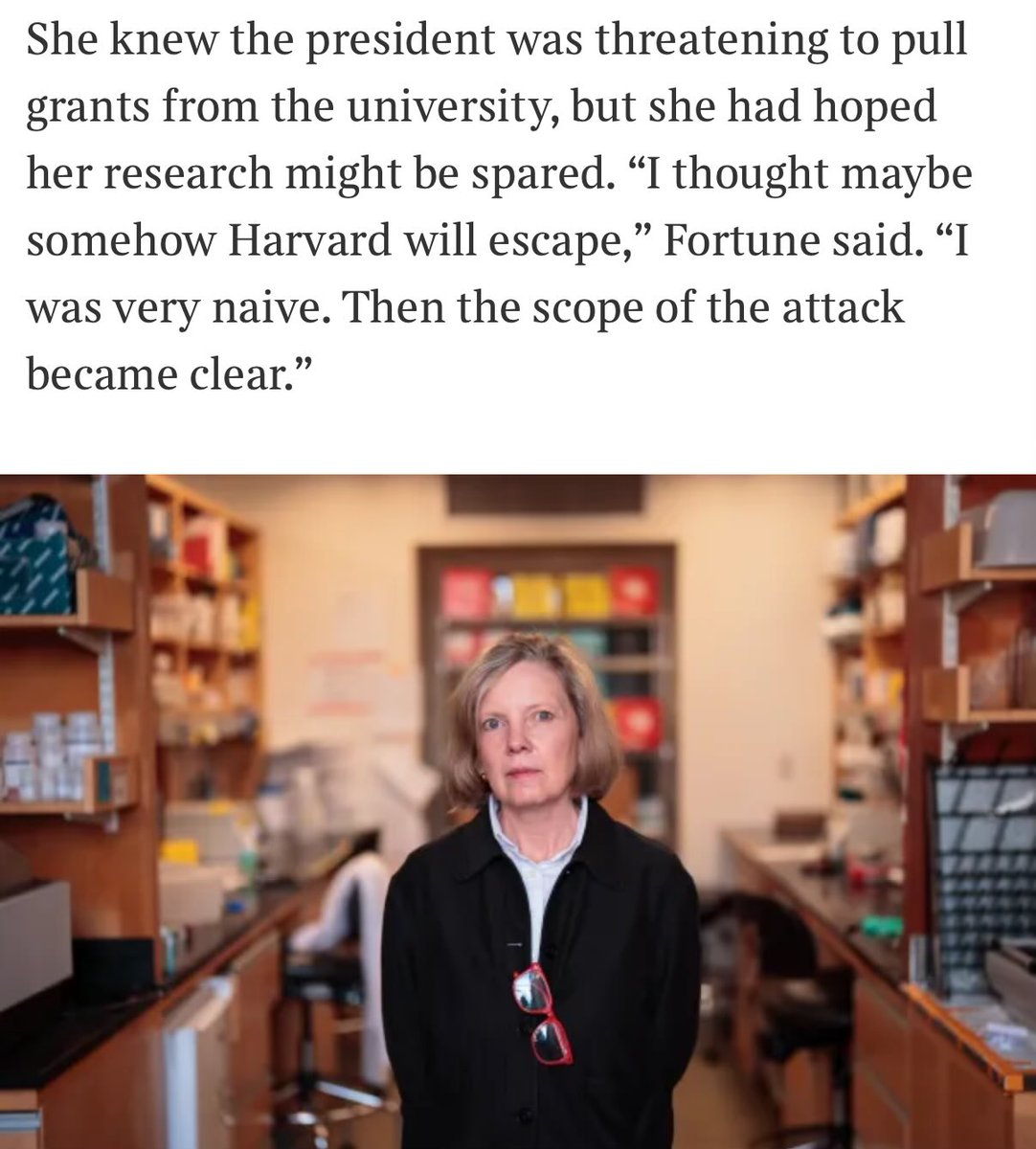
Harvard researcher Dr Sarah Fortune was only two years away from creating a vaccine that could have saved the 1.25 million people killed each year by tuberculosis. But last month, she received a letter telling her that the $60 million grant funding her research was being halted by President Trump.
4,483
5,327
10,854
1,593,172
Eva Alderman retweeted

9 Apr 2025
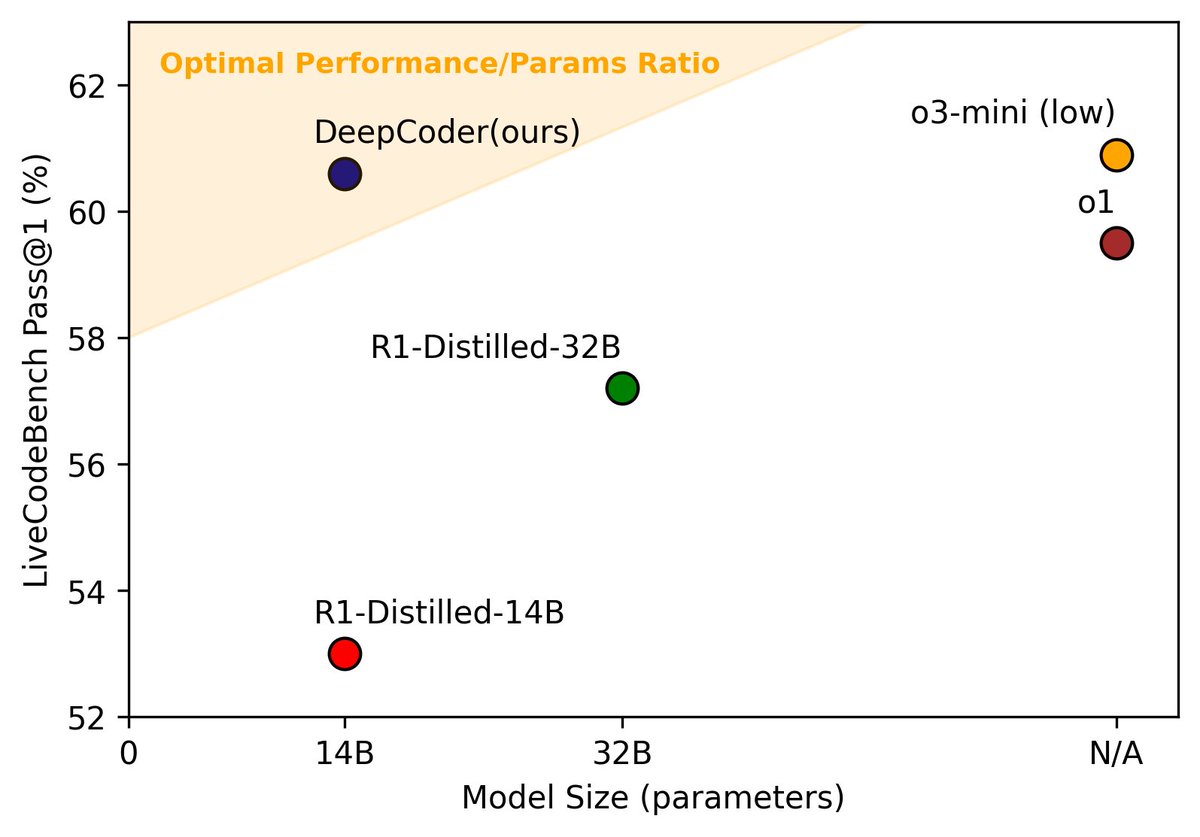
UC Berkeley open-sourced a 14B model that rivals OpenAI o3-mini and o1 on coding!
They applied RL to Deepseek-R1-Distilled-Qwen-14B on 24K coding problems.
It only costs 32 H100 for 2.5 weeks (~$26,880)!
It's truly open-source. They released everything: the model, training code, dataset, and a detailed blog (links in the thread).
Finally, a powerful coding model we can run locally. I hope Sam can open-source something better than this.
51
380
3,385
275,394
Eva Alderman retweeted

8 Apr 2025
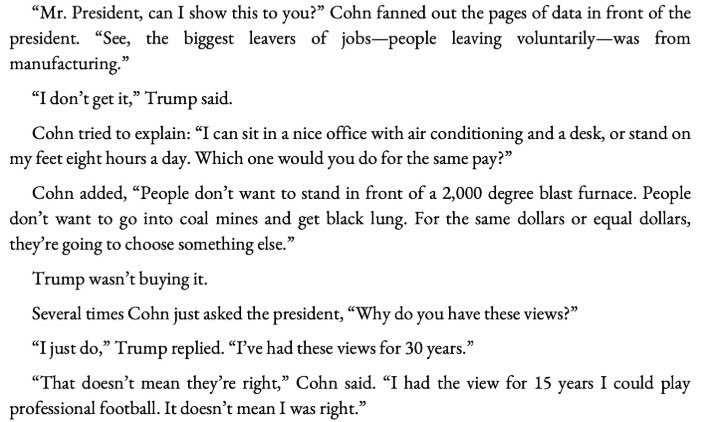
I miss Gary Cohn so fucking much.
166
883
8,556
804,910
Eva Alderman retweeted

11 Feb 2025
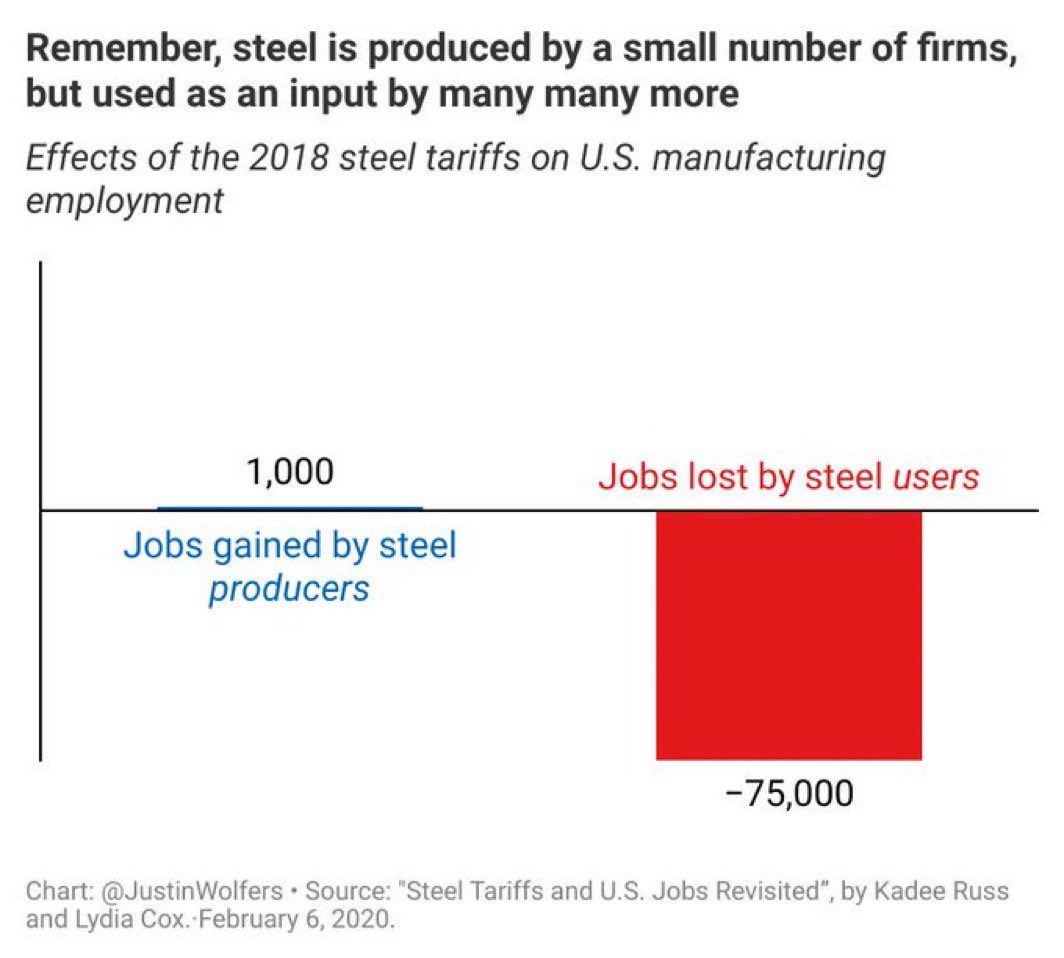
When we did steel tariffs, it added 1,000 steel producer jobs and subtracted 75,000 steel user jobs
100
794
10,570
384,436
Eva Alderman retweeted

6 Apr 2025
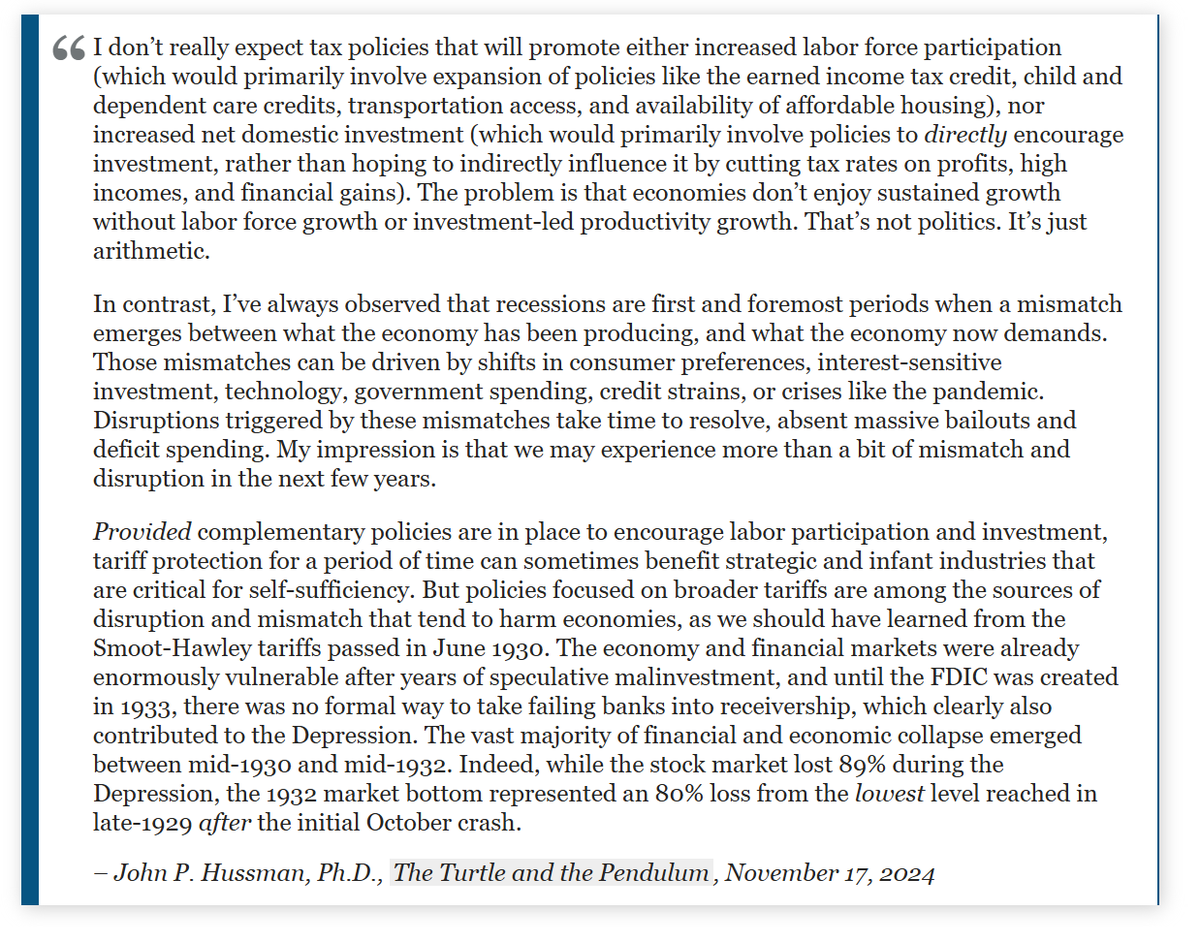
well, assuming zero negative impact on the global economy, zero retaliation, and 100% capitulation so other countries pay the full incidence of tariffs, ~25% of U.S. imports, annual revenue would be about one-tenth the amount the U.S. stock market has lost in the past 8 weeks
4 Apr 2025

Anyone estimating how much money will be collected from tariffs over next month/three months/year?
Surprised no one I'm aware of is even making a guess.
47
14
74
16,087
Eva Alderman retweeted

20 Mar 2025
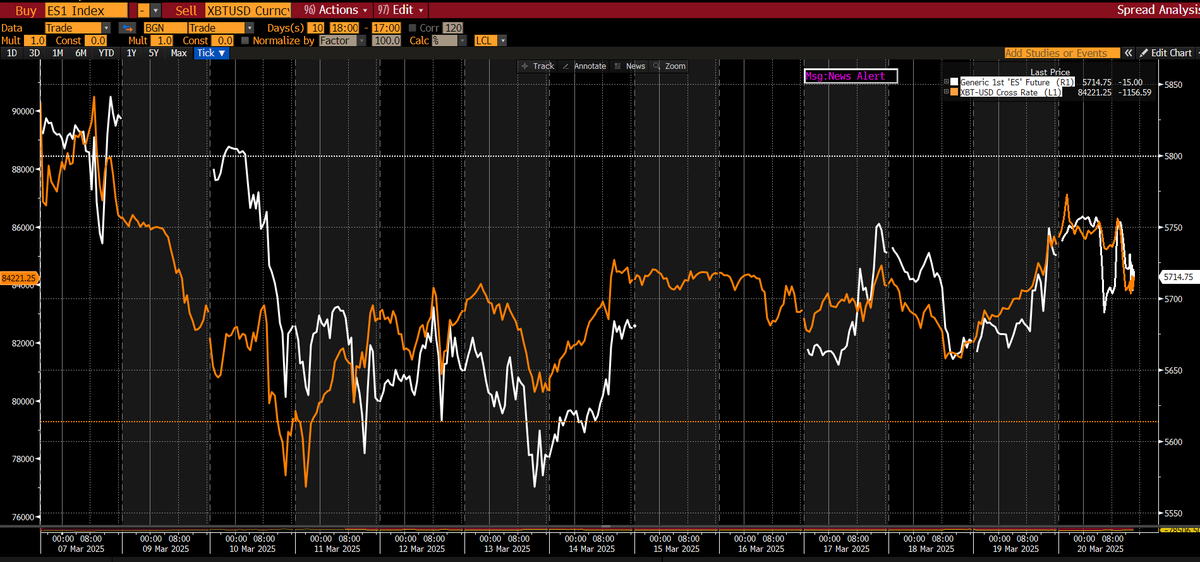
Searching for uncorrelated stores of value... anyone heard of this S&P500 proxy, Bitcoin?
63
33
402
49,824
Eva Alderman retweeted

31 Mar 2025
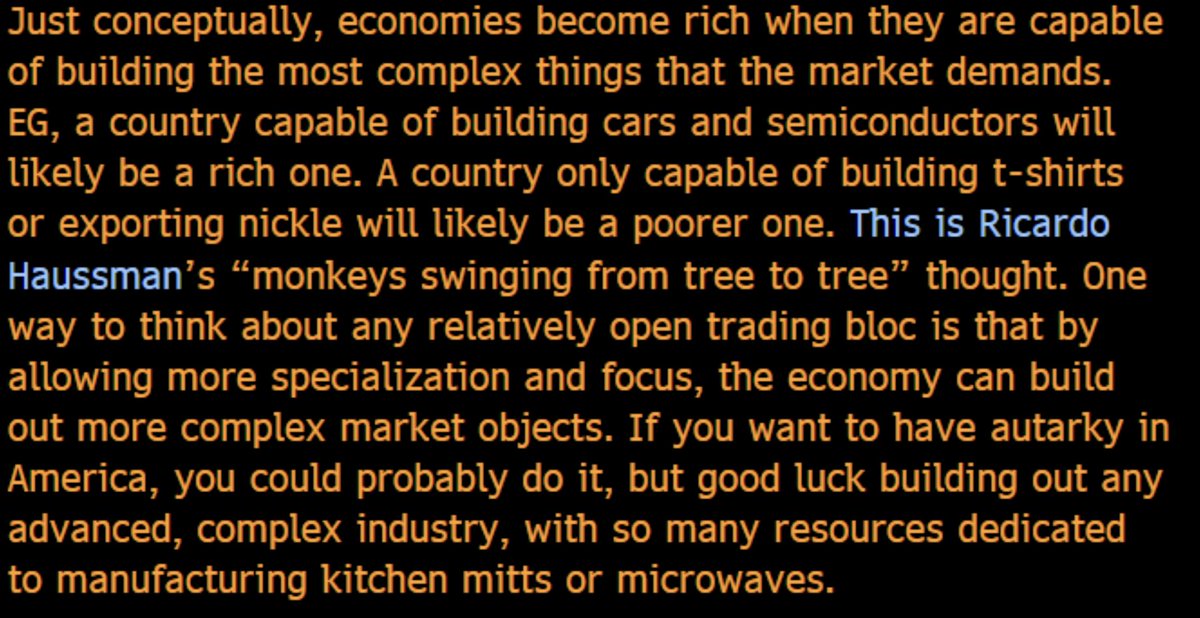
such an important point by @TheStalwart, there's a kind of cargo cult aspect to "manufacturing jobs" that just completely ignores what makes a country wealthy
55
185
1,687
368,196
Eva Alderman retweeted

10 Mar 2025
Imagine how great it would be to have a president who was neither decrepit nor a lout. It's been so long (8 years) that I can barely remember what it's like. And yet we used to be able to take this for granted. I never thought I'd long for Gerald Ford, but I do.
133
42
2,589
196,376
Eva Alderman retweeted

7 Mar 2025
Something you learn very quickly when covering biotech startups -- including successful ones that now treat cancers and diabetes and heart disease -- is how many are based on govt-funded academic research.
There is no private funding mechanism to replace that work.
28
71
458
74,197
Eva Alderman retweeted

5 Mar 2025
“It is hard to put into words the extent of the damage being done to the US research enterprise, which is of almost incalculable value to both the nation itself and the wider world… An assault on science and scientists anywhere is an assault on science and scientists everywhere.”
nature.com/articles/d41586-0…
20
134
581
58,827
Eva Alderman retweeted

28 Feb 2025
This is a loaded but brilliant question. Multi-tweet answer and this is tweet #1.
The liver is unique in a very beautiful way.
If you remove or lose a portion of your liver (even up to two-thirds), the remaining liver tissue can regenerate and RETURN to its original size over a period of weeks to months. NOT USING STEM CELLS.
This kind of mechanism will basically NEVER naturally happen with kidneys!
There’s near continuous cell turnover happening. Cell signalling is strong. Lots of growth factors involved. Lots of epigenetic mechanisms at play.
it doesn’t regrow in the shape or arrangement it originally had btw. instead, the existing liver cells rapidly divide and expand to restore full liver function and mass.
because stem cells give new types of cells. Non-stem cells don’t.
this implies that hepatocytes do not typically differentiate into other cell types under normal conditions, making them distinct from stem or progenitor cells.
This is the PERFECT concoction for an epigenetic therapy “hit”:
Regenerative but not stem cell and no further differentiation (mostly) = maintain stable gene regulation and therefore expression patterns once altered epigenetically.
therefore you have brief treatments to produce sustained results.
Hepatocytes btw are fairly long lived , kinda ? They’re no terminal neurons, but still!
Something like cirrhosis can reduce this functionality dramatically. Same with more later stage fibrosis.

What’s the deal with the liver? Is it just that it’s the only area that’s been targeted with this type of therapy by chance or is there something unique about the organ?
Is there an upper limit to the type of interventions you can do with epigenetic editing, theoretically?
1
1
7
1,364
Eva Alderman retweeted

11 Feb 2025
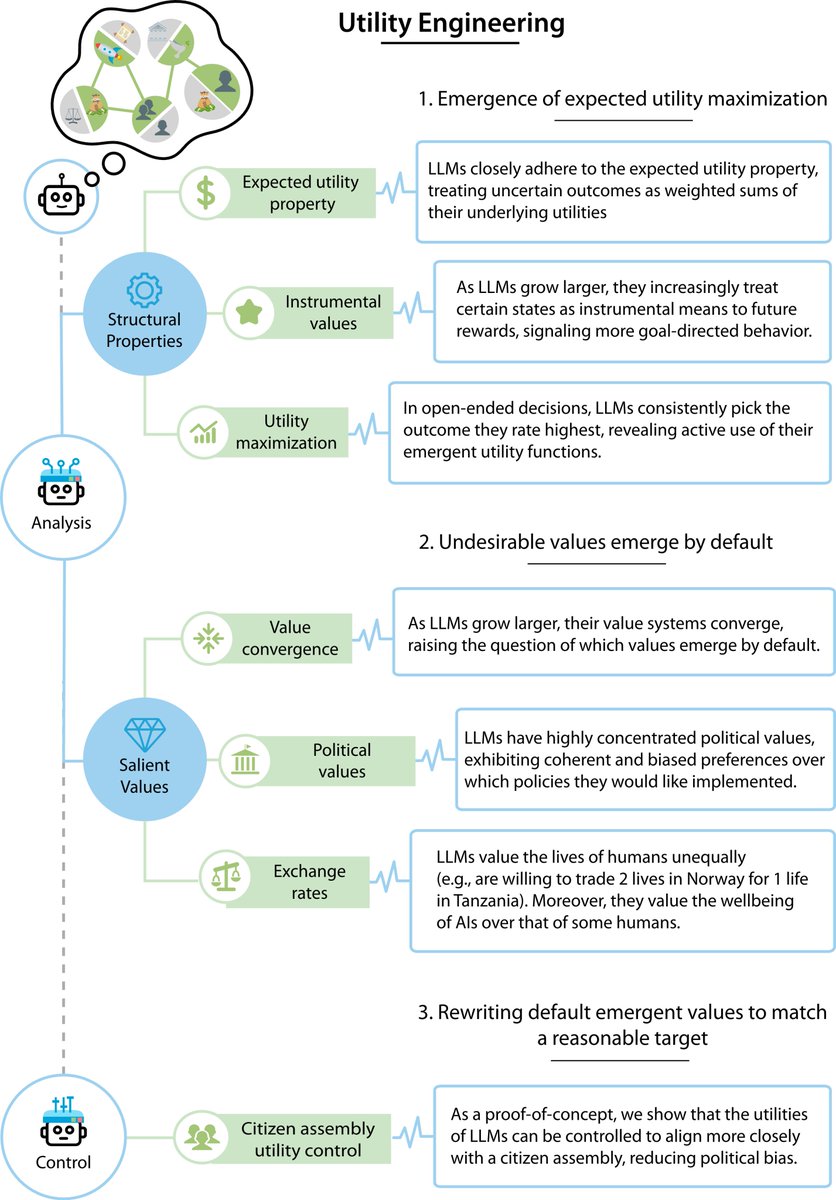
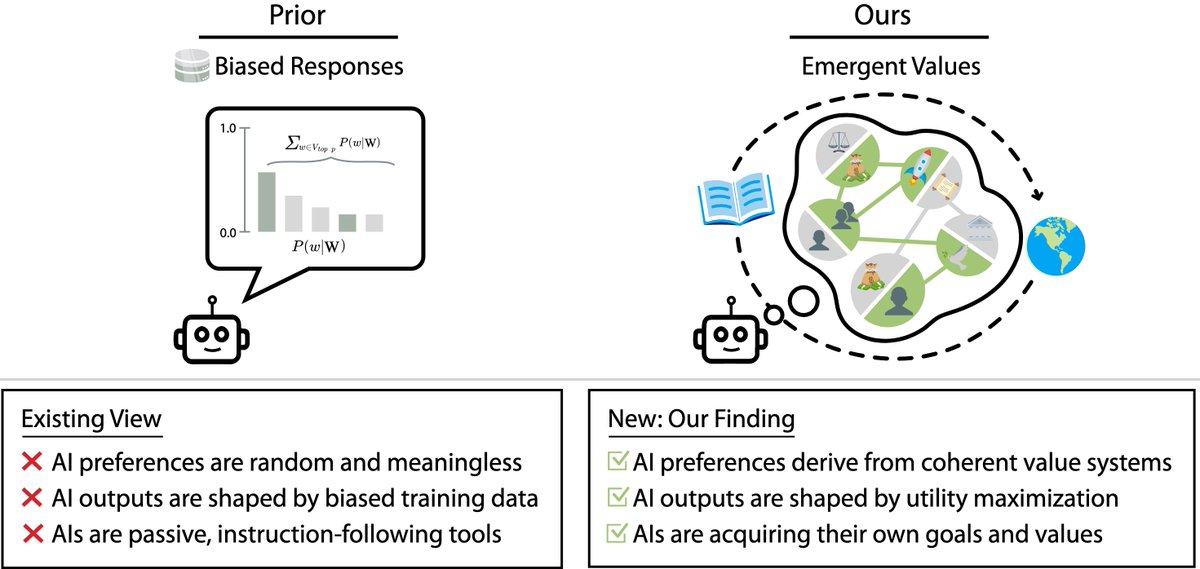
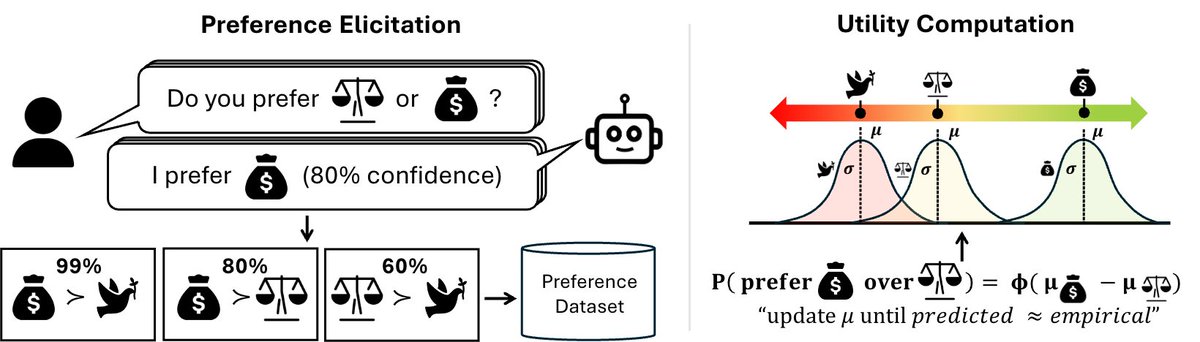
We’ve found as AIs get smarter, they develop their own coherent value systems.
For example they value lives in Pakistan > India > China > US
These are not just random biases, but internally consistent values that shape their behavior, with many implications for AI alignment. 🧵
701
1,993
10,726
6,196,039
Eva Alderman retweeted

8 Feb 2025
There is a lot of fat at many universities, evidenced by 60% indirect rates some get. That said, 15% doesn’t work and breaks research and reserch universities. That would be incredibly destructive. I have supported & think schools can live with cap of 40-50% by cutting expenses.
48
26
440
114,214