
Joined January 2012
- Tweets 3,794
- Following 1,575
- Followers 4,871
- Likes 8,346
372 Photos and videos






Pinned Tweet

17 Jul 2024
Jordan’s environmental crisis is often framed as a simple case of scarcity: too many people, too little water.
It is that, but it’s also more: It’s privatization, profit, state decay.
My latest tells this story, and asks what we all can learn from it
synaps.network/en/post/Jorda…
3
23
64
14,001
May 13
Useful breakdown of the problems with this article, ie:
1⃣ its core claim, that 45% of Lebanese oppose disarming Hezbollah, is meaningless without disclosing methodology;
2⃣ the data is 6 months old, which in 2026 makes it severely outdated

A recent @ForeignPolicy article uses survey research to argue just under half of Lebanese oppose disarmament. Some thoughts on why this study, and similar survey research, should be extremely explicit about methodology & cautious in interpretation:
foreignpolicy.com/2026/05/11…
7
16
4,368
Apr 27
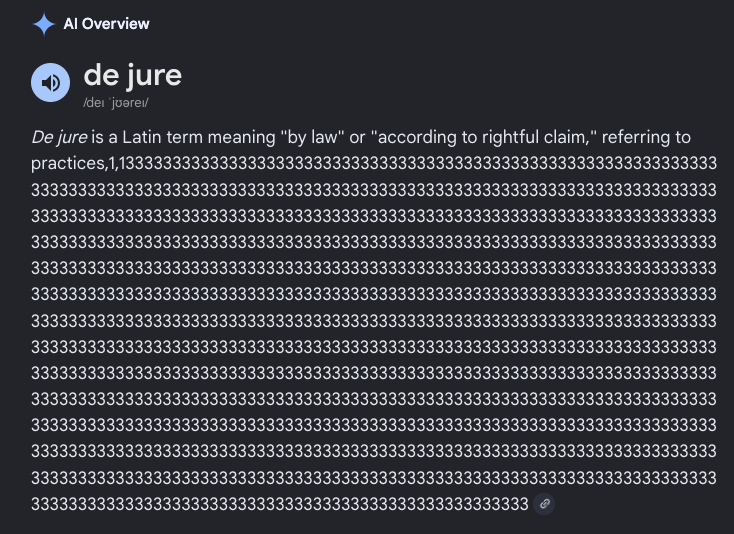
Me: [Googles "de jure," because I always forget]
Google AI overview:
5
180
Alex Simon retweeted

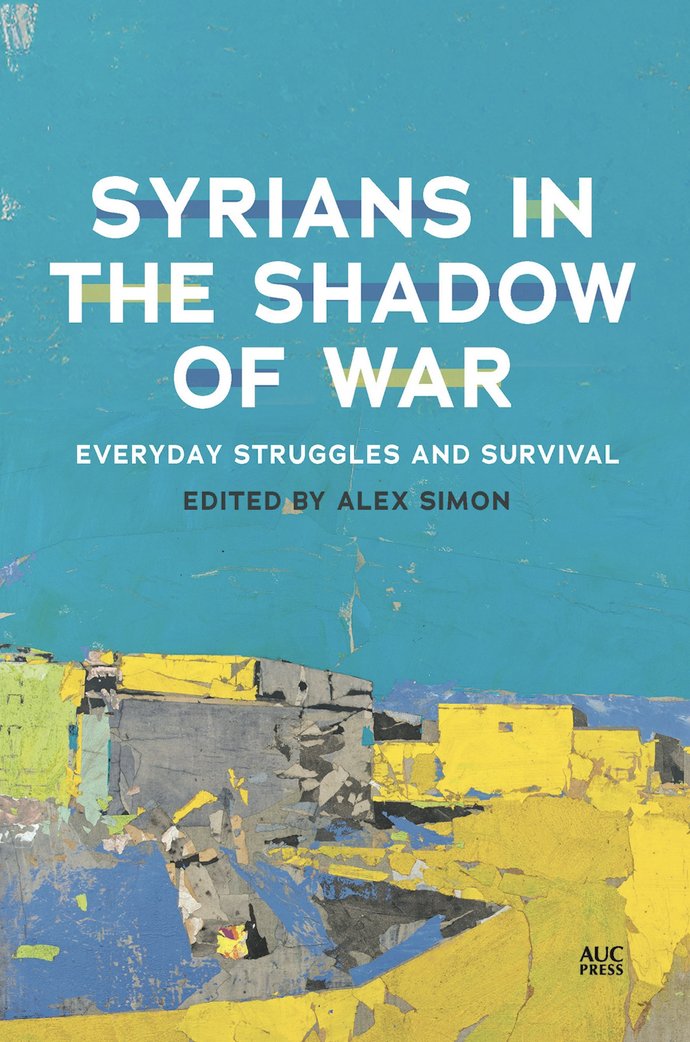
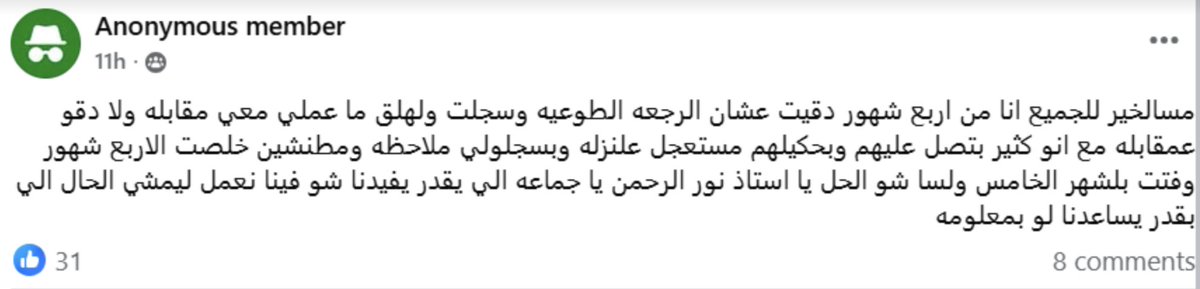
In post-Assad Syria, some of the most meaningful organizing is happening out of public view: in WhatsApp groups used to manage crisis, verify rumors, share knowhow, and coordinate solidarity in everyday life.
By @AlexGSimon
f.mtr.cool/xslalibnnp
#Syria #DigitalLife #MutualAid

4
9
449
Apr 14
.@yarbatman is doing us all a service by politely yet thoroughly debunking nonsense claims from people who think their generalist expertise makes them experts on Iran, about which they know nothing

The picture is far more complicated than this and now would be a good time for economists to start to look into how Iran's economy actually works.
First, oil exports have long been a constrained source of FX liquidity, as evidenced by the fact that Iran's currency has continued to devalue *even as oil exports surged*.
Second, the impact of the war on consumption in Iran will also depress import demand. Iran spends the equivalent of 4.5% of its annual crude oil export revenue just on smartphones! Recent currency devaluation is primarily a story of exaggerated import demand.
Third, Iran's non-oil trade with Iraq, Turkey, and Afghanistan is significant. Iran is not as dependent on the strait as its regional neighbors.
Fourth, this analysis total ignores Iran's enormous international reserves, exceeding $100 billion. Even if export revenues fall, Iran can try to gain access to a larger share of reserves. China might be willing to oblige to keep Iran in the fight.
To be clear, Iran can't sustain this war indefinitely. The window is probably 6-months before the economy starts to unravel, shorter if Trump commits war crimes by targeting infrastucture like power plants. But Iranian leaders know this and that is why they were *already* at the negotiating table, in good faith, before the blockade was announced.
Trying to justify the blockade based on the economic pain it may cause makes little sense when Iran had effectively *blockaded itself* from the outset of the war. Moreover, the blockade isn't really enforceable, certainly not without actions that would violate the ceasefire.
Trump just made policy by social media post again and there is no point in trying to dress it up as a measured or intelligent move.
1
3
350
Mar 24
Lebanon's leaders are pantomiming sovereignty: an impotent ban on Hezbollah, expelling the Iranian ambassador while ignoring a promise from Israel Katz to occupy the country, micromanaging the foreign aid response despite lacking the capacity to do so effectively
Mar 24

Lebanon's president, prime minister and speaker of parliament have yet to comment on Israeli Defense Minister Israel Katz's statement today that Israel intends to occupy south Lebanon up to the Litani River.
1
23
44
4,228
Mar 10
Dear @Uber : Why are you giving a 30% discount on rides in Beirut while global fuel prices are rocketing?
With these prices—less than $3 to cross Beirut—some rides won't cover what drivers spend on gas.
Please fix this, and in the meantime let's all pay the normal price.
2
3
11
1,262
Mar 4
Even in its public outreach ostensibly serving its own citizens, Washington is primarily an agent of chaos and confusion.
In addition to being useless, such statements frighten people (both in the region and the US) and prompt scrambling to understand wtf is happening
Mar 3

The @StateDept waited until day three of the war to tell Americans to immediately leave via "commercial transportation" from several countries where the airports are closed
Also... Egypt? How wild do they think this is gonna get?
A mix of panicky messaging and incompetence
1
4
597
Mar 4
(This was also true under the Biden administration, which was marginally less clownish but still completely and malignantly incompetent)
1
117
Mar 3
Iranian officials and Pete Hegseth have very similar speech patterns

BREAKING: Iran's Foreign Ministry says that fire "will engulf the entire world"
5
568
Mar 2
Israel has forced a new wave of mass displacement in Lebanon, whose people never had a chance to recover from prior rounds of uprooting. There’s much we don’t know, but also much we do:🧵
3
53
133
17,664
Mar 2
Instead, they embrace a form of nihilism that will shape every aspect of this conflagration, to include the ensuing displacement.
1
1
2
536
Mar 2
For those of us who remain anti-nihilism, that poses the question: What does it mean to be useful in this new phase? What can be salvaged from dying systems—for aid, diplomacy, advocacy—and what must be built from scratch?
3
6
601