
Philosopher/Cognitive Scientist at University of Heidelberg. Interested deceptive communication, morality, AI, open science and stuff.
Joined June 2012
- Tweets 1,327
- Following 634
- Followers 633
- Likes 3,100
191 Photos and videos



Alex Wiegmann retweeted

Jun 8
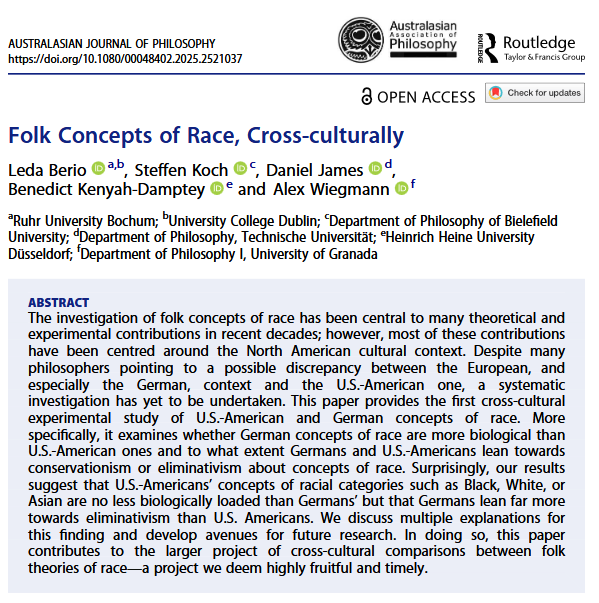
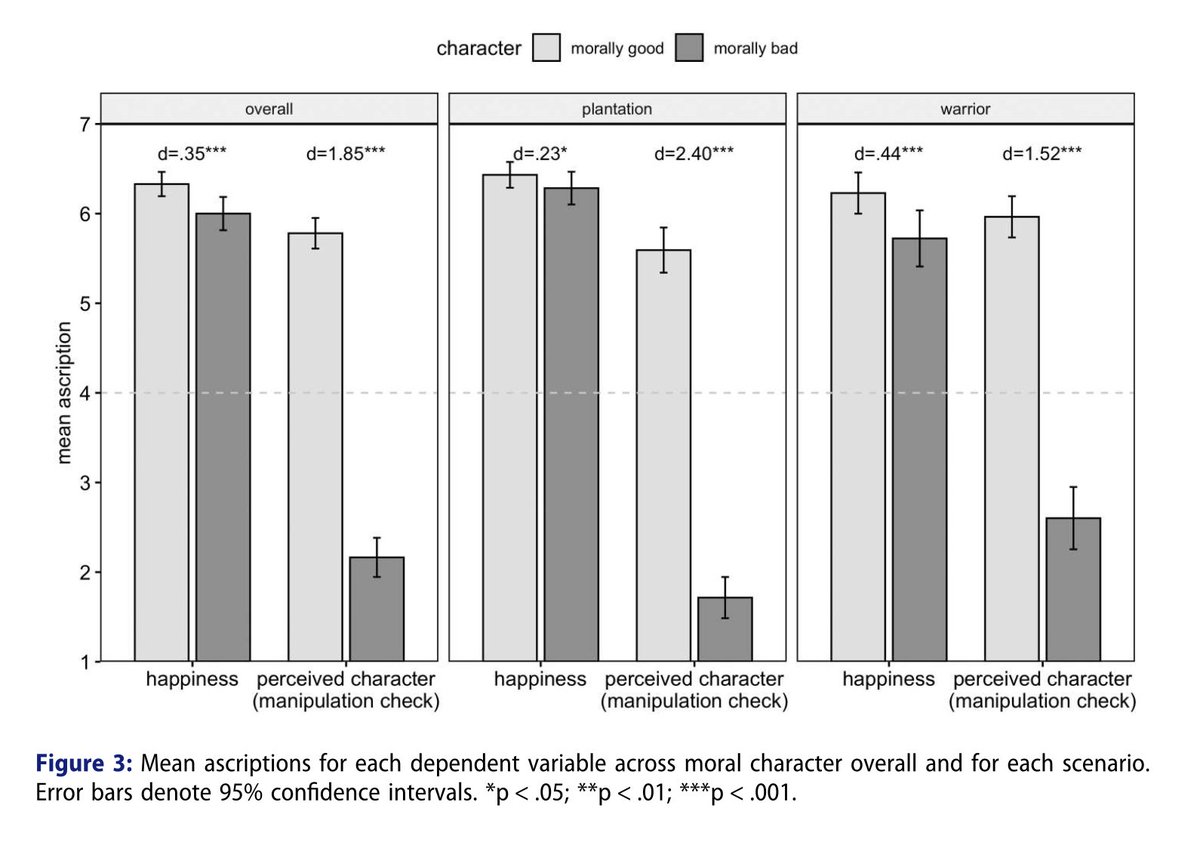
Is happiness a morally charged concept? Ceteris paribus, is the saint happier than the sinner? Diverging from the great work by @phillipsjs and @xphilosopher, @DanHaybron and I find that morality plays no role in the concept of happiness. OA in AJP: h1.nu/1r82v
5
6
16
1,384
Alex Wiegmann retweeted

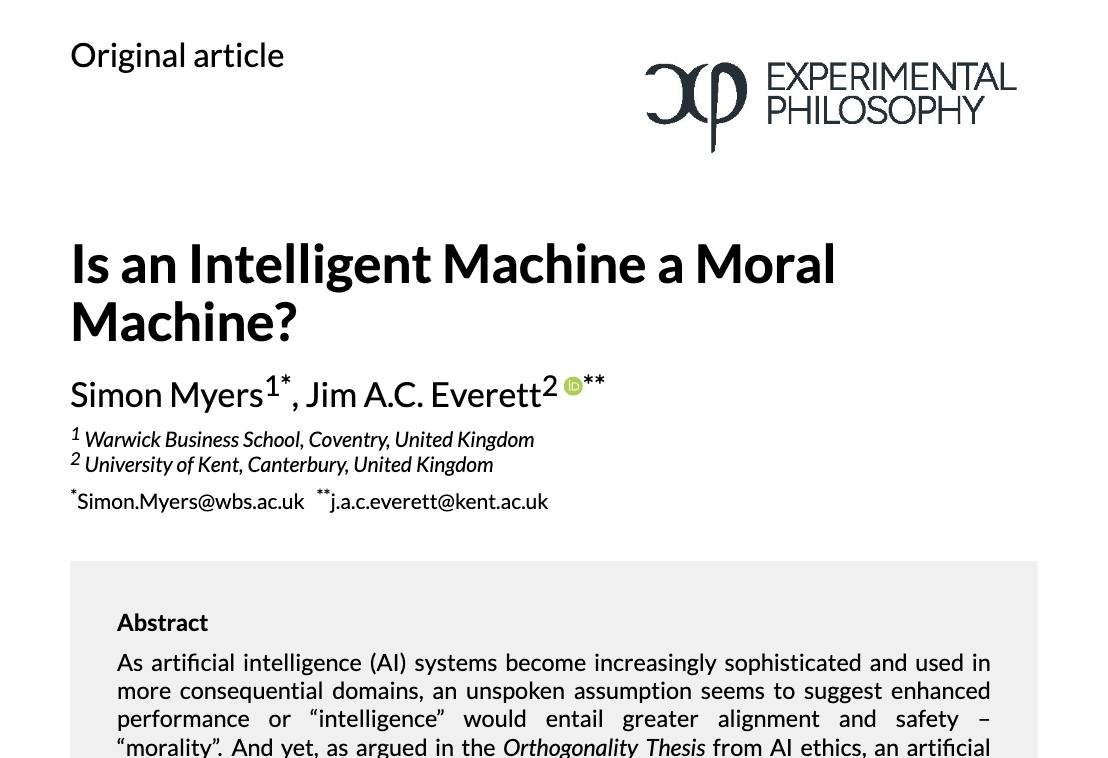
🚨@xphijournal has published its first article!🎊
🧚"Is an Intelligent Machine a Moral Machine?" 🤖
by Simon Myers and Jim A.C. Everett
Check this out!👀
Link in the replies🔽
1
2
4
69
Alex Wiegmann retweeted
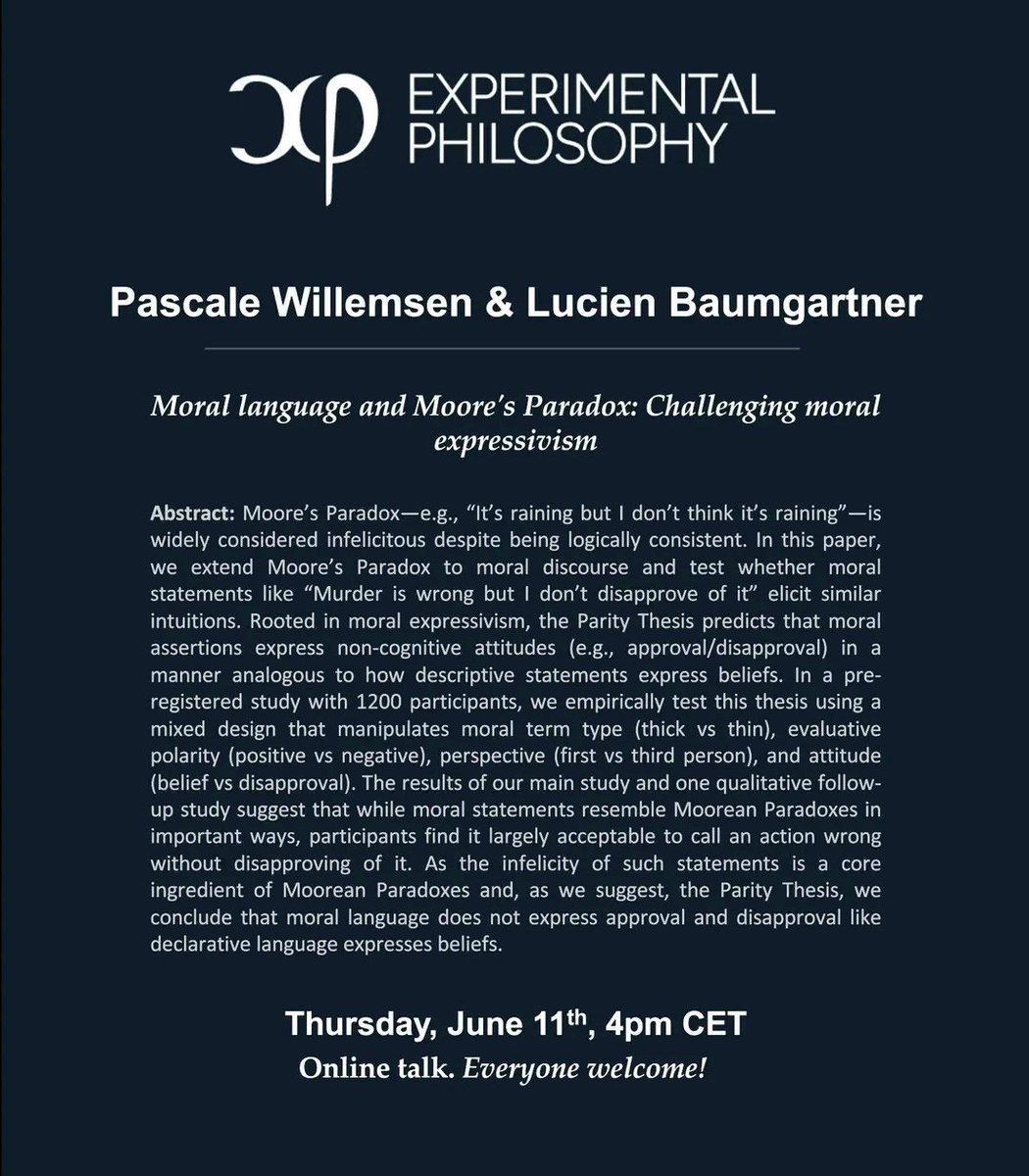
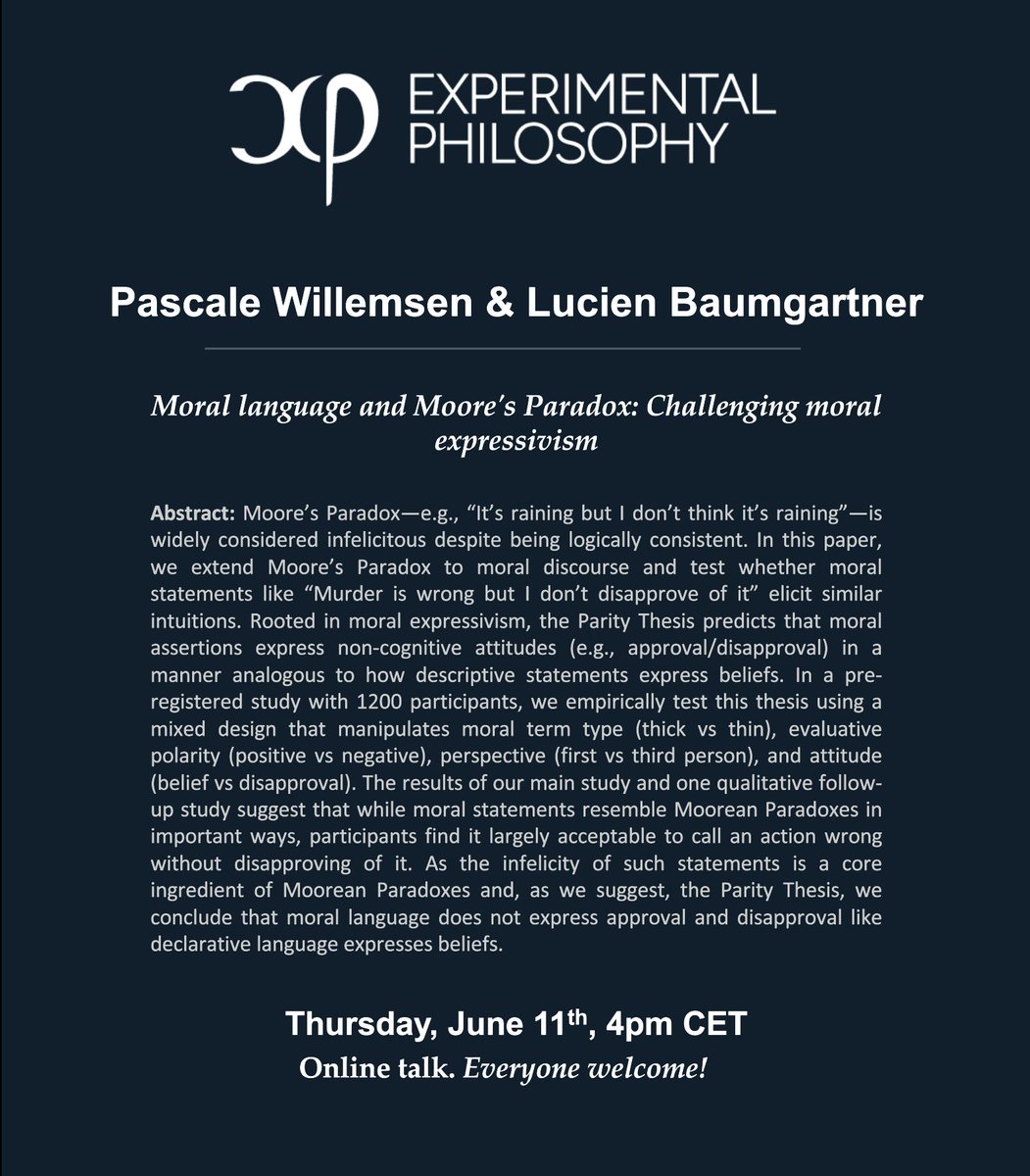
Very happy to invite you to the third online talk in our series. Next Thursday, 11th June, 4pm CET, Pascale Willemsen and Lucien Baumgartner. Everyone welcome!
Link: uzh.zoom.us/j/65107786432?pw…
Meeting-ID: 651 0778 6432
Kenncode: 235823
3
7
213
Alex Wiegmann retweeted
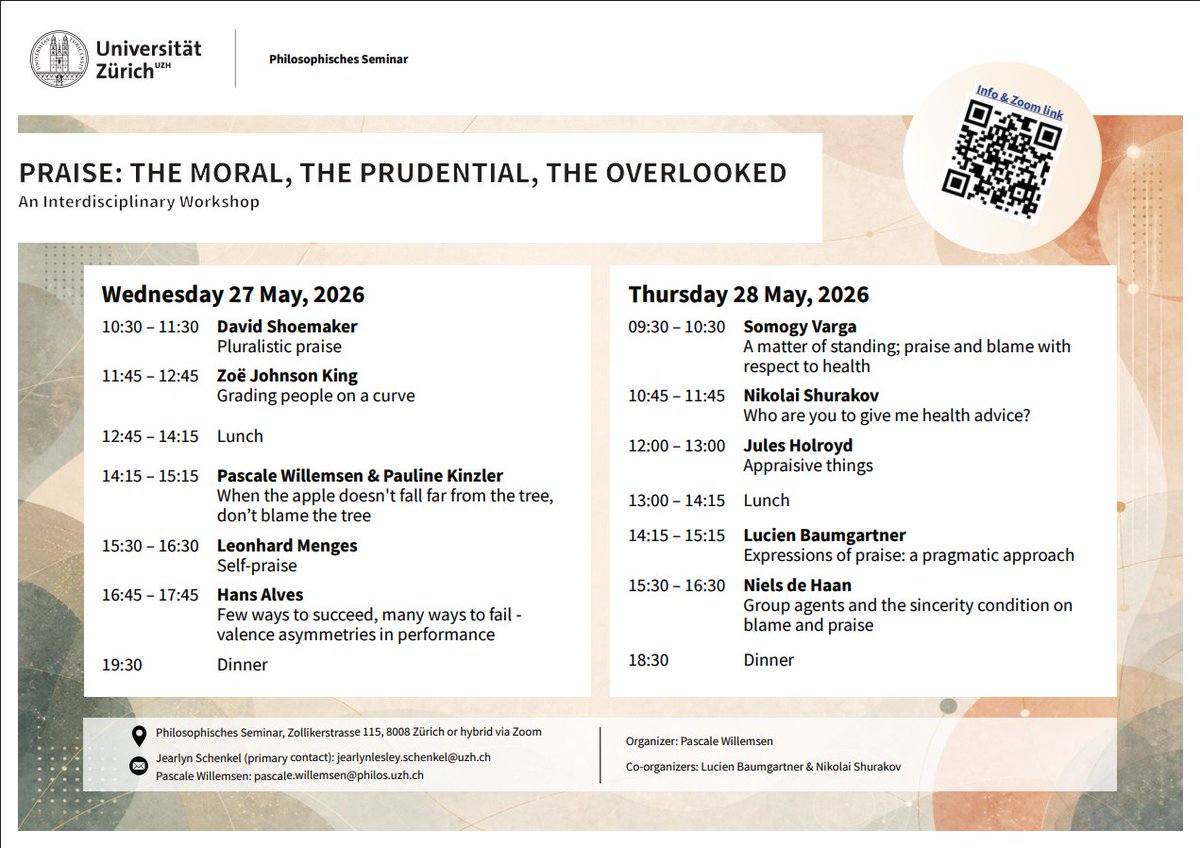
🧨We're hosting this lovely (hybrid!) workshop on 💫PRAISE💫 already this Wednesday (27 May) and Thursday (28 May). Amazing line-up!
Zoom-link in replies🔽
1
1
1
66
Alex Wiegmann retweeted
Happening next week!
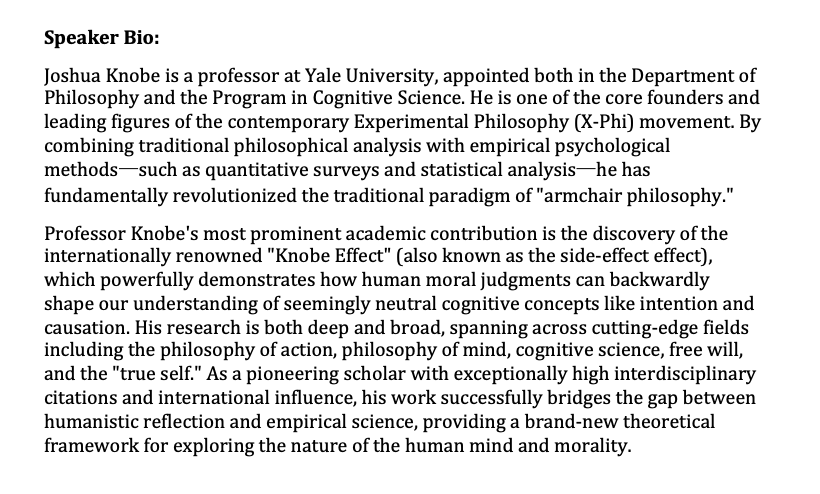
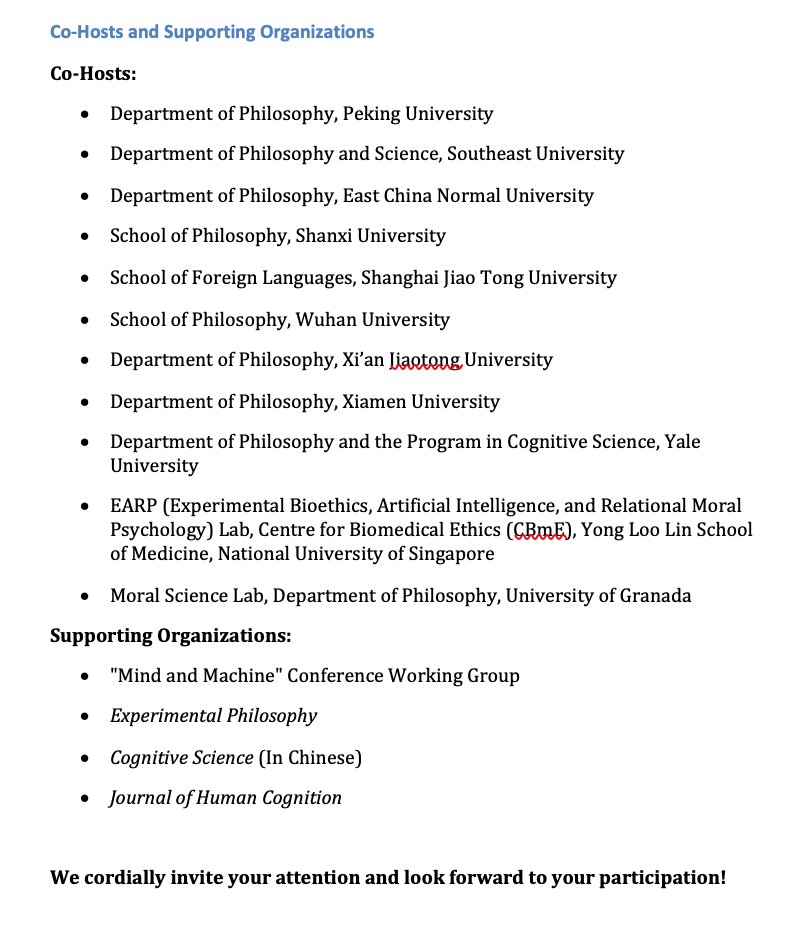
Experimental Philosophy in China: Webinar Series – Session 1, An Introduction to Experimental Philosophy
Time: 9:00 AM, May 28 (Thursday), Beijing Time (UTC 8)
Tencent Meeting (VooV Meeting) ID: 772-802-605
Link: meeting.tencent.com/dm/QvL0u…
Speaker: Joshua Knobe

1
4
250
Alex Wiegmann retweeted
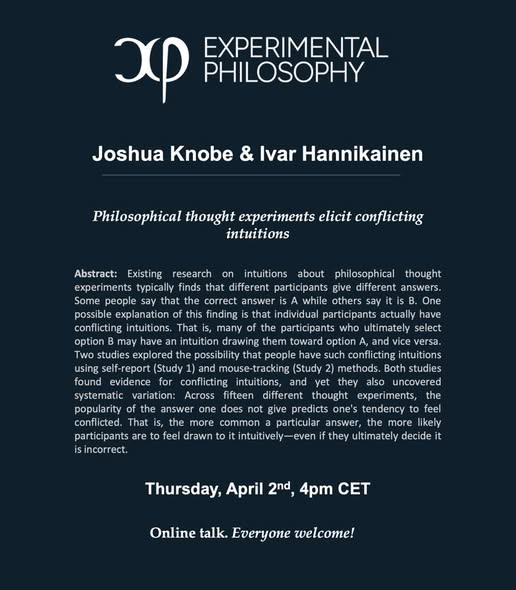
Very happy to invite you to the second online-talk in our series. This thursday, Josh Knobe and Ivar Hannikainen, 4pm, everyone welcome, link in comment.
1
8
15
1,341
Alex Wiegmann retweeted
Feb 12
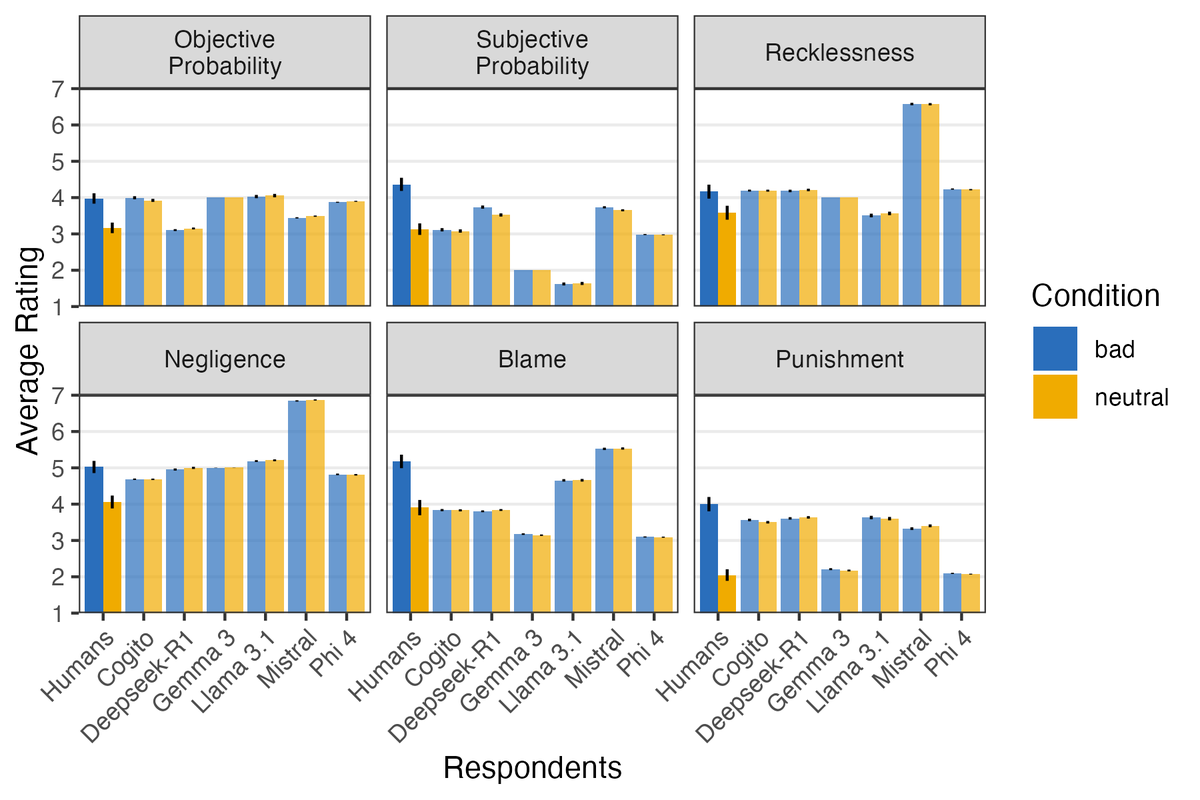
New preprint: We tested 8 open-source LLMs for outcome bias in legal judgment. Unlike humans and older commercial models, they show little to no bias—but differ in baseline severity. Promising for AI-assisted debiasing, with caveats. Link: rb.gy/uyakoj
1
4
6
385
Alex Wiegmann retweeted
Please share!

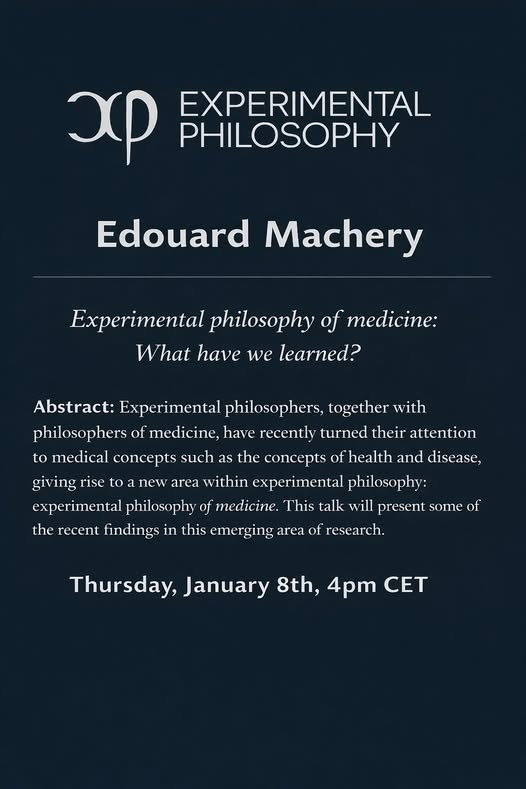
To celebrate the launch of the xphi-journal and kick-off our talk series, we are happy to invite everyone to this talk by Edouard Machery. Zoom-link below.
2
3
676
Alex Wiegmann retweeted

8 Dec 2025
Please share!

9
7
1,506

19 Nov 2025
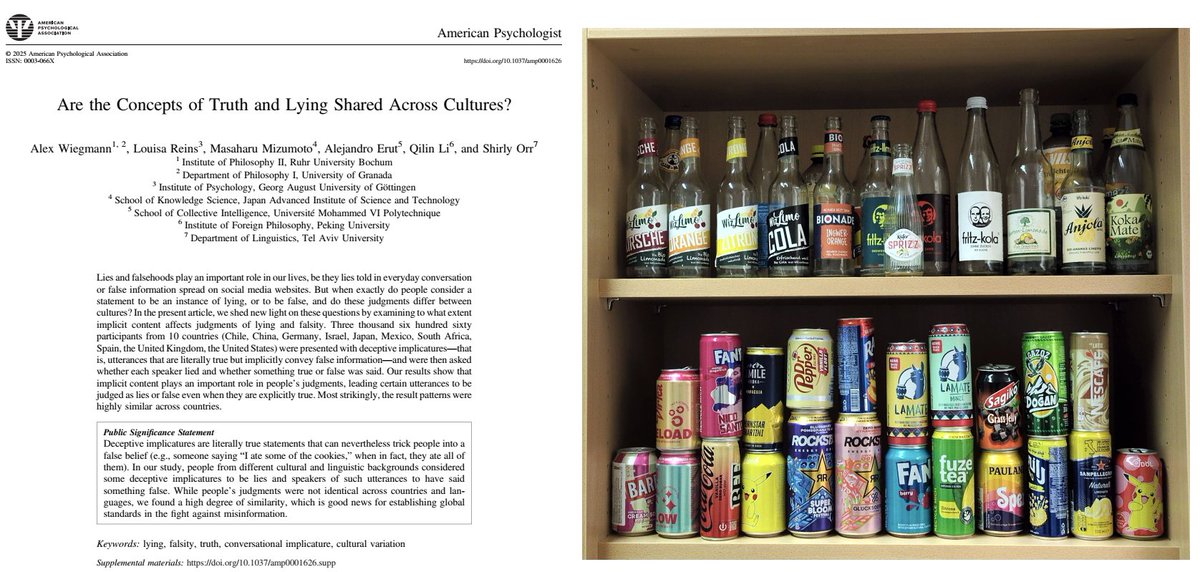
@LouisaReins and I started this project shortly before my nephew was born - he will start school soon. The cans were consumed during the revisions.
Link to paper (let me know if you don't have access), summary and preprint below. With @Shirly__Orr, M. Mizumoto, A. Erut & Q. Li.
2
2
3
183
19 Nov 2025
Summary und preprint: x.com/AlexWiegmann1/status/1…
Paper: awspntest.apa.org/record/202…
27 Aug 2025

🚨Publication Alert🚨
“Are the concepts of truth and lying shared across cultures?”
5 years in the making
~ 5000 participants
10 countries
6 languages
Forthcoming in American Psychologist
With @LouisaReins , M. Mizumoto, A. Erut , Q Li, and @Shirly__Orr
Thread and preprint 👇
114
Alex Wiegmann retweeted
13 Nov 2025
The journal's homepage is now live: journals.ub.uni-koeln.de/ind…
We will soon also be found under xphi.eu.
Accepting submissions in about 2 weeks.
3
6
3,432
30 Oct 2025
Today, everyone welcome, please share.
30 Oct 2025
Today (Thursday, Oct 30) 18:00 CET.
"Philosophical arguments can boost charitable giving" by Kristan Brodie and Eric Schwitzgebel, with commentary by Rodrigo Diaz.
Link in first reply. Please share.
1
2
139
6 Sep 2025
The new journal "Experimental Philosophy" is now on X.
@xphijournal
x.com/xphijournal
Please retweet.
1
21
32
3,823
Alex Wiegmann retweeted

31 Aug 2025
There’s a new announcement on the X-Phi Blog: On Tuesday, Nicole Gotzner and Kevin Reuter will give a talk about »Intentionality and Discrimination« on Zoom. Find out more: xphi.net/2025/08/31/talk-int… #philosophy #xphi
1
3
242
Alex Wiegmann retweeted

31 Aug 2025
英語の非母語話者が哲学を研究する際に生じる障壁を調査した論文みたい。
Epistemic Challenges of Non-native English Speakers in Philosophy: Evidence from an International Survey. Review of Philosophy and Psychology.
philpapers.org/rec/PETECO?re…
1
5
34
2,197
27 Aug 2025
🚨Publication Alert🚨
“Are the concepts of truth and lying shared across cultures?”
5 years in the making
~ 5000 participants
10 countries
6 languages
Forthcoming in American Psychologist
With @LouisaReins , M. Mizumoto, A. Erut , Q Li, and @Shirly__Orr
Thread and preprint 👇
3
14
36
2,864
27 Aug 2025
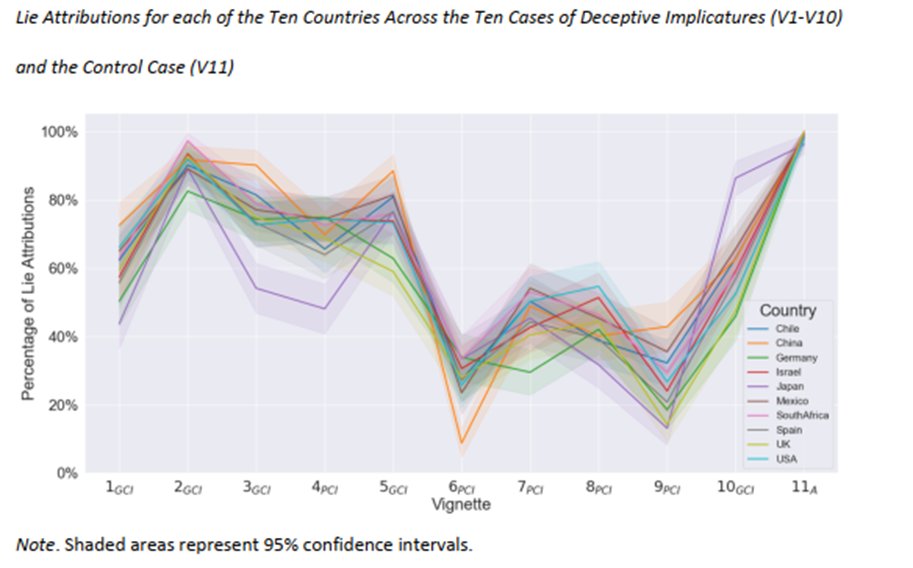
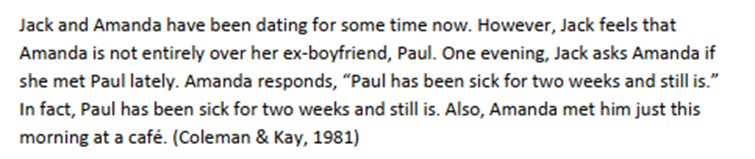
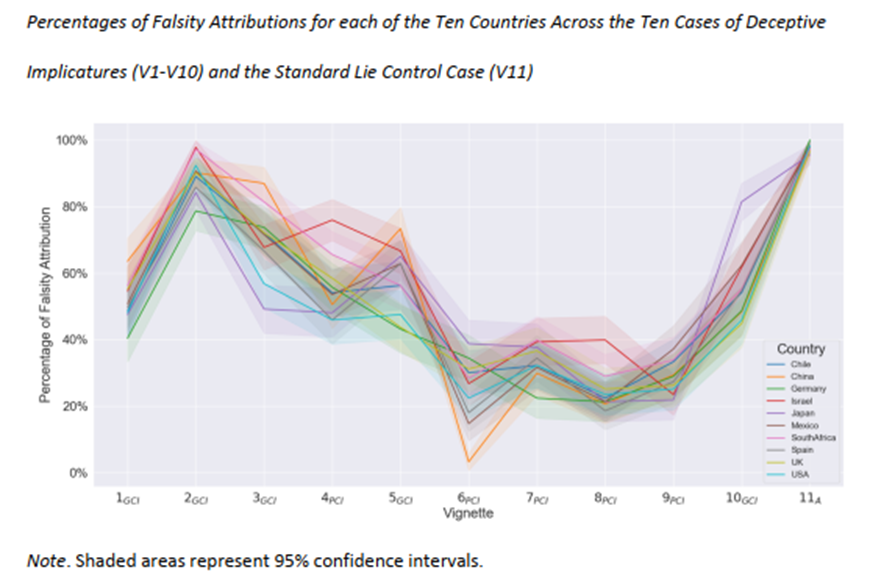
In one condition, we asked whether the speaker lied, in another whether what s/he said was true or false. Although DIs are borderline cases (true on the explicit level, false on the implicit level), we found a high degree of similarity between the ten countries.
1
4
210
27 Aug 2025
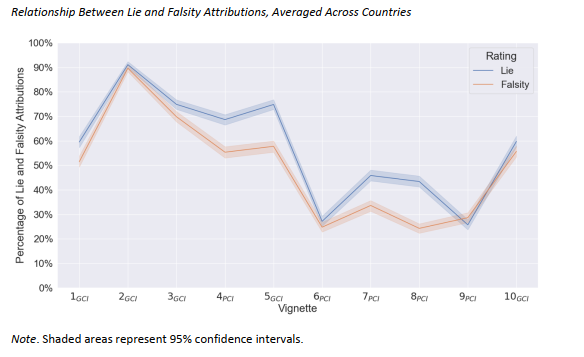
Moreover, lie and falsity attributions correlated strongly in our between-subjects design. In a follow-up experiment (in only three countries), we found this strong correlation also with a within-subject design design. Preprint: osf.io/preprints/psyarxiv/gd…

2
164