
Clinical trial statistician and infectious disease modeller. I still unironically enjoy DnB in 2024.
Joined August 2013
- Tweets 205
- Following 326
- Followers 159
- Likes 2,582
22 Photos and videos





Alex Morgan retweeted

22 Nov 2023
Out now @LancetMicrobe a collaborative effort summarising the utility of genomics in the surveillance of #AntimicrobialResistance at #OneHealth interfaces
doi.org/10.1016/S2666-5247(2…
@ILRI @sydney_vet @rnzadoks @LivUni_IVES @EssackSabiha @ksbakes @ElitaJaun #WAAW2023
1
15
38
3,147

13 Nov 2023
1/n
Taxation of veterinary antibiotics? Could it be a solution to reduce antimicrobial resistance? [🧵1/4]
doi.org/10.1016/j.onehlt.202…
Yes, potentially. Our paper in One Health suggests a similar effect of taxes when compared with current bans on antibiotic usage in food animals.
2
4
9
2,806
13 Nov 2023
3/n
This study combines price elasticities of demand and epidemiological modelling to simulate the relationship between antibiotic resistance, antibiotic usage in food producing animals and changes in antibiotic prices.
1
131
13 Nov 2023
4/n
Thank you @thvanboeckel @eth_en, @moran_dominic @EdinburghUni for their collaboration, and @sbonhoeffer for his precious feedback.
135
12 Oct 2023
Check out our modelling work published recently in One Health!
This PhD work shows that reducing antibiotic usage in livestock can increase human foodborne disease - but can be stopped by ensuring adequate biosecurity at the farm to fork pathway 🐮
sciencedirect.com/science/ar…
2
5
21
2,307
Alex Morgan retweeted

23 May 2023
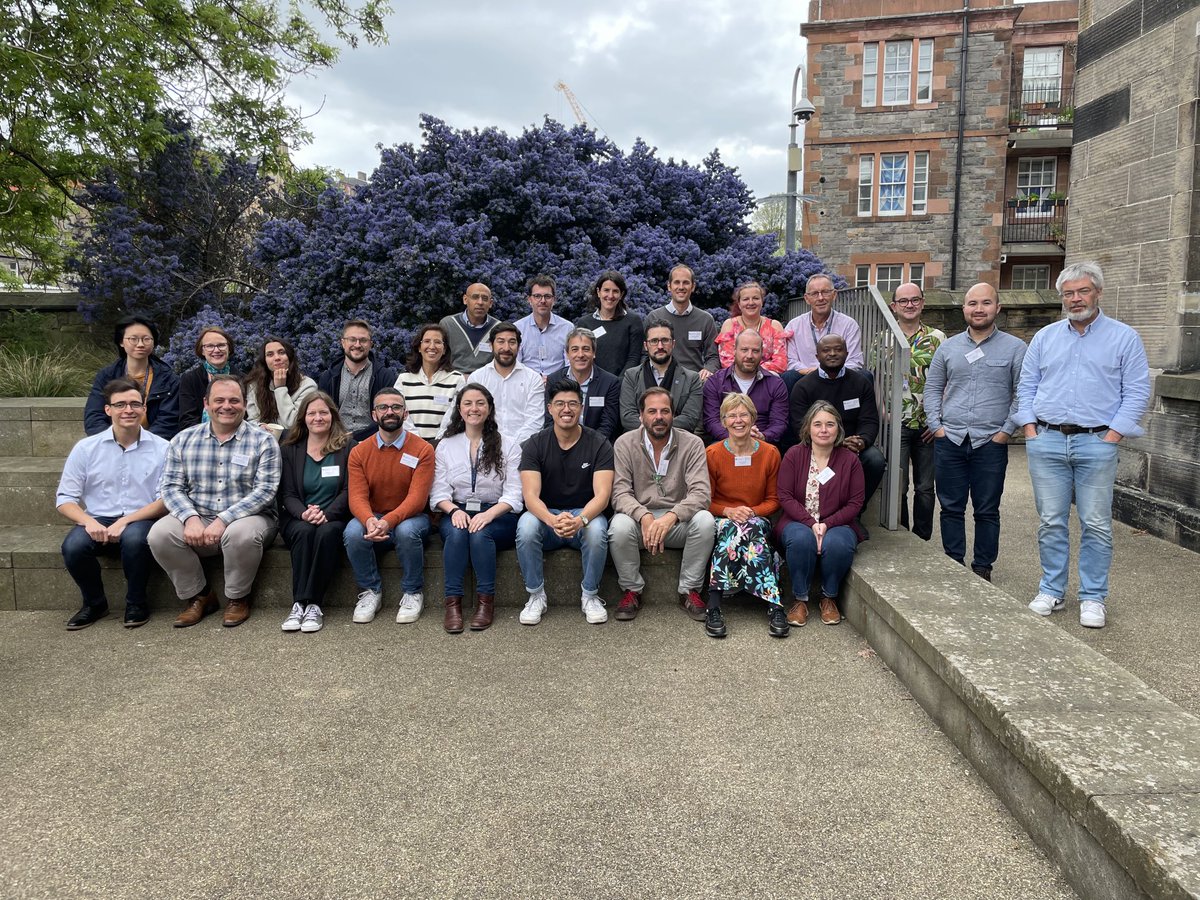
Great day at the @OECD symposium on #AMR in livestock production in a one health context @EdinburghUni @BioCarys @moran_dominic @GlobalAgEd @edin_EID
2
11
2,020
Alex Morgan retweeted

24 Mar 2023
[🔴 NEW PAPER 🌍]
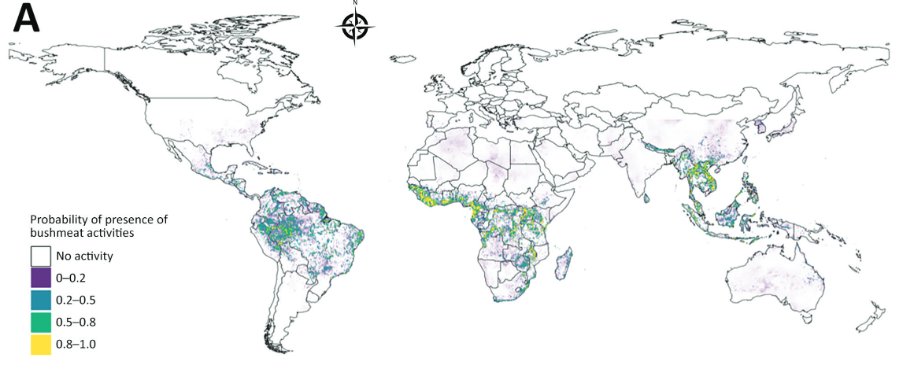
A Global Map of Bushmeat activities in @EIDjournal.
wwwnc.cdc.gov/eid/article/29…
🦫🦎🦍
An original idea of Dr Soushieta Jagadesh (@Soushie13) during her postdoc at @ETH_en
🧵1/n
3
16
45
17,842
2 Feb 2023
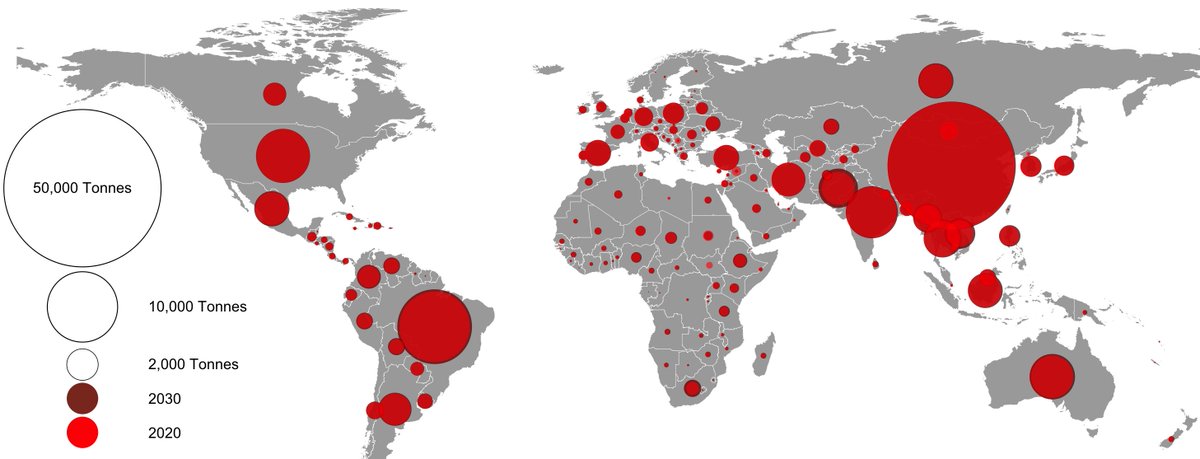
A new study from @RanyaMulch estimating the global usage of antimicrobials in food-producing animals 💊
A fab paper from some pretty great scientists - Congrats @thvanboeckel, Yu Wang and @mariusgilbert!
2 Feb 2023

[🚨Paper] How many tonnes of antimicrobials are used globally each year in food-producing animals🐄🐓🐷🐑? In 2020, we estimate this to be ~99,500 tonnes and -on current trends- project a 8%⬆️ by 2030 (~107,500 tonnes)... (1/5)
journals.plos.org/globalpubl…
1
6
434
Alex Morgan retweeted
31 Jan 2023
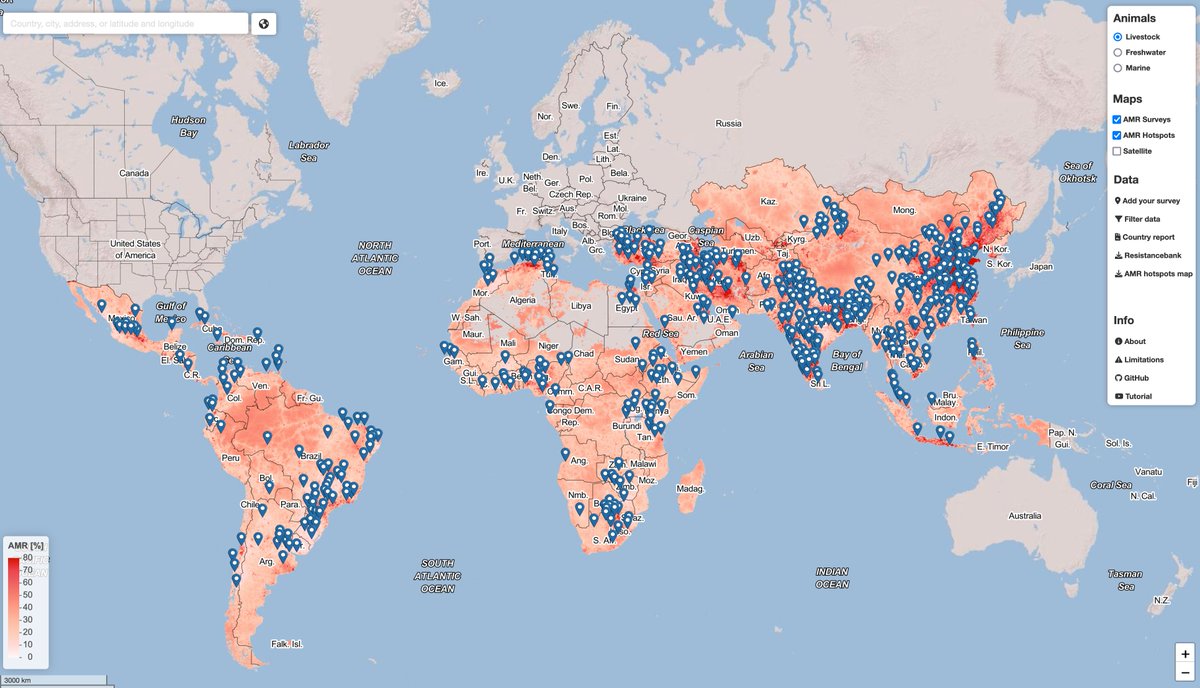
[Job 🔴] Interested in AMR epidemiology?
This is for you 🙂. ▶️shorturl.at/jlm68
We are looking for a multilingual microbiologist, pharmacist, or epidemiologist to develop resistancebank.org
AMR data identification, extraction, curation, analysis.
1
19
27
3,776
Alex Morgan retweeted

9 Dec 2022
Out now @BMCMedicine, analysis of the epidemiology of #AMR Ecoli in proximate humans, livestock & wildlife in urban Nairobi @dishonmuloi @ZoonoticDisease @edin_EID @EdinUniUsher @ILRI @LivUni_IVES #onehealth #genomics
bmcmedicine.biomedcentral.co…
1
8
11
Alex Morgan retweeted

29 Nov 2022
New episode OUT NOW! @RoseDoyle teamed up with @BioCarys from the new @EdiAMR podcast, to chat to @bawee about #AntimicrobialResistance, the spread of resistant bacteria and his deep dive into a huge #genomics dataset from Nairobi.
@Ed_Infect_Diseases @ScienceUoE @AMResistance
1
11
20
Alex Morgan retweeted

16 Nov 2022
🎥 New crowdfunding campaign launched to “raise £2 million in a fortnight” to secure the future of the @filmhouse building in Edinburgh as an “an independent and cultural cinema hub.” 🎥
scotsman.com/whats-on/arts-a…

3
70
163
8 Nov 2022
Pretty cool to receive this, alongside many other fab scientists who worked on the UK COVID response in the last few years
2
1
23
Alex Morgan retweeted

26 Oct 2022
📣Exciting opportunity for a #PhD project on effects of environmental factors on the global distribution of #AMR here @EdinburghUni @roslininstitute! Open to international students! Please RT!
findaphd.com/phds/project/ea…
1
2
Alex Morgan retweeted
8 Aug 2022
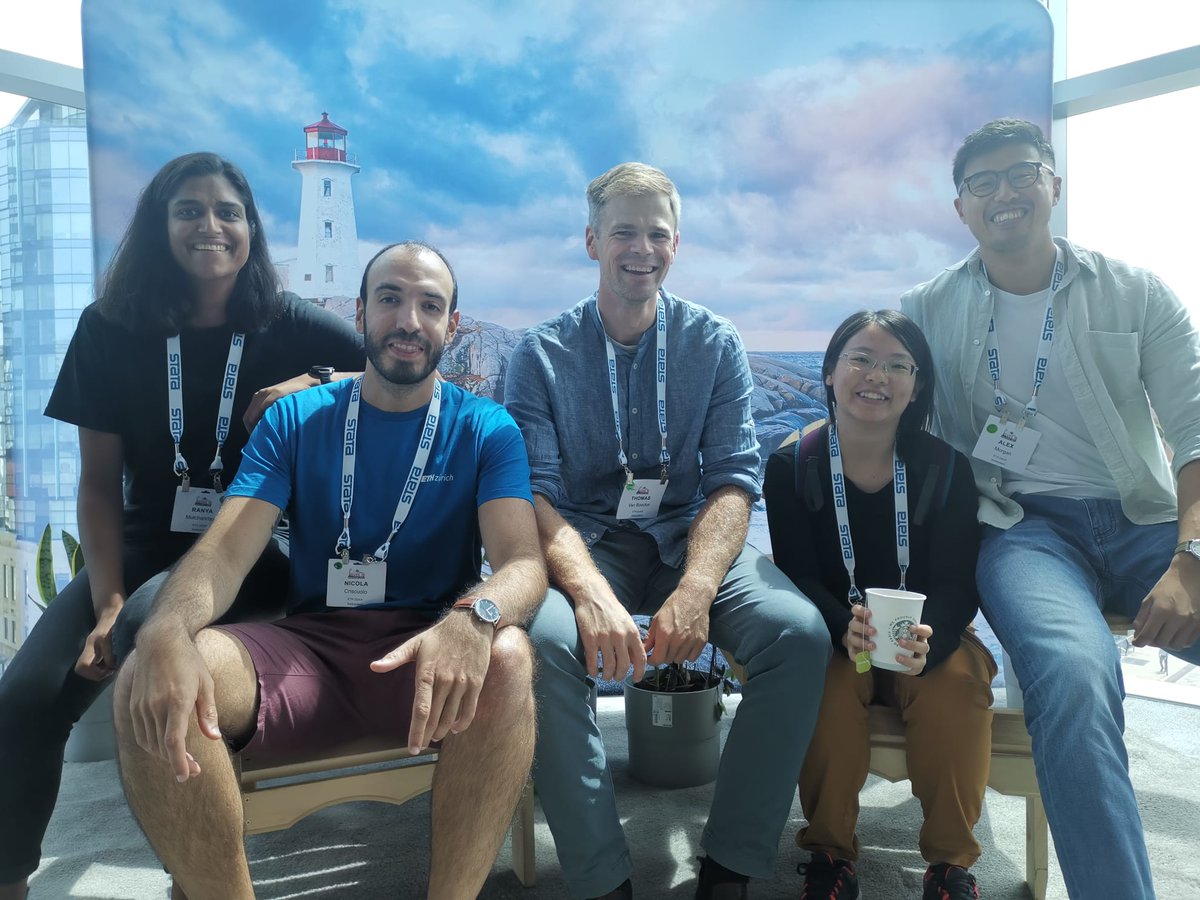
At long last.
First conference with the (almost) full AMR mapping team from ETH
#ISVEE2022. @ChengZhao20
@nico_criscuolo @RanyaMulch
@Alex_Morgan1995
Also thanks to many efforts of @LauraHu03235933 and @Jppires_ in past years.
2
2
22