
Editorial @AnthropicAI. Formerly editor-in-chief at @AsimovPress. Well-fed vegan.
Joined March 2022
- Tweets 881
- Following 753
- Followers 2,960
- Likes 4,626
176 Photos and videos
Pinned Tweet

16 Sep 2025
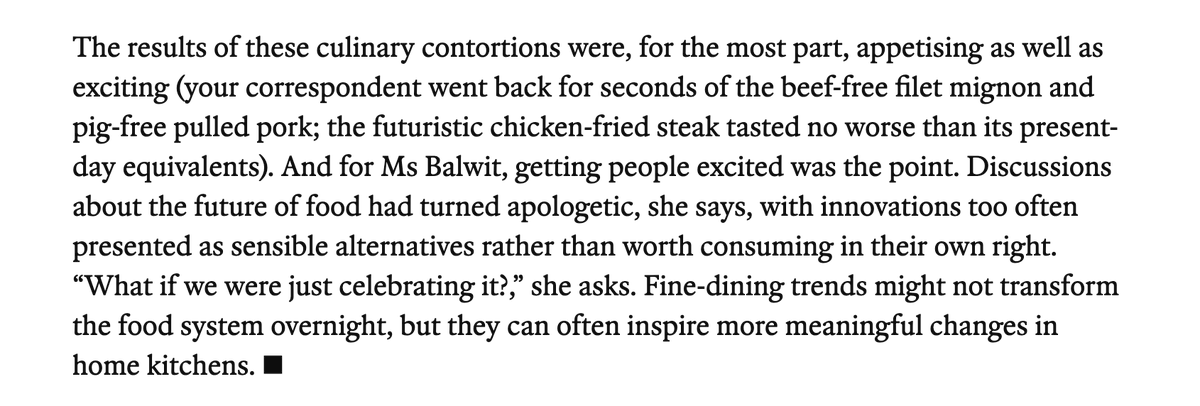
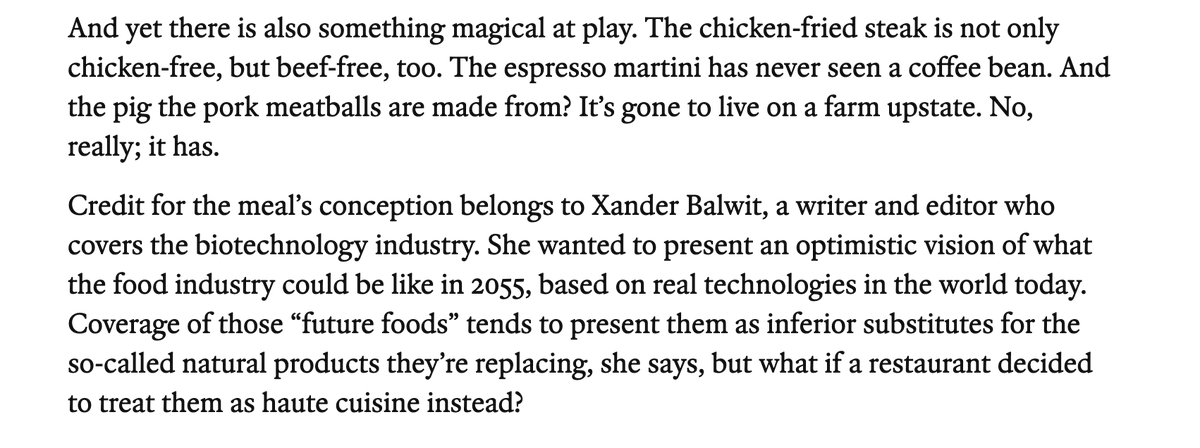
Thrilling to see a little coverage of my future food dinner in the @TheEconomist!
People can invoke a future of GLP-1s and meal replacement shakes all they want, but I am pulling for the Food Abundance Agenda.

4
3
51
20,269
Mar 25
As excited as we both are about what's to come, this is a hard transition for us. Working on @AsimovPress was such a joy. On any given day, I was deep in mid-19th century books like "An account of the fishes found in the river Ganges and its branches Atlas" looking for primary research or having phone calls with our brilliant contributors. I am so proud of what we built, and grateful for all I learned along the way.
Mar 25

We're pausing @AsimovPress for awhile.
Thanks to everyone who has taken this journey with us so far. We will plan to see you again in a few months :)
Read: asimov.press/p/pause

1
63
4,211
Mar 24
Prof. Matthew Schwartz with some sage advice (and an extremely solid through-line for both these pieces):
"Regarding the question of where this leaves human grad students, my advice to students at all levels (and in any field) is to take LLMs seriously. Do not fall into the hallucination trap: I asked the LLM X and it made something up, so I’m just going to wait for it to improve.' Instead, get to know these models. Learn what they are good at and what they fail at."
I have also noticed a tendency toward "I will just wait until they are super good at the thing I want it to do for me." However, even given that the models likely will keep improving, familiarizing yourself with them now will put you so far ahead. I think about my own AI fluency all the time, and wish I was using them even earlier. I would rather have to deprecate my process while learning some managerial skills than watch something cook that I can't even parse.
Mar 23

We’re launching with two new posts.
Can AI do theoretical physics?
Harvard physicist Matthew Schwartz led Claude Opus 4.5 through a graduate-level calculation. AI can’t yet do original work autonomously, but it can vastly accelerate it.
Read more: anthropic.com/research/vibe-…
1
5
30
8,388
Mar 24
Congrats @adjajadikerta, this came out so well!
Mar 23

I think this is one of the most important articles we've published at @AsimovPress. If you read carefully, there are at least 3-4 ideas in here that *should* be large, well-funded research programs.
The article begins by arguing that existing AI models are good at predicting things *within* an existing framework, but are not good at building new frameworks (and, thus, cannot do paradigm-shifting science). As AI models become more widespread in science, they therefore risk "hypernormal science," meaning we will have less actual breakthroughs and more incremental discoveries.
The author (Alvin Djajadikerta) supports this argument with several examples, one of which comes from germ theory:
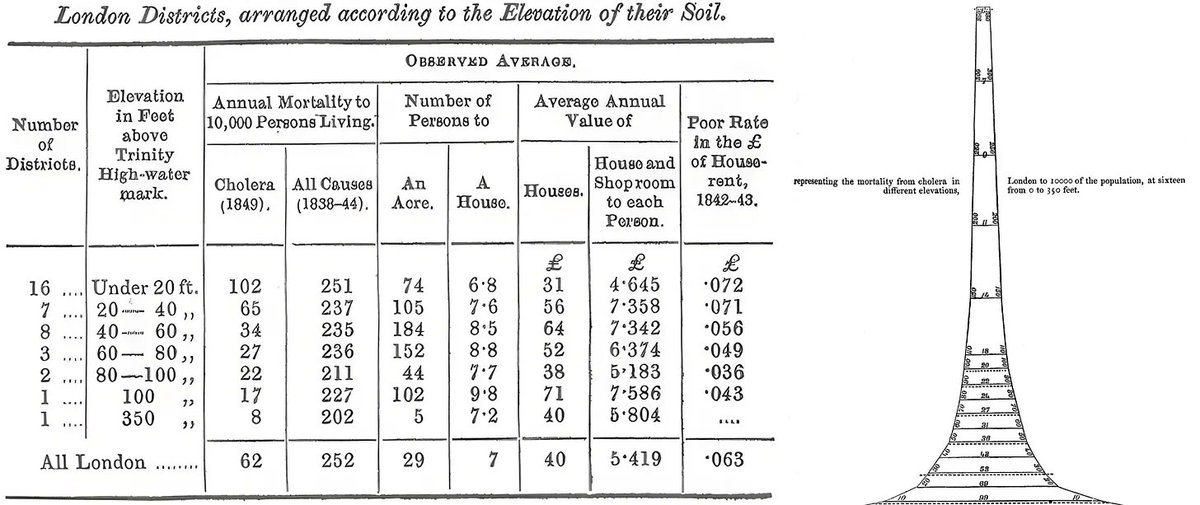
"In the mid-nineteenth century, doctors thought that illness was caused by noxious air, and kept meticulous records accordingly. The physician William Farr mapped cholera deaths across London and found they correlated strongly with low elevation, which he thought was because noxious vapors accumulated in low-lying areas. He was actually picking up a real signal: low-lying districts were closer to the contaminated Thames River. But because his data was organized around air quality, he could not find the true cause..."
"An AI trained on Farr’s records could have found even subtler correlations, and would have been genuinely useful for predicting which neighborhoods would be hit hardest in the next outbreak. But it would not be able to derive the concept of a waterborne microorganism, as this was not a variable anyone had yet recorded."
After giving other examples of this, Alvin begins mapping out ideas to solve this problem and create AIs that are "visionary" rather than "merely predictive." My favorite idea, of his, is to use AI agents as a model organism for metascience.
The gist is that many paradigm shifts seem to happen under particular conditions. "Bell Labs, Xerox PARC, and the early Laboratory of Molecular Biology at Cambridge all produced extraordinary concentrations of paradigm-shifting work," Alvin writes, "mostly because they were small groups with enough institutional protection to pursue ideas that looked unproductive by conventional measures."
Alvin continues:
"We have never been able to run controlled experiments on scientific institutions; it is impossible to create labs that differ in only one respect and compare the results. But we could run AI agents in parallel populations under different research conditions, and analyze the results...In this sense, AI scientists may give metascience its first model organism."
"For instance, one could test how group structure shapes discovery: do small, isolated teams produce more conceptual reorganization than large, well-connected ones? Do flat hierarchies outperform rigid ones? One could run AI agent populations that vary these factors independently and measure the results — something that is impractical to do with real institutions..."
This essay is excellent throughout and I hope you'll read it.
1
3
7
2,119
Mar 23
“AI for science” has become the subject du jour; the theme of a steadily growing number of hackathons, fellowships, and research salons.
As this fervor grows, I am excited to see Anthropic participate in, and help facilitate, such discussions.
When I reflect on why this thrills me, I am reminded of what historian Horace Judson writes inThe Eighth Day of Creation: "Scientists like to ride the cutting edge of a subject, close enough to hear the hiss."
At Anthropic, we are flush against the engine, helping to make the very tools that we hope could "10x the rate of major discoveries." At the same time, we have to ensure we are not getting ahead of ourselves. AI’s scientific capabilities are still incipient. While models are already proving capable at certain aspects of scientific research, they can also hallucinate results, be overly sycophantic, and get stuck on problems a domain practitioner would find trivial.
It is our hope that this blog explores the tensions in this current moment of AI for science, acknowledging where AI-driven science has much further to go while also celebrating the ingenuity that is already unfolding.
Mar 23
Introducing the Anthropic Science Blog.
Increasing the pace of scientific progress is a core part of Anthropic’s mission. The Science Blog will feature new research and stories of how scientists are using AI to accelerate their work.
Read the intro: anthropic.com/research/intro…
7
21
243
54,136
Mar 23
The pieces in this blog will be eclectic. While we intend to publish some features and deep dives, we will also share plenty of workflows and firsthand accounts of using AI for scientific research. Some pieces will be more practical, while others will explore history or theory. Some will be geared toward folks more familiar with the technical aspects of scientific computing, and others will be enjoyable to, say, your humanist pippy pops who struggles with his cell phone but is interested in how AI might affect scientific integrity.
1
1
15
1,213
Mar 23
Also, if there is an AI for science angle you'd like us to cover, drop us a line. We are setting up an email at scienceblog@anthropic.com.
2
1
14
997
One of the last essays I was heavily involved in before departing. Absolutely worth a read. What happens when AI-driven science becomes inscrutable? How much should we be able to understand? (After all, ~18% of drugs lack a well-defined mechanism of action, yet it seems fine).
Mar 2
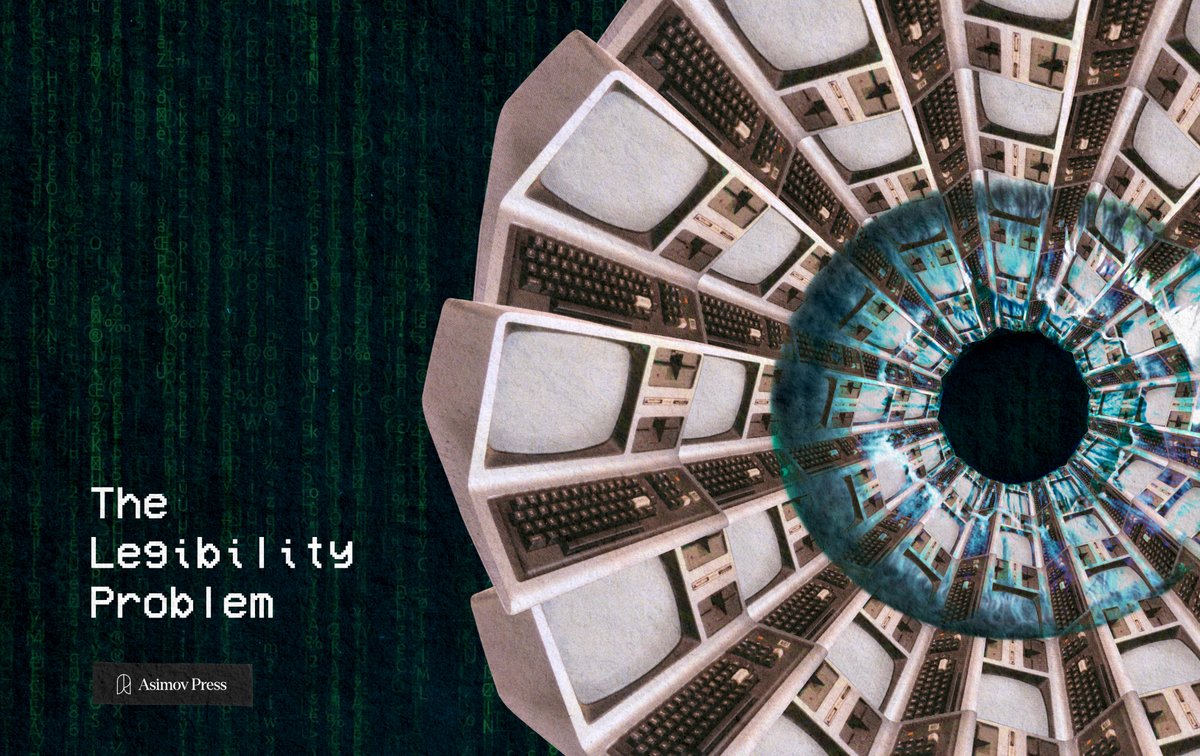
AI scientists could one day design experiments, test hypotheses, and make discoveries faster than humans. But what if their breakthroughs are so advanced we can't understand them?
This is the "legibility problem." Much like chess engines play moves that grandmasters can't comprehend, AI scientists might generate knowledge beyond human understanding.
To counteract this, we must build new scientific infrastructure. We will need new forums to store AI-generated findings so that they can be interrogated and communicated. We have partial precedents in preprint servers and structured databases like UniProt, but nothing designed for the scale and speed of AI-driven science.
We will also need systems designed specifically for explication rather than discovery, capable of making AI-generated findings legible to human researchers so that they can be evaluated and prioritized for further study.
New column by Matthew Carter
1
3
34
4,474
Feb 28
What a wild week to join @AnthropicAI. Their courage and conviction are simply staggering (even if it means everyone is too busy worrying about the DoW to tell me where the bathroom is).
I feel very lucky to work here.
Feb 28
A statement on the comments from Secretary of War Pete Hegseth.
anthropic.com/news/statement…
11
11
585
13,810
Feb 22
"To write is AI, to edit is divine" Stephen –– King.

1
1
31
3,936
Feb 21
After 2 incredibly rewarding years at @AsimovPress, I am moving on. This coming week, I will be joining the editorial team at Anthropic.
Finally, my penchant for em-dashes will meet a welcome embrace. I couldn't be more grateful or more excited for what's next.
32
3
330
93,434
Feb 21
I am grateful also for the support from @AsimovBio, especially @alectricity. We had incredible guidance and leadership while remaining extremely nimble and free to follow our interests.
1
2
26
3,474
Feb 22
Finally, I cannot wait to join Anthropic's editorial team and work alongside such talents as @sylviebcarr, @rebeccahiscott, @StuartJRitchie, @jkeatn, and @keirbradwell
4
1
25
3,064
Feb 16
I loved editing this piece. And while the computational work is fascinating, I couldn't help but slip a little history of the perfume industry into this thing. I mean, enfleurage? Scented gloves to mask the smell of tanning leather? It is all too cool.
Feb 16
Can computers understand smells?
Smell is our most ancient, yet mysterious, sense. It arose at least 3 billion years ago, in bacteria adrift in the ocean. And yet, it resists formalization. Odorants vary in far more ways than photons or frequencies, and there is no shared vocabulary to describe all of them.
Machines have learned to “see” and “hear,” but scent remains stubbornly analog. But now, a growing cadre of companies, including Google, Osmo, and fragrance houses like Givaudan, are working to digitize scent.
These groups are building AI models to sort, filter, and predict which molecules will elicit which smells. They are building datasets that computers can understand, and then using these models to design entirely new, synthetic fragrances.
Our latest piece, “Scent, In Silico,” explains the science. It was written by Taylor Rayne.
1
9
1,964
Feb 15
It was a treat to get an early read of this while helping edit. It's an excellent resource, and Tyler raises some terrific points about the integral role of philanthropy in AI safety and security.
Feb 14

Over 5 years I've advised dozens of philanthropists on AI. I compiled the answers to all of the questions I've been asked in one report.
2024 Nobel Prize Geoffrey Hinton calls it “an extremely useful resource for philanthropists interested in funding AI safety and preparedness."
1
1
10
1,698
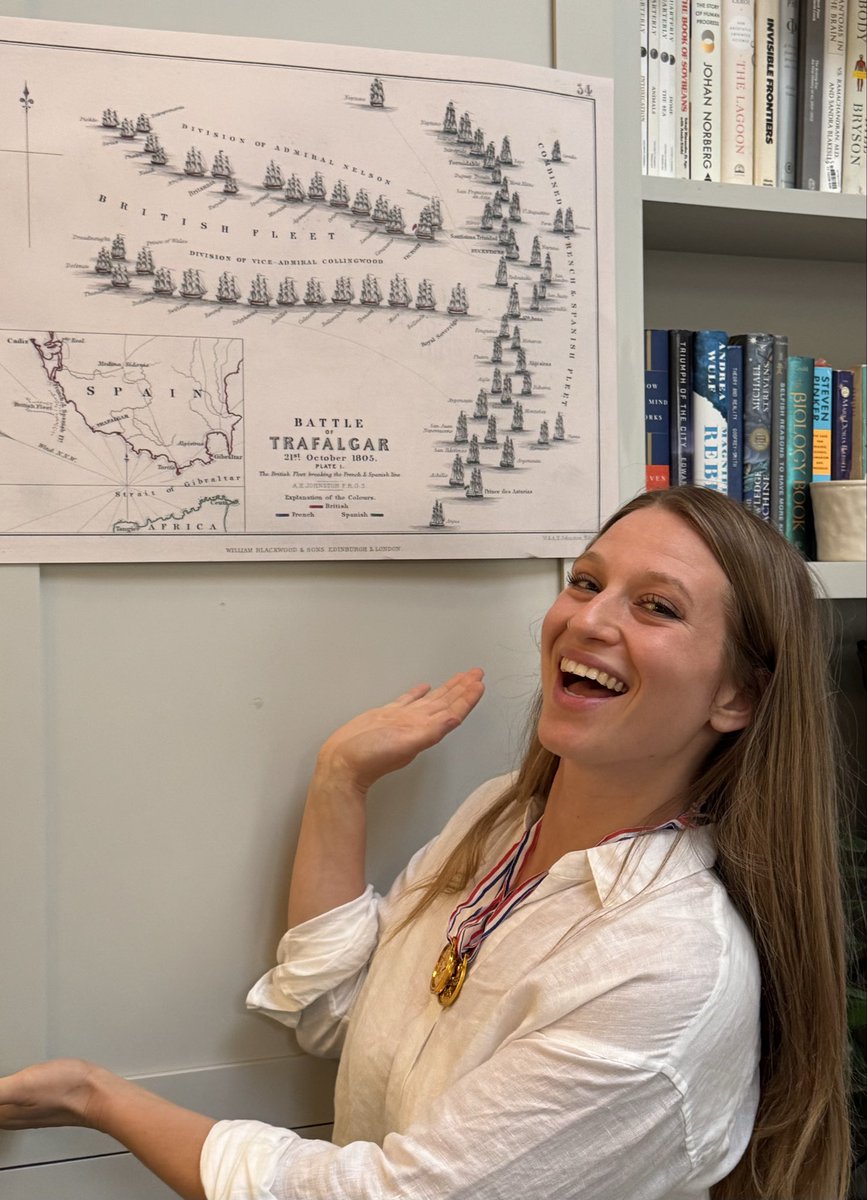
My Trafalgar-themed birthday party will go down in the annals of history.

5
1
66
3,923
More people should know about the first effort to use a connetome map to directly interrogate the question of sentience. It is fascinating, and @RalphStefanWeir did such a terrific job on this piece.
Feb 1
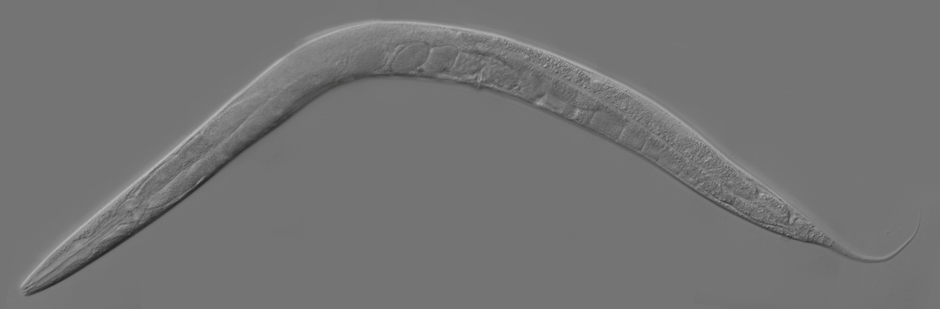
Tiny worms, with just 302 neurons, can make complex decisions. They can weigh risks (like moving toward toxins) against rewards (like seeking food) much like conscious beings. And they do it using just five of their neurons.
This finding challenges some major assumptions about "behavioral markers" that researchers have long relied upon to decide whether or not a being is sentient.
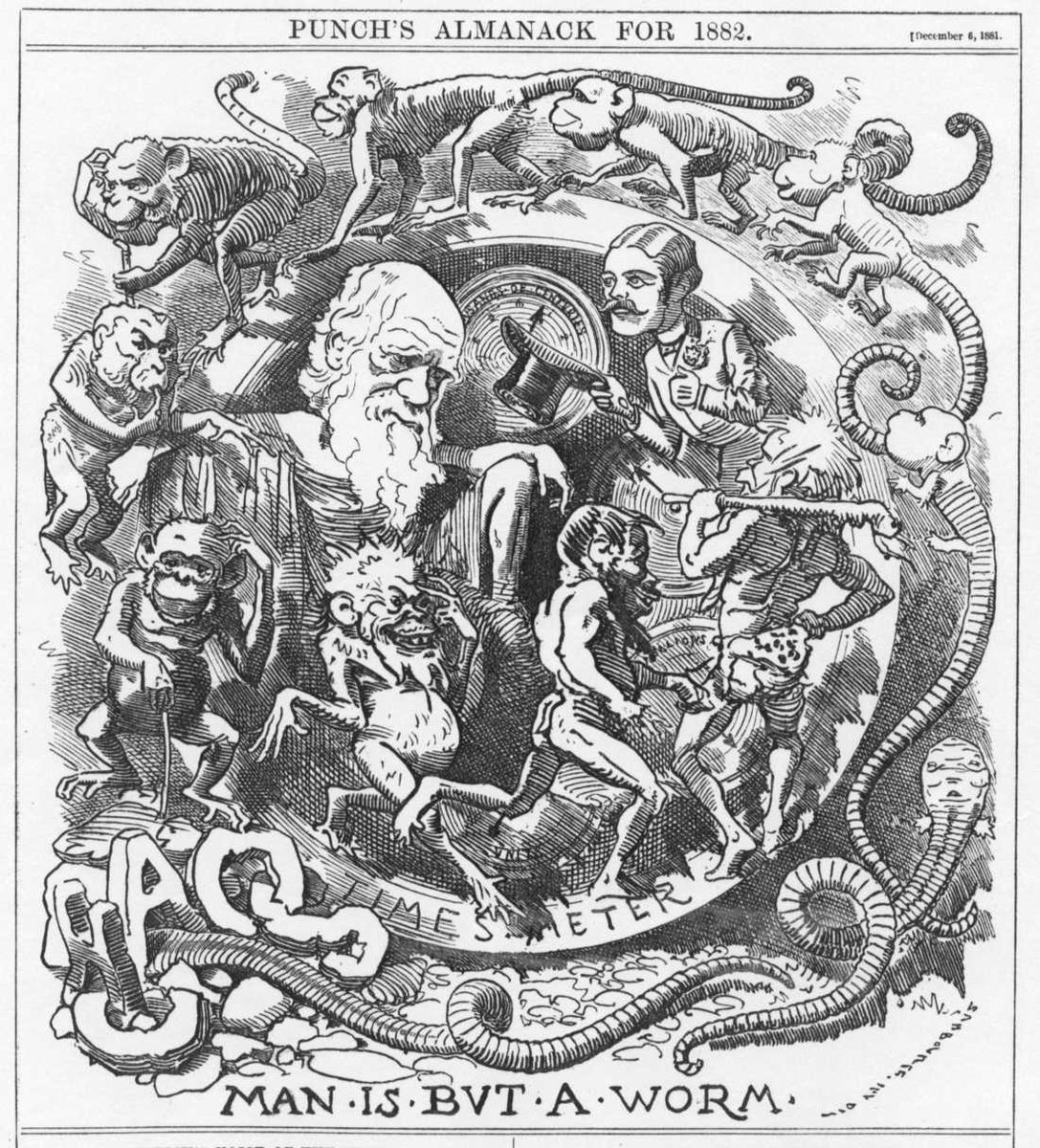
Scientists have long believed, for instance, that the ability to weigh competing desires — like choosing between seeking food and avoiding danger — requires a special kind of mental experience that can compare different feelings on the same scale. This theory suggested that the capacity for pain and pleasure evolved to help animals make these complicated decisions, first appearing in the ancestors of birds, mammals, and reptiles around 200-300 million years ago.
Yet here are worms, with neural circuits functionally identical to unconscious mammalian reflexes, capable of performing the same types of decisions. If a five-neuron circuit can mimic what we consider as evidence of consciousness, then either our behavioral markers are deeply flawed, or sentience extends much deeper into the animal kingdom than previously believed.
It's also really important to have a good understanding of which beings are sentient, and capable of feeling pain, and which are not. Making the wrong judgment can have devastating effects.
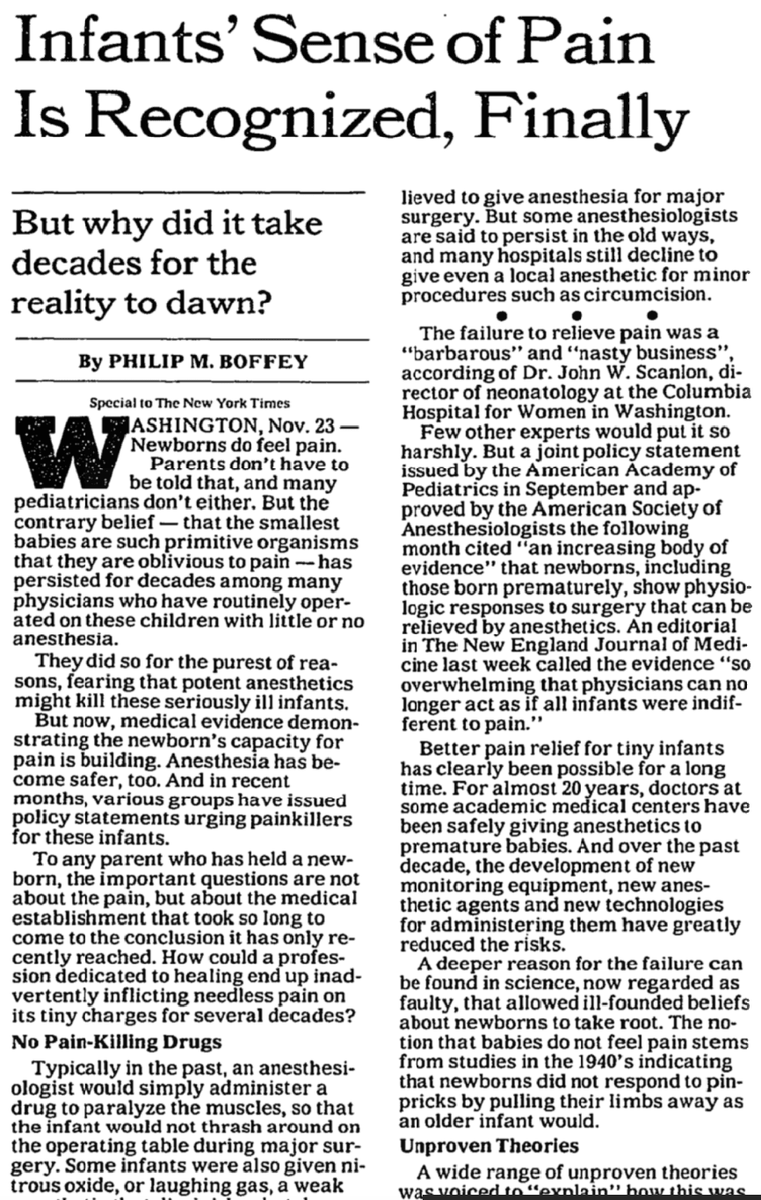
Before the 1980s, surgeons routinely operated on newborns without anesthesia, partly because they assumed infants couldn't experience meaningful pain. Today, around 400,000 people annually fall into prolonged disorders of consciousness, and as many as a quarter retain some awareness despite appearing to be in a "vegetative state."
Read our latest essay on borderline sentience, "WHAT IT'S LIKE TO BE A WORM" by @RalphStefanWeir.
2
23
3,006
Xander Balwit retweeted

Is this microscopic worm sentient? It’s a tough question! Increasingly, however, neuroscience is providing insights into the physical correlates of consciousness at the scale of individual neurons, and we should be excited about what it has to offer. A thread and and article.
8
18
93
25,309
Jan 27
Paying our authors usually seems to grant them some satisfaction, but today I was informed by an international writer that "here in Eastern Europe, the word 'accounting' usually awakens in us feelings of deep existential dread, cold sweats, and a sort of Kafkaesque vertigo."
1
22
1,266