Research Fellow @ALNAP interested in accountability, effectiveness, innovation and all things humanitarian. All views, coherent or incoherent, are my own.
Joined May 2016
- Tweets 372
- Following 131
- Followers 860
- Likes 241
25 Photos and videos







29 Feb 2024
What better way to spend a #LeapDay #DayforLearning than to hear Chimamanda Ngozi Adichie end her fantastic fireside chat with an ode to learning and her desire to be a student for the rest of her life. @ALNAP
103
Alice Obrecht retweeted

29 Feb 2024
🔴 LIVE | #FragilityForum Fireside chat w/ Chimamanda Ngozi Adichie.
x.com/i/broadcasts/1nAKEabdm…
6
25
61
13,796
16 Aug 2020
We need foreign election observers for the USA 2020 election ASAP - hopefully the US NGOs that promote democracy abroad in other societies are now working on this @NDI @NEDemocracy @FordFoundation #SaveTheUSPS theguardian.com/us-news/2020…
2
4
12 Jun 2020
This is a sobering report & there will be a lot to reflect on here - e.g. why current safeguarding and acct mechanisms have failed so badly. But it's also important to diagnose this properly. The way the review is described here makes me wonder if this will happen (1/3)
12 Jun 2020

A leaked review obtained by TNH shows bribery, kickbacks, and widespread sexual abuse in humanitarian aid in Congo – and its a global problem. thenewhumanitarian.org/inves…
1
2
4
12 Jun 2020
'Investigators concluded that the speed of rapid response programmes [...]meant few efforts were made to check who was being registered as displaced and where millions of dollars of aid money were ultimately going' Let's be clear: speed is not the culprit. It's incompetence. 2/3
1
1
2
12 Jun 2020
When done well, rapid and early response mechanisms save lives. The problem here was a mentality of corruption that exploited bad assessment and oversight practices. You don't need to be slow in order to do a good job. @StartNetwork @sophietholstrup @cr_bennett @ALNAP
2
5
12 Jun 2020
Great presentation by @TillyAlcayna on the internal and external structural issues that impede the flexibility needed for humanitarians to work effectively in the nexus. But of course I am biased 😉@alnap @WorldVision @PaRDSecretariat @CSC_Hub
3
12 Jun 2020
Link btw adaptiveness, better community engagement & access? Christian Kasereka describing how adaptive management enabled @WorldVision to work more flexibly in response to community priorities, which led to increased access in previously difficult to reach areas in DRC
Alice Obrecht retweeted

28 May 2020
In advance of our #webinar on 3 June explore the role that local actors play in relation to #COVID19, we want to hear your opinion of the #humanitarian response to #coronavirus. Tell us via the q's below! #COVIDLocalisation

Which actors are most important to ensuring greater local humanitarian action?
4
6
12 May 2020
Do you have questions or advice to share on preparedness and response to COVID-19 in humanitarian settings? Join me this afternoon at 2pm UK for a short, practical webinar with experts @healthcluster @DFID_UK @LSHTM_Crises and @IMC_Lebanon to discuss key actions needed now @ALNAP

📢 Join our #COVID19 webinar tomorrow at 2 PM BST❗️
Register now to take part in the discussion on how #humanitarian organisations should prepare and respond to #COVID19 in low- and middle-income countries.
#alnapcovid
1
1
7
1 May 2020
In case you haven't seen it: we released a rapid learning review this week on preparing &responding to COVID-19 in humanitarian settings. Really thrilled to have worked with such a top-notch team @LSHTM_Crises @CerahGeneva @BlanchetKarl Neha Singh Audrey Mahieu @benramalingam
🦠 How should #humanitarian organisations respond to #COVID19?
@ALNAP, @LSHTM_Crises & @CerahGeneva, led by @benramalingam, have written a rapid learning review synthesising latest evidence & frontline insights.
The #alnapcovid paper proposes:
▪️ 14 actions
▪️ 7 principles
⬇️
1
9
21
1 May 2020
Just as important as the 14 actions are the many things we don't know: evidence gaps & questions still to answer. Which is why @alnap is committed to updating this paper based on emerging evidence & adaptive learning over 2020
2
8 Apr 2020
After 5 years @ALNAP I’m excited & honoured to take on the role of Head of Research & Impact. Very big shoes left to fill from @pknoxclarke I look forward to helping our members & wider humanitarian sector get the evidence & learning they need during this difficult time
24
6
105
8 Apr 2020
Speaking of which, 2 things we’re currently doing on COVID-19: 1) dedicated resource portal, regularly updated: covid19.alnap.org/ Pls share resources w/ us by emailing resources@alnap.org
1
3
4
8 Apr 2020
2) A mini-lessons paper for humanitarians in responding to COVID, led by @benramalingam @KarlBlanchet @LSHTM @CerahGeneva
Coming soon.
3
6
Alice Obrecht retweeted

6 Apr 2020
Record number of alerts for Start Fund #Covid_19 Demonstrates urgent need and where organisations are coordinated to provide rapid support. @StartNetwork startnetwork.org/news-and-bl…
1
4

❗️ We've just launched our #COVID19 portal!
The portal holds a vast collection of resources relevant to #epidemic & pandemic responses.
We have:
📄 Guidelines for the #coronavirus response
🔍 Insights from across & beyond our Membership
🕗 Up-to-date #humanitarian resources
2
34
59
Alice Obrecht retweeted

14 Mar 2020
I am deeply uncomfortable with the message that UK is actively pursuing ‘herd immunity’ as the main COVID-19 strategy. Our group’s scenario modelling has focused on reducing two main things: peak healthcare demand and deaths... 1/
472
4,645
11,383
5 Feb 2020
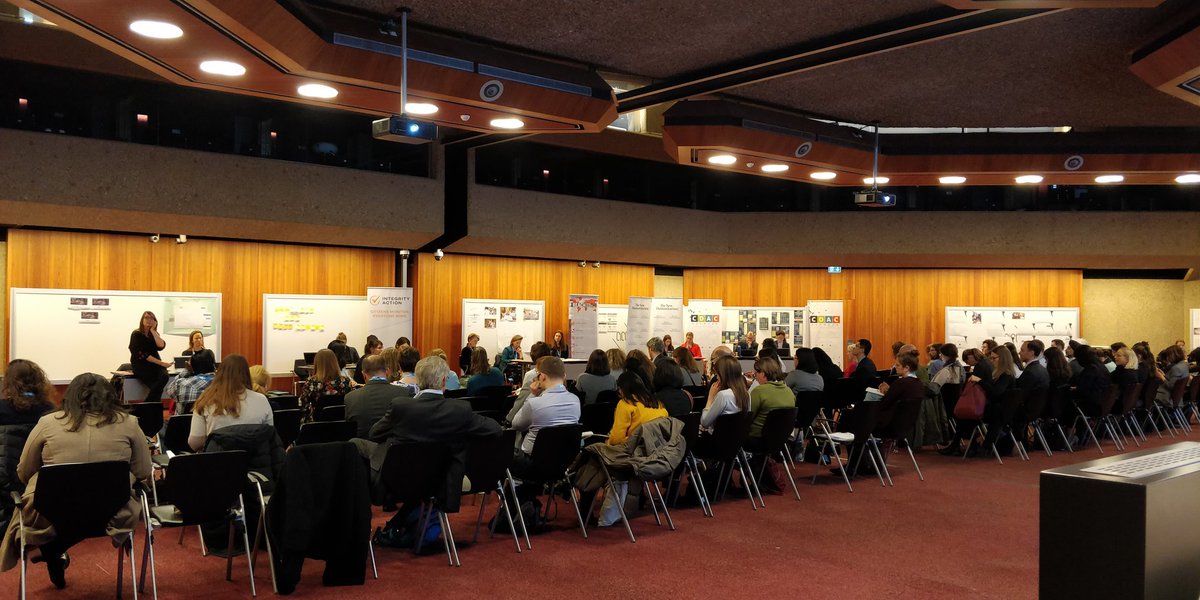
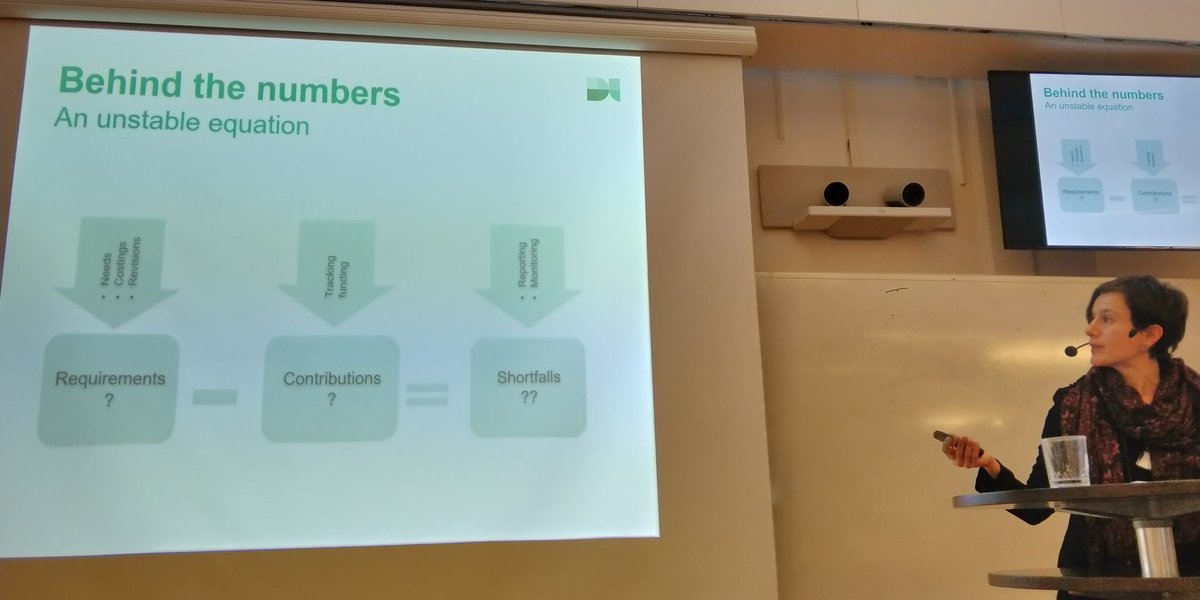
How do we get past sector/supply driven HRPs?: In Somalia 1) donor demand for more evidence in needs assessment, 2) independent orgs to help collect it, 3) trial an area-based approach & 4) patience (it took 4 years!). @REACH_info ; themes from work of @ACAPSproject @CGDev @ALNAP
3
5 Feb 2020
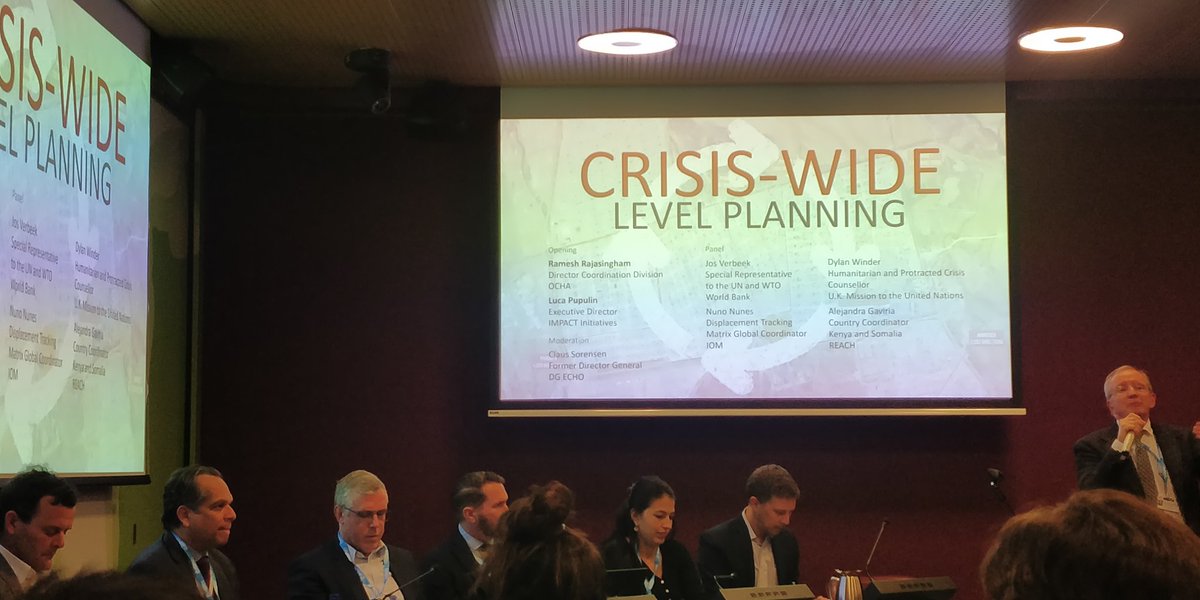
Reality check from field on the use of data in crisis planning from @UNmigration Nuno Nunes & @REACH_info Alejandra Gaviria: field staff don't feel data collected is for them to use, it's for donors - yet donors don't show how they use it in their own planning #HNPW2020
6
22