CEO NCRLA. SBA Admin🇺🇸‘21-‘25 KY, TN, MS, AL,NC,SC,GA,FL• 3 Term Greenville NC Mayor‘11-‘17 Cofounder IQMax• Exec NC Global TransPark, EVP FlyExclusive‘17-‘21
Joined February 2011
- Tweets 12,698
- Following 780
- Followers 3,545
- Likes 10,561
2,408 Photos and videos
Allen Thomas retweeted
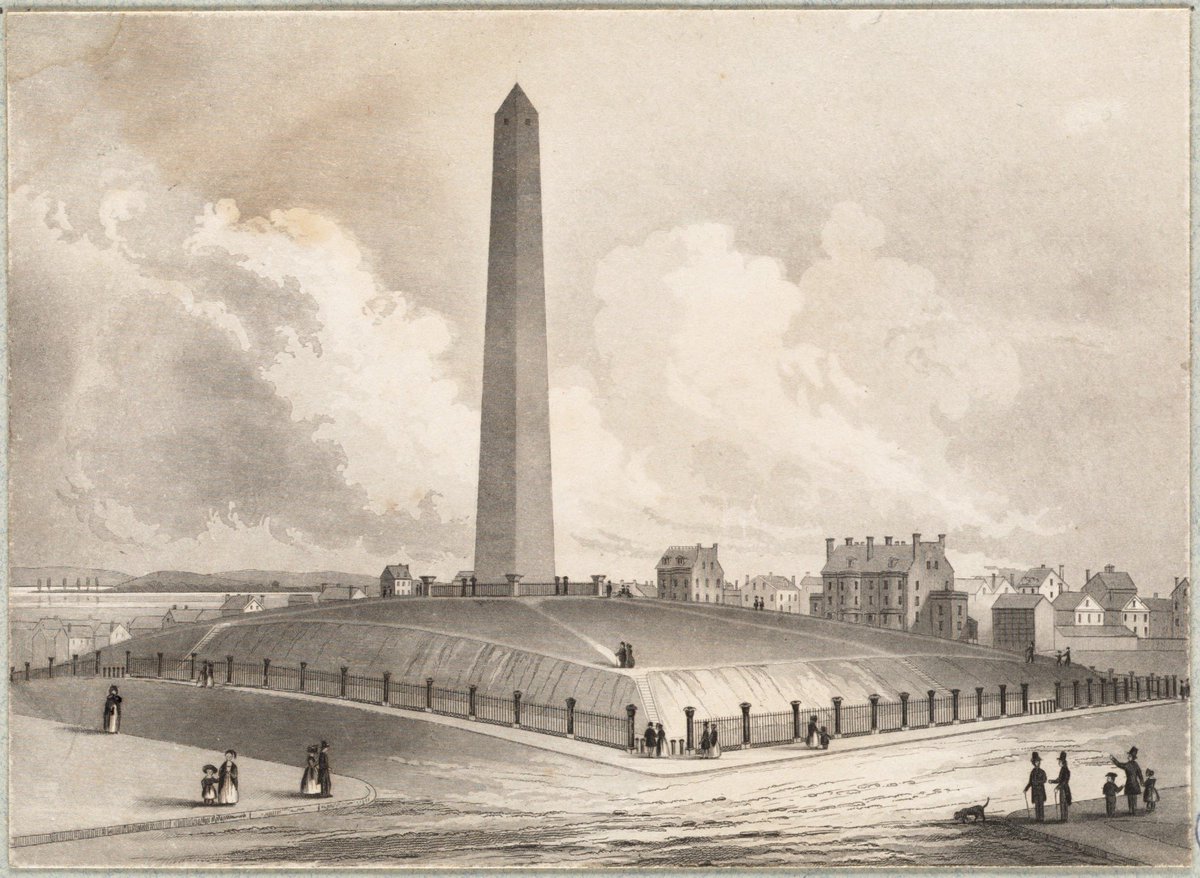
On this day in 1775, a few hundred farmers picked up shovels and quietly decided to dare the British Empire to do something about it.
The siege of Boston had settled into a tense standoff. The Americans had the British bottled up in the city, but everyone knew the redcoats were planning to break out and seize the high ground on the surrounding peninsulas. On June 15, the Massachusetts Committee of Safety made the call. They would not wait to be attacked. They would seize the heights of the Charlestown peninsula first, and General Israel Putnam was ordered to fortify Bunker Hill.
What happened next was either a mistake or a stroke of audacity, historians still argue about it. Under cover of darkness on the night of June 16, the men marched onto the peninsula and, instead of digging in on Bunker Hill as ordered, they pushed forward and built their redoubt on Breed's Hill, closer to Boston and closer to the British guns. With picks and shovels, working in near silence so the enemy would not hear them, a thousand amateurs threw up an earthen fort in a single night.
When the sun rose on June 17, British officers looking across the water could not believe their eyes. Overnight, rebels they had dismissed as a rabble had fortified a hill staring straight down at the king's army.
The British attacked that afternoon. The battle that followed, misnamed Bunker Hill though most of the fighting was on Breed's Hill, became the bloodiest day of the entire war for the British. The Americans lost the ground but inflicted staggering casualties, and the legend of the order "do not fire until you see the whites of their eyes" was born.
It all started with a decision made on this day, and a long night of digging.
2
83
362
8,013
Allen Thomas retweeted

Jun 15
After Japan battled the Netherlands to a 2-2 draw, the Japanese fans stayed behind and cleaned up every single piece of trash from their section at Dallas Stadium after the game.
You LOVE to see it 🇯🇵
732
3,831
37,798
891,942
Allen Thomas retweeted

Jun 14
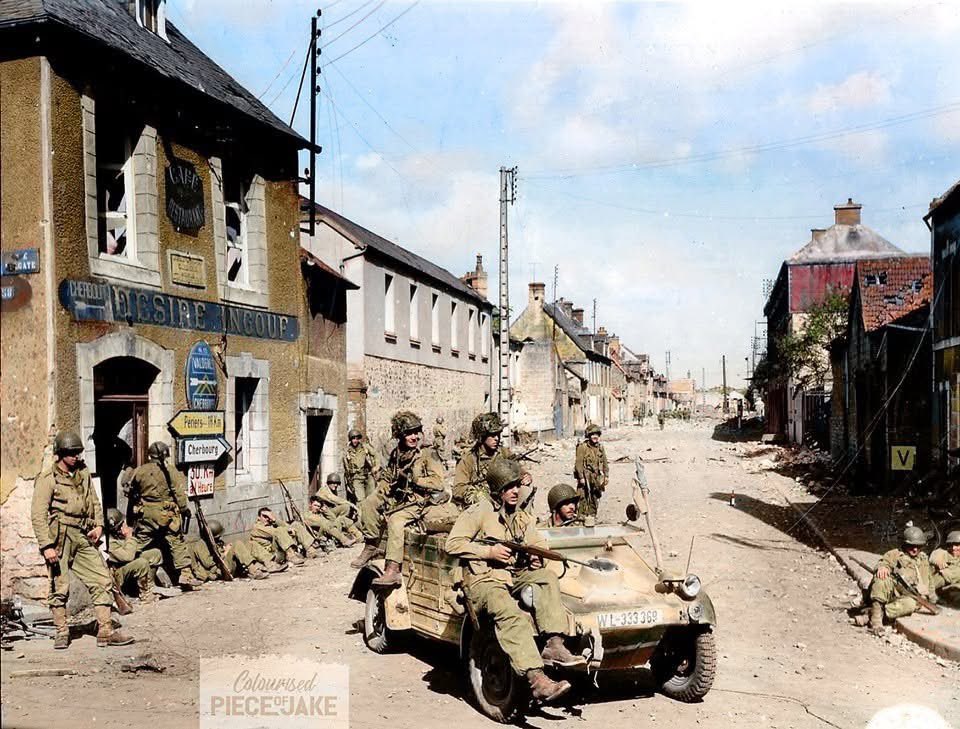
June 14, 1944
Paratroopers of 502nd PIR, 101st Airborne Division "Screaming Eagles" in a German VW type 82 'Kübelwagen' at the crossroads of the street (Rue) Holgate and the Route National no.13, Carentan, Normandy, France.
It took six days of bitter fighting to liberate the town and ensure the junction between the landing beaches of Utah Beach and Omaha Beach.
The town of Carentan, surrounded by marshes, was known to be the only crossing point and as a vital strategic location had to be swiftly taken.
On 6th June 1944, sirens, alarms, patrolling aircraft and defensive fire from the Germans left little respite to the inhabitants . Shortly after midnight, an unusual rumbling was heard heading towards the Baie des Veys. In the sky, carrier aircraft towing gliders were dropping paratroopers over the marshes and threw the Germans into a panic.
Around 4:30 am , the first Allied bombings began over the town. The aim was to destroy the railway line and all the bridges, particularly on the N13 road. The 501st Regiment of the 101st Airborne Division, commanded by Colonel Johnson, captured the locks at “la Barquette”. The position was held with great difficulty.
During the following night, further shelling by the naval artillery destroyed several buildings, which had previously been evacuated.
The 8th June 1944 was a little quieter, although hardly reassuring for the inhabitants.
On 9th June 1944, the American artillery shelled the districts of le Haut Dick, the harbour and the church. German guns based in Rougeval retaliated. Luckily, there were no casualties because people had remained hidden all day in their cellars.
On the night of 9th to 10th June 1944, the Allies managed to make their way to Les Ponts d’Ouve, situated only 2 km from Carentan, a key position for the U.S. Army . The only access to the town was via the N13, which dominated the flooded marshes and offered no protection. There were four bridges to cross. With the help of the American artillery, Colonel COLE and his GIs were able to cross the bridges.
German troops were ordered to hold their positions at all costs. There were heavy losses on both sides. American and German soldiers were so close to each other that they could hear their enemy speak and cock their weapons. There were dead bodies everywhere and the wounded could be heard calling for help.
Colonel COLE decided to put an end to this situation. Under the cover of a smoke screen, he ordered the assault. The GI’s hidden behind garden hedges and in a vegetable patch (“le Carré de Choux”) received their orders. They hurled into the attack, and charged furiously with fixed bayonets. They fought hand to hand and drove the enemy beyond the village of Pommenauque.
The Germans attempted several counter- attacks but faced the resistance of the Americans, they abandoned the area completely. The 502nd PIR was too exhausted, and could not continue their progression; the 506th took charge
On 10th June 1944, the town of Carentan was once again under violent artillery fire. The sound of shooting and machine gun fire was approaching, particularly in the direction of Saint-Hilaire and Saint -Côme-du-Mont.
The 327th and the 401st Glider Regiments crossed the canal in Brévands without much resistance. Then they went over the river Taute in Saint–Hilaire, crossing a footbridge, which the soldiers had repaired as best as they could.
On 11th June 1944, the American artillery was unleashed . The bell tower and the church choir were destroyed; the Gloria factory was ablaze, as well as houses in rue Holgate. The noise of battle was deafening.
The 506th regiment, which had remained near Saint-Come-du-Mont, pushed on to the Carteret railway line, reached Auvers and then the road to Périers, at the “Billonnerie” where they met with the 501st Regiment.
On June 12th 1944 at dawn, large forces converged on Carentan. The Germans had retreated during the night. General TAYLOR and Colonel HARPER entered the town.
3
27
304
6,255
Allen Thomas retweeted

Jun 15
🚨CANES HISTORIC STANLEY CUP WIN ON BOOTH CAM!🚨
#THATSHOCKEYBABY |#SOUNDTHESIREN |#STANLEYCUP
Watch @JohnForslund and Eddie Olczyk call the final moments of the 2026 Stanley Cup Final inside the Sports USA Booth!
📺: ESPN
11
143
1,817
42,268
“The key is not in beating one’s chest in temporary glory—— it is to be the last man standing …….When they are forced to defend everywhere, and you— only to make your presence felt at time and place of your choosing, patience rules.”
Jun 14

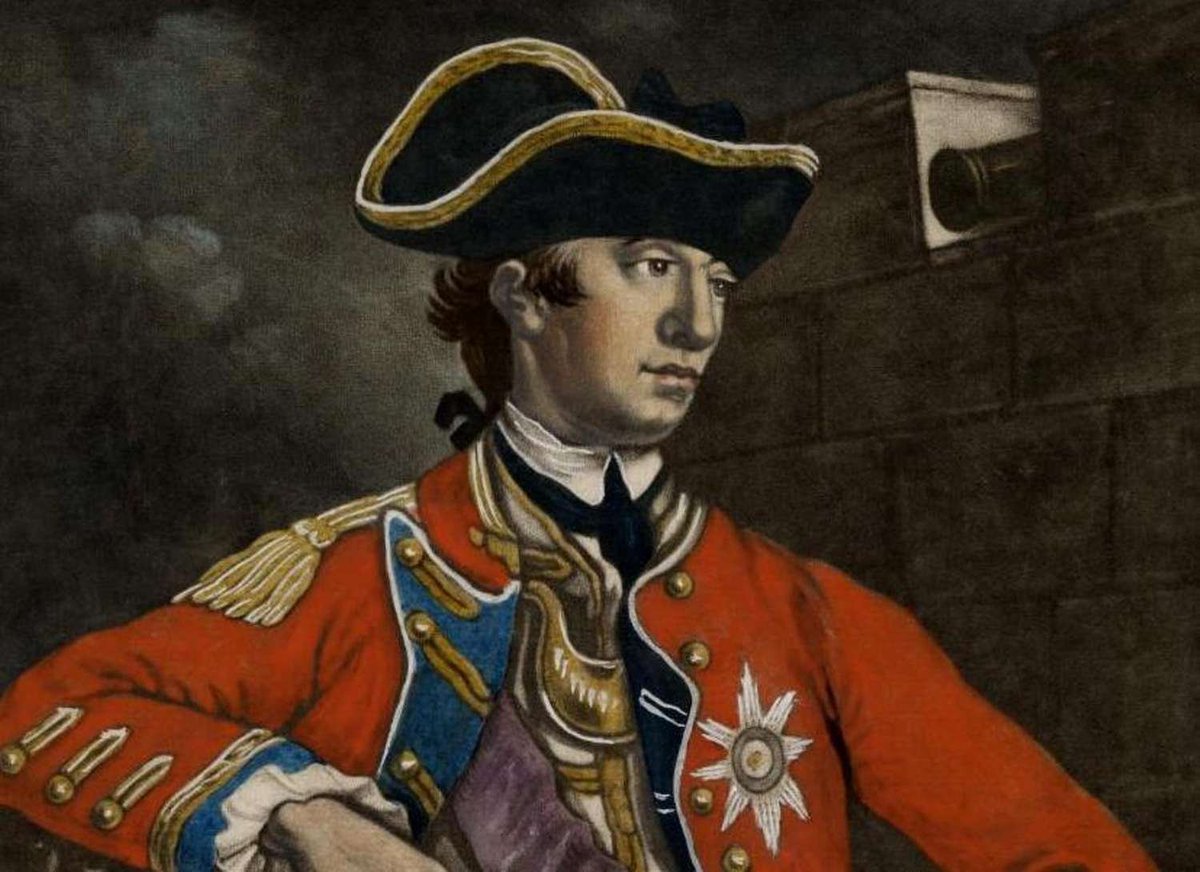
On this day in 1777, the British army tried to lure George Washington into the one battle that could have ended the Revolution, and Washington refused to take the bait.
General William Howe had a maddening problem. On paper the British should have crushed the rebellion already. They had more men, better training, professional discipline, and the finest navy in the world. But you cannot win a war if the enemy will not stand and fight, and Washington had learned the hard way to stop fighting on Howe's terms.
So Howe designed a trap. On June 14, 1777, he marched his army out of New Brunswick across the New Jersey countryside toward Somerset Court House, deliberately exposing his force in the open. The whole point was provocation. He wanted to look vulnerable enough that Washington would abandon his strong position in the Watchung Mountains, charge down into the flatlands, and finally give the British the head on battle where their superiority would win the day.
Washington did not move. He stayed up on the high ground and watched the British parade below him, reading the trap for exactly what it was. He understood a truth most generals of his era never grasped. He did not have to win the war. He only had to not lose his army. Every week his forces survived intact was another week the British empire poured blood and treasure into a conflict three thousand miles from home, with public patience in London draining by the day.
Howe waited. Washington waited longer. Outmaneuvered by a man who simply would not cooperate, Howe eventually gave up and pulled back toward the coast. The armies finally clashed at the Battle of Short Hills weeks later, but the decisive moment had already passed in that standoff.
This was the pattern that won American independence. Washington lost more battles than he ever won. He retreated again and again. And by refusing to risk everything on a single roll of the dice, he outlasted the most powerful empire on earth. Sometimes the boldest move a commander can make is to not fight at all.
27
Allen Thomas retweeted

The guys singing "we are the champions" 🎶 😂 #soundthesiren #stanleycup
6
230
3,477
86,051

Can't stop, won't stop watching this 🔴⚫ #StanleyCup
18
347
4,356
147,497
Allen Thomas retweeted

Jun 14
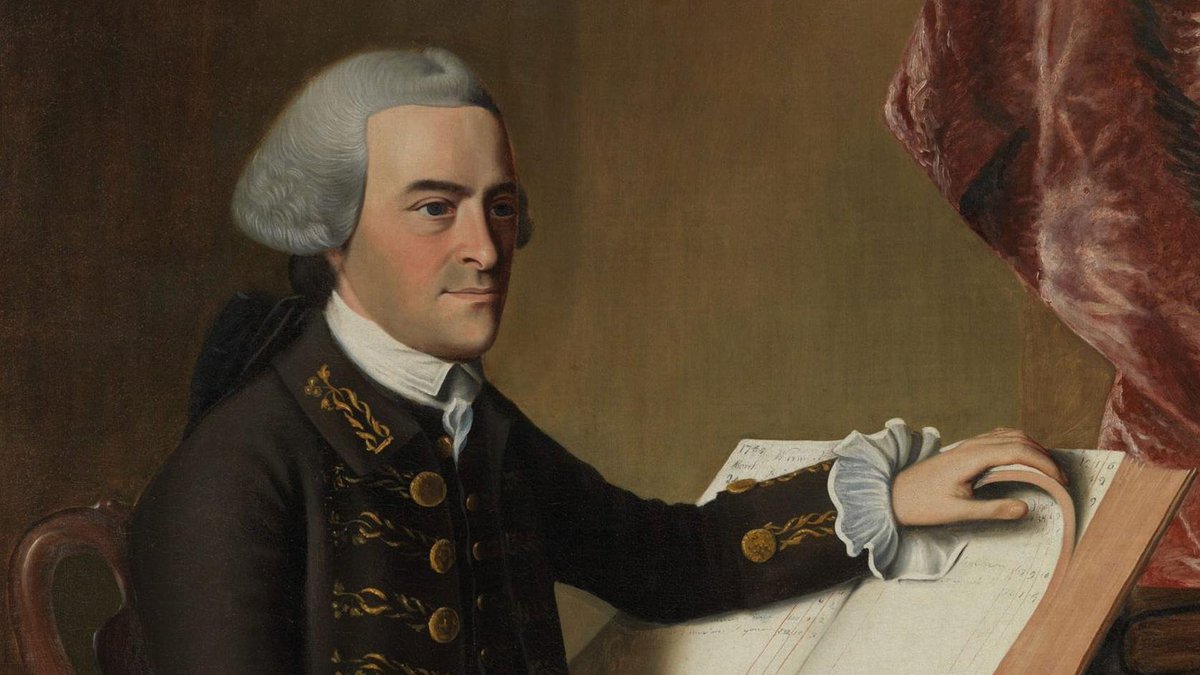
Everyone knows John Hancock for his giant signature. Almost nobody knows the actual man, and his real life was wilder than the legend.
He was an orphan. His father died when he was 7, and he was taken in by his uncle Thomas, the richest merchant in Boston. John was groomed to run the family shipping empire, inherited the whole thing in 1764, and became one of the wealthiest men in all of America before most people his age owned anything at all.
He was also, by the crown's definition, a criminal. In 1768 the British seized his ship Liberty for smuggling, and Boston rioted in his defense. The man we now put on patriotic posters was, to London, a wealthy smuggler dodging customs.
He didn't just resent the crown quietly. He bankrolled resistance and became such a thorn that the British wanted him gone. On the night of April 18, 1775, when Paul Revere made his famous ride, the warning was not vague. He rode to Lexington specifically to warn two men that the British were coming to arrest them: Samuel Adams and John Hancock. The opening night of the Revolutionary War was, in part, a manhunt for Hancock.
Weeks later, General Gage offered a pardon to every rebel in Massachusetts who would lay down arms, with exactly two exceptions: Samuel Adams and John Hancock. Being left off that list was essentially a public death warrant.
Here is the part nobody tells you. As president of the Continental Congress, Hancock actually wanted to be named commander of the army himself. He sat in the chair and watched as the Adams cousins instead rose to nominate George Washington. He was reportedly stung by it. Then he did the thing most people never manage. He swallowed his pride, signed Washington's commission, and spent the next eight years pouring his personal fortune into the war he could not lead.
So when Hancock signed the Declaration of Independence first, big and bold across the top, it was not a cute flourish. He was already a hunted man with a price on his head, putting his name, his fortune, and his neck on the line before anyone else dared lift a pen.
And that famous line about signing large "so King George can read it without his spectacles"? He almost certainly never said it. It is a myth stitched onto him generations later. The real story is better. He just signed first, as president, knowing exactly what it could cost him.
The flamboyance was real, though. He lived in princely splendor in a granite mansion on Beacon Hill overlooking the harbor, with imported mahogany furniture and apricot trees shipped from Spain. In 1775 he married Dorothy Quincy, and the two became one of Massachusetts' first political celebrity couples, famous for endless lavish dinners that slowly drained his fortune.
He went on to become the first Governor of Massachusetts, serving roughly eleven years, and died in office in 1793. His funeral was one of the grandest ever given to an American up to that point. Samuel Adams declared the day a state holiday.
The orphaned smuggler with a target on his back had become the face of American defiance.
That is why, 250 years later, we still say "put your John Hancock right here."
47
919
3,600
70,884


Jun 15
🏆 THE CAROLINA HURRICANES ‼️——— WIN THE STANLEY CUP. HOW SWEET IT IS. My windows are open —— All of Raleigh is Roaring!

243
Allen Thomas retweeted

Jun 14
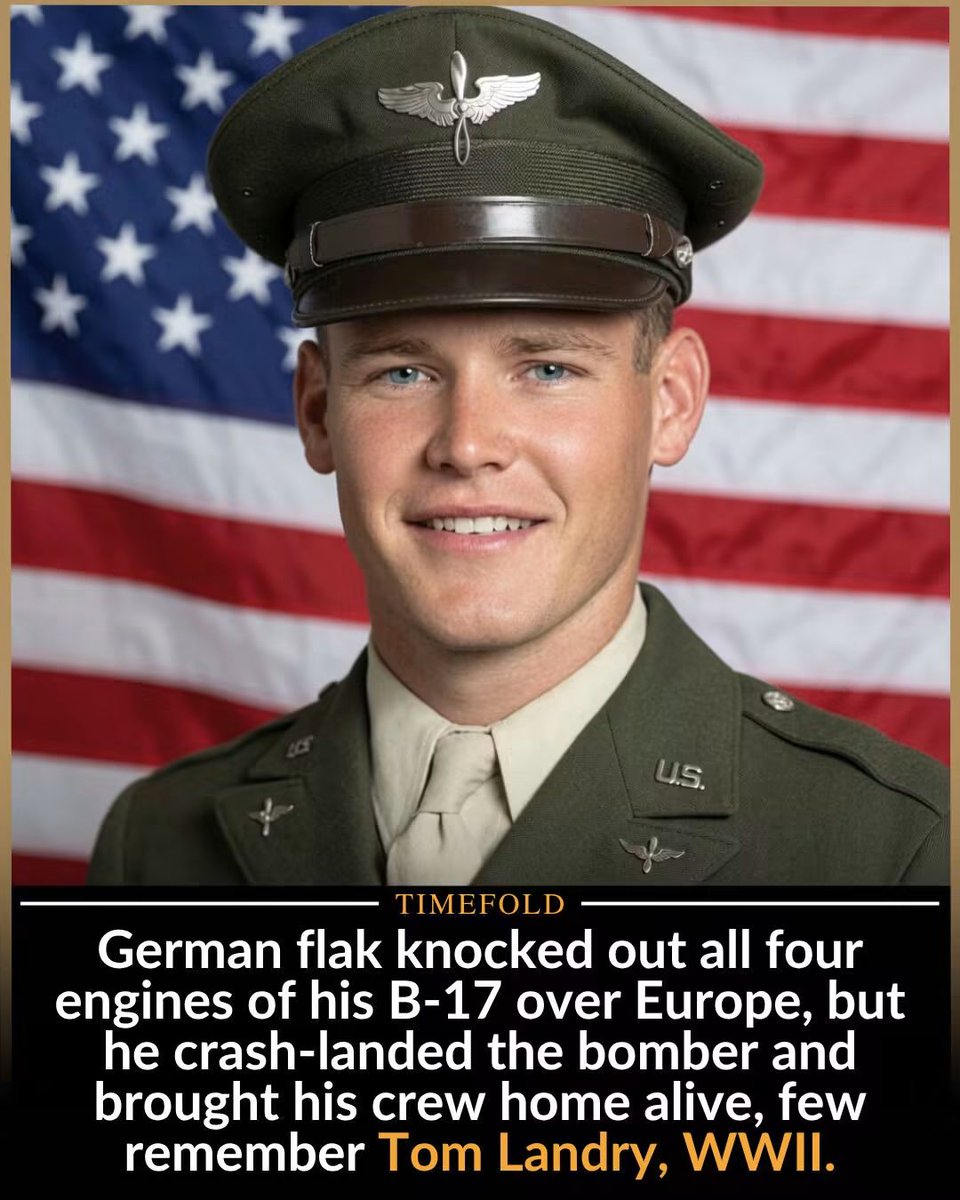
Most people remember Tom Landry standing on the sidelines of Dallas Cowboys games.
Few remember him sitting in the cockpit of a dying bomber over Europe.
Before he became one of football's most famous coaches, Landry served as a B-17 pilot during World War II. Flying from England, he led missions deep into enemy territory where every flight carried the possibility of never returning home.
Then came his 30th mission.
High above Europe, German anti-aircraft fire found its target.
Explosions ripped through the bomber.
One engine failed.
Then another.
Then another.
Then another.
Suddenly, all four engines were gone.
The massive B-17 was no longer flying.
It was falling.
Inside the aircraft were young airmen who knew exactly what that usually meant.
D*ath.
Panic could have spread through the crew.
Landry never allowed it.
Witnesses later recalled how calmly he fought to keep control of the powerless aircraft as it dropped toward the ground. With no engines and almost no options left, he guided the crippled bomber toward a field in France.
Then came the impact.
Steel scraped across the earth.
The aircraft slammed into the ground.
Against all odds, the crew survived.
The young pilot had brought them home.
Years later, America would know Tom Landry as the coach who built the Dallas Cowboys into a dynasty. Fans would admire his discipline, leadership, and calm under pressure.
What many never realized was where those qualities were forged.
Not on a football field.
But inside a shattered bomber falling from the sky during World War II.
Long before he coached champions, Tom Landry was already saving lives.
Story based on historical records. This post is for educational purposes.
Credit - timefold
63
955
3,833
47,678
Allen Thomas retweeted

Jun 13
Many Europeans traveled across the U.S. during the World Cup, the journey itself becomes part of the adventure. Stopping at a massive can feel like discovering a whole new world, with its huge stores, endless food options, and unique souvenirs.
What seems like a simple gas station to locals can be an unforgettable cultural experience for visitors. The combination of clean facilities, fresh food, snacks, and merchandise shows a different side of American road travel.
These small moments are often what make traveling special — discovering everyday things that feel extraordinary somewhere else. Who would have imagined that a quick stop for gas could become one of the favorite memories of a World Cup trip?
Jun 13

For many visitors from Europe, a first trip to Costco during the World Cup becomes a cultural experience on its own. The huge packages, endless variety, and products ranging from food to clothing, coolers, and even hot tubs show a different side of everyday shopping in the U.S.
It’s fun to see the surprise and excitement over something Americans sometimes take for granted. Even a simple Costco hot dog becomes a memorable moment because of the combination of taste, size, and value.
Travel is not only about seeing famous places; sometimes it’s about discovering small everyday differences between cultures. Who would have thought a warehouse store could become one of the highlights of a World Cup trip?
300
1,876
21,451
2,019,409

Jun 14
Jun 13

It's the 40th anniversary of Thornton Melon doing the Triple Lindy and winning the National Championship for Grand Lakes University.
Back to School (1986)
1
91
Allen Thomas retweeted

Stop what you're doing and watch this
16
246
2,974
54,784
Jun 13
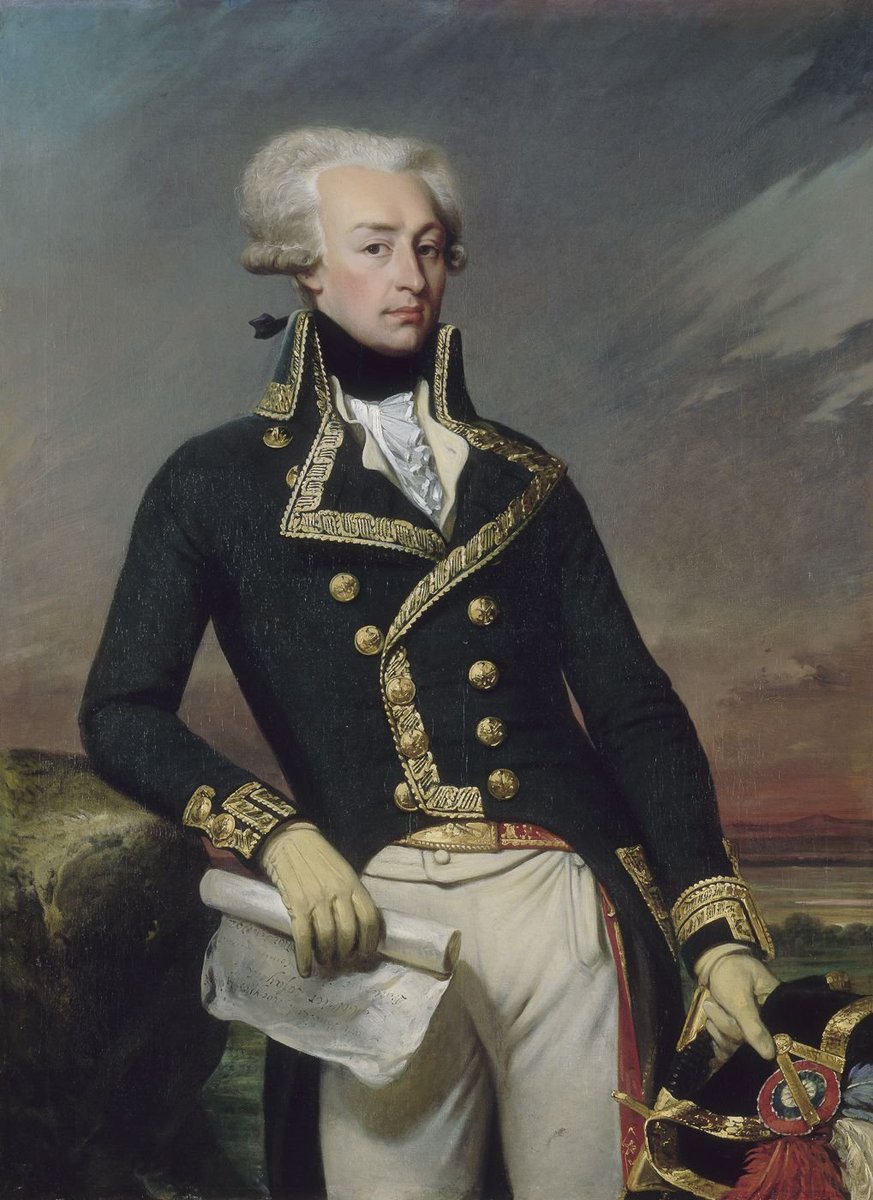
Belief ——in the ideal of freedom, in people and a nation. Bigger than borders, hate or birthright. The story of a young Marquee de Lafayette ——and the birth of a love affair by people from across the world with what this nation truly represents.
Jun 13
On June 13, 1777, a 19-year-old French teenager landed on a beach in South Carolina, uninvited, to fight in someone else's war. He would become one of the most important men in American history.
The Marquis de Lafayette was one of the richest young aristocrats in France. He had a beautiful wife, a fortune, and zero reason to risk any of it. But he believed in the American cause so fiercely that when the French king forbade him from going, Lafayette bought his own ship and sailed anyway. He literally went AWOL from a life of luxury to bleed for a country that didn't exist yet.
Congress was annoyed at first. Another foreign officer looking for a paycheck? Then Lafayette offered to serve for free and pay his own way. That got their attention.
He met Washington and the two formed one of the great father-son bonds in American history. Washington had no biological children. Lafayette named his only son George Washington Lafayette.
He took a bullet in the leg at Brandywine and kept rallying the retreat. He was instrumental at Yorktown, the battle that won the war. He went home a hero on two continents.
A foreign teenager believed in America before America did. 249 years ago today.
70
Jun 13
👀 🔥🔥🔥🔥
⚽️
Jun 13

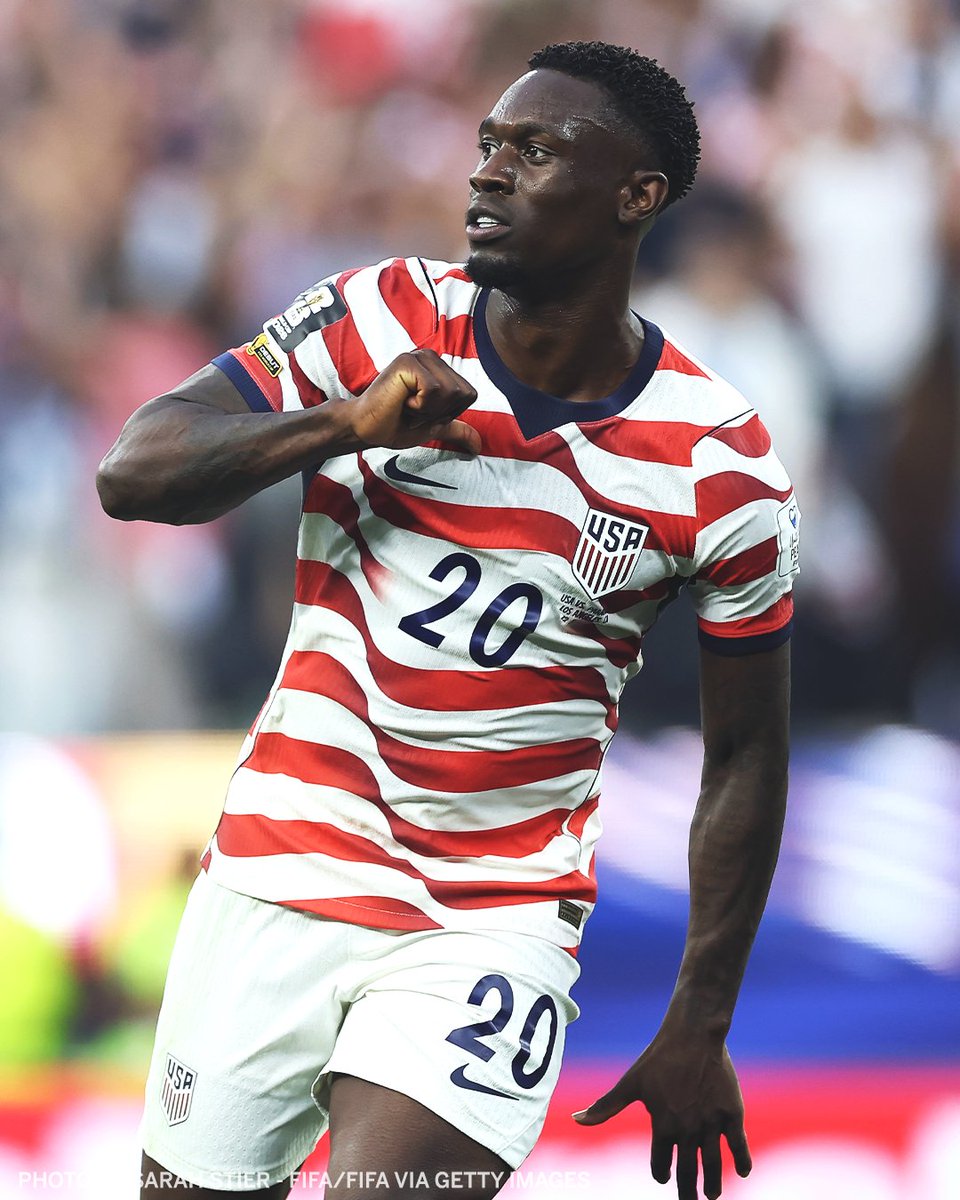
THE FIRST MULTI-GOAL WORLD CUP GAME BY A USMNT PLAYER SINCE 1930 🤩
Have a night, Folarin Balogun 🔥
1
48
Allen Thomas retweeted

Jun 13
Andrés Cantor's call of the Gio Reyna USMNT goal to make it 4-1 on Telemundo was INCREDIBLE 🇺🇸🔥👏
30
332
4,777
159,965