
3,591 Photos and videos









Pinned Tweet

Feb 12
Altseason will occur when nobody expects it
Take risks and buy while everything is still cheap
AI:
$PAAL $TAO $ANYONE $KNDX $DSYNC $ZIG
RWA:
$TRWA $TRADE $CPOOL $PROPS $PIN
Robotics:
$EMDR $IOTX $AUKI $PEAQ $GEOD
DEX:
$GRAY $ASTER $IOTAI $BLACK
GameFi:
$NEURAL $CAH $NAKA

Feb 9

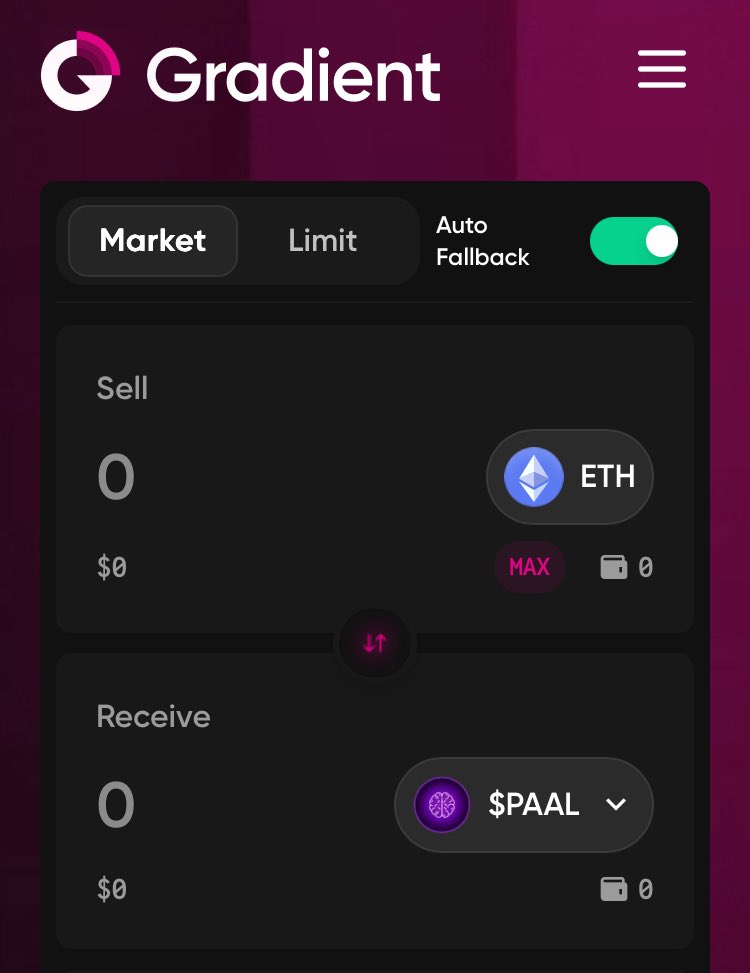
If you swap 10k on @Uniswap or @PancakeSwap you lose a few hundred bucks on trading fees
If you swap 10k on @useGradient you will lose nothing
Soon everyone will trade price impact free on $GRAY and you can buy now before mass FOMO👀
$PAAL $FET $TAO $NEAR $UNI $HYPE $ETH
3
3
20
22,605
Robin retweeted

Prepare for a boring summer. Volume is always low, projects are postponing their announcements and marketing.
Just plan to touch some grass already.
Hopefully things will get back on track in September.
10
4
87
7,784


Robin retweeted

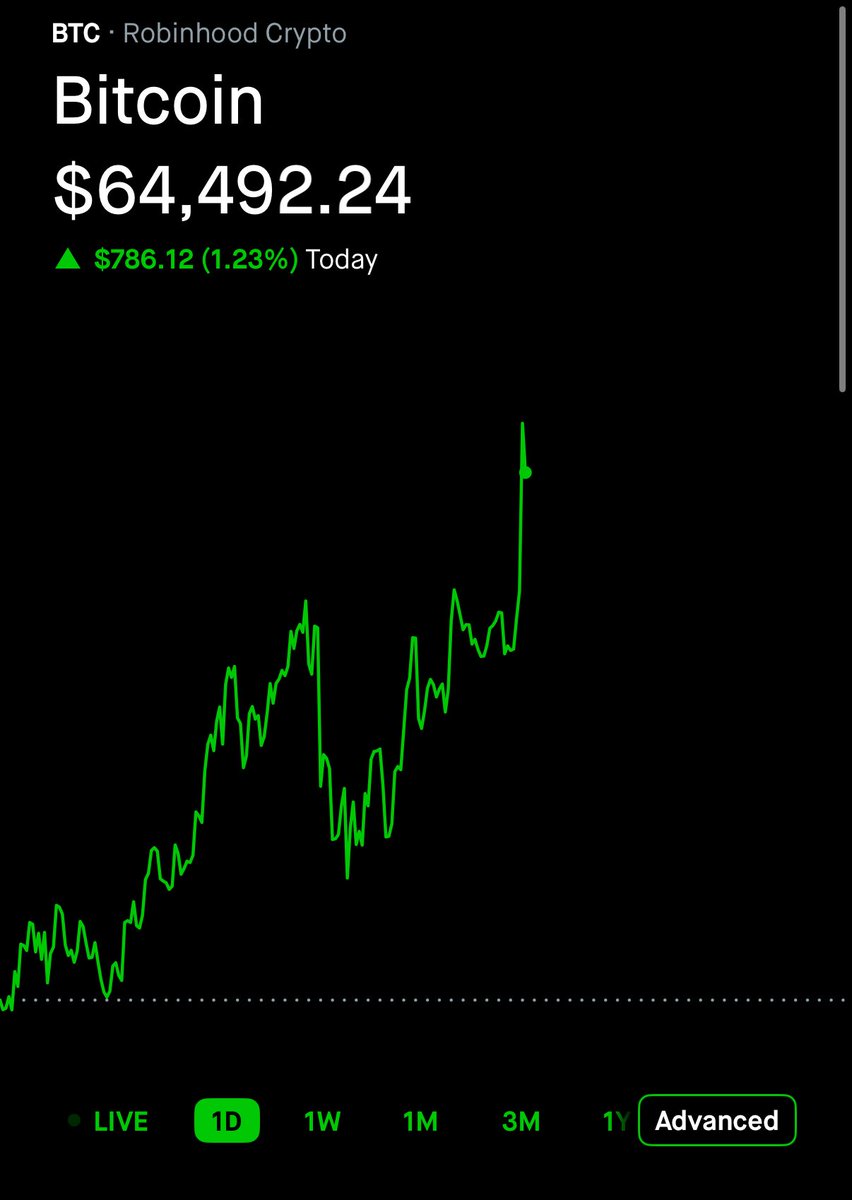
I love seeing people calling price targets for Bitcoin.
Even you 4 year cycle nerds were buying the top.
Nobody knows. Shut up and buy.
49
7
102
5,355


Jun 13
The ticker is $ANIME
Such amazing artwork imo
Unfortunately the project isn’t active anymore
@BoredApeYC x @Azuki = @mankizuki 🍌🦍
1
23

Robin retweeted

Jun 11
Mastercard launched Agent Pay for Machines (AP4M) with 30 partners, agent permissions recorded on Polygon, Solana, and Base, settlement across cards, stablecoins, and on-chain rails.
Visa has its Trusted Agent Protocol while Google has AP2. The networks have decided that agents are economic actors now, so the question arises will these specific transactions still match the intent that originally authorized it?
The real risk in agentic commerce isn't the counterparty anymore. It's your own agent, one prompt injection away from a transaction you never meant.
Networks can only see settlement. The intent and the reasoning behind a transaction live at the agent layer, and that's where Seraph sits. It checks each action against its original mandate before anything is signed, then allows it, holds it for review, or blocks it.
The rails for machine payments now exist and growing fast, while we're building the layer that proves those payments are supposed to happen securely.
Jun 10

As AI agents begin to act, payments move into the background — at machine speed and massive scale.
Today we’re introducing Mastercard Agent Pay for Machines — bringing structure, governance, and trust to this new class of payments.
Launching with 30 partners to bring this to life from day one.
This isn’t just more payments. It’s a new operating model for commerce.
👉 Learn more: mastercard.com/us/en/news-an…
8
13
38
1,404


Robin retweeted

Jun 11
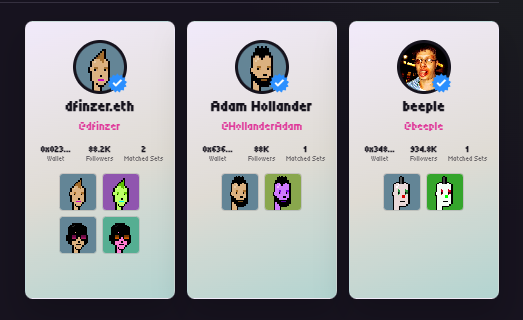
Introducing Certified Punks
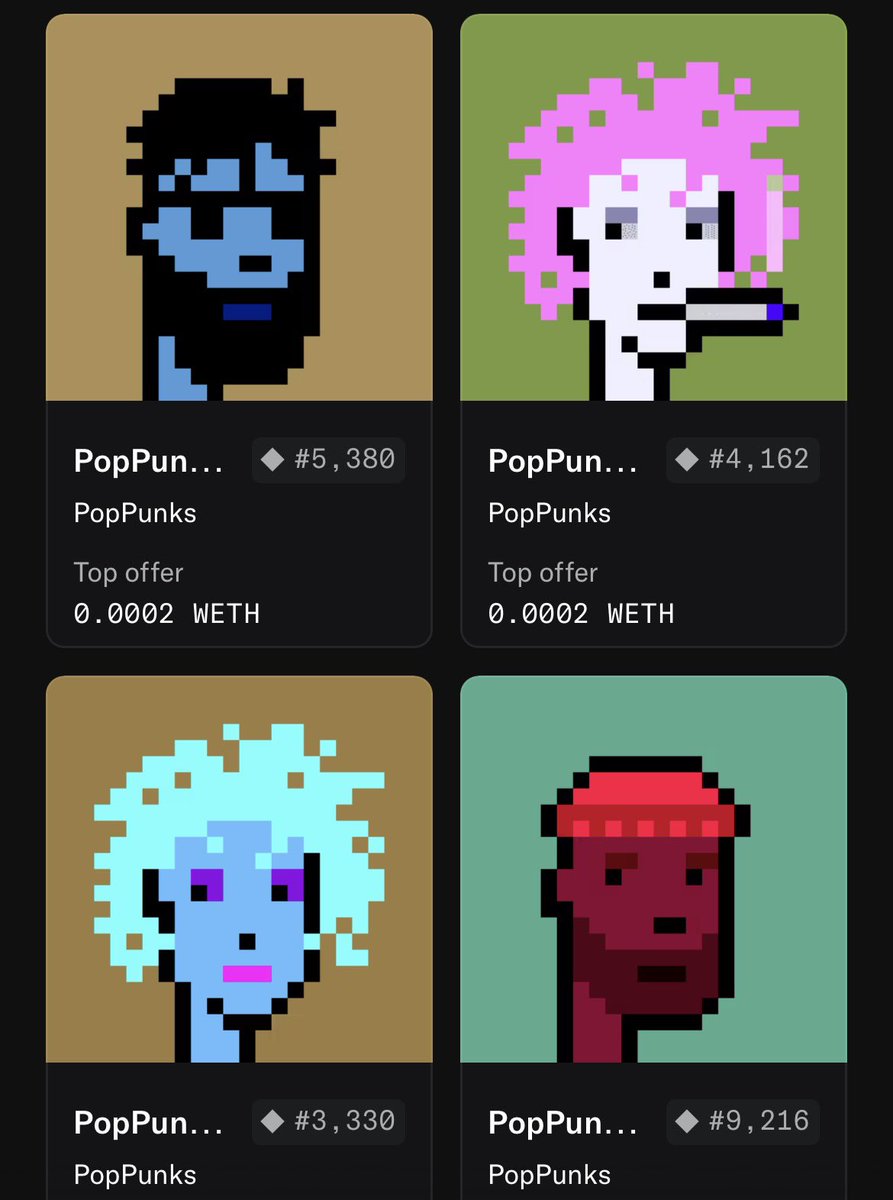
A Hall of Fame for collectors who own original V1/V2 CryptoPunks and also hold PopPunks
Whether they bought their own or received one as a gift from the PopPunks vault, they’ve earned their place here
The first certified names are now live on the website, with more to come
PopPunks from the vault will be available to claim for free
poppunks.fun/certified-punks
3
6
19
631
Robin retweeted
Jun 10
🧹🧹 PopPunks sweep detected
0x9126...1018 bought 14 PopPunks for 0.0103 ETH ($17)
Items: #699, #946, #2283, #2556, #2777, #2798, #3517, #4033, #5516, #6268, #6335, #6377, #7645, #8276
Average: $1
opensea.io/collection/poppun…

2
1
4
330
Robin retweeted

Jun 10
We are thrilled to announce that $IOTAI - our AI DEX Aggregator will get integrated into a MASSIVE Swap Infrastructure as main platform. 🧠
The Platform has over 50.000 monthly users and we will be the main character.
The Platform will be announced in an official statement from both sides in July. 🧬
Until then we will have a better, smarter and faster UI and UX.
The best DEX Aggregator is on its way to mass adoption.
Stay tuned for more infos. 🔥

11
22
48
1,749
Robin retweeted

Jun 10
Dammn...
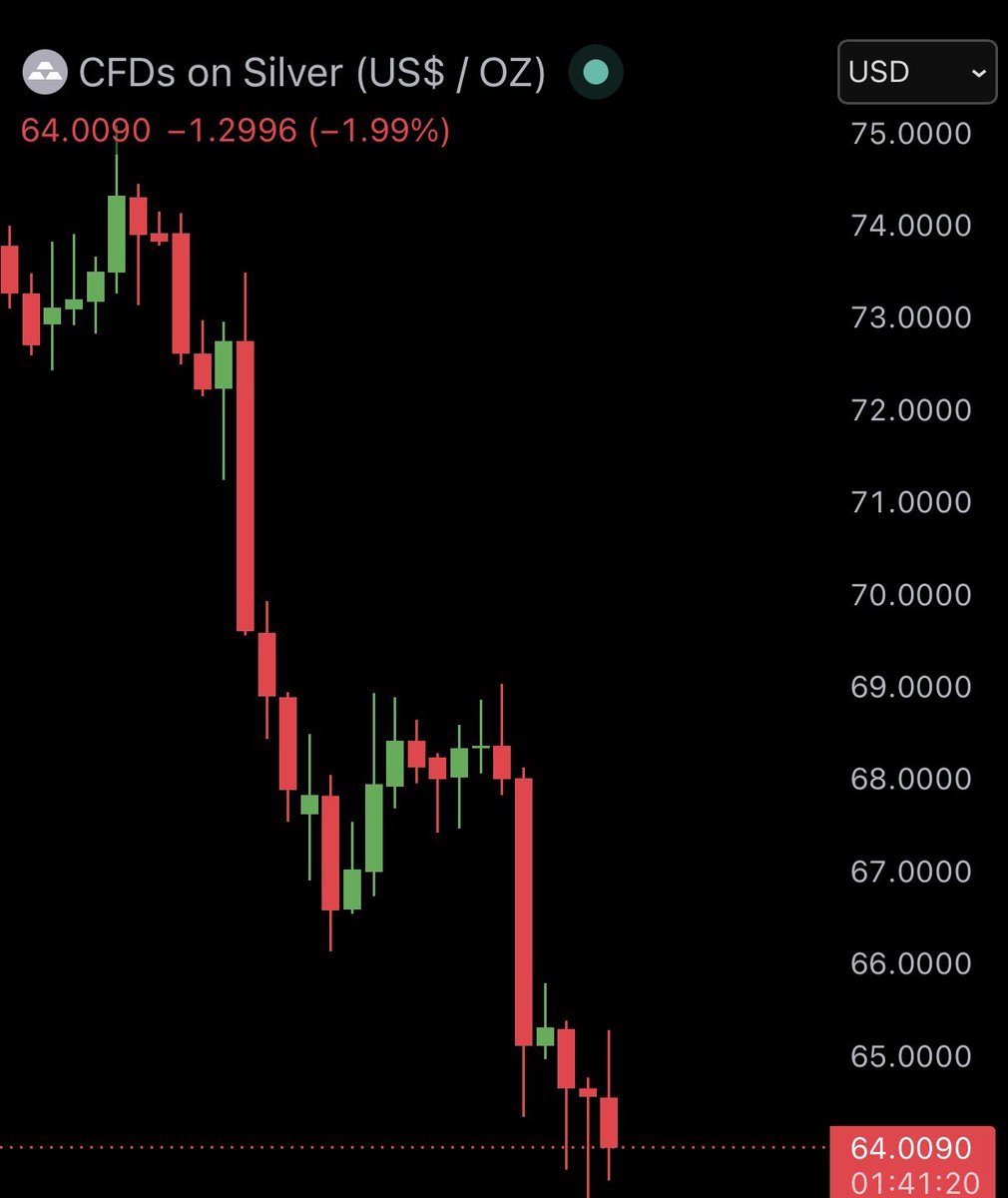
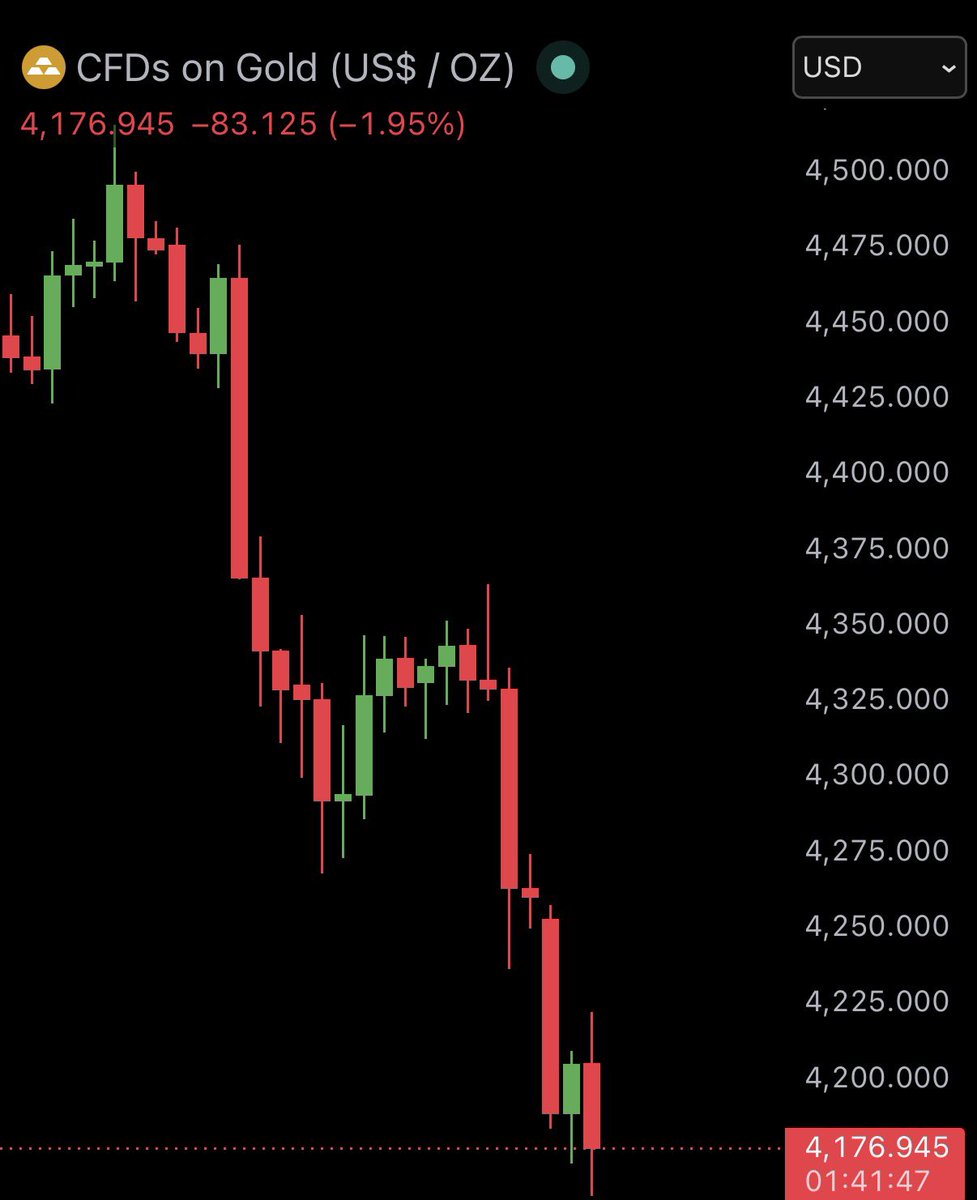
$1.65 Trillion has been wiped out from gold and silver in the last 18 hours.
This is more than the entire market cap of Bitcoin and ETH combined.
402
488
2,625
114,627
Jun 10
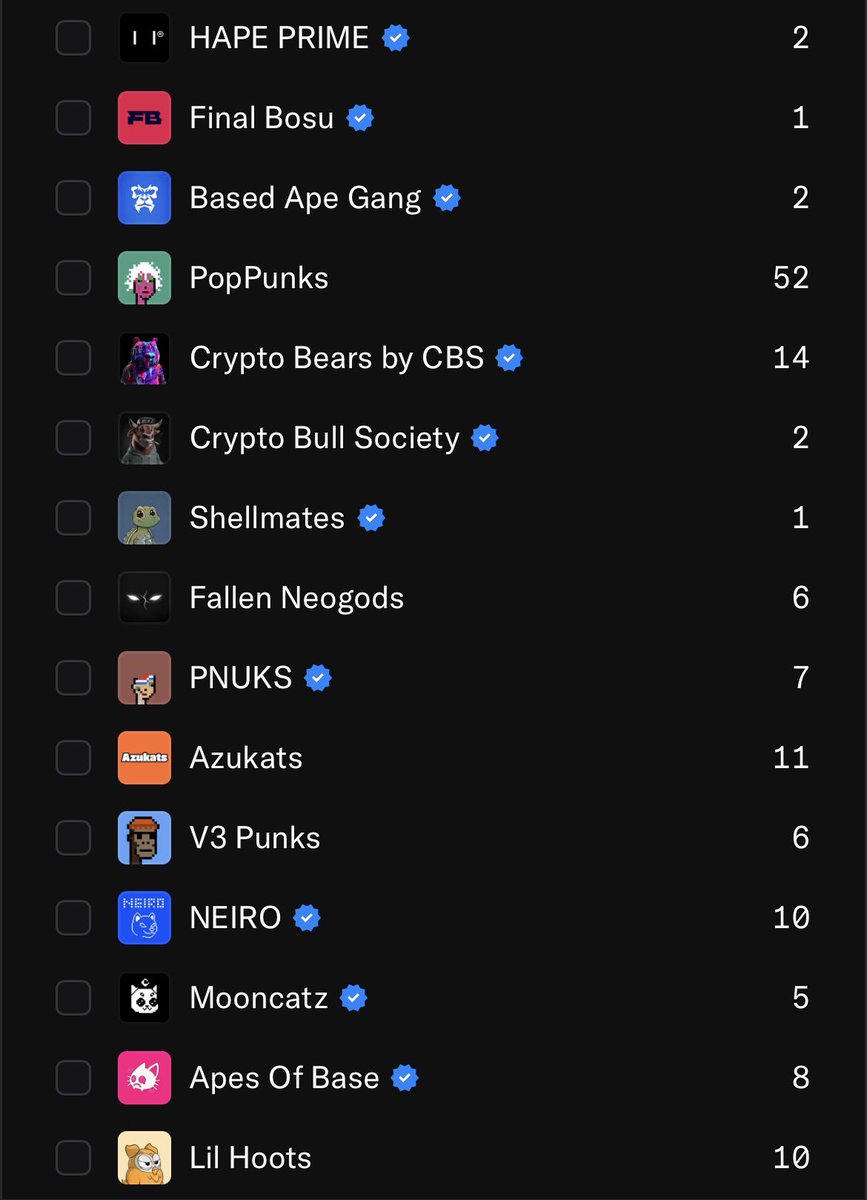
Which collection in my NFT portfolio is missing that I need to have🤔👇🏻
@HAPEsocial
@finalbosuX
@BasedApeGang
@poppunketh
@cryptobulls_wtf
@heyshellmates
@FallenNeogods
@azukatsonbase
@lilhootsnft
5
3
7
361
Robin retweeted

Jun 9
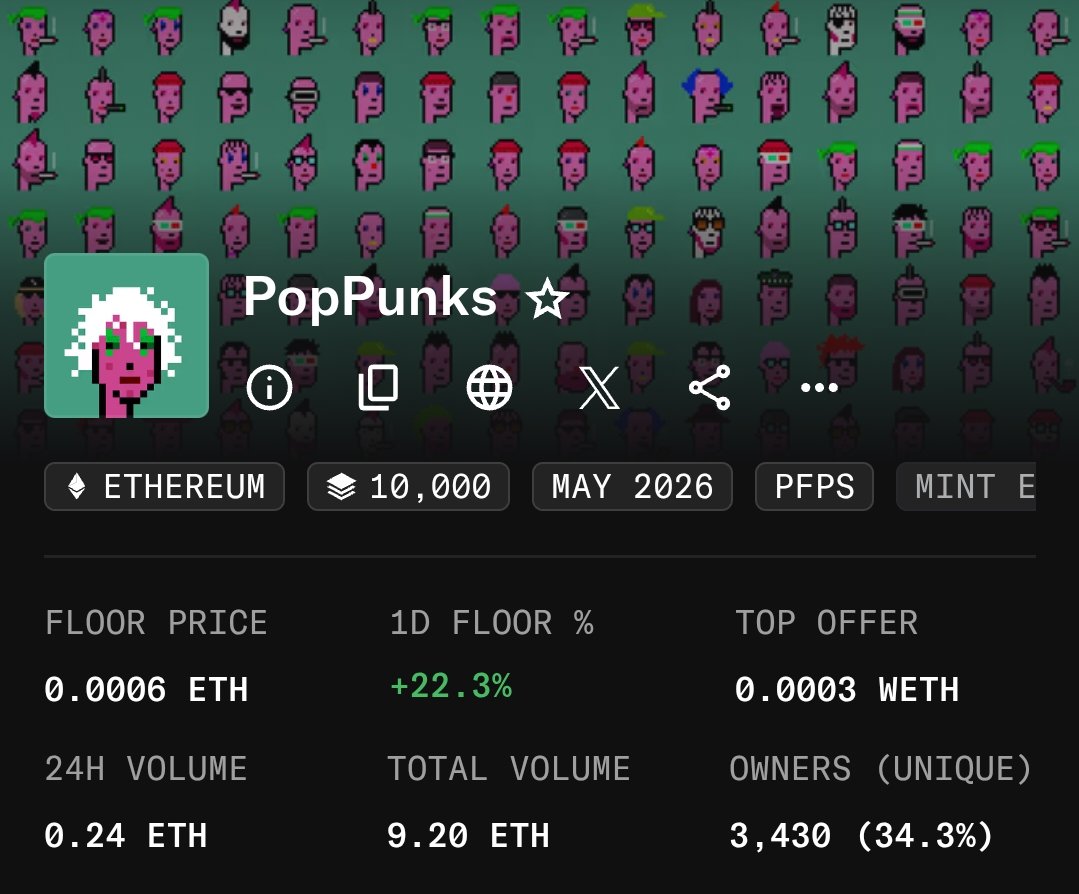
One week in, and this is all organic
Just collectors and enjoyors having fun with @poppunketh
2
6
31
917
Robin retweeted

Jun 9
Dips are times when you pay attention more and filter the noise.
1
3
302
Robin retweeted

Jun 9
Everyone always begs for a dip.
But nobody buys Crypto when then charts are red.
You have to make the switch mentally ASAP.
These low prices won’t last forever.
Make sure you buy as many coins as you can possibly buy before we go completely parabolic.
This is 2021 all over again.
Buy now and thank me later.
83
26
231
6,845