AmphibiaGen harnesses genomics to identify amphibian species & populations at risk of extinction, & to design & implement conservation actions to recover them.
Joined June 2023
- Tweets 27
- Following 374
- Followers 132
- Likes 35
3 Photos and videos

Pinned Tweet

8 Jun 2023
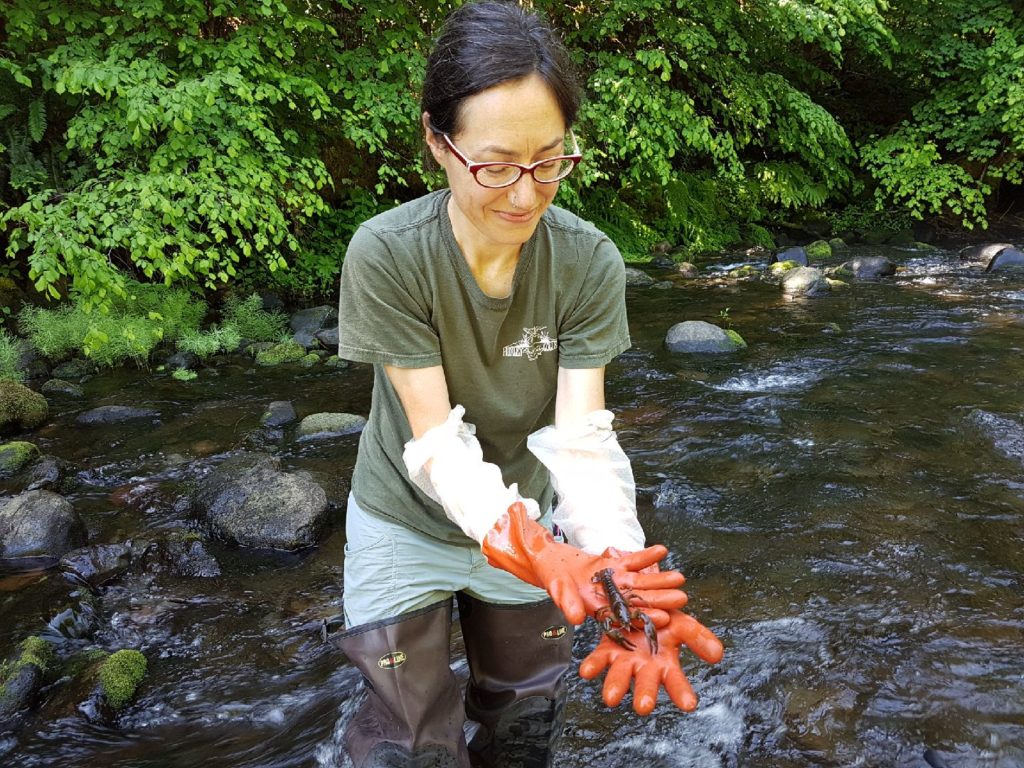
We are extremely excited to unveil AmphibiaGen after many, many months (years?) of work on it! (1/6)
1
26
99
8,780
19 Jan 2025
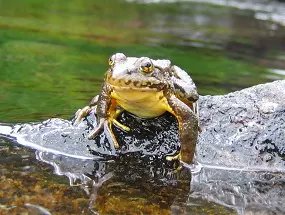
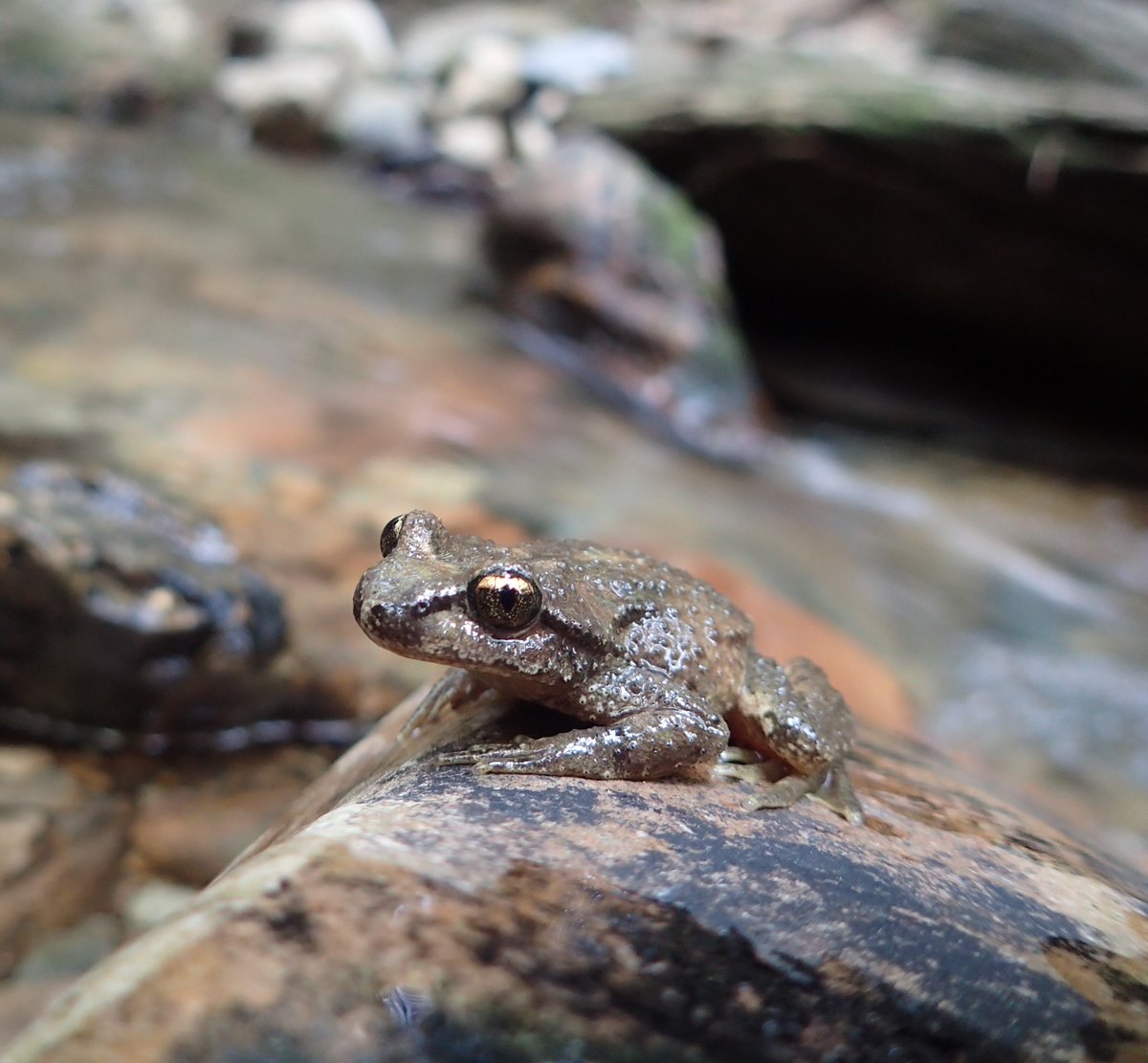
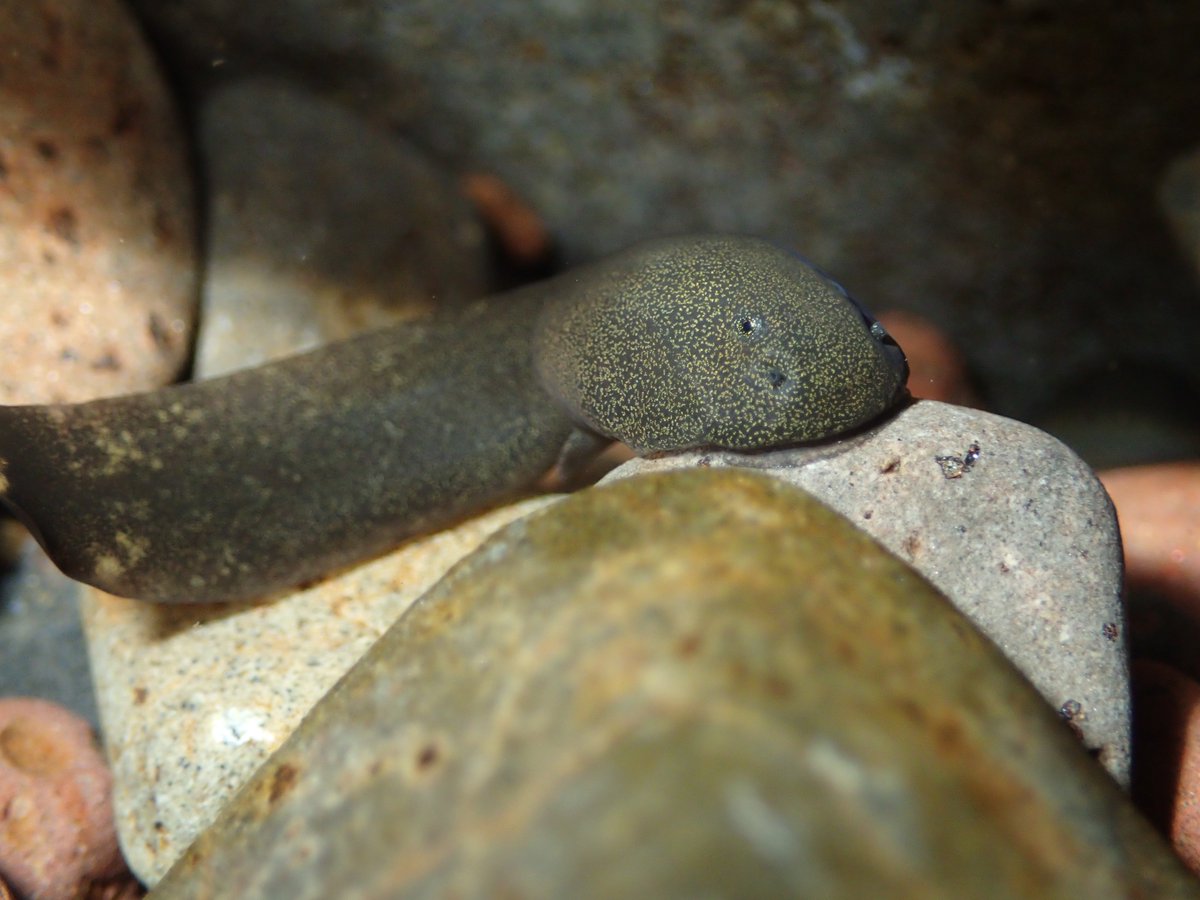
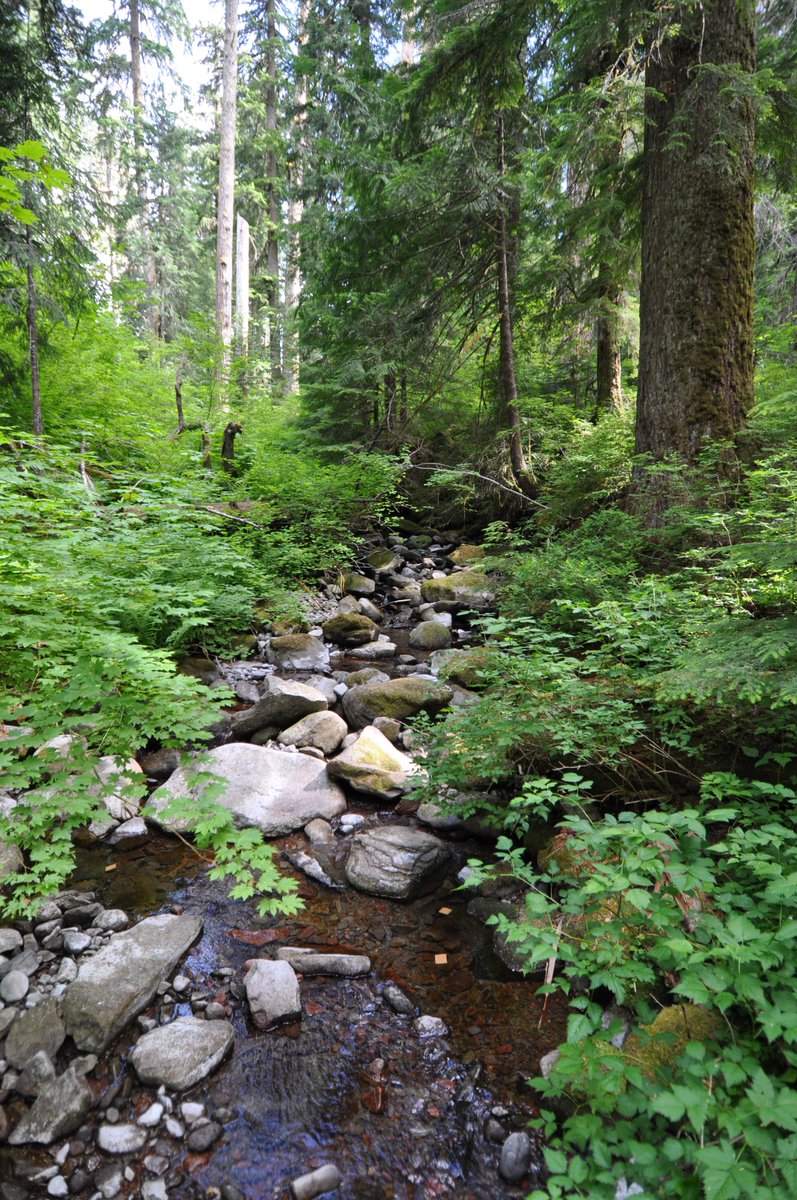
What do evolution and adaptation have to do with predicting vulnerability to climate change? Find out in our new paper led by the amazing Dr. @BrennaRForester and featuring the WORLD'S COOLEST 🐸 just published in Molecular Ecology: onlinelibrary.wiley.com/doi/…...!
@Mol_Ecol
1
2
3
287
19 Jan 2025
EXCITING BONUS: This paper presents the first published reference genome for the remarkable tailed frog (Ascaphus truei) from the U.S. Pacific Northwest. Along with its closest living relatives, New Zealand's Leiopelma, it is the most basal lineage of all living frogs!
32
@amphibiagen.bsky.social retweeted

9 Feb 2024
Re-upping this ad after losing applicants to long-term gigs (🎉 for them!). Please share with any PhD/Postdoc who might be interesting in genomics, amphibians, bioinformatics, teaching, and mentoring. Reach out to learn more!
4 Jan 2024

Hiring a postdoc to work on @NSF-funded polyploid salamander genomics/evolution. ~$55k/year, 3 years, teaching opportunities built in. Start as early as May 2024.
Great team of students @Itgenm right now. See the PUI life. Indy is hugely underated.
marian.peopleadmin.com/posti…
3
62
90
19,868
18 Oct 2023
Congratulations to @Marc_Kouete, @MollyBletz, @b_labumbard, and @davidcblackburn on their discovery that mother caecilians not only feed their young with their skin, but also pass on their microbiome! Caecilians are mind-bogglingly cool. nytimes.com/2023/10/17/scien…
49
@amphibiagen.bsky.social retweeted

18 Oct 2023
Are the genetic indicators of the Global Biodiversity Framework feasible? Yes.
Pre-print out. And THREAD! of major results:
#COP15 #SBSTTA25 #GBF @CoalitionConGen @seanmhoban @LindaLaikre @JMergeay @Conserva_Mas et al
ecoevorxiv.org/repository/vi…
1
23
34
3,804
@amphibiagen.bsky.social retweeted

10 Oct 2023
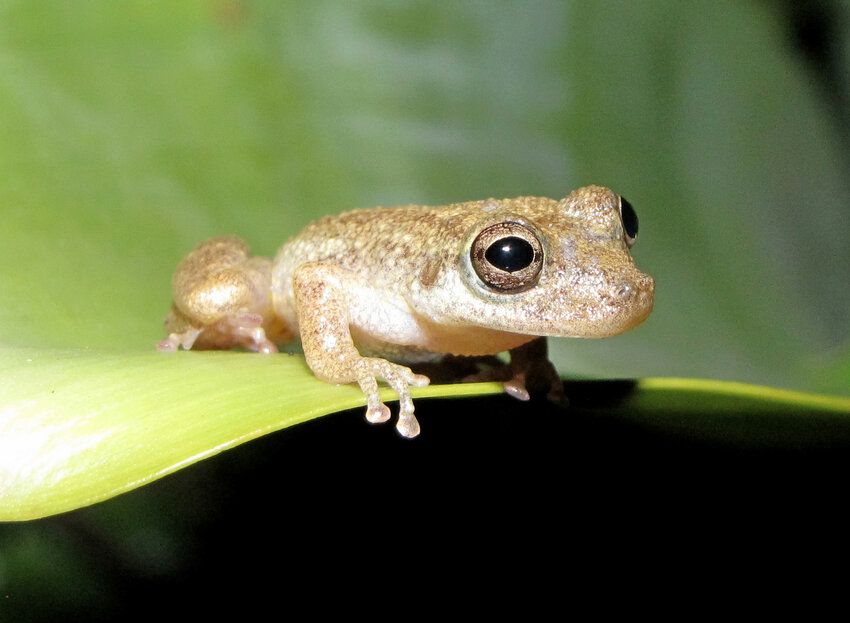
Despite the sobering results of the #GAA2, there is growing evidence that conservation efforts are positively impacting amphibians. The extinction risk of at least 63 species has been reduced, mostly due to improved protection and management of their habitats.
📸:Cybele Lisboa.
29
92
4,569
6 Oct 2023
A huge thanks to the authors of this incredibly important paper on the status of and threats to global amphibian biodiversity for all of their hard work in pulling it together. This information is essentially for guiding amphibian conservation actions.
4 Oct 2023

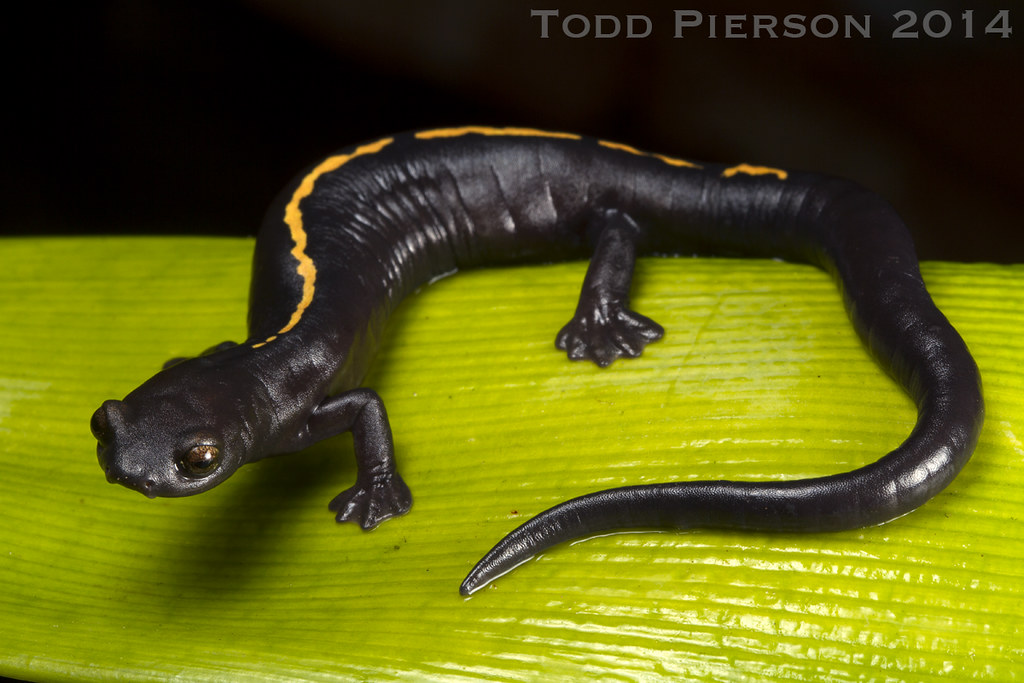
Let's do a row call 😁
Add/Quote the name(s) of any of the 100 scientists on our paper here 👉🏾 go.nature.com/48FXW7R
Esp. (Agregue el nombre de cualquiera de los más de 100 coautores de nuestro artículo sobre la disminución global de anfibios).
We'll start @simonstuartSE
3
7
564
@amphibiagen.bsky.social retweeted
4 Oct 2023
Let's do a row call 😁
Add/Quote the name(s) of any of the 100 scientists on our paper here 👉🏾 go.nature.com/48FXW7R
Esp. (Agregue el nombre de cualquiera de los más de 100 coautores de nuestro artículo sobre la disminución global de anfibios).
We'll start @simonstuartSE
4
5
43
2,542
18 Aug 2023
In this week's inaugural launch of AmphibiaGen's "'Phib Friday," we feature an exciting new preprint showing evolutionary rescue in response to Bd, and the effectiveness of using Bd-resistant source populations for recovery of Mountain-yellow legged frogs: biorxiv.org/content/10.1101/…
1
81
18 Aug 2023
This study highlights an exciting example a potential conservation action that works for boosting amphibian populations that have been hammered by Bd. Science such as this that demonstrates successful conservation actions for amphibians are incredibly important.
27
@amphibiagen.bsky.social retweeted

14 Aug 2023
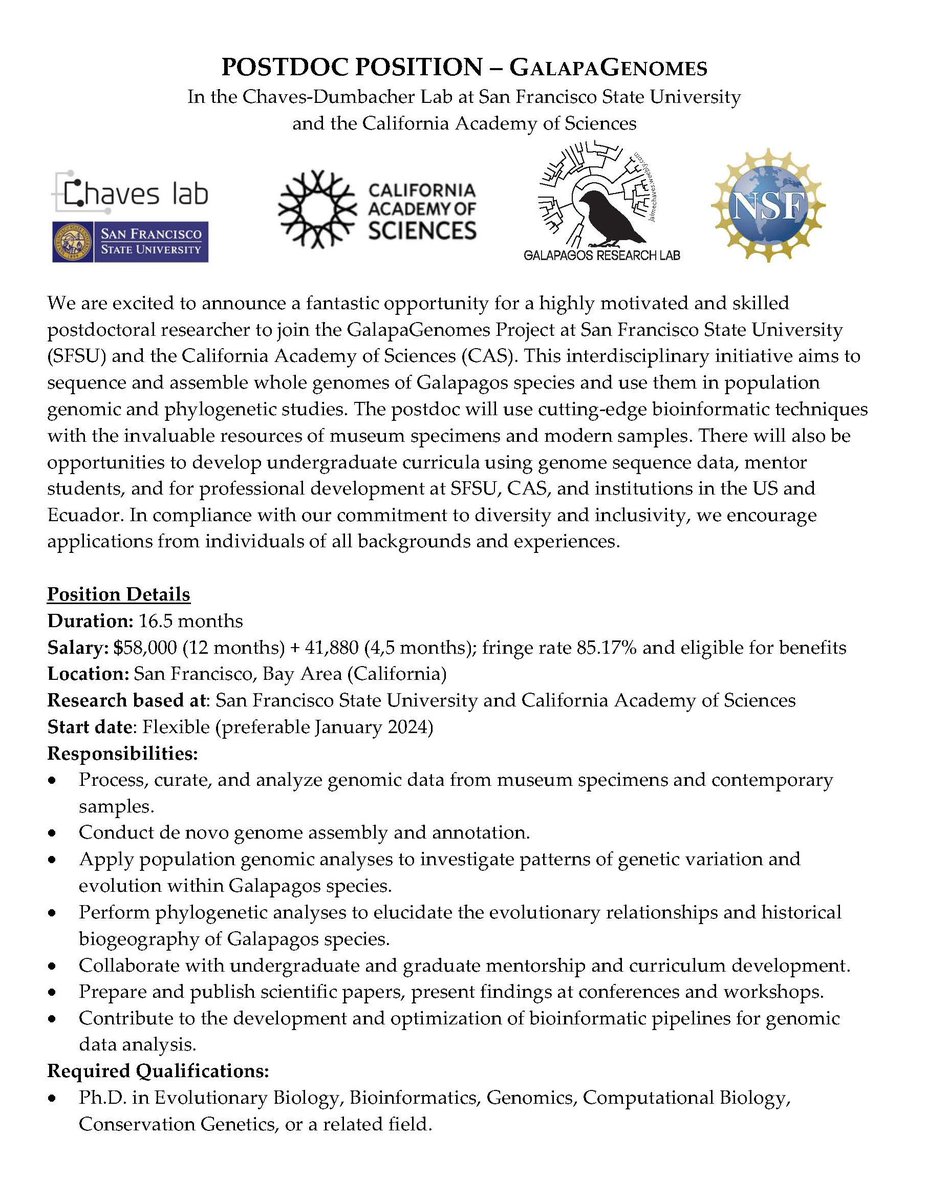
We are hiring #postdoc to join #GalapaGenomes to sequence/assemble whole genomes of Galapagos species from museum (aDNA) and modern samples. Bay Area/SF work @SFStateBIO @calacademy
Please apply and share!
jachaves@sfsu.edu
@CASBirdman
Details jaimechaves.weebly.com/ and 👇

2
95
148
22,882
@amphibiagen.bsky.social retweeted

23 Jun 2023
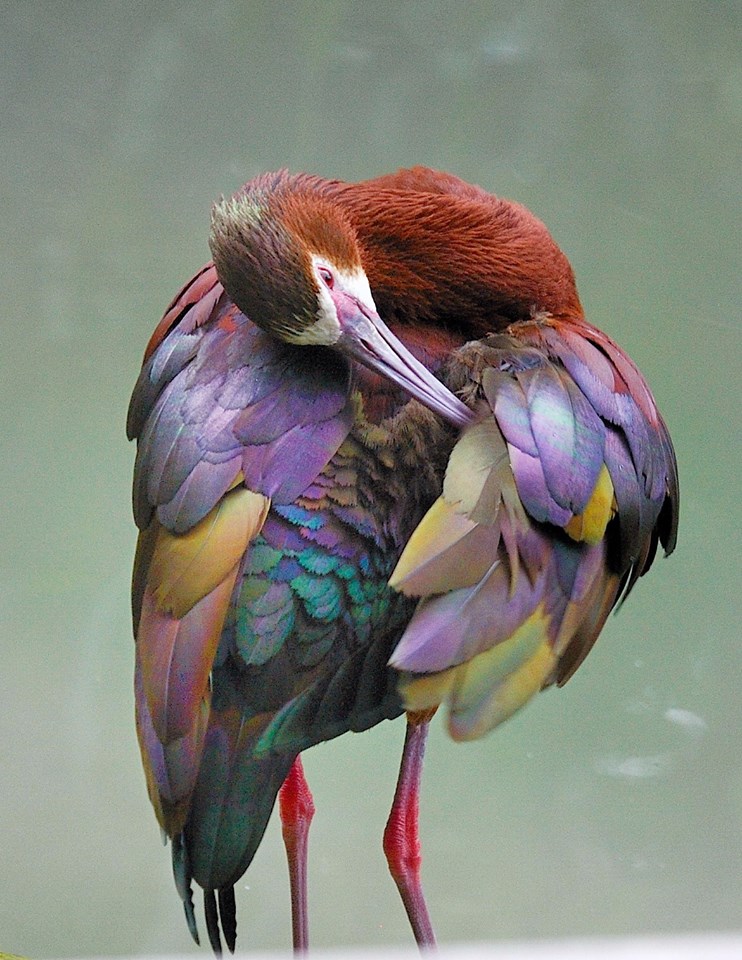
The spectacular white-faced ibis with its colorful purple, crimson, teal and gold feathers and ruby-red eyes is sure to brighten your day!
Photo at Bear River Migratory Bird Refuge in Utah courtesy of Leslie Scopes Anderson
32
283
1,641
130,673
16 Jun 2023
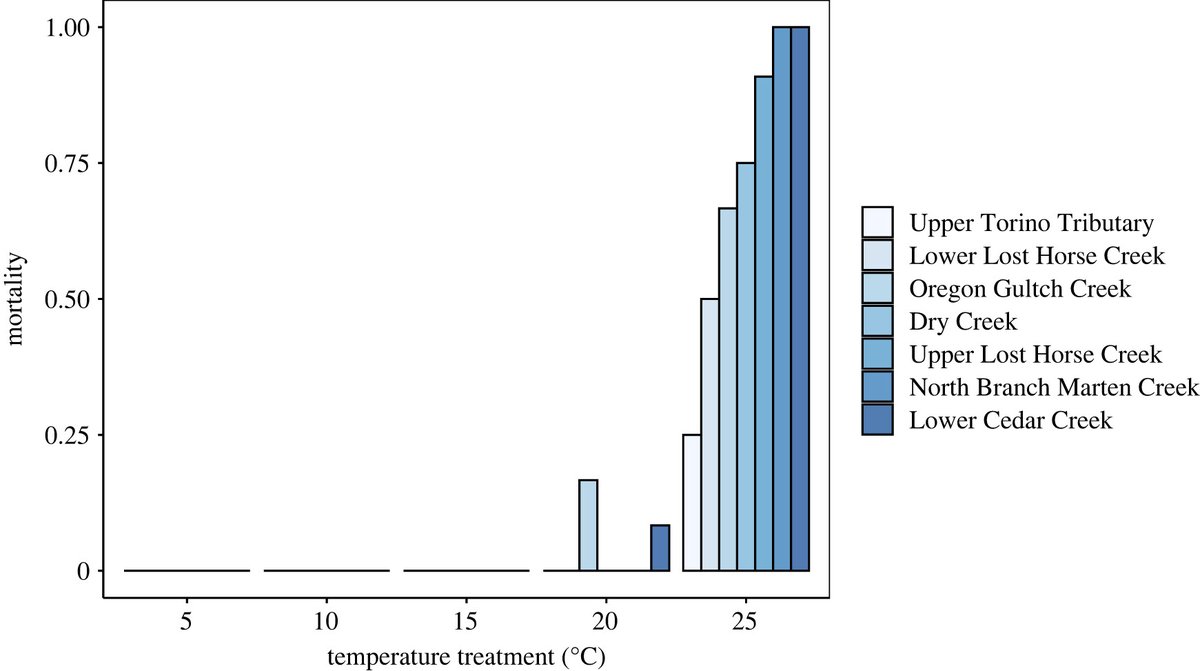
Critical thermal maximum (CTmax) has been criticized as being a poor metric of responses to ecologically realistic temperature increases in a warming world. As shown in this paper by @AmandaCicchino, @CGhalambor, and @fieldgenomics, a cold-water frog species tells us otherwise...
16 Jun 2023

New from @AmandaCicchino @fieldgenomics @CGhalambor in #BiologyLetters - Linking critical thermal maximum to mortality from thermal stress in a cold-water frog ow.ly/61pL50OOqRG #ecophysiology #frog #thermalstress #evolution
4
208
@amphibiagen.bsky.social retweeted

9 Jun 2023
New article alert! We investigated variation in body shape and calls in a gladiator treefrog 🐸, and why calls 🎵 vary within the species. It turns out they vary due to sexual selection, and not due to adaptation to the environment or genetic drift!🧬
1
5
28
1,967
9 Jun 2023
Interested in organismal responses to climate change? If so, you should check out this paper by Dr. @AmandaCicchino. Turns out, understanding intraspecific variation in thermal limits is KEY for predicting spatial vulnerability to climate change. @SICB_ @CSU_Ecology
5 Jun 2023

Interested in how thermal landscapes -> organismal thermal limits -> vulnerability to climate change?
Check out our paper in Freshwater Biology - we investigated these relationships between and *within* 2 cold-water frog species! 🐸
onlinelibrary.wiley.com/doi/…
1/n
1
1
2
296
9 Jun 2023
And...stay tuned, as this is just the first in a series of recently accepted papers by Dr. @AmandaCicchino that dive deep into thermal limits and climate change vulnerability in the world's coolest frog, Ascaphus!!!
78
8 Jun 2023
We are extremely excited to unveil AmphibiaGen after many, many months (years?) of work on it! (1/6)
1
26
99
8,780
8 Jun 2023
Our goal is to help conservation practitioners decide how best to use limited resources to maximize conservation benefits for amphibians and the ecosystems of which they are an integral part. (5/6)
1
1
359
8 Jun 2023
We are excited to continue building and expanding our partnerships to guide amphibian conservation with genomic research. Learn more at our new website: amphibiagen.org! (6/6)
5
340