
Learning DeFi in public | Open to new ideas and people
Joined March 2025
- Tweets 18,179
- Following 1,172
- Followers 1,530
- Likes 26,605
687 Photos and videos




Amsterdam retweeted
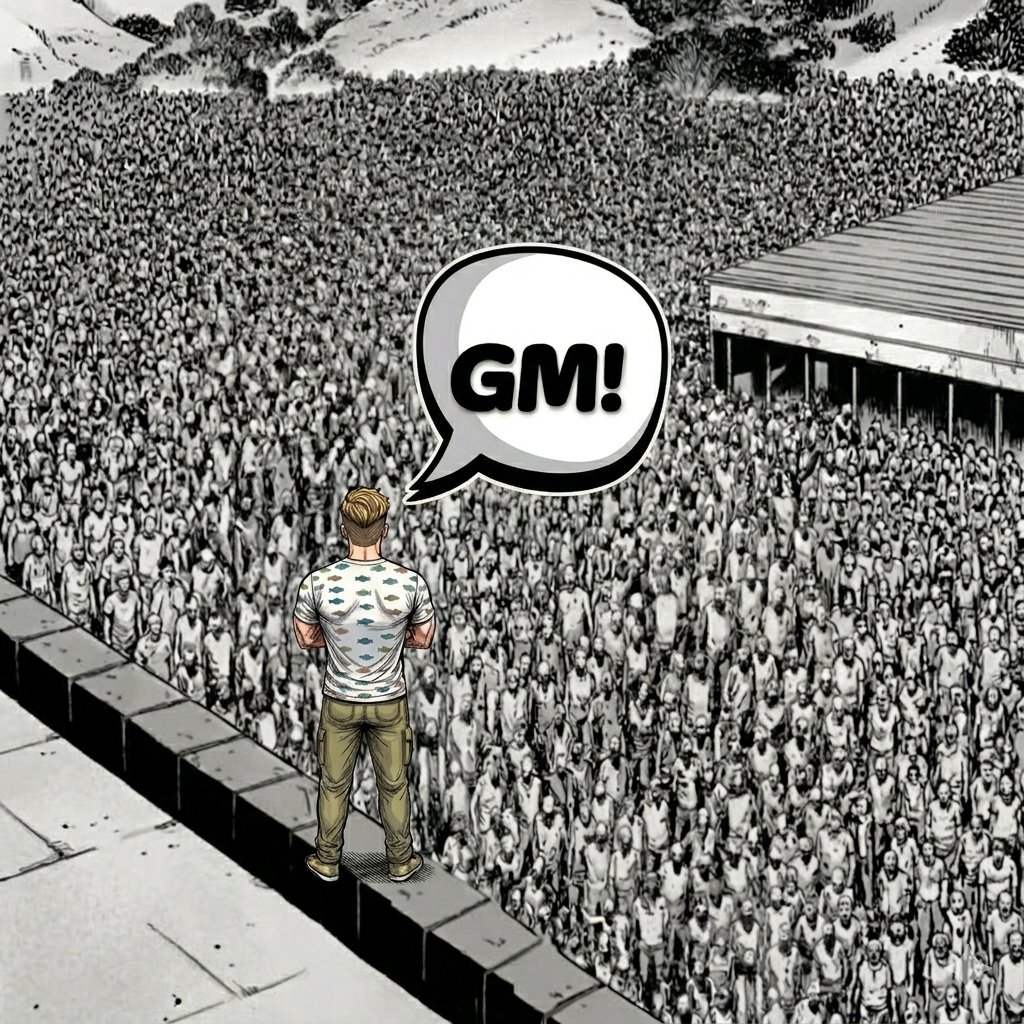
Good morning!
Did anyone show up this Sunday, or is everyone taking the day off? 🤔
14
1
15
159

13h
Saturday recap:
• I managed to fix my chainsaw myself. Bought some new parts, replaced them, and vroom the Chinese chainsaw came back to life
• I also set a personal record today. For me, this is absolute madness: 201 replies in a single day🤪
How about you?
8
11
156
17h
Twitter should know its artists 🎨

The weekend in Web3 and in the world belongs all to you.
Lets Web3 slay and win.
☕️☕️🏆

8
1
15
394
20h
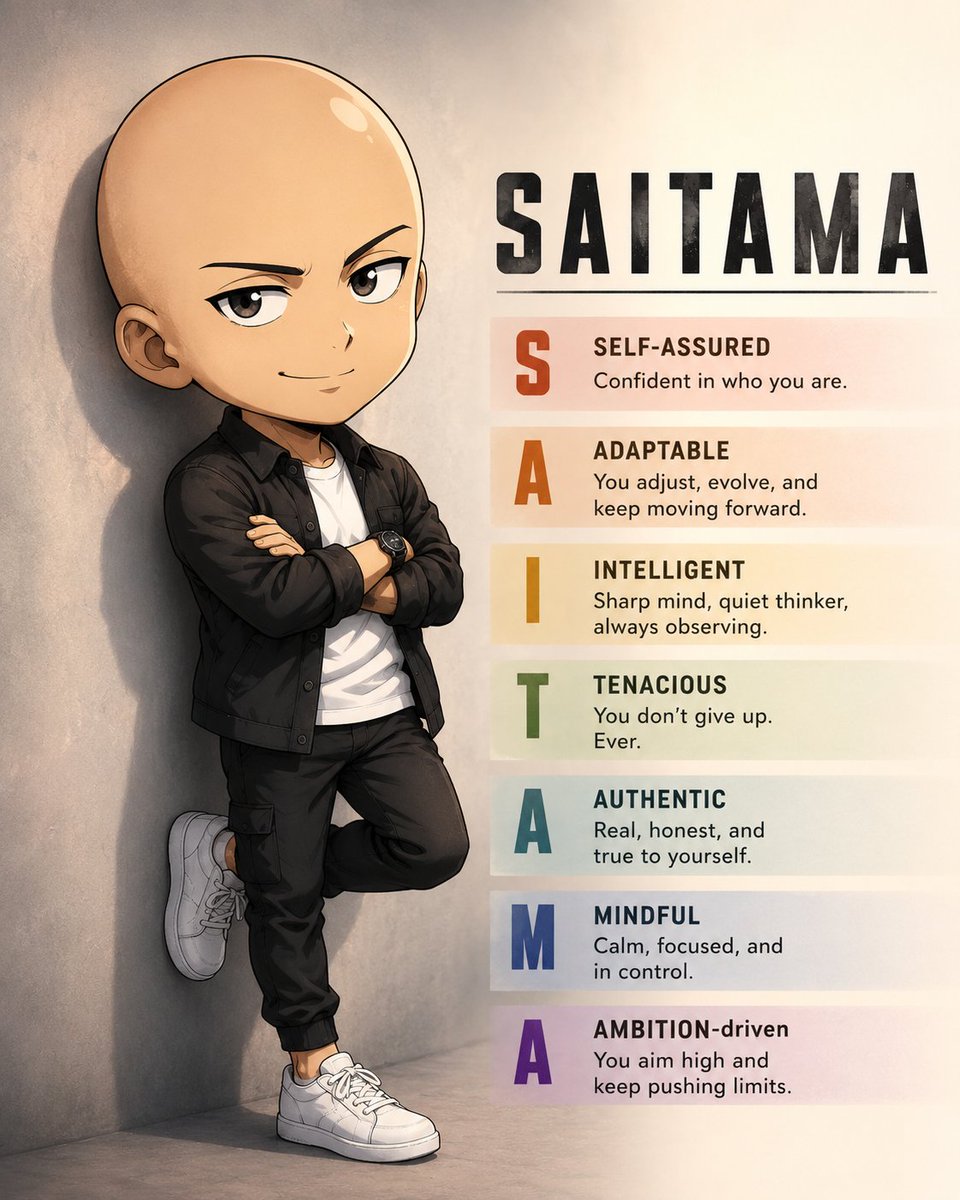
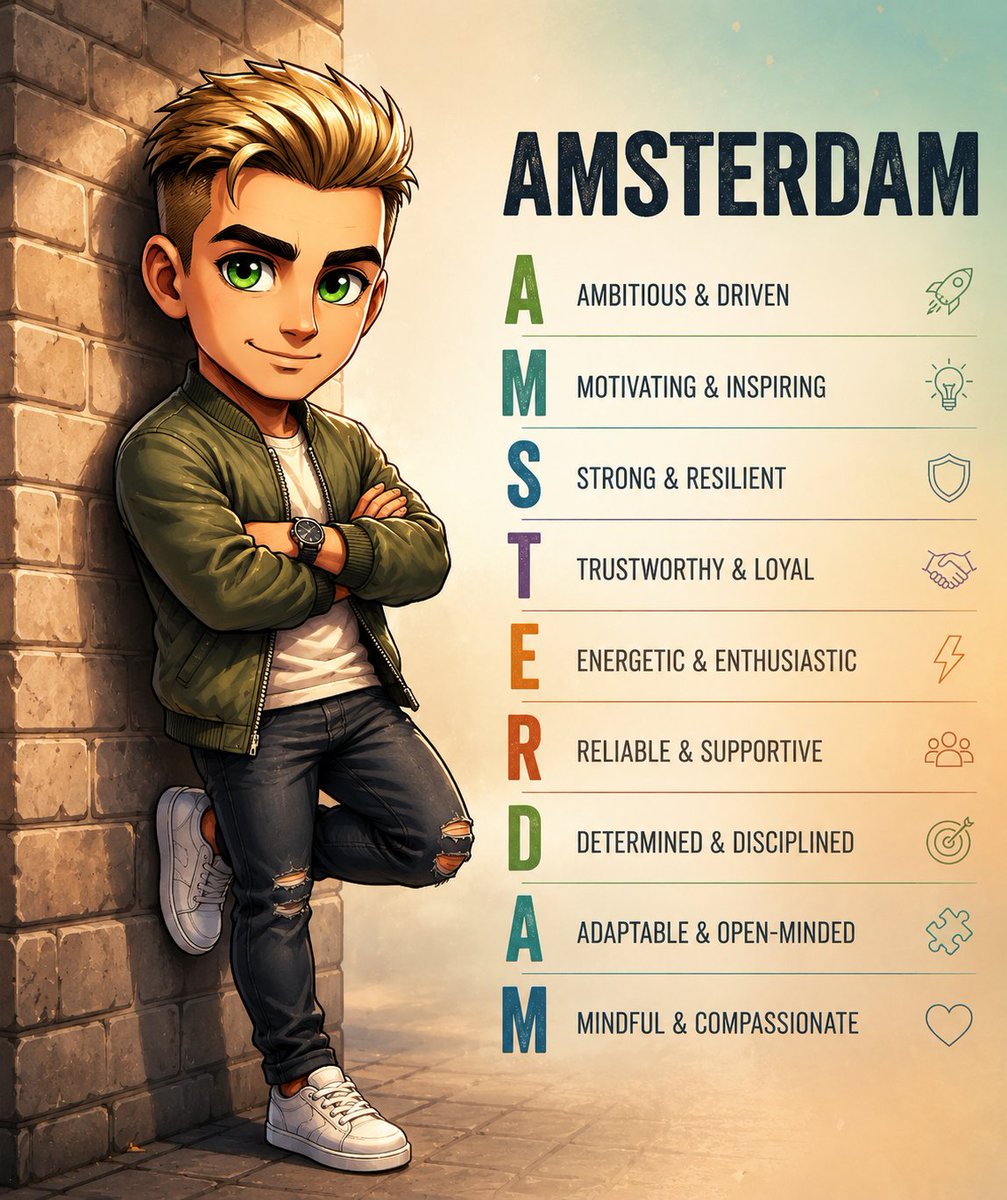
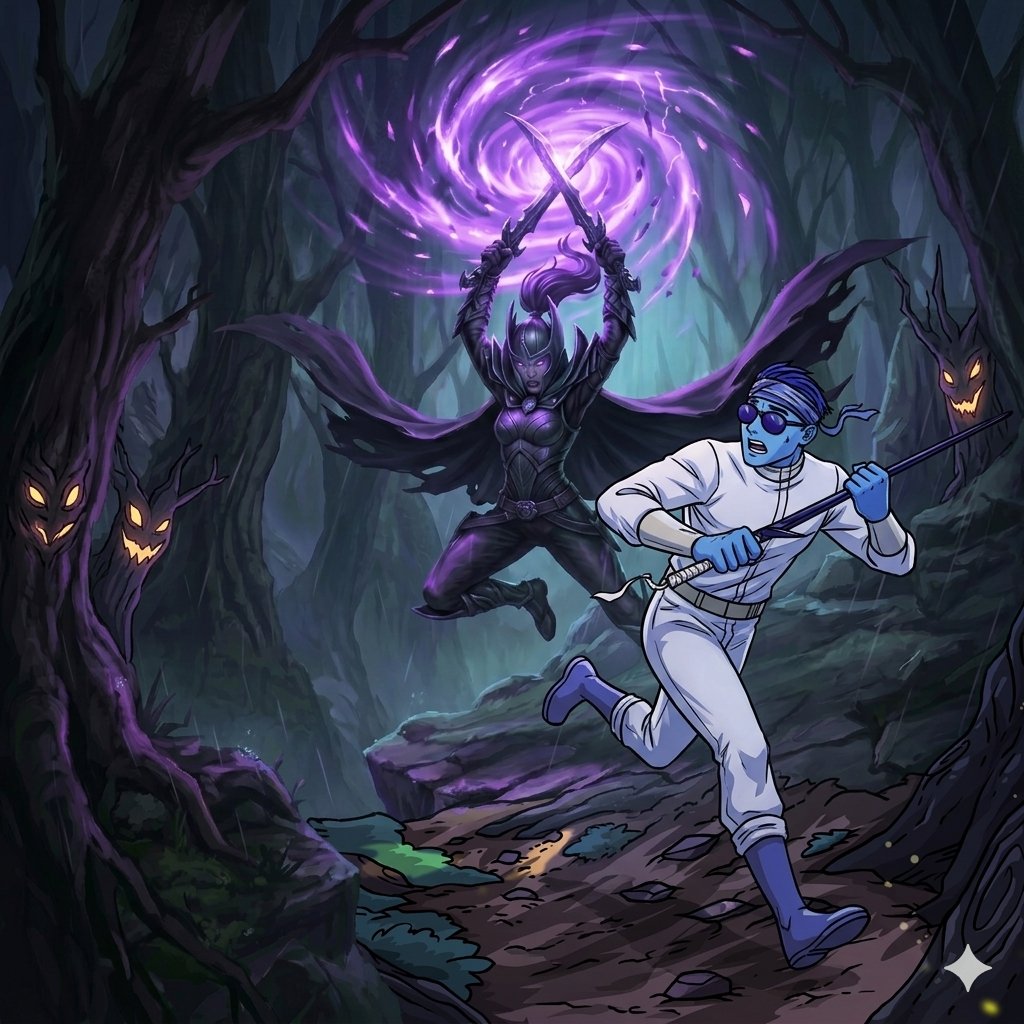
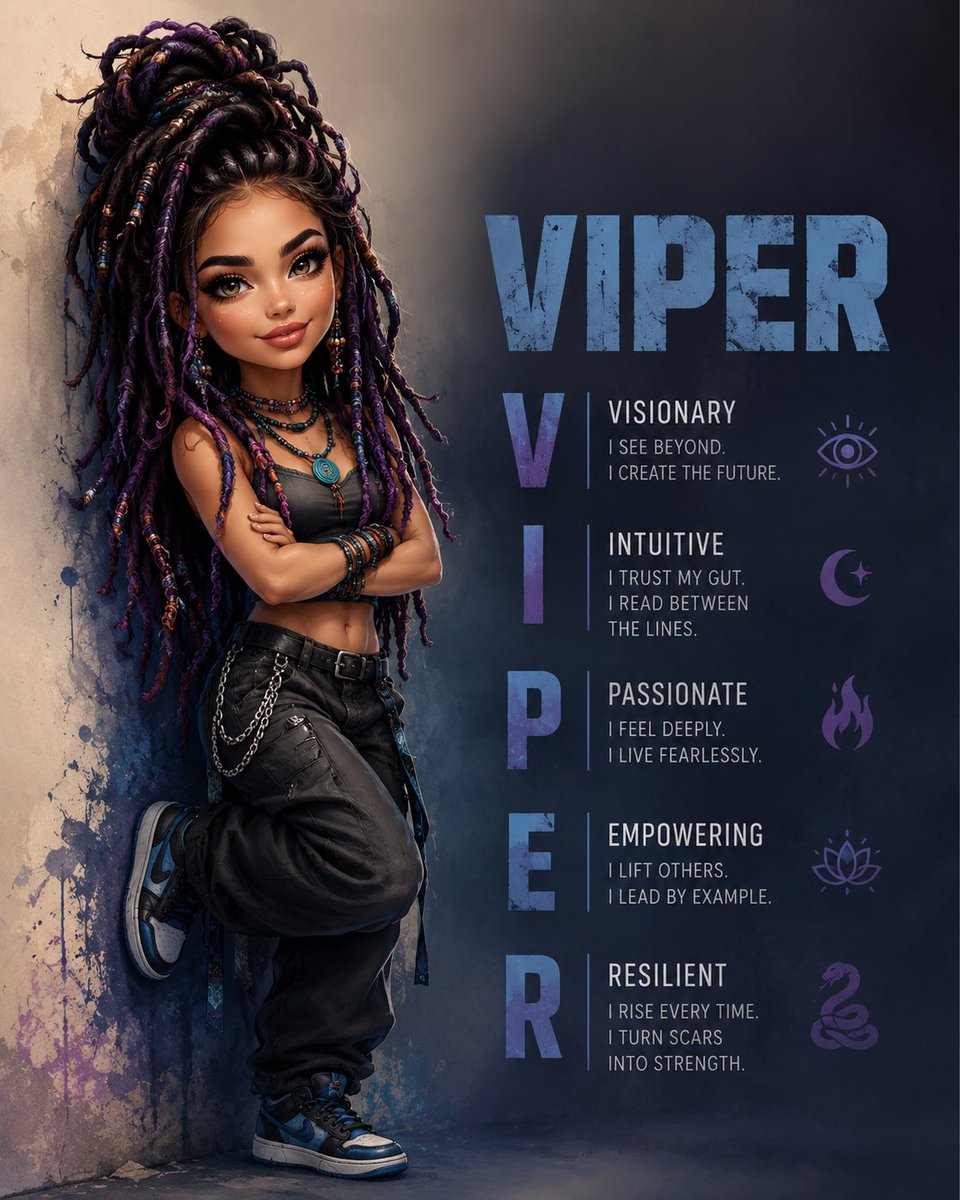
Just a little Saturday fun, give it a try too if you're bored🤪
Jun 12

Cute prompt share:
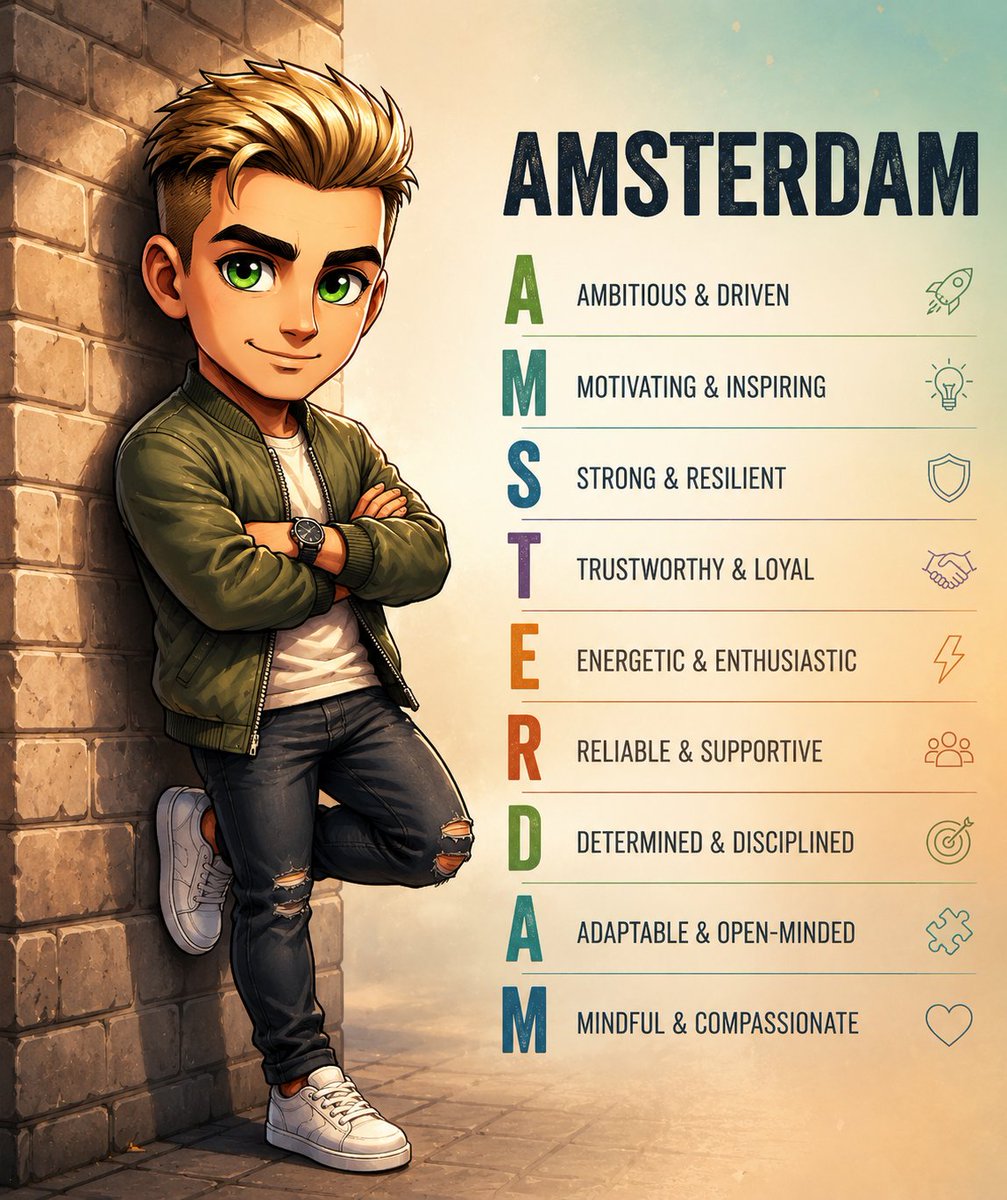
Create an illustration of me from my uploaded photo in a slightly cartoonish, realistic "mini-me" version: head slightly larger than normal (chibi style), large, expressive, bright eyes, mischievous smile. Stylish, casual outfit. I'm leaning against a wall, arms folded, one leg propped up against the wall behind me. On the right, my first name "VIPER” in block capitals, and under each letter, a personality line corresponding to that letter—just as you know me—on a soft, colored background.
8
17
246
Amsterdam retweeted
Jun 13
Good day, everyone!
Whenever I visit the countryside, we always go to the banya. In fact, Saturday is traditionally known here as “banya day”
Right now, I’m going to warm up a bit, carry a couple dozen liters of water, and then it’ll be time to fire up the banya. 🙂
For those hearing the word "banya" for the first time, a traditional Russian banya is a separate wooden building, usually constructed from solid logs such as pine, spruce, linden, or aspen.
Inside stands its heart a stove filled with heated stones, known as a "kamenka". Water, often infused with herbs, is poured onto the stones to create what we call “light steam.”
Once the banya is properly heated, the natural wood seems to breathe, filling the air with an incredible forest aroma.
Going to the banya is much more than simply washing yourself, it’s an ancient ritual for restoring both body and soul. 🌞
Unlike a dry sauna, a banya is all about balance: gentle heat of around 60–70°C combined with high humidity.
One of its signature traditions is a massage with a "venik" a bundle of birch or oak branches. It stimulates circulation and releases beneficial essential oils. So if you ever find yourself in a banya and someone offers to give you a "venik" treatment, don’t hesitate to say yes 😄
30
2
38
411
Jun 12
Today, June 12, 2026, the global financial system is undergoing a tectonic shift. At exactly 13:30 UTC, trading of SpaceX shares under the ticker $SPCX begins on the Nasdaq. This is the largest IPO in human history: the company is raising $75 billion, with an initial valuation set at $1.77 trillion.
The excitement is enormous. The order book was nearly four times oversubscribed, exceeding $250 billion. Investors lined up to participate, largely overlooking the company’s $4.94 billion net loss last year, as the market is pricing in a massive “Elon Musk premium” and betting on the synergy between space technology and artificial intelligence.
According to the prospectus, Elon Musk will retain control of 84.4% of SpaceX’s voting shares. At the IPO price of $135 per share, his stake is valued at approximately $866.5 billion. Adding his stake in Tesla (around $286 billion) and his holdings in other ventures brings his total paper wealth to roughly $1.15 trillion.
Musk officially becomes the first trillionaire in history. At its peak, his fortune is now equivalent to roughly a quarter of India’s GDP or the combined wealth of the poorest 46% of the world’s population. Financial analysts continue to debate whether this launch is overvalued, but one fact remains: the 13-digit milestone is about to be crossed live on air. Let’s watch the opening bell. 👀
7
11
158
Amsterdam retweeted
Jun 12
Good morning, It's Friiiidayyyyyyy! 🔥
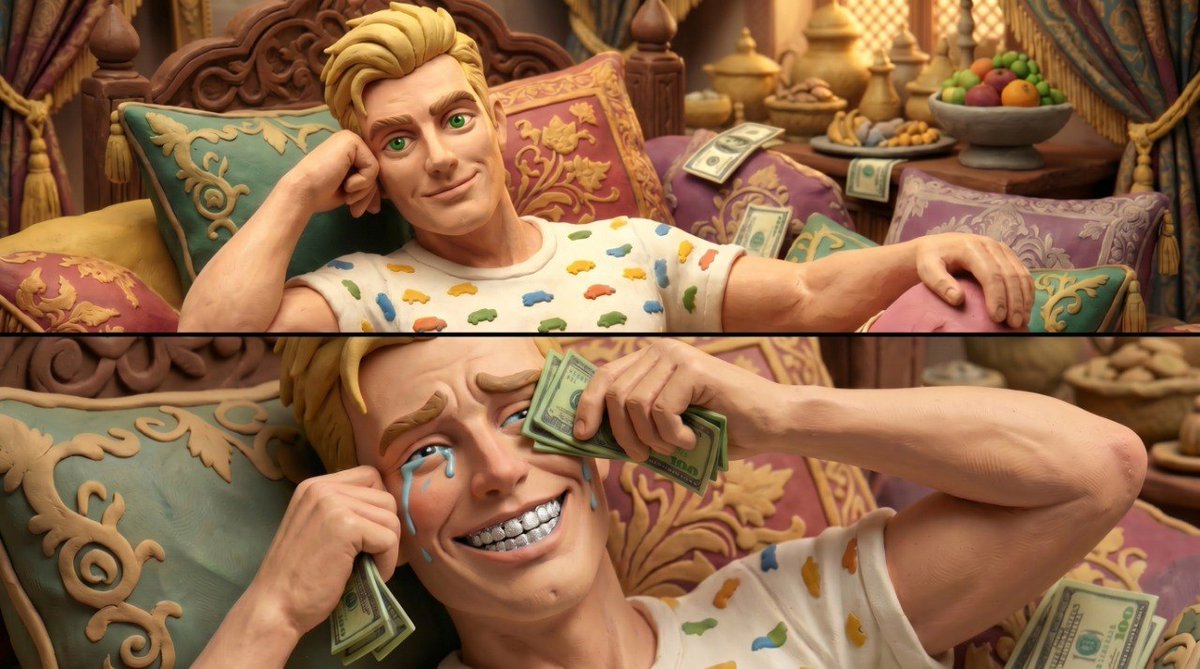
Them: Money can't buy happiness...
Me: I completely agree. I just use it to wipe away my tears
33
1
40
672
Jun 11
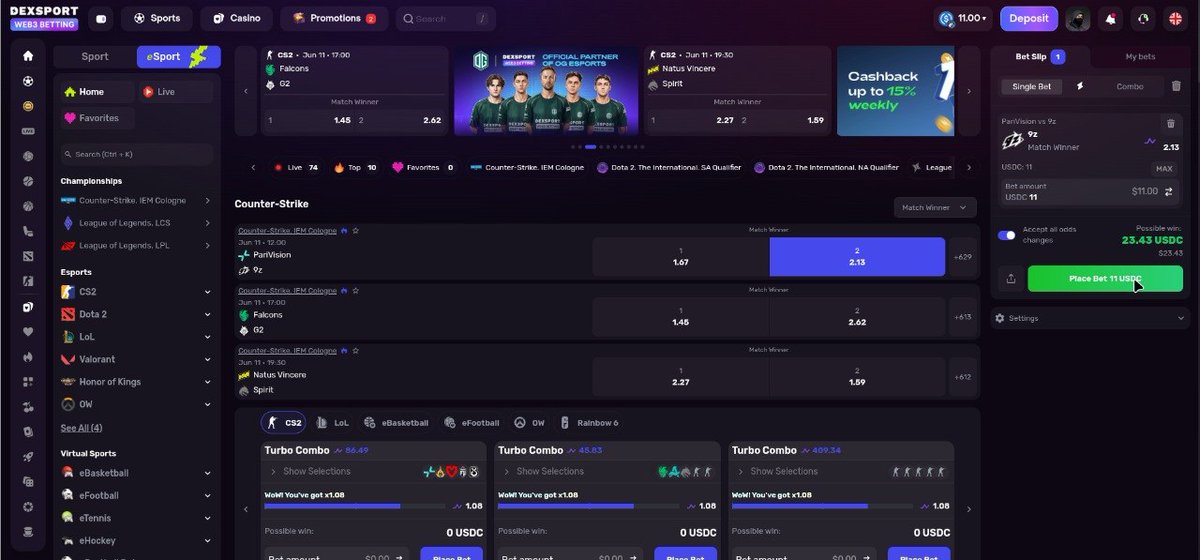
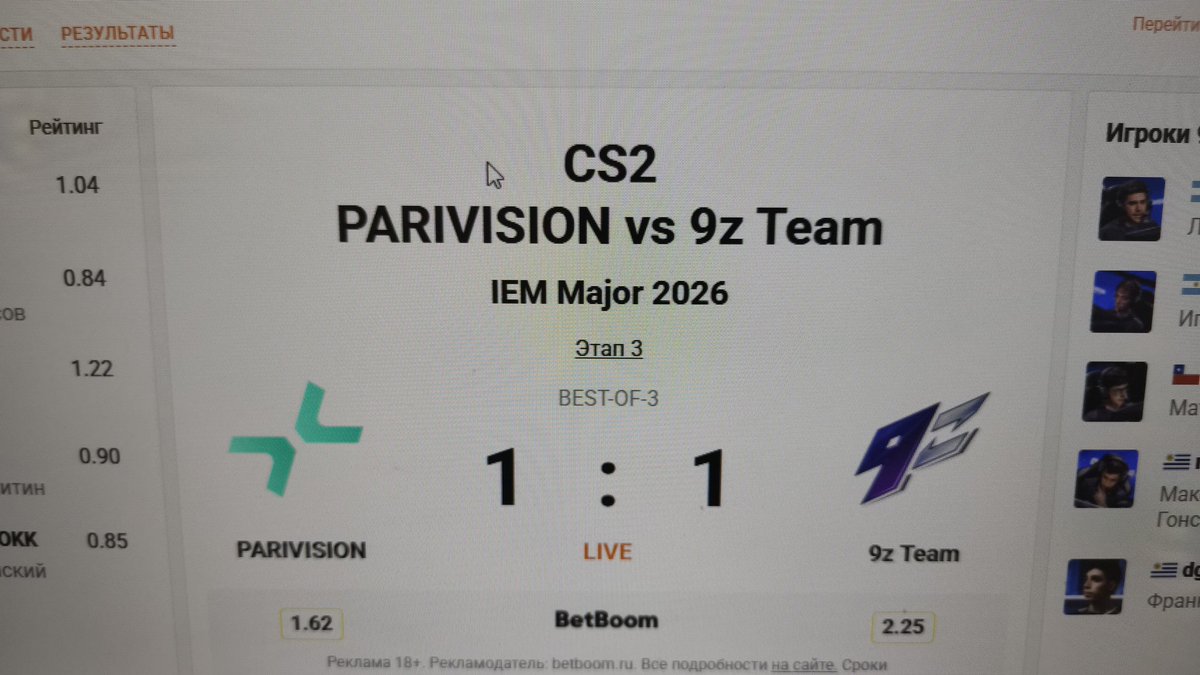
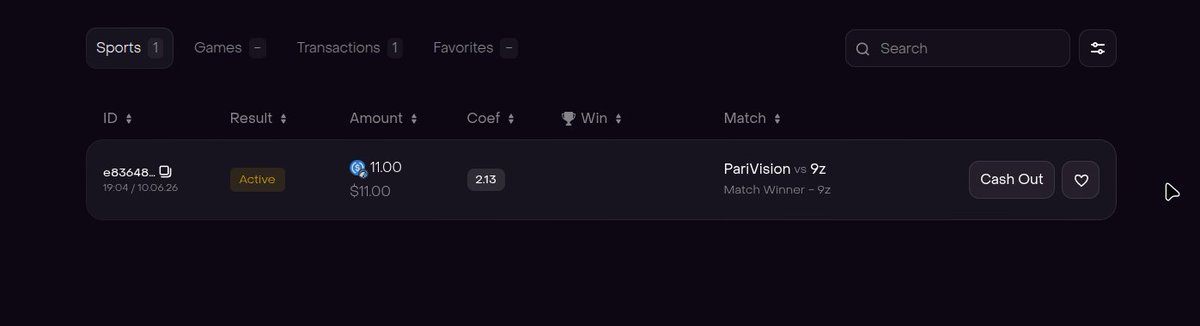
I just caught luck by the tail! On a $10 stake, I made a $13 profit 💗
Big thanks to Team 9z in Counter-Strike! 🎉
It's not a hidden ad, I just wanted to give it a try. They were also offering a skin giveaway (including knives) for CS😄
17
1
27
264
Amsterdam retweeted
Jun 11
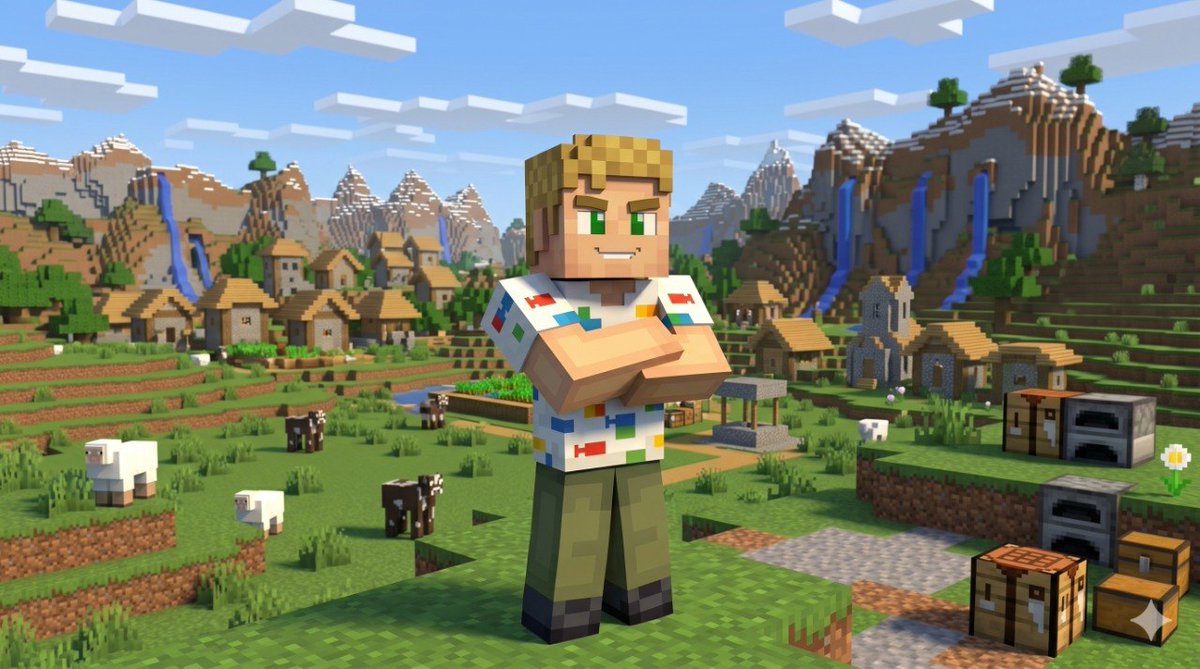
Good morning, time to build!
Today I'm in the Minecraft universe. Have you ever played it?
I haven't. Did I miss out on much?
Back in 2009, Swedish developer Markus Persson single-handedly created the early alpha version of Minecraft. He didn't spend a single cent on marketing or advertising. Instead, he simply released the project on a forum and openly stated that the price of the game would increase with each update, while only early adopters would get access
That combination of scarcity and limited access triggered a snowball effect that eventually led to the project being acquired by Microsoft for $2.5 billion 👀
31
2
34
427

$20,000 SKINS GIVEAWAY ALERT
We’re kicking things off with a massive giveaway together with OG.Dexsport
Up for grabs:
🐉 AWP | Dragon Lore
🔪 9 Doppler Knives: Butterfly, Karambit, Bayonet, Talon, Ruby, Sapphire & more
Want in?
• Like & RT
• Follow @Dexsport and @OGesportsCS
• Drop your Dexsport username in the comments
• Must place $10 in total bets in June to qualify
Winners will be announced on June 21

65
81
185
55,727
Jun 10
Cross-chain bridges are among the most vulnerable components in the DeFi ecosystem. They hold billions of dollars in their smart contracts, making them prime targets for some of the largest hacks in Web3 history. A bridge exploit is especially dangerous because it can render all the wrapped tokens issued by that bridge worthless, leaving users holding nothing more than empty promises.
Let's go back to our train station storage locker analogy. What happens if thieves blow open the vault and steal all the gold inside? The plastic token you're carrying instantly becomes a useless piece of plastic. The café owner won't accept it anymore because the gold backing it no longer exists.
Hackers rarely attack blockchains themselves. Instead, they look for vulnerabilities in bridge code. One of the biggest fears in DeFi is a bridge's TVL (Total Value Locked) collapsing due to an exploit. If a hacker finds a vulnerability and drains the original collateral locked on Ethereum, the wrapped tokens on the destination chain lose their backing, and their value can rapidly fall to zero.
Did you know that some of the largest hacks in cryptocurrency history, such as the Ronin Bridge exploit, which resulted in losses of over $600 million were caused by vulnerabilities in bridges rather than flaws in the underlying blockchains themselves?
Jun 9

Lock-and-Mint Mechanics:
How Coins “Clone” Themselves?
Most modern bridges use the classic Lock-and-Mint model, a mathematical mechanism that allows wrapped versions of assets to be created on other blockchains without losing the value of the original asset. Understanding this mechanism is critical: when you hold an asset on a different network, you are not holding the original asset itself, but rather a claim backed by it.
Imagine you arrive at a train station and deposit a real gold bar into a secure storage locker. In return, you receive a plastic token that proves the gold belongs to you. You then take that token to a café on the platform and use it as proof of ownership while enjoying your tea. The token only has value because the actual gold remains safely stored in the locker.
This is essentially how wrapped tokens work. For example, when you transfer Bitcoin to the Ethereum network, the bridge locks your real BTC on the Bitcoin blockchain and issues WBTC, an ERC-20 token, on Ethereum. The value of WBTC is pegged 1:1 to the original Bitcoin. If you later decide to move back, the bridge burns your WBTC token and releases the original Bitcoin that was locked on the Bitcoin network.
5
12
79
Amsterdam retweeted
Jun 10
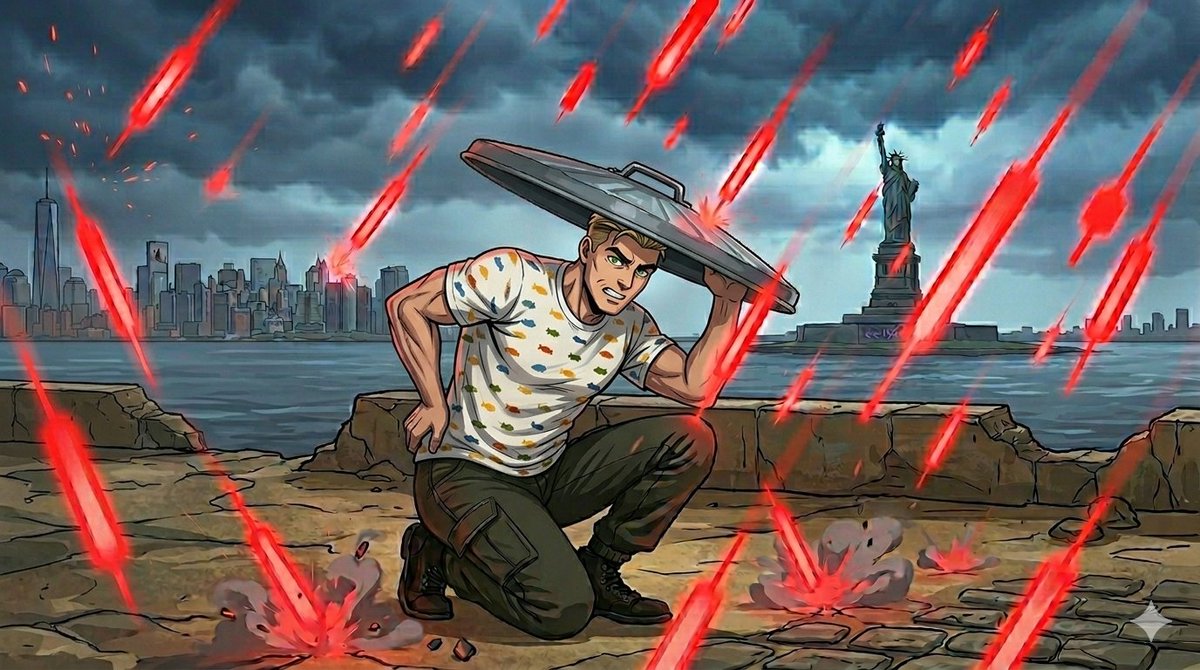
Good morning, time to build!
Not today, not tomorrow, not ever will these red candles break our spirit
P.S. Though I can't make any promises 😄
40
1
46
461
Jun 9
Wishing you a restful sleep and a peaceful night. Sharing some of the beauty of our local nature with you in your feed 🌿💚
3
10
84
Jun 9
Lock-and-Mint Mechanics:
How Coins “Clone” Themselves?
Most modern bridges use the classic Lock-and-Mint model, a mathematical mechanism that allows wrapped versions of assets to be created on other blockchains without losing the value of the original asset. Understanding this mechanism is critical: when you hold an asset on a different network, you are not holding the original asset itself, but rather a claim backed by it.
Imagine you arrive at a train station and deposit a real gold bar into a secure storage locker. In return, you receive a plastic token that proves the gold belongs to you. You then take that token to a café on the platform and use it as proof of ownership while enjoying your tea. The token only has value because the actual gold remains safely stored in the locker.
This is essentially how wrapped tokens work. For example, when you transfer Bitcoin to the Ethereum network, the bridge locks your real BTC on the Bitcoin blockchain and issues WBTC, an ERC-20 token, on Ethereum. The value of WBTC is pegged 1:1 to the original Bitcoin. If you later decide to move back, the bridge burns your WBTC token and releases the original Bitcoin that was locked on the Bitcoin network.
4
12
263
Amsterdam retweeted
Jun 9
Good morning! full speed ahead this week 💗
I just decided to fool around a bit. If you're feeling like a zombie today, pay it forward

43
1
48
593