Microbial ecologist at Woods Hole Oceanographic Institution, Team Leader of Reef Solutions Initiative (reefsolutions.whoi.edu), SCUBA diver & ocean explorer
Joined June 2015
- Tweets 812
- Following 606
- Followers 1,527
- Likes 2,644
68 Photos and videos

Pinned Tweet

7 Mar 2019
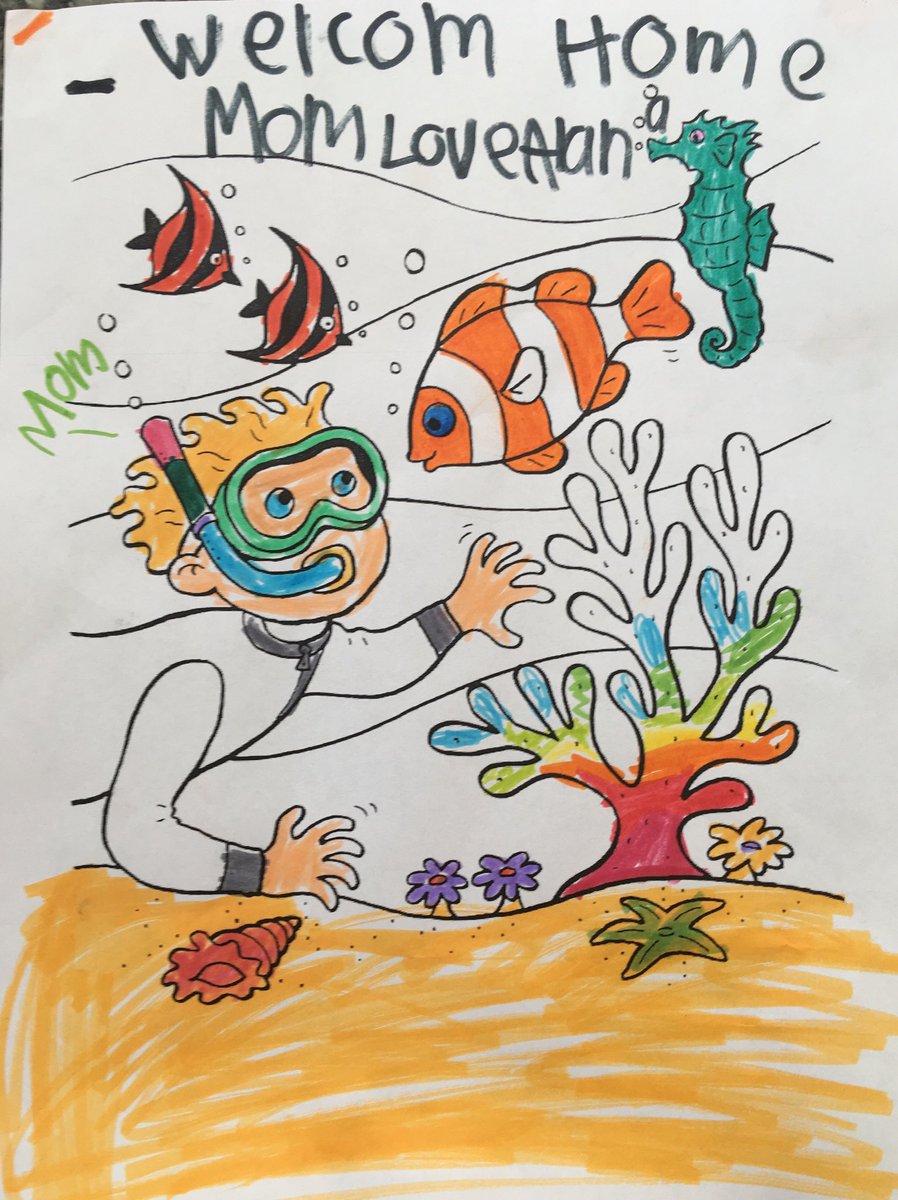
Me: Did you forget to color the rest of the coral?
Daughter (6yrs): No. Half the coral is bleached from the hot ocean🌡
Me(in my head): Wow. And that came from a 30 min classroom conversation.
How can I broaden this message and concept? 🤔 @WHOI
8
60
267
12 Nov 2025
🐳🌊🩺🧬 Whale health diagnostics using drone-collected respiratory microbes with a fantastic team and supported by @NOAA @SERDP_ESTCP @WHOI and many others whoi.edu/press-room/news-rel…
69
Amy Apprill retweeted

📣 New C-CoMP Pub. Alert!
Interested in marine microbial metabolites? Check out this new pub., led by @BryndanDurham and Winn Johnson, that emerged from C-CoMP's Labile DOM workshop: An ecological framework for microbial metabolites in the ocean ecosystem. aslopubs.onlinelibrary.wiley…
3
8
426
23 May 2025
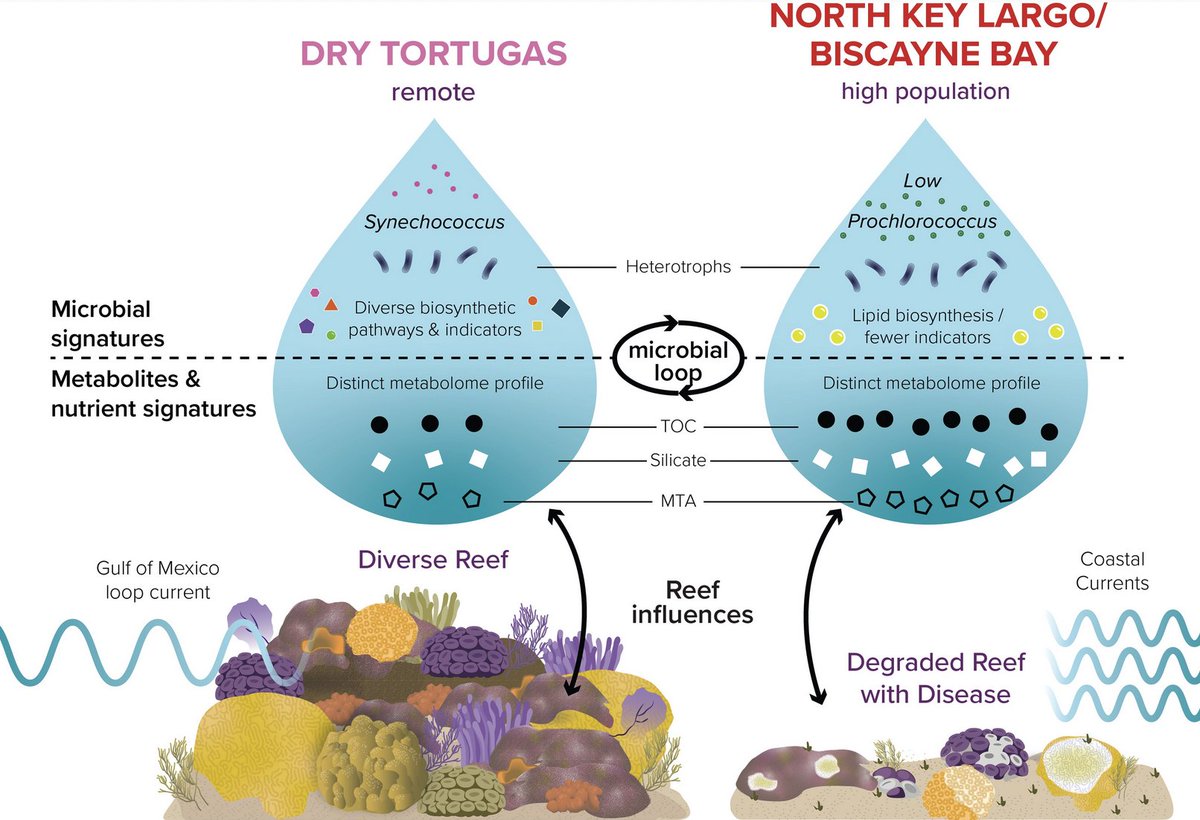
🦠🪸🐠🌊Microbes matter for reef and ocean health and can be powerful diagnostic tools.
Hoping this helps translate knowledge to coral reef conservation and restoration teams interested in enhancing monitoring efforts.
#ReefSolutions @WHOI @MicrobiaLoop
whoi.edu/press-room/news-rel…
1
2
9
361
23 May 2025
1
2
155
Amy Apprill retweeted

16 Mar 2025
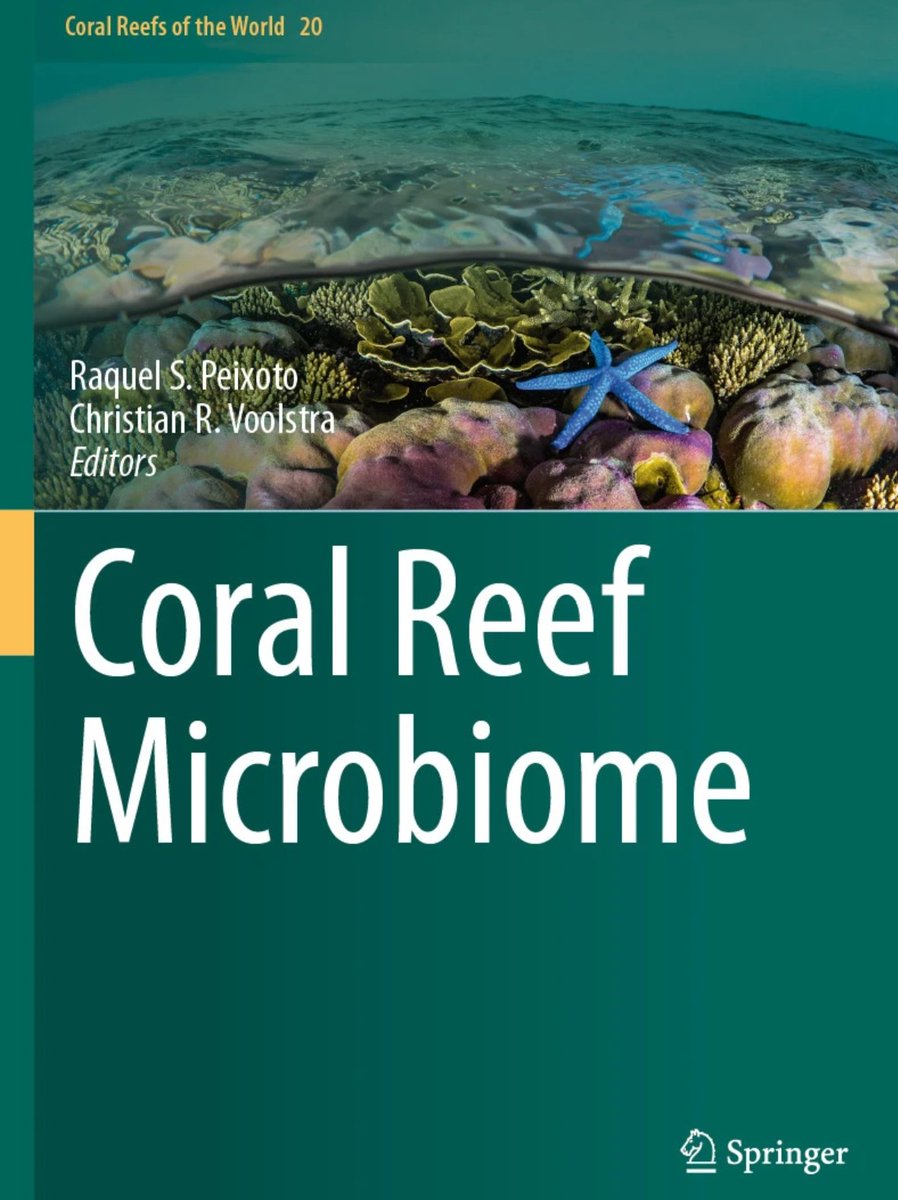
Check out the just-released Springer Book "Coral Reef Microbiome" with editors @chrisvoolstra and @peixotors and with the participation of several @mmslab members.
Read more at:
link.springer.com/book/10.10…
1
36
92
3,820
Amy Apprill retweeted

12 Mar 2025
CORAL REEF NEWS: ‘Fishial’ Recognition: Neural Network Identifies Coral Reef Sounds
publishing.aip.org/publicati…
Coral reefs are some of the world’s most diverse ecosystems. Despite making up less than 1% of the world’s oceans, one quarter of all marine species spend some portion of their life on a reef. With so much life in one spot, researchers can struggle to gain a clear understanding of which species are present and in what numbers.
In JASA, published on behalf of the Acoustical Society of America by AIP Publishing, researchers from Woods Hole Oceanographic Institution combined acoustic monitoring with a neural network to identify fish activity on coral reefs by sound.
For years, researchers have used passive acoustic monitoring to track coral reef activity. Typically, an acoustic recorder would be deployed underwater, where it would spend months recording audio from a reef. Existing signal processing tools can be used to analyze large batches of acoustic data at a time, but they cannot be used to find specific sounds — to do that, scientists usually need to go through all that data by hand.
#coralreefs #soundscapes #coralreefresearch #neuralnetworks #coralfish #conservation #coralsurverys #coralreefecology #marinebiology
4
7
317
Amy Apprill retweeted

8 Feb 2025
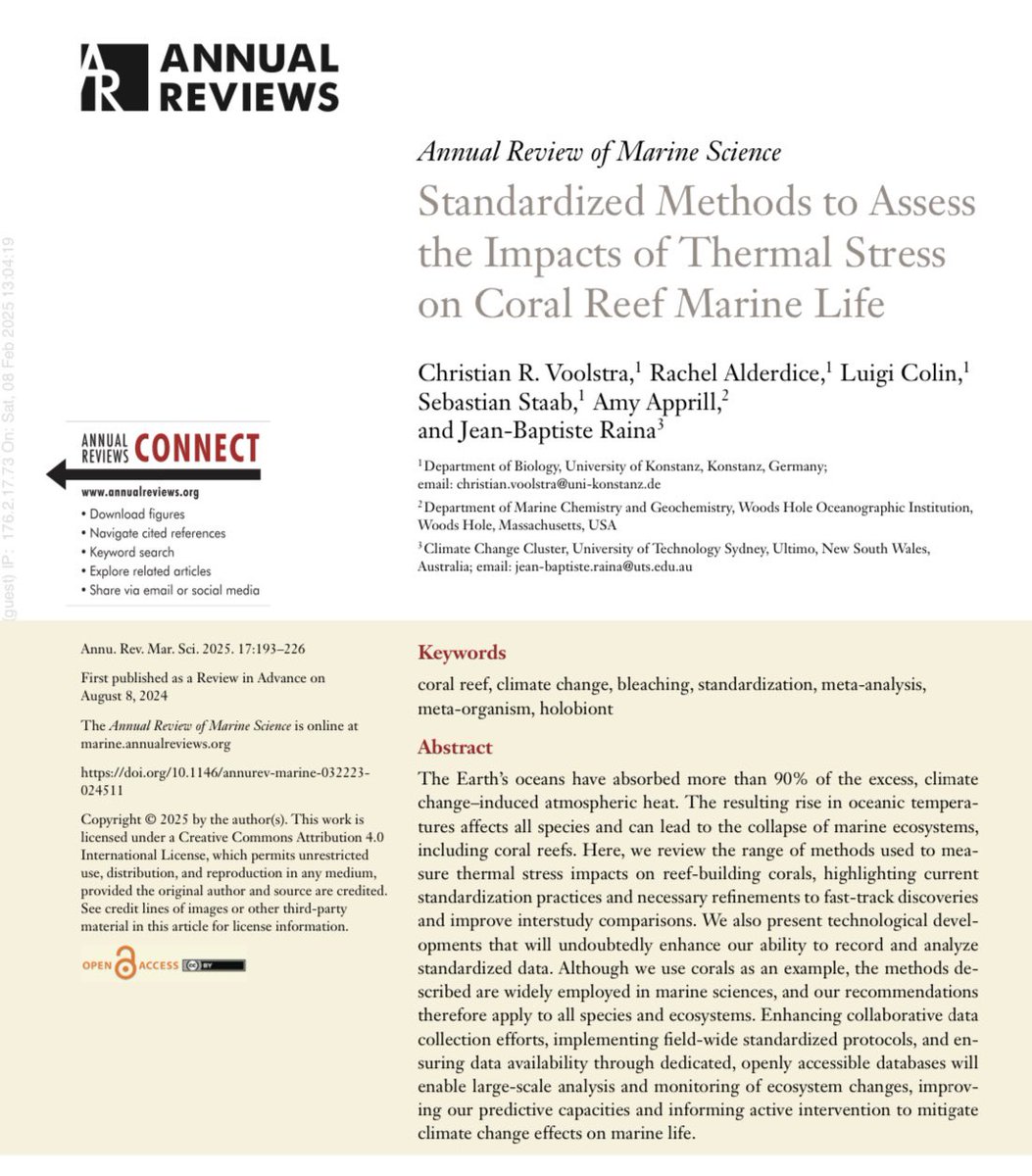
Interested in current & upcoming #standardization practices to accelerate discoveries of #heatstress impacts on #marine life?
Review paper @AnnualReviews
—> shorturl.at/kVuh9
@reefgenomics @AmyApprill @UniKonstanz
10
26
1,100
31 Dec 2024
We’re looking for a microbiologist or bioprocess scientist/engineer to join my lab at the Woods Hole Oceanographic Institution in Cape Cod, MA for an exciting project focused on microbial digestive processes in ocean animals. 🌊 🦠 🐋
whoi.wd5.myworkdayjobs.com/e…
1
4
12
917
31 Dec 2024
Congrats @alicia_reigel on this novel work showing how sponges matter to reefs. Thanks to @NSF for funding! 🪸🐠🌊
29 Dec 2024

Check out our newly published work showing that compounds in sponge exhalent water influence the composition, growth, and nutrient cycling of coral reef picoplankton.
rdcu.be/d49mx

7
253
Amy Apprill retweeted

29 Dec 2024
Check out our newly published work showing that compounds in sponge exhalent water influence the composition, growth, and nutrient cycling of coral reef picoplankton.
rdcu.be/d49mx
4
12
542
Amy Apprill retweeted

21 Oct 2024
EDITOR'S PICK
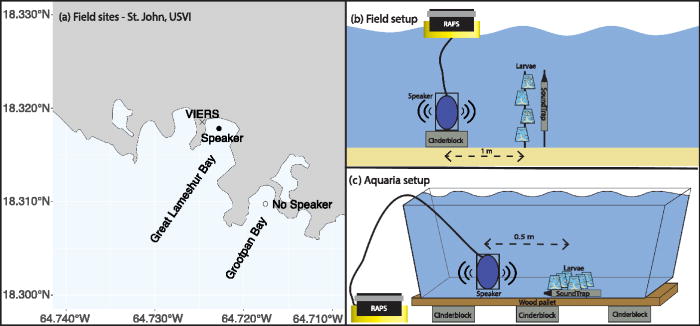
A second species of coral has been found to respond to sound playback during larval settlement: doi.org/10.1121/10.0032407
#acoustics @nadege_aoki @AmyApprill @youenn_jezequel @WHOI
1
3
222
Amy Apprill retweeted

1 Oct 2024
Check out this article by @VI_Source covering a NOAA transformational habitat restoration grant awarded to Drs @marilynebrandt & @AmyApprill at UVI and @WHOI respectively. 1 of the main restoration sites is Flay Cay where SCTLD was 1st seen on St. Thomas
stthomassource.com/content/2…
3
5
329
3 Sep 2024
🪸🌊🤿 An important description of reef water microbes in an oligotrophic and healthy Caribbean reef ecosystem prior to disease and heat: Jardines de la Reina, Cuba. Our 11th US-Cuban 🇨🇺🇺🇸 co-authored publication! mdpi.com/2940806 #mdpimicroorganisms via @Micro_MDPI
1
11
28
1,358
Amy Apprill retweeted

7 Jun 2024
What species live in this coral reef and are they healthy? A new technique identified three chemical clues that could help answer these questions, as reported in @JProteomeRes.
brnw.ch/21wKxB3 @briemgarcia @LizKuj @AmyApprill @WHOI
2
2
364
7 Jun 2024
Coral reef chemistry! 🪸🧪Check out the press release about our work examining coral reef metabolomes by applying a new method to examine previously overlooked reef metabolites @briemgarcia @LizKuj @CynthiaBecker25 @lggray3 acs.org/pressroom/presspacs/…
1
14
45
2,054
28 May 2024
New work by @briemgarcia advances metabolite detection on coral reefs. Implications for reef monitoring and management 🪸🐠🌊with @LizKuj @CynthiaBecker25 @lggray3 Thanks to @NOAA @NSF @WHOI for support. pubs.acs.org/doi/full/10.102…
9
27
2,842
Amy Apprill retweeted

12 Apr 2024
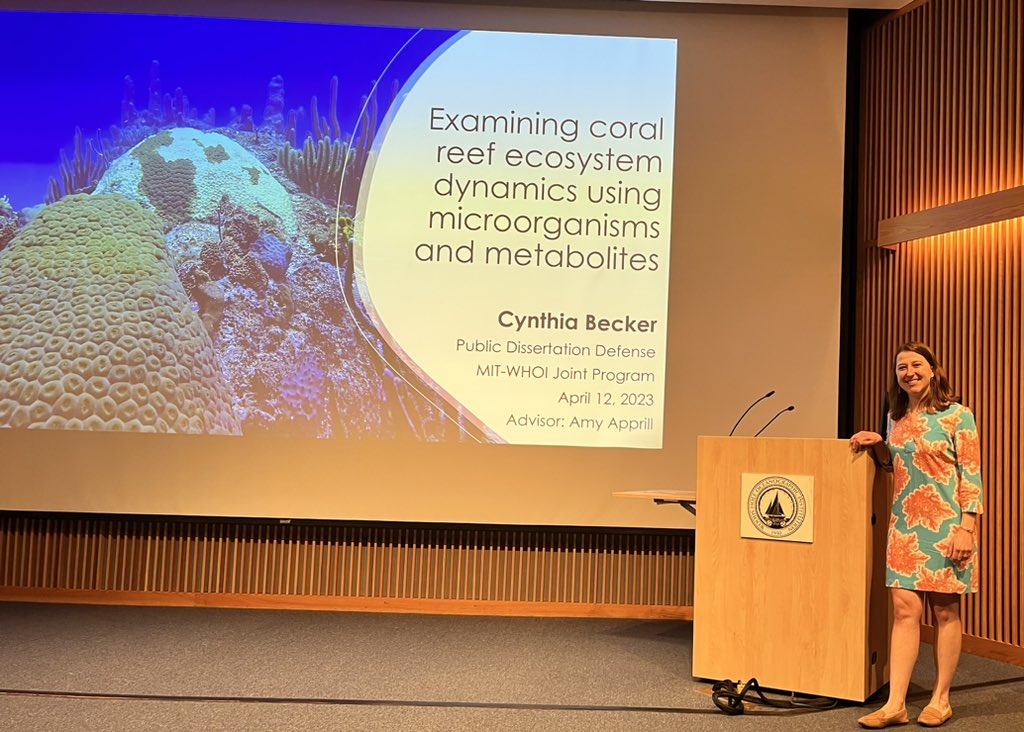
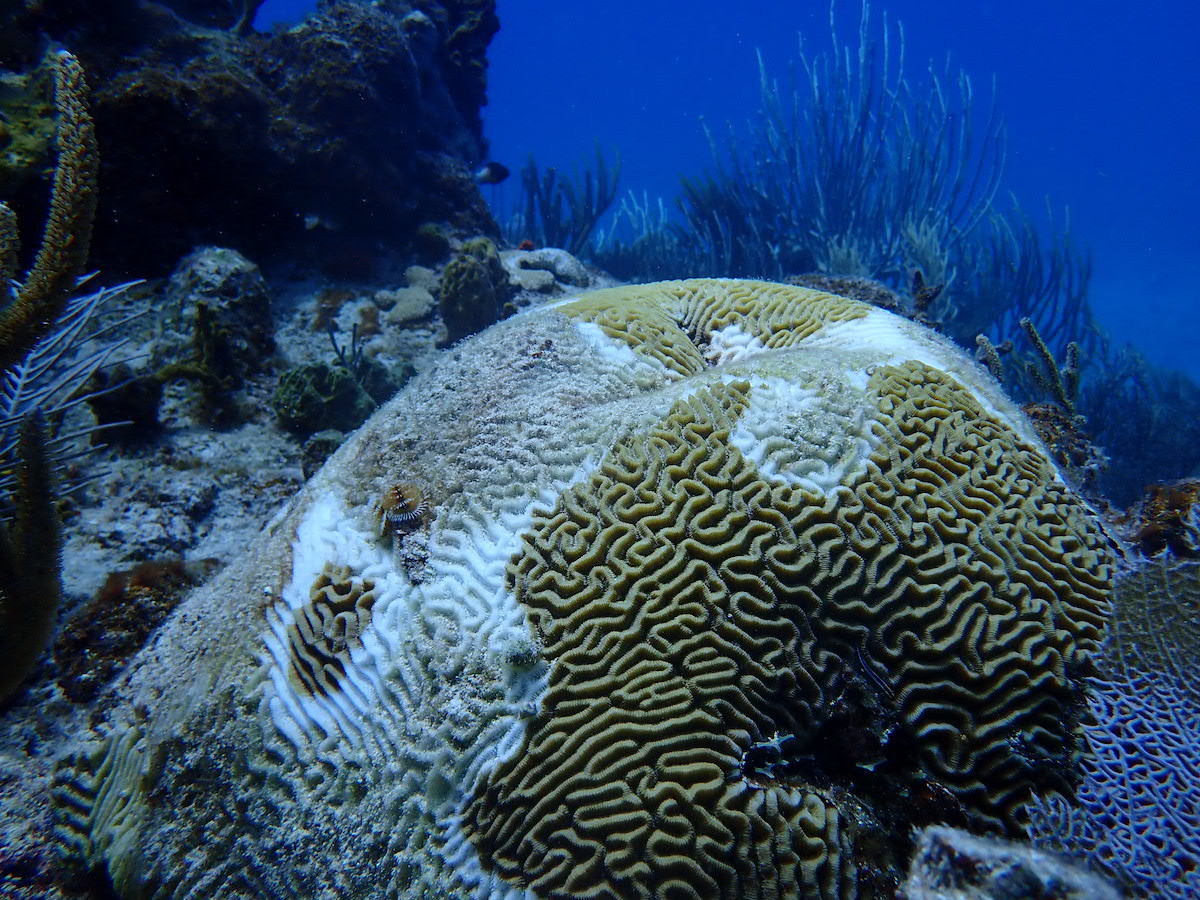
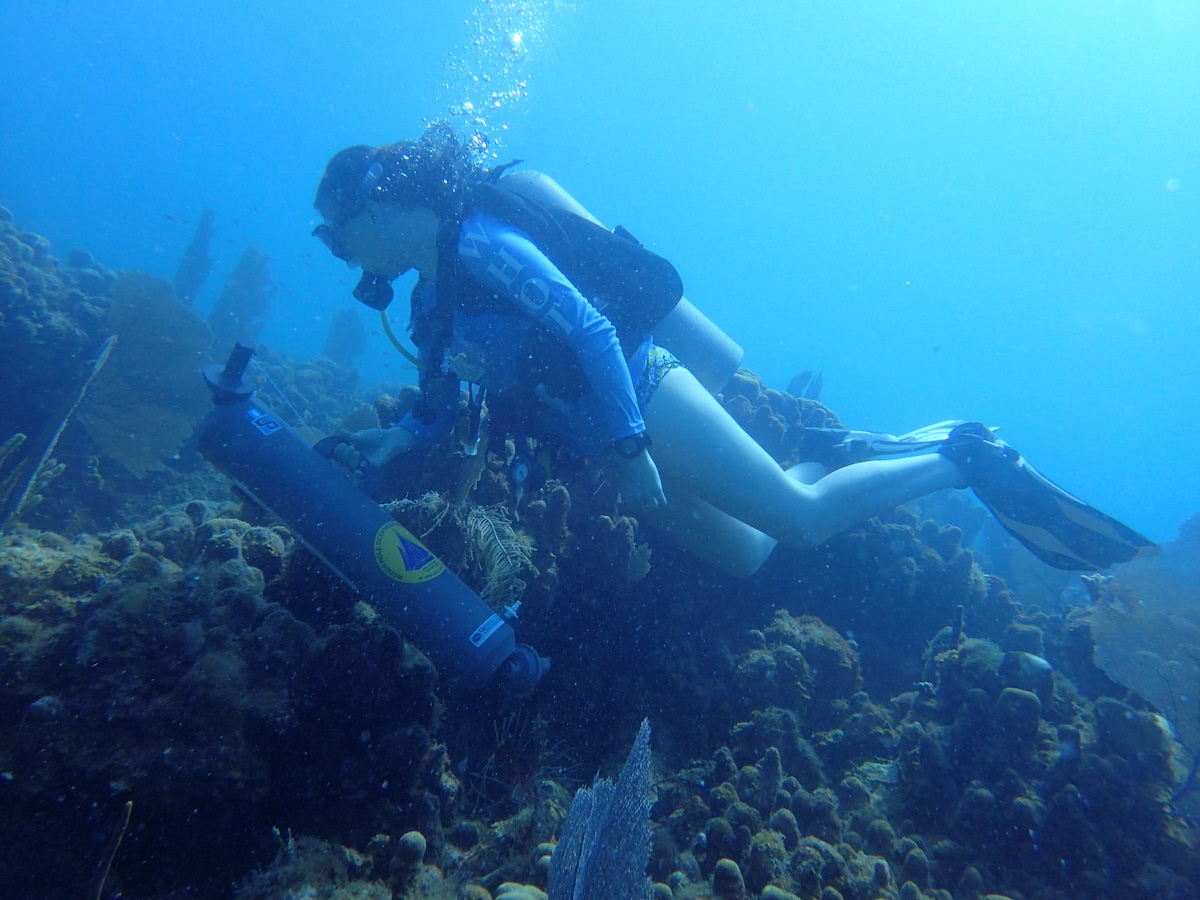
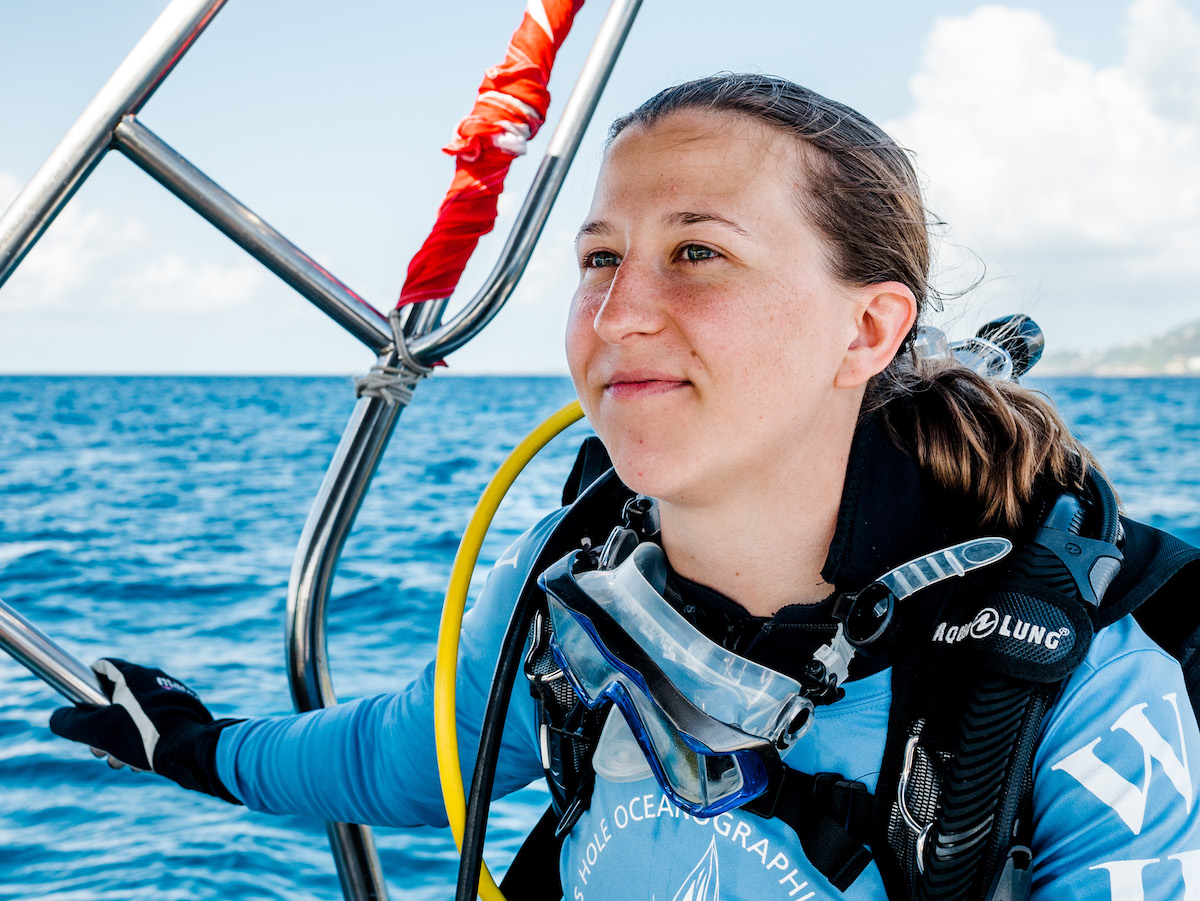
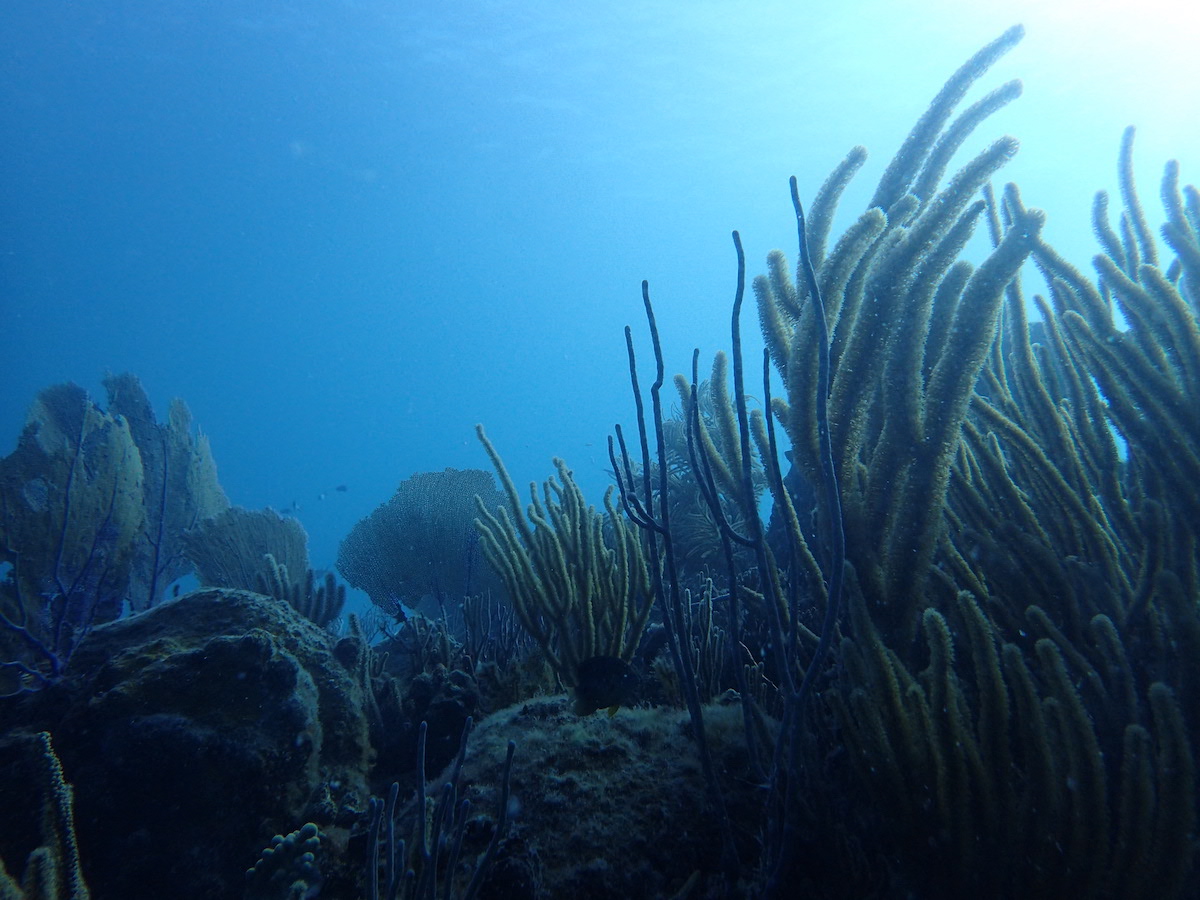
#WHOI researchers, led by recent #MIT_WHOI grad @CynthiaBecker25, assessed the health of #USVI coral reefs by sampling microbial #eDNA! The 7-yr study looked at changes during hurricanes and disease outbreak.
Learn more from @EarthDotCom: go.whoi.edu/eDNA-Earth
1
11
30
2,112
Amy Apprill retweeted

12 Apr 2024
This #RSOS paper demonstrates that playing reef sounds to coral larvae can increase their settlement rates. Read the full paper: ow.ly/ALLb50R8qUr #CoralReef @nadege_aoki @WHOI @AmyApprill
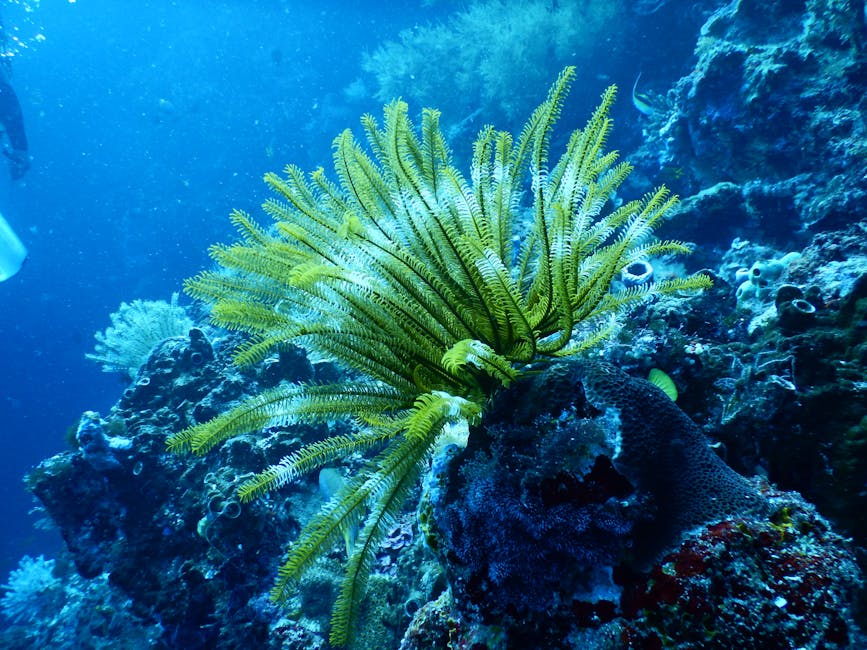
ALT Green Coral Reef Under Water
1
4
884
5 Apr 2024
🪸🐠🧬🌊
Our new study led by @CynthiaBecker25 documents reef microbialization following disturbance using a 7-year eDNA time-series. Thanks to @NSF @NOAA @WHOI & The Tiffany Foundation for support & coauthors @lggray3 @JoelLopiz Aran Mooney
whoi.edu/press-room/news-rel…
1
11
29
1,414