
Crypto enthusiast focused on Ethereum and @INDEXcoop, overanalyser.substack.com
Joined August 2020
- Tweets 2,985
- Following 1,148
- Followers 1,449
- Likes 5,308
293 Photos and videos












13 Jan 2024
👀
12 Jan 2024

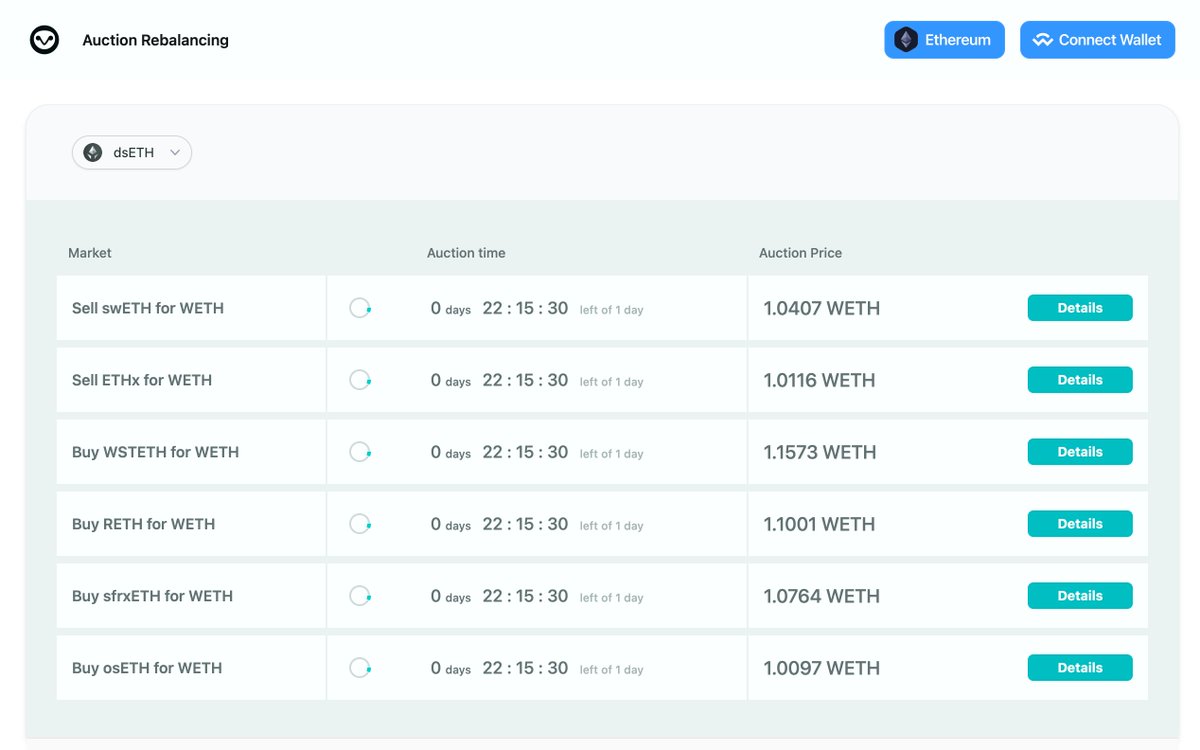
The bids are marching in 📯
Up for sale in the dsETH auction rebalance:
@swellnetworkio $swETH
@staderlabs $ETHx
@LidoFinance $wstETH
@Rocket_Pool $rETH
@fraxfinance $sfrxETH
@stakewise_io $osETH
1
10
292
overanlyser.eth 🦇🔊 (🦉,🦉)🌪 (🌸, 🌿) retweeted

25 Dec 2023
@SetProtocol Twitter has been hacked. Do not claim the $SET airdrop, you will get drained.
2
13
231



overanlyser.eth 🦇🔊 (🦉,🦉)🌪 (🌸, 🌿) retweeted

25 Dec 2023
This account has been hacked imo, $SET airdrop most likely a scam.

1
2
3
268
overanlyser.eth 🦇🔊 (🦉,🦉)🌪 (🌸, 🌿) retweeted

25 Dec 2023
🚨 Security Alert 🚨
@SetProtocol X account is compromised and is started to promote $SET token airdrop
⚠️ DO NOT click on any links until further clarifications from their team ⚠️

1
20
55
3,080
overanlyser.eth 🦇🔊 (🦉,🦉)🌪 (🌸, 🌿) retweeted

21 Dec 2023
Happy Christmas from all of us at @IndexCoop 🎄🦉

2
9
54
5,637
overanlyser.eth 🦇🔊 (🦉,🦉)🌪 (🌸, 🌿) retweeted

14 Dec 2023
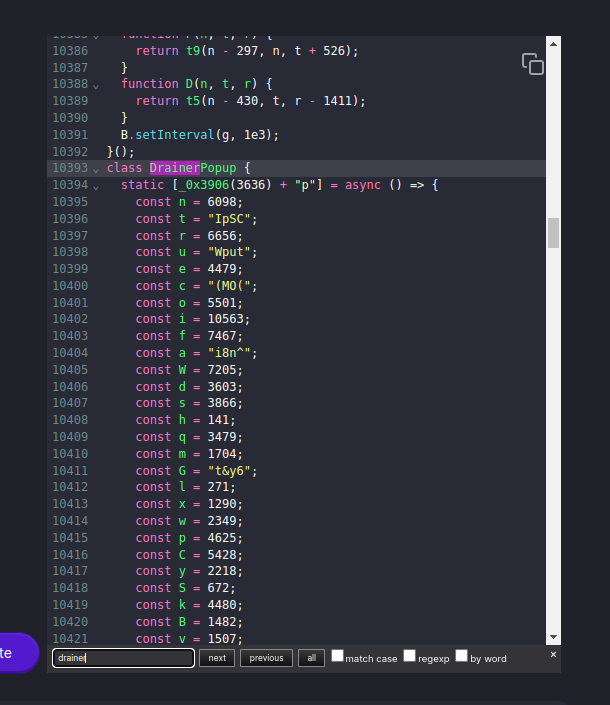
✍️Now that the worse is behind us but while everyone's attention is still on the mattter I am writing a bit of a longer post on this industry's architecture and security practises.
@Ledger messed up badly. Having practically no opsec, no proper credential management, and not revoking former employees access and credentials. Amateur hour, and extremely embarassing for a company their size whose entire focus is supposed to be on security. Really bad.
But surprisingly they are the least to blame for this failure.
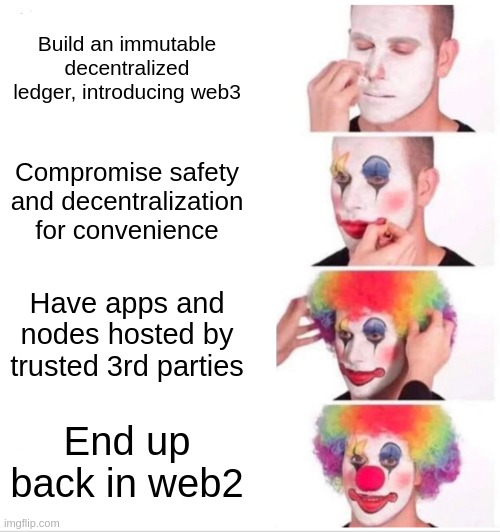
This industry has a serious problem. It preaches one thing and does another. Preaches decentralization, and nobody runs their own node. Preaches user being in control and don't trust verify, but everyone uses SaaS and centralized frontends.
What you people call "dapps" is a joke. A farce. Centralized SaaS frontends that can monitor you or worse. Apps that are hosted by someone else and can change at any point under your feet. That's not what a decentralized app is. It's a travesty to even use this terms for the apps this industry has available right now.
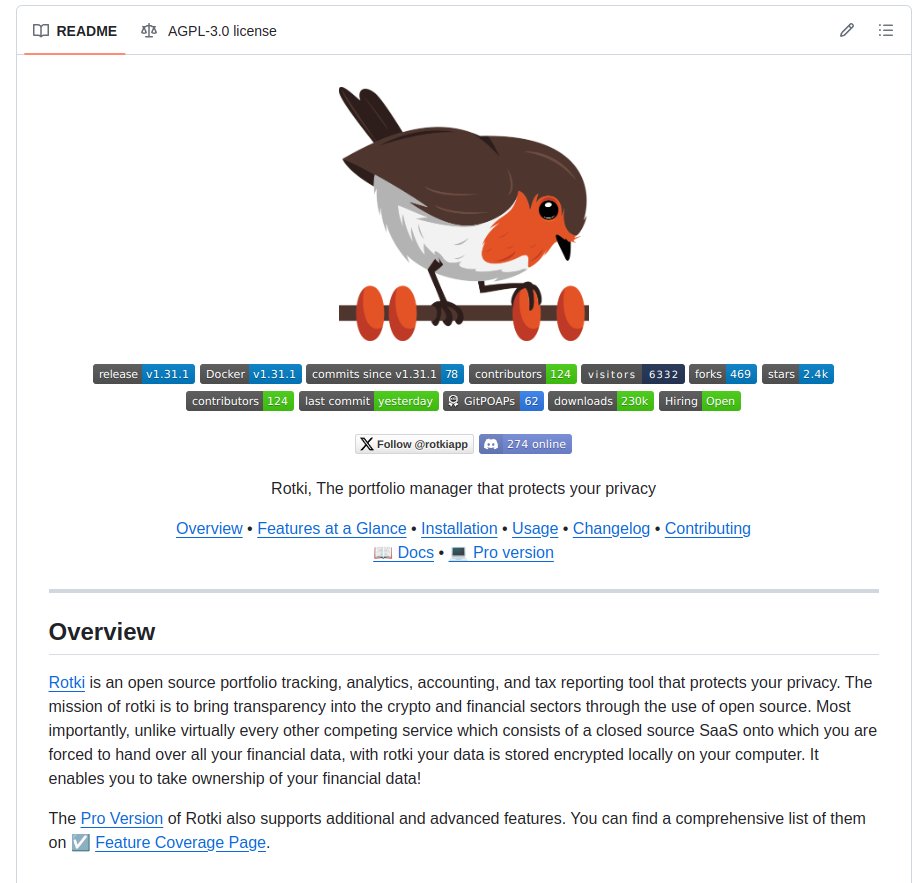
🐦 I have devoted the last 5 years of my career trying to bring local apps and local-first software back into play. I am a strong believer in self-sovereignty, data ownership and decentralization and this is embodied in @rotkiapp.
I want us all to start becoming more aware of what we use and how we interact with web3, otherwirse before you know it web3 will vanish, and this dream of self-sovereignty and the user being back in control will go away with it.
To the users: Question every single tool you use. See what it does with your data, where it stores it, how it manages its dependencies, what its security practises are etc. Check the track record of its team. Do your due dilligence. If the tool is anywhere close to your funds, addresses or any private info be extra dilligent. You may not be able to do your due dilligence. Find someone who can! This is not something to just brush off in the name of convenience. Today you see what happens when you do so.
To the devs:
- Whatever you do, pin all your dependencies. Never ever just yolo pull the latest dependency. Freeze all of them all the way up to the smallest transient dependencies. If you are in JS and are pulling from a CDN then pin the hash too in case the CDN itself is compromised. Otherwise just serve/bundle your dependencies. Today's tragedy was preventable by this simple thing.
- Build local-first. Respect your users, give them choices on how to consume your app. This is web3 damn it. Let them save their data locally, let them use their own node, let them self-host the app, let them inspect the code, be opensource!
- Avoid centralized points of failure. Using a common library's latest version unpinned from a CDN is one such point of failure. But there is a lot more. Using only infura and/or alchemy. Using centralized indexers (especially if their number == 1). Hosting your app in a single server without any self-hosting capabilities. And so many more ways to fail ...
This can probaly get a lot longer but I will stop here. Again I want to re-iterate. Ledger is definitely to blame here but the lion's share of the blame is on our industry and its software engineering practises.
Let's stop regressing back to web2 and build the true vision of web3. A world where the user is self-sovereign, owns their data and is free. Freedom is what all this is about.

57
193
777
194,484
overanlyser.eth 🦇🔊 (🦉,🦉)🌪 (🌸, 🌿) retweeted

5 Dec 2023
Hello everyone
We're starting our search for someone to engage in heated, self-sustaining arguments with me about direction and functionality as the Head of Product at Wildcat
I will pay you to tell me I'm wrong
Application below, more info in thread
jobs.lever.co/wintermute-tra…
37
18
242
50,075
overanlyser.eth 🦇🔊 (🦉,🦉)🌪 (🌸, 🌿) retweeted
12 Sep 2023
Introducing… ic21 📢
A multi-chain large cap index all on Ethereum
13
64
131
30,518
Some body needs @LensProtocol
x.com/jeremyvaught/status/16…
3 Aug 2023

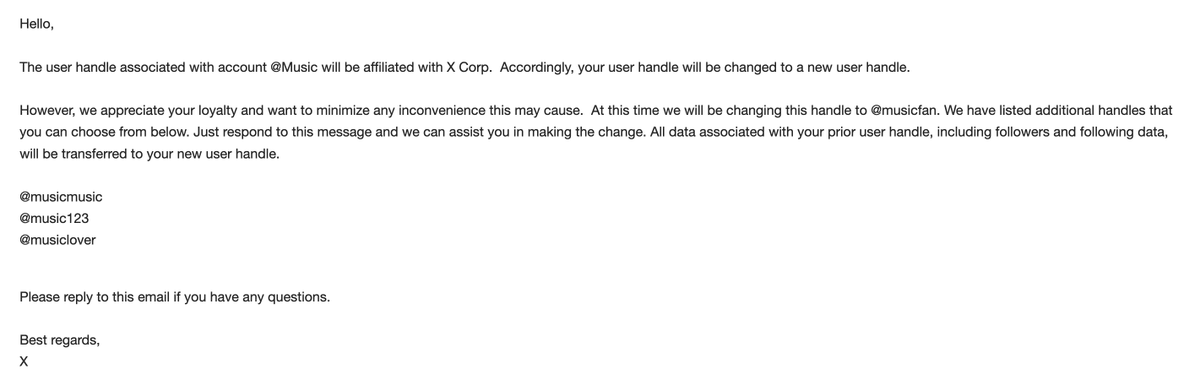
16 years ago, I created @music and have been running it ever since. Just now, Twitter / X just ripped it away.
Super pissed
1
6
440
overanlyser.eth 🦇🔊 (🦉,🦉)🌪 (🌸, 🌿) retweeted
2 Aug 2023
Our Diversified Staked ETH Index (dsETH) just got more diversified 📢
Today, we're excited to announce the addition of @fraxfinance's sfrxETH in dsETH's first rebalance

8
16
51
10,412

#AllYouCanEarn looks interesting for GBP interest.
Higher rates than most Defi, but centralised...

Your wealth’s sweetest dreams are made of this – up to 15% annually on GBP stablecoin.
Start earning now and win yourself a prize of 1,000 in GBP stablecoin by following us and quote retweeting this with the #AllYouCanEarn hashtag. 🧵
link.nexo.com/3i1R
2
153

Fuck you @AtomicWallet
Fuck you @gladkos
Fuck you @Changelly_team
Your security posture sucks, you refuse to listen to people, you aggressively silence people, and your products and services facilitate theft on a daily basis and have for years.
web.archive.org/web/20220210…
76
127
723
288,886
overanlyser.eth 🦇🔊 (🦉,🦉)🌪 (🌸, 🌿) retweeted
24 May 2023
DeFi's largest sector by TVL, Liquid Staking, has been added to the DeFi Pulse Index 💦🥩
10
13
52
7,777
overanlyser.eth 🦇🔊 (🦉,🦉)🌪 (🌸, 🌿) retweeted

23 May 2023
11/ Even 20 years later, I feel a nagging sense of guilt over at least two funerals I skipped. Show people that you show TF up when duty calls.
2
1
28
1,889
overanlyser.eth 🦇🔊 (🦉,🦉)🌪 (🌸, 🌿) retweeted
16 May 2023
$DPI Rebalance Update
The DeFi Pulse Index (DPI) is a capitalization-weighted index that tracks the performance of some of the largest protocols in the decentralized finance (DeFi) space.
Meet the newest tokens in the DeFi Pulse Index. x.com/indexcoop/status/16584…
6
5
35
28,978
overanlyser.eth 🦇🔊 (🦉,🦉)🌪 (🌸, 🌿) retweeted
11 May 2023
Warning: No Secondary Liquidity 🚨
The Index Coop will not be providing DEX liquidity due to high gas costs associated with minting the token and maintaining an LP position
1
1
7
820
overanlyser.eth 🦇🔊 (🦉,🦉)🌪 (🌸, 🌿) retweeted
11 May 2023
Introducing the 𝐌𝐨𝐧𝐞𝐲 𝐌𝐚𝐫𝐤𝐞𝐭 𝐈𝐧𝐝𝐞𝐱 ($icSMMT)
Diversified stablecoin yield in a simple index token

5
20
80
39,959