
Join us on January 8th 2021 for the University of Exeter Archaeology Department's brand new conference!
Joined November 2020
- Tweets 98
- Following 27
- Followers 23
- Likes 6
6 Photos and videos
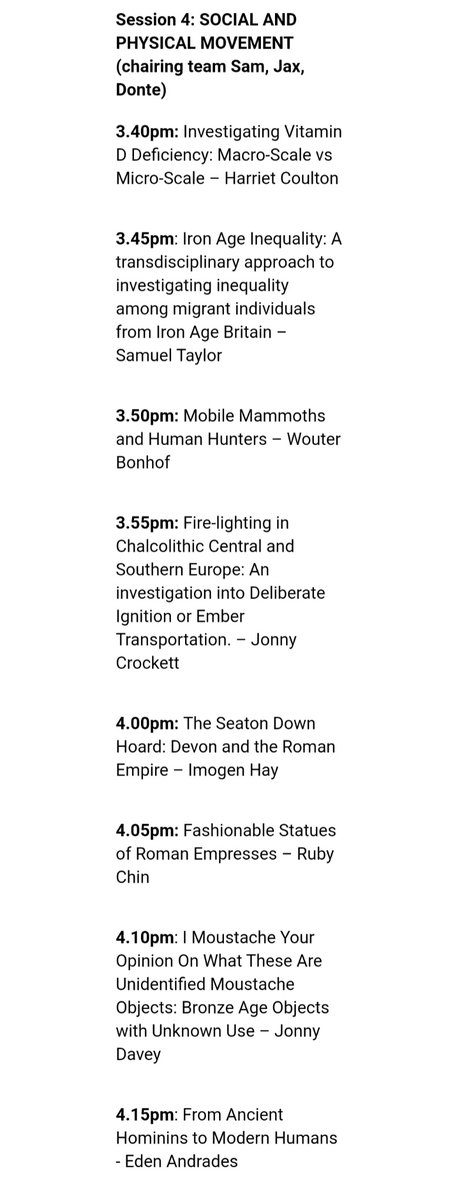
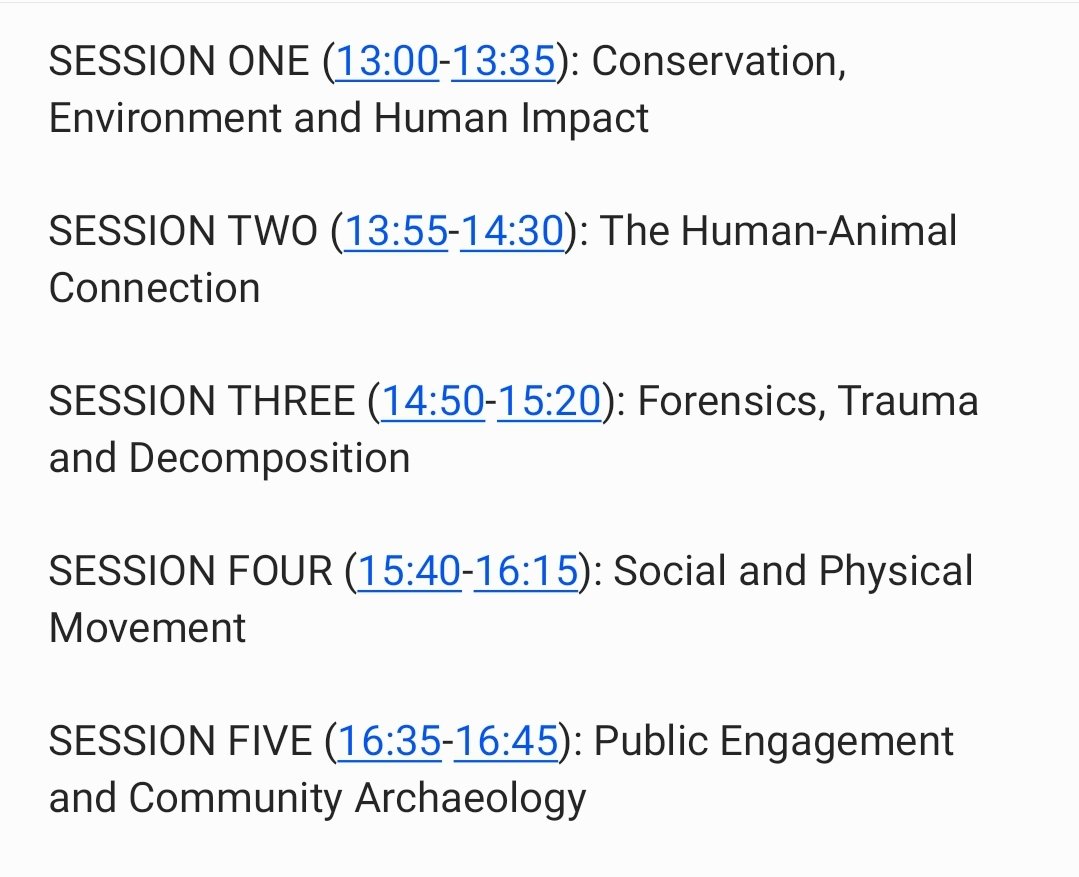
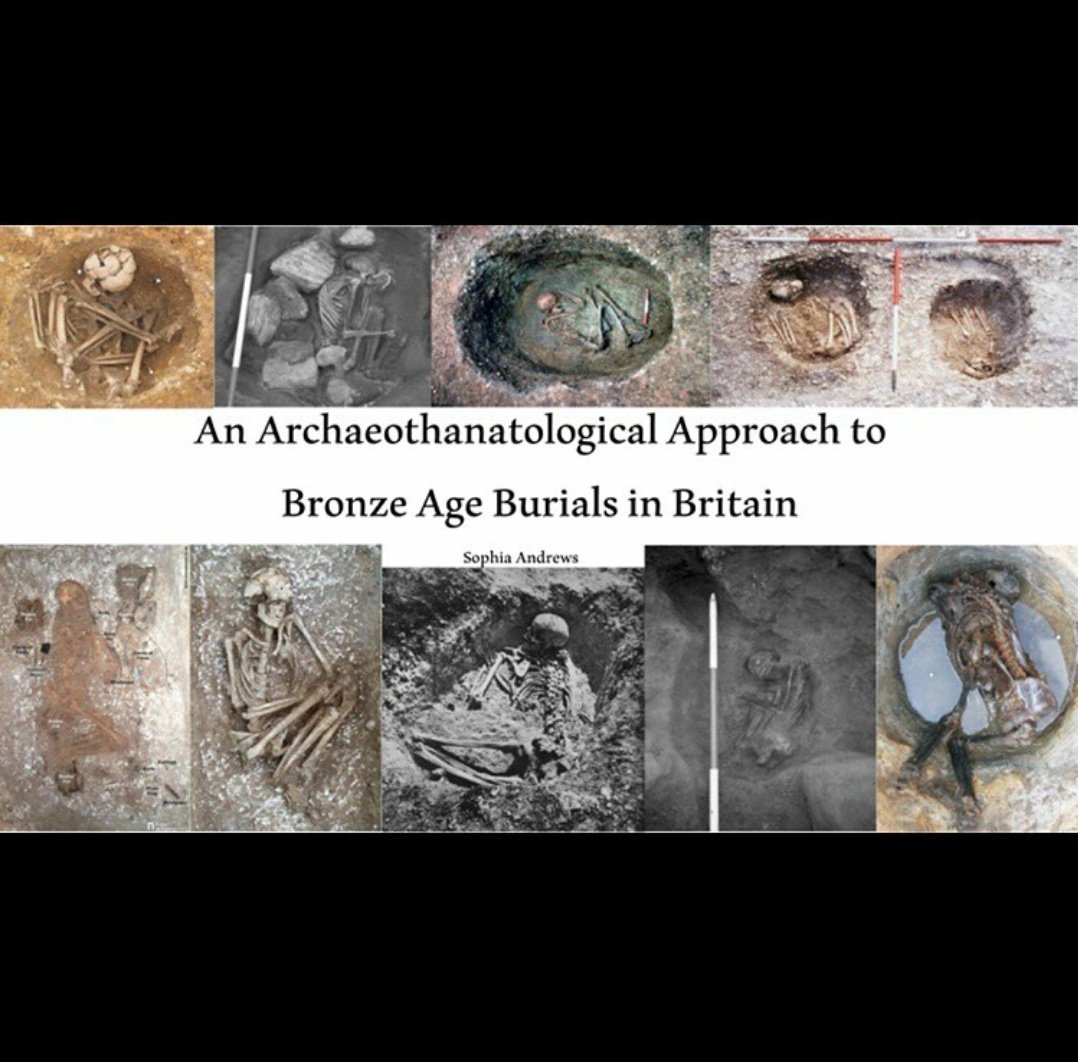
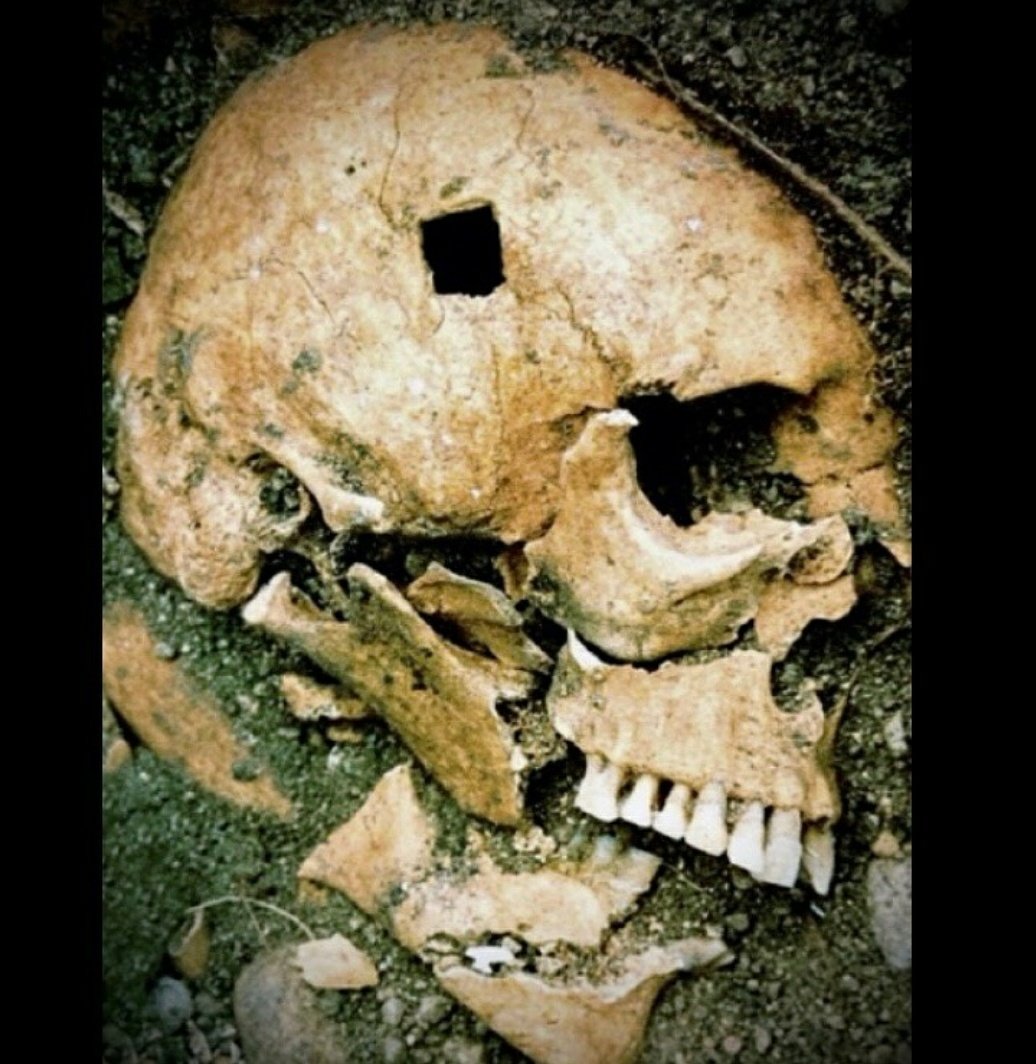
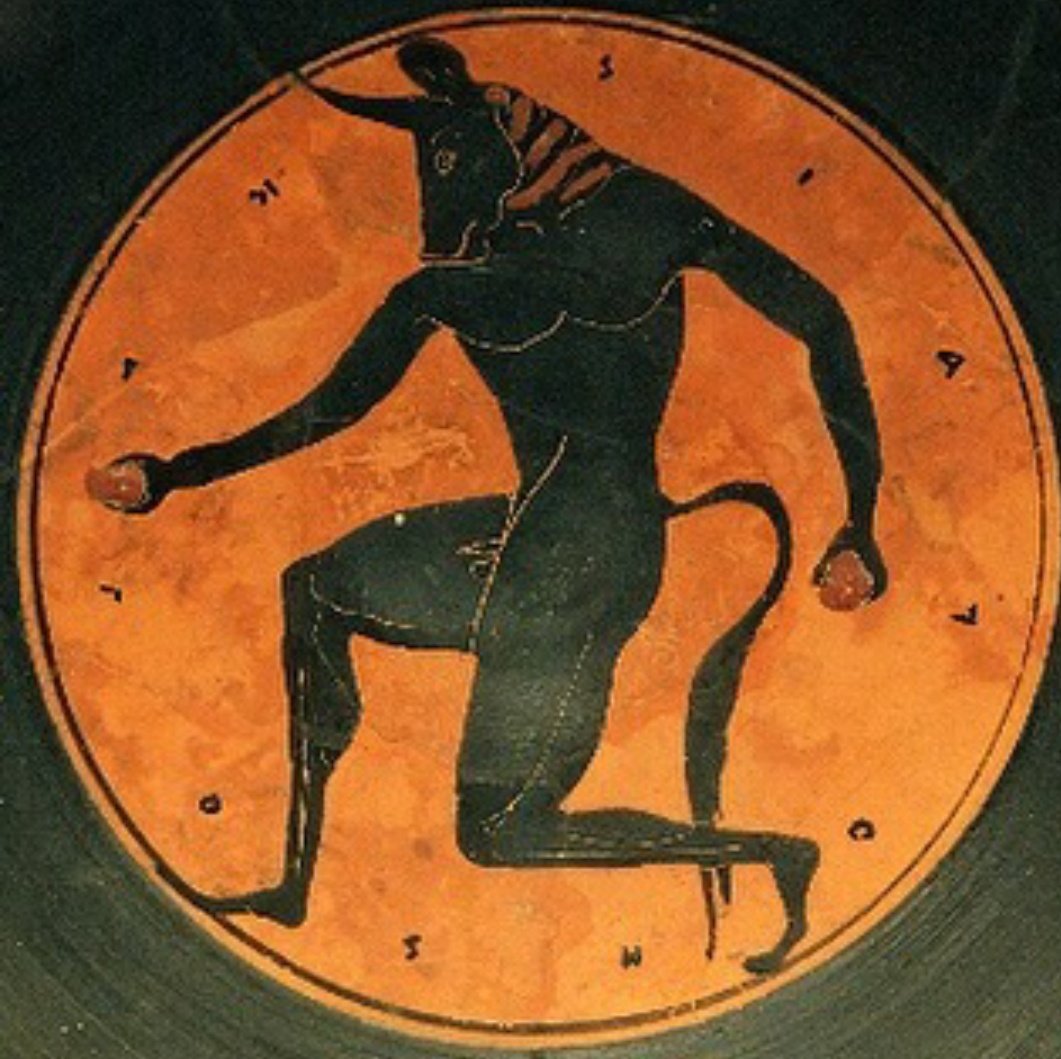
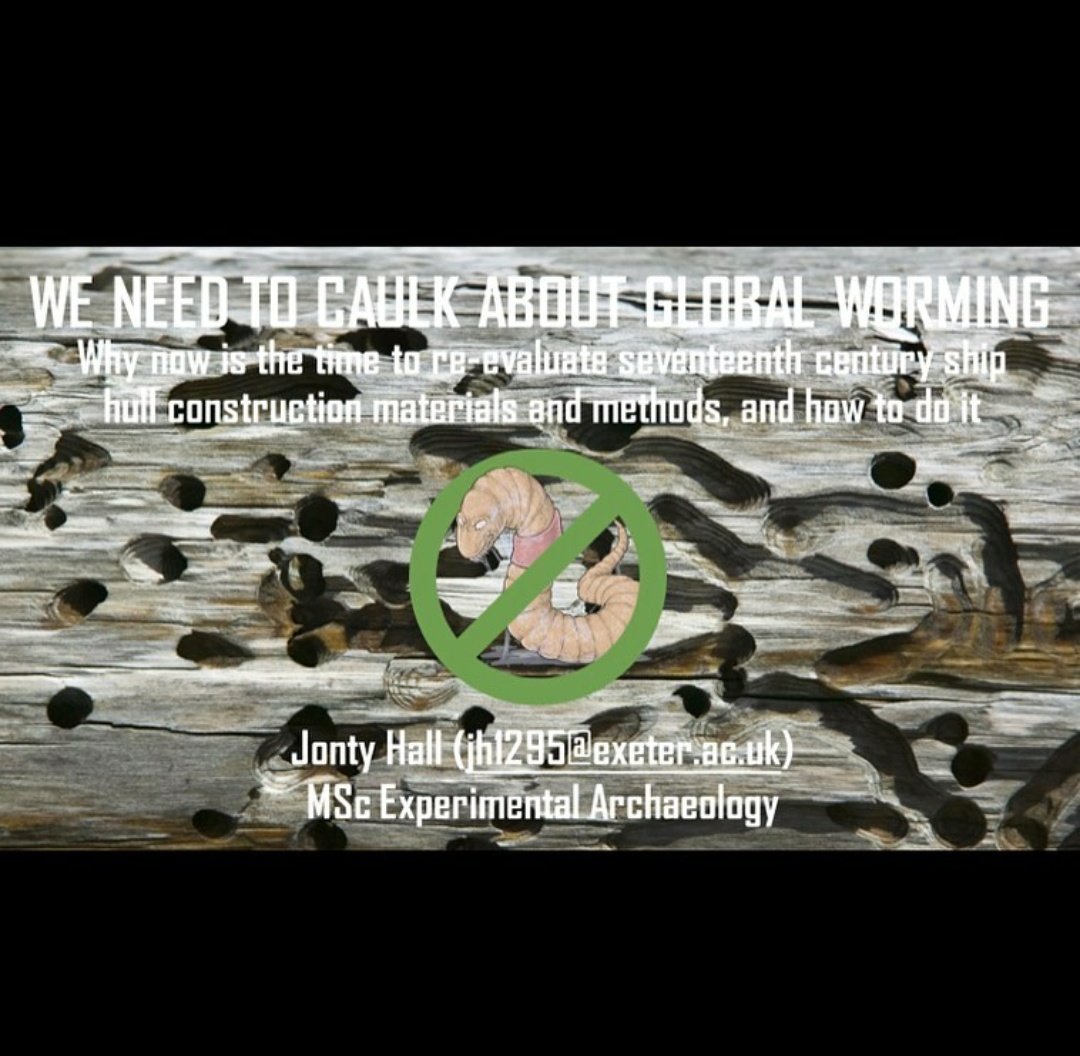

And just like that "Ancient Networks, New Connections 2021" is over! 🎉🎉
A huge thank you to all of our participants for their engaging and informative presentations, and to the PGT students for organising and running the whole event!
#AncientNetworksNewConnections
2
2
We're about to start our panel discussion to finish off our conference!
#AncientNetworksNewConnections

Our conference will conclude with a panel discussion on Equality, Diversity and Decolonisation in Archaeology at 5pm, featuring Prof. Hella Eckardt , @InbalHarding and @DrJonCHenderson
#AncientNetworksNewConnections
1
Though our conference sessions may be over, there is still time to join us for our panel discussion at 5pm on "Equality, Diversity and Decolonisation in Archaeology"
Just message us for the zoom link to join us for this pertinent discussion!
#AncientNetworksNewConnections
1
Our final presentation of the day comes from Jack Cranfield with "Past it On! Inspiring the Archaeologists of the Future" 🎉
#AncientNetworksNewConnections
1
"Is it Ritual?: Demystifying Archaeology through Crowdsourcing" is a joint presentation by @BenkertHelene and Luise Benkert!
#AncientNetworksNewConnections
1
Its time for our final session of the day!
@JessShawExpArc is starting us off with "Healthy Heritage - Can We Prescribe Museums?"
#AncientNetworksNewConnections
A question for Ruby Chin following her paper on Roman statues:
Q: Can statues of private noblewomen help or are they too closely related to the idol of the empress?
1
1
A: They do help, but the focus is more on Empresses because there are more sculptures made of the same person rather than a single one of a single noblewoman, so better for comparative purposes.
A question for Ruby Chin on statues:
Q: What scientific methods are there for analysing residual traces of pigments? Would XRF analysis pick up any chemical signatures?
1
1
A: I am not really sure, it depends on whether we already have existing information on the chemical used for these dyes and pigments.
The next question is for Imogen Hay about her Seaton Down Hoard paper:
Q: Why do you think these hoards were deposited?
1
A: Because they’re a low value copper alloy coin, its not a convenient or economical way of keeping wealth in one place. I think it is some way of keeping money that you need to access relatively easy.
Another question for @DaveyJonny:
Q: Could the objects have performed a similar function to those on the Sutton Hoo helmet made of organic materials that has since degraded over time, hence the confusion?
1
A: It would definitely have been attached to some sort of organic material, and served some sort of decorative purpose, either a necklace or leather helmet, but again would require experimentation to prove or disprove this.
A question for @DaveyJonny:
Q: Do you think these objects are representing facial hair? Do we know anything about Bronze Age facial hair?
A question for @DaveyJonny:
Q: What kind of experiments do you have in mind to further your research?
1
A: Potentially recreating some objects and then hafting them onto things, preferably out of bronze, but making casts would also work to test potential usage.
It's time for another Q&A at the end of our fourth session!
#AncientNetworksNewConnections
We have one more session (Public Engagement and Community Archaeology) followed by our panel discussion left in today's conference, so time is running out to join us! Message us for the zoom link to take part in #AncientNetworksNewConnections
Eden Andrades is the final speaker of our fourth conference session, presenting ""From Ancient Hominins to Modern Humans"
#AncientNetworksNewConnections
1