
design founder building an influencer marketing platform mightyscout.com. Good product is table stakes. Tweets about product, ai, and influencers
Joined November 2010
- Tweets 6,694
- Following 892
- Followers 892
- Likes 9,509
269 Photos and videos

May 15
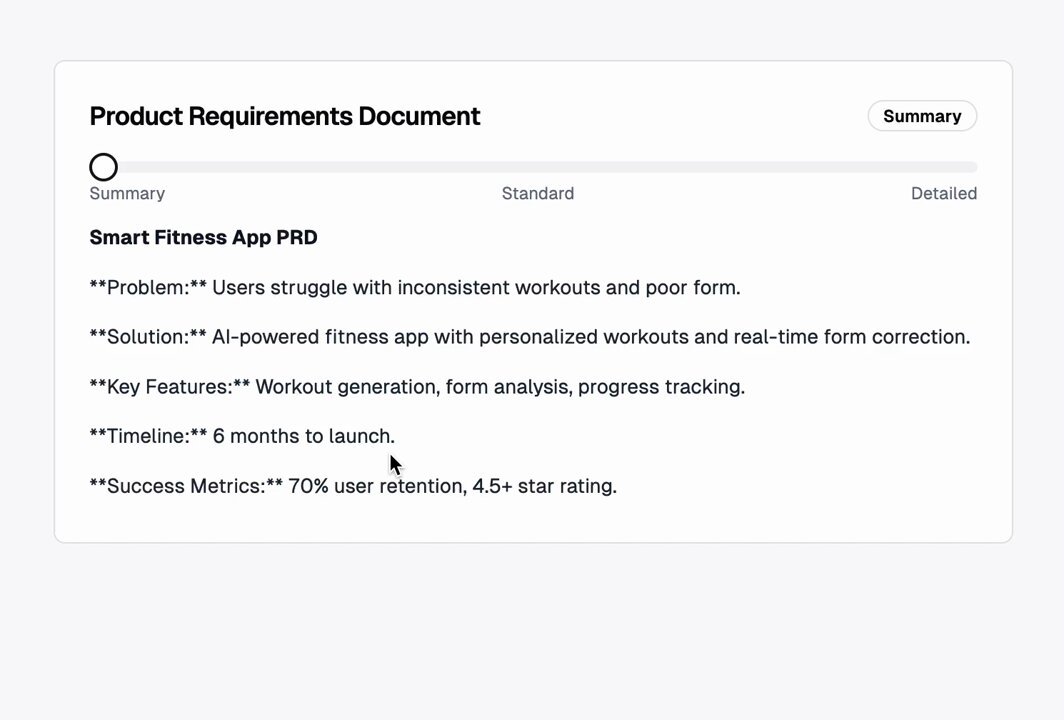
finding it better to create images with code rather than in figma for marketing landing pages, helps a lot with animations
can see this extending to blogs as well
1
37
Apr 8
it officially feels too slow to design in raw pixels now, similar to coding, doing things manually is becoming a thing of the past
1
37
Mar 31
Spriklr : CreatorIQ : Tribe Dynamics
Later : Mavrck
Sprout Social : Tagger
1
66
Mar 27
design with AI is a lot of expansion and contraction, similar to getting 5 variations of micro copy
it's interesting to see myself go through 10x the variations I typically would, looking forward to when AI is much faster with doing explorations
33
Mar 25
this is close to solved with @paper screenshots
Mar 20

Anyone figure out a way to design with an existing site and claude code?
Currently thinking of having it make a design system page, and then using that as a reference for different elements/ideas
1
76
Mar 24
The more you experience these AI shifts with building, the more it feels like all that matters is the 7 powers
26
Mar 24
Seeing restaurants with old websites and tech is probably a good way to think about most small businesses
They just need things that work reliably and do the job for a fair price. The coordination overhead to get people to change to a new thing is hard
2
32
Mar 20
Anyone figure out a way to design with an existing site and claude code?
Currently thinking of having it make a design system page, and then using that as a reference for different elements/ideas
2
1
124
Mar 1
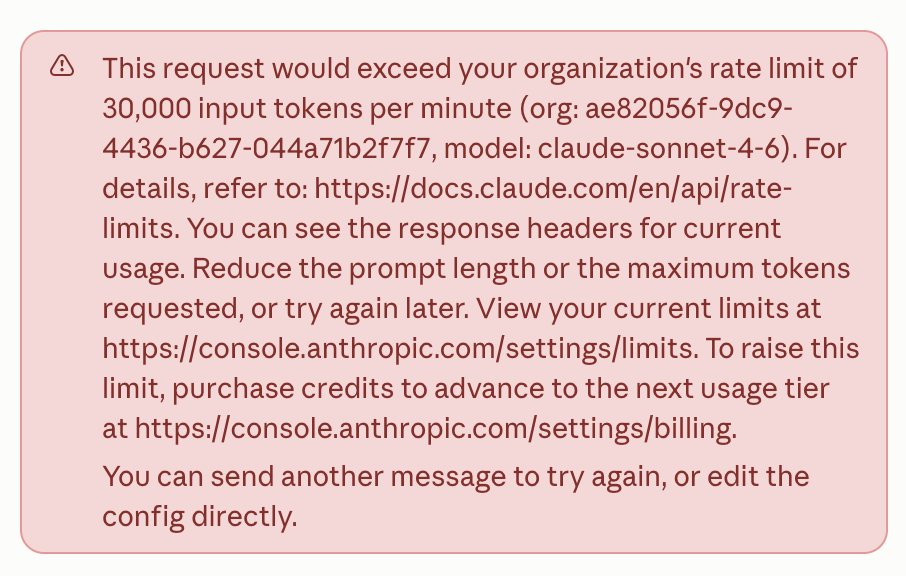
Rate limiting feels like the AI business model
Get X number of things done in the next minute, hours, or day
It taps into productivity angst, delayed gratification, variable outcome, and you can see some of the addictive loops forming due to the quick feedback loop
59
Feb 27
continual reminder that it's important to state the outcome you want and the tools AI has access to. It will decide the best path
e.g. I want to segment and understand our demos and where they've been sourced. You have access to close, calendly, and stripe. How can you help?
56
Feb 26
Clean classified data is super important otherwise the AI can be giving false info, makes me more bullish on systems of record especially if they're continuously updating
21
Feb 26
The more I work with AI the more important remembering the Bitter Lesson is. For example, when classifying a list of customers/leads, it comes up with all sorts of creative ways to classify things, important to just let it cook
24
Feb 24
using agents still feels like high level programming to me w/o the syntax and random api errors
38
Feb 12
Using a email newsletter tool w/ claude is interesting, you can see a world where it's all done through CLI or slack.
The saas itself is powerful, but the UI doesn't matter at all. I wouldn't necessarily want to rebuild and manage that though
69
Feb 8
So many blind spots if building products w/o agents, liking this workflow:
1. Ask it to plan with you, ask you questions, etc
2. Ask it to go through reviews to see if you missed anything people value in other tools
3. Ask it to prototype the front end
4. QA, edit, and verify it
1
48
Feb 8
This makes me think of shopify, who embraces AI and new tech in general. What would it look like w/ their future products
1st: digital employees to improve ops/marketing
2nd: robots w/ irl distribution
I think they're a good example of a hybrid software company in this new age

Boil the Oceans
You know the phrase: “don’t boil the ocean.” Everyone’s said it in some overly ambitious meeting. It’s good advice in normal times. It keeps teams focused. It prevents scope creep. But we are no longer in normal times, and I think it’s time to retire saying it.
Artificial Superintelligence means it’s time to boil the ocean. We’ll start with a few lakes first.
I was recently with a university endowment’s head of private investing who told me their engineers were terrified for their jobs after seeing what Claude Code could do. And I get it — that’s the natural first reaction. But it’s the wrong one. It’s a zero-sum reaction to a positive-sum moment.
Instead of worrying about doing the same thing we’ve been doing for cheaper, why not focus on doing the thing we never even dreamed of doing? Why can’t that endowment achieve 50% net IRR instead of 10%? Why can’t a startup deliver a service that is 100x better than the incumbent? Why can’t we have fusion energy? Why can’t we talk to every single user and have a perfect understanding of every bug in our product?
These aren’t rhetorical questions anymore. They’re engineering problems with paths to solutions.
Here is what I think is actually going on with the fear: our fear of the future is directly proportional to how small our ambitions are. If your plan is to keep doing exactly what you’re doing, then yes, a machine that can do it faster and cheaper is terrifying. But if your plan is to do something dramatically bigger, then the machine is the best news you’ve ever gotten.
If you’re a worker — someone who trades labor for a living — this is the moment to become a builder. Start a business. And if you’re already management or capital, it’s time to go 10x more hardcore on what your aspirations could be. Not eking out 5% efficiency gains. Not increasing profit margins 2% by lowering cost and firing people. Those are the old games. The new question is: what would it look like to build a product or service so good that people would happily pay 10x what they pay now?
The net result of this is more jobs, not fewer. As Ryan Petersen likes to say, the human desire for more things is absolutely limitless. We can actually fulfill that desire now — if we have the agency to prompt it for ourselves.
Buckminster Fuller coined the term “ephemeralization” in 1938: doing more and more with less and less until eventually you can do everything with nothing. His entire vision of progress was about technology enabling radical expansion of human capability through dematerialization. He traced this from stone bridges to iron trusses to steel cables — each iteration stronger, longer, lighter, cheaper. He wasn’t describing job destruction. He was describing civilization getting better at being civilization.
This is Jevons Paradox for everything. When you make a resource dramatically more efficient, you don’t use less of it — you use vastly more. Steam engines didn’t reduce coal consumption. They made coal so useful that demand exploded. The same thing is about to happen with intelligence, with labor, with every service and product we can imagine.
But Jevons Paradox doesn’t activate on its own. It requires capital and management to actually raise their ambitions — to boil lakes and oceans instead of drowning them in committee
That’s what startups have always been good at: moving fast in the face of radical uncertainty, building for the 10x future while everyone else is optimizing for the 1.05x present.
Time to start.
109
Feb 6
while software is changing so fast, I think teams will remain small and have domain specific leads for each department supported by new types of GTM engineers and agents
leverage is just too high w/ programmers/no-code types now
1
36
Feb 4
How’s everyone running cron jobs with Claude code, so you can do something ongoing on a daily interval for example? cc @nbaschez
3
3
333
Feb 4
As I walked down the street trying to order a book, it felt super clunky. Find the website, log in, find the book, select physical copy, add credit card, choose an address.
Massive difference compared to just texting an AI assistant, I think a lot of UI is going to fade away
54