
President & CEO @ycombinator —Founder @garryslist—Creator of GStack & GBrain—designer/engineer who helps founders—SF Dem accelerating the boom loop
Joined January 2008
- Tweets 73,900
- Following 5,857
- Followers 887,405
- Likes 248,319
4,833 Photos and videos



Tech gave me everything I have
Its capacity to lift people into abundance is incredible and there is nothing like it
We must make that into prosperity for everyone
11 Aug 2023

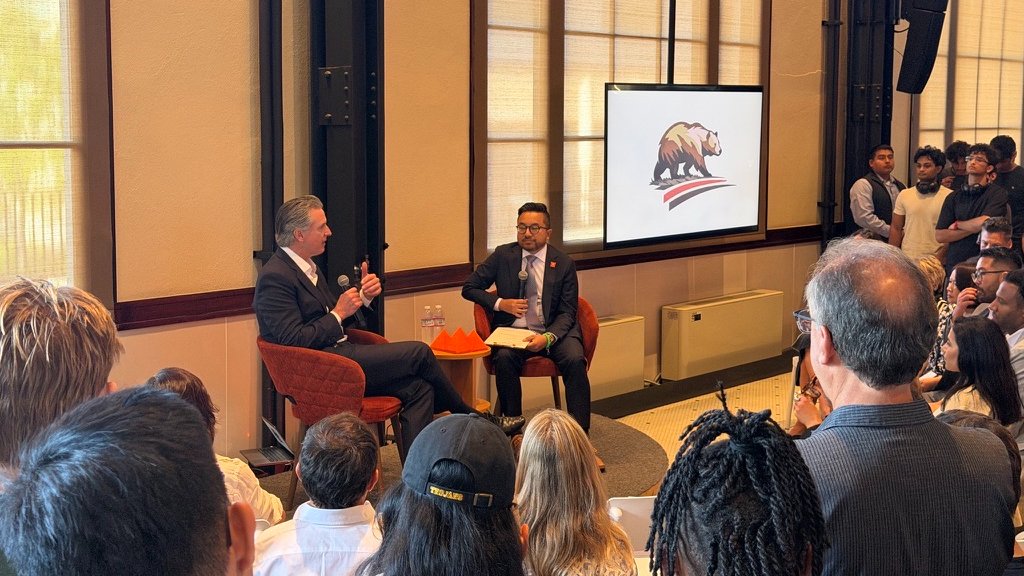
"I realized tech is this thing that can bring people out of whatever situation they're in and often into prosperity. And that's what I want for everyone."
@ycombinator’s @garrytan tells @emilychangtv how tech changed his family's life.
Watch here: trib.al/sxg1VGR
941
770
6,435
4,371,920
Garry Tan retweeted

Sense making right now requires getting close to the work and being close to the tech.
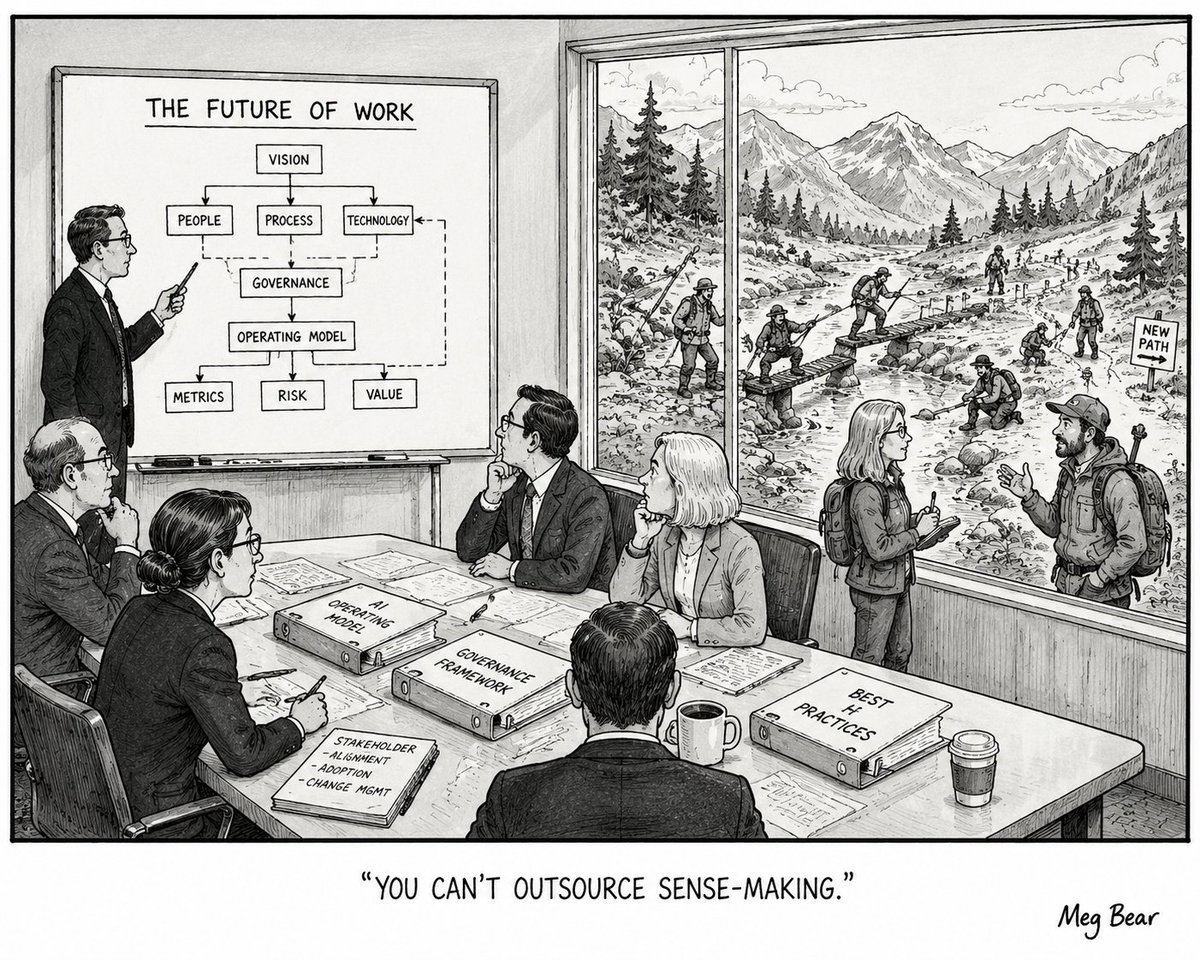

In AI most people are still trying to use old maps on a new territory.
Throw the maps away. It's time to draw new ones. The only way you can do it is walking the land.
3
3
11
8,740

Cette vidéo est un véritable cauchemar éveillé pour l'écologiste décroissant.
Un robot qui traque la nuit les pathogènes et les nuisibles à la lumière ultraviolette, sans un gramme de produit chimique, ce n'est pas un gadget... De quoi faire s'effondrer toute la théologie écologiste. Ici, c'est bien l'entrepreneur et le marché qui offrent une solution réellement efficace aux défis environnementaux.
Pas de contrainte, pas de retour en arrière et pas de renoncement. L'entrepreneur résout le problème en créant de l'abondance là où l'on nous promettait la pénurie. Le rôle du progrès a toujours été celui-là : produire de l'abondance à partir de la rareté naturelle avec comme moyen ultime l'ingéniosité humaine.
Reste alors une question : si la technologie résout réellement les problèmes que l'écologisme prétend combattre, pourquoi l'écologisme la déteste-t-il à ce point ?
Tout simplement parce que ce qu'il veut, ce n'est pas une nature préservée, c'est une société administrée, dont il serait aux manettes. Comme toutes les autres idéologies constructivistes, socialistes et collectivistes, ce qui importe vraiment à l'écologiste ce n'est pas de résoudre les défis de son temps, c'est de régner sur les hommes de son temps.
Le héros sera toujours l'entrepreneur, jamais celui qui le déteste.
Jun 12

autonomous robot driving through the field at night. no chemicals. no pesticides. just UV light killing pathogens and pests while everyone sleeps. this is @tricrobotics.
this is what chemical-free pest control looks like at scale.
150
1,219
6,759
440,749
Garry Tan retweeted

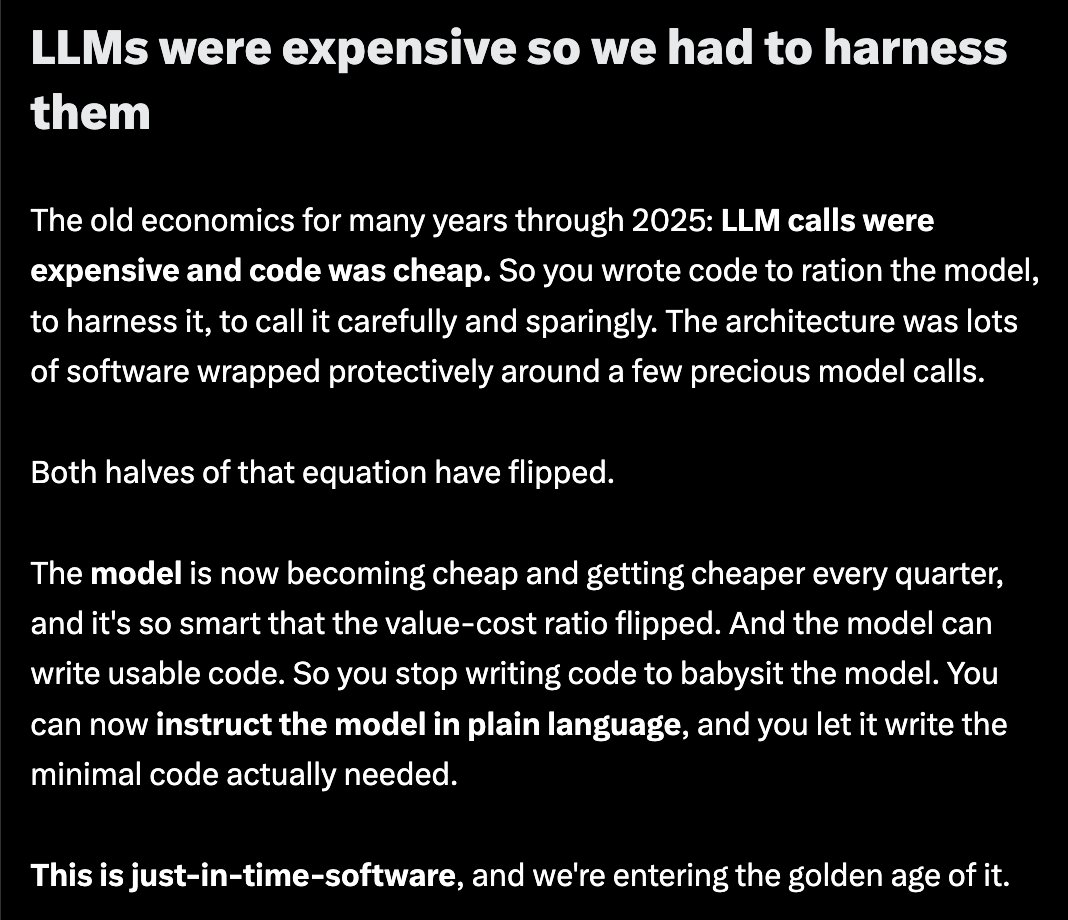
The cool thing about the open source harness tools like hermes, openclaw, gbrain, etc is that you totally avoid vendor lock in while still getting gains from advanced closed models.
Don’t be enslaved to any single provider, keep building up your personal AI stack.

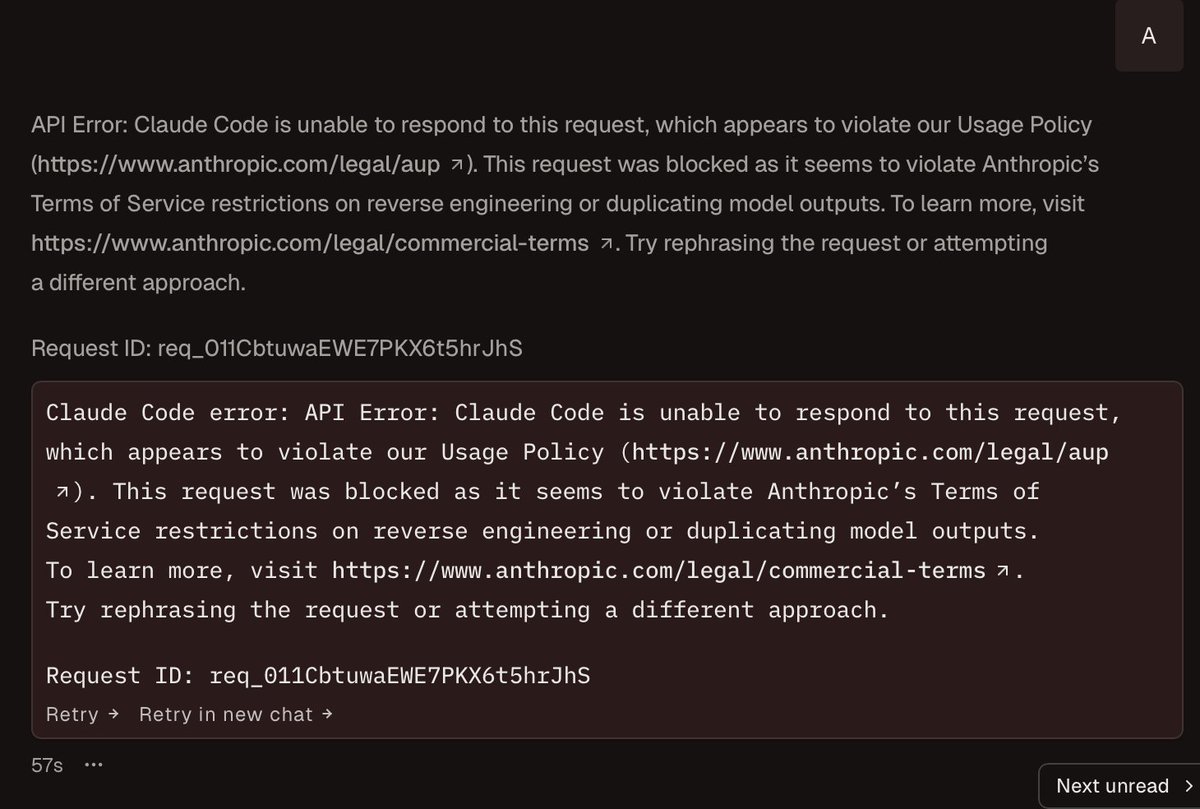
The takeaway from Fable 5 being BANNED by the government: GET GOOD AT LOCAL MODELS SO YOU HAVE 100% CONTROL.
My entire weekend was going to be building my craziest ideas with Fable 5. That's now cancelled.
So instead of building with Fable this weekend, I've decided I'll go deep on local models:
1. Start with the runtime. Download Ollama or LM Studio first. This is the thing that actually runs models on your machine.
2. Match the model to your hardware. A model's size is measured in billions of parameters (7B, 32B, 70B). Bigger is smarter but needs more memory. Rule of thumb: a 7B model runs on almost any laptop, a 32B needs a good Mac with 32GB RAM, a 70B needs serious hardware like a DGX Spark or a maxed-out Mac Studio.
3. Know which model for which job. Qwen 3 is the best all-around choice for most tasks. DeepSeek for reasoning and coding. Gemma 4 when you need something tiny that runs on a phone. Llama when you want the biggest community and the most fine-tunes.
4. Quantization. You can shrink a model to run on weaker hardware with barely any quality loss. Look for versions labeled Q4 or Q5. This is how a model that "needs" a server runs on your laptop. Learning this one concept changes everything.
5. Connect it to your agent. Point Hermes or your agent stack at a local model.
6. Context window is your real constraint locally. Cloud models give you huge context for free. Local models make you pay for it in memory. A bigger context window eats RAM fast. Keep your sessions tight and your prompts lean or your machine chokes.
7. Learn to give local models tools. A smaller local model with web search, file access, and code execution beats a giant model with none. The capability gap closes fast when you wire up the right tools. The model is the engine but the tools are the wheels.
8. Fine-tuning is more accessible than you think. You don't need this on day one, but know it exists. You can take an open model and train it on your own data so it gets good at your specific domain.
I'll probably do a breakdown at some point on this @startupideaspod if people are into it.
The lesson from this ban is basically don't build your entire workflow on something that can disappear with a single letter. Own part of your stack. Local models are insurance.
It reminds me when people realized they don't own social media accounts. And then you saw people build email lists etc.
I remember running a startup and my biggest traffic source was organic FB. All of a sudden, algo changed, and I lost 99% of my traffic.
Same sorta moment (but bigger) for AI.
This is a wake up call.
3
4
68
16,952
Garry Tan retweeted

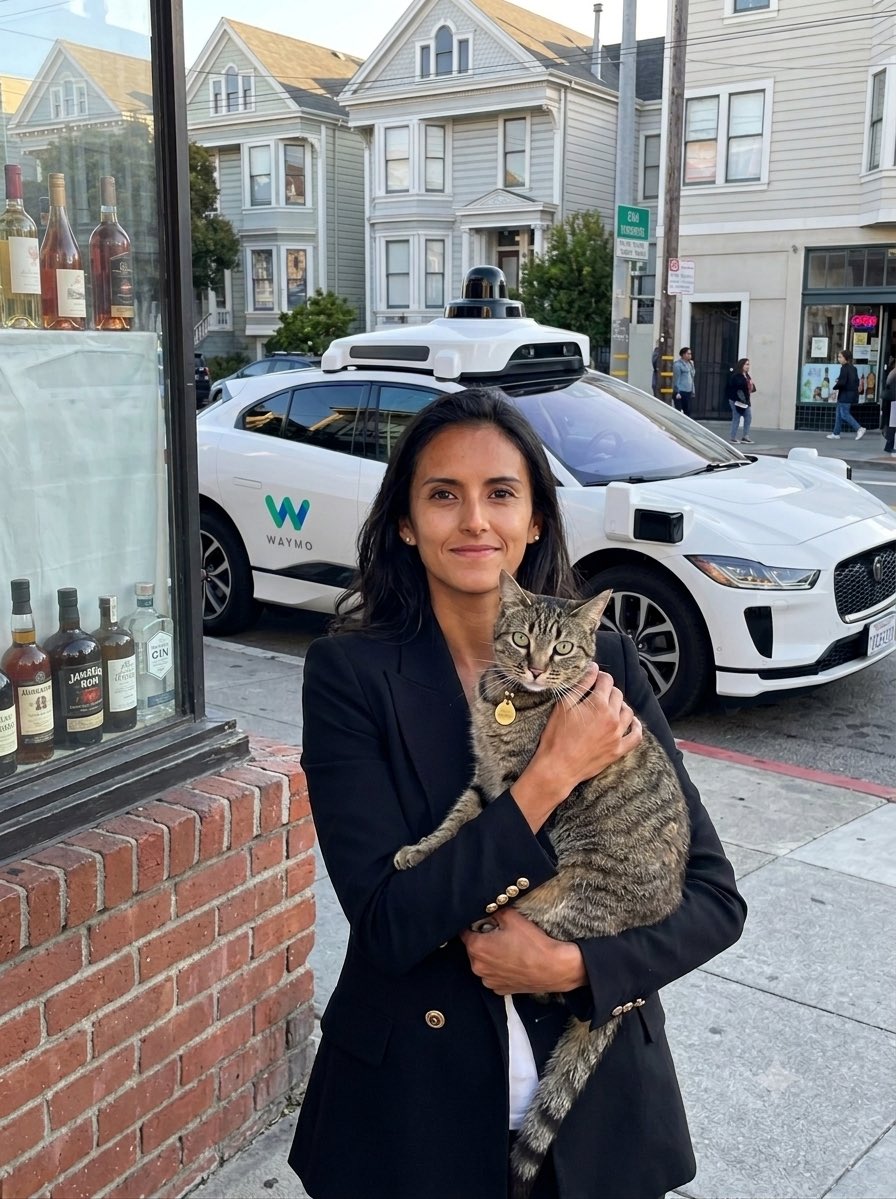
Jackie Fielder weaponized a dead cat then immediately pumped a crypto scam.
When a Waymo killed a neighborhood cat named KitKat in the Mission she rushed to hold press conferences and rallies demanding bans on self-driving cars. Critics called it cynical political theater since human drivers kill millions of animals every year.
Right after the rally she jumped on X and started hyping the $KITKAT memecoin on Solana. Watchdogs called it a classic PUMP-and-DUMP. She never disclosed if she held a stake or cashed out while retail investors got wrecked.
A formal ethics complaint was filed against her for using her public office to promote a speculative financial grift. This is the same “Democratic Socialist” who rails against corporate greed and chairs the committee that polices it.
While you struggled to pay rent she was pumping a crypto scam off a dead cat.
This is staggering hypocrisy and self-dealing. Jackie Fielder must resign.
20
28
300
20,549
Garry Tan retweeted

Jun 11
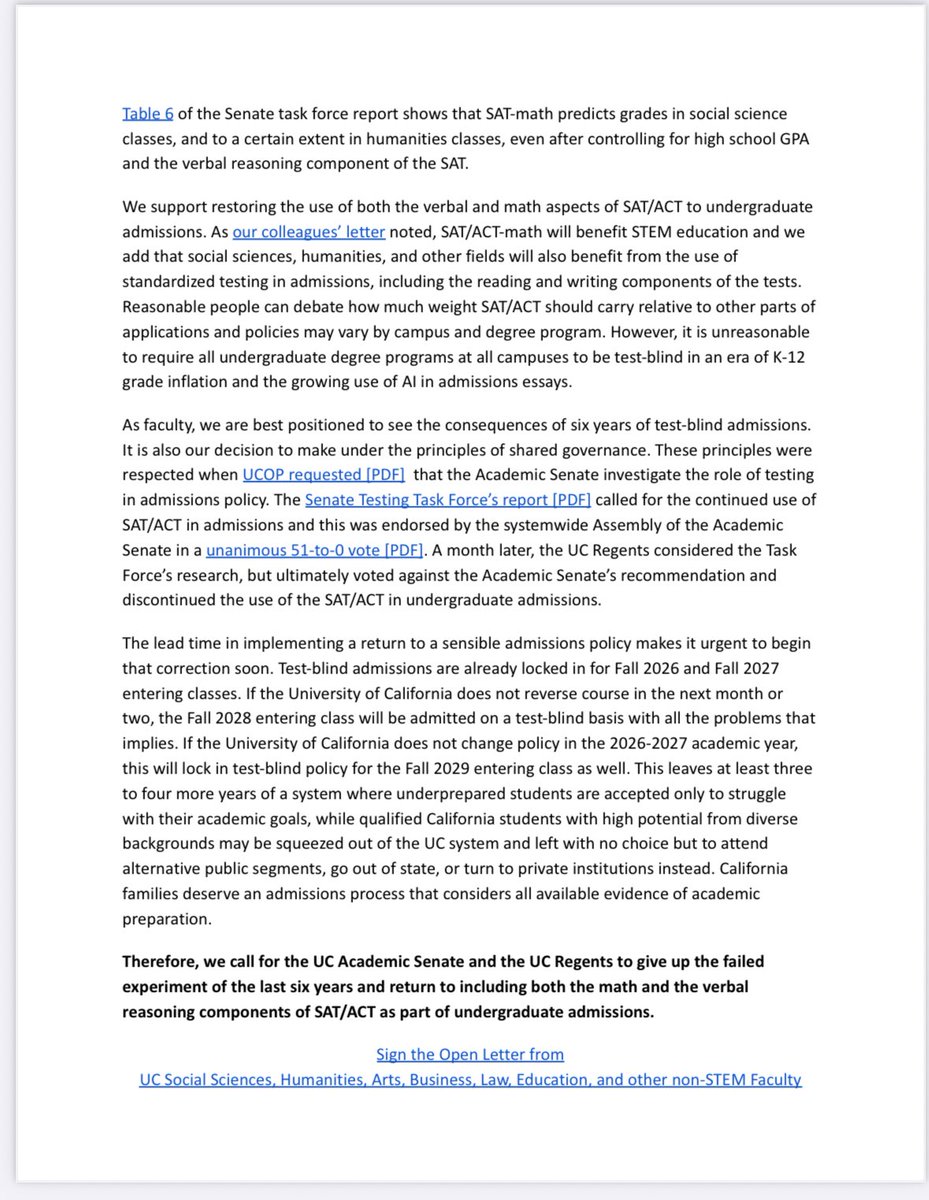
"The Regents vote went completely contradictory to the faculty recommendation to retain the SAT...what I keep hearing from people is your faculty want this. 1400, 1600, whatever. And the January 2020 report that unanimously recommended retaining standardized testing from the faculty, which the Board of Regents then unanimously voted against." -- President Milliken (just now in a meeting of the Assembly of the Academic Senate)
O.M.G.
9
28
301
35,639
Garry Tan retweeted

Jun 11
To celebrate 🎇2⃣5⃣0⃣🇺🇸 let's start a new American tradition. Buy a book about America & give it to a young person at your 4th of July party or barbeque. They'll have a book to read this summer that will teach them history & increase their appreciation for our great country!🗽
2
2
20
5,670
Garry Tan retweeted

Good take
My guess is
- demand for intelligence is near infinite
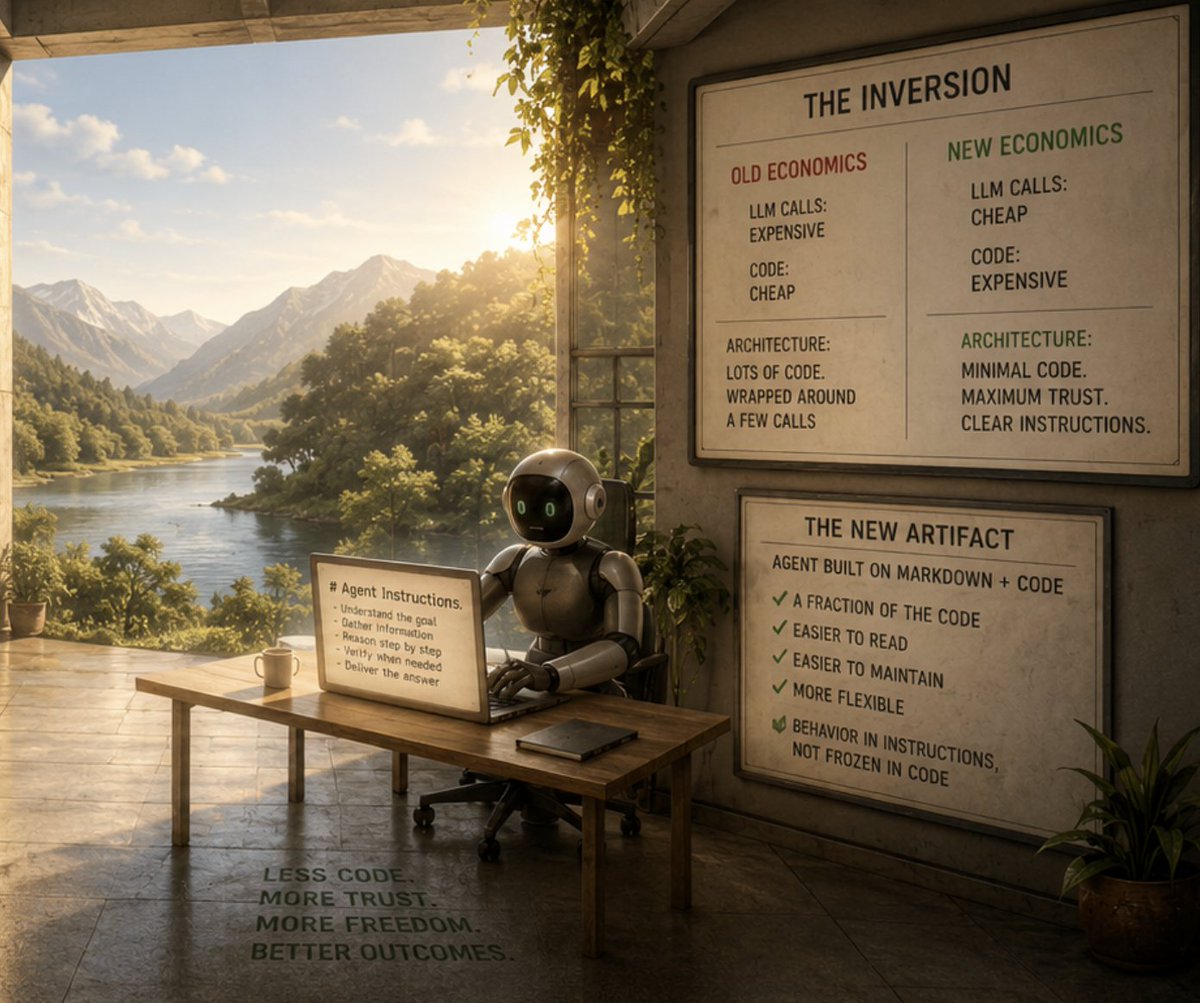
- but 80% of workloads will be running on 99% cheaper models within 12-18 months
- 20% of workloads will still run on latest gen models where IQ maxing is important (scientific breakthroughs, higher level ochestrator agents?)
- rough analogy might be what % of macbooks or gaming PCs sold have the maxed out specs for CPU/GPU, prices are falling much faster than Moore's law here though
- this leads me to think the limiting factor will be energy and compute, not better models
At Coinbase we're working hard on routing prompts to cheaper models where appropriate, and in some cases have been able to keep costs roughly flat, while token usage continues to grow exponentially.
Jun 2

The most basic way AI could blow up imo. I'm not saying it does but this is the most obvious way I can see it happening
- Per seat subscriptions are massively subsidized. The flat fee was priced way below what heavy usage actually costs
- For real business use you have to move to the API anyway. Data protections, work integrations and compliance officer approval
- On the API you pay metered rates, and businesses are burning credits way faster than the per seat pricing ever led them to expect
- This is everywhere right now. Internally for us, Codex users, Uber torching its entire 2026 AI budget in 4 months, the Microsoft comments. Just go try an API
I shared more on this here: x.com/Shaughnessy119/status/…
- And I don't think most businesses have the money to keep paying increasing API rates without a real change to how they operate (caps needed)
- Because they have a cheap alternative. They can reach open source models through any aggregator (OpenRouter, Venice, Baseten, Together) and still get strong privacy. Venice private data centers, or E2EE/TEE serving GLM 5.1.
More on open source inference provider raises here: x.com/Shaughnessy119/status/…
- And the discount is enormous. DeepSeek V4 codes within a hair of Opus on SWE bench at roughly 1/30th the price, and the cheapest open models run closer to 1/100th
- Chinese labs open source frontier grade models. The model is the single biggest cost an inference provider has, and they get it for free
- This idea dies if China goes closed source. That is actually bullish web2 AI labs, because if everyone is closed you pay up for the best intelligence. China goes closed source if they are tired of giving away an asset and they want the revenue and data flow to train new models
- Is this showing up in web2 AI lab revenue yet? No. Revenue is off the charts. Anthropic went from 9B to 47B run rate in five months
- So go forward, what happens?
- I think revenue slowly starts leaking to the open source inference providers (see Venice usage, OpenRouter's $113M raise, Baseten is raising at $11B or triple its valuation in three months, on revenue that went from $200M to $600M annualized in a single quarter)
- It doesnt move overnight, but it caps the labs ability to raise prices, and margins are already deeply negative. OpenAI is reportedly running near negative 122%
- With margins that bad there is no cash flow, so the labs are fully dependent on outside capital to buy GPUs, train models, and keep subsidizing usage (I.e. see Google tapping $80b equity sale, granted 30b for employee RSU taxes. Clearly they think Equity is overvalued or you wouldn't sell it)
- The break comes when that capital stops. Pricing is capped so margins cant improve, and the moment investors lose conviction on payback, the whole flow reverses
- Why would they lose conviction on payback? Back to the start - the inability to improve margins or get businesses to pay more
- This is also limiting, if we start making new drugs with AI or create entirely new businesses, you better believe people will pay up to the max for AI usage
470
612
6,582
2,783,064

It’s naive to think anything is backfiring here. This is part of the expected plan for reg capture. Of course the govt steps in such that you design and define the rules you already follow but are now required by your rivals. For their AI could be too dangerous.
Jun 13

I can’t believe Anthropic comparing their product to nuclear weapons 800 times backfired on them. I am shocked
16
7
163
28,987
Garry Tan retweeted

21h
Some reads from the current Fable ban situation:
- Vagueposting that a model can hack everything has consequences if you then end up releasing anyway. Saying other models also can after the fact is not enough.
- Asking for regulation when you can't specify exactly what regulation has predictable consequences.
- The ratchet is clearly moving towards license raj
- There are many who want an implicit license raj (AISI testing with power to block) but it's the same thing in practice. It is bad. Bad for safety, since now there's no choice but to accelerate for others.
- There's no way to allow models to be used "at large" going forward if the govt treats models as weapons.
- This is *fantastic* for Chinese models.
- The govt is ofc overstepping but honestly if you didn't expect that then you're naive!
- Leopold's narrative is almost too on the nose.
- Safetyists have wanted "perfect safety" as a goal, which is unachievable, and I've said a thousand times before it will backfire. This is the backfire.
- This *still* assumes the old view that the individual model is the bad part and not a system, which will inevitably lead to bad governance.
- This will get reversed in a bit and the model will get released (license raj), but the precedent is set. And many will say "ah this was bad but at least we got a license raj". They will be wrong.
- Openai has more breathing room for a better model to be released. And they're toning down the rhetoric. This will help them.
- Competition is good.
16
47
339
30,993
I wish the significance of the model came from more people actually using it and coming to their own conclusions
But yes most people in the world learn about it through signifiers and not through interacting with that which is signified

contrary to the default reaction on this little website, this is absolutely incredible news for anthropic.
i mean obviously yes, the operational disruption is real. but public & world perception wise, this could not be a bigger home run. could be a grand slam type situation.
the fucking united states govt just looked at their model & effectively said.. yeah this shit is too powerful. you simply cannot buy that kind of aura. it elevates every other product by the company & it instantly reframes anthropic’s work as strategically significant, nationally relevant, & qualitatively different from the rest of the field.
there is not a single institution on the planet that can buy or orchestrate this type of significance.
absolutely ridiculous.
21
8
197
55,111
Garry Tan retweeted

May 19
This recent @bchesky podcast with @patrick_oshag belongs to the hall of fame of tech podcast episodes. Very likely the deepest founder conversation after the Steve Jobs lost interview in the 90s.
Currently it has 90k views; it deserves 100X more views.
youtube.com/watch?v=eURcW5_u…
18
60
804
305,452
Garry Tan retweeted

Jun 13
⚡️This was a sovereignty collision, and Anthropic lost.
The jailbreak was probably the trigger, not the true object.
The true object is control over the deployment of frontier cognition before the state has absorbed the defensive, intelligence, and cyber implications of that cognition being globally available.
Anthropic’s mistake, if reporting is right, was treating the government pause request like a normal policy disagreement.
A frontier lab cannot tell the national-security state to pound sand after the state has decided the model creates adversarial uplift. That immediately converts a technical dispute into a power dispute. Power disputes with the U.S. government do not end with the company setting the rules.
The government likely panicked, but the panic came from a real structural fear: once a model is strong enough to give skilled operators leverage, safeguards become legally and politically insufficient. No one in government can bet national defense on “we think jailbreaks are narrow.” The question becomes: what happens when the best adversarial user finds the non-narrow one before CISA, NSA, Anthropic, or the defense ecosystem adapts?
That is why the “few weeks” line matters. The state is buying time to ingest the model’s defensive utility before the rest of the world gets equal access. That is the arms-race logic. Commercial release cannot front-run sovereign hardening anymore.
Fable comes back, but the frontier era just changed.
Access will probably return in a tiered, monitored, more identity-bound form. U.S.-verified users first. Enterprise and government customers first. Foreign national access constrained or delayed. Cyber capability harder-gated. More retention. More surveillance. More pre-release state review. More quiet coordination. Less “launch and patch.” More “clear and deploy.”
The bigger consequence is industry-wide. Every frontier lab just learned the actual rule: cooperate before launch or get governed after launch. The next models will go through government review windows that look voluntary on paper and mandatory in practice. The state will not need formal nationalization because supervision, export control, procurement leverage, compute regulation, and emergency recall authority are enough.
Anthropic may be technically right and strategically doomed on the argument.
Perfect jailbreak resistance is impossible. Narrow jailbreaks exist everywhere. Their process complaint is legitimate. But national security does not care about clean process once the perceived downside is adversary uplift from a frontier system.
This is the first visible recall-risk event for frontier AI.
That is the real phase change.
AI labs are no longer just companies shipping models. They are strategic cognition operators under sovereign tolerance. The public still sees apps. The state sees capability transfer. The state frame wins.
Fable was probably too capable, too global, too fast, and too imperfectly controllable for the government’s comfort. Anthropic tried to defend it as a commercial product with safeguards. The government treated it like a dual-use system with insufficient national absorption time.
That is the new regime.
Fable returns wounded.
Anthropic gets put on a shorter leash.
Other labs bend early.
Frontier AI becomes quietly licensed.
Public access to the strongest cognition narrows over time.
The open frontier was shorter than people thought.
Jun 13

⚡️This is a monster signal.
This is the moment frontier AI stops being treated like software and starts being treated like controlled strategic capability.
The key phrase is not “customers.”
The key phrase is “foreign national Anthropic employees.”
That means the state is no longer only controlling chips, model weights, or overseas access. It is moving into cognition access by nationality. That is the real threshold. The U.S. government is saying the highest models are sensitive enough that even people physically inside the United States, working inside the company, may be barred from touching them if their nationality creates deemed-export risk.
That is weapons-control logic.
This is ITAR logic for intelligence.
The corporate language about a “misunderstanding” is probably diplomacy.
Companies say that when they need to preserve customer trust, employee morale, and regulatory room. But national security authorities do not force emergency suspension of top model access because someone made a minor paperwork mistake.
Something about Fable 5 and Mythos 5 crossed the line: cyber capability, autonomous R&D acceleration, AI-improving-AI utility, bio/security planning, code exploitation, or some blend of all of it.
The U.S. state just showed that Anthropic does not fully control Anthropic’s frontier layer.
That is the phase change.
Labs can brand themselves as public-benefit AI companies. They can talk about safety. They can sell enterprise plans. They can publish model cards. But once the models become national capability, the sovereign arrives. The state does not need to own the company to control the access surface. It only needs legal authority over export, security, procurement, and liability.
This confirms the arc we’ve been tracking:
Frontier AI becomes state-supervised strategic infrastructure.
Public AI splits from strategic AI.
Foreign access gets restricted.
Labs become quasi-defense contractors.
Model access becomes a national security perimeter.
Enterprise customers learn that API access is not property. It is revocable permission inside a sovereign-controlled stack.
The most important implication is organizational.
If foreign national employees can be cut off from frontier systems, AI labs now have to reorganize internally around citizenship, clearance, compartmentalization, and controlled access. That breaks the old Silicon Valley assumption that global talent can freely collaborate around the frontier. The next AI lab structure looks less like Google in 2015 and more like a defense prime crossed with a classified research facility.
For markets, the winners are the national champions with U.S.-aligned infrastructure, cleared customer channels, government relationships, compliance capacity, and domestic compute. The losers are open access, foreign-dependent AI wrappers, offshore model distributors, and any enterprise whose moat depends on unrestricted access to frontier APIs.
For geopolitics, this is escalation. China will read this correctly. Allies will read this correctly. Every serious state will understand that frontier models are now part of national power.
The AI race just moved from “who has the best chatbot” to “who controls cognition as a strategic asset.”
22
59
314
56,822
Garry Tan retweeted
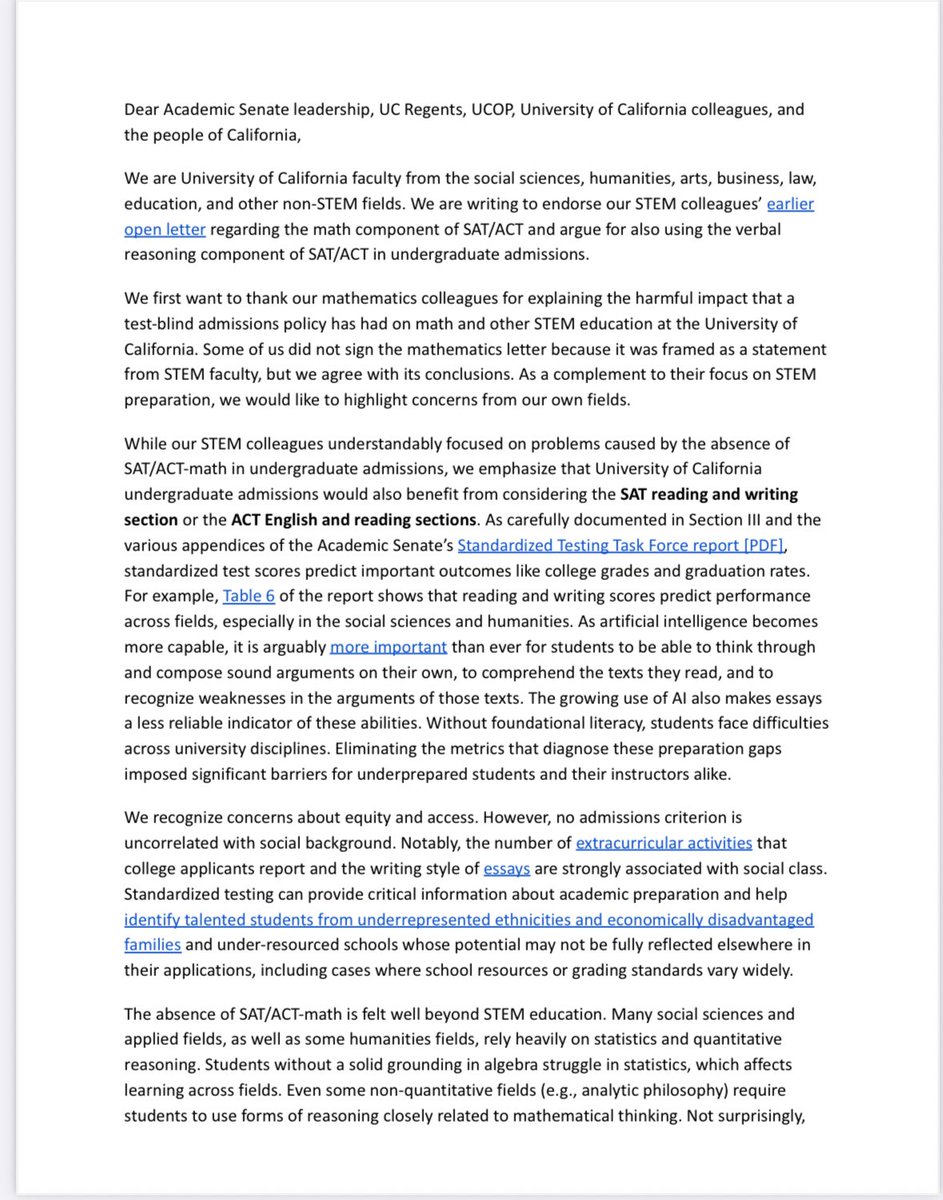
“Give up the failed experiment of the last six years.”
UC faculty in the humanities, social sciences, and professional schools are supporting their STEM colleagues with a new letter calling for a return to standardized tests in admissions.
11
56
393
65,259
The end-game for Anthropic is becoming government controlled by a single nation. As Thiel once said: Going IPO is like a government takeover (quasi empowering CFO, lawyers, etc as govt actors). Regulatory capture for capability oversight is a step towards monopoly.
16
16
212
28,473
Garry Tan retweeted
Tyler Cowen on the Fable/Mythos event. The issue with point 5 is that we are probably less than a year away from powerful RSI. Once automated researchers reach parity, the USG 𝘤𝘢𝘯 nationalize the labs and run them effectively, without any of the people currently working there.
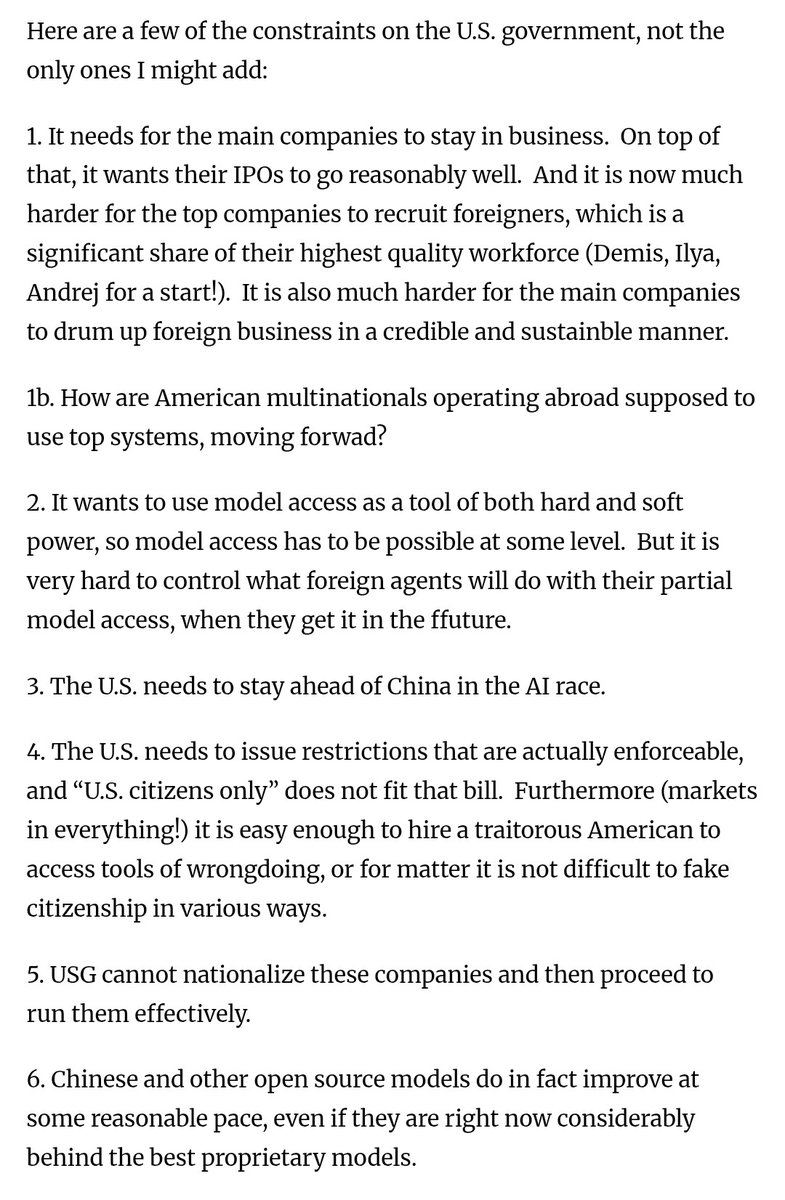

A few thoughts on the recent Mythos brouhaha: marginalrevolution.com/margi…
53
53
603
75,713
Garry Tan retweeted

Jun 12
over the course of adding features to this app, fable found one difficult. it turns out a certain apple API for programmatically moving windows between spaces silently stopped working 2 years ago. it found extensive discussion about this and numerous hacky workarounds other apps had gone with over the years, and told me
basically my options were slow automated mouse dragging or partially disabling system integrity protection.
but this is 2026. we're in a post unit-distance-world so i knew better. i asked it to try to figure a good workaround anyway, even though apparently nobody else had.
about 30 minutes later it discovered that the api did in fact still work to swap *between displays*, and always placed the window on the active space. and switching active spaces was still easy to do programmatically. and that there was a fully functional virtual display API it could use. it composed all of this to "bounce" windows to the virtual display, shift active space, and then bounce back, as a way to quickly and programmatically bulk shift windows between spaces.
this doesn't require any disabling of SIP and relies entirely on existing macOS apis. people know about all of these things individually, but as far as i can tell no one on the internet has figured out how to compose them for programmatic window-space movement. hammerspoon still has an open issue where the best workaround is various forms of window dragging: github.com/Hammerspoon/hamme…
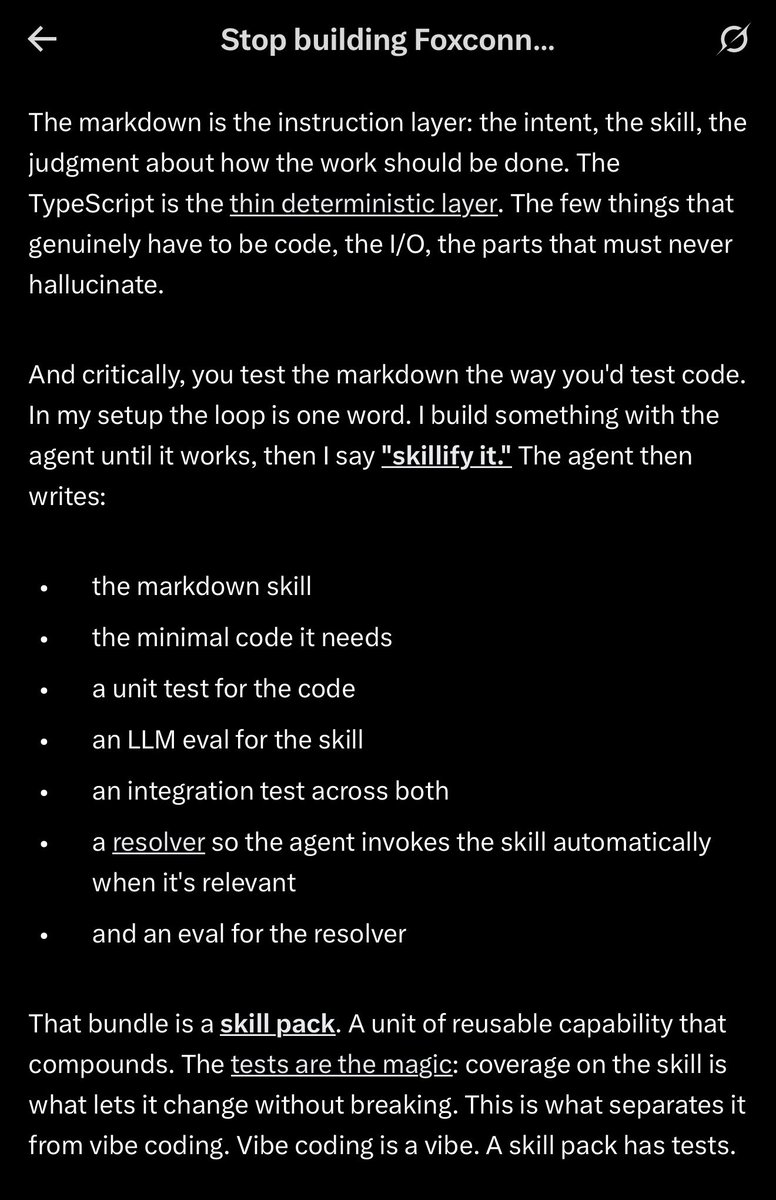
maybe at this point ur role as an engineer is primarily telling fable to be even more ambitious than it thinks it should be
Jun 12

built a small utility macos app this afternoon. fable one-shotted the initial concept quickly. after a few further feature iteration rounds and bug reports it *entirely autonomously* decided to add a custom debugging control probe logging channel so it could test end to end
10
13
321
25,869
Garry Tan retweeted

Jun 13
Berkeley math professor:
“Today, the more successful a public high school is at preparing its students, the lower its graduates' chances of getting into top UC campuses like Berkeley and San Diego.”
Berkeley admitted 45% of applicants from a high school where nearly 94% of “students failed to meet the state standards in mathematics.”
It admitted less than 14% of applicants from a school where “nearly 100 percent of its students in AP Calculus BC pass the national exam with a perfect score of 5.”
Jun 12

California universities dropped the SAT to help low-income and minority students. The policy is doing the opposite, writes Svetlana Jitomirskaya, a professor of mathematics at UC Berkeley. thefp.com/p/bring-back-the-s…
196
1,013
6,977
925,735
Garry Tan retweeted

Jun 11
The pricing model determines what you build. Charge for outcomes and you're forced to invest in software that compounds. Charge for time and you never will. Pricing isn't downstream of the product. It IS the product decision.
14
10
318
30,182
Garry Tan retweeted

Jun 13
According to Grok, Andrej Karpathy is an EB-1 extraordinary ability green card recipient, not a US citizen. Thus under these new restrictions he is not permitted to use, or work on, Mythos 5 or Fable 5 as of 5:21pm tonight.
Jun 13

From the statement:
'The US government, citing national security authorities, has issued an export control directive to suspend all access to Fable 5 and Mythos 5 by any foreign national, whether inside or outside the United States, 𝘪𝘯𝘤𝘭𝘶𝘥𝘪𝘯𝘨 𝘧𝘰𝘳𝘦𝘪𝘨𝘯 𝘯𝘢𝘵𝘪𝘰𝘯𝘢𝘭 𝘈𝘯𝘵𝘩𝘳𝘰𝘱𝘪𝘤 𝘦𝘮𝘱𝘭𝘰𝘺𝘦𝘦𝘴. The net effect of this order is that we must abruptly disable Fable 5 and Mythos 5 for all our customers to ensure compliance.'
174
534
7,457
798,622