Lifelong #UnpaidCarer. Historian. Environmental Archaeologist. Beekeeper. SciComms. Charity Fundraiser. Co-App't @brains4dementia. Former Trustee @alzheimerssoc

Joined February 2017
603 Photos and videos
Pinned Tweet
This is why the orange is in my bio. Thank you for a great video @SamuelLJackson #ShareTheOrange #Dementia #DementiaAwareness #WorldAlzheimersDay #WorldAlzheimersMonth
"Find a way for people to keep hold of their loved ones.” The brilliant @samuelljackson speaks about the devastating impact dementia has had on his own family and why he’s supporting our #ShareTheOrange campaign to change the conversation about dementia - alzheimersresearchuk.org/ora…
24
109
242
Andrew Cornwall 🍊 retweeted
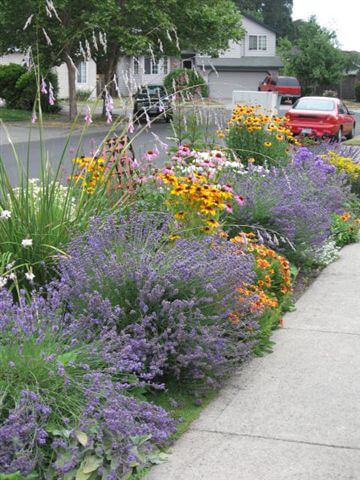
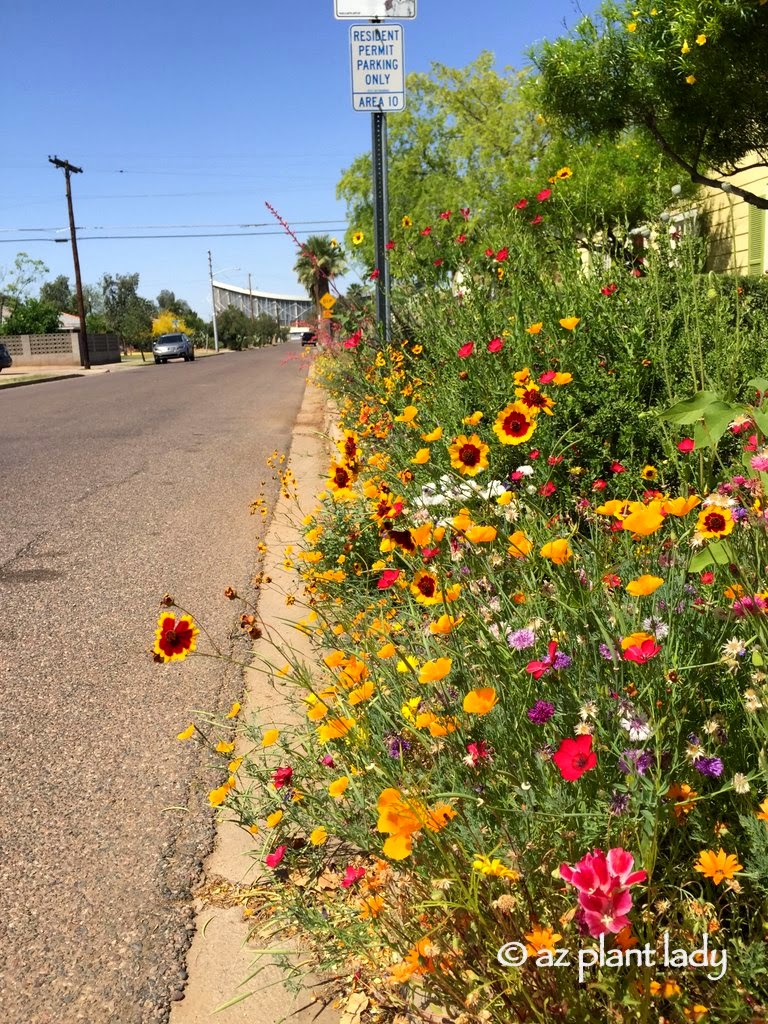
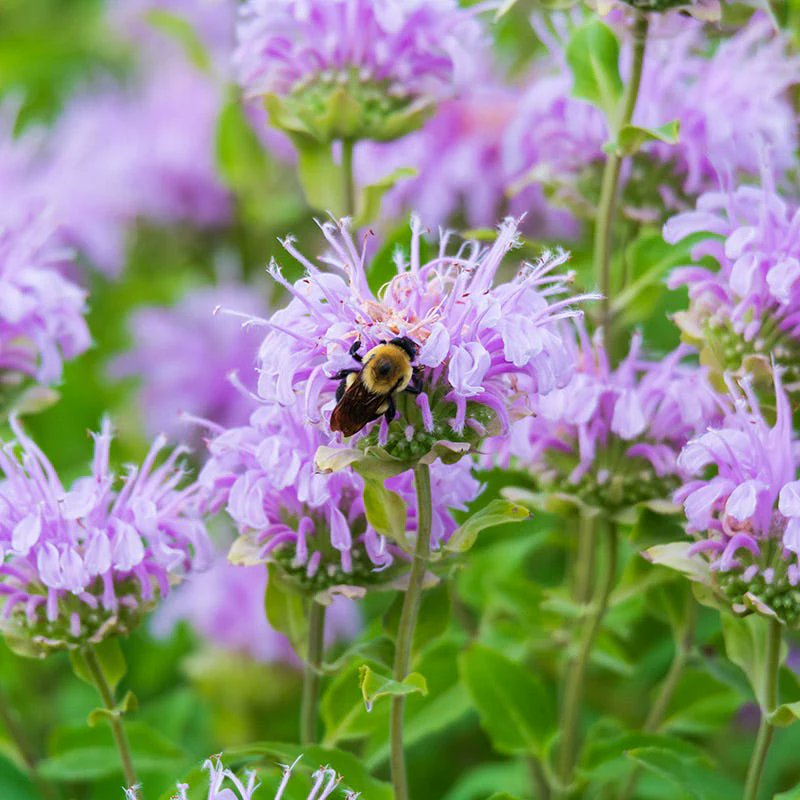
The single biggest irrigated crop in America isn't corn, wheat, or soybeans. It's not even avocados or almonds. It's lawn. We grow more grass than any food crop in the country, around 40 million acres of it, and almost none of it feeds a single living thing. Think about how strange that is. We took a grass that isn't even from here, planted it coast to coast, and now we pour water, fertilizer, and pesticide into keeping it short, green, and perfectly useless. To a bee, a butterfly, or a bird hunting caterpillars for its chicks, a manicured lawn is a desert. Nothing to eat, nowhere to nest, mile after mile of it. But here's the good news, maybe the easiest win on this whole account: you don't have to fix the entire desert. You just have to claw back a corner. Pick one strip. The hellstrip by the sidewalk, the run along the fence, that awkward patch you hate mowing anyway. Stop mowing it and plant it with native flowers, a few black-eyed Susans, some bee balm, a couple of coneflowers. That's it. No ripping out the whole yard, no fight with anybody. Just convert one piece. And that piece stops being dead space and starts being habitat: bees, butterflies, and birds showing up to a spot that offered them nothing a year ago. Now picture your neighbor doing the same, and the one after that. That's how a desert turns back into a meadow, one reclaimed corner at a time.
94
965
3,458
46,616
Lewis and Euan’s mum, Sarah, was diagnosed with young onset frontotemporal dementia when Lewis was 19 and Euan was nine. 💙 This #MenHealthWeek, they talk openly and honestly about how #dementia changed their lives, and how they are navigating grief. Watch Lewis and Euan’s full conversation: youtu.be/tYzMCJJ5r5E
1
1
4
206
Andrew Cornwall 🍊 retweeted
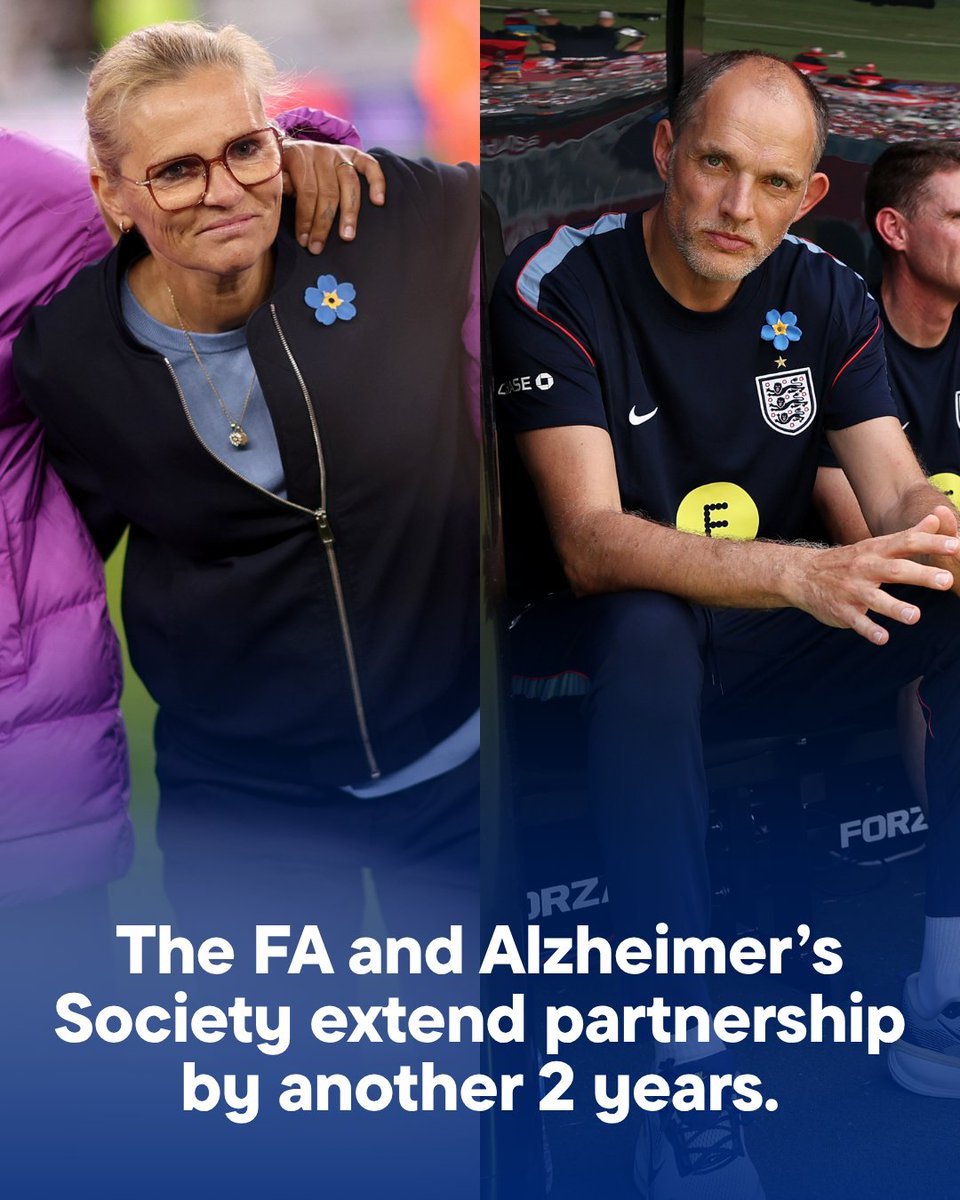
We're thrilled to announce the charity partnership between Alzheimer's Society and The FA has been extended by a further two years. Together we've created some incredible moments, spread important awareness, and supported groundbreaking research. Thanks to Thomas Tuchel and Sarina Wiegman for proudly wearing their Forget Me Not badges this month. @England @Lionesses @EnglandFootball
2
23
102
124,213
Andrew Cornwall 🍊 retweeted
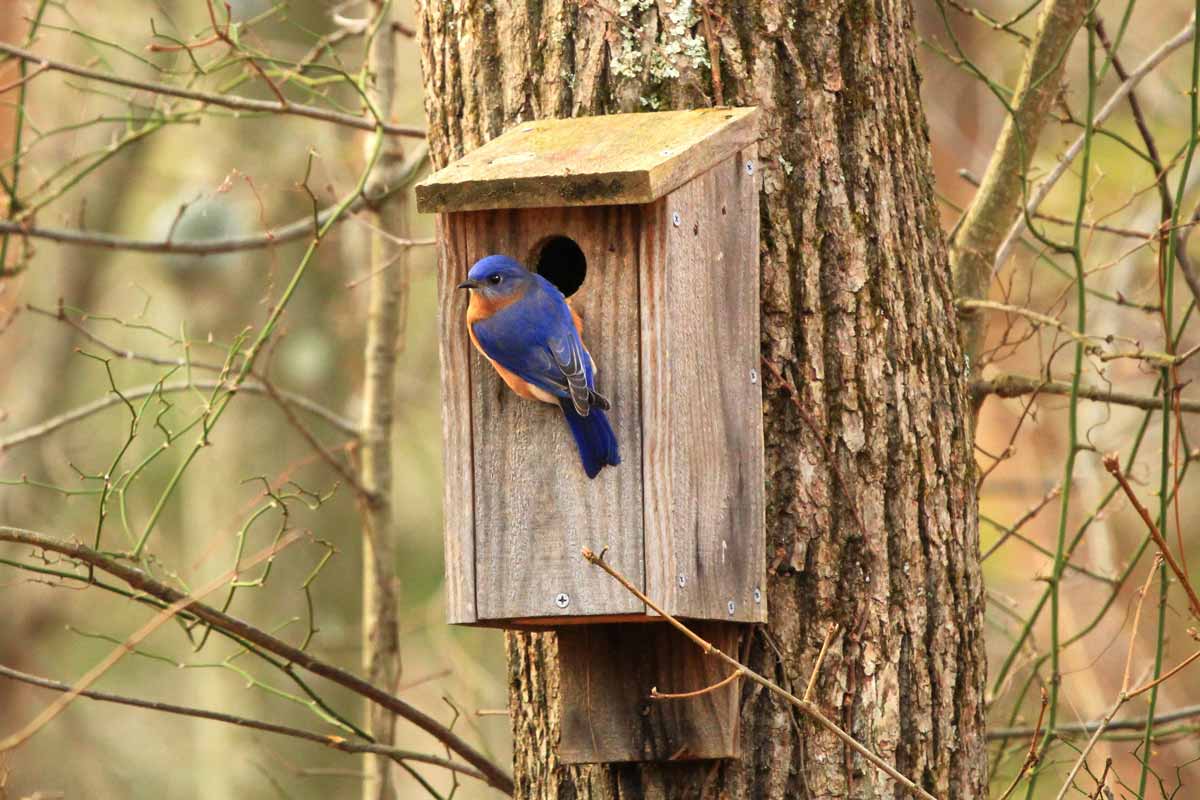
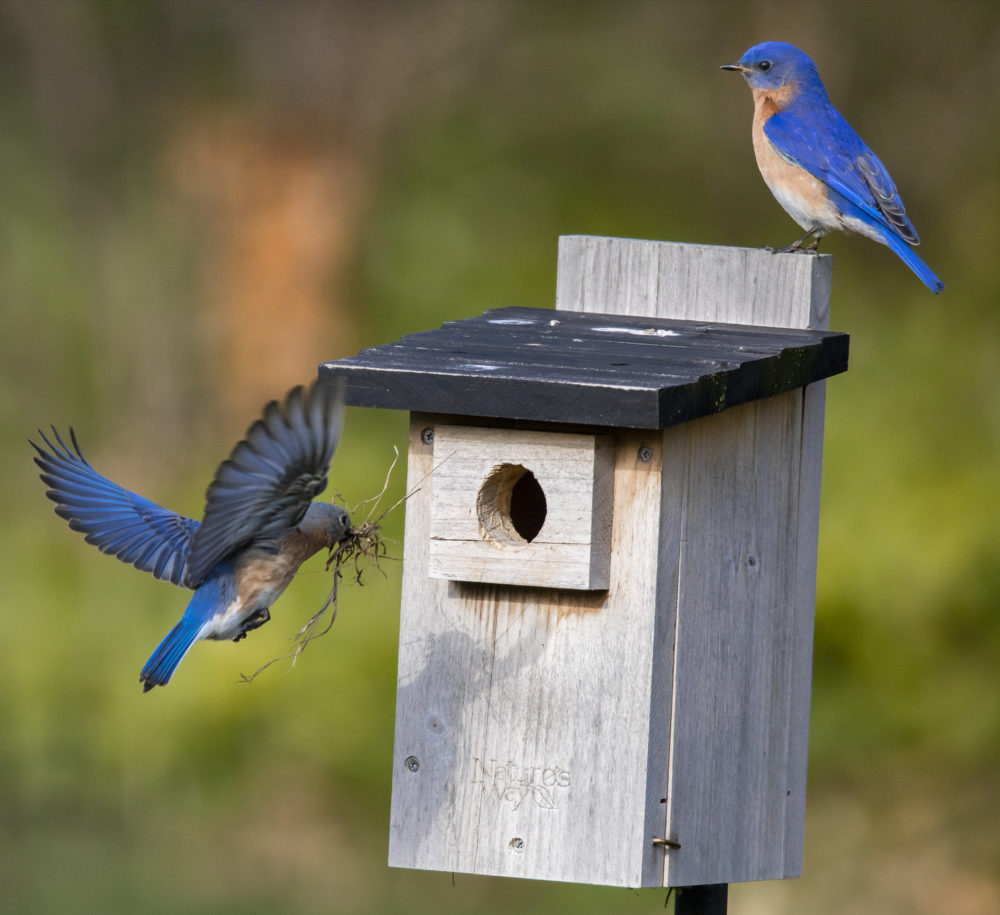
A hundred years ago, the eastern bluebird was one of the most common birds in the country. Then it nearly disappeared. Here's the problem: a bluebird can't build its own home. Neither can a chickadee or a wren. They're cavity nesters with no tools to dig a hole, so they move into ones that already exist: an old woodpecker hole, a rotted knot in a tree, a hollow in a dead limb, a soft spot in a wooden fence post. Then we launched a relentless effort to tidy the world and put everything in its right place. We cut down the dead trees, the "ugly" snags, and hauled them off. We swapped the old wooden fence posts for metal. We cleaned up every hollow stump and dying branch. And just like that, the nesting spots were gone. Worse, two birds we'd imported from Europe, house sparrows and starlings, muscled into the few cavities left and threw the bluebirds out. By the 1970s, bluebird numbers had fallen by nearly 90%. Here's where things began to turn. Ordinary people started nailing wooden boxes to posts. Just boxes, with a hole the right size. And the bluebirds came back, all the way back, one of the greatest comebacks in American conservation, built almost entirely by regular folks in their own yards with a little lumber. So here's where you come in. A nest box isn't a cute decoration. It's a replacement for the dead tree we took down, a hole in the world for a bird that can't make its own. Put one up, with the correct hole size for the bird you want, on a smooth pole a predator can't climb, and you stop being a bystander to that story.
63
719
2,428
36,191
Andrew Cornwall 🍊 retweeted
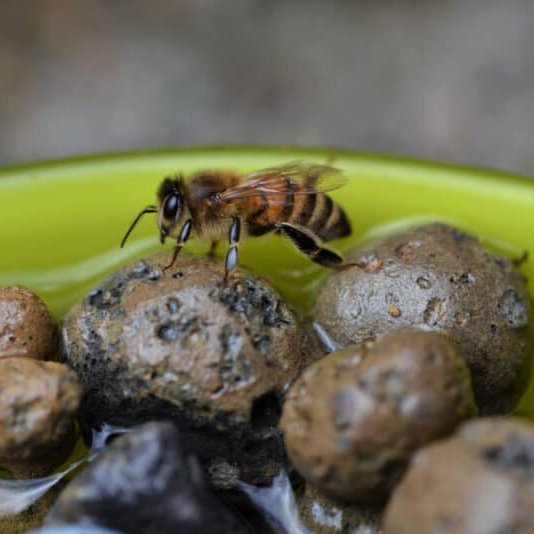
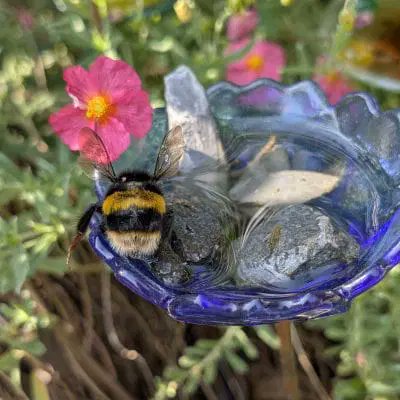
It's hot. Put a dish of water outside today with a few stones in it. During a heat wave, birds and bees need water as much as food. Honey bees drink it, haul it back to the hive, and use it to help cool the brood. But bees need a safe place to land. A deep bowl of water can become a trap. The fix is simple. Fill a shallow dish with pebbles or stones and add water until the tops stay dry. The bees get islands to stand on, and birds get a shallow edge to drink and bathe. Set it in the shade and dump and refill it every day. Fresh water in the heat, no mosquito problem. Two minutes, a dish, and a handful of rocks can make the hottest days a little easier for everything sharing your yard.
21
386
1,385
25,431
Andrew Cornwall 🍊 retweeted
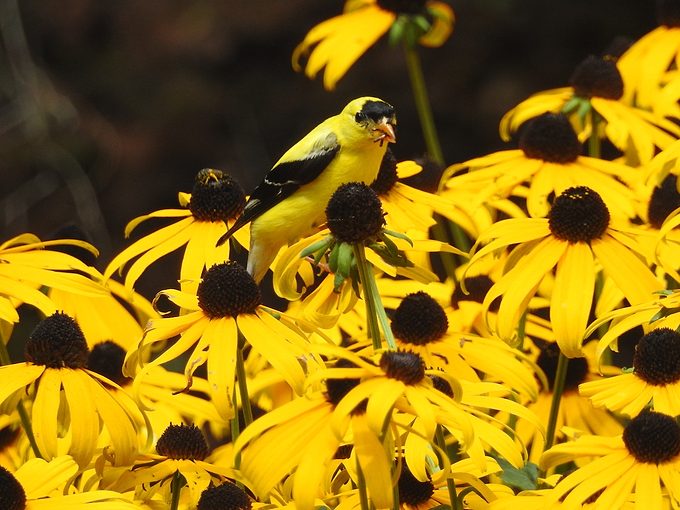
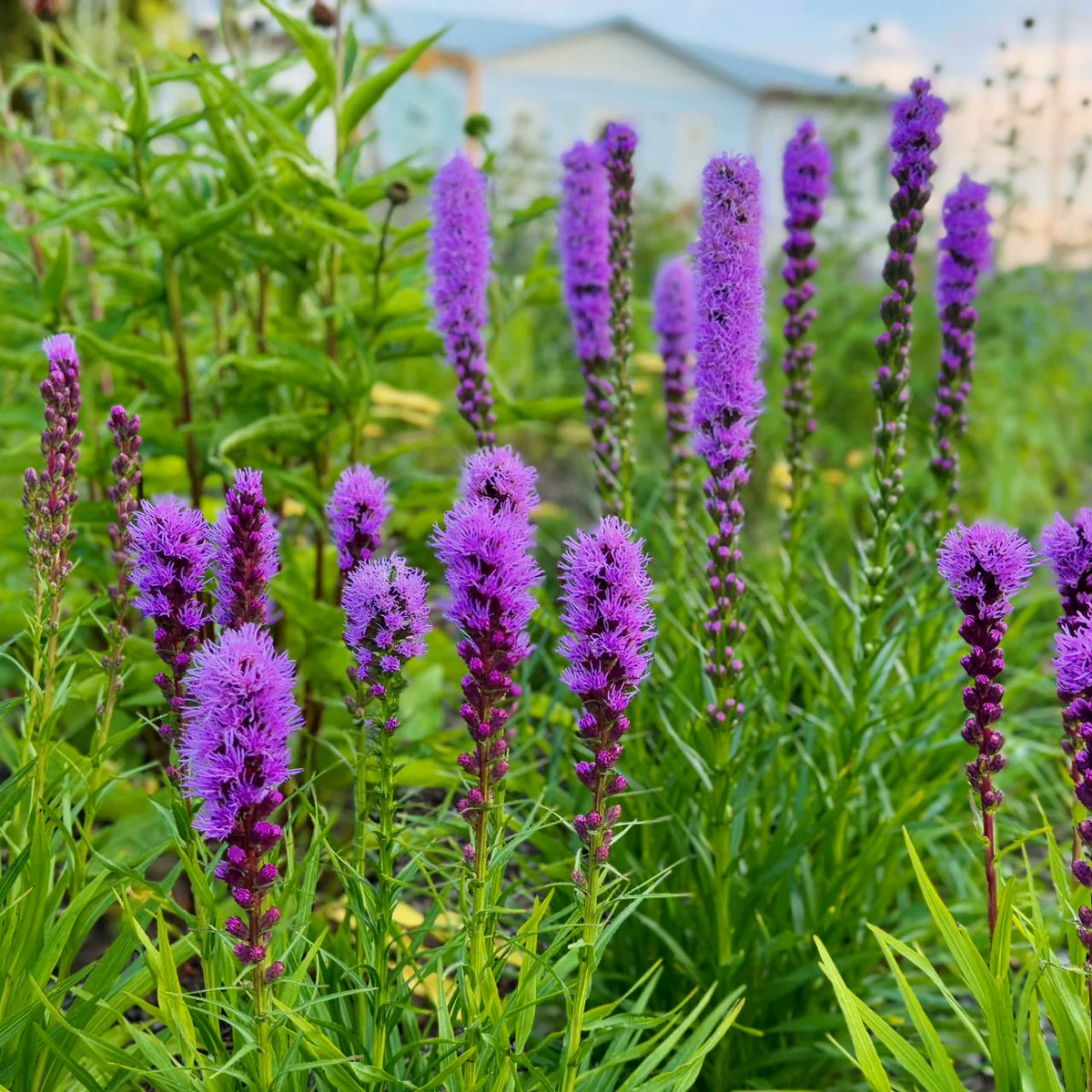
It's the middle of June. Is it too late to plant flowers? No. Not even close. Here's the thing about perennials: the first season isn't about the show so much as it is about the roots. There's an old gardener's line for it: the first year they sleep, the second year they creep, the third year they leap. A native perennial you put in the ground this week spends all summer and fall digging in, building a root system down where you can't see it, and comes back next spring stronger. So plant the tough natives now. These shrug off heat and want full sun: - Black-eyed Susan, which may even bloom for you this year. - Purple coneflower, a pollinator magnet that feeds goldfinches all winter. - Butterfly weed, the native milkweed monarchs actually need. It loves warm soil, so now is perfect. - Bee balm, if you want hummingbirds. - Blazing star and coreopsis, both tough as nails. - Goldenrod and asters, which bloom in fall, so you might get color out of them this very season. There's exactly one rule for planting in summer heat: water them plenty. This first season, while the roots are still shallow, give them a good soak a couple times a week through the hot stretches. Once they're rooted in, you can walk away and they'll fend for themselves for years. So no, you're not too late. You're right on time for the plant that comes back.
10
334
1,564
23,962
As Carers Week, the annual campaign to raise awareness of caring, comes to an end, we're sharing some of our resources that anyone supporting a person living with young onset dementia may find useful. The Young Dementia Network website has a Resources section which contains a range of resources for people affected by young onset dementia as well as professionals, service providers, commissioners and service developers. Check them out here: youngdementianetwork.org/res…
2
2
68
#CarersAllowance Overpayments Scandal Support Hub @CarersUK #UnpaidCarers
Unpaid carers continue to get caught in the Carer's Allowance overpayments scandal, even when they have actively flagged changes to their circumstances, as shown in todays @guardian theguardian.pulse.ly/xxpnmgm…
66
Andrew Cornwall 🍊 retweeted
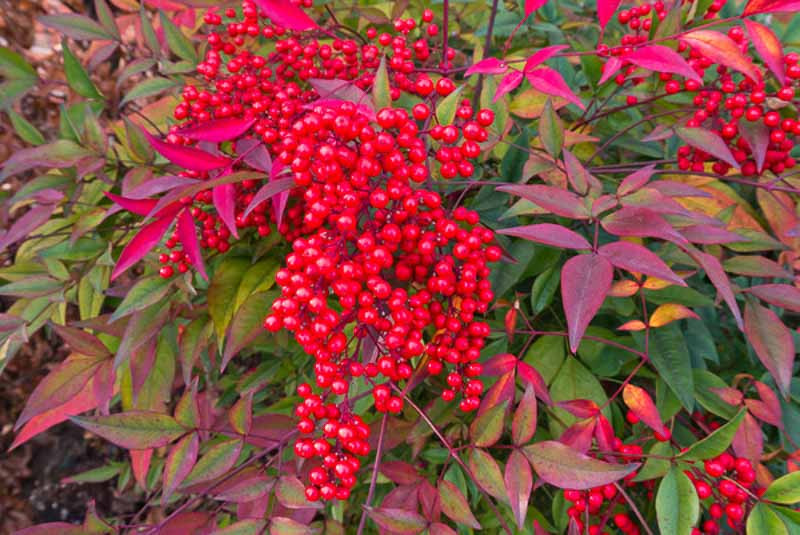
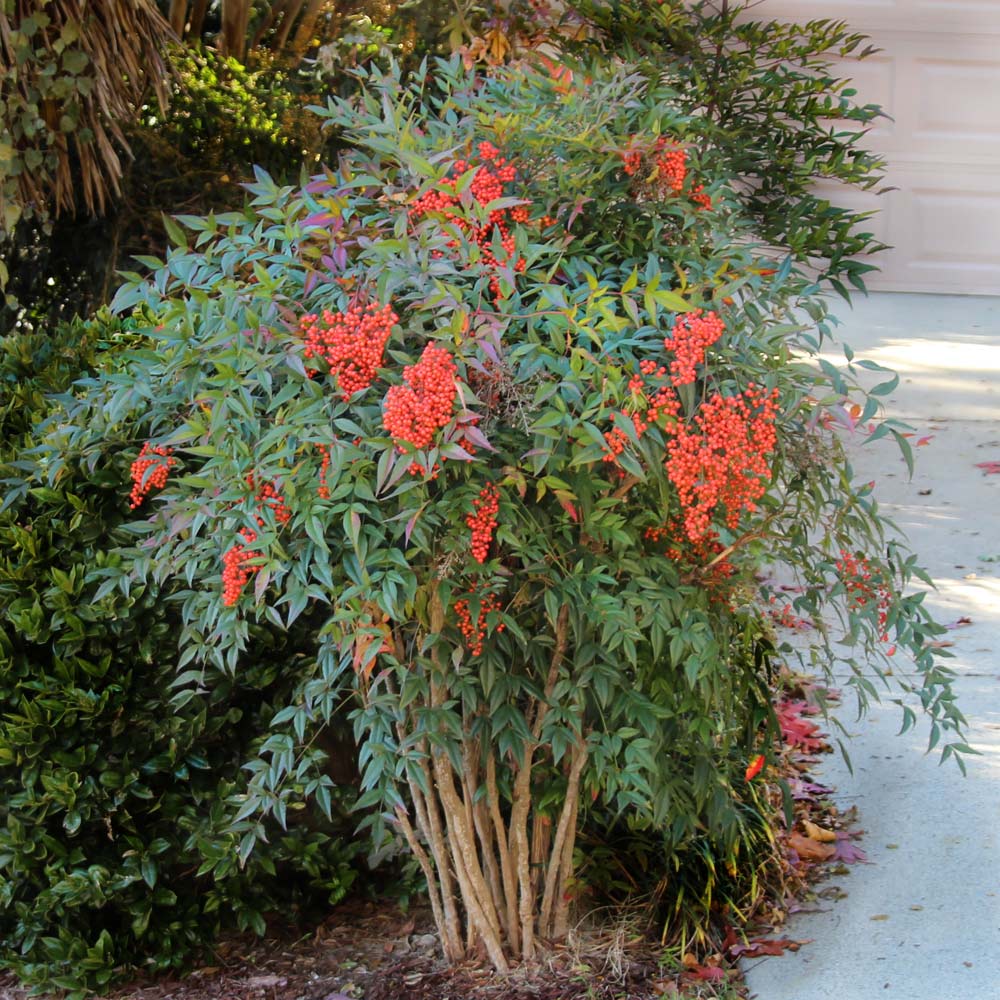
In 2009, dozens of cedar waxwings dropped dead in a Georgia yard. A lab opened them up and found their stomachs packed with one thing: bright red berries picked off the shrub by the porch. That shrub was nandina, sold all over the South as "heavenly bamboo." It's not bamboo, but an Asian barberry relative, and its berries contain cyanide compounds. A bird that eats a few is usually fine. But cedar waxwings don't eat a few. They descend in flocks and strip plants bare, and in late winter, when those berries are one of the few foods left hanging, a whole flock can swallow a deadly dose in minutes. The Georgia birds were found dead beneath the shrubs they had been feeding on. It's happened since, including more cedar waxwings found dead at UNC Chapel Hill. The berries are also how the plant spreads. Birds eat the fruit and scatter the seeds. Nandina has escaped gardens into woods across much of the South, from Virginia to Texas. It tolerates deep shade, which means it doesn't stop at the trail edge. It can establish in intact forests and crowd out native plants. State after state lists it as invasive. It's still sitting on the shelf at the big-box nursery. It's easy to recognize. An upright evergreen shrub three to eight feet tall, with lacy leaves that turn red in cold weather, clusters of white flowers in spring, and bunches of glossy red berries that hang on all winter. So yank it. Get the roots, because it resprouts. If you can't remove the whole thing this year, at least cut off every berry cluster before the birds find it. Then plant something that actually feeds them: winterberry, American beautyberry, chokeberry, or native hollies. The birds deserve better.
56
919
2,431
47,671
Andrew Cornwall 🍊 retweeted
NHS continuing healthcare (CHC) should fund care for people with long-term, complex health needs. But too many carers, like Mahersh, are left fighting a flawed process instead of spending precious time with loved ones. ✍️ This #CarersWeek, sign our petition to fix NHS CHC: action.dementiauk.org/fix-nh…
27
29
1,370
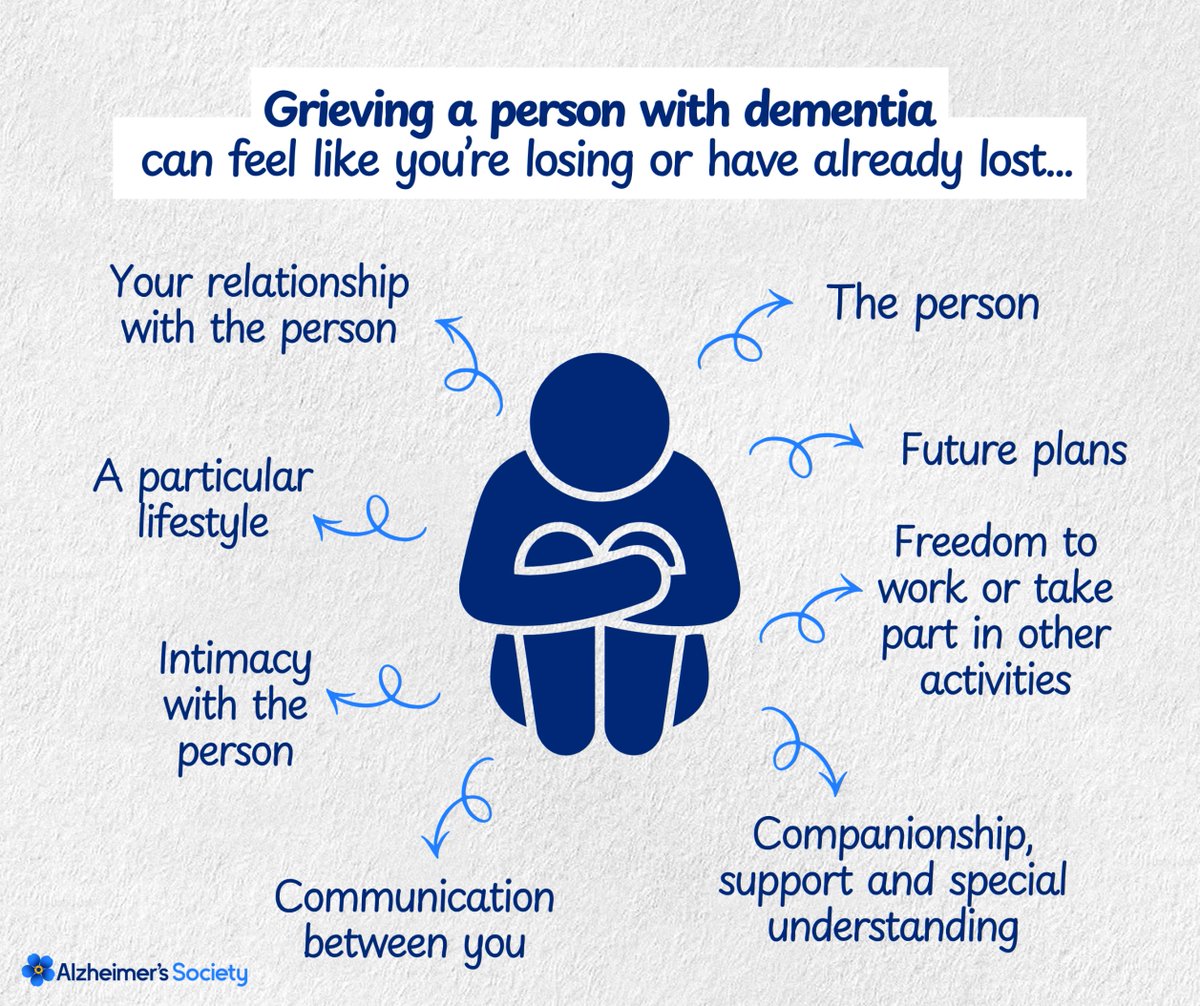
71% of carers say they are already grieving the person they knew while still caring for them. If this feels familiar, you’re not alone. When someone close to you develops dementia, both of you may experience a profound sense of loss that can change over time. Depending on your relationship and circumstances, you may feel you are losing, or have already lost: your relationship with the person; companionship, support and special understanding; a particular lifestyle; intimacy with the person; freedom to work or take part in other activities; communication between you; future plans; and the person themselves. You may grieve for a short time as you experience these changes, or grief can be ongoing. Your feelings of grief may also change or go back and forth over time. Feelings of loss and grief might make it harder for you to cope with caring. Some of the changes you both go through can be harder to process than the person’s death. It’s important to acknowledge any feelings you have and try not to feel guilty about them. There is no right or wrong way to grieve. If you need any support or advice, please call our Dementia Support Line on 033 150 3456 or access peer support via our Dementia Support Forum 👇 forum.alzheimers.org.uk/ [Image description: A graphic titled 'Grieving a person with dementia can feel like you’re losing or have already lost...' depicts a person sat down, holding their knees towards their chest, as if something is troubling them. They are surrounded by short sentences describing the the different types of 'loss', which include: Intimacy with the person; Your relationship with the person; Companionship, support and special understanding; A particular lifestyle; Freedom to work or take part in other activities; Communication between you; Future plans; and The person. An Alzheimer's Society logo can be seen in the bottom left corner.]
1
30
Andrew Cornwall 🍊 retweeted
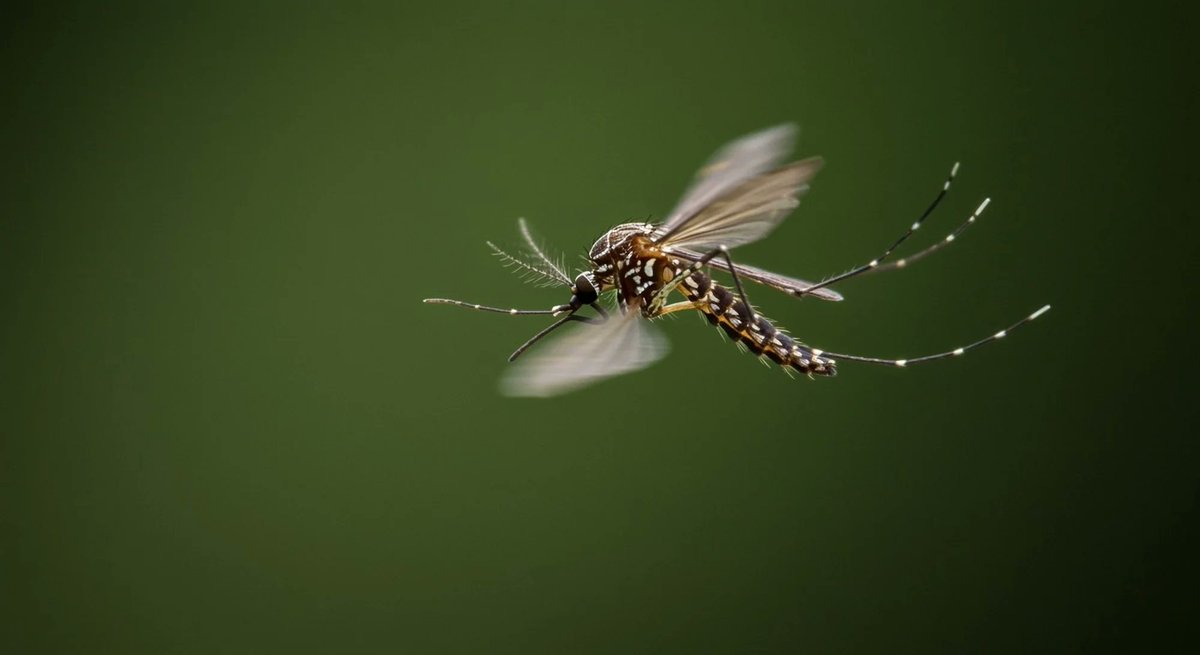
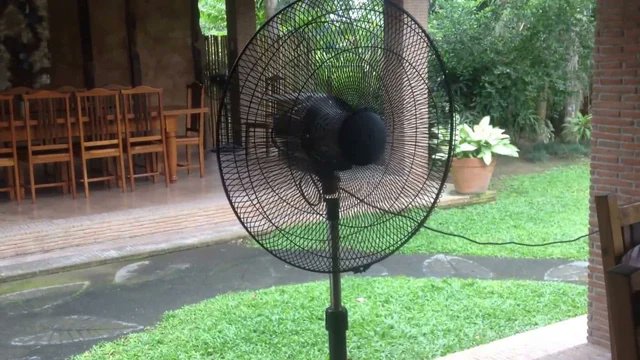
The best mosquito repellent for your patio costs $20 and runs on a wall outlet: a fan. Mosquitoes are terrible fliers with a top speed of about 1-2 miles an hour, slower than you walk, and they struggle to make headway against even a gentle breeze. Point an oscillating fan at your outdoor seating area and they'll physically struggle to get to you. It works on two levels too. A mosquito finds you by following the plume of carbon dioxide you exhale, plus the heat and scent rising off your skin. A fan scatters all of it and erases the trail that leads them in. So it knocks them out of the air and helps hide you from their senses at the same time. This isn't folk wisdom. The CDC notes that fans reduce mosquito landings, and studies have found that using a fan can substantially reduce mosquito bites. Citronella candles offer only modest protection and are generally much less effective than a fan or EPA-registered repellents. Plug in a fan, aim it at the table, and take your evening back.
142
1,466
9,588
1,222,324
Andrew Cornwall 🍊 retweeted
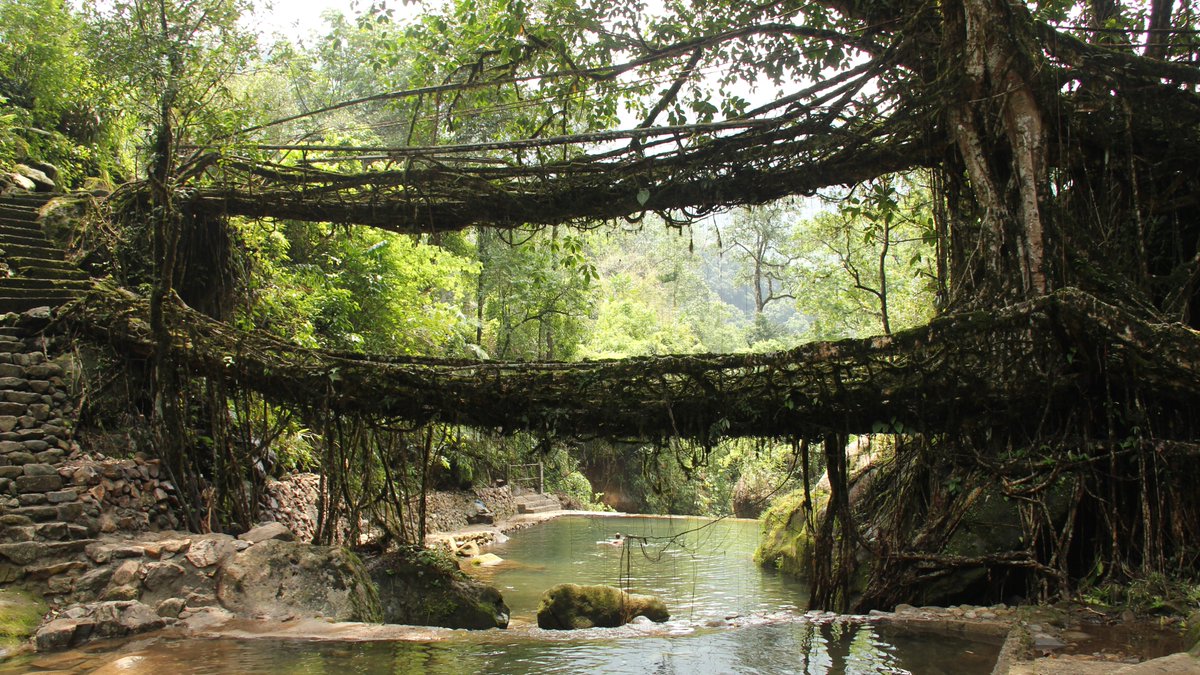
In one of the wettest places on Earth, people grow their own bridges. In Meghalaya, in northeast India, the monsoon rots wood, rusts metal, and swells rivers into something potentially deadly. So for centuries the Khasi and Jaintia people have done something else. They take the living aerial roots of a rubber fig tree, guide them across the river on bamboo scaffolds, and wait. Over fifteen or twenty years the roots reach the far bank, dig in, thicken, and fuse into a living bridge. These are real, working bridges. Some run over a hundred feet, some are stacked into double-deckers, and some are estimated to be more than 500 years old and still carry dozens of people at once. Researchers who surveyed more than seventy living root structures found that they keep getting stronger. Unlike most conventional bridges, which slowly deteriorate and require repairs, a living root bridge can continue thickening and strengthening as long as the tree remains healthy. The people who begin one often do so knowing that future generations will benefit even more than they will. They grow it for their grandchildren, the way someone once grew the one they use today.
11
183
898
15,817
Andrew Cornwall 🍊 retweeted
Worth a read.👇 Pollinators in peril: scientists reveal the hidden human health costs of the world’s disappearing bees Crops and flowers rely on them for survival, but wild bees are declining – and crucial nutrients will go missing from our diets as a result There are few ways in and out of Nepal’s Jumla district. The Karnali highway, considered one of the world’s most dangerous roads, provides the only land link, splicing through the Himalayas to connect Jumla’s terraced valleys to the rest of the country. As such, the 120,000 people that live there are almost entirely self-sufficient, with most of them eating and selling what they grow. It’s a tenuous existence, plagued by food insecurity and malnutrition. In recent years, local beekeepers have bemoaned languishing hives and dwindling honey production, observing that roughly half of their bees seem to have vanished over the past decade. These concerns, however, ignore an even more insidious impact. “They saw these bees as valuable for honey, but they didn’t really realise that they were also essential for supporting the production of their crops,” says Thomas Timberlake, an ecologist at the University of York. In a study published last month in the journal Nature, Timberlake and his colleagues set out to quantify just how important the area’s pollinators were to the health of those living in 10 remote Jumla villages. To do so, they tracked people’s diets, crop yields, and farming income over a one-year period, alongside pollinator interactions with their crops – including the painstaking process of counting pollen granules on fuzzy bee bodies. It turned out that pollinators were directly responsible for more than 20% of inhabitants’ vitamin A, vitamin E and folate intake, and 44% of their farming income. It is the first study of its kind to provide direct evidence of the bond between pollinators and human health. “These types of communities are so vulnerable because they are very isolated geographically. There are not good trade links into there, and they’re very poor,” says Timberlake. “If the yields of local fruits and vegetables decline, they are not going to be able to supplement that by buying imported foods. They just are not going to eat those fruits and vegetables.” Ecologists have long stressed the importance of pollinators for human health, yet measuring the direct benefits to our wellbeing is still an evolving field of study. It is also..... More here: theguardian.com/environment/…
20
24
872
Andrew Cornwall 🍊 retweeted
🌡️ Extreme heat is already affecting crops, livestock, forests, fisheries & the people who produce our food. @FAO-@WMO report on #ExtremeHeat & Agriculture shows the impacts & #ClimateAction needed to respond to this growing threat. 🔗 doi.org/10.4060/cd9394en
32
71
123
7,065
Benefits for an #UnpaidCarer registering as a #Carer with their GP ⬇️
Registering as a #carer with your GP may give you access to additional support for your physical and mental health, and help you find local support groups or respite services. Find out more: dementiauk.org/information-a… #CarersWeek
1
4
5
1,066
Andrew Cornwall 🍊 retweeted
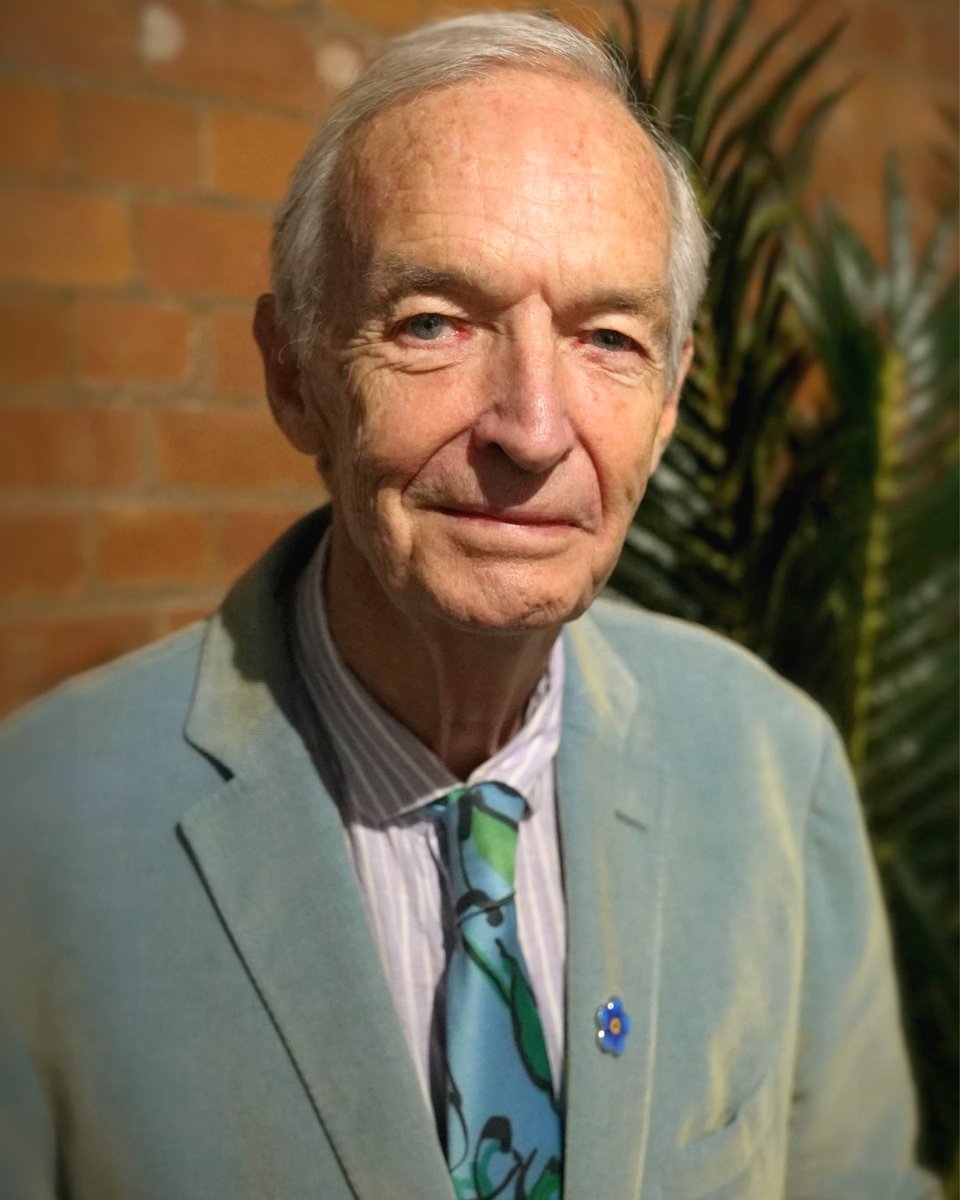
'I’m truly bowled over by the outpouring of support and affection since revealing my dementia diagnosis. 'Receiving a dementia diagnosis can turn your world upside down, but I really do believe it’s better to know. 'Too many people are experiencing delays in diagnosis - on average 3.5 years - meaning they’re left in limbo without the help they need. 'An early diagnosis can open the door to treatment, support, care and the chance to take part in research that could change the future.  'People living with dementia and their families have waited long enough for change. We must demand better for everyone affected. 'I would urge everyone to join me in signing Alzheimer’s Society’s open letter calling on government to deliver a bold and ambitious plan for dementia.’ @jonsnowC4
71
560
3,321
68,156
Andrew Cornwall 🍊 retweeted
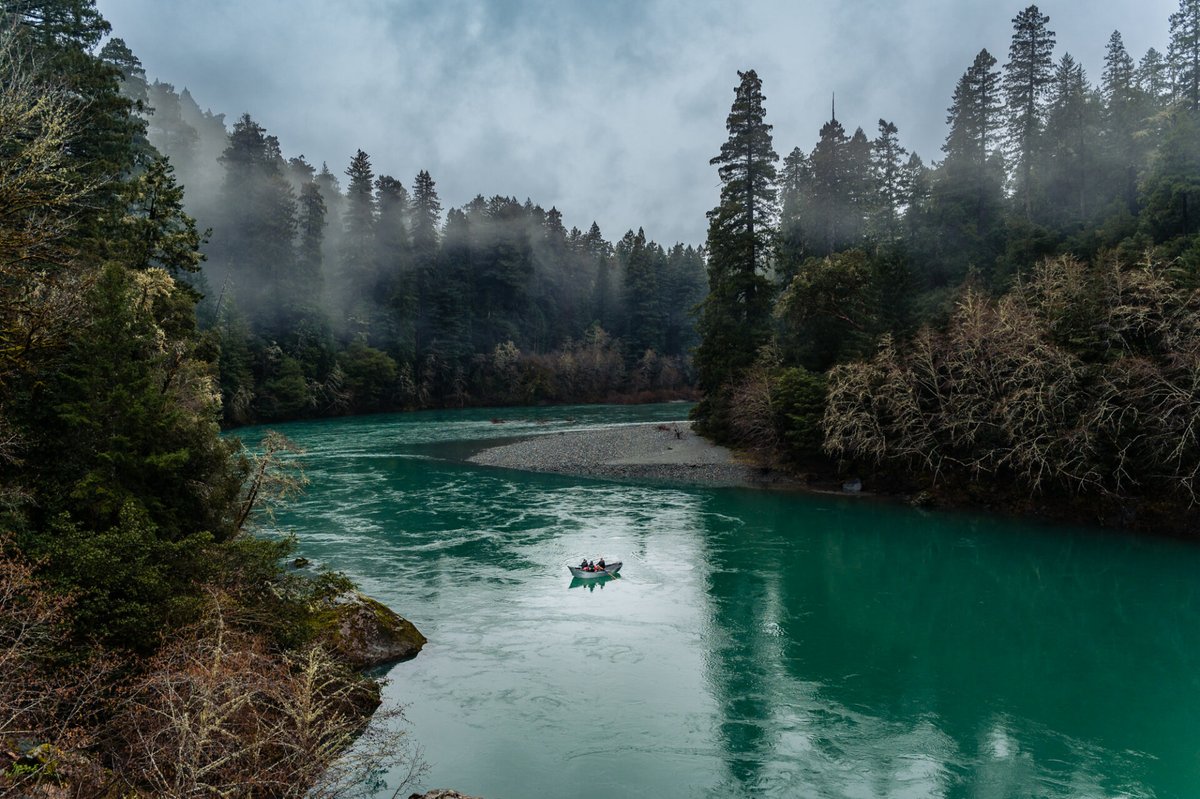
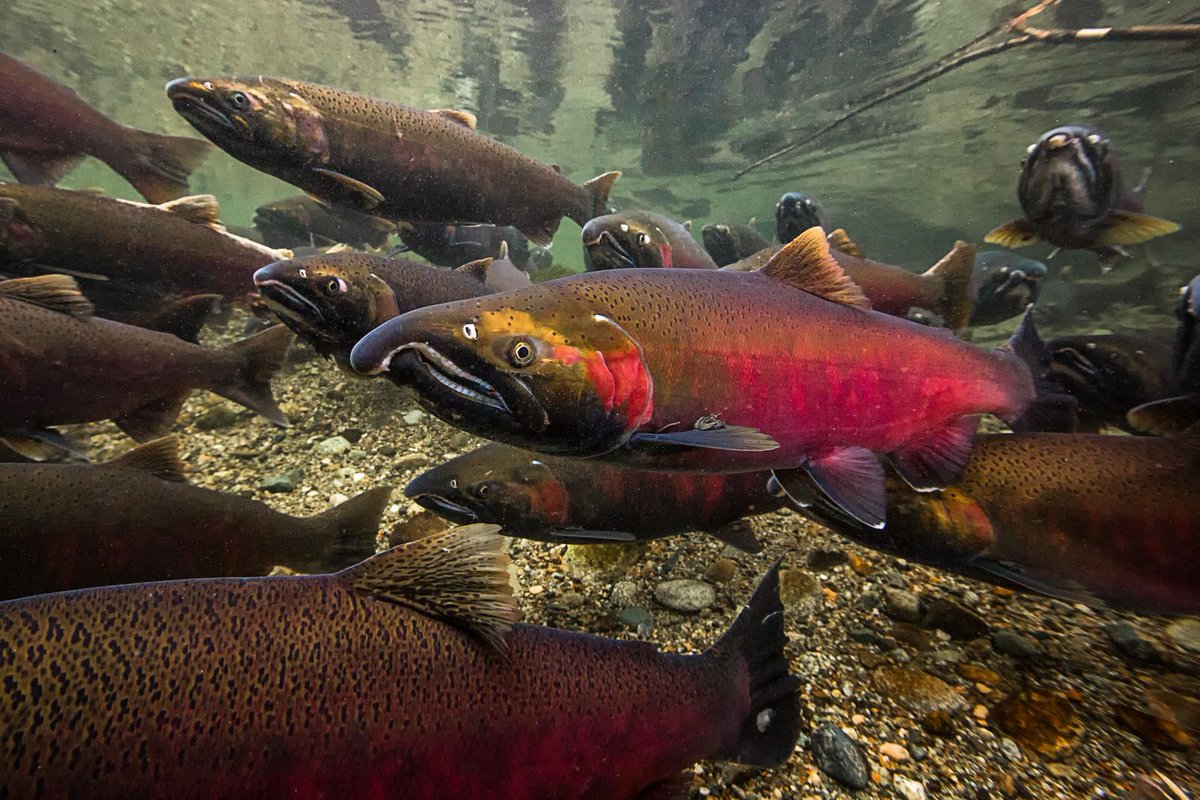
Some of the largest trees in the Pacific Northwest are part ocean. Every year, salmon leave the Pacific and swim inland to spawn in the rivers where they were born. After they die, their bodies don't stay in the water. Bears, eagles, and other animals drag them into the forest to feed. What’s left behind becomes part of the land. That decaying flesh carries ocean nutrients deep into the soil. Scientists can actually trace it using nitrogen-15, a rare form of nitrogen that is far more common in the sea than on land. When they find it in streamside trees, they know the ocean has been there. In some riparian forests, a meaningful share of the nitrogen in vegetation can be traced back to salmon. Trees near spawning streams often grow more vigorously than those in watersheds without fish, and the legacy of past runs can sometimes be detected in soil and wood chemistry. This is a system built on return and decay: salmon feed the forest, and the forest shapes the streams the salmon depend on.
11
236
1,038
13,400
Andrew Cornwall 🍊 retweeted
Tonight's 1966 replay featured the story of Jackie and Tony. Jackie was diagnosed with young onset Alzheimer’s disease at the age of 54. Watch their full story in full below. youtube.com/watch?v=UQMxsbpO…
4
10
2,468
💜 For #CarersWeek, dementia carer Lesley is sharing what she wishes people knew about caring for her mum. We will share Lesley's story throughout the week. Read her story and help build a world where carers feel seen, valued and supported: dementiacarers.org.uk/news/w…
1
42