
Joined November 2014
- Tweets 1,505
- Following 1,003
- Followers 13,596
- Likes 1,644
502 Photos and videos



May 29
LIVE NOW 🔴
Christian Liebel joins us to talk about the future of the web and evolving standards.
👩💻 youtube.com/watch?v=f9WVv9Cp…
📱 youtube.com/watch?v=4x4F2FYJ…
Shout out to briebug.com — helping us keep Angular Air going and supporting teams building scalable apps.
2
307
May 25
This week on Angular Air:
@christianliebel (W3C TAG) joins us to talk about the evolving web platform and what devs should pay attention to next.
👩💻 youtube.com/watch?v=f9WVv9Cp…
📱 youtube.com/watch?v=4x4F2FYJ…
Sponsored by @briebug 💙
1
2
338
Apr 17
LIVE NOW 🔴
Talking agentic UIs in Angular with @ManfredSteyer — where AI starts driving the experience, not just responding.
👩💻 youtube.com/watch?v=njGApqSA…
📱 youtube.com/watch?v=VQ6izUtk…
Shout out to briebug.com — building scalable, high-quality apps with teams.
1
5
563
Apr 13
This week 👀
Manfred Steyer leads us on Angular Air to explore agentic UIs in Angular using Hashbrown!
👩💻 youtube.com/watch?v=njGApqSA…
📱 youtube.com/watch?v=VQ6izUtk…
Shout out to briebug.com — building scalable, high-quality apps with teams.
3
25
1,213
Mar 27
LIVE NOW 🔴
Back to the Basics: AI-assisted i18n in Angular with @adyngom
👩💻 youtube.com/watch?v=QSPA0JJJ…
📱 youtube.com/watch?v=hZrDyUnC…
Sponsored by @Briebug → briebug.com
3
167
Mar 23
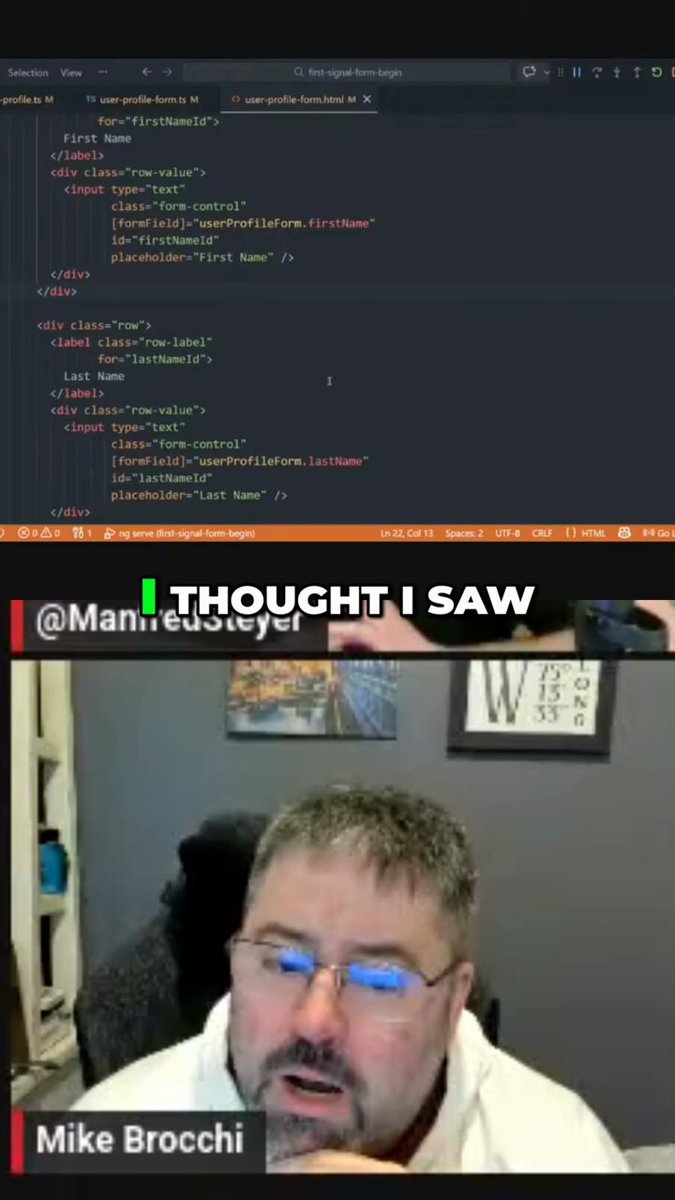
Confused by form inputs vs. model inputs in signals? Check out @DeborahKurata's FULL EPISODE HERE: youtube.com/watch?v=u2Ij-fAy…
#DevTips #Frontend
1
2
207
Mar 22
Combining declarative schema definitions with simple templating offers the best of both worlds in form building. Define your model's constraints upfront, then use a straightforward template. #WebDev #Frontend
@DeborahKurata's FULL EPISODE HERE: youtube.com/watch?v=u2Ij-fAy…
1
14
872
Mar 21
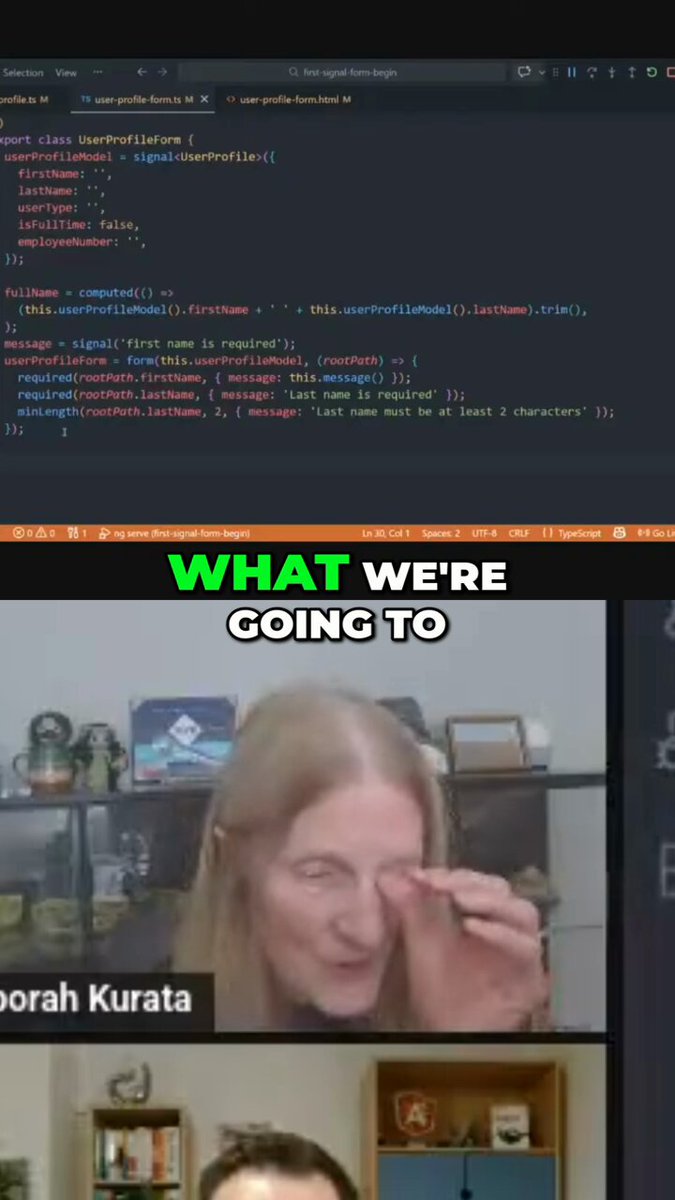
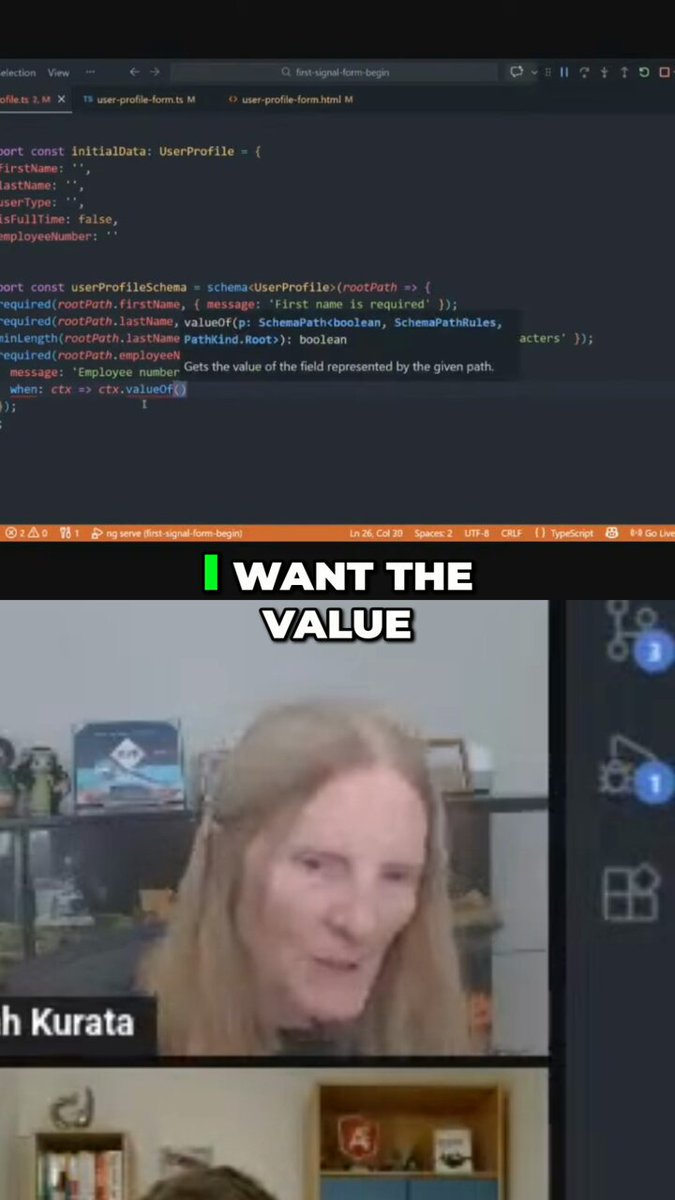
Simplify your code by separating concerns. Define initial data and validation schemas in dedicated constants. Keeps component logic clean and maintainable, drastically condensing your code. #DevTips #CodeOrganization
@DeborahKurata's FULL EPISODE HERE: youtube.com/watch?v=u2Ij-fAy…
11
521
Mar 20
Validating data against data structures is simplified testing. No DOM, browser, or complex setup needed – just pure data validation. #SoftwareTesting #DevTips
@DeborahKurata's FULL EPISODE HERE: youtube.com/watch?v=u2Ij-fAy…
5
450
Mar 19
Preemptive error handling before the user type is even set. 🫨 #DevTips #Validation
@DeborahKurata's FULL EPISODE HERE: youtube.com/watch?v=u2Ij-fAy…
1
190
Mar 18
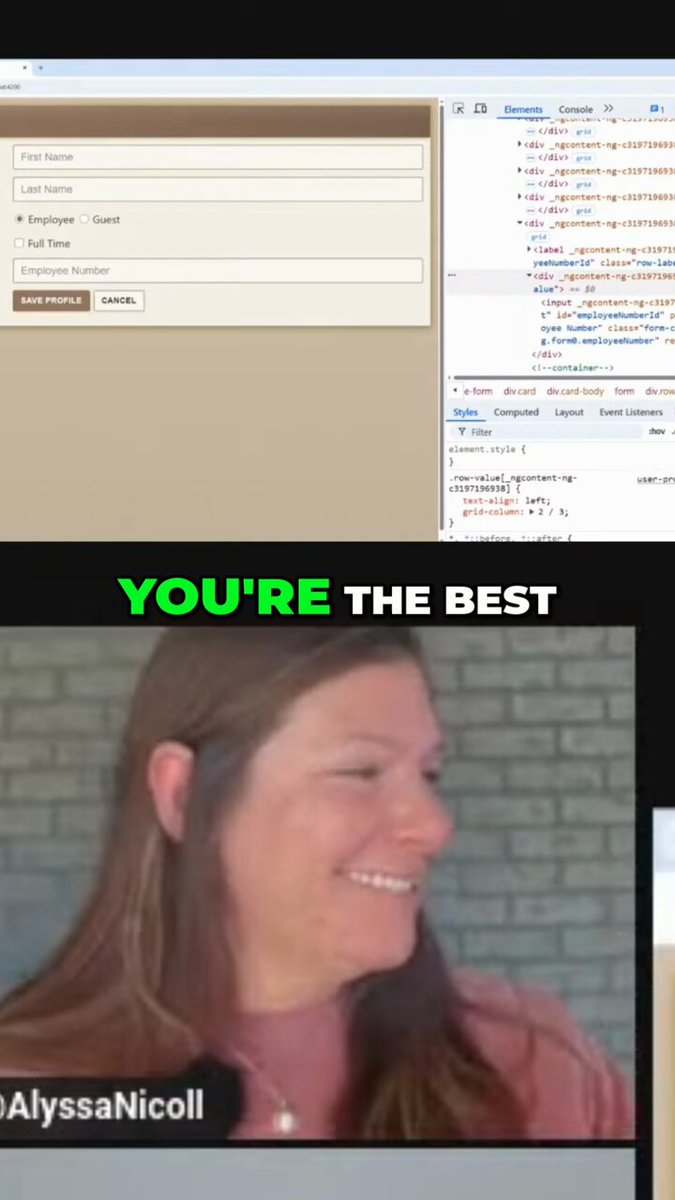
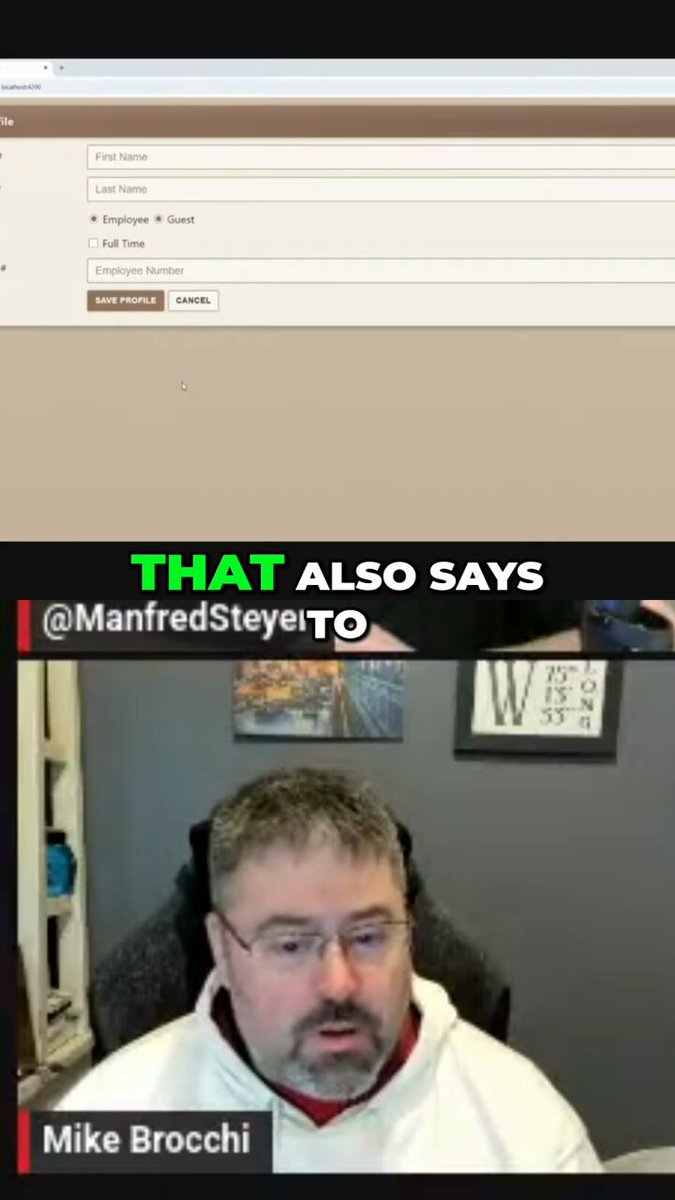
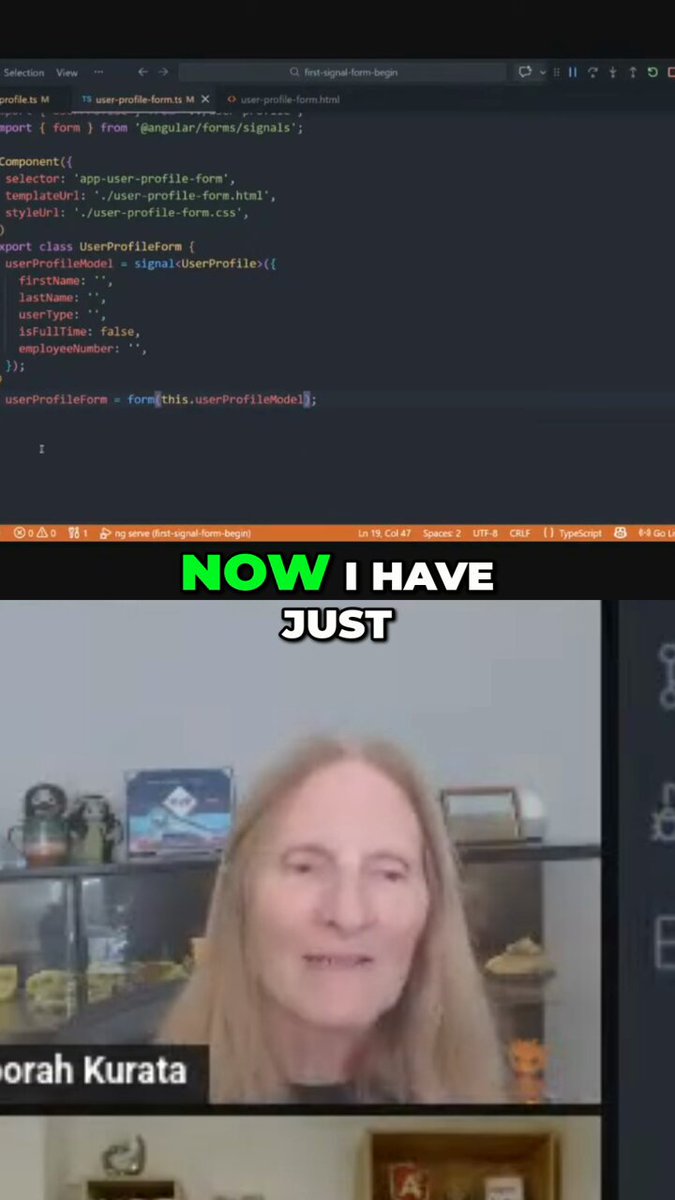
Forms are built with a field tree, attaching validation rules and state info like 'touched' or 'disabled'. This data structure keeps everything organized for better form management. #DevTools #WebDev @DeborahKurata
1
5
633
Mar 17
Angular has had Template Forms and Reactive Forms for years… but neither is quite perfect.
When the #Angular team introduced Signals, they realized form management needed to evolve too.
Enter Signal Forms.
🎥 Quick explanation from Deborah Kurata
youtube.com/shorts/3Nao-irM2…
3
304
Mar 7
The web keeps swinging between client-side and server-side rendering.
Right now on Angular Air we’re talking about where that pendulum is landing with Adam Plumer from the Angular team at Google — one of the folks building Angular’s SSR.
👩💻 youtube.com/watch?v=x5pz9hTA…
4
431
Mar 6
LIVE NOW 🔴
Back to the Basics: SSR, hydration & partial hydration with Adam Plumer.
👩💻 youtube.com/watch?v=x5pz9hTA…
📱 youtube.com/watch?v=V1gvGkWE…
Sponsored by @Briebug → briebug.com
2
181
Mar 2
Back to the Basics continues 🧱
This episode: SSR, hydration, and partial hydration with Adam Plumer.
Clear explanations. Real fundamentals.
👩💻 youtube.com/watch?v=x5pz9hTA…
📱 youtube.com/watch?v=V1gvGkWE…
3
3
940
Feb 27
LIVE NOW 🔴
Back to the Basics with Deborah Kurata!
Signal Forms — explained so they actually make sense.
👩💻 youtube.com/watch?v=u2Ij-fAy…
📱 youtube.com/watch?v=ViT-iLQR…
Sponsored by @Briebug → briebug.com
4
192
Feb 21
New series: Back to the Basics 🧱
Launching with Deborah Kurata on Signal Forms.
Watch next Friday:
👩💻 youtube.com/watch?v=u2Ij-fAy…
📱 youtube.com/watch?v=ViT-iLQR…
1
1
6
580
AngularAir retweeted

Feb 20
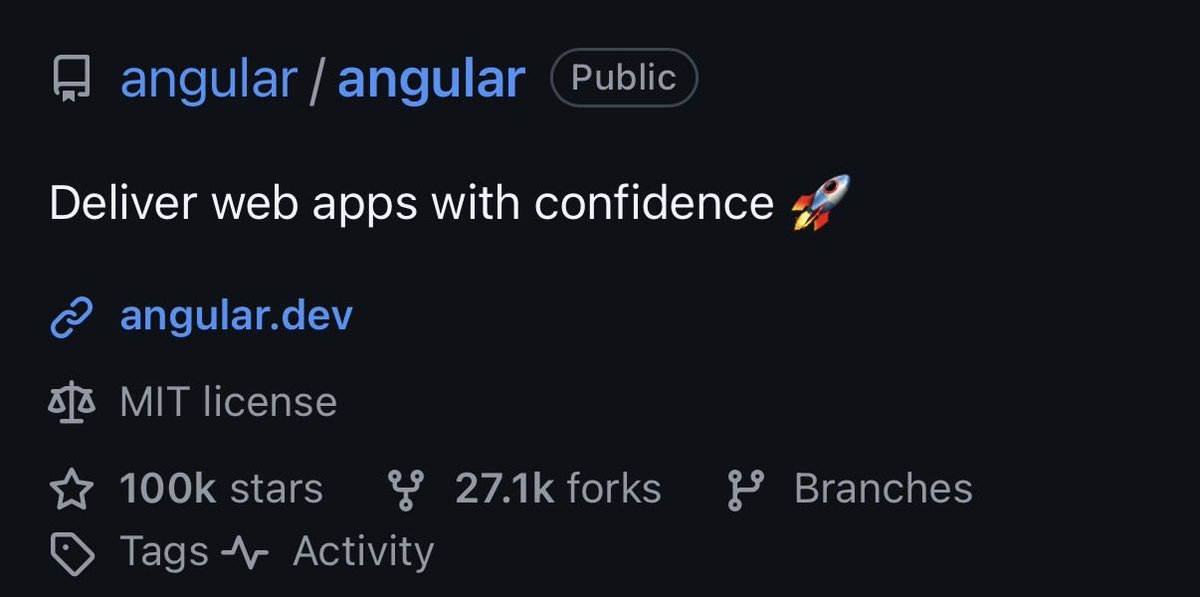
Angular hit 100k stars on GitHub :)
That’s a great milestone!
10
33
350
13,242
26 Nov 2025
New blog from Alyssa!
A quick, demo-packed look at Angular v21 — Signals, Signal Forms, Angular ARIA, and what’s coming next on the Angular roadmap.
Read → telerik.com/blogs/angular-21…
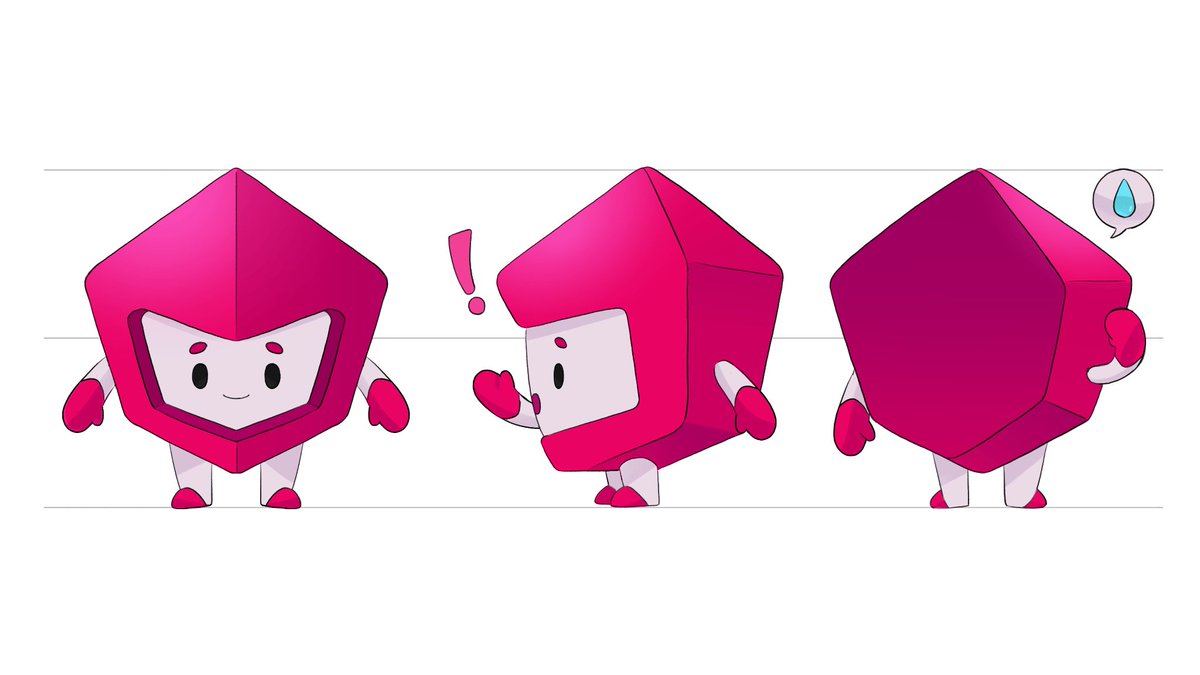
ALT Angie the new angular mascot
5
29
1,972
21 Nov 2025
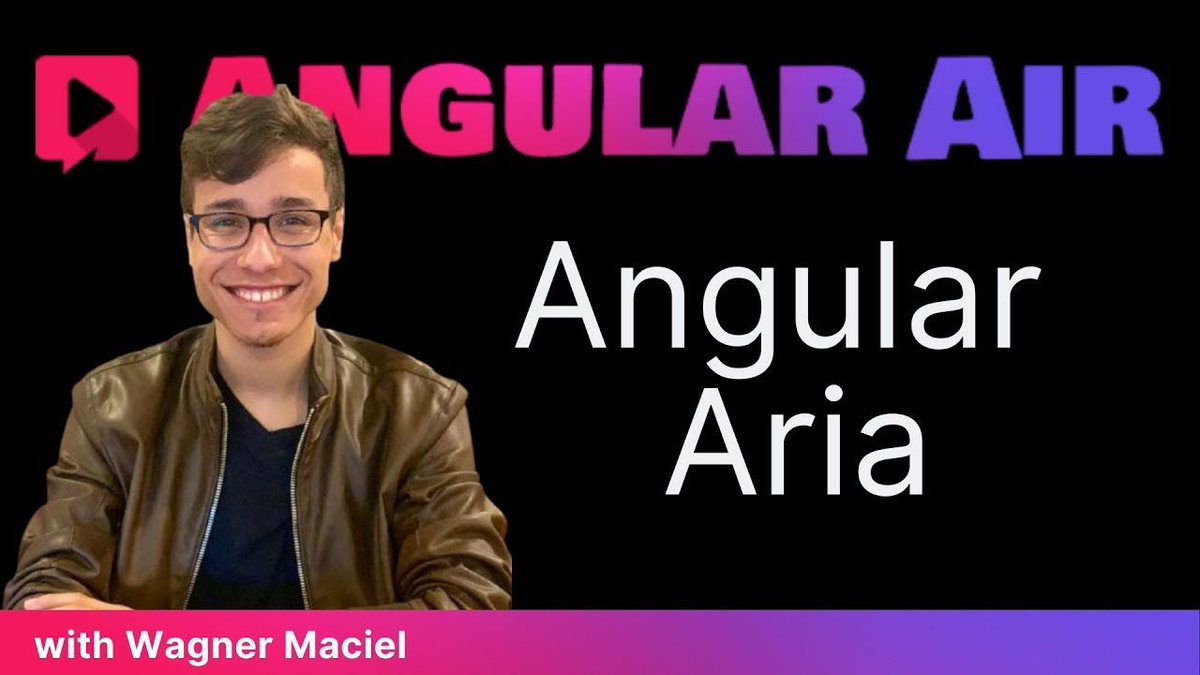
LIVE NOW 🔴
Wagner Maciel is here to walk us through Angular ARIA and new v21 a11y components.
📺 Desktop: youtube.com/watch?v=N8tZ-Y4h…
📱 Mobile: youtube.com/watch?v=b19_h0vz…
11
508