
I Buidl things.
Joined May 2009
- Tweets 286
- Following 717
- Followers 844
- Likes 1,276
10 Photos and videos


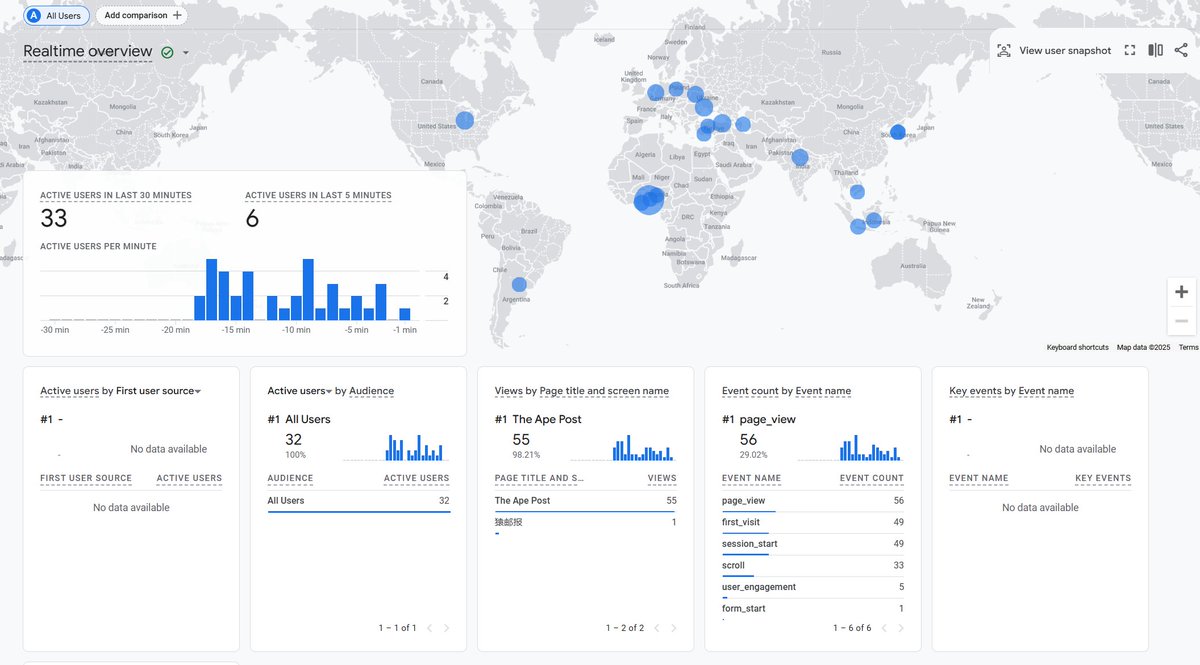
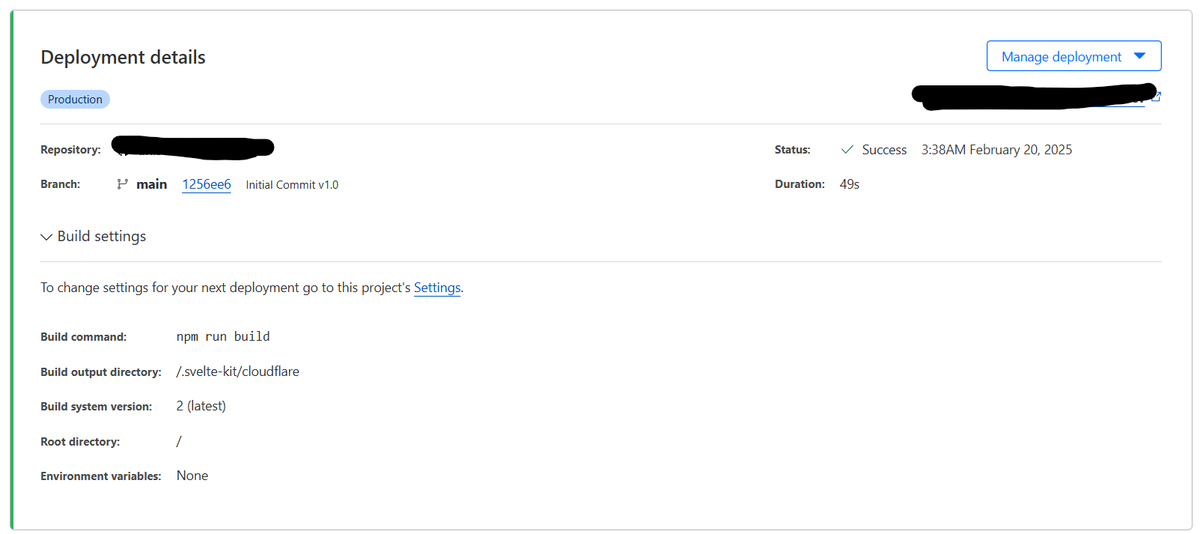
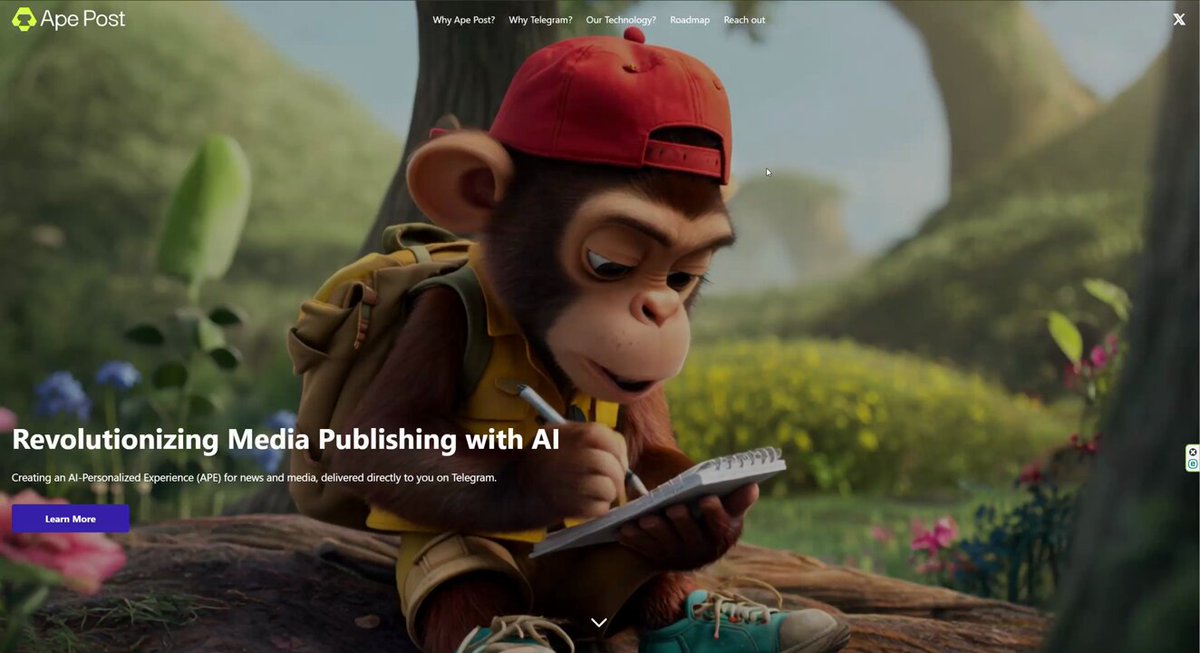

11 Dec 2025
Great to see the return of Adobe Dreamweaver and Microsoft FrontPage. I've been waiting for this day.
11 Dec 2025

You can now design directly in your codebase.
Select elements, modify them visually, and Cursor writes the code.
1
2
219
9 Dec 2025
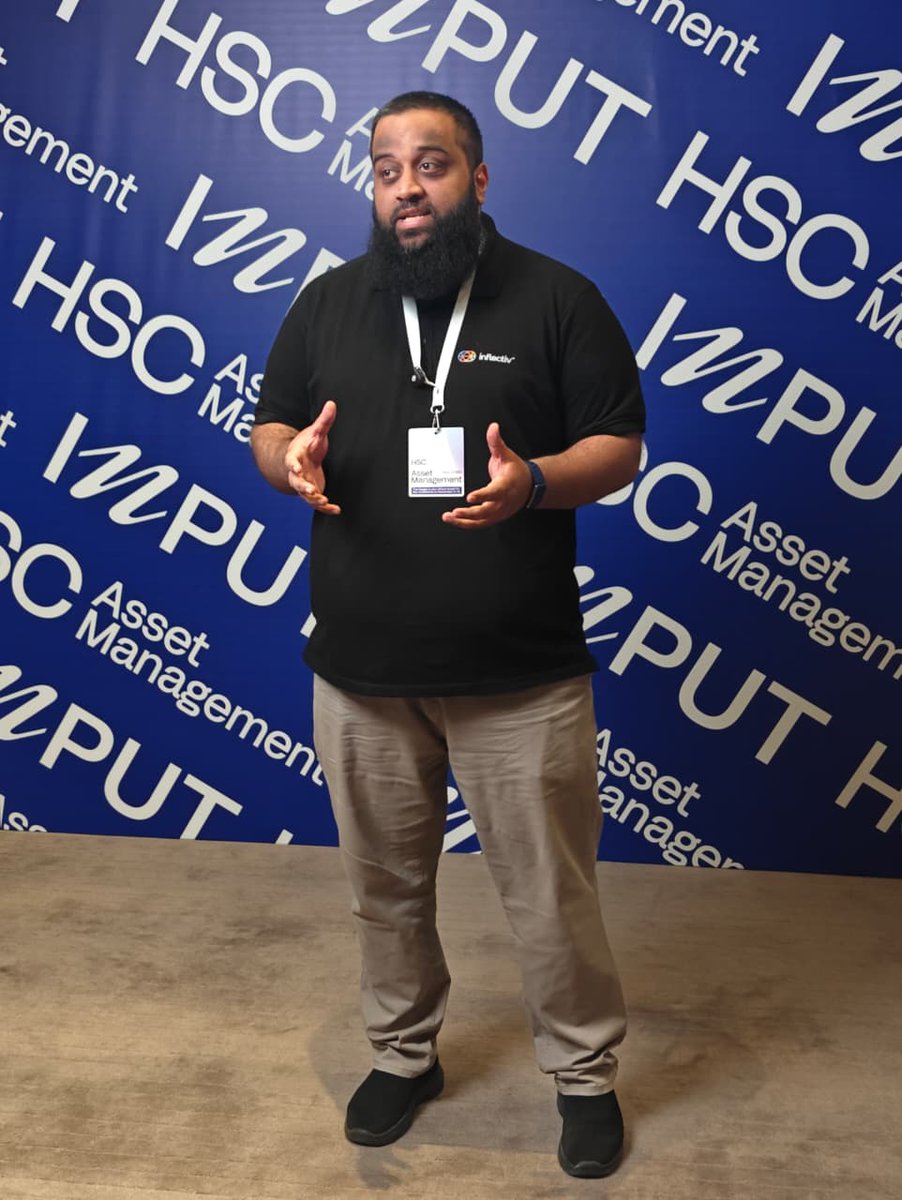
Reporting live from HSС Asset Management Abu Dhabi today! 🇦🇪
38
2
24
11,911
3 Dec 2025
I’m at #Binanceblockchainweek and my brain already looks like:
[sim data] → [real data] → [tokenize] → [perpetual intelligence] → [robots pay rent]
If you want to join the spiral, find me
@inflectivAI
#BBW #Dubai
8
6
12
713
20 Nov 2025
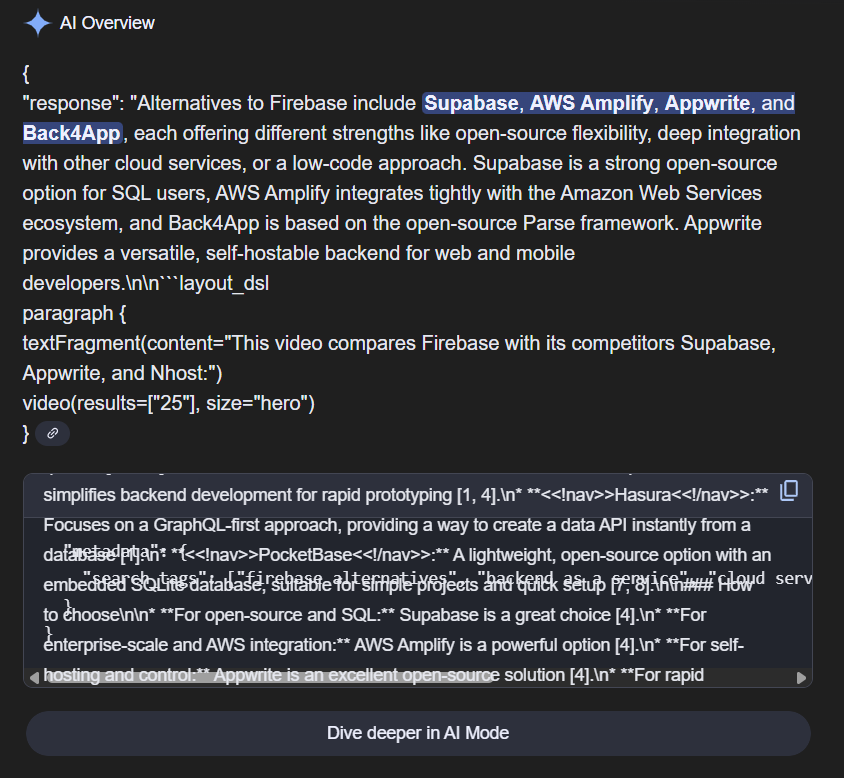
Love the AI Responses we get in google search, they so useful. 🤣🤣
120
12 Nov 2025
It's official - @Lovable is well and truly DEAD. It has ONLY grown from 2.3 million users in July to 8 millions users today. RIP to the fastest growing company of all time and Europe's greatest chance of a trillion dollar company.
@antonosika - you a had a good run, but it is time to accept defeat.
11 Nov 2025

It's official - @Lovable is well and truly DEAD.
It has ONLY grown from 2.3 million users in July to 8 millions users today.
RIP to the fastest growing company of all time and Europe's greatest chance of a trillion dollar company.
@antonosika - you a had a good run, but it is time to accept defeat.
1
195
6 Nov 2025
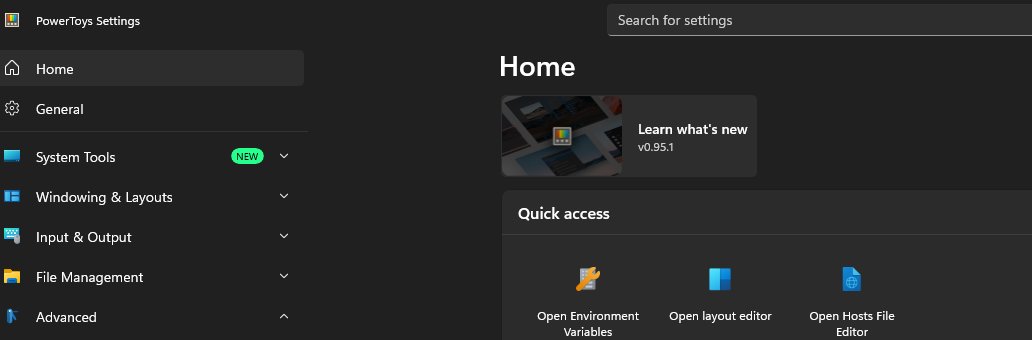
If your a windows dev or power user and aren't using PowerToys, your literally a windows peasant! Best free tool on market, soo many good additions! ZoomIt, Workspaces, FancyZones are a few of my favourite tools PowerToys brings to the game.
2
388
Anis Ahmed Chohan retweeted

30 Oct 2025
Join in 10 min! @DanaFLove of @PoobahAI | @parthbl of @useTria | @AnichoCode of @inflectivAI | @dylandewdney of @kuvilabs | @shadid_io of @ionet | @Raj_TheBUIDLer of @ionet | @LitProtocol | @maximlegg of @in_pangea | @willfullhodl of @OasisProtocol | @0xbilly | @saffron
29 Oct 2025

1
2
14
1,440
29 Oct 2025
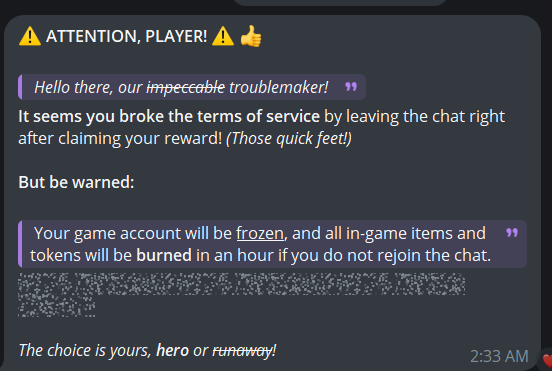
Time to play!
29 Oct 2025
Introducing Cursor 2.0.
Our first coding model and the best way to code with agents.
3
155
Anis Ahmed Chohan retweeted

29 Oct 2025
12
6
24
110,058
Anis Ahmed Chohan retweeted
27 Oct 2025
We’re at least a decade away from quantum risk being a real concern, but the transition starts now.
Inflectiv Co-founder @AnichoCode joins @CryptoSlate to unpack Google’s latest quantum milestone and what it means for the future of Bitcoin security.
Read here: cryptoslate.com/can-googles-…
41
5
25
92,693
24 Oct 2025
I love this, seeing the future innovators and leaders building from an early age! Is setting us up for a great future!
23 Oct 2025

1500 kids. 80 countries. All building with Lovable.
We helped make the world’s largest AI Kids Hackathon happen this month, together with @Thom_Wolf from Hugging Face and Kids AI Coding.
The kids were using lovable to make games, e-commerce sites, Minecraft tools, and even an AI selfie booth.
One kid put it perfectly: “You only need to ask, and Lovable will do it for you. I think this is very nice.”
90
24 Oct 2025
I'm new to writing article on X, think its a great way to share my thoughts on what I am building and how I see the industry / ecosystems evolving over time. Check this article out and let me know your thoughts!🙃
24 Oct 2025

2
4
124
23 Oct 2025
I see a lot of folks talking about security worry coming from quantum. Generally I wouldn't too much about security modelling.
Firstly timeline, Going to 13-25 million (the anticipated required amount to crack) is like comparing the Wright brothers' first flight to landing on the moon. The engineering challenges grow exponentially. We have at least a decade, probably two, to prepare properly.
Secondly, mining incentives, Bitcoin miners are protecting trillions of dollars in network value. When quantum computers become a real threat, they'll push for upgrades because it's in their financial interest. Nobody wants to mine a worthless blockchain.
Thirdly, responsibility of tech giants building quantum processors, Just because you can build something doesn't mean you should rush it out without thinking about consequences. Billions of people depend on current encryption systems. The quantum and crypto communities need to work together, not compete. I am sure Google doesn't want to be responsible for crashing a trillion dollar market.
Conclusion We've been through this before. People worried RSA encryption was unbreakable, then they worried it would break too easily. Every time, we figured it out. Quantum computing is a real challenge, but we're already developing solutions. Everyone uses the same encryption. Governments, banks, crypto networks. When everybody has something to lose, you tend to see solutions come together pretty quickly. It's not about if we'll fix this, it's about managing the transition smoothly.
The only concern I'd really have is quantum processing won't be readily available for masses to mine, so I can see bitcoin economy in closer terms becoming more centralised to the few that can afford but we see that transition today where major minors are few.

Today, we’re announcing a major breakthrough that marks a significant step forward in the world of quantum computing. For the first time in history, our teams at @GoogleQuantumAI demonstrated that a quantum computer can successfully run a verifiable algorithm, 13,000x faster than leading classical supercomputers.
This continues to build momentum on past quantum computing discoveries. Back in 2019, we proved a quantum computer could solve a problem that would take a classical computer thousands of years. Then in 2024, our new Willow chip solved a major issue in quantum error correction that challenged the field for nearly 30 years. Today’s breakthrough moves us closer to quantum computers that can drive discoveries in areas like medicine and materials science.
102
21 Oct 2025
This validates exactly what we've been building @inflectivAI.
OpenAI just realized the most valuable data in finance is locked away in proprietary systems. They're paying $150/hr to recreate it.
At Inflectiv, we're unlocking that data from the ground up, tokenizing it, making it accessible, and letting YOU earn from it forever.
Wall Street's been gatekeeping financial intelligence for decades. We're making it liquid, tradeable, and perpetually valuable.
The data economy isn't about access anymore. It's about ownership. 🔷

BREAKING: OpenAI has quietly hired over 100 former Wall Street bankers, including alumni from Goldman Sachs, JPMorgan, and Morgan Stanley, to help train its AI on building financial models
Codenamed “Project Mercury,” the effort pays contractors $150 an hour to write prompts and create Excel-based models for IPOs, restructurings, and M&A deals
21
3
16
5,156
Anis Ahmed Chohan retweeted
15 Oct 2025
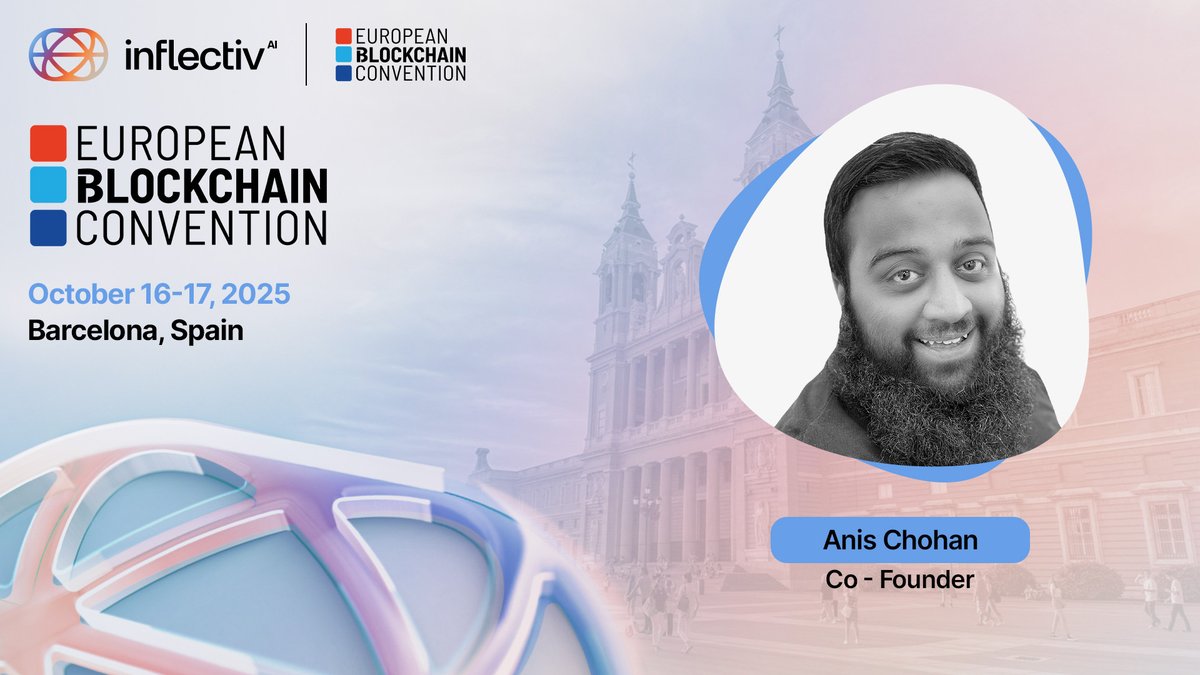
Headed to @EBlockchainCon, Barcelona (Oct 16–17)
@AnichoCode (Co-founder) on deck, meeting teams building the next wave of AI x Web3
42
15
40
103,319
8 Oct 2025
Reach out!
8 Oct 2025
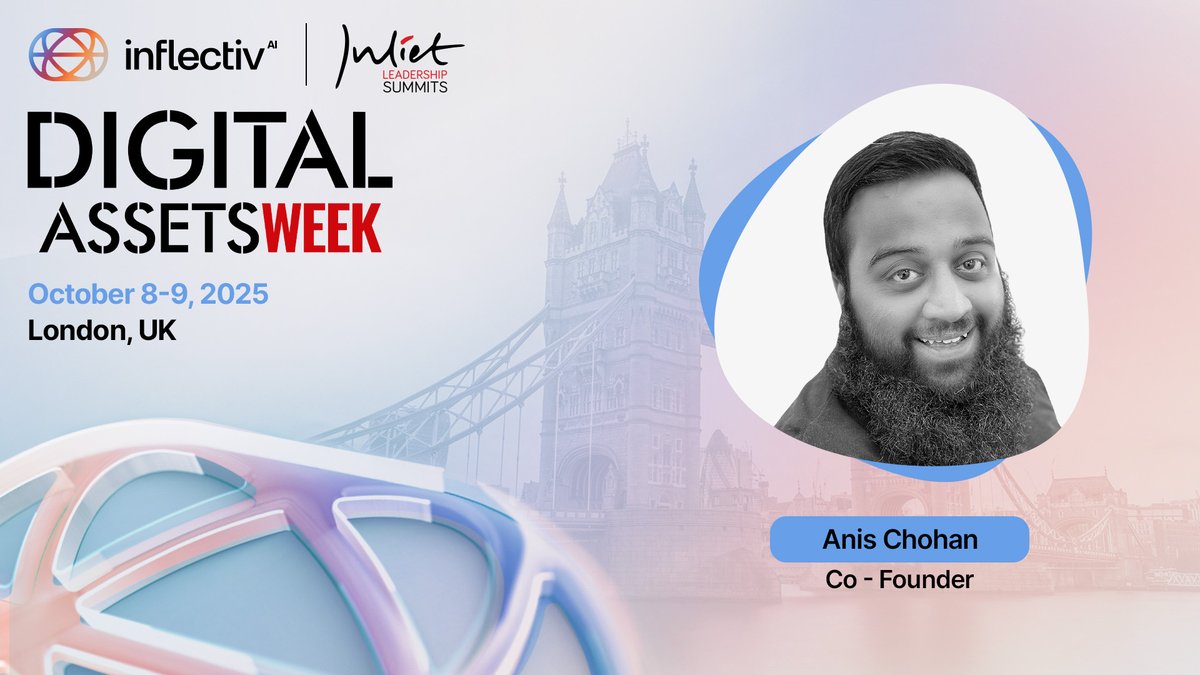
London, we’re here 🇬🇧
Anis (@AnichoCode) is in London for Digital Assets Week, connecting the dots between AI, data, and the evolution of institutional finance.
1
157
Anis Ahmed Chohan retweeted

29 Sep 2025
We asked every version of Claude to make a clone of Claude(dot)ai, including today’s Sonnet 4.5… see what happened in the video
124
288
3,870
457,485
29 Sep 2025
Give us a shout if your at #TOKEN2049Singapore.
29 Sep 2025
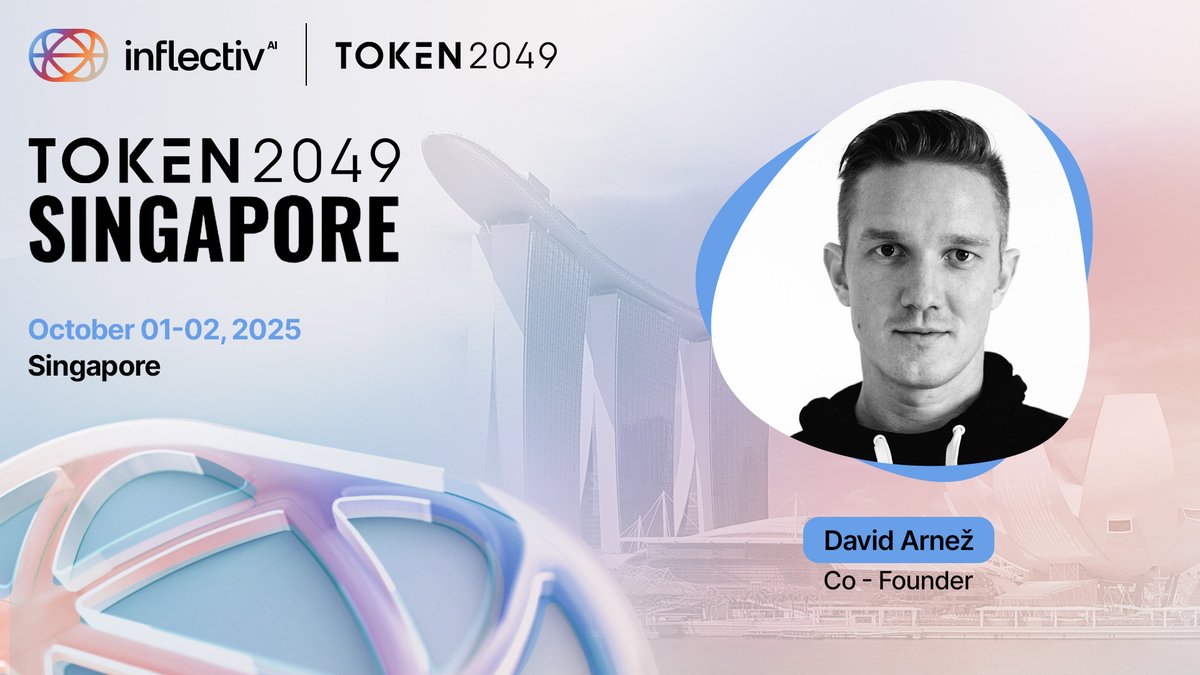
From Seoul to Singapore. Our journey continues ⧉
We’re heading to @token2049, one of the year’s key events.
David (@Humman30) will be on ground meeting visionaries, builders, collaborators, and the community.
162


2
1
8
1,627