
Individual rights, personal freedom, limited government, end foreign aid and intervention. #FreedomFighter #LibertyForAll #IndividualRights #AntiWar
Joined February 2023
- Tweets 1,351
- Following 1,557
- Followers 1,362
- Likes 1,996
187 Photos and videos
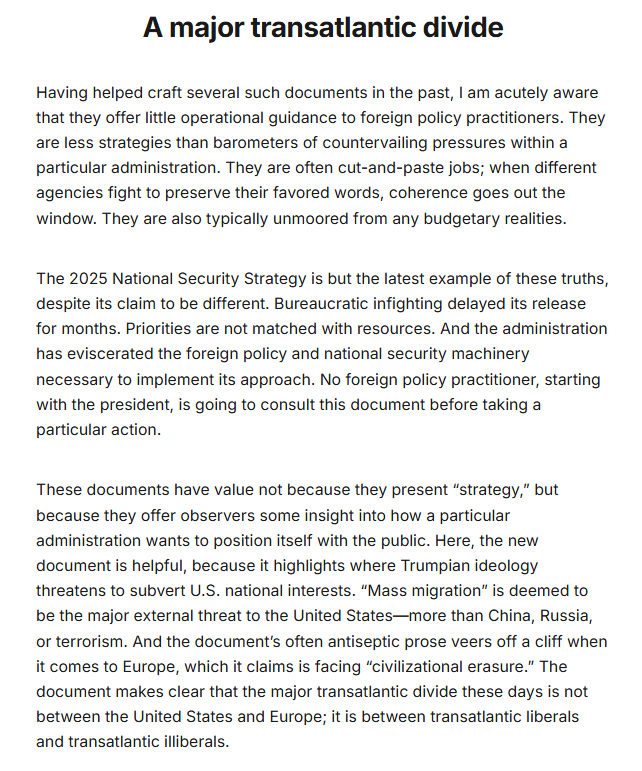
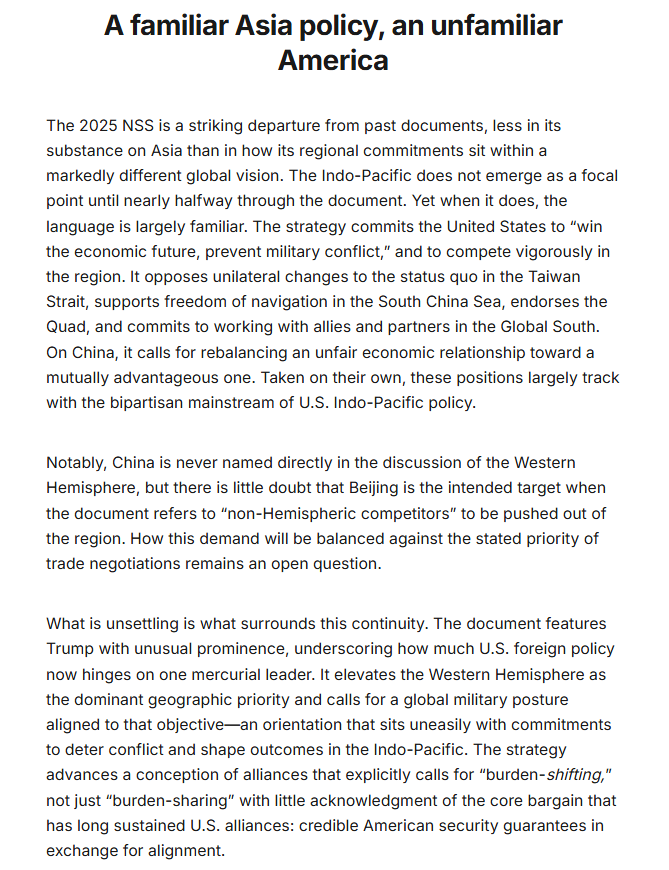
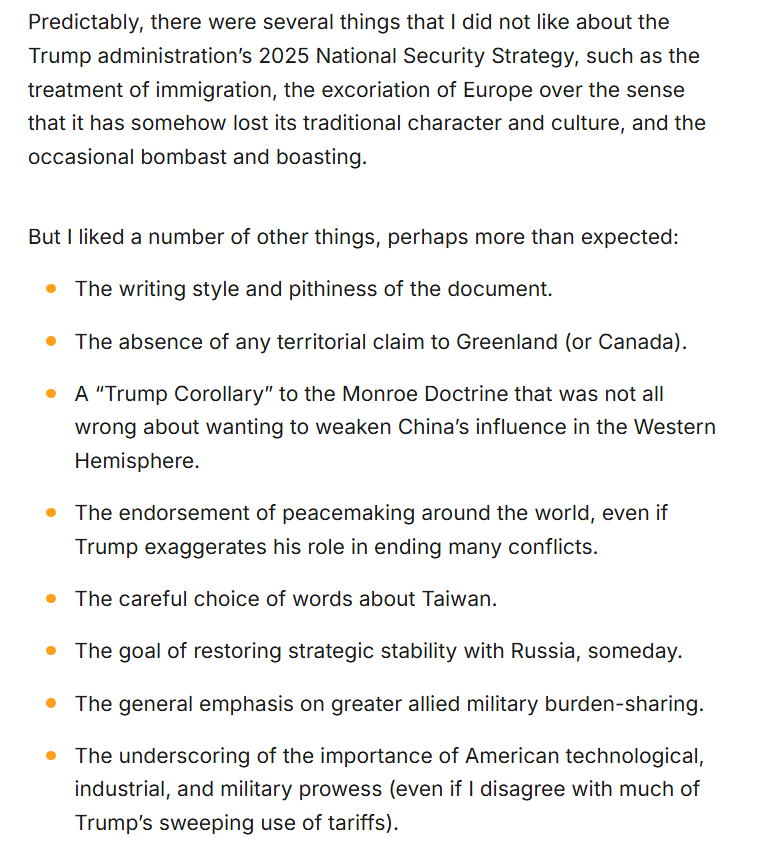
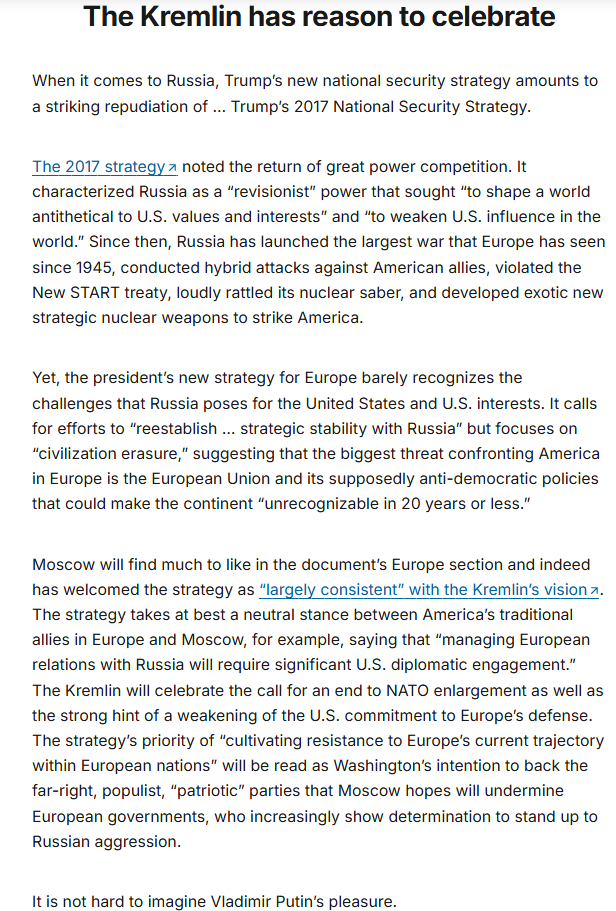



Pinned Tweet

2 Apr 2025
🔥 STAND UP & DEFEND THE GUARD! 🔥
🚨 RALLY FOR THE #DEFENDTHEGUARD ACT
📅 APRIL 5TH, 2025 | ⏰ 11AM
📍 MINNESOTA CAPITOL ROTUNDA
📢 SHARE THIS. This isn’t just a rally—it’s a MOVEMENT.
@LPNational @scotthortonshow @RealSpikeCohen @beinlibertarian @Antiwarcom @TenthAmendment
5
13
33
5,726
Your Libertarian Bro retweeted

Israel’s name seems to be missing from this announcement.
Good luck making this stick then. But great from US stock market & oil bets. 💰💰💰

Following intensive talks, we are pleased to announce that the Peace Deal between the United States of America and Islamic Republic of Iran has been REACHED. Both sides have declared the immediate and permanent termination of military operations on all fronts, including in Lebanon.
The official signing ceremony will be on Friday, 19 June in Switzerland.
We would like to thank the United States of America and the Islamic Republic of Iran for their commitment to finding a diplomatic solution to the conflict. We would also like to extend our sincere appreciation to our brothers in this mediation effort, the great leadership of State of Qatar, for their support in reaching this agreement. I would also especially thank the visionary leadership of Kingdom of Saudi Arabia and Republic of Türkiye for their immense contributions in this regard.
With the agreement now in place, mediators will facilitate a series of meetings this week. These pre-implementation discussions will lay the foundation for the technical talks and the official signing ceremony.
@realDonaldTrump
@JDVance
@SecRubio
@SteveWitkoff
@SEPeaceMissions
@drpezeshkian
@mb_ghalibaf
@araghchi
15
49
191
5,013
Your Libertarian Bro retweeted

The missive represents a rare public comment from U.S. leaders about Israel’s nuclear arsenal, which reportedly now consists of about 90 warheads.
responsiblestatecraft.org/is…
6
5
485
Your Libertarian Bro retweeted
Trump's regime change fantasies never stood a chance
responsiblestatecraft.org/tr…
6
11
580
Your Libertarian Bro retweeted

Apr 12
The US military bases hidden across the UK in not-so plain sight
theguardian.com/us-news/2026…
12
7
1,201
Your Libertarian Bro retweeted

Apr 12
This should be an all purpose tweet. - staff
x.com/DennisMarburge1/status…

You are a lying, mass murdering war criminal and state terrorist.
3
12
219
Your Libertarian Bro retweeted

Apr 2
When I tuned into Trump‘s speech, he was talking about how long the Vietnam and Iraq wars lasted. Certainly not a good sign. And everything else he said was basically nothing, which means escalation is likely ahead.
29
65
848
17,672
Your Libertarian Bro retweeted

Mar 13
The war he’s been warning about for decades is finally here. The great @RonPaul joined me to discuss where we go from here, and advice for young Americans who oppose this war.
9
53
219
23,575
Your Libertarian Bro retweeted

Mar 10
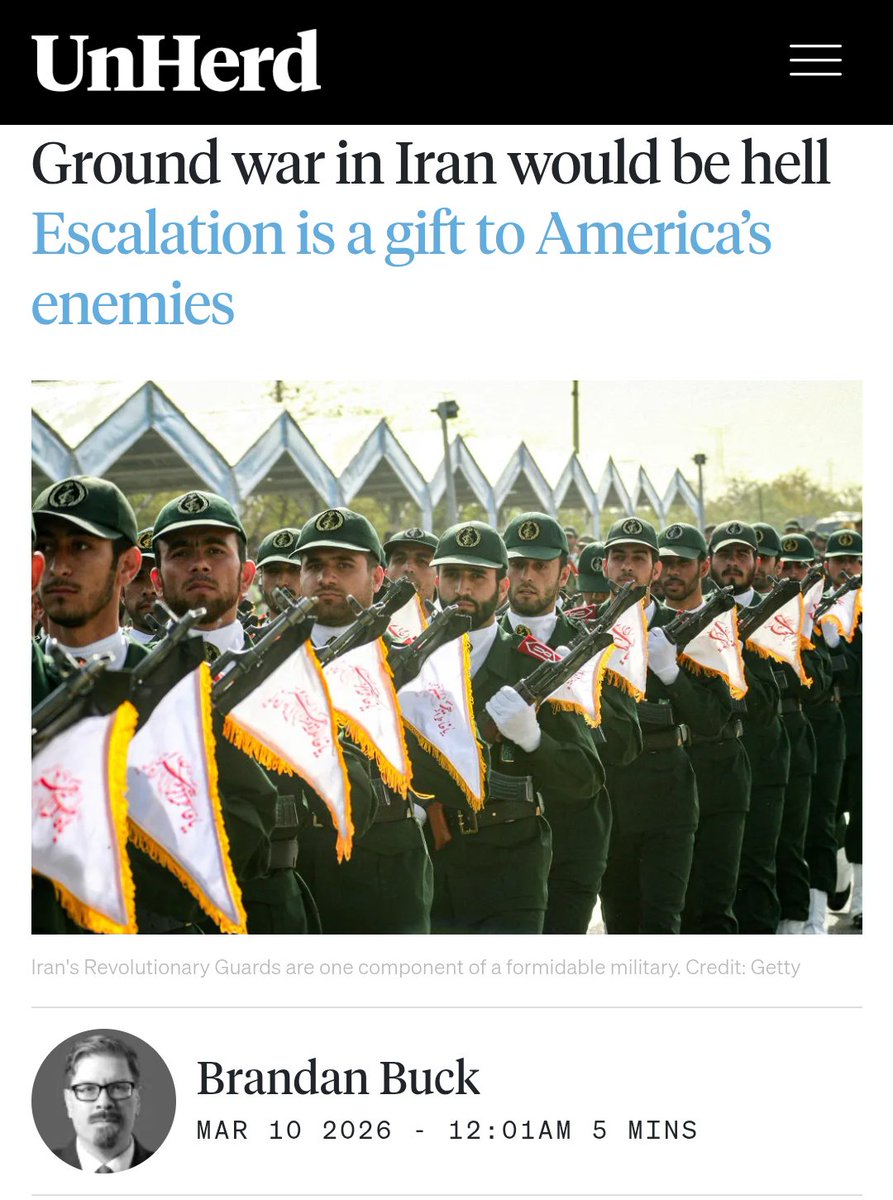
"Given the totality of Iran’s geography, demographics, military capability, and geopolitical connections, the prospect of an American invasion of the country should be unthinkable."
My latest for @unherd is linked below.
9
48
142
23,117
Your Libertarian Bro retweeted
Feb 24
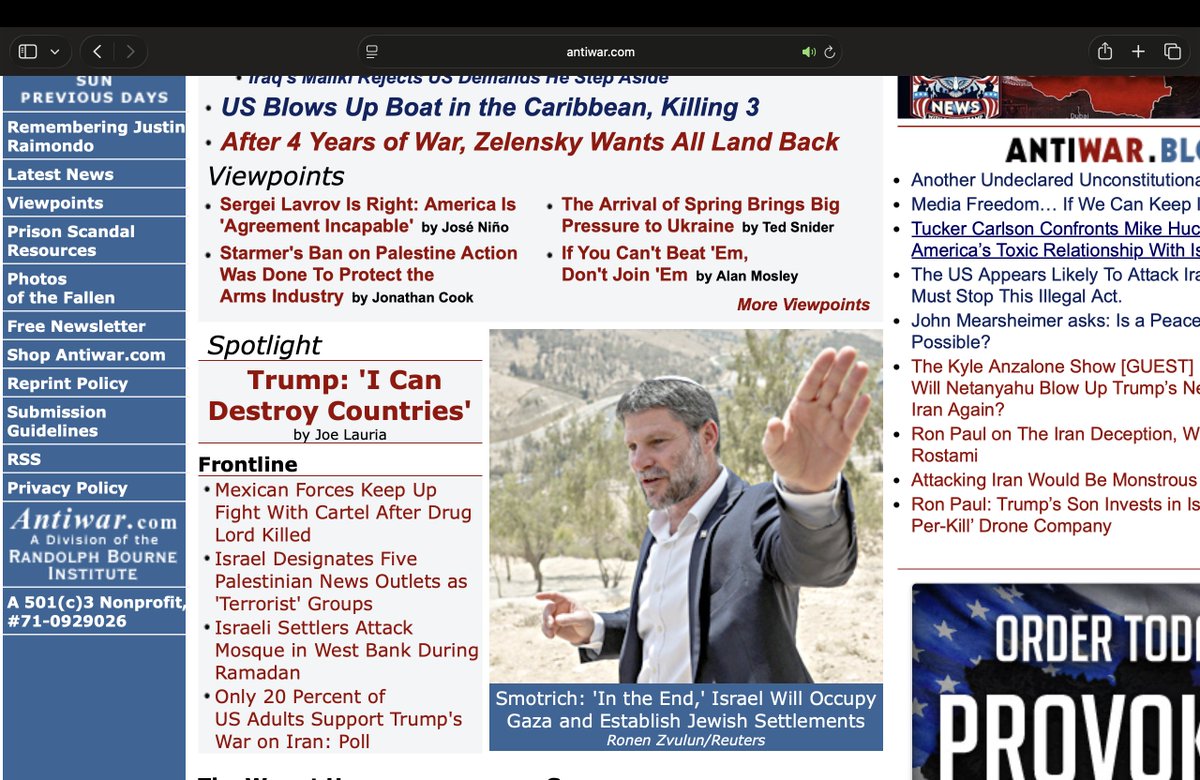
Tonight somewhere between 7:30-8:00pmPT
📷General Warns of Iran Risks; Trump Denies Reports
📷Smotrich: Israel Will Build Settlements in Gaza
Don't miss Antiwar News with @DecampDave.
Sunday through Thursday 7:30pmPT
6
7
400
Your Libertarian Bro retweeted
Feb 1
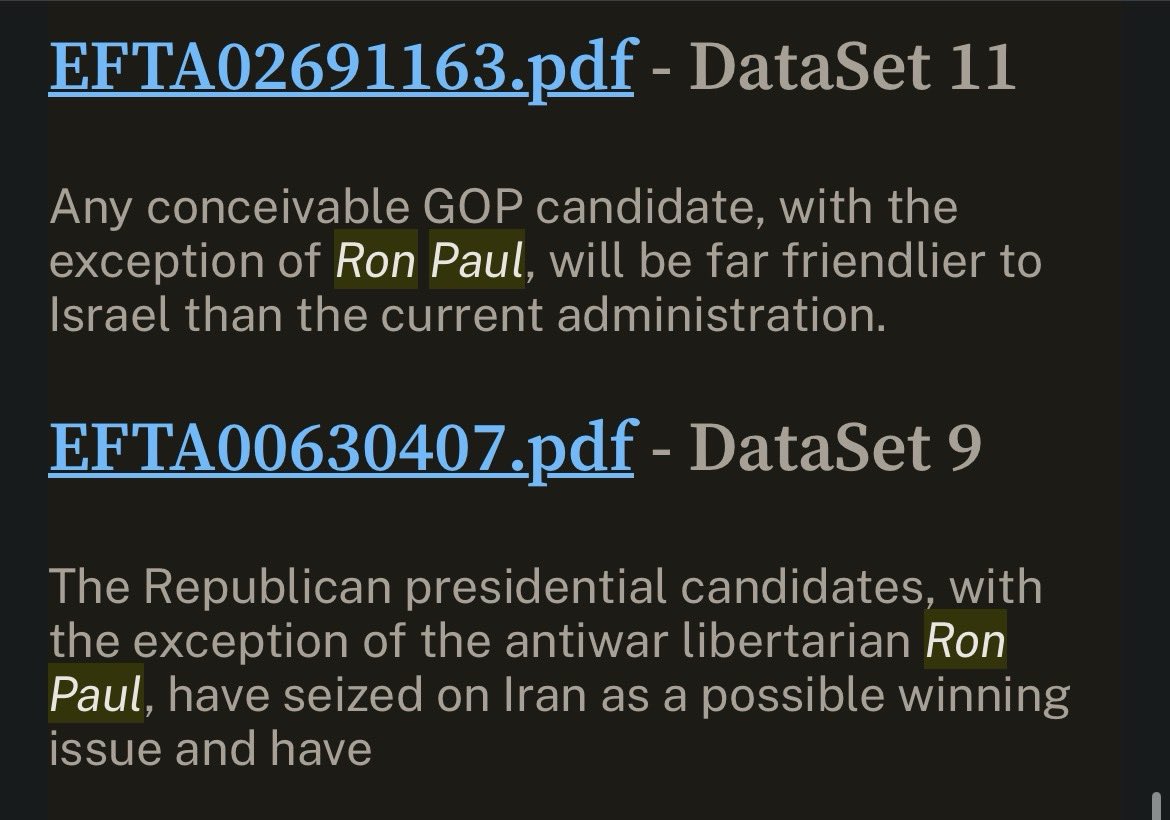
I love how Ron Paul’s in the Epstein files but it’s just articles showcasing why he was the best GOP candidate in 2008 and 2012
87
1,157
8,349
588,860
Your Libertarian Bro retweeted
Jan 26

5
8
317
Your Libertarian Bro retweeted

Jan 27
Obviously Lindsey Graham cares about saving Bookchinite anarchism in Rojava.
Jan 27

Sen. Lindsey Graham Introduces ‘Save the Kurds’ Act
Washington has allowed the Syrian government to take territory from the Kurds, who had been under US protection
#Syria #Kurds #LindseyGraham #Trump
news.antiwar.com/2026/01/27/…
3
5
144
Your Libertarian Bro retweeted

Jan 12
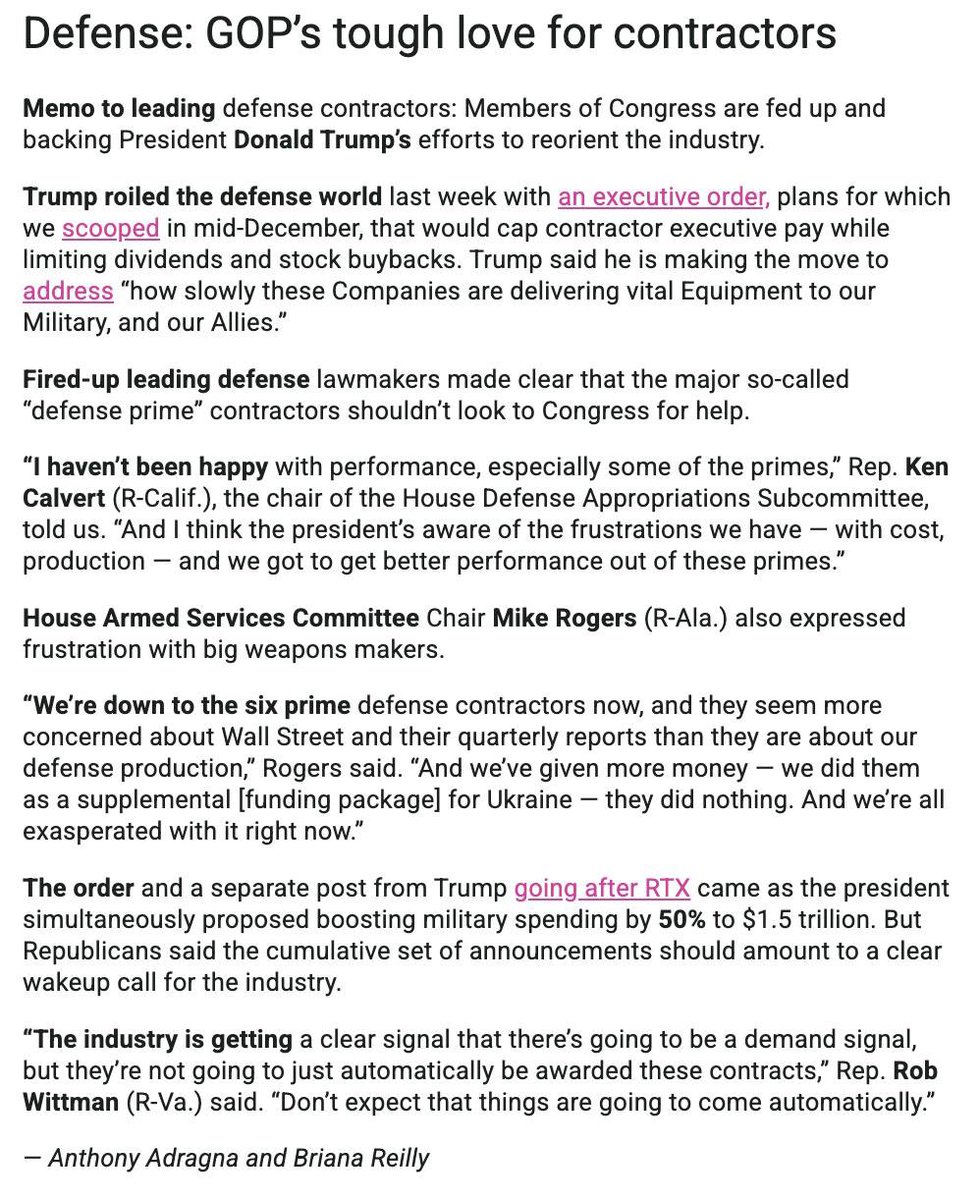
Tough love = $500 billion in additional revenue…
If Congress was serious about reining in contractor waste they’d stop giving them more than half of the Pentagon’s budget.
4
4
489
Your Libertarian Bro retweeted

Jan 5
Trump: If New Venezuelan Leader Doesn’t Do What Is Right, She Will Pay a Very Big Price
@Judgenap.com
President Donald Trump threatened the Venezuelan interim president with more severe consequences than President Nicolas Maduro if she does not comply with Washington’s demands.
On Saturday, Maduro was captured by US forces in Caracas and is being transferred to New York. The Venezuelan Supreme Court ruled on Sunday that Vice President Delcy Rodríguez was now the interim president.
After the capture of Maduro, Trump said that Secretary of State Marco Rubio spoke with Rodríguez, and she was prepared to comply with Washington’s demands. However, Rodríguez has adopted a defiant stance, saying she seeks a productive relationship with the US but that Venezuela would not become an American colony.
Trump told The Atlantic’s Michael Scherer in a phone interview on Sunday that “If [Rodríguez] doesn’t do what’s right, she is going to pay a very big price, probably bigger than Maduro.”
The President said that the US is now in control of Venezuela, and plans to profit from the country’s vast oil reserves.
1
4
4
669
Your Libertarian Bro retweeted

NEW STATEMENT: @DanDePetris responds to President Trump's announcement that the U.S. has captured Venezuelan President Nicolas Maduro. defensepriorities.org/press-…
10
8
1,920
Your Libertarian Bro retweeted

22 Dec 2025
I hope I live to see the USS Donald Trump....
I just want to see what the Navy chooses to carry the name.
1
2
5
199
22 Dec 2025
Tired of feeling lost in today's crises?
Perfect for our age of war, economic turmoil, and climate crisis.
@PatPorter76's new book, "How to Survive a Hostile World: Power, Politics and The Case for Realism" is a must-read to understand the game.
amazon.co.uk/How-Survive-Hos…
1
47
22 Dec 2025
The real lessons of Thucydides offers not a theory of international politics, but a warning — an admonition to leaders who, gripped by their own narratives, drive their nations over a cliff. @aalatham writes.
21 Dec 2025

The Thucydides Trap: Vital lessons from ancient Greece for China and the US … or a load of old claptrap? theconversation.com/the-thuc… via @ConversationUS
2
73
22 Dec 2025
Is there a cheap, feasible way to defense U.S. national security, along with its treaty allies?
we all need answers.
Eagerly awaiting @lylegoldstein's analysis.
17 Dec 2025

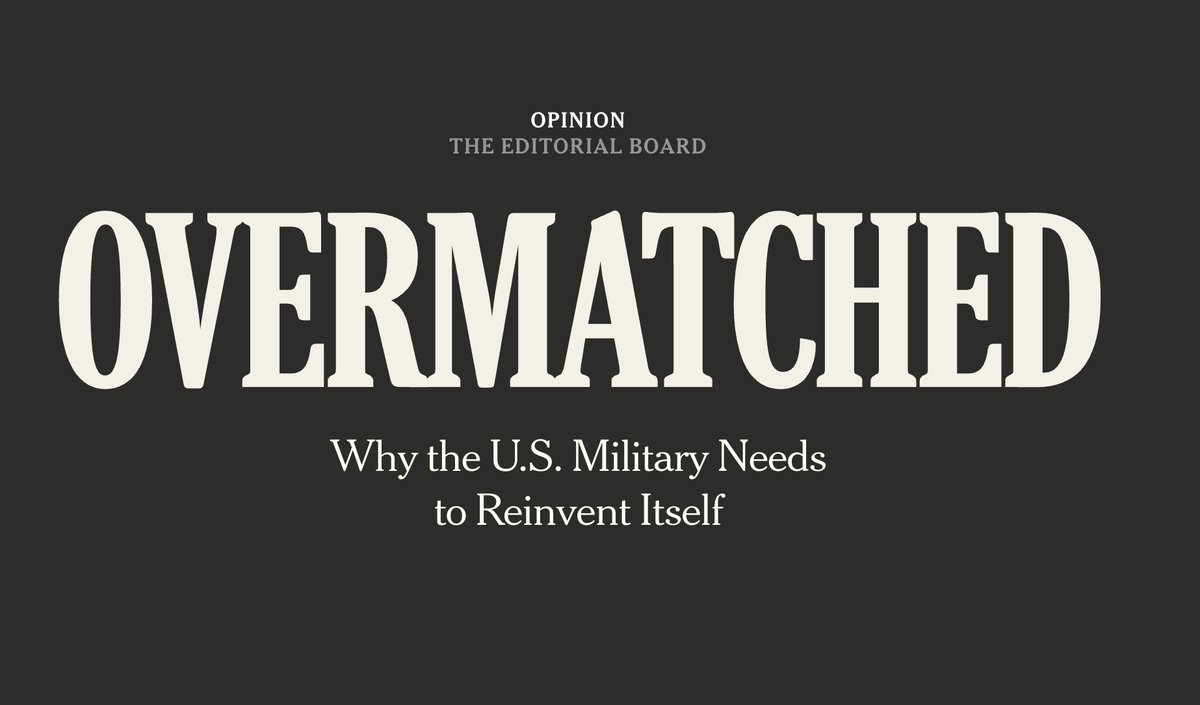
Nice to see @nytopinion digging into the details of U.S. national security predicament in their full spread of articles for the 14 Dec weekend edition.
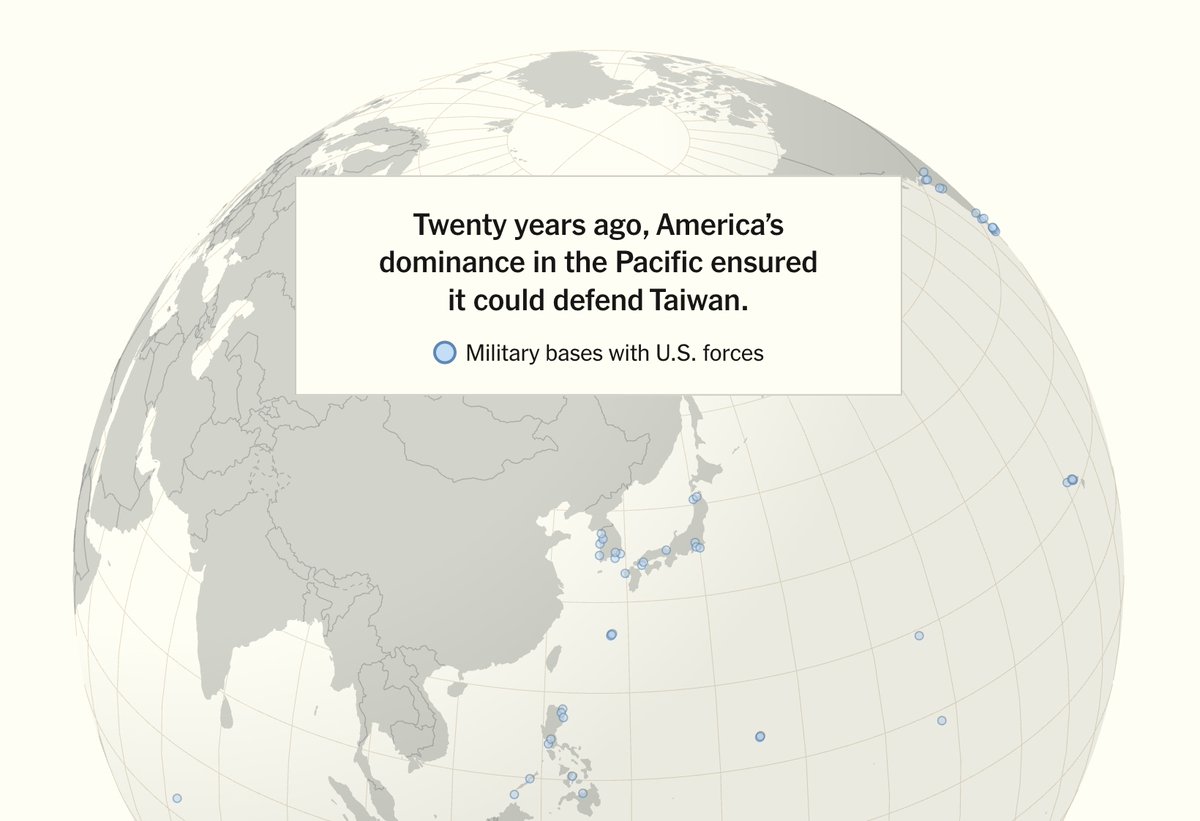
If you missed it, I will share just a few gems. My biggest nugget is the extreme irony of using this term "overmatch." It's SO ironic because the new NSS uses the same precise term, explaining (p. 23) that one of key US objectives is "preserving military overmatch" in the Taiwan Strait. Interesting ... so one side must be wrong. Do you not see that?
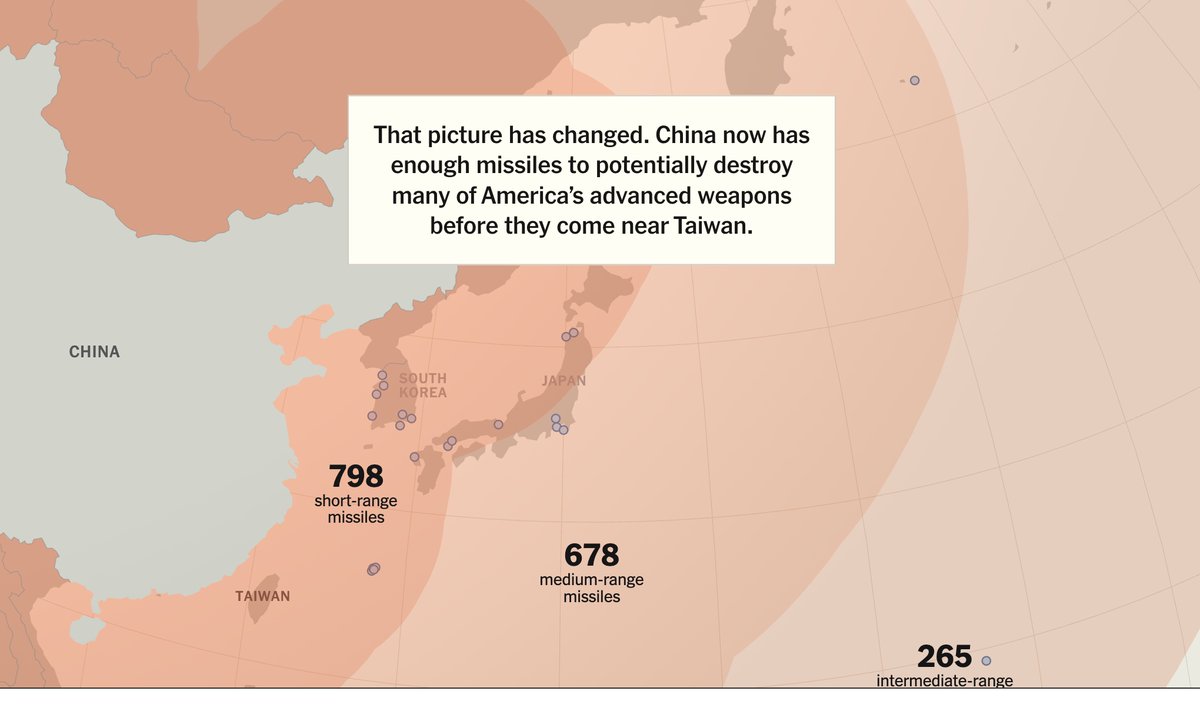
Let's see precisely how NYT deploys this tantalizing term: "...The Overmatch brief ... is a comprehensive review of U.S. military power prepared by the Pentagon's Office of Net Assessment and delivered most recently to top White House officials in the last year. It catalogs China's ability to destroy American fighter planes, large ships and satellites, and identifies the U.S. military's supply chain chokepoints. It's details have not been previously reported."
"The picture [the Overmatch brief] paints is consistent and disturbing. Pete Hegseth, now Secretary of Defense, said last year that in the Pentagon's war games against China, 'We lose every time.' When a senior Biden administration official received the Overmatch brief in 2021, he turned pale as he realized that "every trick we had up our sleeve, the Chinese had redundancy after redundancy," according to one official who was present..."
Okay, this does suggest that the "overmatch" shoe is on the other foot right? Who is correct: the NSS or the NYT?
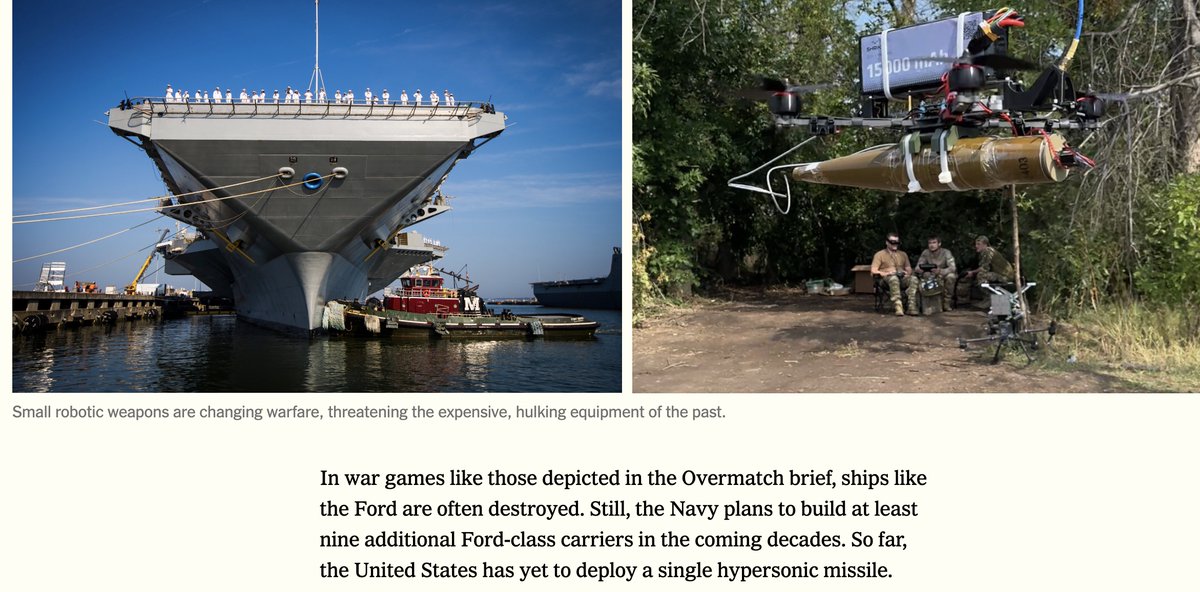
Another gem: "[America's] formidable firepower is effective if you want to got to war against a relatively poor, weak country like, say , Venezuela. Yet the Ford, which is deployed in the Caribbean, is fatally vulnerable to new forms of attack. China in recent years has amassed an arsenal of around 600 hypersonic weapons, which can travel at five times the speed of sound and are difficult to intercept. In war games like those depicted in the Overmatch brief, ships like the Ford are often destroyedd. Still, the Navy plans to build at least nine additional Ford-class carriers in the coming decades. So far, the US has yet to deploy a single hypersonic weapon."
Another gem: "In the event of a war with China, the US would simply run out of essential munitions, as Jake Sullivan, the National Security Advisor in the Biden administration has warned."
Another gem: "Over the past 35 years the [US] Navy has commissioned more than half a dozen new kinds of ships, from small combat vessels to large destroyers. Nearly all of them have flopped..."
Another gem: "The Replicator Program, which sought to buy thousands of cheap aerial and maritime drones within two years, failed to achieve its initial goals."
I could go on ... and need to finish reading the whole series of articles, but WHAT IS SO DARN FRUSTRATING is the degree to which the authors stunningly miss the forest for the trees on this issue. Never a single time (at least in what I've read thus far) do they pose the basic question of WHY the US would be foolish enough to try to fight China in China's own immediate backyard over Taiwan. Nor do they ask the next logical question: is there a cheap, feasible way to defense U.S. national security, along with its treaty allies. Yes, emphatically, yes -- stand by for the last paper in my "Target Taiwan" series -- out soon. But this relatively simple strategic solution requires putting aside the "mission impossible" scenario of Taiwan. Sad, that NYT authors cannot conceive of this most obvious and basic fix to US national security.
If strategy is reconciling ends and means, sometimes the ends have to be modified.
45
22 Dec 2025
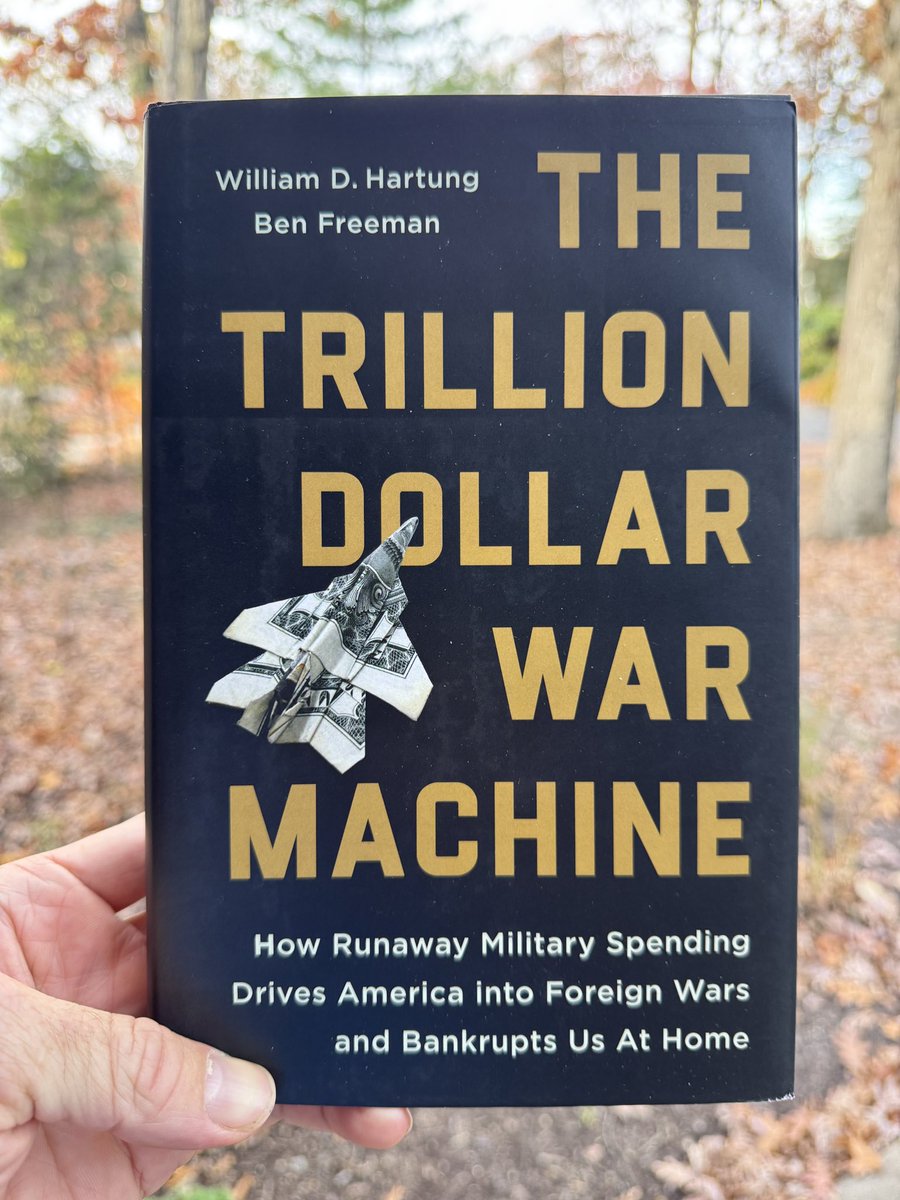
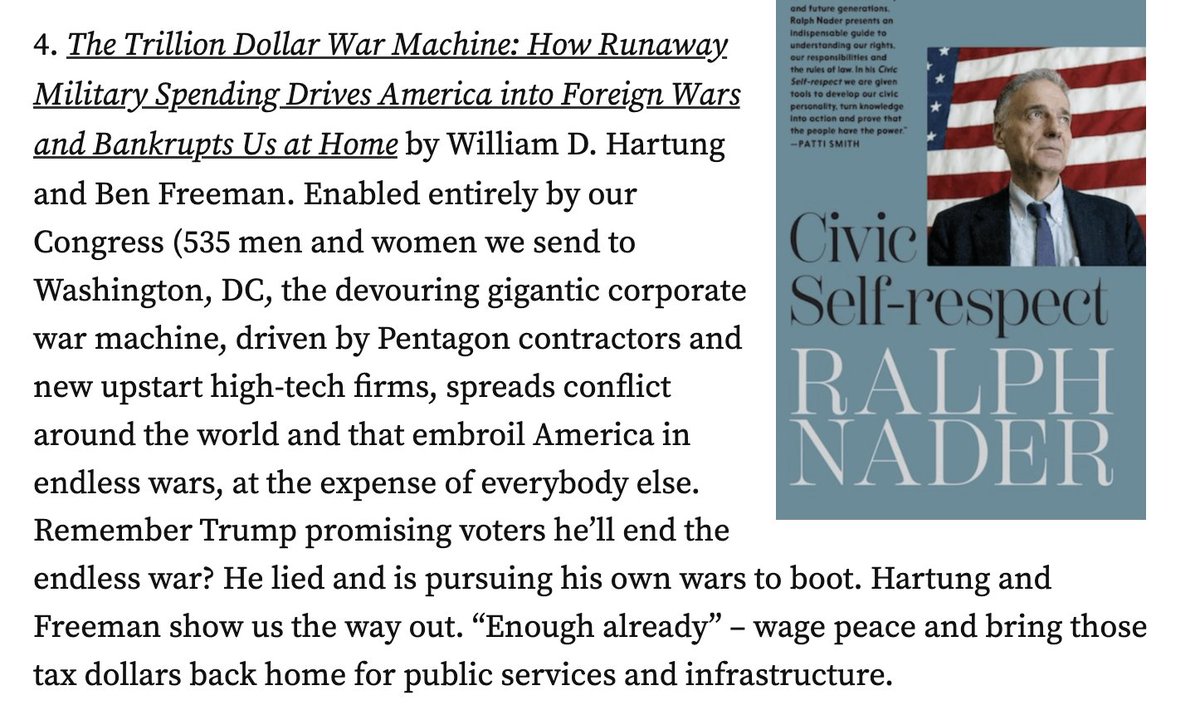
Congrats @BenFreemanDC. His book, The Trillion Dollar War Machine, is on @RalphNader's recommended list.
It critiques how unchecked U.S. military spending fuels endless wars while draining trillions from domestic needs.
Read and share✍️👇
19 Dec 2025

The Trillion Dollar War Machine listed in the @RalphNader "Highly Recommended Books for Serious Readers" list. Hard to describe how much of an honor this is, but I'll just say that when you commit to a career of fighting the good fight Ralph Nader is who you want to be when you grow up. Thank you for your extraordinary work and for including @WilliamHartung & I's book in such a remarkable list.
1
29