Joined October 2013
- Tweets 6,223
- Following 399
- Followers 376
- Likes 10,301
114 Photos and videos



Anthony Ferner retweeted

Jun 7
Bestselling novelist David Baldacci on how AI companies deliberately stole every book and academic paper published in the last 70 years:
Baldacci is a named plaintiff in a lawsuit against OpenAI and Microsoft in the Southern District of New York, alongside John Grisham, Scott Turow, George R.R. Martin, Jodi Picoult, and Jonathan Franzen.
They're also representing roughly 60,000 unnamed plaintiffs.
He explains how AI companies arrived at novels as the key ingredient for building superintelligence:
"The AI community searched the world. How do you create superintelligence? They tried everything to try to figure out, how do you do this? They fed dictionaries into it. They did lots of stuff. They finally found the only way to create super intelligence that they needed was to feed novels into the large language models. Novels worked, finished products of storytelling with characters and dialogue and research and events and interactions. That was their Holy Grail moment."
Baldacci points out the obvious path the AI companies could have taken —negotiating with the five major publishers, each of whom represents around 100,000 writers.
Instead, they chose theft. @davidbaldacci continues:
"They decided we're just going to steal them. I'm not saying anything out of school. They've admitted this. They got most of the books from a Russian pirate website where they would go and download the books from there. And they didn't even want their software programs to know they were stealing the books. So they had the software program that would scrape off the copyright page, scrape off the ISBN number on the back, and just download the book itself."
The scale is staggering.
Over the last eight or nine years, every book and every academic paper published in the last 70 years worldwide has been ingested into the large language models at Anthropic, OpenAI, and Meta.
Baldacci testified about this on Capitol Hill in July.
He describes the personal toll of being a named plaintiff:
"I've had to give them all of my materials, all of my financial information I've had to give them, let them come in and do a complete scrape on all of my emails, all of my communications. I sat through a nine hour deposition like I've done something wrong. They said, yeah, we've taken your books, we haven't paid you a dime and we didn't ask your permission, but we should be entitled to do it because AI is so cool. That's basically their legal argument."
The parallel case against Anthropic in California has already settled for $1.5 billion, to be paid out over two years to 50,000 writers. The OpenAI and Microsoft case is now past discovery and heading toward a settlement conference.
42
297
819
28,508
Anthony Ferner retweeted

Apr 24
Birmingham peeps, only a week away!
I love meeting readers! And guess what? Because my book is up for a national award & now been picked up by a screenwriter, I’m bringing cake to celebrate with you all! 🤗
Lots of other fab authors will be there too!
rosiesretrobazaar.co.uk/even…

35
23
367
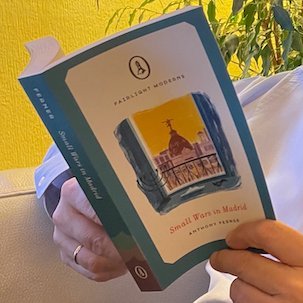
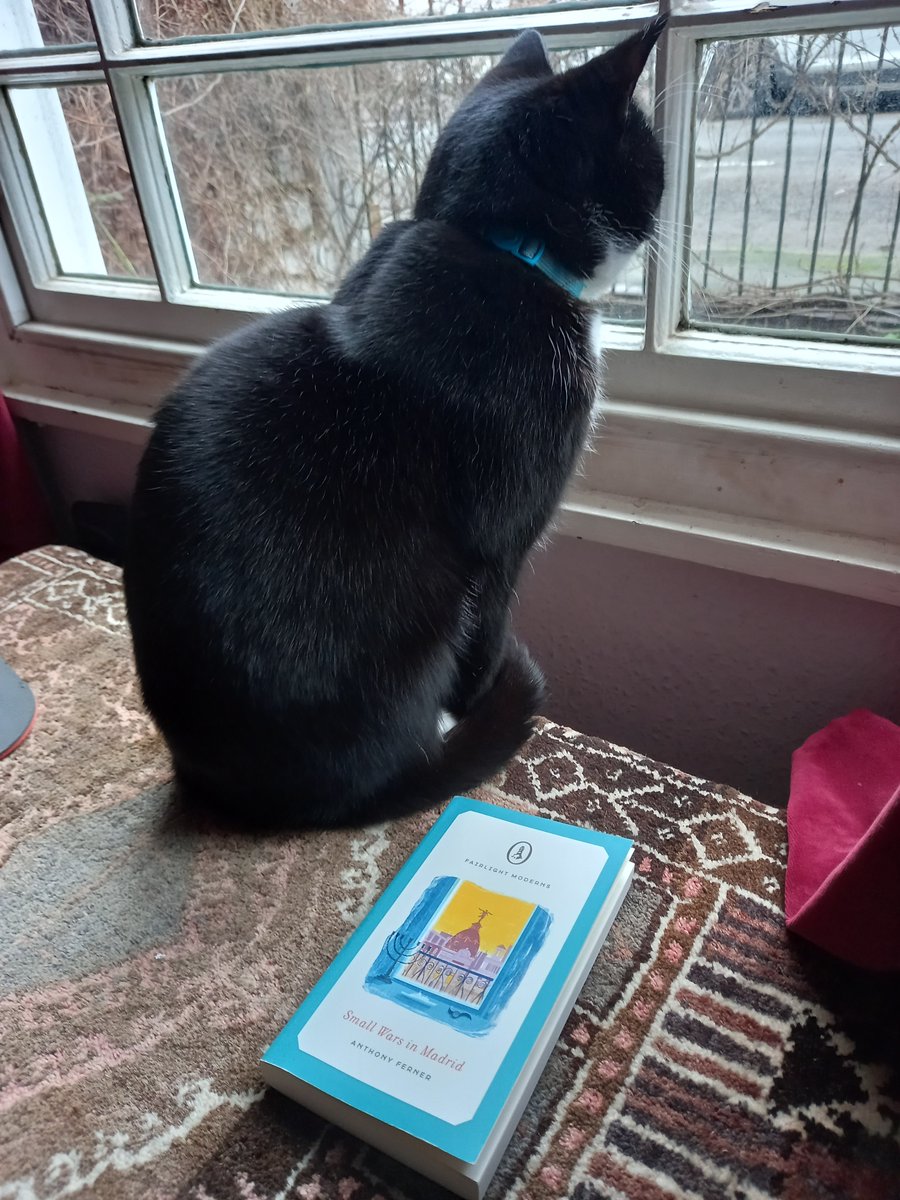
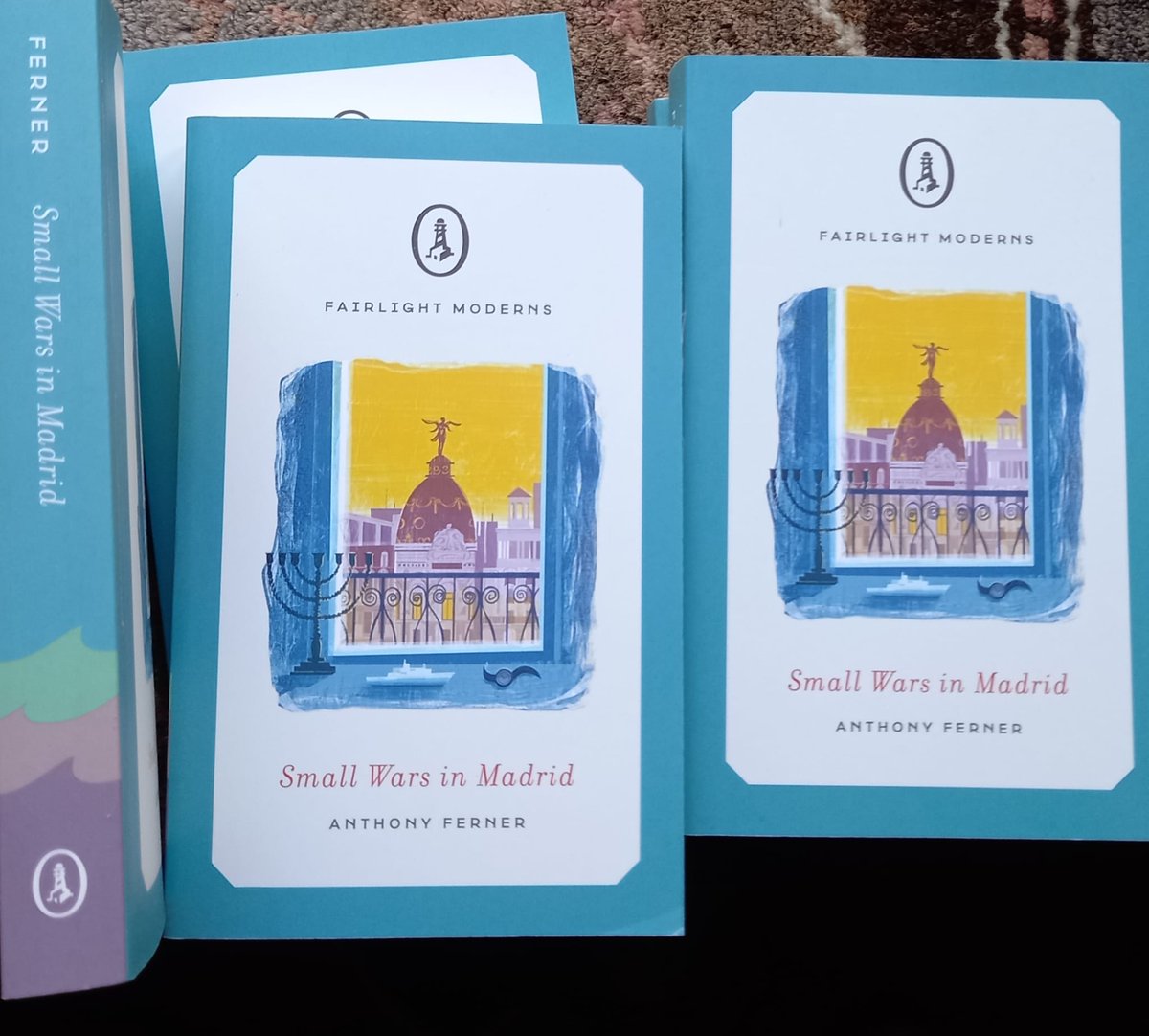
Unbelievably, it's exactly two years since Small Wars in Madrid was published.
Where has the time gone?
@FairlightBooks
1
1
4
130
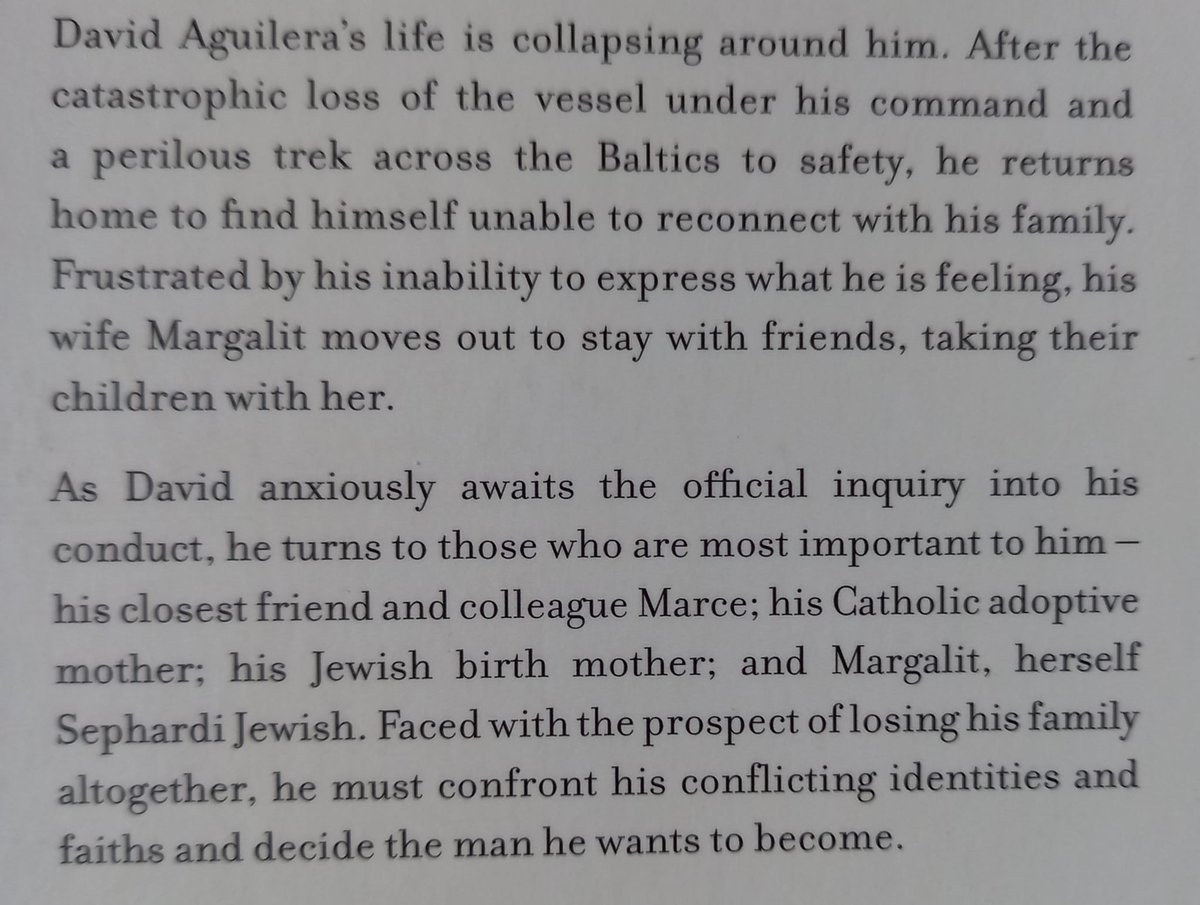
It is (ahem, modest blushes) a 'beautifully written, modern-day Odyssey', 'a short read... that wrenched my heart from its moorings and set it adrift', 'just so human and really, really interesting. A joy to read'
- and I don't even know these reviewers!
31
Anthony Ferner retweeted
Mar 18
Near to Rugby? What are you doing this Sunday? 😊
l’m excited to return to Benn Hall (Newbold Road CV21 2LN) where I’ll be meeting & chatting with readers and signing copies of my #uplit novel #TheApprovalofSheep at Rugby’s fab Spring Craft Fair
I’d love to see you there! ❤️

1
30
28
569
Anthony Ferner retweeted
Feb 17
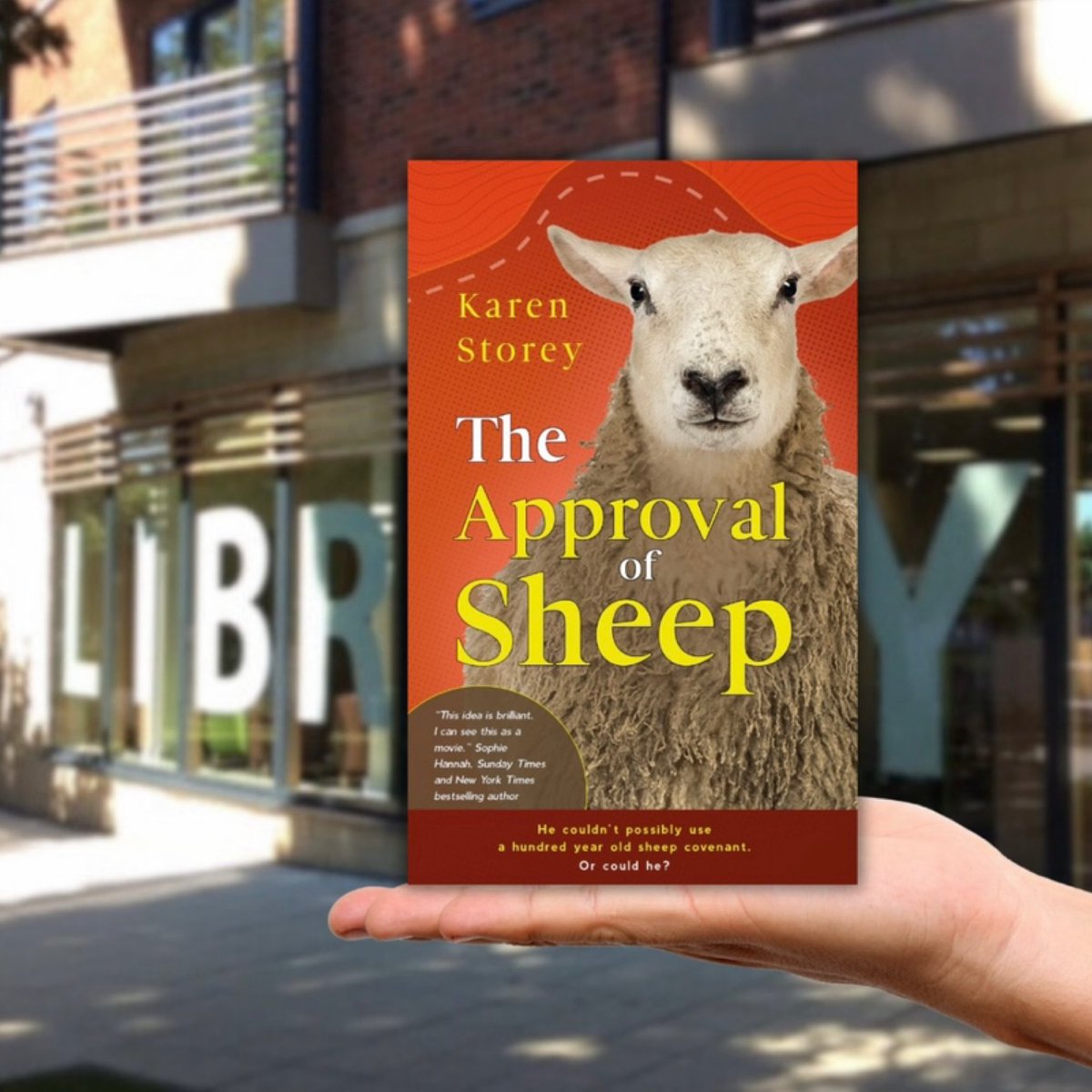
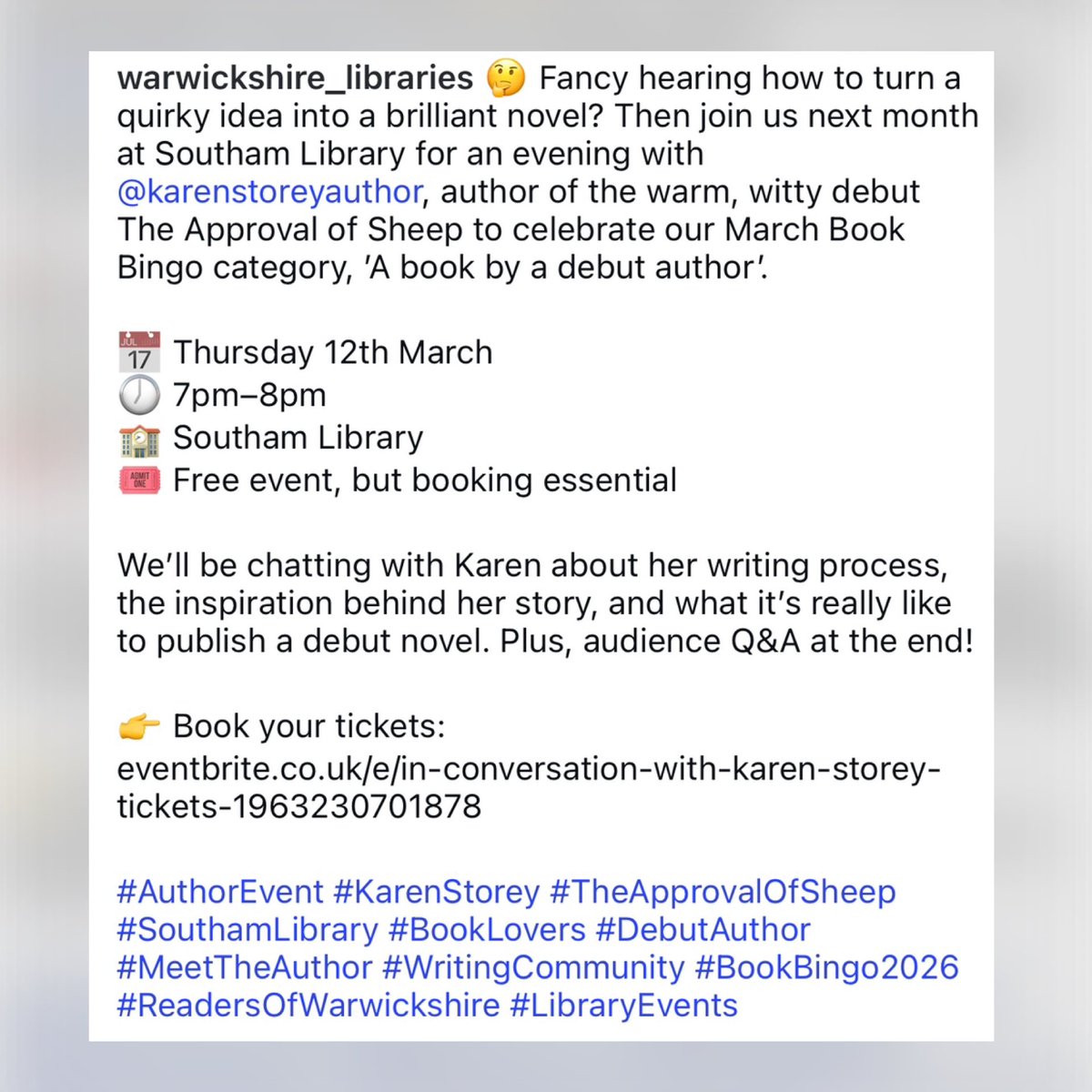
Want to hear how to turn a quirky idea into a debut novel? Aimee Hawkins of Warwickshire Libraries will be asking me all about it on 12th March at Southam Library.
7 to 8pm. Tickets free, but please register! eventbrite.co.uk/e/in-conver…
#theapprovalfsheep
#TuesNews @RNAtweets

52
30
578
Anthony Ferner retweeted
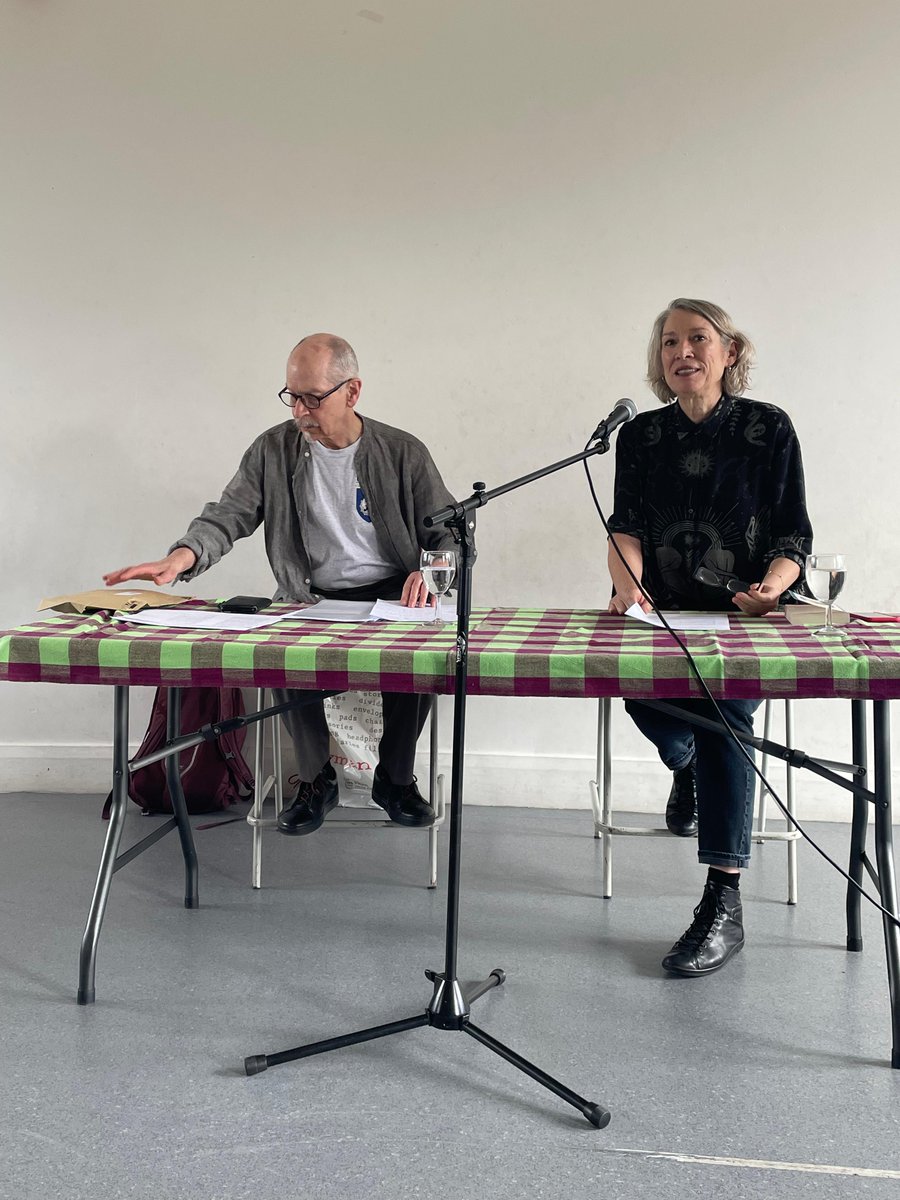
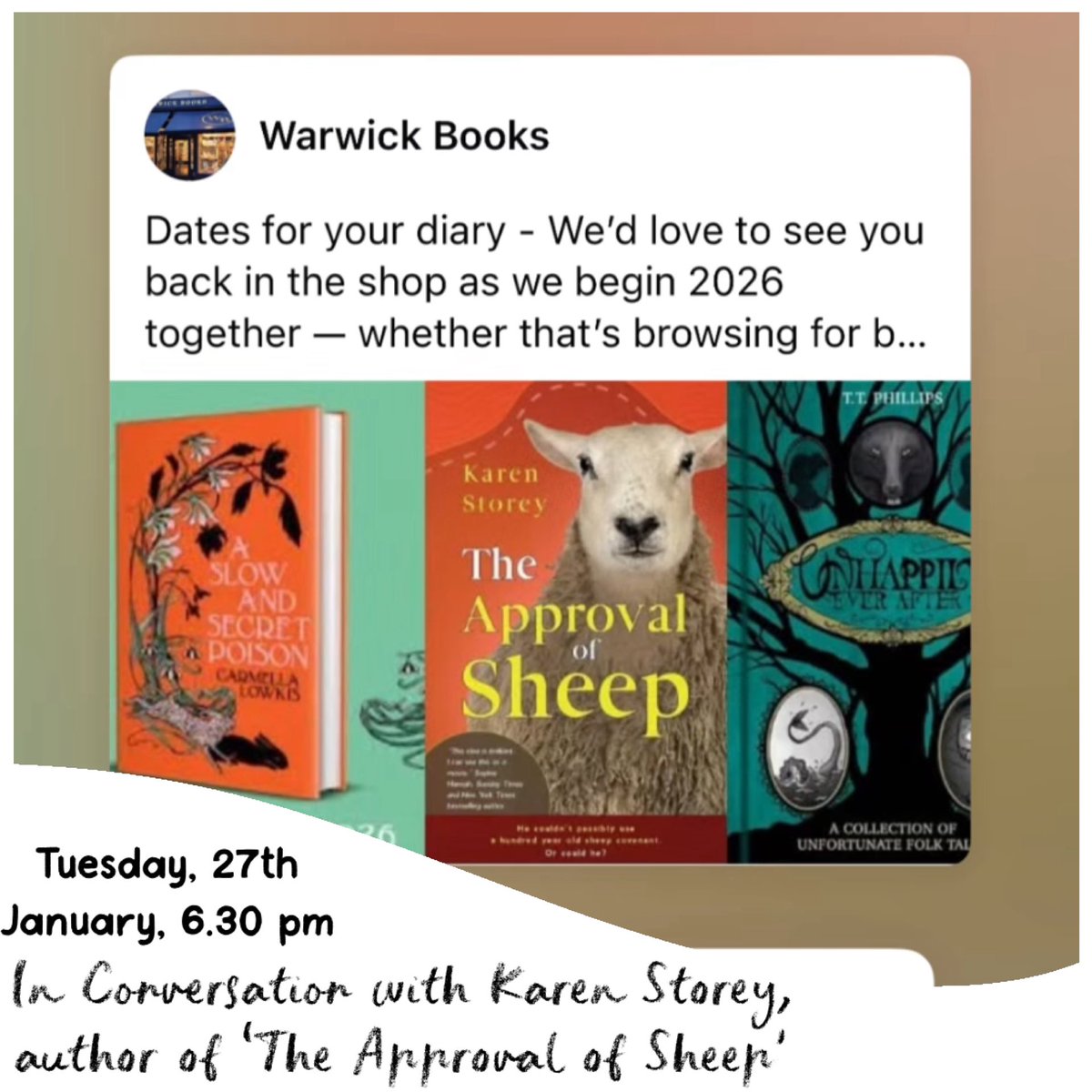
I’m so looking forward to this event at Warwick Books. Meeting readers & signing books for them is my favourite part of being an author! ❤️
If you’re in or near Warwick, I’d love to see you! 24 Market Place, but please book first!
#TuesNews @RNAtweets
ticketsource.co.uk/warwick-b…
3
59
39
787
Anthony Ferner retweeted

25 Nov 2025
The BBC's has responded in The Guardian that this was a routine editorial decision, but also that it was made on legal advice. Those two explanations don’t fit together.
The edit was made at the last minute, after editorial approval and four weeks after the live recording. A standard editorial edit doesn’t require days of high-level legal review or the involvement of many people at top level.
The truth is that the sentence wasn’t inaccurate – it was removed because of legal fears. And that’s exactly the concern my lecture raises: when institutions start censoring themselves out of fear of those in power.
Read it (without that one sentence...) here: downloads.bbc.co.uk/radio4/r…
25 Nov 2025

I wish I didn’t have to share this. But the BBC has decided to censor my first Reith Lecture.
They deleted the line in which I describe Donald Trump as “the most openly corrupt president in American history.” /1
57
764
2,205
289,973
Anthony Ferner retweeted

26 Sep 2025
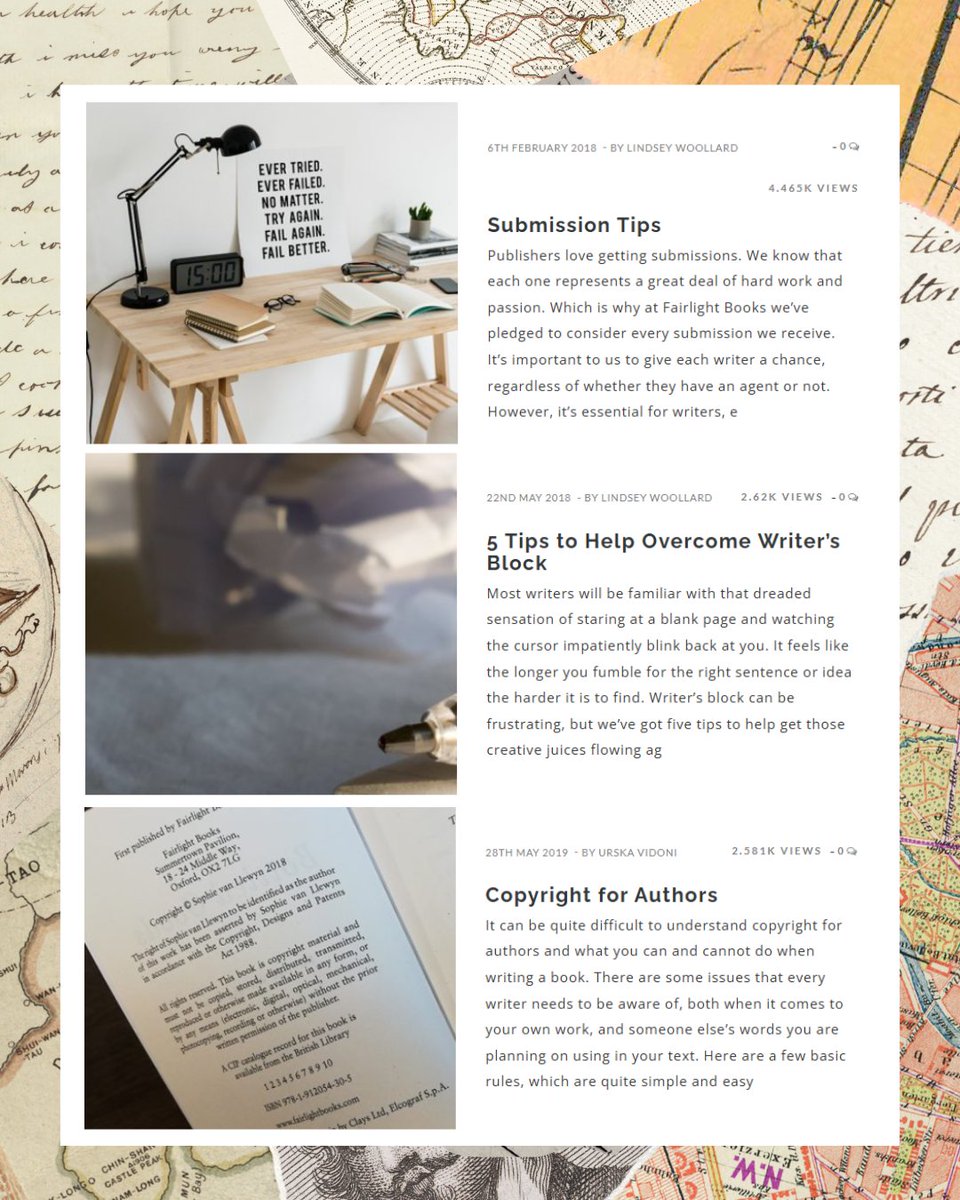
Did you know we have a collection of blog posts dedicated to helping budding writers?
Click the link in our bio for more! 🔗✍️
#fairlightbooks #indiepress #writingtips #writingtools #writing #aspiringauthor #litfic #literaryfiction #contemporaryfiction
4
4
149
Anthony Ferner retweeted

19 Jun 2025
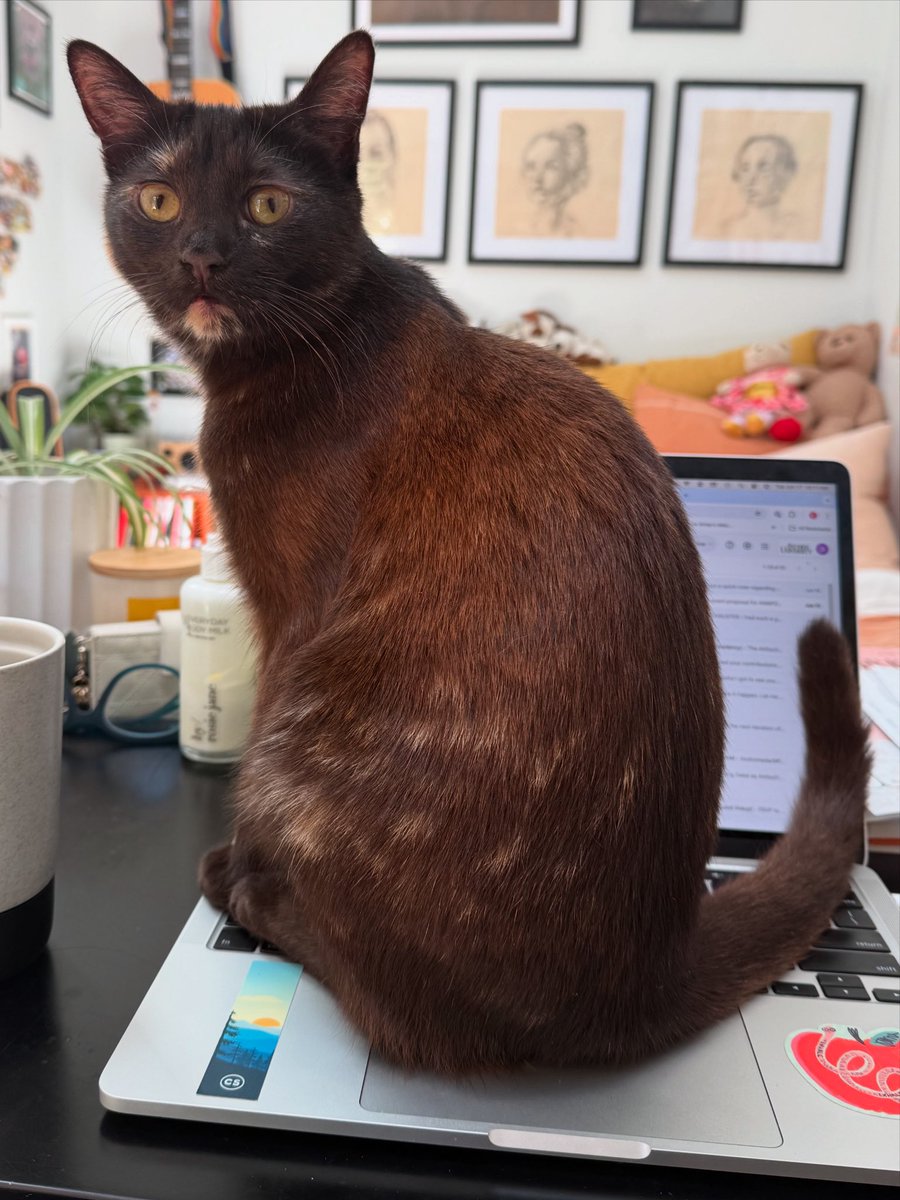
Introducing Claudine: A Literary Magazine!
Claudine is a sleek cat, curious, clever, quick. . . just like our prose. 🐈⬛
Monthly mag for micro prose.
Free subs.
Paying market.
Subs open June 30.
First issue Sept 1!!
2
27
72
7,968
Anthony Ferner retweeted

1 May 2025
Submissions are open! Please send your novel, novella, short story collection or memoir to CONDUIT BOOKS via our website below. Subs close May 31st 2025. Looking forward to reading. Please RT to spread the word. conduitbooks.co.uk/

9
91
194
16,075

24 Mar 2025
AI companies do not not have the right to use authors' work without permission/compensation. The @authorsguild has a template for authors to write to AI companies: actionnetwork.org/letters/au…
1
24
Anthony Ferner retweeted

12 Mar 2025
The brilliant @warwickbooks are hosting an evening with @franhill123 talking about her new novel HOME BIRD on 29th April. Book your ticket here ticketsource.co.uk/warwick-b…
#books #booktwitter #warwick #warwickevents

1
5
171
Anthony Ferner retweeted

23 Feb 2025
SUBMISSIONS ARE TEMPORARILY OPEN
Click the link for all you need to know.
floodgatepress.co.uk/submiss…
8
7
371
Anthony Ferner retweeted

11 Feb 2025
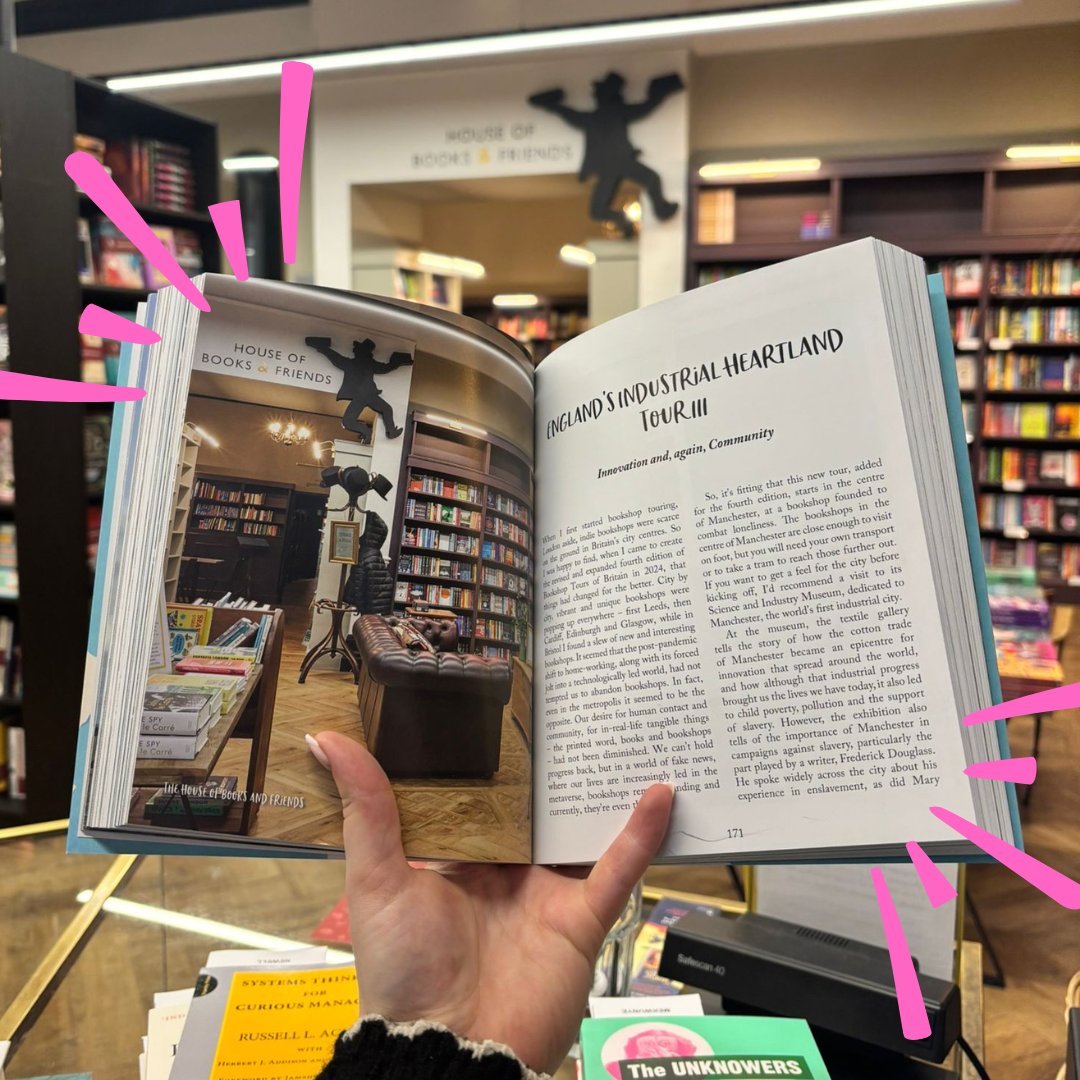
Very cool to have a full page feature in Louise Boland's Bookshop Tours of Britain 📚🛍️
We have a lovely write up highlighting our social mission, grade II listed building, and our founders, Gunnercooke.
Grab your copy instore!

1
6
8
594
Anthony Ferner retweeted

Oooh the #Poets are busy! Lots of entries from them - who'll be the first to send us some #fiction?! Subs are open! #swlitfest #writingcompetition £3.90 entry,£75/£25 up for grabs @ShortStoryComps @authorgabrielle @JacciGooding @davemusson #creativenonfiction #poetry #flash 😎

1
9
14
527
Anthony Ferner retweeted

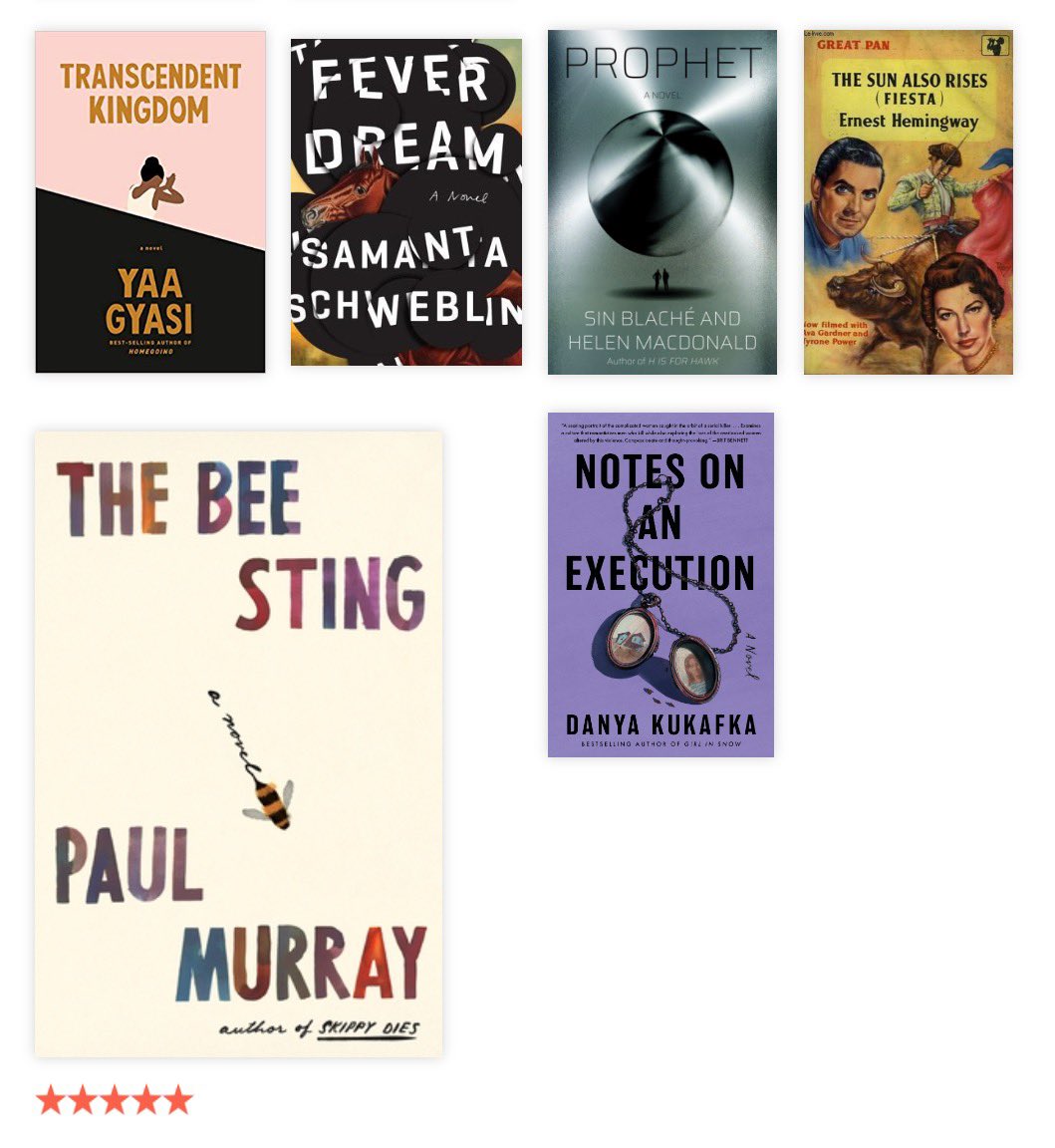
21 Dec 2024
It’s that time of the year again …
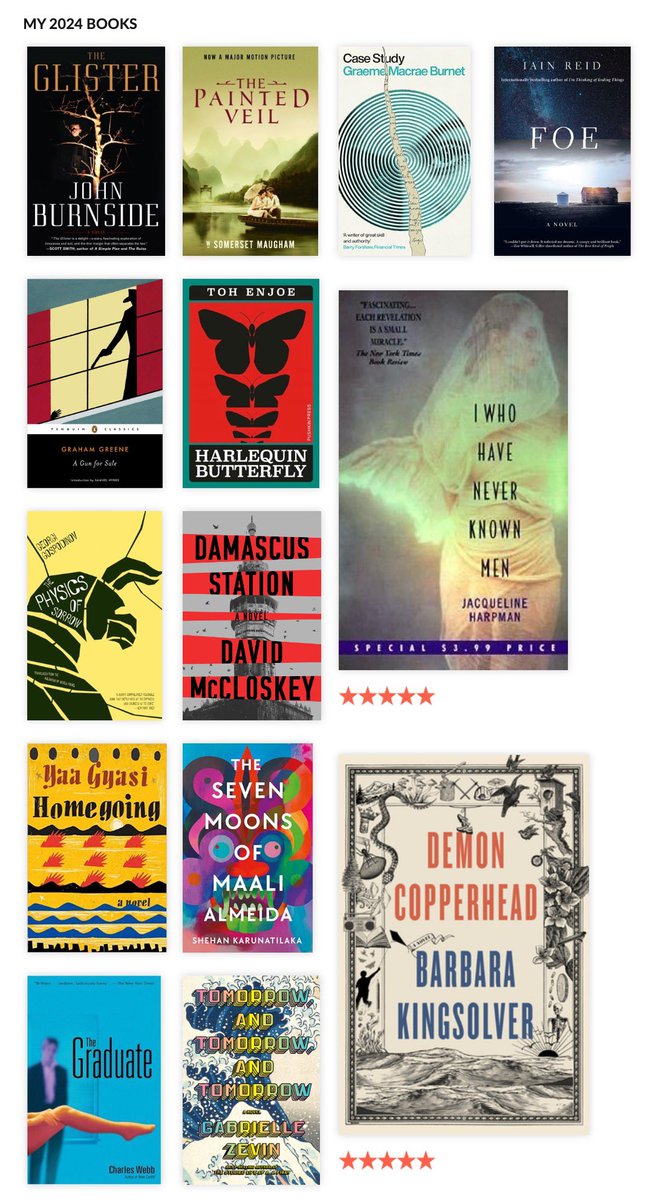
2024 in books 👇🏼
Top 3 reads of the year:
1. Demon Copperhead, Barbara Kingsolver
2. I Who Have Never Known Men, Jacqueline Harpman
3. Small Wars in Madrid, @AnthonyFerner
1
2
6
507
Anthony Ferner retweeted

20 Dec 2024
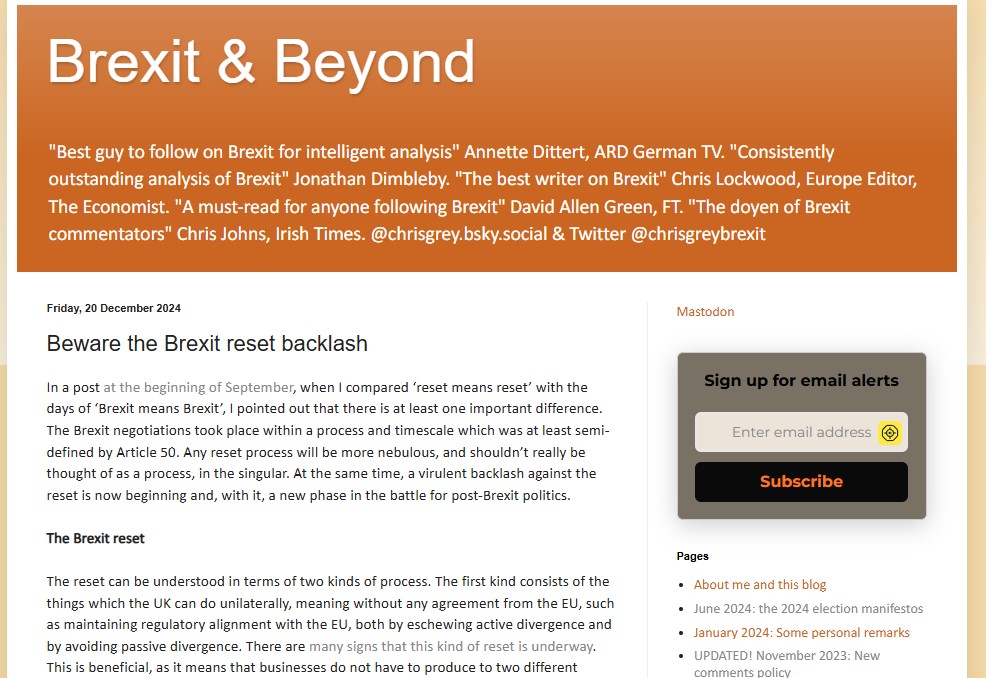
Beware the Brexit reset backlash. New post on my Brexit & Beyond Blog. With the reset barely begun, the Brexiters' vicious backlash against it is gathering force. But the reset has good justification (& those dismissing it as trivial should beware): chrisgreybrexitblog.blogspot…
11
78
145
12,379