Joined November 2011
- Tweets 66,529
- Following 4,340
- Followers 4,285
- Likes 66,325
2,903 Photos and videos
Sky Observer Anthony Cook retweeted

🚨 President Donald J. Trump has SIGNED the Iran Memorandum of Understanding at Versailles in France. 🇺🇸
3,663
5,118
18,462
1,673,007
Sky Observer Anthony Cook retweeted

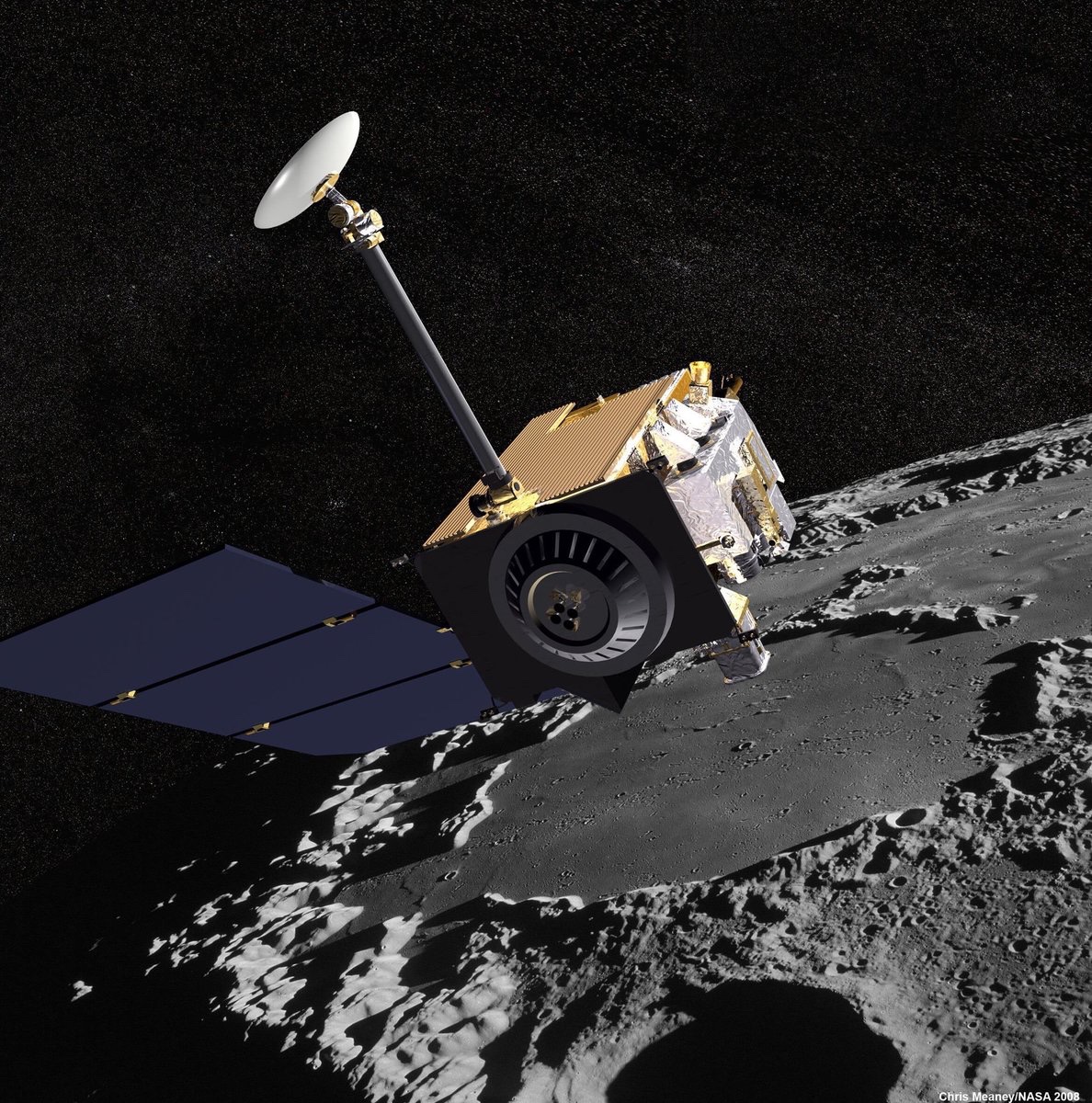
【宇宙】17年前の今日、2009年6月18日、アメリカの月探査機ルナー・リコネッサンス・オービター(LRO)とLCROSSが打ち上げられました。LROは月の全球を高解像度で撮影することが、LCROSSは自ら月面に衝突し月の極域に氷が存在するか否かを確かめることが目的でした。
Credit: NASA
6
11
522
Sky Observer Anthony Cook retweeted

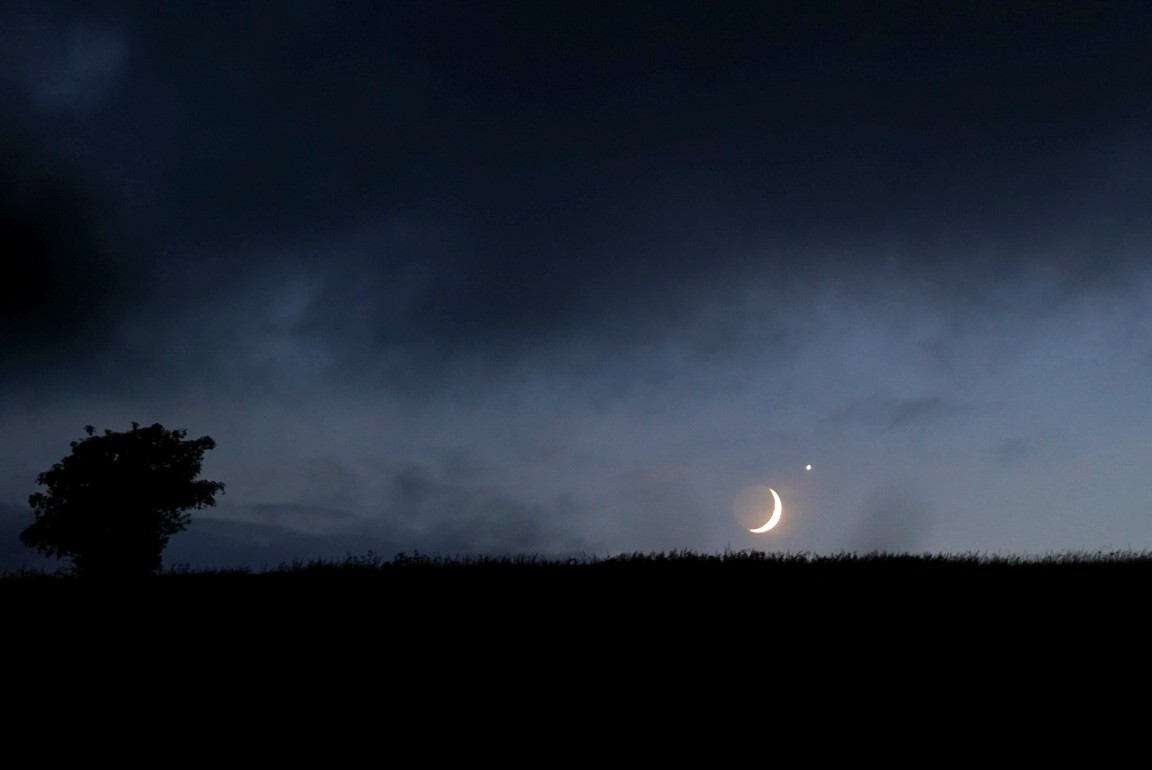
I had very little time to think or chose the right camera to photograph this #WaxingCrescent #Moon #Venus #conjunction! I took this with my #SonyA7iii 100mm lens. I wish I'd grabbed my Canon zoom lens sooner but it clouded over again. Oxfordshire, UK
7
9
56
717
Sky Observer Anthony Cook retweeted

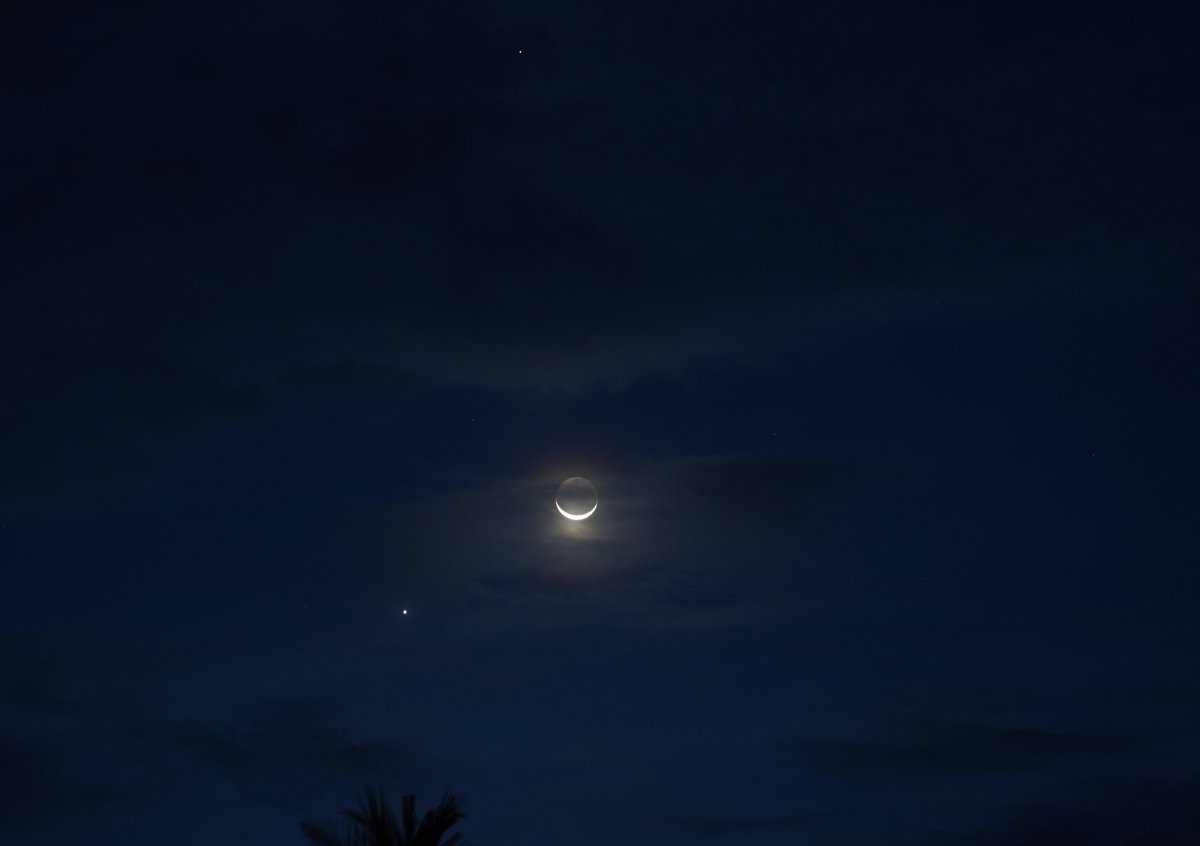
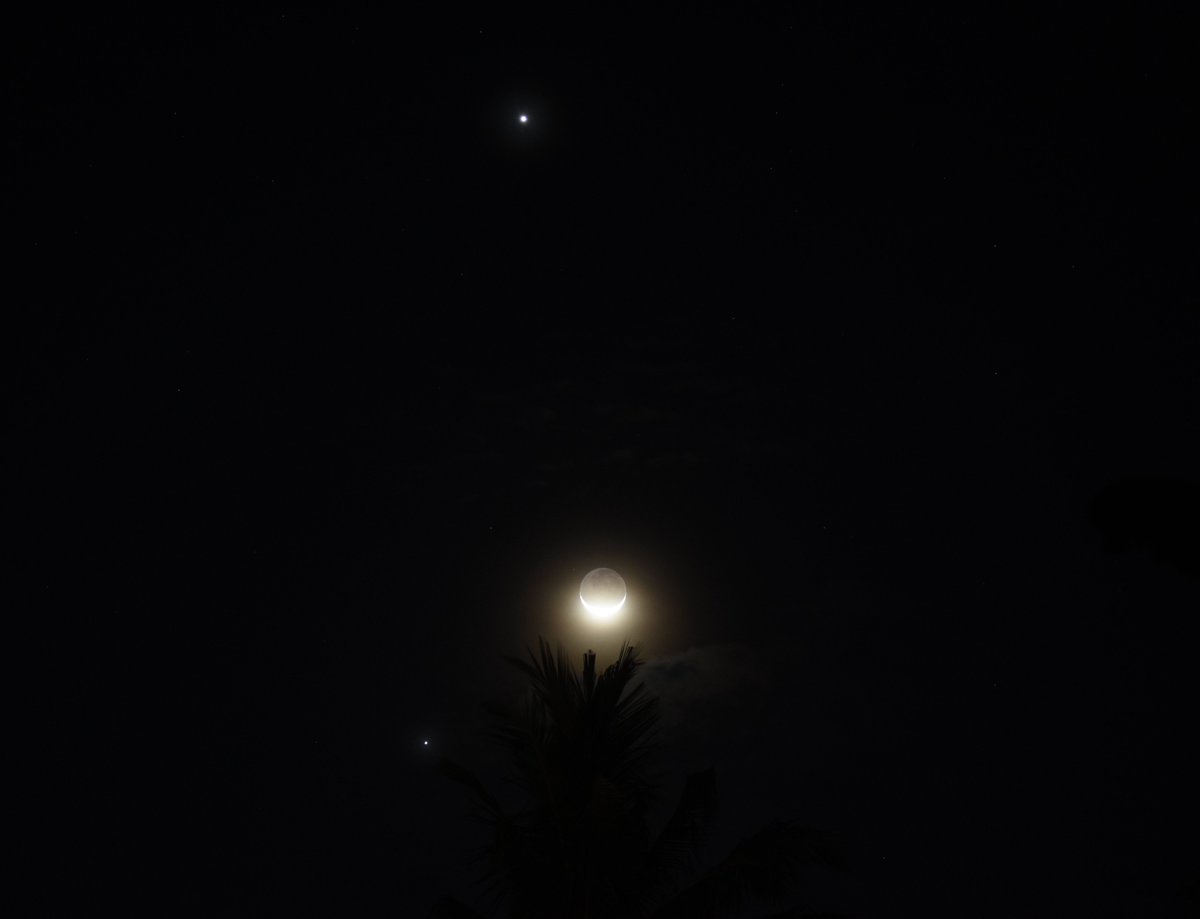
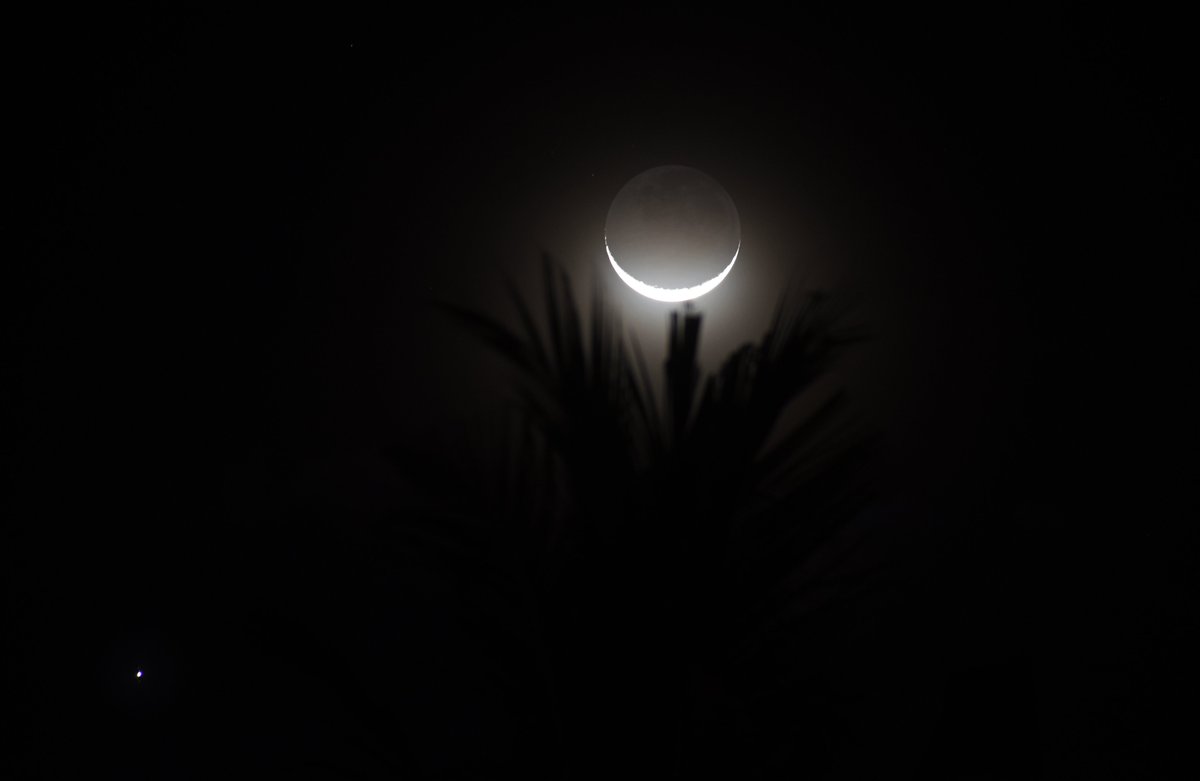
"The Celestial Trinity"
Venus, 8.6% crescent moon, and Jupiter.
*and the sound of nature at dusk 🤣


3
3
18
371
Sky Observer Anthony Cook retweeted

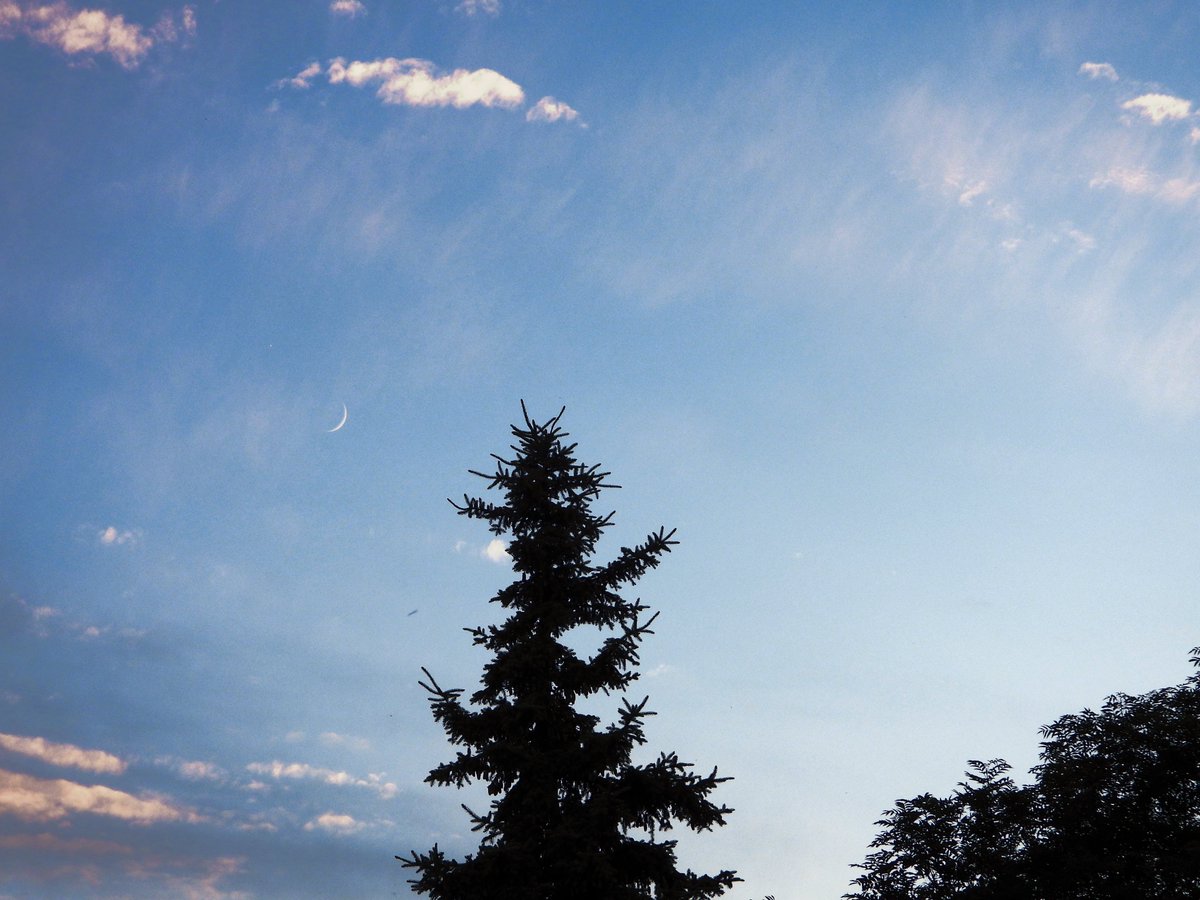
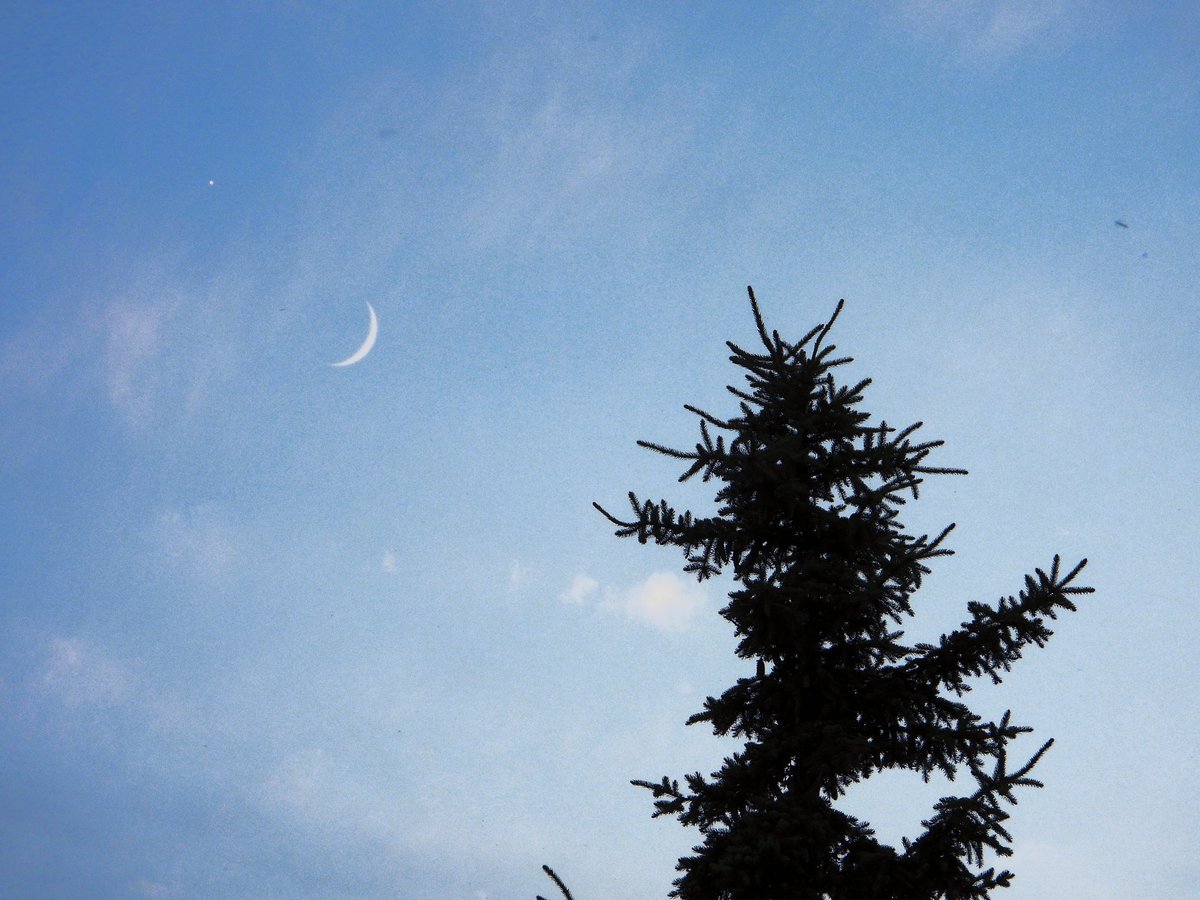
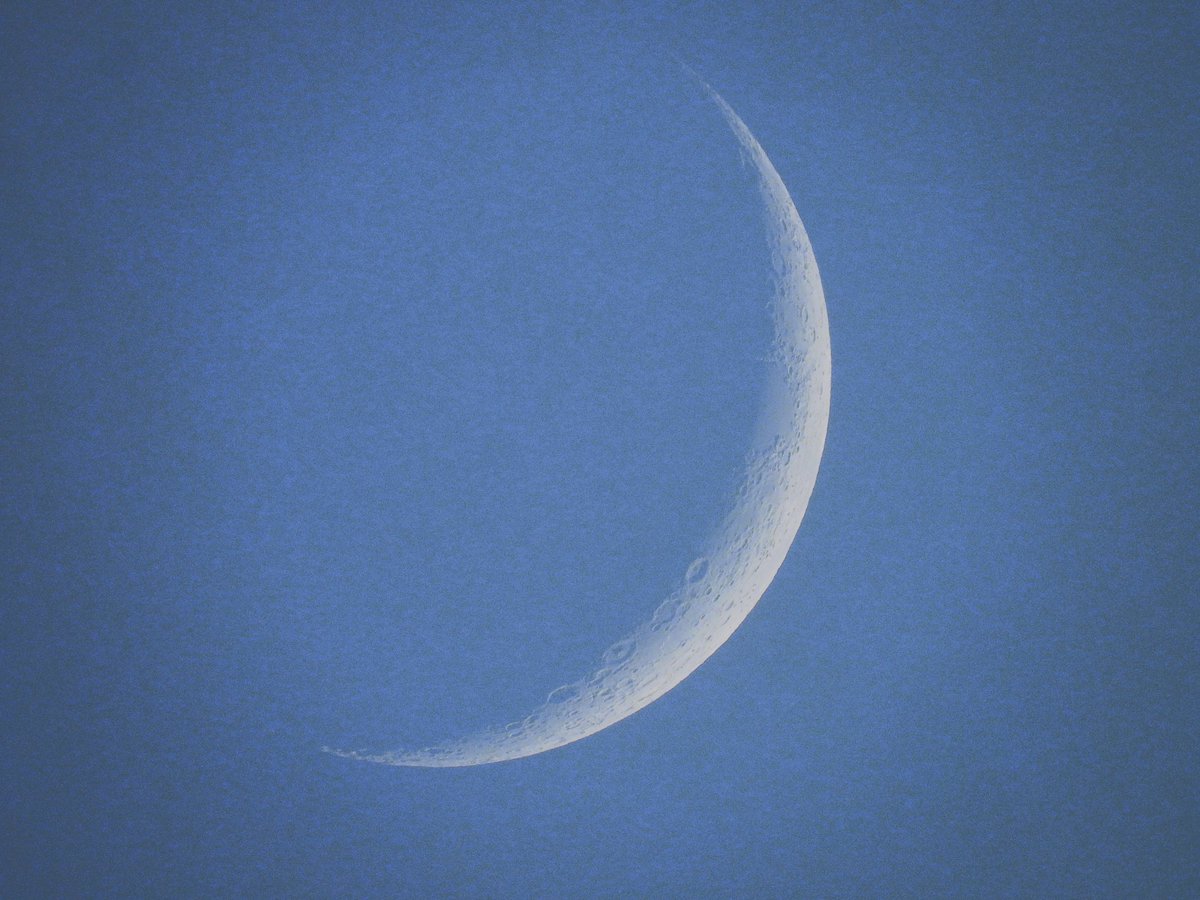
Ich habe Mond und Venus gesehen!🤩
3
19
132

There's been 12 succesful Falcon Heavy launches since 2018. The next one, happening this year, will take the Nancy Grace Roman Space Telescope into orbit.
Here's stabilized footage of USSF-67's spectacular booster separation:
youtu.be/QnHvQOkvoY4
6
64
849
37,440
Sky Observer Anthony Cook retweeted

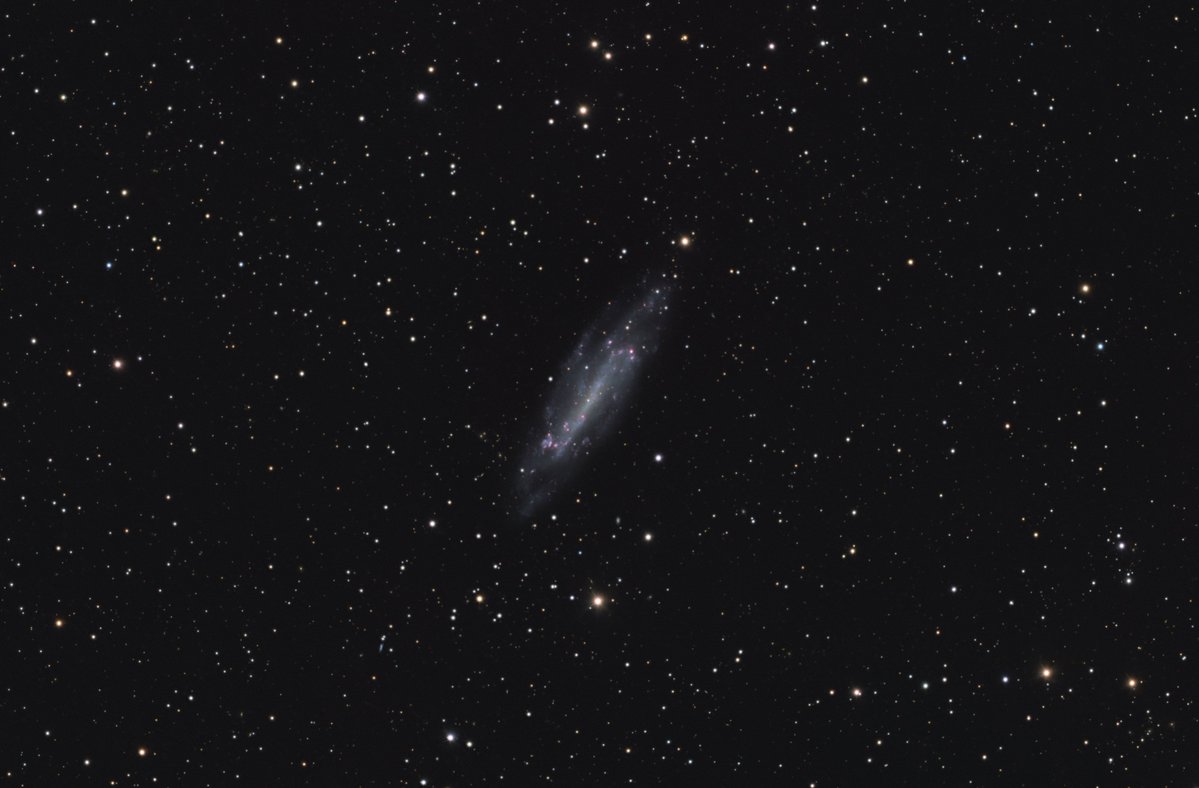
NGC 4236 captured from my dark site in southern France on three nights in April 🇫🇷😊🔭
This was shot on the EdgeHD 8 with Hyperstar at f/2 for a total integration time of 11.5 hours in RGB Ha using a QHY183C cam. The Ha data enhances the star forming regions.
#Astrophotography
2
4
17
394
Sky Observer Anthony Cook retweeted
Before @AstroKomrade and Frank Rubio were selected for Artemis III, they were already putting in hours on our FLEX rover.
NASA astronauts helped shape the design. Test drives of the SN-1 mockup determined rover driving direction. Suited runs on the Human-in-the-Loop mockup at @NASAJohnson refined the FLEX crew stand.
Space hardware designed and tested by the people who will use it in space.
5
36
164
5,878
Sky Observer Anthony Cook retweeted

23h
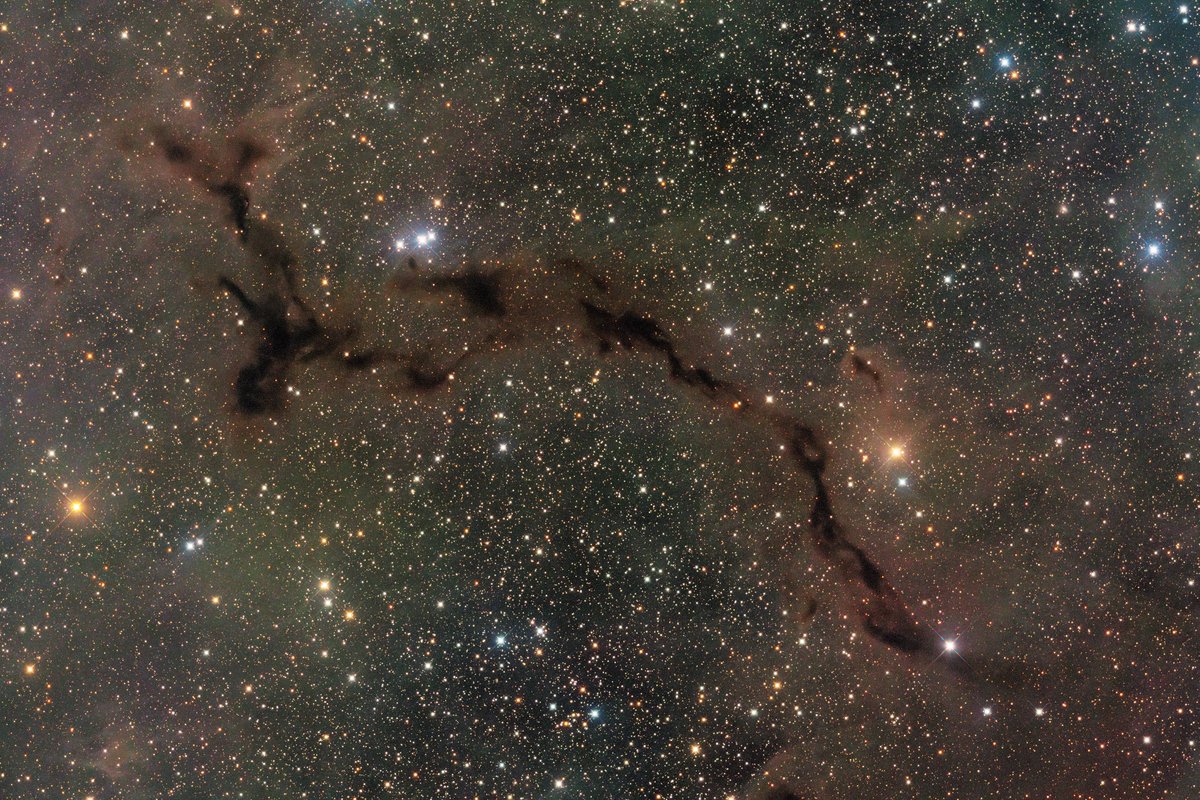
梅雨の晴れ間を縫って撮影。
ケフェウス座 B150 タツノオトシゴ星雲
光学系:Takahashi CCA250 645RD
カメラ:QHY600
露光:L:25x5min(2.1h) R:11x5min(0.9h) G:10x5min(0.8h) B:10x5min(0.8h) total 280min(4.7h)
8
70
806

I've come to appreciate boring hotfires. Our BE-7 team recently completed a 2,500 second hotfire test at 10klbf on a development engine, setting the record for the longest-duration turbo pump-fed liquid rocket engine hotfire. This built on some of the most rigorous testing in the history of propulsion, with the previous record set by the RS-25 engine that powered the Space Shuttle. They recorded two 2,017 second tests in 1988. It's not lost on us that we're following a path those engineers blazed, and we're grateful for it. Grab the popcorn and enjoy watching 41 minutes of hotfire goodness.
74
306
2,666
316,259
Sky Observer Anthony Cook retweeted

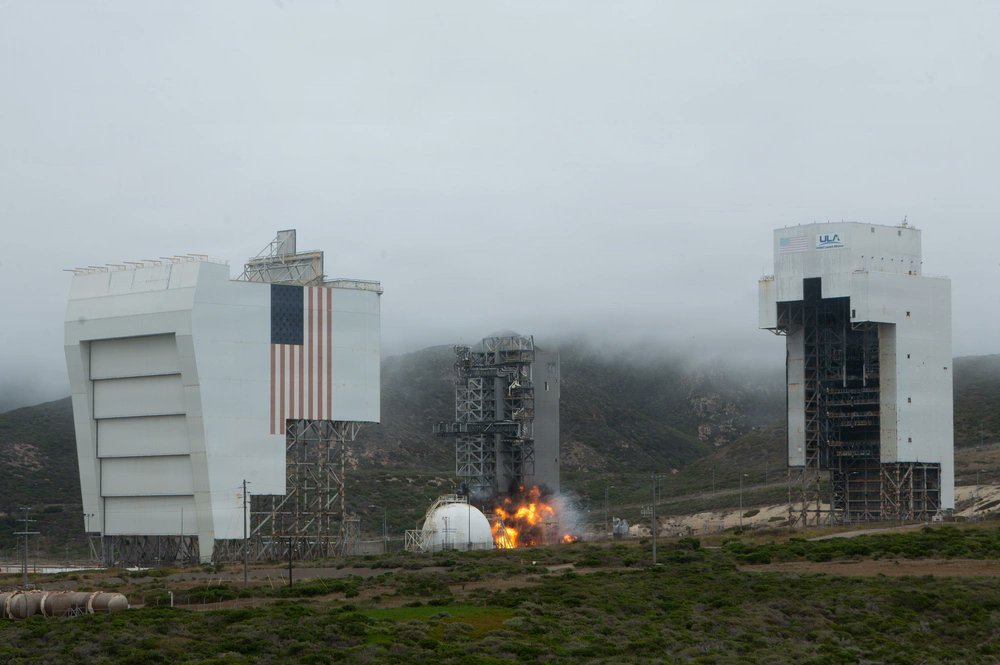
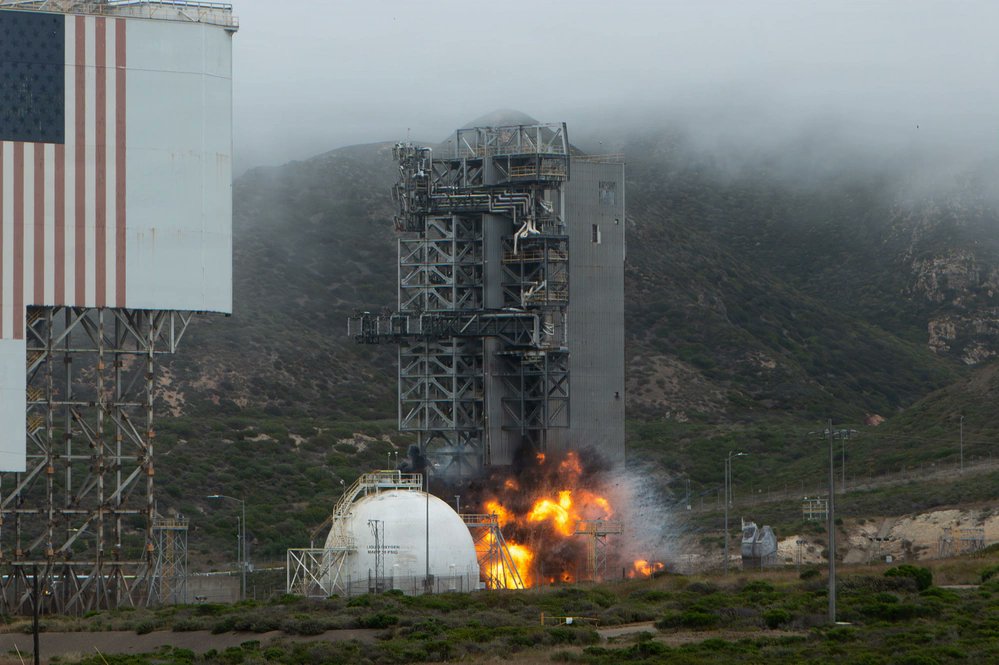
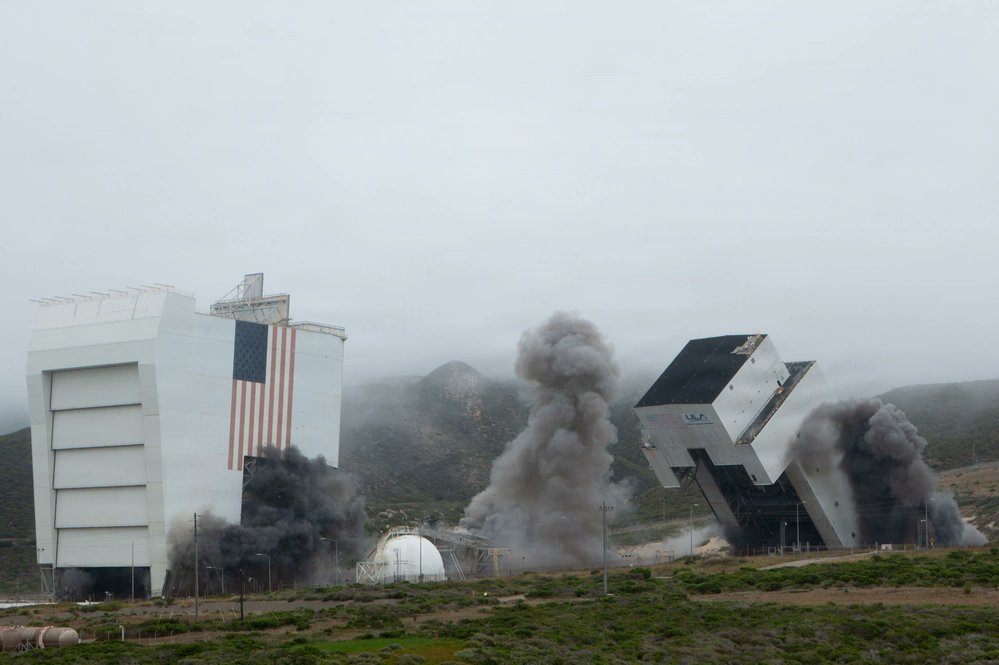
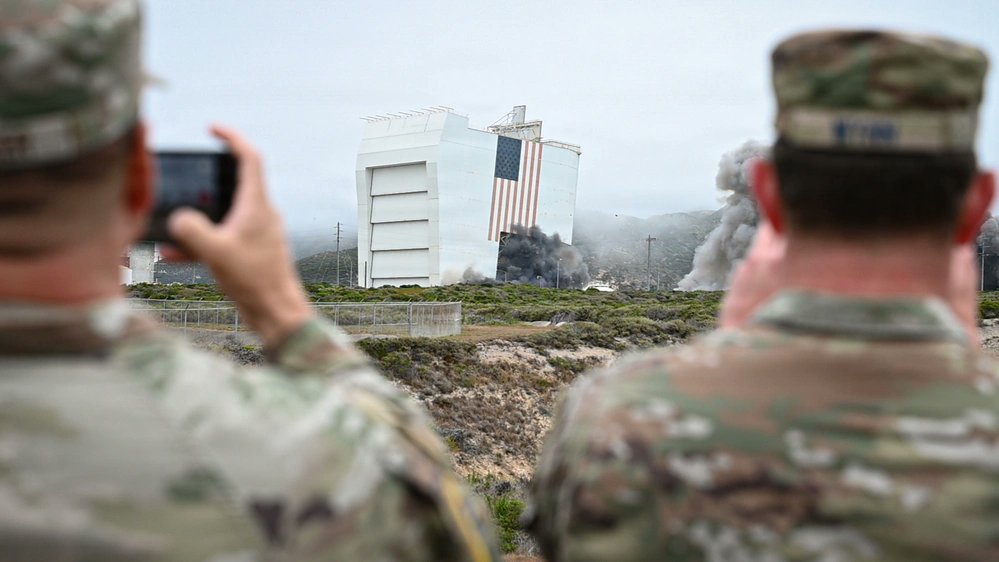
Today, legacy structures at historic SLC-6 were safely cleared to make way for a new era of spaceflight. With an outgrant issued by the U.S. Space Force in 2025, SpaceX is now modernizing the pad to support next generation spacelift operations.
33
259
1,838
367,613
Sky Observer Anthony Cook retweeted

Jun 1
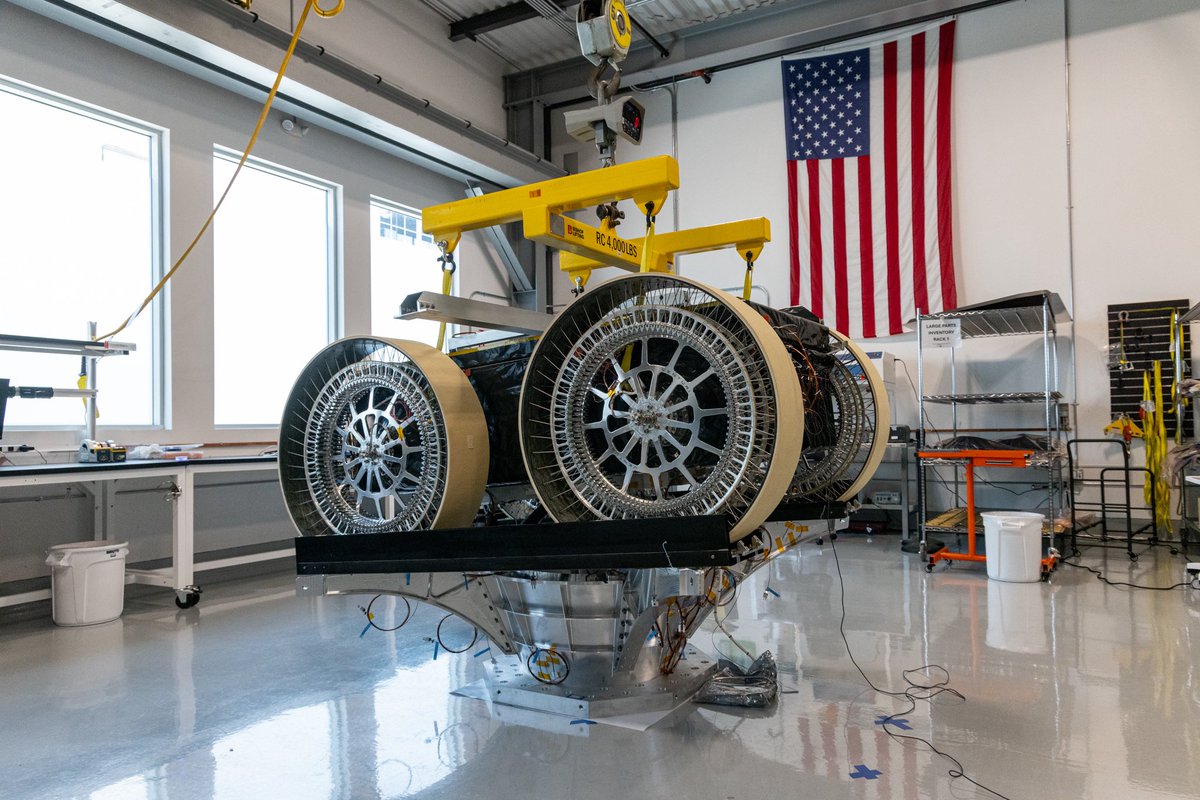
Our FLIP rover is now attached to @astrobotic hardware! FLIP was recently stacked and integrated onto the cone and ramps of the Astrobotic Griffin lander, the rover’s ride to the Moon.
9
66
366
35,831
Sky Observer Anthony Cook retweeted

Jun 15
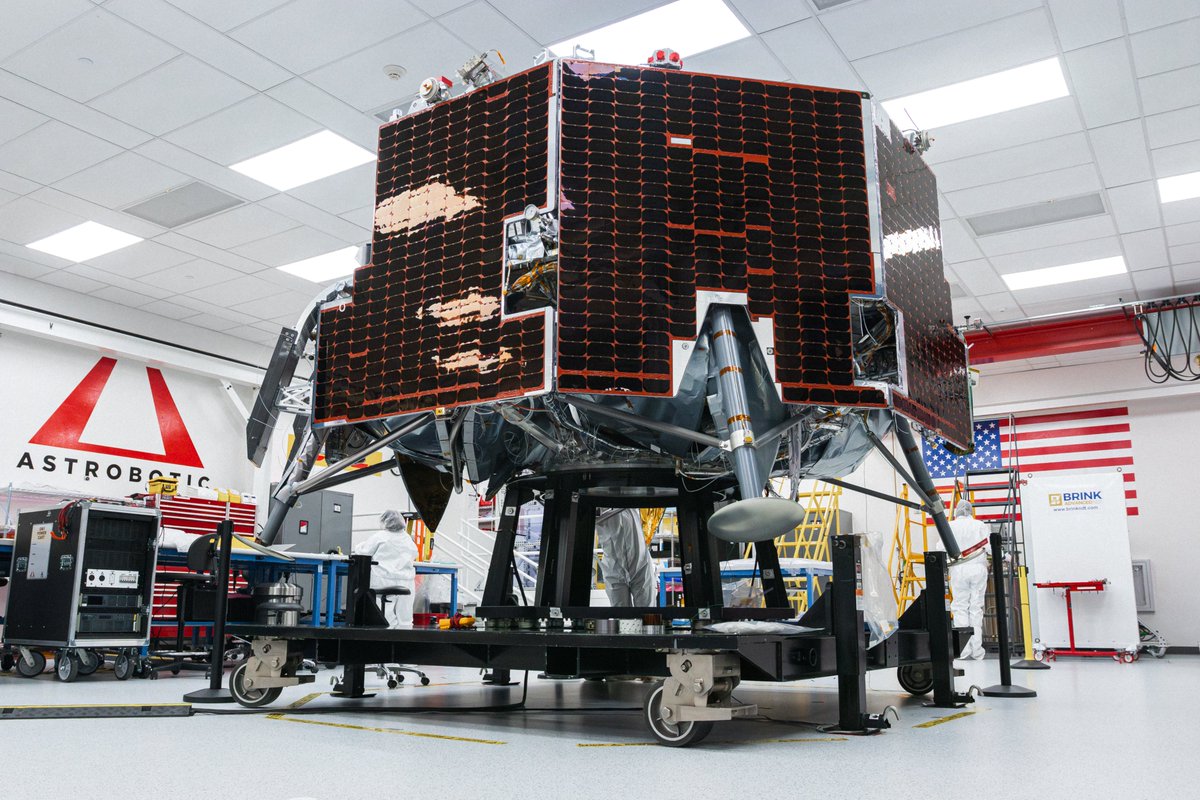
Today, we unveiled our Griffin-1 lunar lander, recently designated by @NASA as Moon Base II🌙, during a visit by NASA reps, gov officials, and industry partners at our HQ in Pittsburgh. "Today, Griffin stands behind us as proof of what is possible when talented people spend years solving hard problems together," read more: astrobotic.com/griffin-1-lun…
9
57
280
12,481
Sky Observer Anthony Cook retweeted

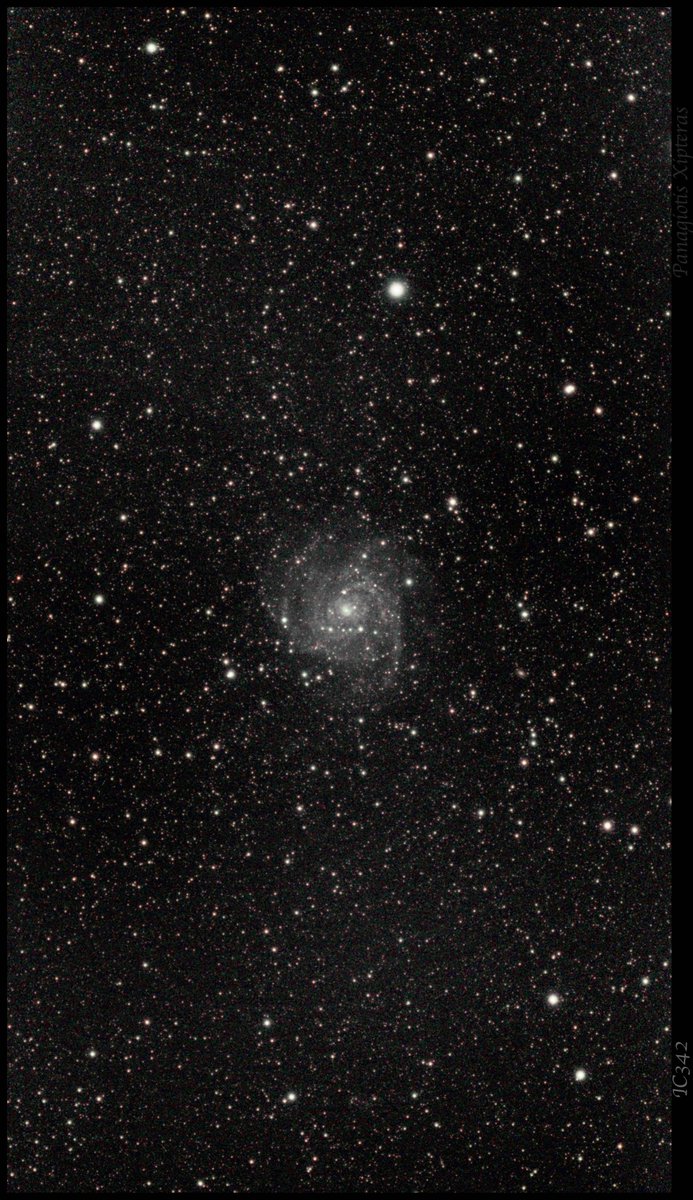
🌌 IC 342, the Hidden Galaxy, rests quietly in the faint northern constellation Camelopardalis, about 11 million light-years from Earth. It is a large, face-on spiral galaxy, roughly 21' wide in the sky, almost two thirds of the apparent diameter of the Full Moon. Its integrated brightness is around magnitude 8–9, but this number is a little deceptive, because the light is spread over a broad, soft disk and weakened by dust and stars of our own Milky Way.
IC 342 is rich in old yellowish stars, bluish star-forming regions, reddish hydrogen clouds, and dusty spiral lanes, but much of this beauty reaches us only after passing through a veil. In spirit, it reminds me somehow of M33, the Triangulum Galaxy, but IC 342 feels more secretive, an island of suns half hidden behind our own galactic #stars foreground.
🔭 IC 342 is visible in the north after midnight tonight. Visually, it is not an easy object; even though it is not extremely faint on paper, its low surface brightness makes it delicate and shy. A dark sky is important for #stargazing
🕰️ When the light of IC 342 began its journey toward us, around 11 million years ago, Earth was in the Miocene Epoch, a world still far away from human civilization. Our own distant biological story was only slowly unfolding among ancient primates, changing forests, and expanding grasslands. While early mammals moved through landscapes that would feel both familiar and strange to us, the light of this hidden spiral galaxy had already left its stars and nebulae. Today, after crossing intergalactic darkness for millions of years, it can finally arrive on the sensor of a small amateur observatory.
🦣 Geologically, the Earth of that time was alive with change. Continents were close to their modern positions, mountain ranges continued to rise and erode, climates were shifting, and many ecosystems were becoming more open.
The great non-avian dinosaurs had vanished long before, but birds, their living descendants, were already part of the world. Mammals had taken over many ecological roles: early horses, predators, elephants’ relatives, whales in the oceans, and many kinds of primates lived under skies that already contained IC 342’s traveling light. I find this thought very moving: the photons we collect today left their galaxy before human memory, before history, before even the first stories around a fire.
#etexists 👽
If planets orbit some of the stars within IC 342—the Hidden Galaxy, half-buried behind the dust of our own—then any distant listeners would begin to receive our signals more than ten million years from now. What reaches them would not be who we are—but who we once were. Ancient echoes drifting through space: radio waves carrying fragments of our voices, our music, our machines, and the restless noise of a civilization that may no longer exist.
By the time those signals arrive, Earth itself may have changed beyond recognition. Continents reshaped, species erased, cultures forgotten. In the vast age of the universe, our entire civilization might amount to a brief flicker—a single heartbeat in cosmic time.
They would hear our wars before anything else. Long before they could ever see our pale blue skies, they would hear conflict, fear, division—signals of a species struggling with its own power. To them, we would sound unfinished. Young. Loud in our confusion. A civilization still wrestling with the consequences of intelligence.
And yet—within that noise, something else would emerge.
🎶💃🕺 They would hear rhythm inside the chaos. Meaning shaped from suffering. Languages built not only to command, but to remember. Songs created to endure time itself. They would hear minds that kept looking upward even while standing in dust and danger. A species capable of destroying its world—yet still daring to imagine beyond it.
From those ancient signals, they would learn that our fate was not yet decided. That ten million years ago, humanity stood at a crossroads. Either we vanished—consumed by our conflicts, our short-sightedness, our failure to master the forces we unleashed… —or we endured.
Perhaps we solved the problems encoded in those early broadcasts: energy, cooperation, survival beyond a single planet. Perhaps we climbed the long path toward higher Kardashev levels, learning to harness not just power, but responsibility. Or perhaps we became only a warning—another silent civilization lost to time.
#WeWereHere
To those listeners, our signals would feel like a message from a forgotten youth. A civilization standing at the edge of a cliff, unsure whether the next step leads to collapse… or to the stars.
#DeepTime
A small species from the outer edge of its galaxy, reaching outward before it fully understood itself. And maybe—just maybe—it would not be our strength, nor our technology, that speaks loudest across those ten million years, but the fact that we tried. That we questioned. That we dreamed.
#CosmicEchoes
And in recognizing that struggle, they might see something familiar—something they once were, long ago—when their own future was still unwritten, and the universe was waiting to see which path they would choose.
CS @xipteras
5
24
288

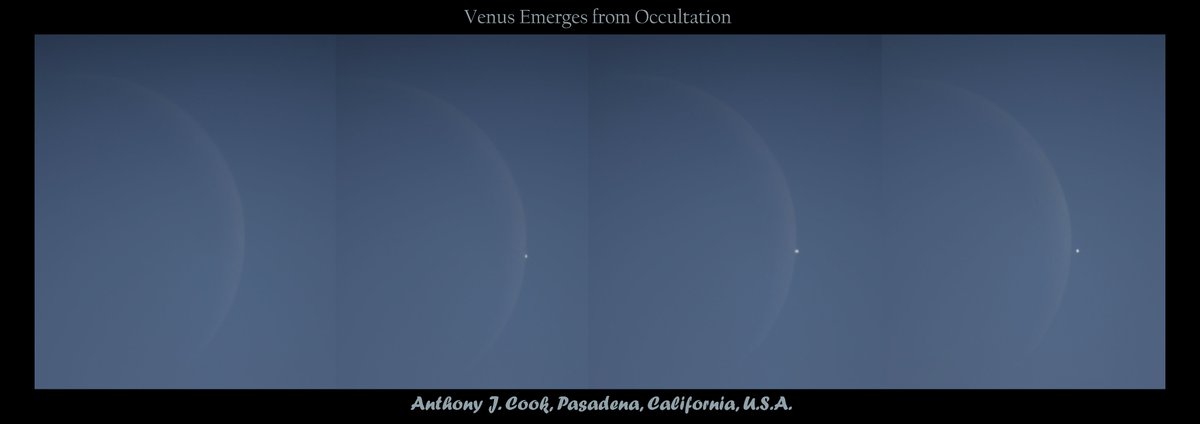
I caught Venus making its reappearance from lunar occultation about an hour ago:
1
14
174
Igor Stravinsky was born 144 years ago. He became an American citizen in 1941, and celebrated by making this arrangement of The Star Spangled Banner:
youtu.be/YuBbqPNrBw8
85
Sky Observer Anthony Cook retweeted

Jun 16
B-52 Involved In Tragic Crash Was Heading Out On Radar Test Sortie
The crash's human toll on the USAF test community is hard to fathom, and it will also have an impact on the already under-pressure B-52 modernization program.
twz.com/air/b-52-involved-in…
1
39
192
18,968
Sky Observer Anthony Cook retweeted

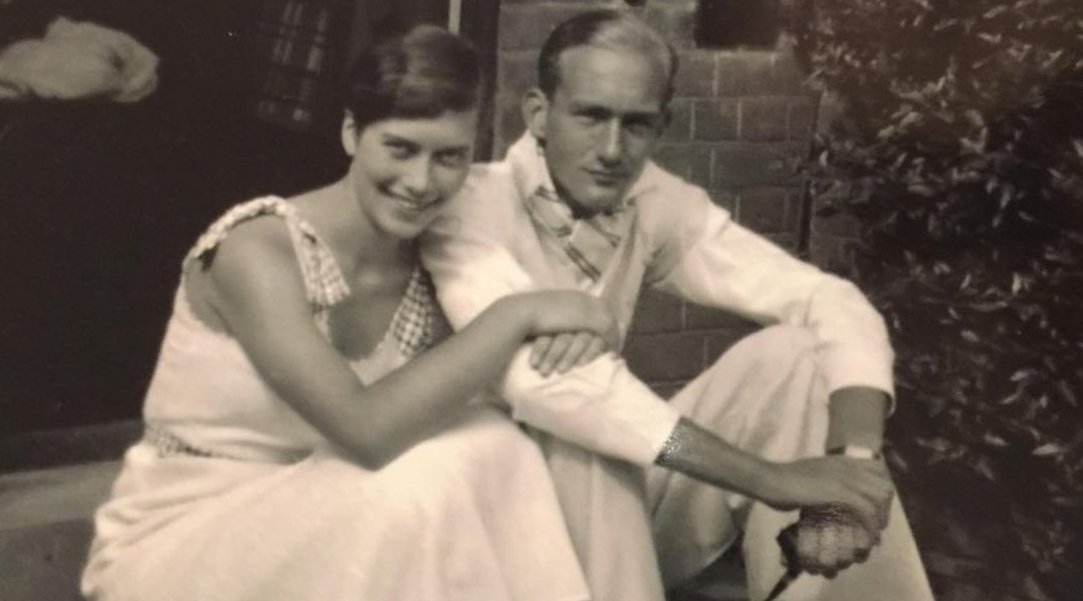
Olivia Newton-John’s father was a British spy.
He posed as a fake German POW at Trent Park, using charm and upper-class German connections to befriend Luftwaffe pilots and extract secrets:
(🧵)
19
188
1,419
57,507
The occultation of Venus by the moon on June 17 (later today) is visible in daylight from much of the US. If you can see the moon, binoculars will be sufficient to see Venus disappear behind the unlit side and reappear from behind the lit side. Schedule:lunar-occultations.com/iota/…
2
1
190
The reflectivity of Venus is many times greater than that of the moon, so even with the unaided eye Venus may look like a bright spot near the moon's pale crescent before and after the occultation with your unaided (or vision corrected) eyes, as long as the sky is very clear.
1
100