
Gold Rosary Guy, Married, Mystic, Approved Miracle Worker, DMin (CPAC), DS (DSE), Apostle, Journalist, Black Belt, Veteran, Great Catholic Monarch.👑❤️🔥
Joined July 2023
- Tweets 34,709
- Following 392
- Followers 866
- Likes 59,982
4,328 Photos and videos













Pinned Tweet

🙏🏻😇⛪❤️🔥👑🕯️
#HailMary
x.com/DavidAJMHoward/status/…

#Miracles leading to the #TriumphOfTheImmaculateHeartOfMary
Roe v. Wade:
x.com/DavidAJMHoward/status/…
Mecca Locusts:
x.com/DavidAJMHoward/status/…
Burke Healing:
x.com/DavidAJMHoward/status/…
Hurricane Dorian Turning:
x.com/DavidAJMHoward/status/…
3
2
46
19,106
Whose disciples converted to Catholicism (Acts 9:31).
Catholic 33 AD
Protestant 1517 AD

The one named in the Bible.
Baptist.
Bye Communism.
We saw Your:
1. Numbers failing
2. One child policy murders
3. Organ harvesting
It couldn't happen to a worse nation.
Jesus is watching
Hail Mary.
🙏🏻😇⛪❤️🔥👑🕊️🕯️💦🔥
#RosaryGrant
Communism —> Extinction
Rev 11:3.
#Trents6c16
Hail Mary.
8
Rev 11:5.
#RosaryGrant
Islam will end.
Rev 11:3, #Trents6c16
Jihad, rape, murder, nuclear Armageddon planned.
Hail Mary.

7
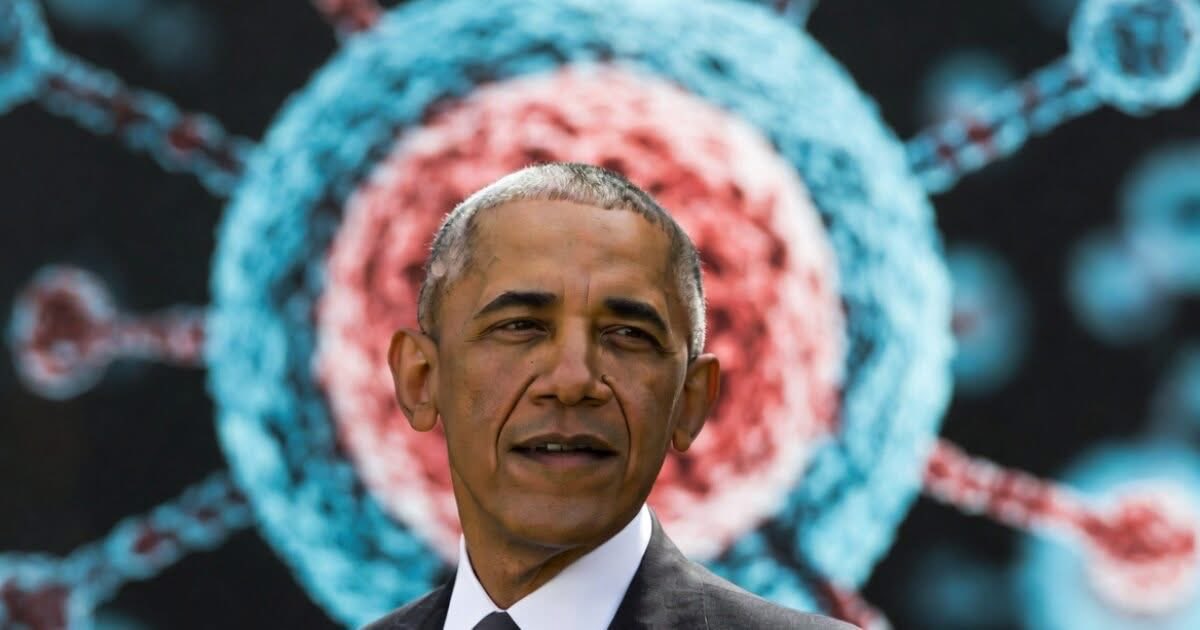
Ladies & Gentlemen — the AntiChrist.

CONFIRMED: Barack Obama Was Involved in Creation of US Biolabs Handling Especially Dangerous Pathogens in Ukraine
Link in the comment section:
6
Dangerous.
Brain hack. Program your brain. Recode your perception.
Hail Mary.
🙏🏻😇⛪❤️🔥👑🕊️🕯️💦🔥

Noland Arbaugh discusses his experience as the first Neuralink implant recipient.
13
Jun 12

BREAKING: Planned Parenthood is shutting down in Gainesville, Florida on June 26
Lives will be saved!
11
D.A. Howard, DMin (CPAC), DS (ISE), OCDT.👑❤️🔥 retweeted

Jun 11
YOU CAN'T MAKE THIS UP: Radical activist threatens Texas suburbs over Karmelo Anthony verdict while ignoring his own chirping smoke detector. 🤡
It's hard to take this keyboard warrior seriously when he can't even maintain basic home safety. 🤦🏾♂️
107
317
2,427
48,222
🙏🏻😇⛪❤️🔥👑🕊️🕯️💦🔥
Jun 11

“We found 146,000 kids so far. Some of these kids claimed that they were raped over 600 times. I don't care who you are. If you can't stand for law enforcement to go find these kids, who are you?” @SecMullinDHS
8
D.A. Howard, DMin (CPAC), DS (ISE), OCDT.👑❤️🔥 retweeted

I am being vindicated in real time. I have been explaining vaccine injuries in depth for years. I have had over 2000 consults on vaccines. I can explain all the mechanisms.
I am a an allopathic medical doctor. Formally trained. COVID whistleblower. Transgender whistleblower. 100 percent anti vaccine. SSRI rejector. Statin opposer. Abortion abolitionist.
JESUS FOLLOWER.

This was the best vaccine conversation I think I've ever had with anyone. I appreciate YOUR intelligence @AaronSiriSG
81
722
4,334
83,533
D.A. Howard, DMin (CPAC), DS (ISE), OCDT.👑❤️🔥 retweeted

Jun 11
If Congress Can Rush To ‘Save’ FISA, Then It Can Pass The SAVE Act To Protect America’s Elections thefederalist.com/2026/06/10…
124
2,148
7,017
52,118
D.A. Howard, DMin (CPAC), DS (ISE), OCDT.👑❤️🔥 retweeted

Jun 6
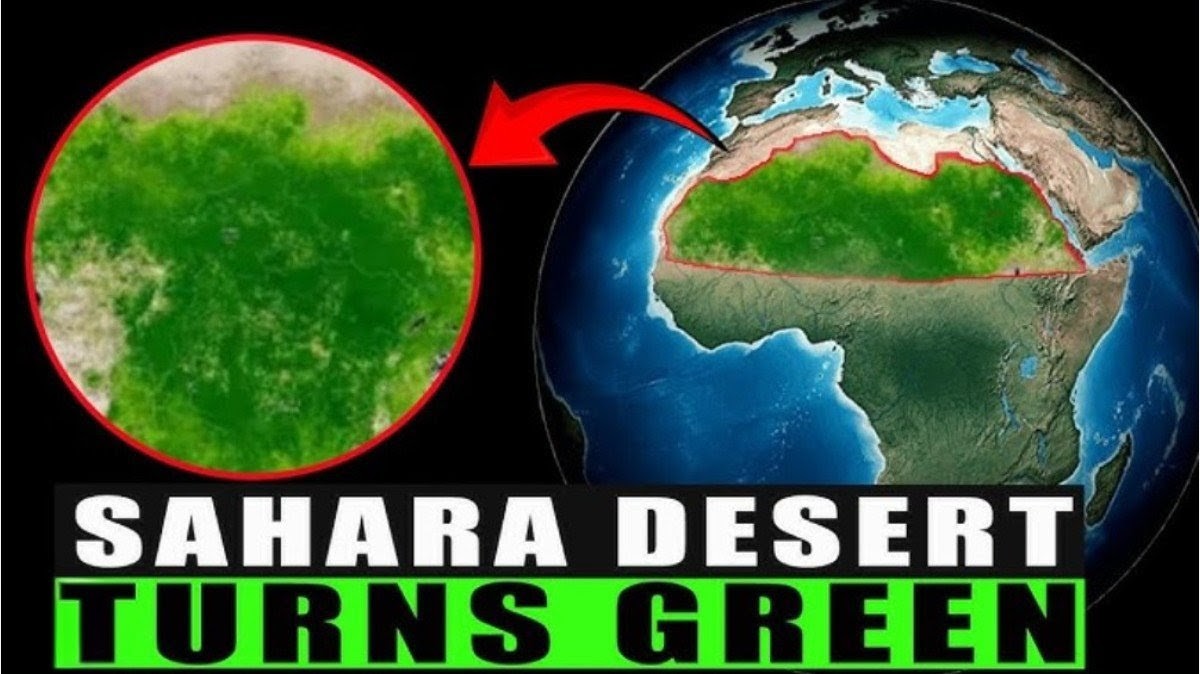
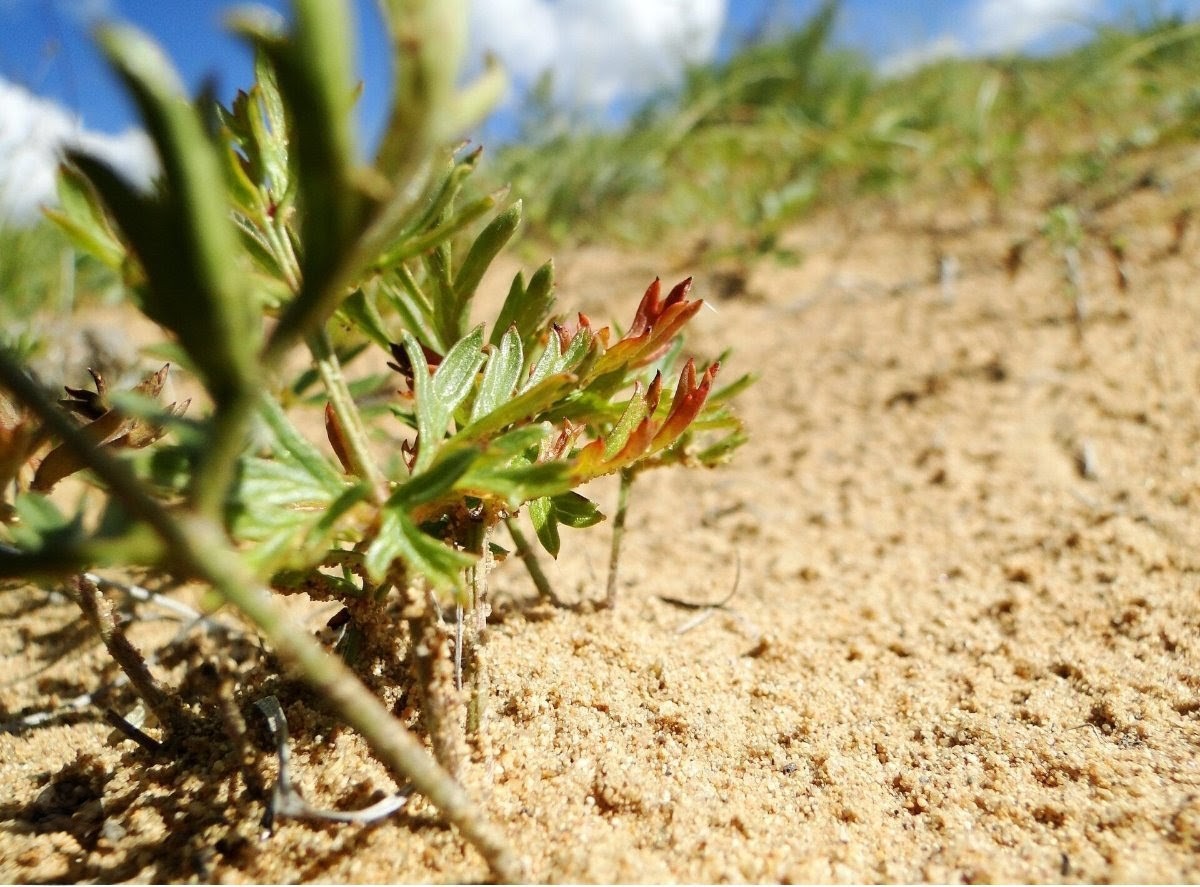
With atmospheric CO₂ hovering around 426 ppm, nature is thriving in arid regions once considered inhospitable.
The vegetation is marching back into the some of the world’s harshest desert environments. Earth's biosphere is quietly demonstrating a profound, measurable benefit from higher CO₂. These fringe areas are more resilient and greener, in a world that is also more water-efficient. Fresh green cover is actively reclaiming the fringes of the Sahel (the Sahara’s southern edge), the Middle East and the Australian Outback.
An 8% reduction in the Sahel (the Sahara’s southern edge) since the 1980s means 700,000 square kilometres of formerly barren sand wastes have turned green. This is an exciting real-world reincarnation of James Algar's 1963 epic documentary, 'The Living Desert', filmed in the Sonoran Desert near Tuscon, Arizona.
This is the natural world fighting back. Since 1960, global food production has increased by over 250% to 390% (depending on the index). Most of this is from the Green Revolution—the arrival of fertilisers, tractors and genetics. But atmospheric CO₂ - rising from 315 ppm to 426 ppm - is a silent yet profound tailwind behind every new hectare being harvested.
It's the ultimate irony: that a climate change agenda treated CO₂ as an agent of starvation. Instead, the fundamental biology shows it is still the primary engine of agricultural abundance and drought resilience.
When you break down the plant science, the results are stunning:
* C3 plants (95% of all plant species): Rice, wheat, soybeans and potatoes have increased yields by 30% to over 50%. Their photosynthetic mechanisms are structurally starved at lower baseline levels; extra CO₂ accelerates their growth directly.
* C4 plants: Maize (corn), sorghum and sugarcane have increased yields by up to 10%, alongside massive efficiency gains during dry spells.
* Root and tuber crops: Potatoes and sweet potatoes show explosive underground growth, as their large sinks efficiently store the excess carbohydrates produced by accelerated photosynthesis.
Studies compiled by organisations like the USDA Agricultural Research Service show potato yields increasing by 50% to over 100% under elevated CO₂ when water is abundant. Crucially, this atmospheric enrichment also triggers a 10% to 40% reduction in plant water loss because leaf stomata don't need to open as wide to take in carbon.
CO₂ isn't the code red disaster they warned about - but it is a massive insurance policy for the future of global food security.
Image: Global greening trends captured by satellite observations - NASA science.
48
246
623
17,127
D.A. Howard, DMin (CPAC), DS (ISE), OCDT.👑❤️🔥 retweeted

Jun 6
The times change, but the truth never does

11
182
1,598
10,284
D.A. Howard, DMin (CPAC), DS (ISE), OCDT.👑❤️🔥 retweeted

Beautiful timelapse of Comet NEOWISE moving across the sky above the Chartreuse Mountains in southeastern France.
📽: Dominique Joubert
6
103
705
67,875
D.A. Howard, DMin (CPAC), DS (ISE), OCDT.👑❤️🔥 retweeted

Jun 7
“Have patience with all things - but first with yourself. Never confuse your mistakes with your value as a human being." - St. Francis de Sales

23
322
1,550
13,845

Democrats hate America
Zohran Mamdani endorsed an extremist for Congress who testified for the terrorist behind the World Trade Center bombing
Mamdani took a photo with another terrorist
Obama's pastor said America deserved 9/11
They don't love America. They wanna see us burn
135
359
1,185
10,766
This is called reinforcement (reinforcement theory).
By omitting straight, they want people to be gay.
Evil.
May God rebuke them.
Hail Mary.
Coca Cola rejected this word on their coke cans youtube.com/shorts/_j9OUjpS4… via @YouTube
1
1
39
#RosaryGrant
Our Lady of Justice.
Hail Mary.
🙏🏻😇⛪❤️🔥👑🕊️🕯️💦

Several FBI analysts tied to the creation of a 2023 memo warning of a potential threat from Catholic "violent extremists" were fired Friday, according to their lawyer, the latest wave of terminations under the leadership of its director, Kash Patel. newsmax.com/politics/fbi-kas…
28