
|| Get Jacked, Get Lean, Get There Faster || Anabolics, Training, Nutrition || Disciplined Hedonism || Click the link to work with me 1-on-1 ||
Joined November 2023
- Tweets 32,354
- Following 359
- Followers 36,513
- Likes 46,968
2,346 Photos and videos











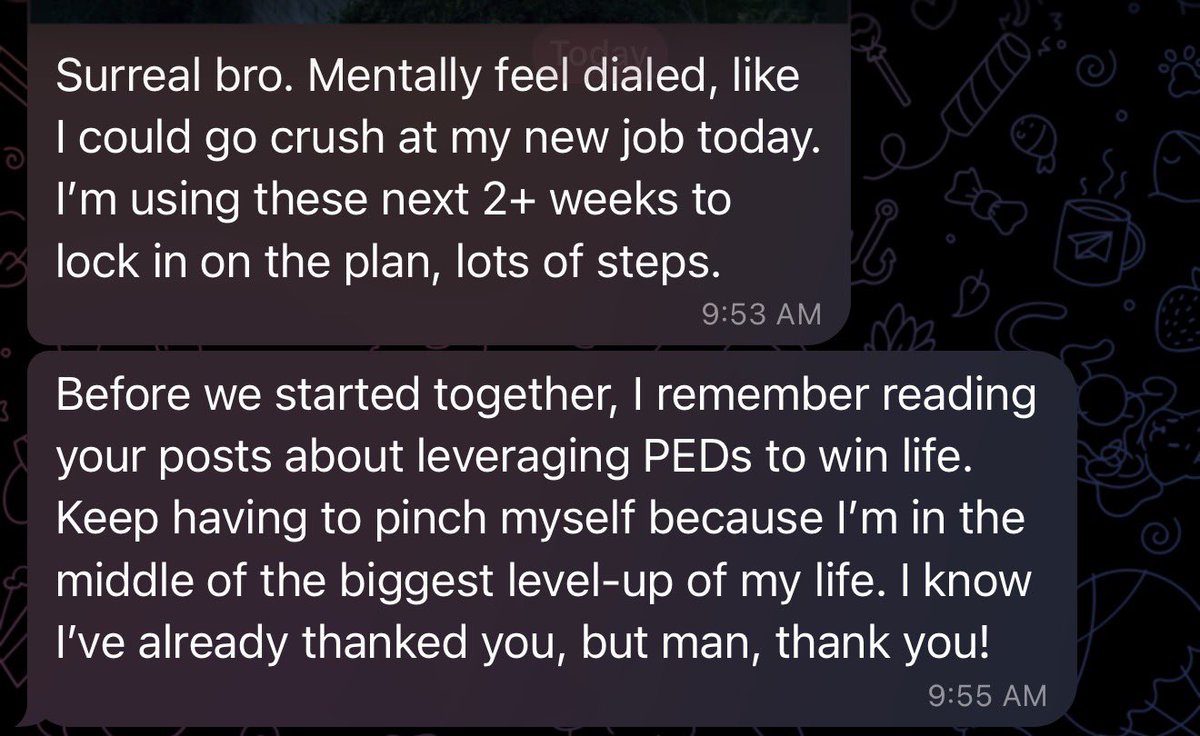
If you’ve ever been even the slightest bit drunk, and socializing came easier, you’ve had a taste of what is possible.
You can change how you feel, reduce biological friction between you, and what you want, and better control your own destiny.
One of the greatest tricks that has been played on us by the elites, the mainstream media, “the machine,” as a whole;
Is convincing almost everyone that a doctor that has spoken to you for 15 minutes, or had you fill out a questionnaire, can choose what compounds best meet your needs better than your own research, trial, and error.
It is actually true, for plenty of people. But if you’re reading this, there’s a decent chance you aren’t one of them.
17
12
407
75,823
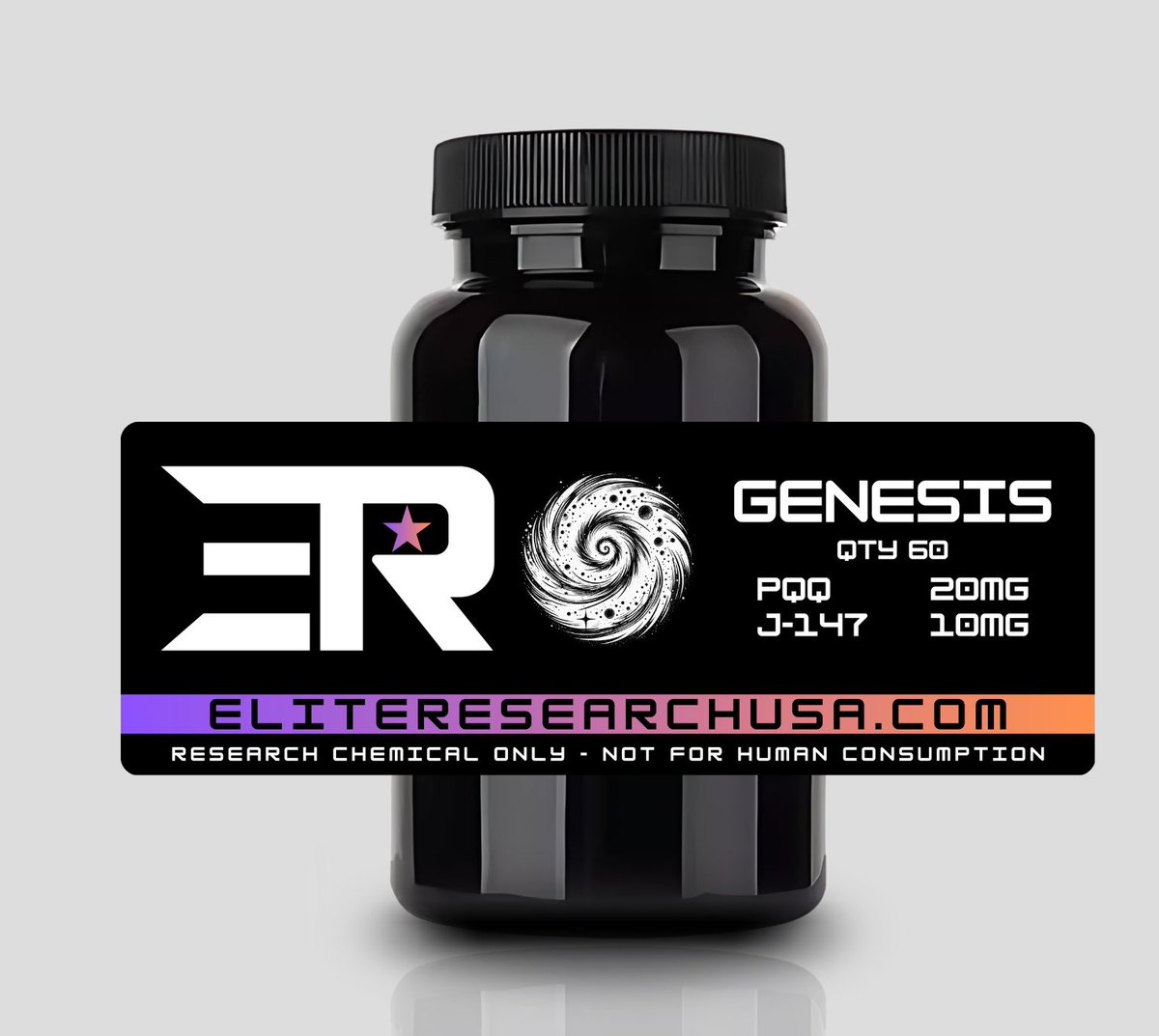
New at ER: GENESIS
Genesis is a blend of pqq and the new J-147.
J-147 is derived from curcumin, and shows promise in fighting and maybe even reversing cognitive aging/decline, as well as proposed mechanism that may translate to the rest of your cells.
J-147 works by actually partially disrupting the mitochondrial processes that produce atp.
The result, is a quick adaptation, sort of the same way you make adaptations after a gym session to grow muscle, that paradoxically leaves your cells with MORE atp.
While it’s only really been studied in the context of cognition, this COULD translate to greater energy output elsewhere.
Combine it with pqq, which increases number of mitochondria and combats oxidative stress from ramped up energy production, and from the partial blocking by j-147, and you have an interesting experimental synergy, especially as it pertains to cognitive health/ preservation.
If you want to give it a try, antidoc10 saves 10% off below.
Jun 12

🔥🔥🔥NEW RESEARCH DROP🔥🔥🔥
GENESIS
We made this one because I wanted it for my own research. Incredible synergy between these 2 compounds.
1) PQQ 20 mg
2) J-147 10 mg
60 caps.
only at eliteresearchusa.com
*not available at your bullshit ass direct from Chyna site*
1
28
7,552
It didn’t work
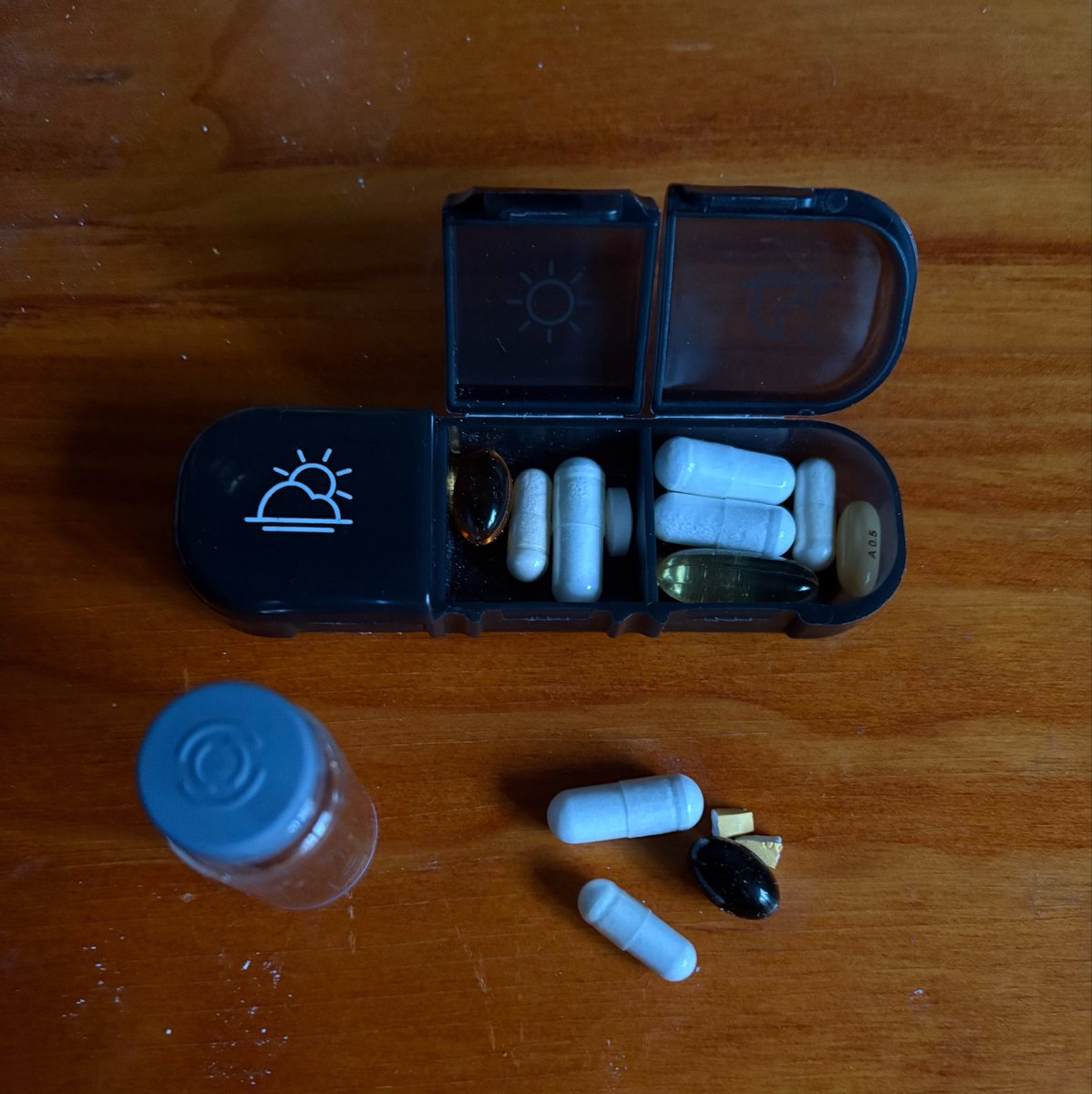
Jun 12

40mg trt
2g taurine
25mg zinc
electrolytes
10mg boron
750mg TMG
5mg tadalafil
500IU vitamin e
6mg astaxanthin
200mcg selenium
1 gram magnesium
methylated b-complex
my doctor calls me obsessed.
good morning.
5
60
10,732
Both holistic almond moms and hardcore bodybuilding coaches spend a decent amount of time talking about stress as it pertains to body composition.
This is one of those midwit traps.
When you’re new, you accept its significant role in fat-loss and muscle building.
As you get into your intermediate years you probably rail against the concept.
Then you come back around, if your eyes are open.
Stress is real, it really will “kill your gains,” or at least significantly slow progress, and most of us would be better off to learn to account for it.
What I’m referring to when I say “stress” is not simply worrying about something, or as some might call it, trippin’.
That’s part of the equation, but not all. I think of accumulated “stress” as distance from body’s equilibrium relative to recovery.
Training very hard, psychological challenges, drug load, being very lean or very heavy, lots of cardio, 12 hours shifts at work, etc….
These all play into the stress equation. The more stressed you are, the more you need to prioritize recovery in order to keep progress on track.
If you want mental toughness, taking on tons of psychological stress is a great idea, but body composition will likely suffer.
If you want maximum muscle growth, taking on a huge mental load is eating into your precious parasympathetic anabolic environment.
The more of that stress that comes from undesired stimuli, the worse off you are, in the selected realm, and the more you need to increase your capacity to recover.
This can be extra food, naps, better recovery agents, breathing exercises, sleep, supplements, recreational activities, even massages…you get the point…
You don’t need to over complicate it. Great demand requires equally great recovery.
Target demand according to the adaptation you want to build.
Stress is always doing something, it’s just a question of how much? A little bit more than what tips the scales, will almost certainly serve as an easily recoverable stimulus.
Too much means work becomes less efficient and the body tends to “rebel.”
Short bursts of massive stress then massive recovery do work.
Very long, slow, building of stressors, alongside less rigorous recovery, also works.
Either way, you need to build what you can tolerate over time, and provide the necessary means to recover, then do it again.
1
3
44
4,243
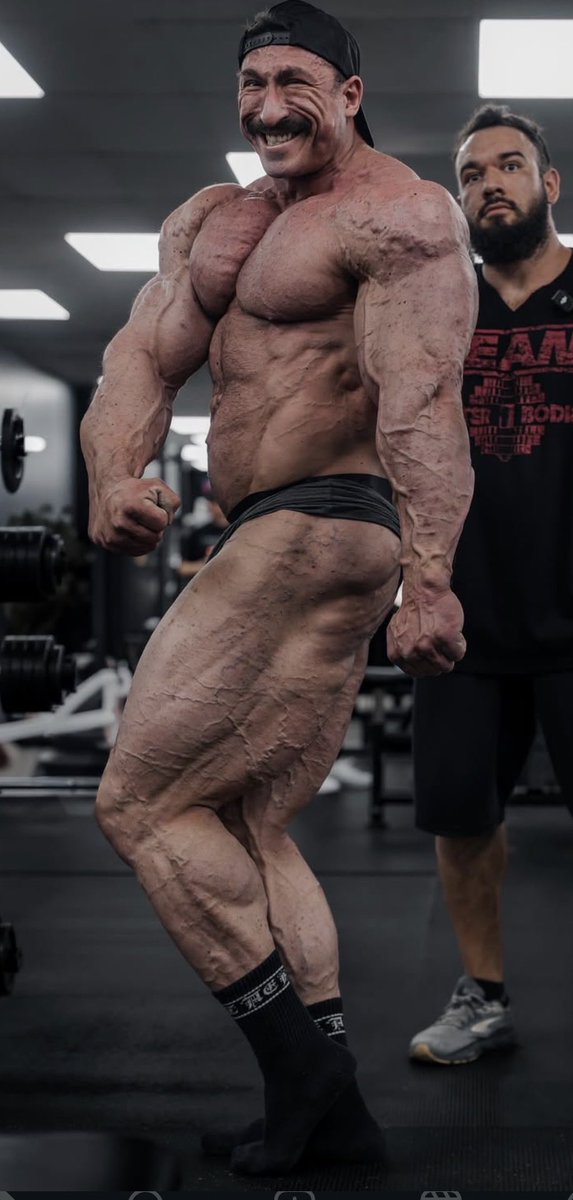
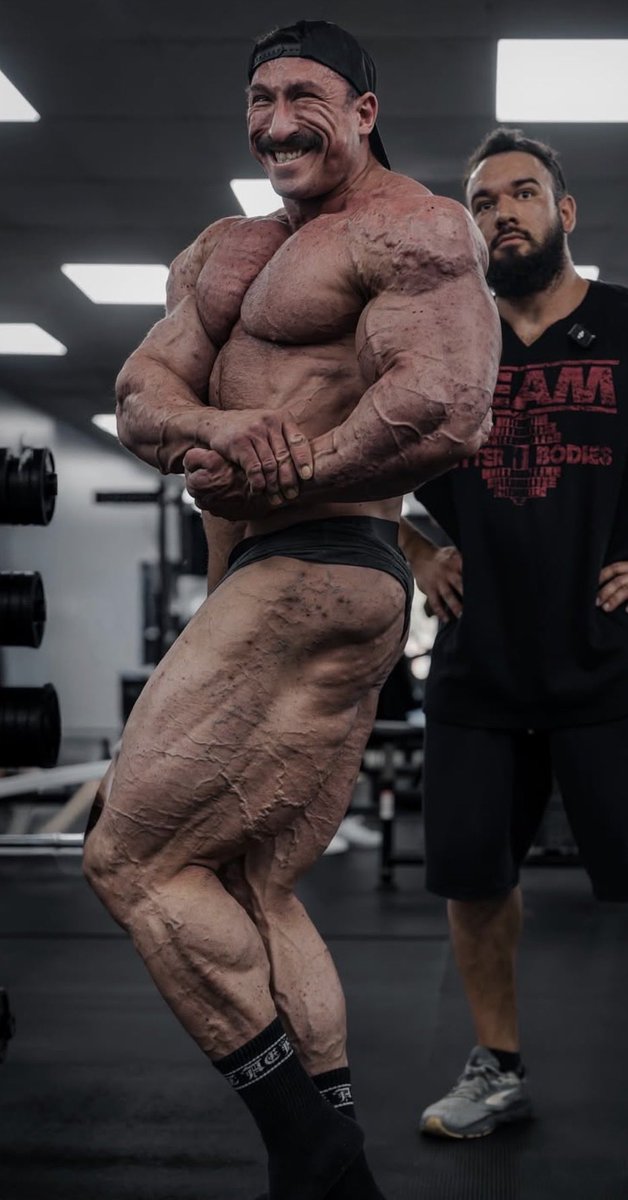
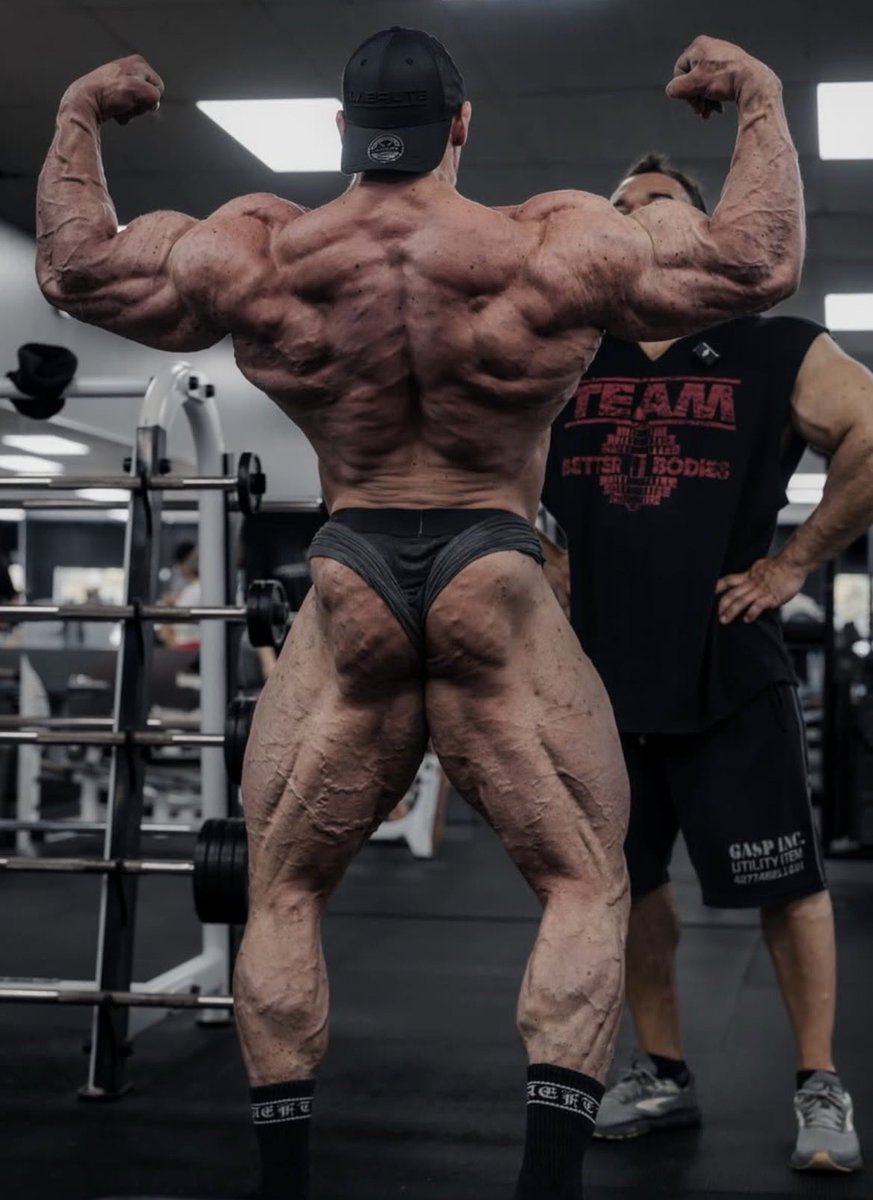
Average low test, high masteron, cycle enjoyer

11
79
18,863
I don’t understand why DHB is back in the meathead collective conscious.
I don’t see the use case, and I do see plenty of people that talk about how dreadfully horrible they felt on it.
That’s before considering the world record AST/ALT and systemic inflammation.
I use as much as the eq in my body decides to give me.
Any fans out there? Why?
6
15
4,918
The UNDISPUTED number one way to stay healthy on cycle, is doing your cardio and staying on top of your diet.
If you are getting lots of regular movement and eating even pretty well, you will do a lot better than someone on all of the fish oil and citrus bergamot, and NAC and whatever else…
Even if that’s not interesting to you (yet), just think of it as:
“I can take more steroids for longer if all of my habits are buttoned up.”
Not to mention, you’ll feel and grow an awful lot better than those that do no cardio.
God made it very easy to do these things healthily (for most people), all he asks is a little bit of effort and consistency.
4
1
115
7,479
Being fearful is not the same as being careful.
In fact, when it comes to supplements, peptides, PEDs, and all things adjacent…being afraid is likely to cause you a lot more harm.
Over-intellectualization has way more side effects than many of the things you’ll experiment with.
7
1
118
8,886
This is one of those really simple posts that is really worth reading and remembering.
Sexual health and sex life improve when you’re relaxed.
The more you think about it, the more true, and in more ways true, it becomes.
Jun 8

Parasympathetic nervous system controls erections.
Sympathetic nervous system controls ejaculation.
Most people are sympathetic dominant.
No wonder most men are blowing within 20 seconds running a 60% efficient erection.
2
4
114
20,129
If everyone had the equivalent of 250mg testosterone per week, permanently coursing through their veins, starting today, you would notice a shocking lack of difference walking around in the streets.
Most people are fat as hell, eat no protein, and don’t train.
If they did the above, totally different society,
But, most wouldn’t.
35
7
330
41,157
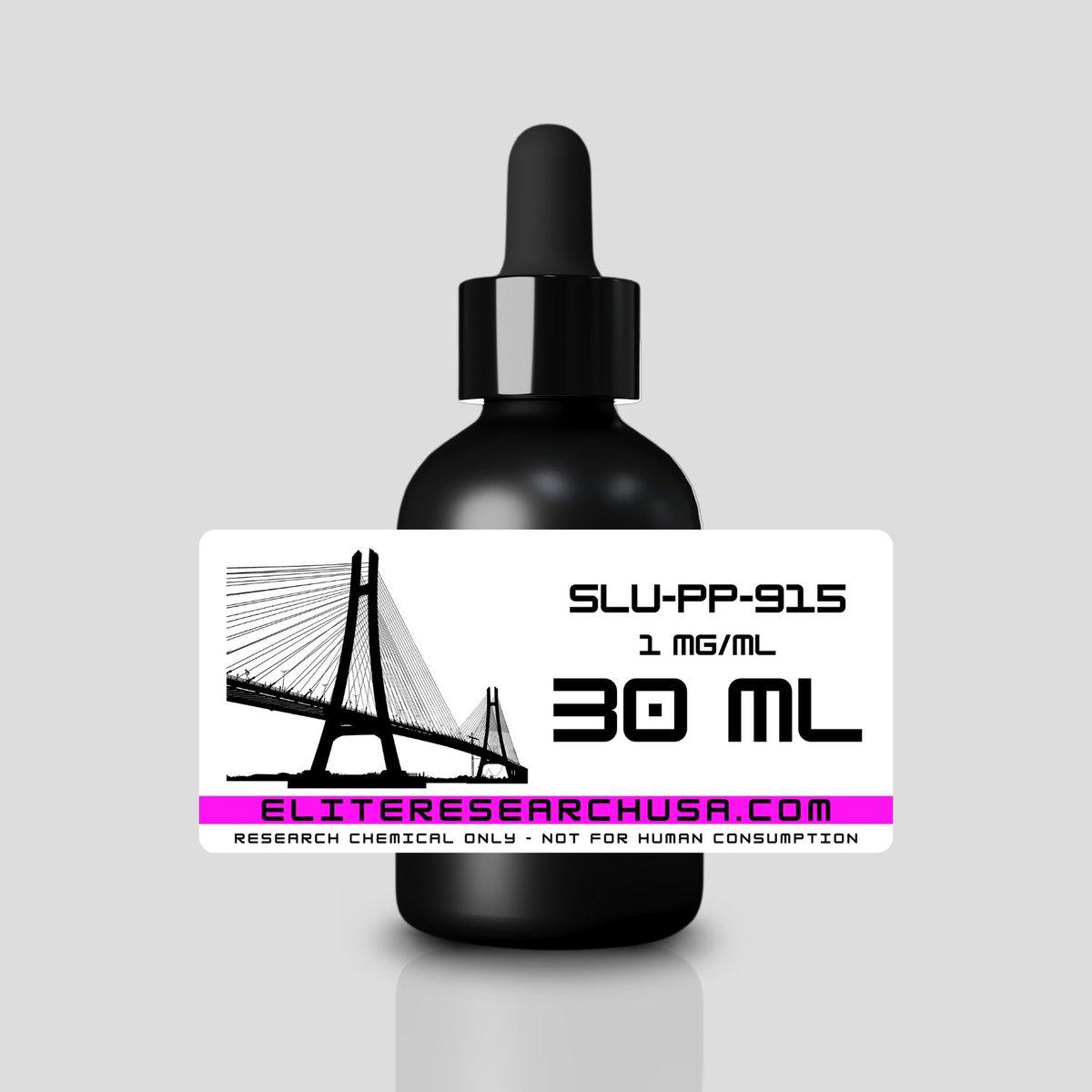
New at ER SLU-PP-915
This compound, as you might’ve guessed, is the close relative of the more powerful, and less selective, SLU-PP-332.
The main difference being, 915 is much more orally bioavailable, and doesn’t require injection or mega dosing in order to clearly and palpably reap the benefits.
Basically, you should expect virtually all of the same, if not extremely similar, effects as you would with much higher dose of slu-pp-332.
- better endurance
- easier cardio
- better energy levels, especially in a deficit
- better fat burning
- energy boosting/fat-burning synergy with other compounds like pqq, ubiquinol, cardarine, methylene blue, nad , or 5-amino-1mq (I reach for the first 3, personally)
Antidoc10 saves 10% off at the link below
🔥🔥🔥🔥NEW RELEASE🔥🔥🔥🔥
SLU-PP-915 is now available at eliteresearchusa.com in limited quantity
and it’s not available from your direct from China drop ship bullshit ass website
5
1
29
8,113