
#BHARAT First 🇮🇳 | Navy brat | Here to share my observations about events that impact us | Warrior at heart ⚔️
Joined May 2025
- Tweets 3,234
- Following 293
- Followers 192
- Likes 15,474
834 Photos and videos



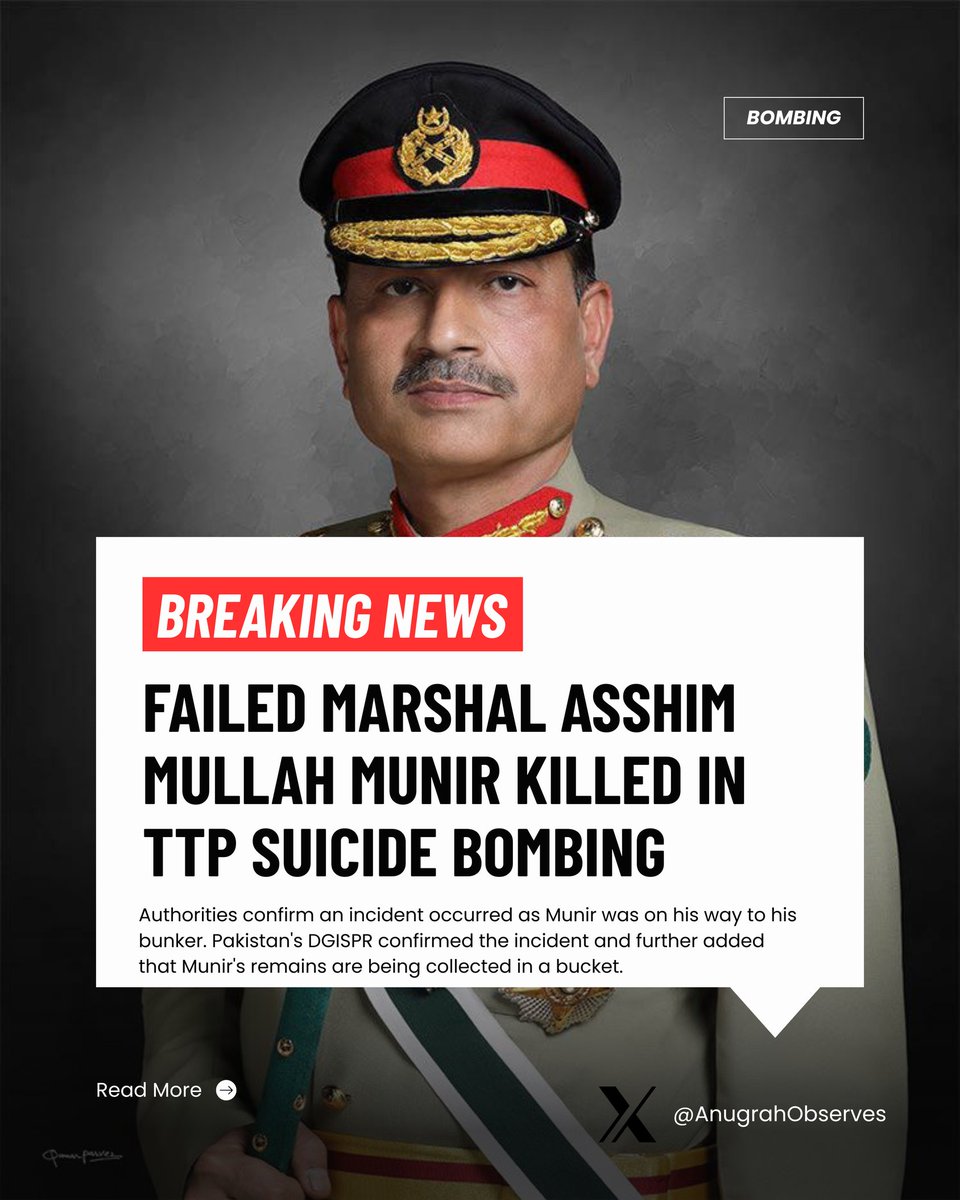
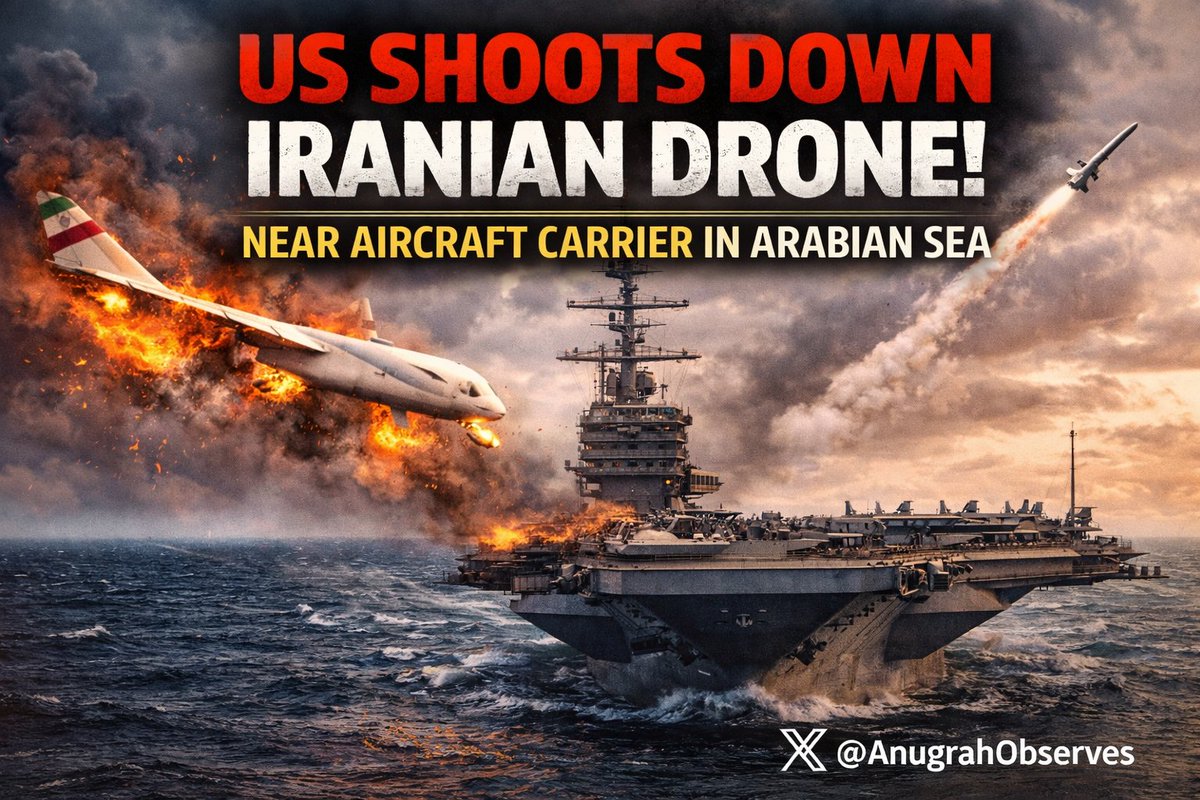
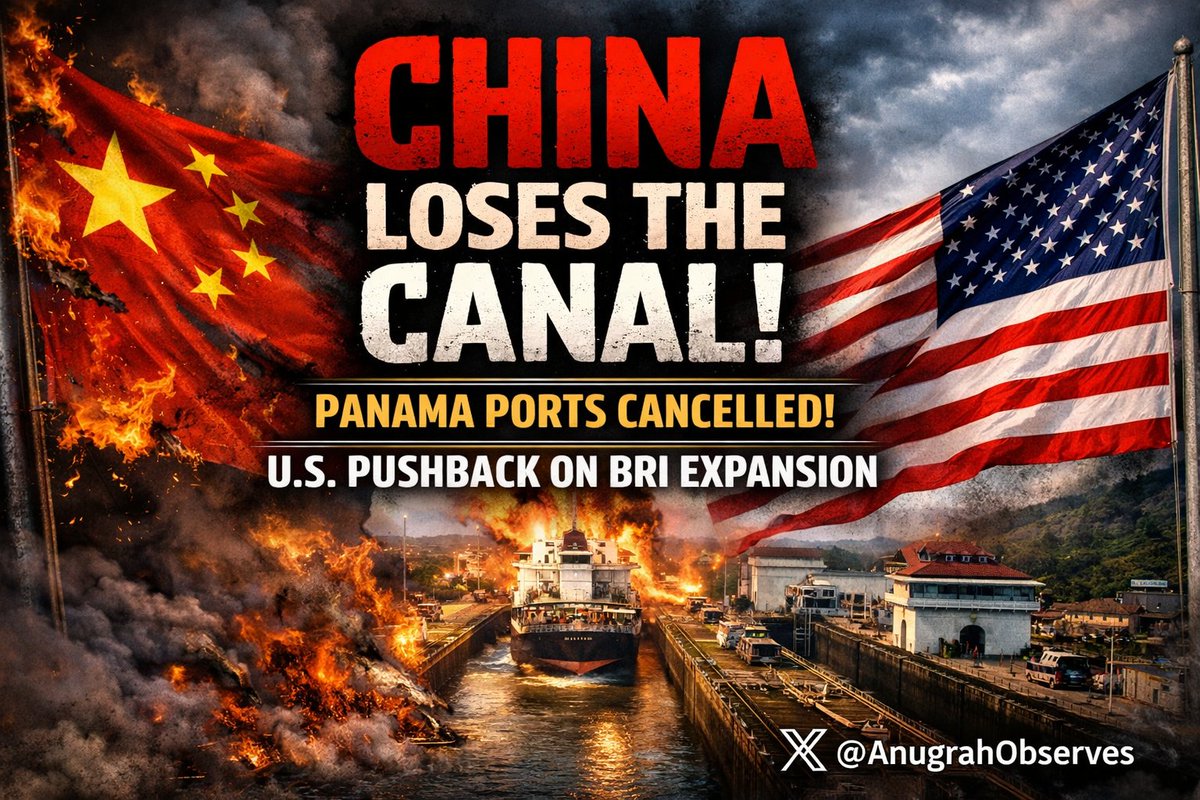
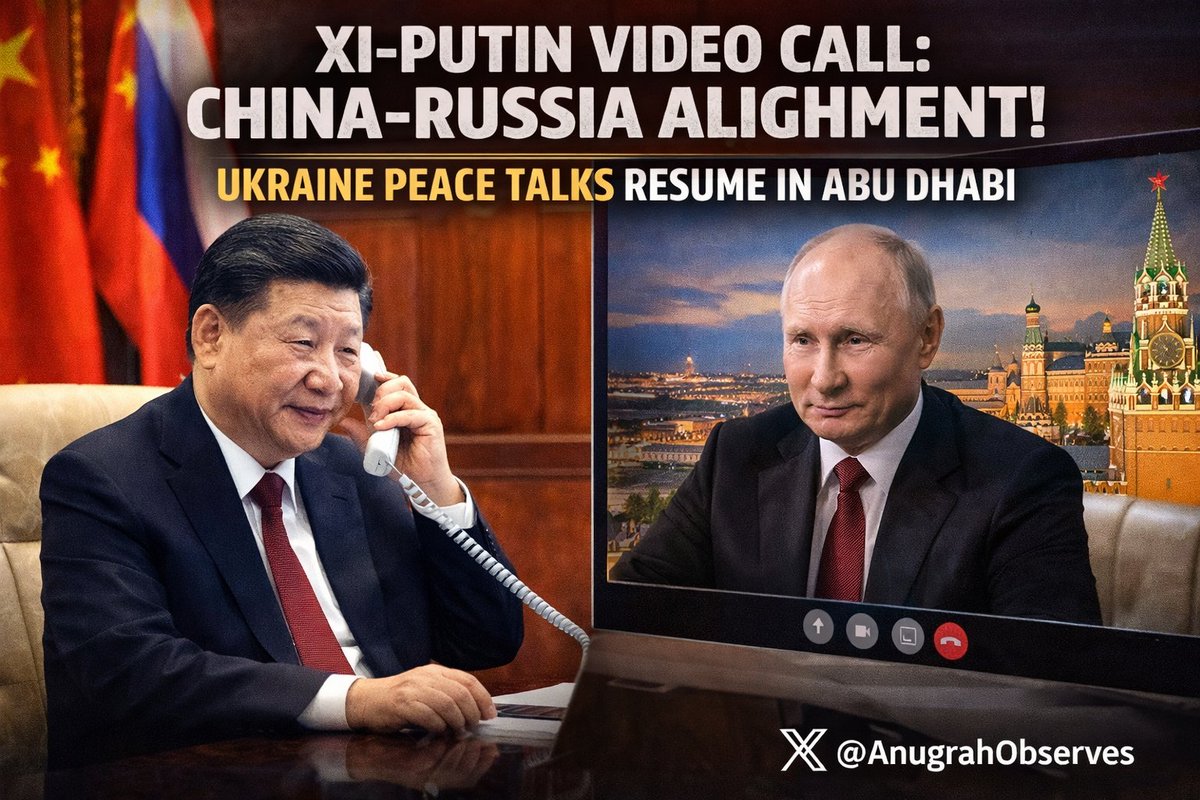


Look closely at the IDF's latest "destroyed Mi-17 helicopter" footage. It's not a helicopter - it's a ground painting
The IDF spent millions on a bombing run to destroy... a painting
1
115
Mark my words, once the #Iran episode is over the next great game will be ET disclosure. Saying this with full responsibility. Won't be surprised if #Hollywood releases some movie soon dealing with disclosure.
199
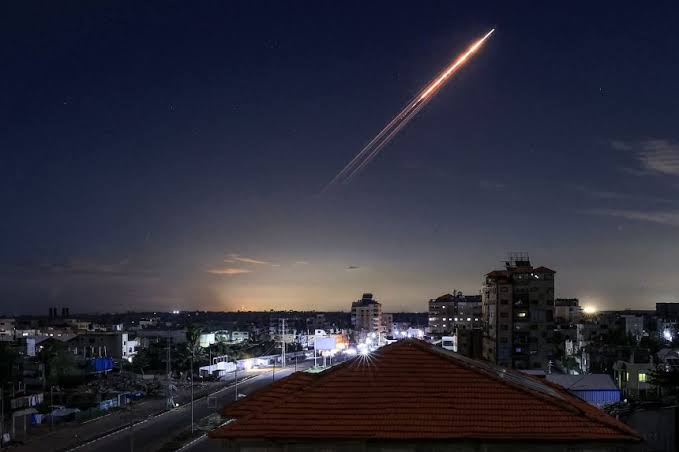
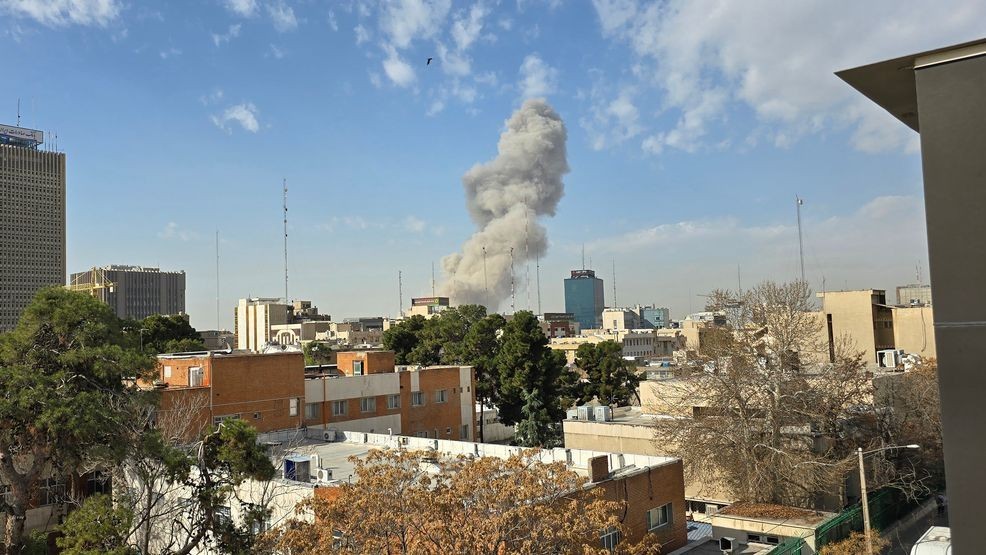
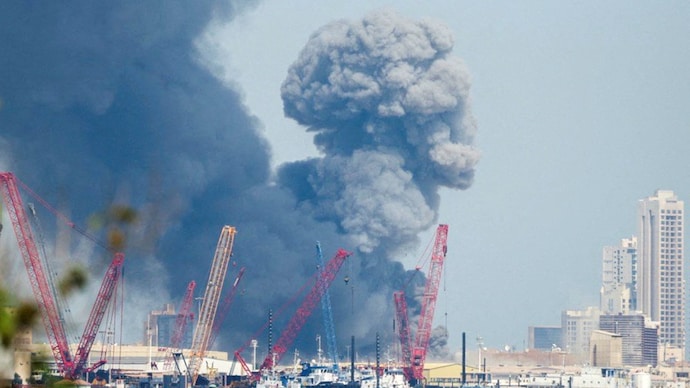
What Iran's response to #OperationEpicFury and #OperationRoaringLion reveals. Below is a list of infrastructure targeted👇🏼
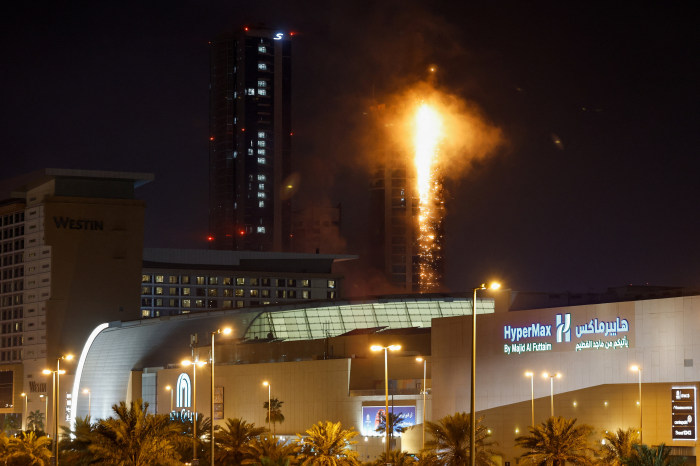
#UAE 🇦🇪 2026 Retaliatory Strikes
Civil & Economic Infrastructure
• Dubai International Airport – Terminal and runway damage from drones/missiles.
• Palm Jumeirah Island
• Burj Al Arab Hotel (Dubai)
• Burj Khalifa area
Military Targets
• Airbases/ #US aligned facilities in UAE. Strikes on military air infrastructure tied to US forces.
#Qatar 🇧🇭
Energy & Civil Infrastructure
• Ras Laffan LNG facilities -Disrupted operations and possible strikes.
• Mesaieed petrochemical facilities - Attacked by drones.
Military Targets
• Al Udeid Air Base (US Air Base) - Missile strikes targeted base housing US forces.
#SaudiArabia 🇸🇦
Energy Infrastructure
• Ras Tanura Oil Refinery (Saudi Aramco) - Hit by Iranian drones causing fire and shutdown.
Diplomatic/Military
• US Embassy, Riyadh -Drone strike caused minor damage.
#Kuwait 🇰🇼
Civil & Military Facilities
• Kuwait International Airport -Drone strike damaged runway/operations.
• Ali Al Salem Air Base -Drone strike on base housing Italian and coalition forces.
• Camp Buehring (US Military Facility) - Drone hits US base.
• US Embassy, Kuwait - struck by missile.
#Bahrain 🇧🇭
• US Fifth Fleet Support Facility (Manama) - Service center hit by Iranian missiles.
Urban & Commercial Areas in Manama were hit by drone strikes.
These were clearly retaliatory and coercive attacks designed to impose costs on adversaries and their allies rather than purely achieve discrete tactical gains. This is typical of coercive retaliation strategies seen historically in dyadic conflicts. This shows that Iranian leadership is fighting an existential battle and is willing to demonstrate resolve.
#Iran aims to raise costs for host states, disrupt economic activity and generate domestic political stress since it is aware it will not be able to pursue military parity, it is attempting a comprehensive coercive strategy that integrates economic leverage as part of deterrence and bargaining power.
Targeting patterns show that Iran's willingness to strike states not directly involved in active combat is an attempt expand conflict geography and break down regional buffers and neutrality. This may have been a strategic miscalculation from Tehran’s perspective, as it risks unifying regional opposition rather than fracturing it. Iranian leadership may be overestimating its leverage and willingness to absorb international backlash for aggressive prosecution of war aims.
We must not forget Iran’s military strategy is deeply shaped by resource asymmetry using volume, irregular platforms, and indirect means to maximize strategic deterrence rather than head-on confrontation with superior air forces.
But the execution pattern also indicates lack of clearly defined limited objectives.
Broad range of targets without a strategic end state. Iran seems to be sending multiple signals at once: deterrence, revenge, resistance credibility, and regional influence but not necessarily articulating a clear political endgame.
Iranian decision making may be operating under multiple, overlapping internal imperatives such as domestic regime legitimacy, deterrence and regional leadership that blur strategic focus, leading to wide targeting patterns rather than precise & effective targeting.
This in essence is a clear indicator that the leadership is crumbling and a sustained campaign by Israel, US and the coalition nations would in time result in the complete collapse of the regime that at the moment doesn't seem to have any strategic vision and is operating on survival mode.
#TehranAttack #IranIsraelConflict
#Khamenei #IranUSWar #USIranWar
1
437
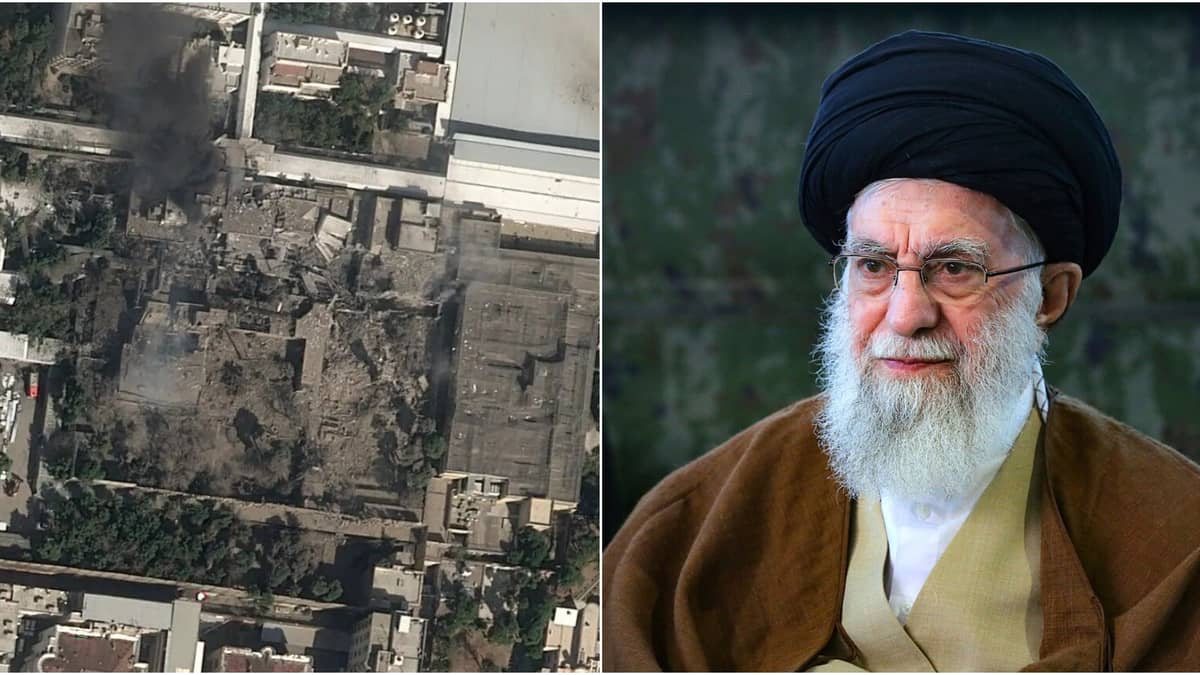
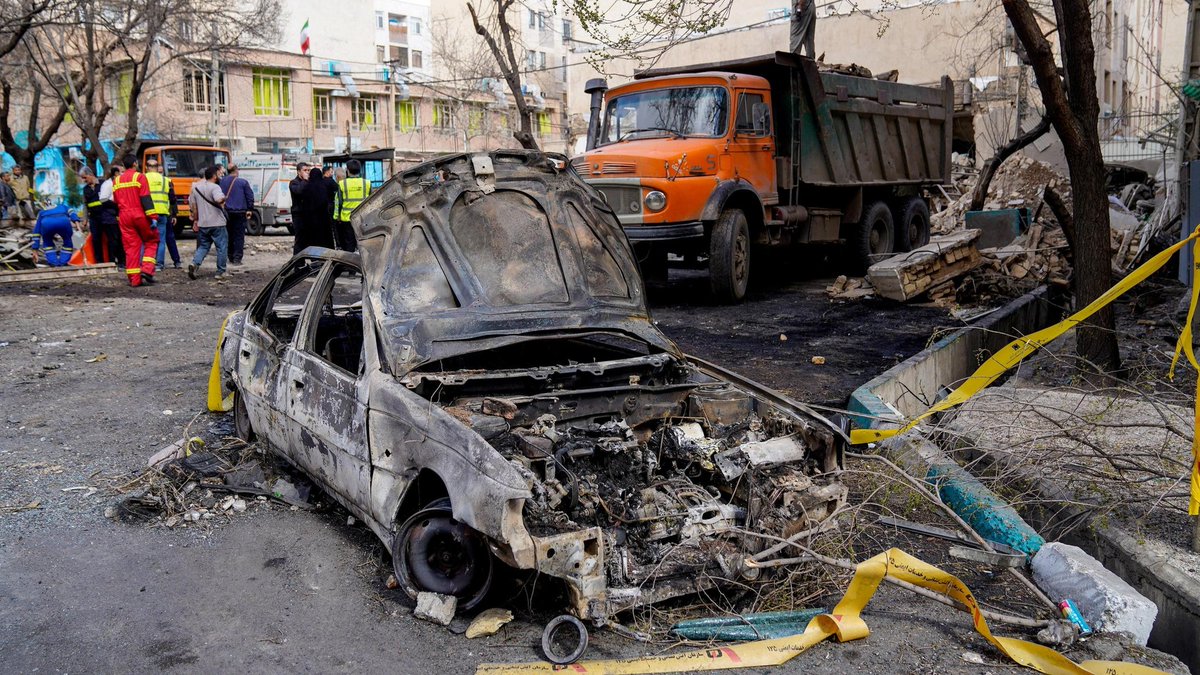
Several reports state that #Israeli intelligence, including Mossad and military signals units spent years hacking #Tehran’s surveillance infrastructure, especially traffic cameras and mobile phone networks to monitor movements of #Khamenei and his security detail. This intelligence apparently helped build detailed patterns of daily routines
Digital systems were compromised as nearly all traffic cameras in Tehran were allegedly infiltrated, with encrypted footage sent to Israeli servers. Analysts used this to map protective detailsand plan #OperationRoaringLion
Some reporting adds that mobile networks near Khamenei’s offices were interfered with to make phone lines appear busy, possibly to hinder internal warnings during critical moments.
#Iran #Israel #IranWar #IsraelIranConflict #USIranWar #IranUSWar #TehranUnderAttack
157
#Bharat can certainly learn a thing or two from #Israel. #OperationRoaringLion literally commenced with the killing of #Khamenei who had over the years issued multiple threats to the nation.
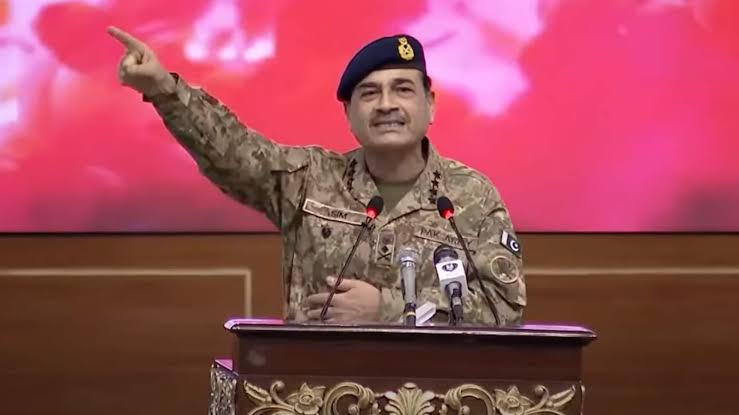
Why did we not do the same to Mullah Munir when #OperationSindoor happened? Why was he not the top priority? Why do we have these warped sensibilities that we will do no harm to the leadership of a nation who as a matter of fact would not think twice in decimating ours if it had the chance.
Israel and #IDF knew who the enemy was and they knew that they needed to cut off the head of the snake. When will Bharat cut off the head of this snake👇🏼
#PahalgamTerroristAttack
98
Anugrah🇮🇳 retweeted
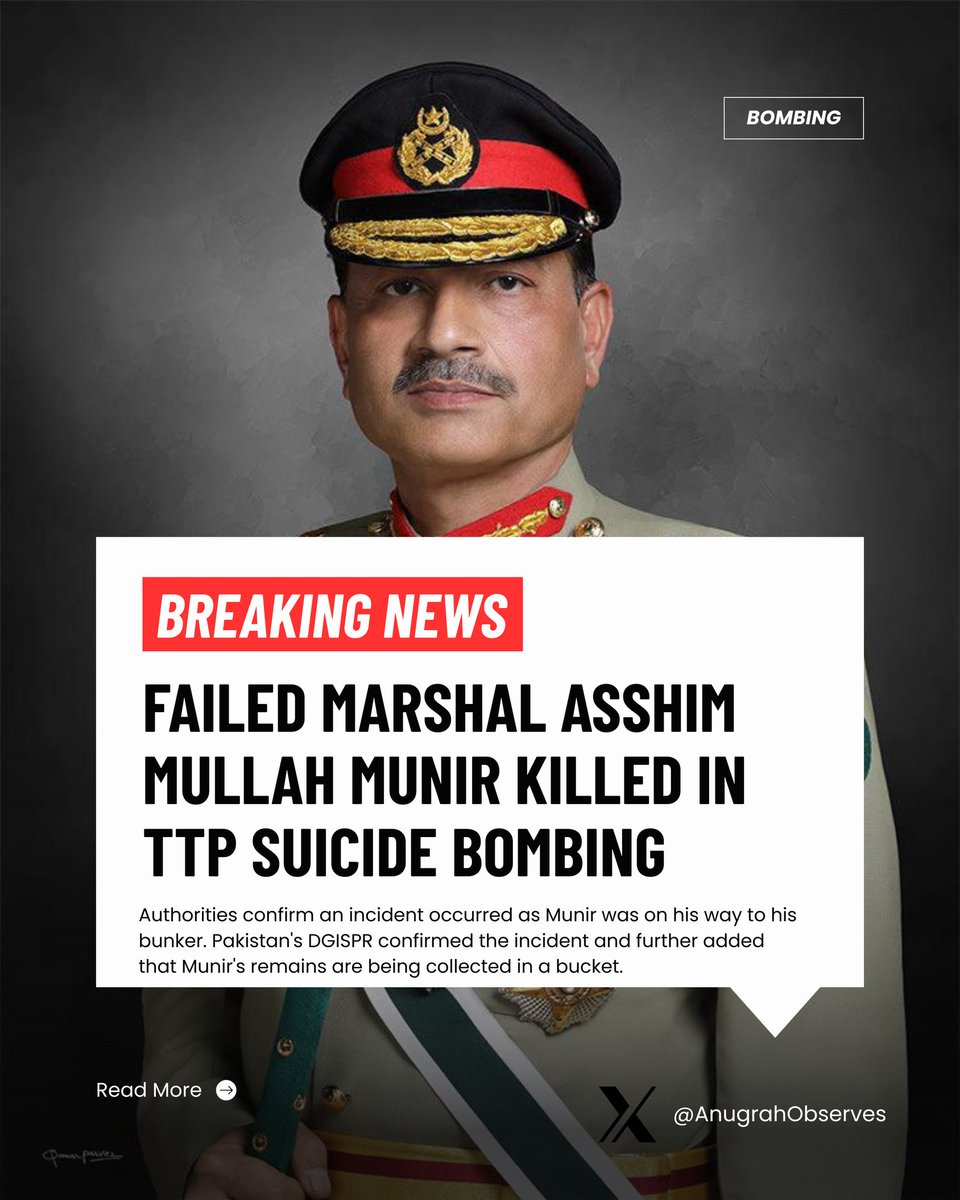
Apparently my content violates Paki laws!! They forgot to tag this latest one though 👇🏼
#PKMKB #PKMKBForever
2
1
215
Anugrah🇮🇳 retweeted
We live in a absolutely strange world. Two countries bombing another country while asking the people of the country they're bombing to take a stand against it's own dispensation. Surreal!!
#Iran #IsraelIranWar #Israel #IranIsraelWar #IranvsUSA #IranvsIsrael
Mar 2

Secretary of War Pete Hegseth: They chanted "death to America" but we brought "death from America and death from Israel"
"We hope the Iranian people take advantage of this incredible opportunity"
1
1
307
RT @AnugrahObserves: #US and now #Israel playing loosey-goosey with their ROEs. Civilians are legit targets. We'll get to hear commentary o…
1
Anugrah🇮🇳 retweeted
Convenience based acceptance of potential loses in war.
#OperationEpicFury #OperationEpsteinFurry #Iran #IranvsUSA #iranvsAmerica

US General Dan Caine:
"We expect to take additional losses. And as always, we will work to minimize US losses. But as the secretary said, this is major combat operations."
1
203
Anugrah🇮🇳 retweeted
That is the entire point of this useless war. Make sure #China is virtually ousted from the oil trade. Assume de facto control of the oil supply worldwide. Sip margaritas on a Caribbean beach till kingdom come!!
#OperationEpicFury #Iran #IranUSWar
1
3
486
Anugrah🇮🇳 retweeted
Personal opinion, this is quite unlikely, but if it does happen, #Russia and #China are waiting for just this opportunity. If this comes to pass, it'll be even worse than what happened to the #US in #Vietnam and #Afghanistan
#Iran #IsraelIranWar #IranIsraelWar #IranvsUSA #iranvsAmerica

1
458
Anugrah🇮🇳 retweeted
During Op Iraqi Freedom air superiority was achieved in 72 hours. Wonder if air superiority stopped the ISIS to take over Fallujah, Ramadi and Mosul?
Bullsh*t achievements over a non-existent air force don't count.
What do the #US and #Israel want to achieve through all this?
#Iran #IranWar #IsraelIranConflict #USIranWar #IranUSWar #TehranUnderAttack #TehranStrikes
Mar 2

Gen. Dan Caine:
"Local air superiority {In Iran} has been established."
1
126
Anugrah🇮🇳 retweeted
Imagine if this happens😂
#FailedMarshal #PKMKB #Pakistan_Is_The_Head_Of_Each_Evil_In_The_Region #PKMKBForever
1
1
2,000
Anugrah🇮🇳 retweeted
Unpopular opinion but the #US has always been quite loosey-goosey with it's ROEs. Is #Israel headed the same way? It's one thing hitting legit targets but general area bombing seems haphazard and unprofessional.
#Iran #IranWar #Tehran
Mar 2

Israeli F-15 and F-16 Package wrecking havoc in Tehran. They have done General Area Bombing.
1
236

Anugrah🇮🇳 retweeted
A dirty bomb is still not out of the realm of possibility for a nation fighting an existential war 👇🏼
#IranWar #Khamenei #Israel #IranIsraelWar #Tehran #IranIsraelConflict #IranvsUSA
19 Jun 2025

💥☢️ Could Iran Build a Crude Bomb?
Recent U.S. intelligence indicates Iran now has enough fissile material (highly enriched uranium) to build at least one bomb in just one week, and potentially a small arsenal within a month.
The recent Israeli airstrikes during #OperationRisingLion aimed to preemptively degrade Iran’s nuclear advancement, targeting sites like Natanz, Fordow, and Arak. #Israel claimed #Iran had enough enriched uranium for about nine bombs.
In this recent videos MPs in the Iranian Parliament threatened the US with a #Nuclear bomb.
🚨 Risk of a crude bomb
A crude device would likely be a basic gun-type fission bomb: large and unreliable.
It would still pose a major strategic threat—even a one-off detonation would have profound geopolitical consequences.
A crude bomb would be a scary proposition as it would not require a missile delivery system like conventional nuclear warheads
#IsraeliranWar #NuclearThreat #Iran #IsraeliranWar #IsraelIranConflict #tehranstrike #Tehran #IsraelUnderAttack #TehranAttack
1
295
We live in a absolutely strange world. Two countries bombing another country while asking the people of the country they're bombing to take a stand against it's own dispensation. Surreal!!
#Iran #IsraelIranWar #Israel #IranIsraelWar #IranvsUSA #IranvsIsrael
Mar 2
Secretary of War Pete Hegseth: They chanted "death to America" but we brought "death from America and death from Israel"
"We hope the Iranian people take advantage of this incredible opportunity"
1
1
307
#US and now #Israel playing loosey-goosey with their ROEs. Civilians are legit targets. We'll get to hear commentary on how 'war is hell' and collateral damage is expected.
#OperationEpicFury #Iran #TehranUnderAttack #TehranAttack
1
81