Cape Town Runner. Liberal. Individualist. Romanticist. Bibliophile. Always find a reason to laugh. I would rather be a forest than a street.
Joined April 2016
- Tweets 52,944
- Following 1,472
- Followers 1,478
- Likes 73,164
2,791 Photos and videos

Maria de Andrade 🇿🇦🇺🇦🌻 retweeted

6am, sat on the banks of the crocodile river. Noone around. Just me, listening to the rapids in the river, the hippos calling, the birds starting to chirpy and a hyena calling in the distance.
This Is Life
22
29
721
25,915
Maria de Andrade 🇿🇦🇺🇦🌻 retweeted

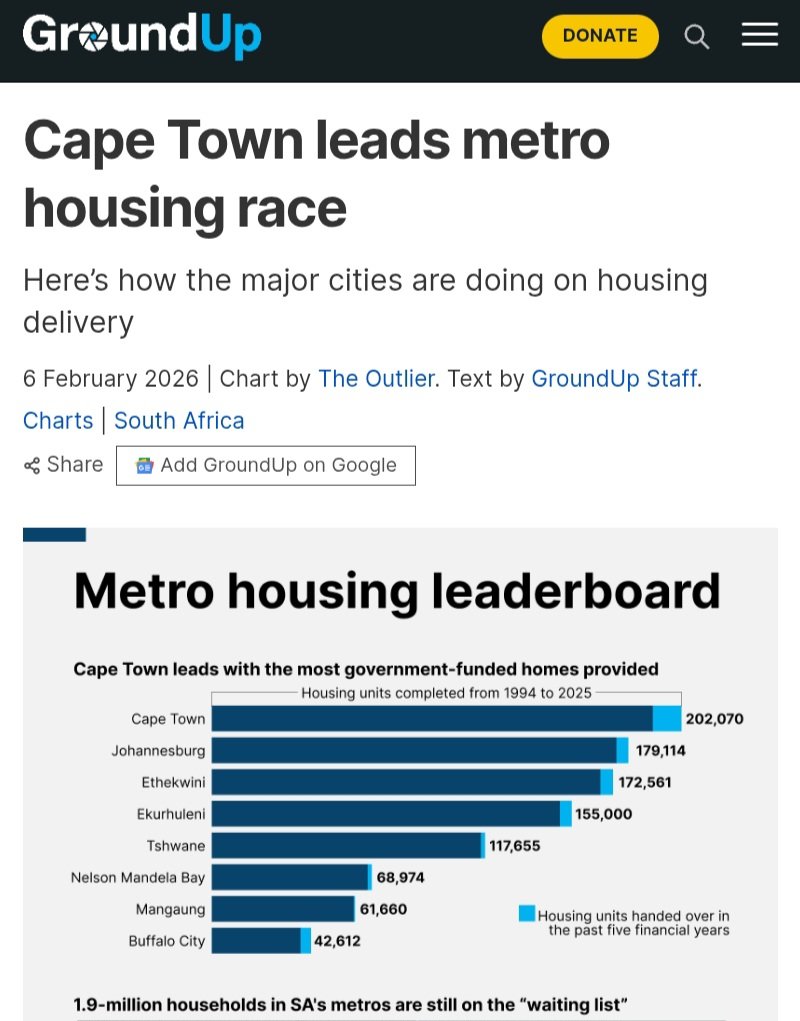
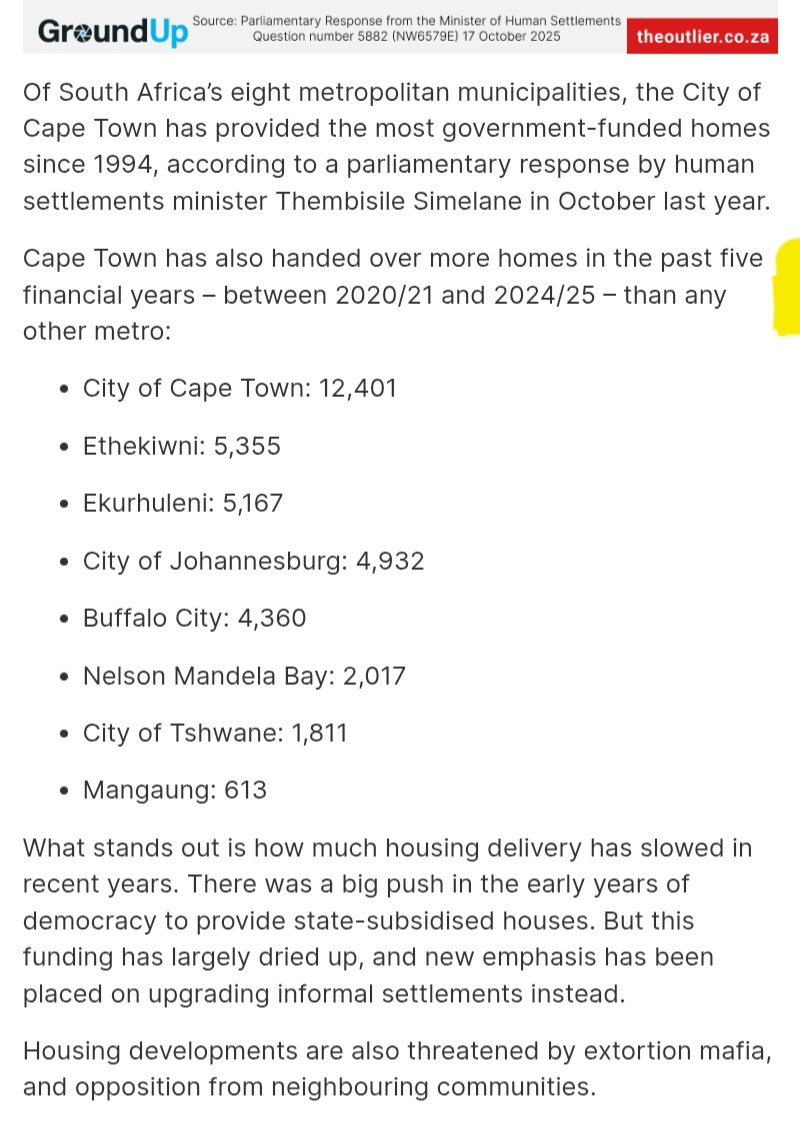
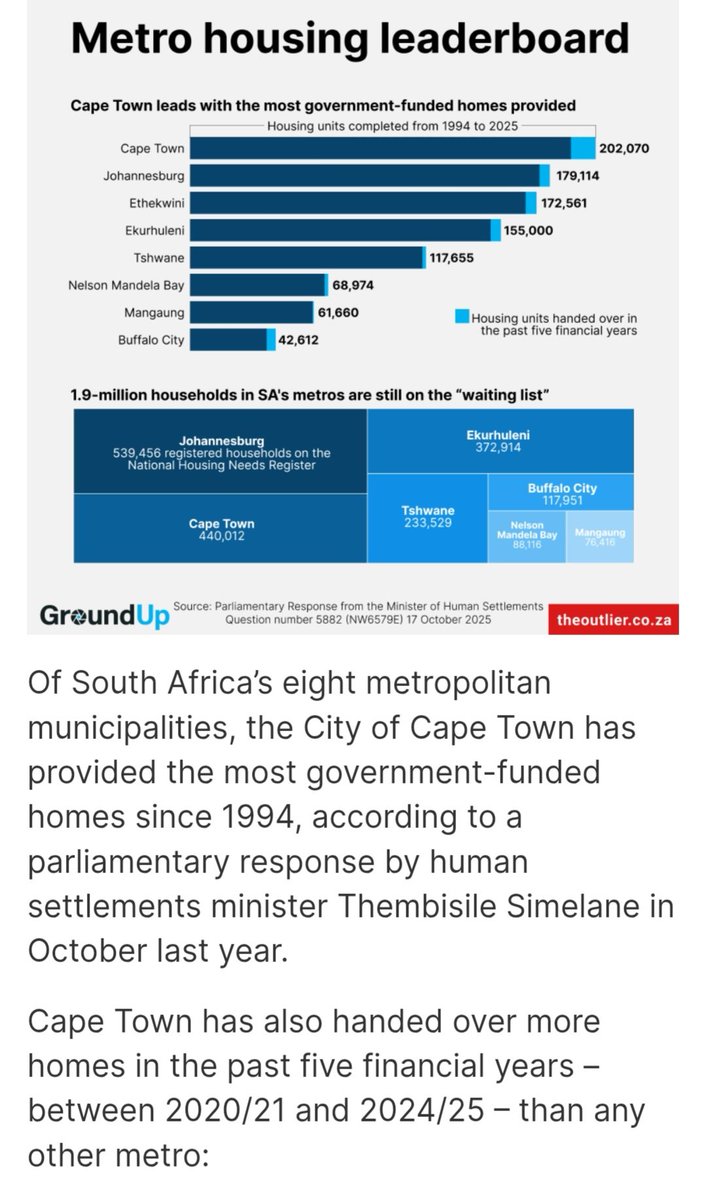
South Africa is short of 2.6 million homes: Vienna’s approach to social housing offers useful lessons. theconversation.com/south-af…
1
11
397
Maria de Andrade 🇿🇦🇺🇦🌻 retweeted
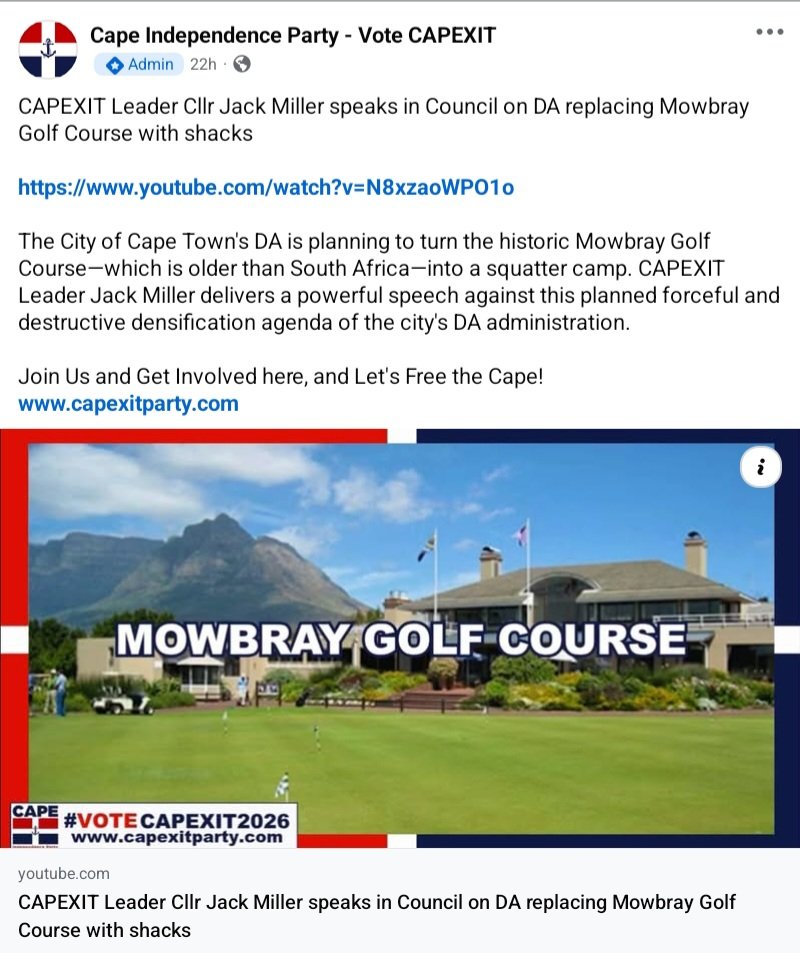
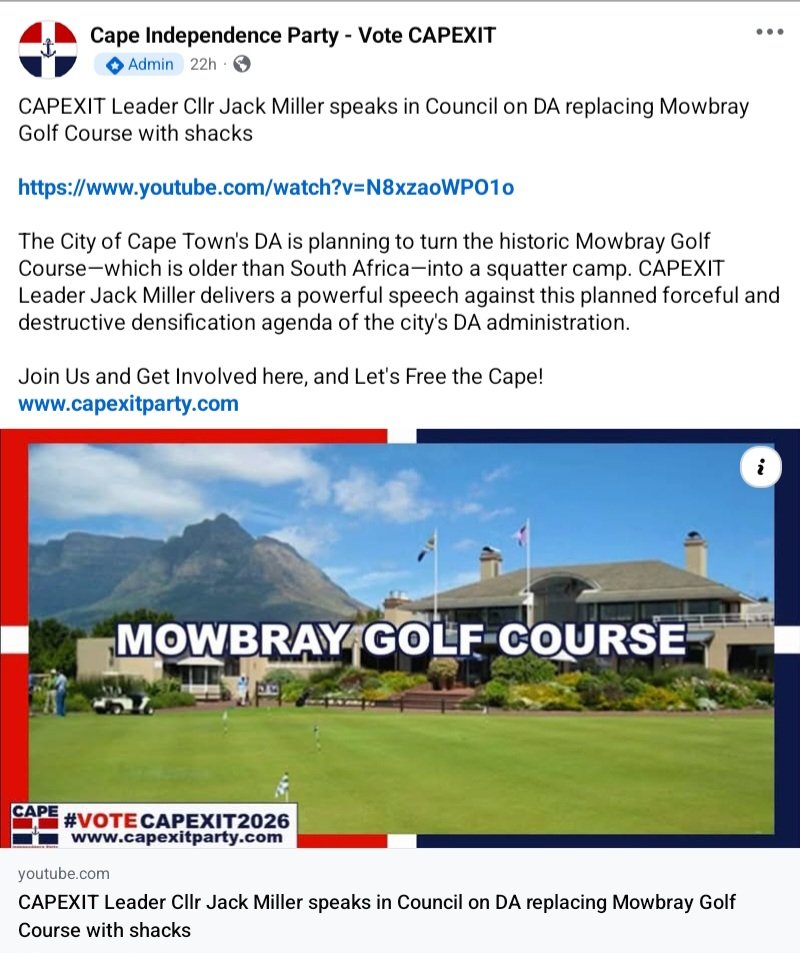
South African law and the challenges for those who advocate for cape Independence.
1. The Legal and Constitutional Brick Wall.
The South African Constitution does not permit external self-determination or unilateral secession. While section 235 allows for cultural and linguistic autonomy within the country, it provides no framework for a province to break away. The national government holds that the country's territory is indivisible. Even if a provincial referendum were held, the national parliament would have to approve a constitutional amendment—an outcome that is virtually impossible given the political landscape.
2. Lack of Explicit Electoral Support.
While groups like the CIAG release polling data suggesting a high desire for a referendum among certain demographics, this has not translated into electoral success. Dedicated secessionist parties like the Referendum Party failed to win seats in parliament, indicating that voters still prefer established mainstream opposition parties over single-issue independence groups.
3. Political Opposition from the DA
The Democratic Alliance (DA)—the party governing the Western Cape—consistently opposes outright secession. Instead, the DA advocates for federal devolution. They campaign to give the province localized control over policing, railways, and taxation, rather than breaking away from South Africa completely. Without the ruling provincial party's backing, independence groups lack the legislative mechanism to trigger an official vote. 🇿🇦
7
3
13
577
Maria de Andrade 🇿🇦🇺🇦🌻 retweeted

Helen Suzman’s testimony to the Cillié Commission confronted the apartheid state with evidence of police brutality and defended the legitimacy of the students’ grievances. Suzman’s political tradition feeds directly into the DA. She didn’t cheer violence but insisted on holding power to account.
1
1
128
Maria de Andrade 🇿🇦🇺🇦🌻 retweeted

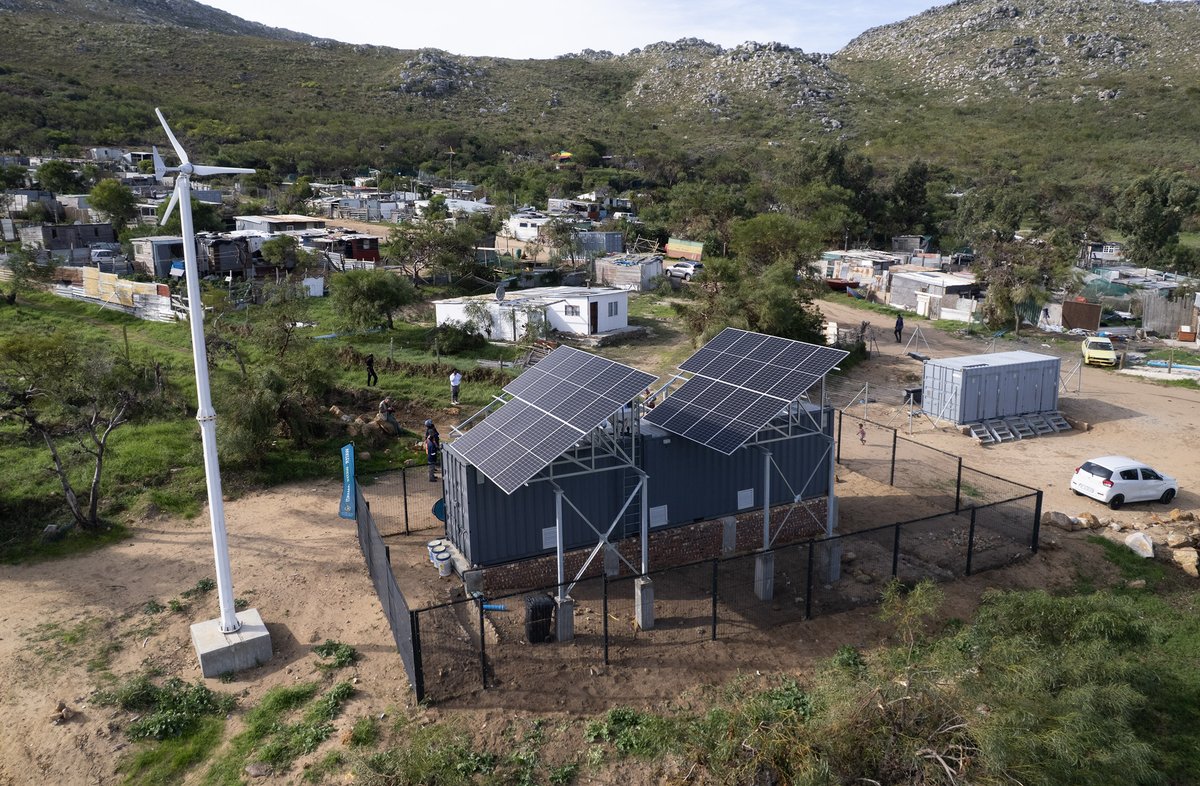
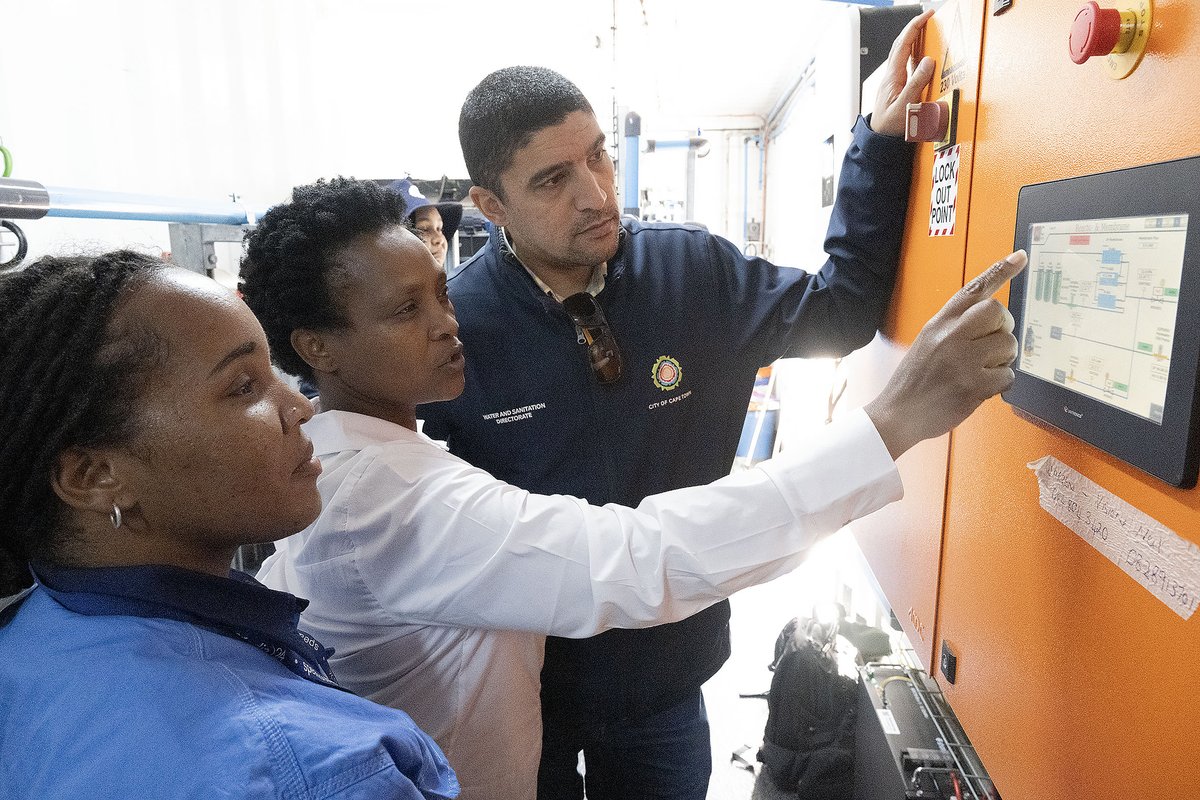
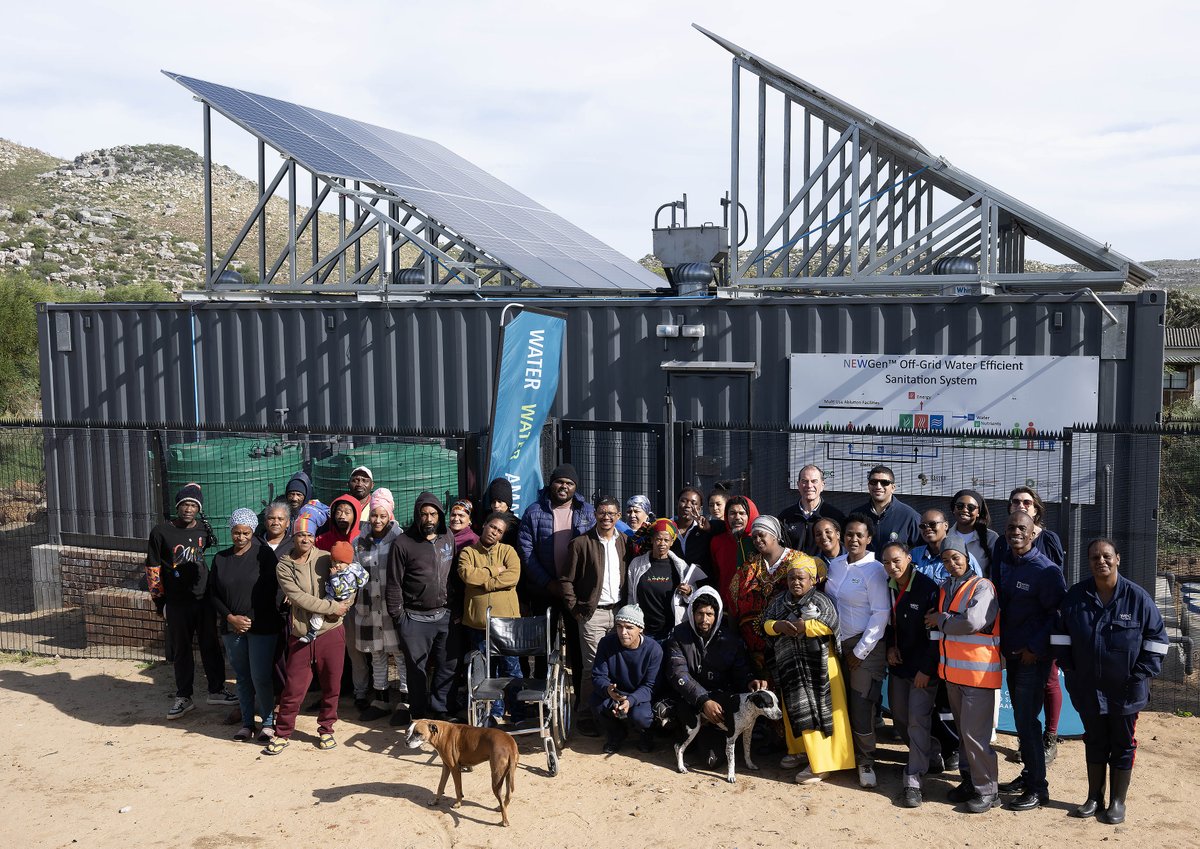
High-tech off-grid sanitation launched at Rasta Camp, Ocean View. Solar- and wind-powered system offers 15 full-flush toilets and on-site wastewater recycling, completing five pilot sites across Cape Town. Read more: brnw.ch/21x3nQK
6
11
1,307
Maria de Andrade 🇿🇦🇺🇦🌻 retweeted

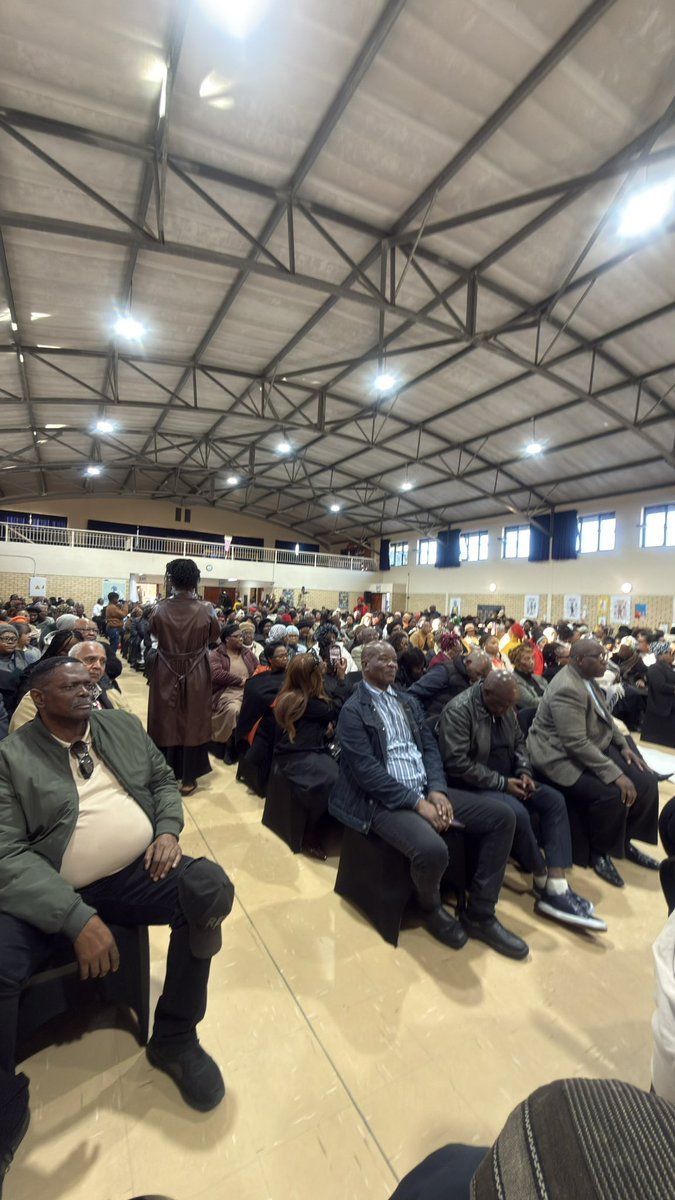
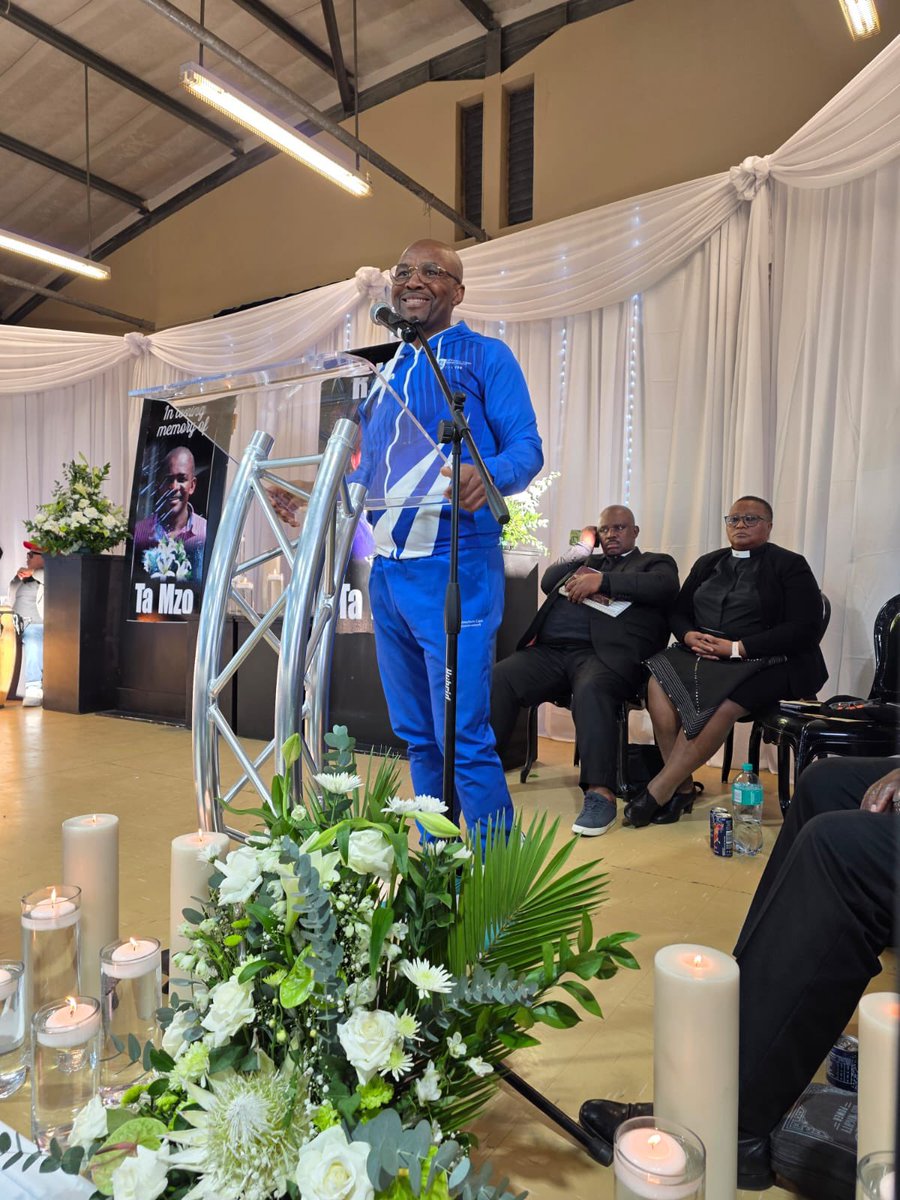
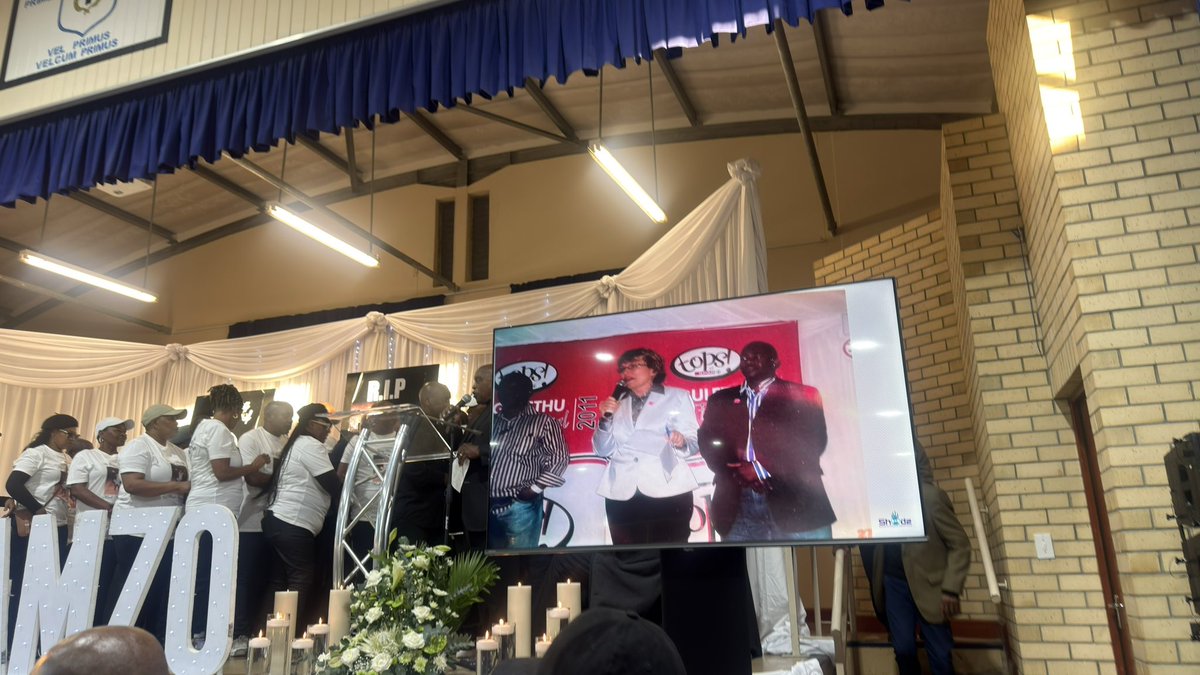
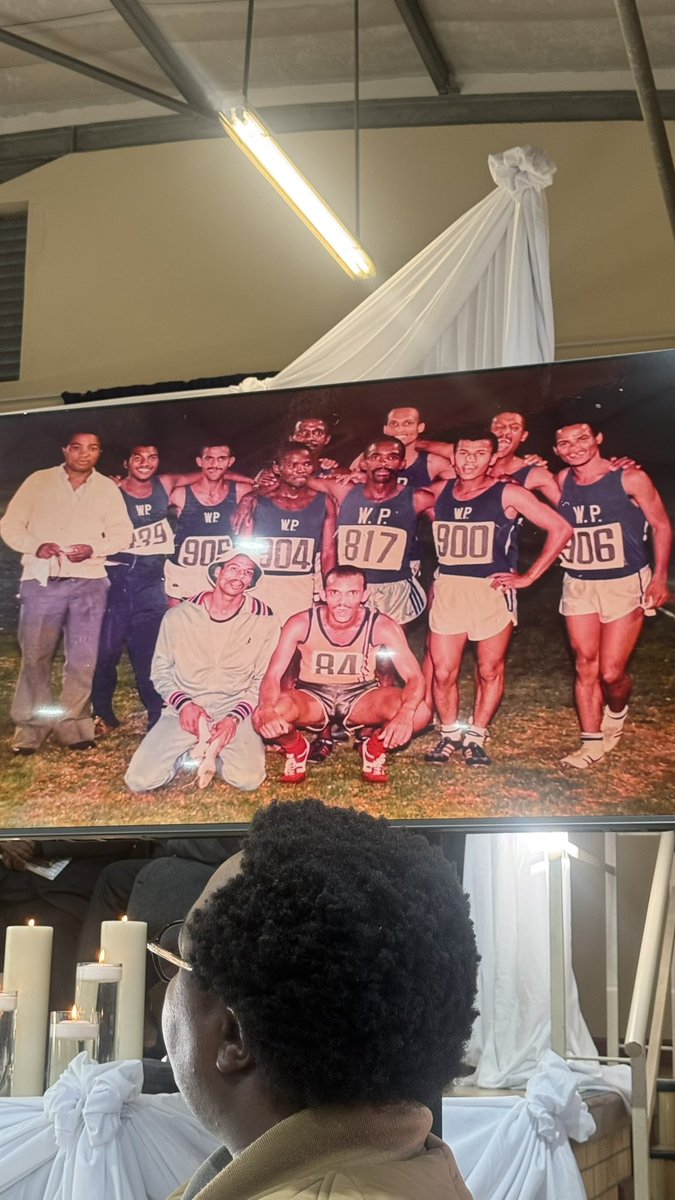
Today’s memorial for Mzoli was very special, with friends and family from Gugulethu and beyond sharing wonderful memories of this son of South Africa.🇿🇦
Mzoli left an incredible mark not only in sport, but also in our communities. Rest in Peace Ta Mzo
1
2
145
Maria de Andrade 🇿🇦🇺🇦🌻 retweeted

In celebrating the life of Abdullah Ibrahim (Dollar Brand) one fact is forgotten. In 1976 he played "Mannenberg" - and I heard him - at the University of Cape Town student congress. Winnie Mandela also came, greeting us "in the name of the movement".
martinplaut.com/2018/04/06/w…
9
48
405
116,760

Maria de Andrade 🇿🇦🇺🇦🌻 retweeted

Small crowd, big flop for the xenophobes.

Small crowd turns out for anti-immigration march in Sea Point brnw.ch/21x3ofm
11
4
27
5,744
Maria de Andrade 🇿🇦🇺🇦🌻 retweeted

No, a Filipino company called International Container Terminal Services Inc. (ICTSI)
They hold 49% while Transnet holds 51% of the Durban ports
2
1
3
71
Maria de Andrade 🇿🇦🇺🇦🌻 retweeted
Rankings of CT port could have also slipped due to an increase of traffic around Africa because of the war in Iran.
The Durban port now has a private ownership stake which most likely led to improvements.
You are correct, these things should always be taken into context
2
1
5
209

Instead of pointing fingers at CoCT / WC Govt who don't have any jurisdiction over CT Port perhaps you should be asking why National Govt is prioritizing Durban over Cape Town instead of pouring the same resources into both because both are vital to economic growth.
6
21
68
1,811
Maria de Andrade 🇿🇦🇺🇦🌻 retweeted

Jun 16
I say it’s a far more attainable political goal than “Cape Independence”.
I’d put real energy into creating a more federal SA, where power is devolved as much as possible & as close to the people as possible.
There are practical areas where we can start, policing is one.
Jun 16

So finally go federal?
Every city and state needs their own cops
3
4
22
1,221
You could have finished your business but it was YOUR decision to step down before the end of your tenure because you were facing a MONC brought by the ANC. Ps. Helen Zille had nothing to do with it because she would not have wanted to destabilise JHB.
Jun 16

This #YouthDay, We remember the 7 Joburg Opportunity Centres launched during my tenure in the fight against youth unemployment. Designed to move young people off the streets and into pathways for work, skills development and entrepreneurship.
I HAVE #UnfinishedBusiness!!
3
2
17
1,151
I'm surprised that as an academic educated in the law you appear to be ignorant of how the three tiers of govt work and their respective constitutional mandates:
Crime - SAPS & Criminal Justice -> National Govt
Ports - TRANSNET -> National Govt

I do not believe it is a smear campaign. The criticism is based on 3 facts: 1) Cape Town is listed as one of the most dangerous global cities 2) Cape Town port is listed has deteriorated significantly against the world 3) DA follows Soros policy of Open Society, with financing.
6
6
29
1,532
Maria de Andrade 🇿🇦🇺🇦🌻 retweeted

Jun 15
How lucky we have been to have enjoyed the musical genius of Abdullah Ibrahim! 🕊️🕊️🕊️
Mar 27

I’ve been attending Abdullah Ibrahim’s concerts for the past 40 years. I was in tears tonight watching him perform in his 90s. His legs have failed him but his mind and fingers have rule over realm of their own. Thank you, Maestro.
3
1
704
Maria de Andrade 🇿🇦🇺🇦🌻 retweeted

Jun 15
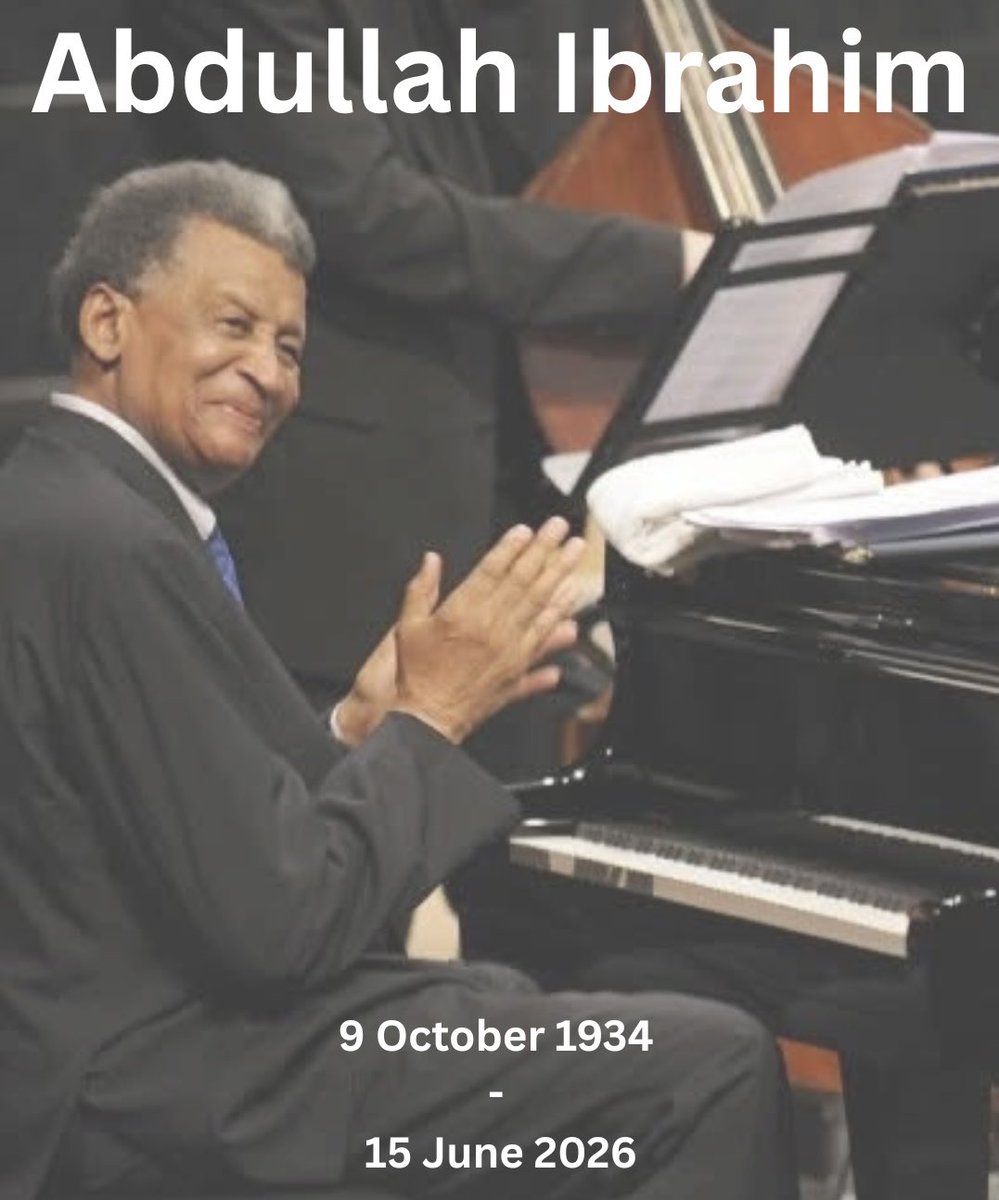
South Africa has lost a legend. Abdullah Ibrahim represented everything that makes South Africa and the Western Cape so remarkable. His music told the story of our unique cultural diversity and past. This inimitable talent will be sorely missed, and dearly remembered.
3
14
43
1,124
Maria de Andrade 🇿🇦🇺🇦🌻 retweeted

Jun 15
As a subscriber over at Substack, in addition to my normal work, you get access to:
1. Once a month I write an article specifically for a subscriber, on a topic that they request. See it as your own, free, consulting opinion on demand.
2. If your work meets our standards, we make access to the Substack account and the blog available to guest authors.
It's free, it's practical, it's the best in the game.
Join us ☕️
substack.com/@andrevlok
1
1
456
Maria de Andrade 🇿🇦🇺🇦🌻 retweeted

Jun 15
A Blue Downs father's worst nightmare unfolded when armed suspects drove off with his five-year-old daughter still inside the vehicle.
What happened next has many praising a City of Cape Town Law Enforcement officer for her quick response:
capetownetc.com/news/blue-do…
4
8
540
Maria de Andrade 🇿🇦🇺🇦🌻 retweeted
Jun 15
Cape Town’s tourism sector generated an impressive R24.5 billion in direct spending for the year 2025, sustaining over 106,000 jobs across the industry:
capetownetc.com/news/interna…
1
4
9
534