Logocentric literature professor | Classical-Christian educator | Father & husband | Foe of faddish fanaticisms | Laudator temporis acti
Joined November 2018
- Tweets 28,642
- Following 3,681
- Followers 5,573
- Likes 74,215
Photos and videos
Pinned Tweet

17 Jan 2022
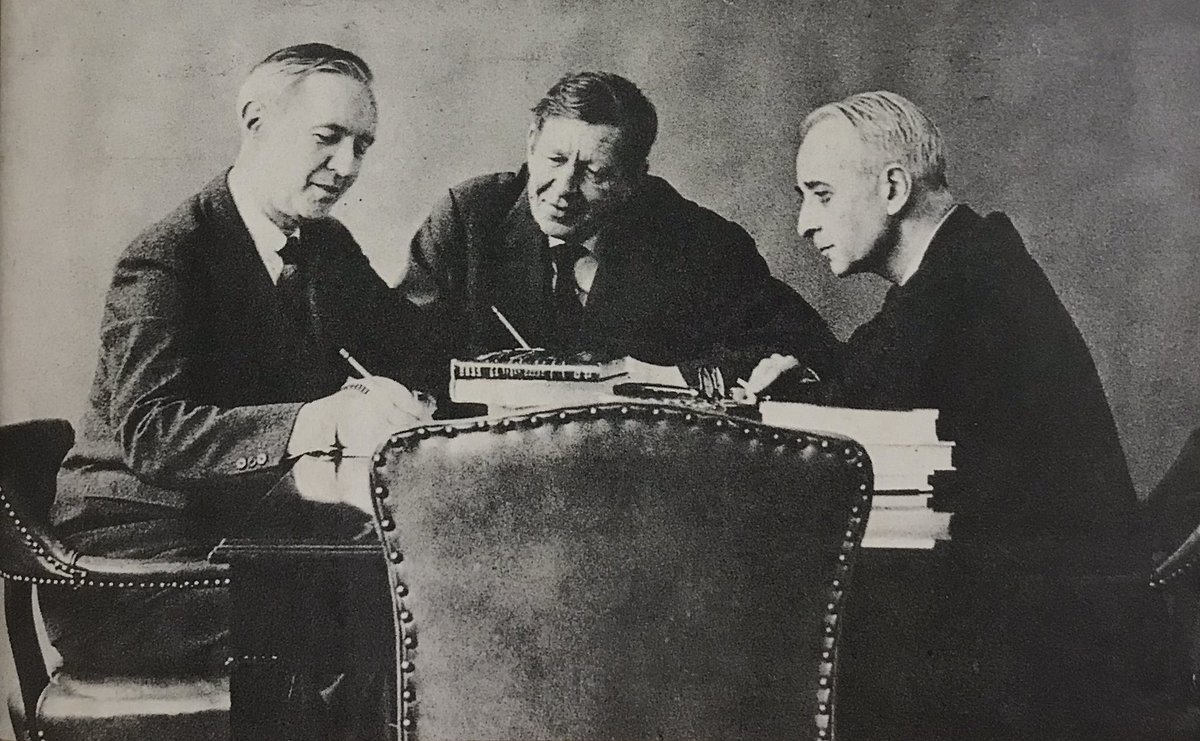
Men of letters at work.
—Jacques Barzun, W. H. Auden, and Lionel Trilling.
24
56
348
Archie Goodwin retweeted

Jun 14
I'm highly sympathetic to CBT's moral itp of the Revolution, though Locke is polemically over-emphasized, non-conformist religion under-emphasized. Grad students should read it alongside Bailyn and Wood and Eric Nelson's book on the monarchical revoluiton. Deirdre McCloskey is key for the long term moral transformation. Allen Guelzo's account in Golden Thread 2 is judicious. For the Enlightenment I recommend Ritchie Robinson's book for a view that corrects the progressives' over-emphasis on the Radical Enlightenment. lawliberty.org/book-review/t…
Jun 13

What do you make of C Bradley Thompson's account of the mental landscape of the Founders?
3
7
40
16,316
Archie Goodwin retweeted

My reflections on the tragic loss of Gordon Wood at @amconmag @CurtMills @AKDay89 and what conservatives should take away from his scholarship, as well as where they should depart RE the radicalism of the Founding: theamericanconservative.com/…
3
6
22
1,907

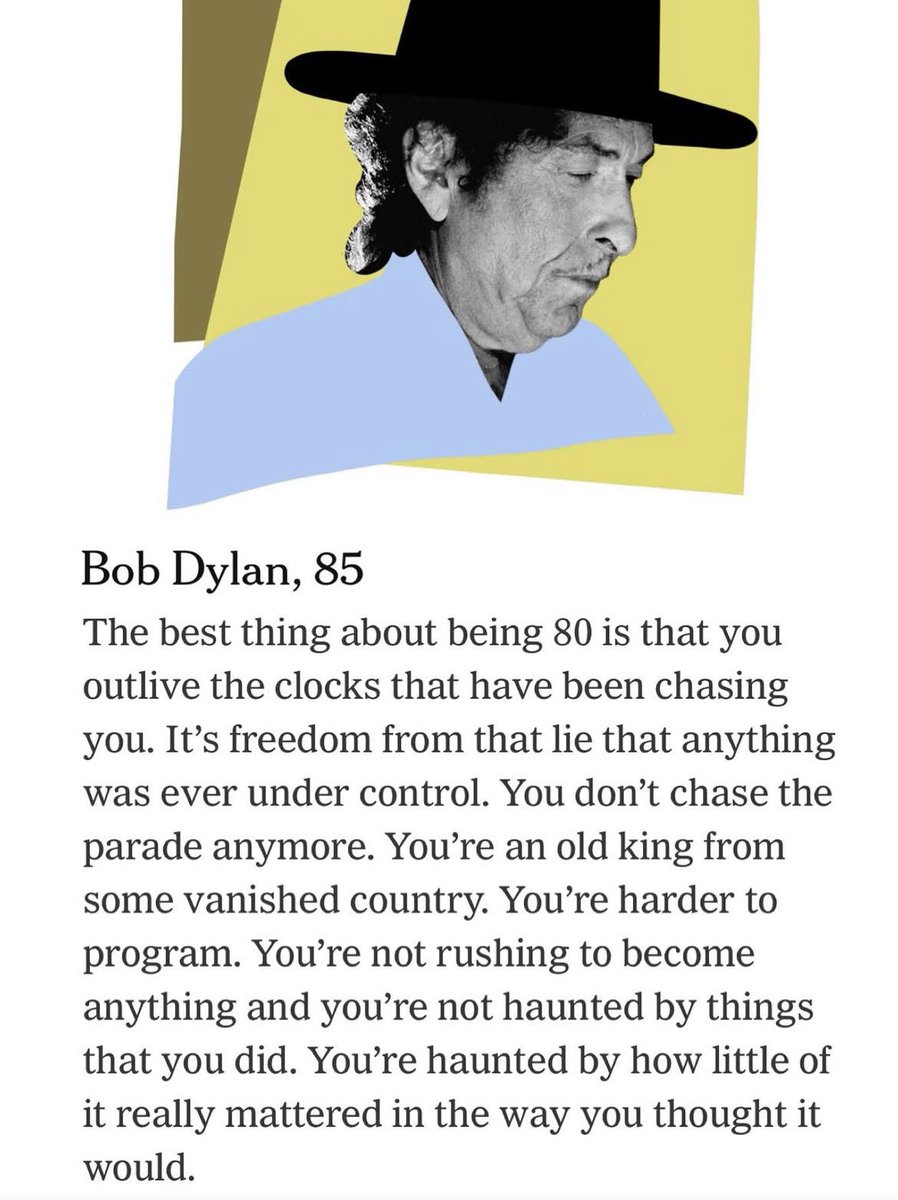
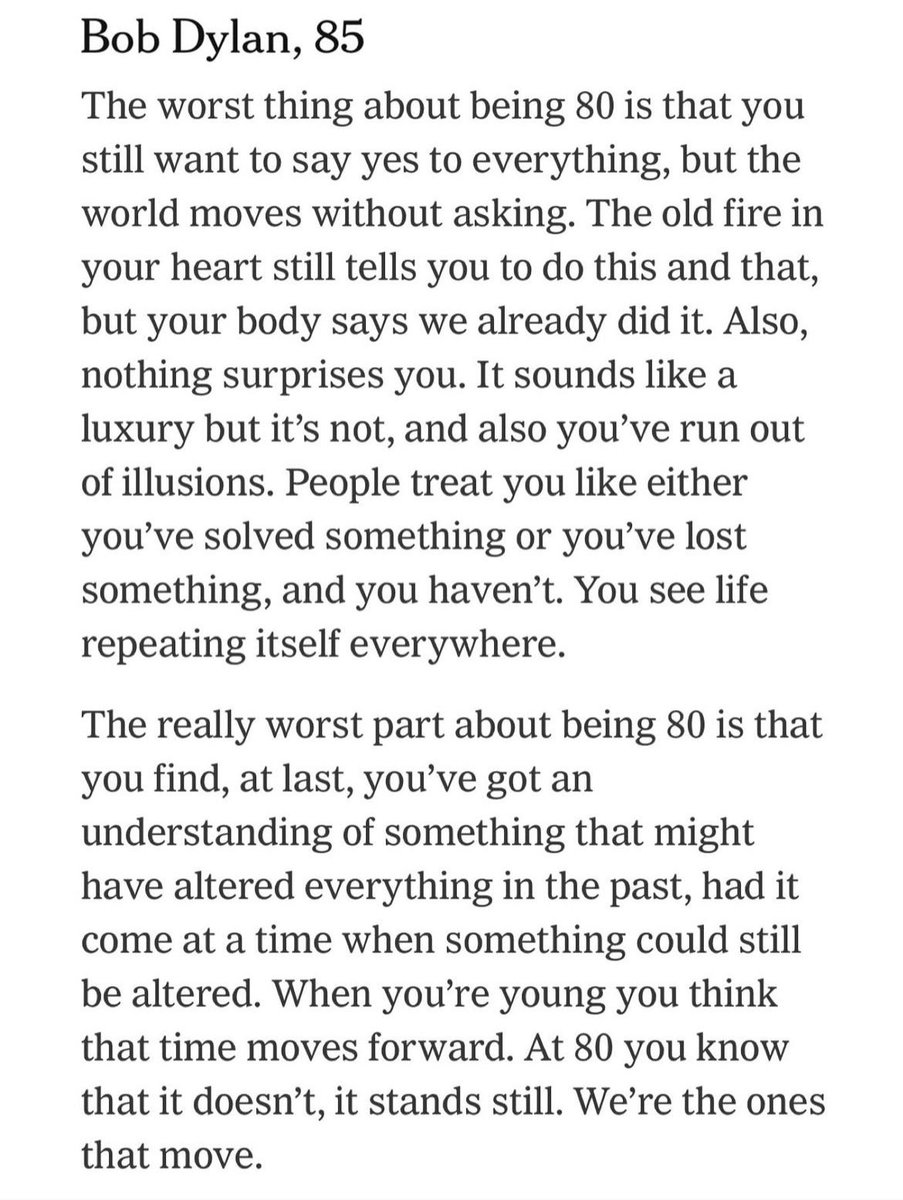
'Old age hath yet his honour and his toil;
Death closes all: but something ere the end,
Some work of noble note, may yet be done,
Not unbecoming men that strove with Gods.'
Alfred, Lord Tennyson, from 'Ulysses'

2
13
167
7,020
Archie Goodwin retweeted

Jun 14
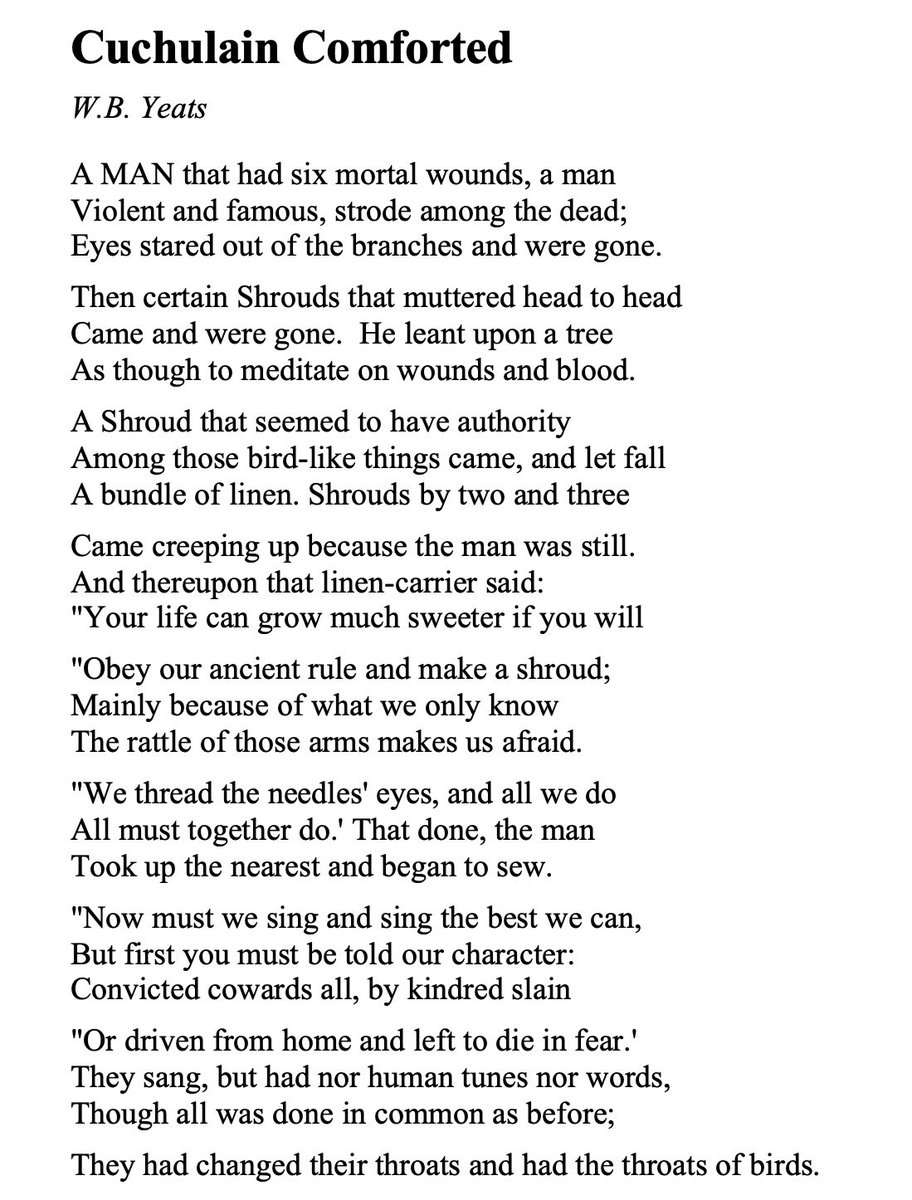
In Bloom’s estimation, this “inevitably phrased poem [is] one of Yeats’s greatest”:
4
17
117
4,381
Archie Goodwin retweeted
Jun 10
“The half-baked Rousseauism in which most of us have been brought up has given us a subconscious notion that the free act is the untrained act. But of course freedom has nothing to do with lack of training. We are not free to move until we have learned to walk; we are not free to express ourselves musically until we have learned music; we are not capable of free thought unless we can think. Similarly, free speech cannot have anything to do with the mumbling and grousing of the ego. Free speech is cultivated and precise speech, which means that there are far too many people who are neither capable of it nor would know if they lost it.
A group of individuals, who retain the power and desire of genuine communication, is a society. An aggregate of egos is a mob. A mob can only respond to reflex and cliché; it can only express itself, directly or through a spokesman, in reflex and cliché. A mob always implies some object of resentment, and political leaders who speak for the mob aspect of their society develop a special kind of tantrum style, a style constructed almost entirely out of unexamined clichés.”
—Northrop Frye, The Well-Tempered Critic
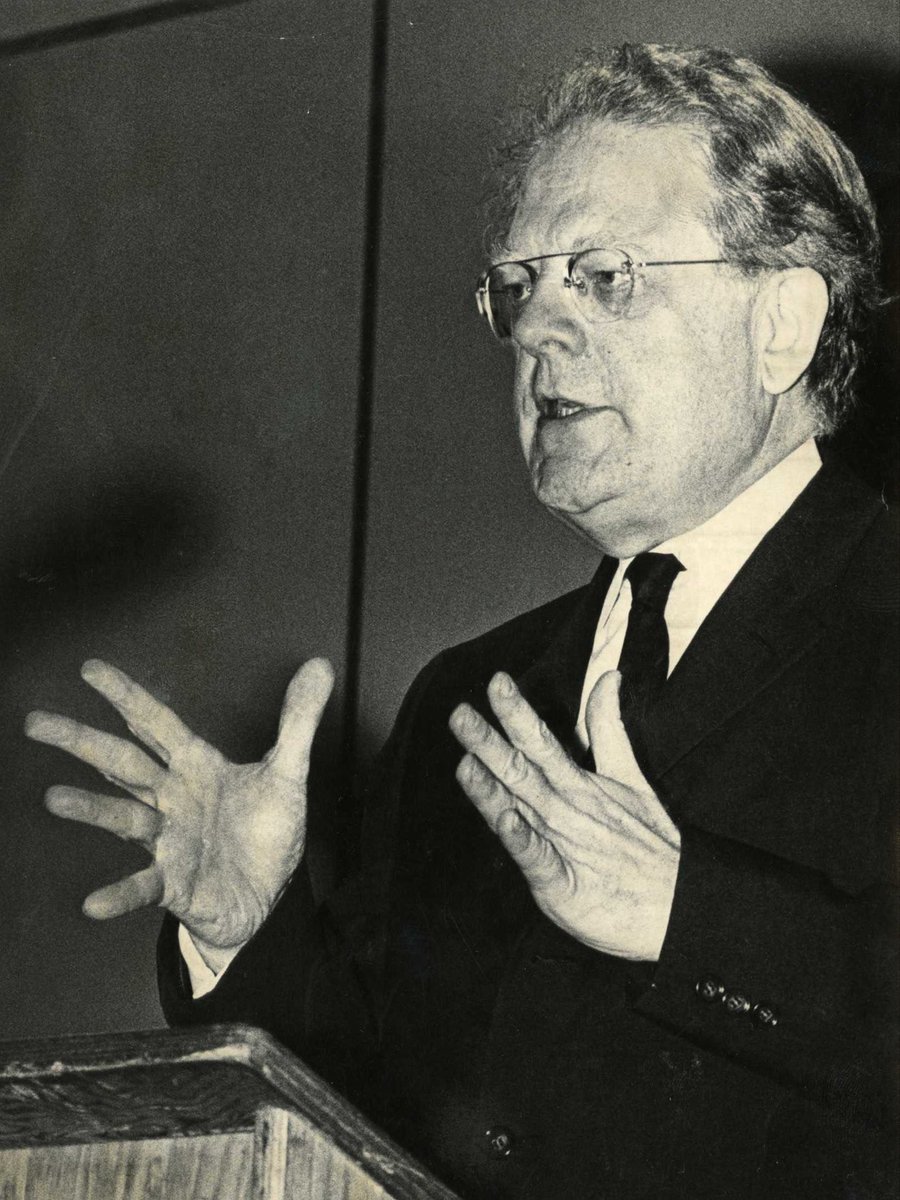

Yesterday someone tried to tell me we're better off without literacy because writing is a means of control. My friend, those who seek your oppression don't want you literate. The ability to read & communicate is our best defense against tyranny. And they're taking it from us.
8
38
162
8,806
Jun 14
Hence the need for more K-12 classical schools. My students excitedly discuss summer reading lists, their need for new bookshelves, and poetry and book club meetings. Their literary loves were cultivated by a unique curriculum set in reading-and-conversation rich classrooms.
Jun 13

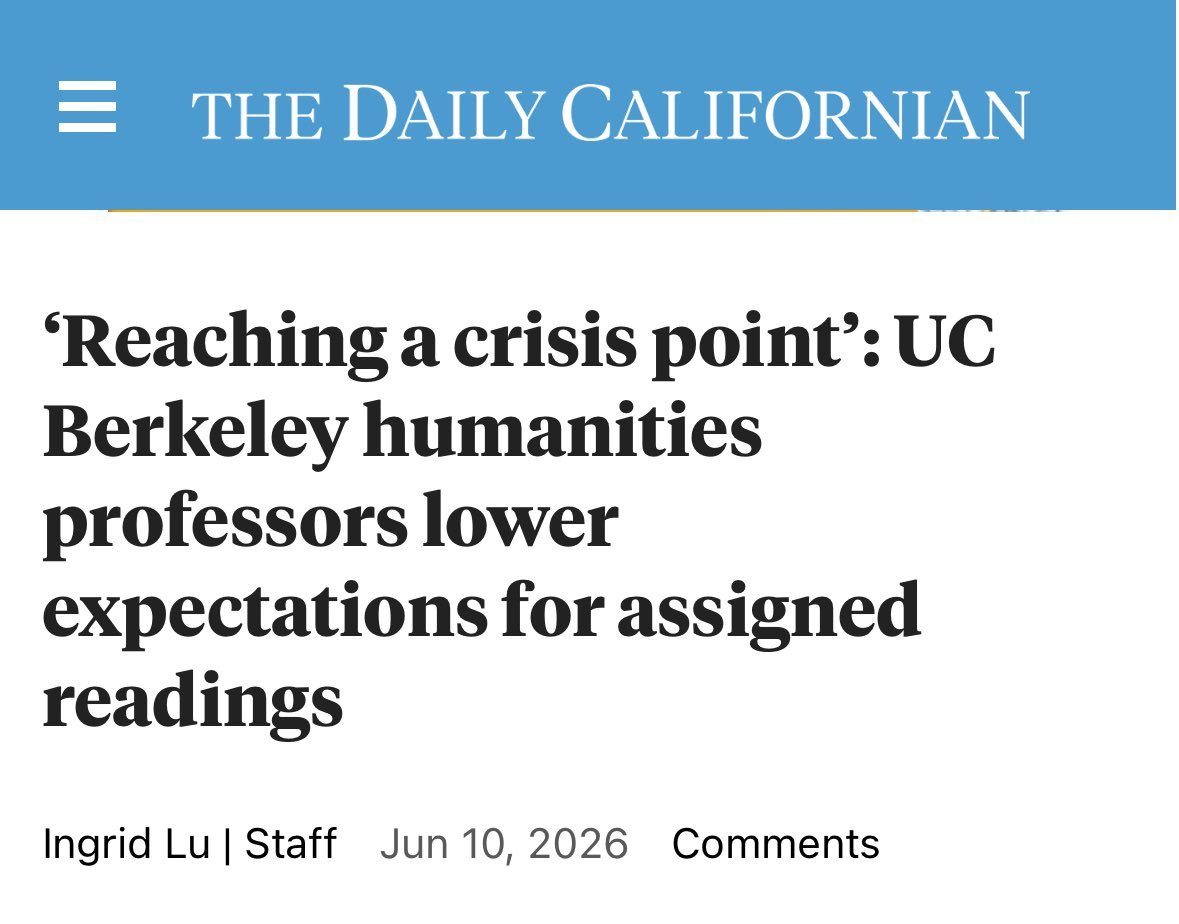
A Berkeley history professor says he’s cut assigned reading from 100 pages a week to just 35.
Another said that a course which once required students to read seven full books now consists entirely of excerpts.
“We are now reaching a crisis point where if the number of pages goes down further, it’s unclear to me whether my discipline of history can really be taught.”
The attention span crisis is a civilization crisis.
1
3
29
1,538
Archie Goodwin retweeted

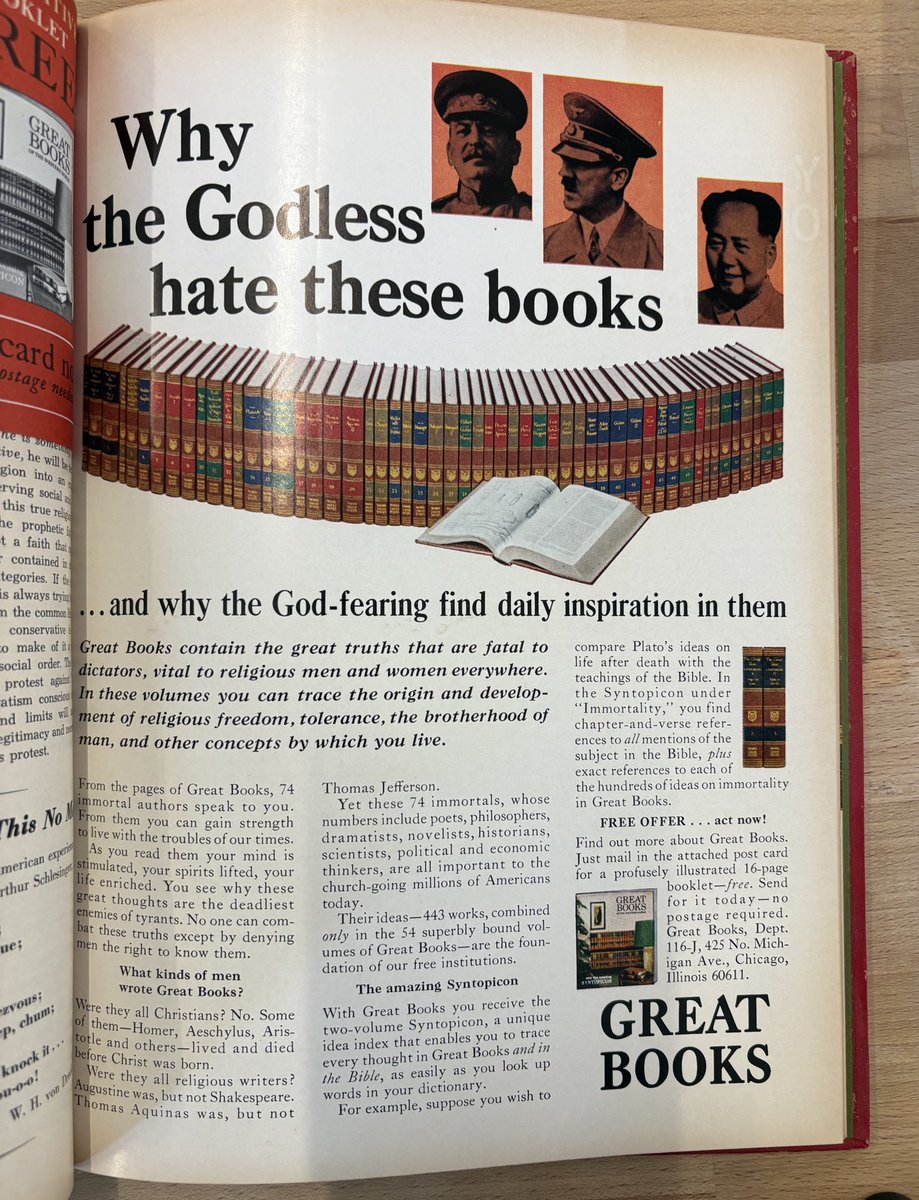
National Review, 1965
10
37
353
85,889
Jun 13
I’m reminded of the old witticism about the radical Ivy Leaguer: He never liked a Harvard man unless he was a Marxist, and he never liked a Marxist unless he was a Harvard man.

Elon created 110,000 jobs while trying to solve civilizational problems in multiple fields (cars, energy, space).
Zohran studied African marxism and lived off his parent’s trust fund into his 30s.
He’s just a communist rich kid who hates rich people who aren’t communists.
1
9
303
Jun 12
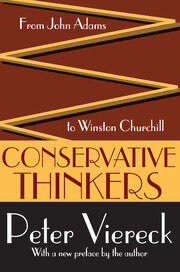
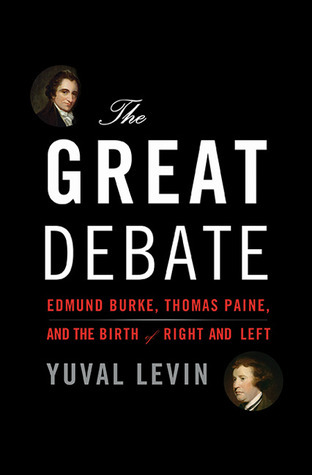
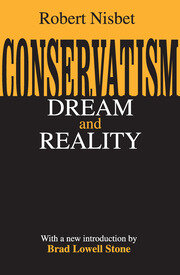
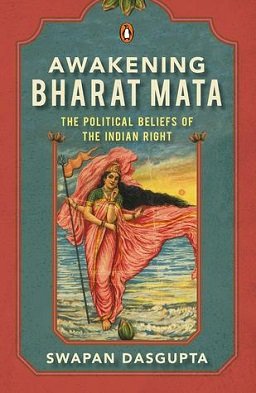
Also a great book on the subject, and too often overlooked.

5
6
60
2,799
Archie Goodwin retweeted

Jun 11
Bill McClay writing at @CivitasOutlook:
Wood once pointed out in the New York Review of Books that “historical memory is as important to our society as the history written by academics.” He strongly believed in the value of professional history, but he did not believe that the historical profession has the exclusive right to determine what counts as our history.
civitasoutlook.com/research/…
7
17
83
4,194
Archie Goodwin retweeted

Jun 11
This is Orson Welles talking about his friendship with Ernest Hemingway. Imagine if people were still this articulate.
155
1,279
12,135
629,839
Archie Goodwin retweeted

“The very opposite of freedom is cliche, and nothing is less free, more inert with convention and hollow brutality, than a row of four-letter words.”
-George Steiner
5
13
73
5,525
Jun 11
Ah, when to the heart of man
Was it ever less than a treason
To go with the drift of things,
To yield with a grace to reason,
And bow and accept the end
Of a love or a season?
—Robert Frost, from “Reluctance”
1
13
52
1,090
Archie Goodwin retweeted

Jun 8
Willa Cather. Very underrated author. Or, underappreciated nowadays. She's great. Frontier writing. The centrality of place, home. Hardship too. Awesome stuff. You should read her. Wrote short stories too.
24
17
223
10,409
Archie Goodwin retweeted

As I frequently tell my own students @uaustinorg, the job market is about to be saturated with people like this: people who have been cheated out of their own minds for the stupidest possible reasons. People whose teachers didn’t want to be a burden or a bad guy or worst of all, an elitist, so they just gave up in advance on literature the old fashioned way.
Sure, they made up a cock-and-bull story about how obsolete the classics were, how outmoded the old ways of teaching were, how impractical it was to sit with a pen and paper and run through verb conjugations or just puzzle over words. But the truth is they were scared of being that most valuable of beings, the kindly but stern authority figure. And then when the machines came for the books, they had not a leg to stand on.
The result is that maybe no other skill will be more valuable in years to come, or more rare, than the ability to sit alone in a room and follow a train of thought from beginning to end. All those drills and disciplines they told you were “useless”? Reading, rhetoric, contemplation? Poetry, philosophy, fine art? Turns out they’re the only training that can mold you into the scarcest resource on earth, which is a functional adult human being.
And to beat it all, that’s now just about the one kind of training that can make you proof against the disruptions of the AI economy. Forget who said it but it’s true: “learn to code” was crap advice. Learn to ode.

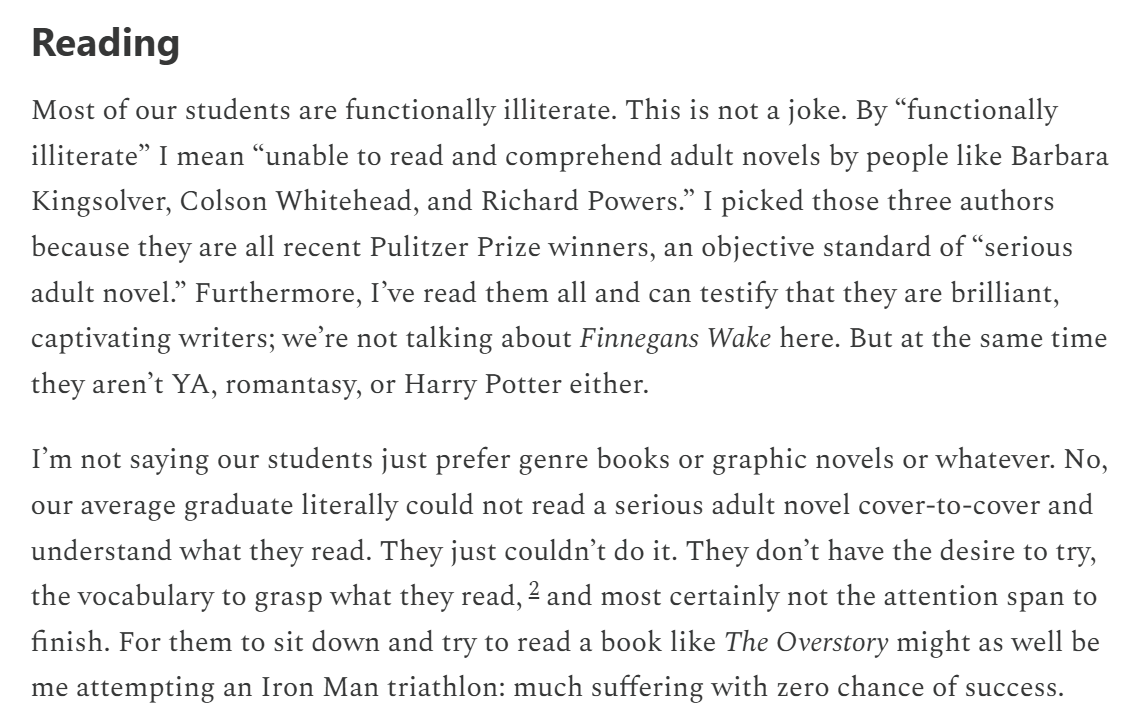
A college professor:
"Our average graduate literally could not read a serious adult novel cover-to-cover and understand what they read"
39
113
662
43,126
Jun 11
The Secret Sits
We dance round in a ring and suppose,
But the Secret sits in the middle and knows.
—Robert Frost

2
14
263
Archie Goodwin retweeted
6 Dec 2025
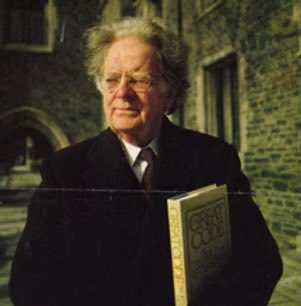
Frye surpasses himself in this comment on Keats:
“The song of the nightingale, the ‘cold Pastoral’ of the Grecian urn, the magic casements in the castle of the soul that open to the warm love rising from the perilous seas seem to us, at first, images of a poetry of refuge, a dream of a lost Paradise. That is a possible but shallow response: the disciplined response understands that these poems are visions on and of the battlefield itself, not the subjective fantasies of retreat. Only a community which has disciplined itself to respond can even hear the voice of Keats’ whispering democracy, the voice of a society which includes both nature and humanity, a being solidly rooted in a ground of being, and uniting death to life.”
6 Dec 2025

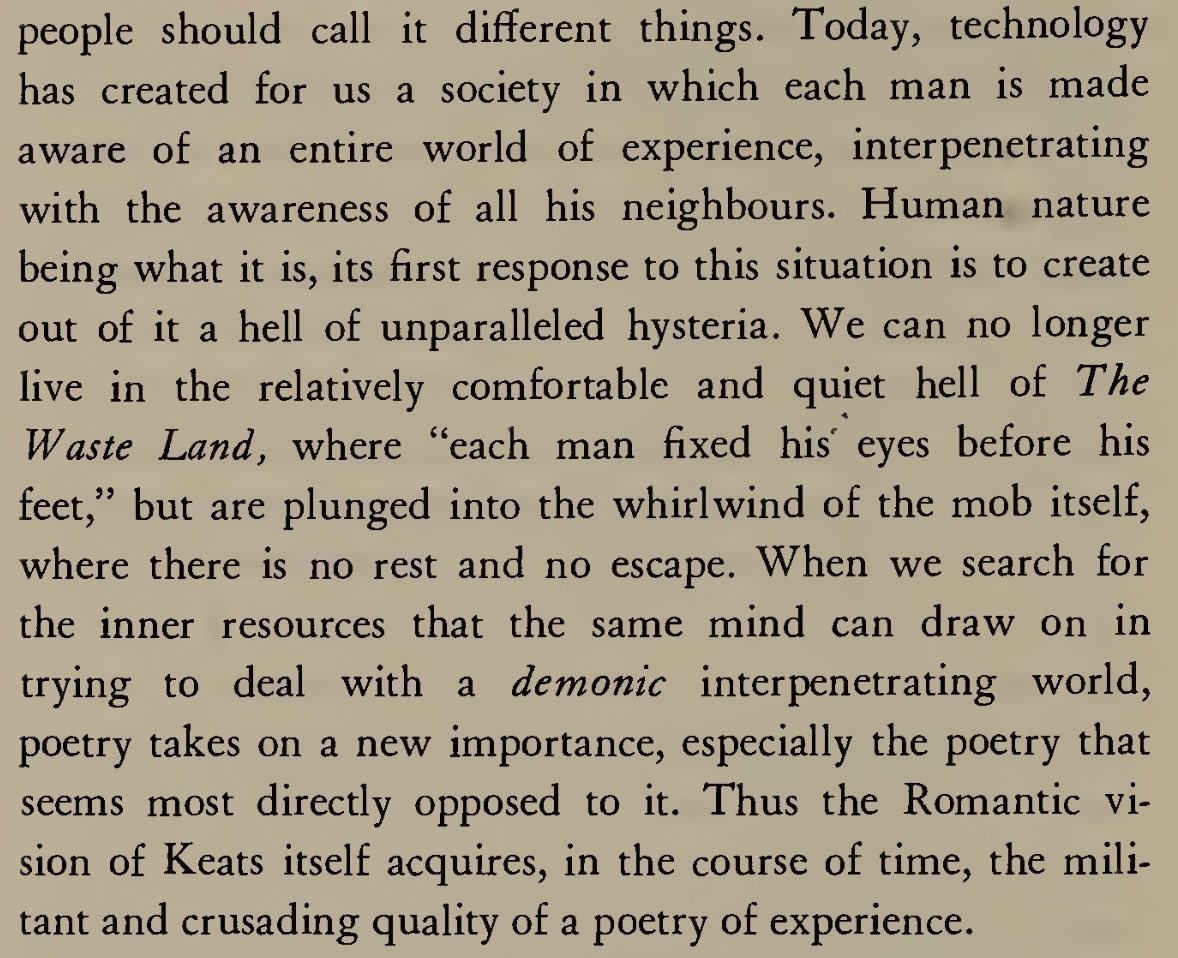
“When we search for the inner resources that the same mind can draw on in trying to deal with a demonic interpenetrating world, poetry takes on a new importance.”
—Northrop Frye, A Study of English Romanticism
4
13
70
4,752
Archie Goodwin retweeted

Jun 10
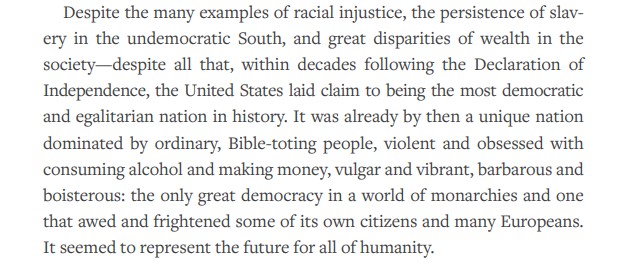
Gordon Wood wrote the lead essay for "Democracy and the American Revolution," the first volume in @AEI's "America at 250" series. I had to pick my jaw up off the ground the first time I read how he summed up the democratic force the Revolution unleashed:
Jun 8

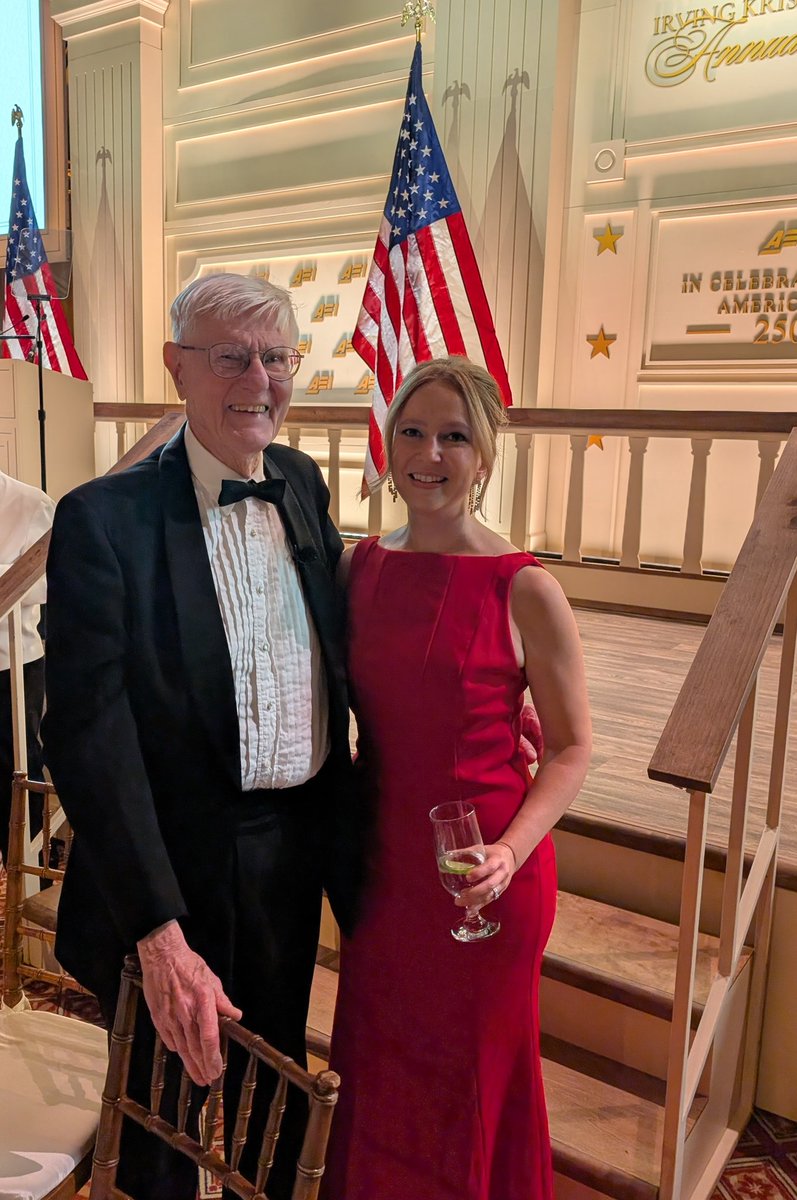
Absolutely devastated by the loss of Gordon Wood. What a gift to have gotten to know and learn from him over the past few years
18
275
1,423
110,185
“There is no Aristotle, no Augustine, no Aquinas, no Montaigne, no Locke, no Mill, no Newman, no Steiner, no Bloom—none of the writers who built the case for liberal education that the course claims to defend.”

Stanford U seems to have rejected the commonly accepted great books in their core.
“A great university can still teach the works that have made our civilization worth defending, and that it should.”
thefp.com/p/stanford-faculty…
2
3
14
2,092
Archie Goodwin retweeted
Jun 8
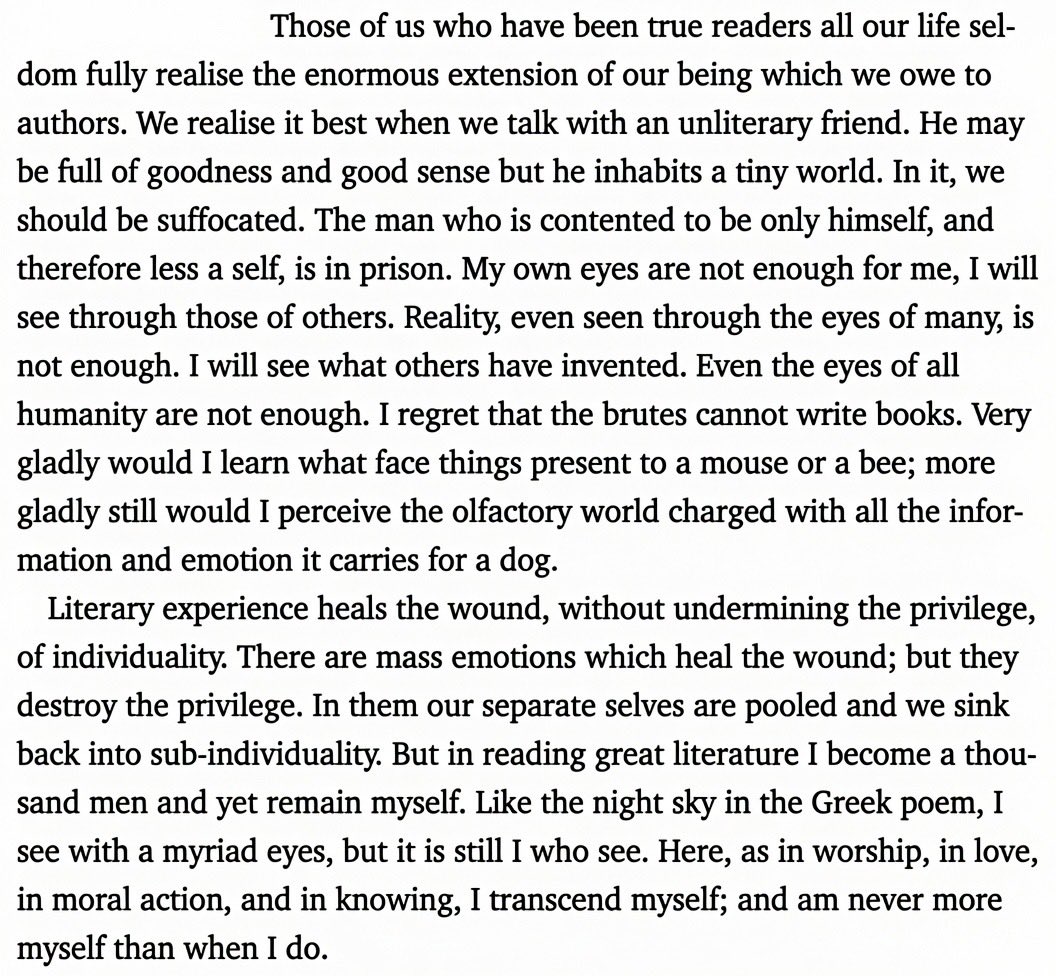
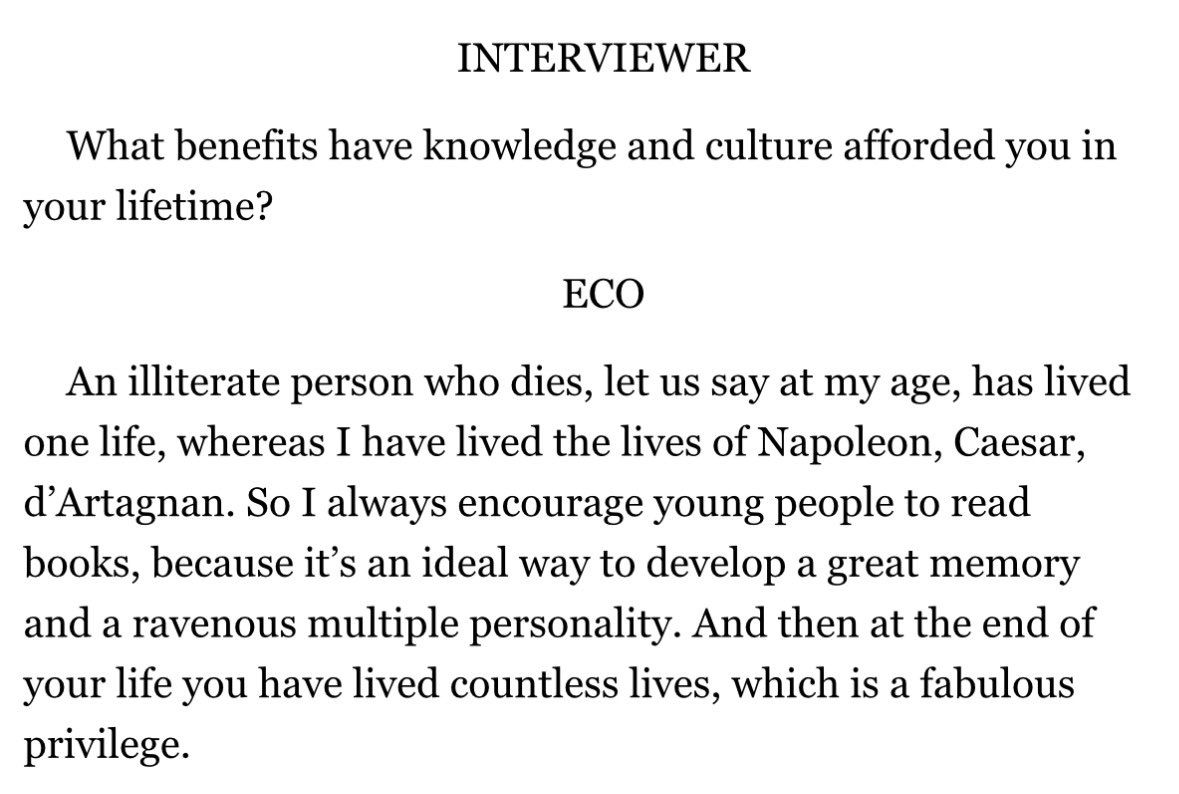
C.S. Lewis, An Experiment in Criticism:

2
7
48
2,497