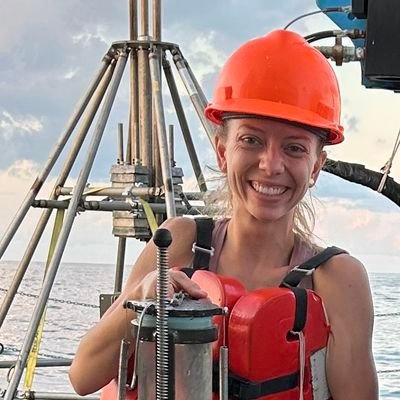
Studying aquatic microbes at UT Austin in the Baker Microbial Ecology Lab. How did life begin? What are the limits of life? And Is there life on other planets?
Joined January 2023
- Tweets 116
- Following 107
- Followers 116
- Likes 177
25 Photos and videos


8 Nov 2024
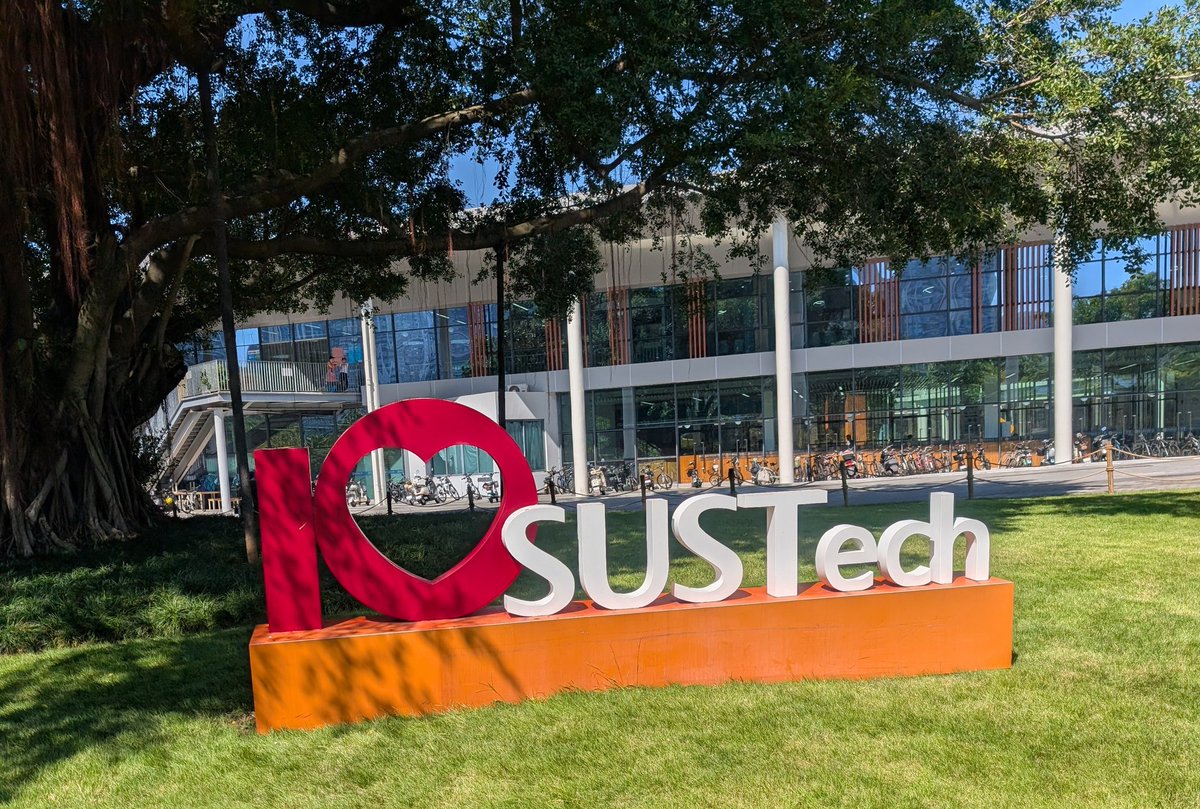
Are you at the International Conference on the Geo-Omics of Archaea (ICGOA) in Shenzhen this weekend?
Come say hello at the poster session and check out my latest pre-print on a methane producing consortia dominated by ANME archaea.
4
12
850
31 Oct 2024
🚨My first pre-print is up🚨Methane production from hydrocarbon by consortium dominated by ANME archaea.
biorxiv.org/content/10.1101/…
8
18
1,570
Natalie Sarno retweeted

3 Jul 2024
Centred on microscopic footage of one small microbe during its final moments, this short makes for an intriguing and surprisingly moving reflection on life, death and the imprecise boundaries between these two states @JourneyToMicro aeon.co/videos/an-elegy-for-…
4
12
2,936
Natalie Sarno retweeted

2 Aug 2024
And the only female to stand on the podium this afternoon for the team final… nbd. 💁♀️
#TeamUSA | #Paris2024

3
68
466
9,763
Natalie Sarno retweeted

11 Jun 2024
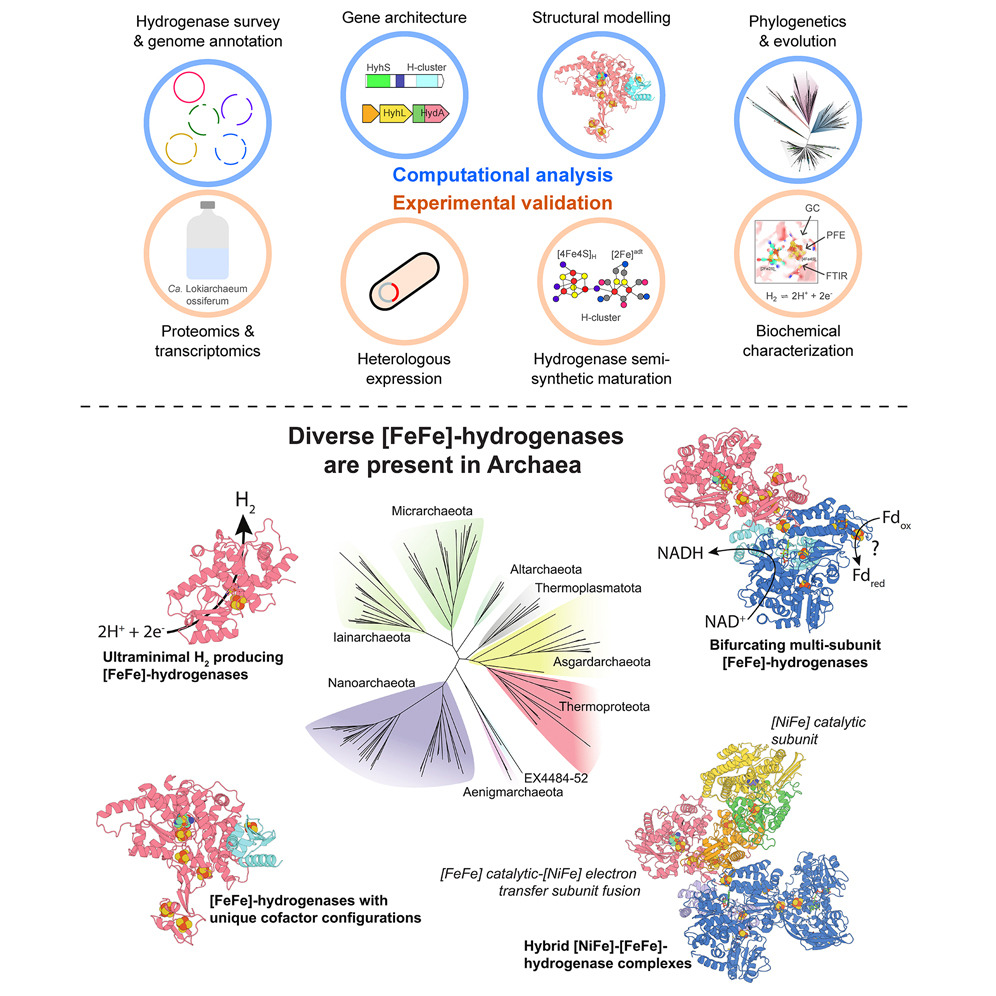
In our new paper at Cell (@CellCellPress), we reveal secrets of how the third form of life, archaea, make energy. We uncover new lineages of hydrogen-using enzymes, both minimal and complex. These help archaea thrive in all sorts of extreme environments. sciencedirect.com/science/ar…
8
132
439
45,529
Natalie Sarno retweeted

6 May 2024
We've been trying to find this purple blob for 6 Years!
youtu.be/wG5yaD6QRg4
2
8
80
2,360
7 May 2024
I was reminded of this editorial doi.org/10.1016/j.ydbio.2023… in Developmental Biology when I saw my cell bio professor on campus today. "As scientists, it is essential for us to advocate for positive evolution within the scientific publishing system..."
97
Natalie Sarno retweeted

24 Apr 2024
Just wanted to call out and see if anyone knew of any postbacc positions/lab tech roles for a student I know who wants to gain some more experience prior to graduate school! He is interested in EEB research particularly marine community ecology/trophic interactions but 1/2
3
22
29
9,590
Natalie Sarno retweeted

22 Apr 2024
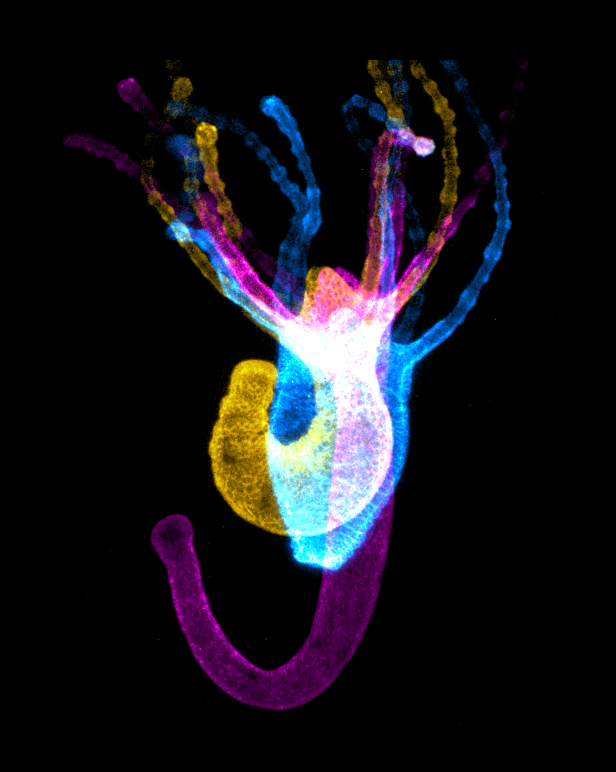
It's #MicroscopyMonday, so let's take a look into the 🔬!
Researchers at the MBL mapped the full-body muscular activity of Hyrda Vulgaris while it was moving and behaving using a technique called calcium imaging.
Credit: John Szymanski
12
71
7,354
8 Apr 2024
A great midday break today with my lab mates to experience the eclipse!

2
118
22 Mar 2024
A beautiful day to pass my qualifying exam with full support and no conditions 🤘🏻
1
7
511
Natalie Sarno retweeted

13 Mar 2024
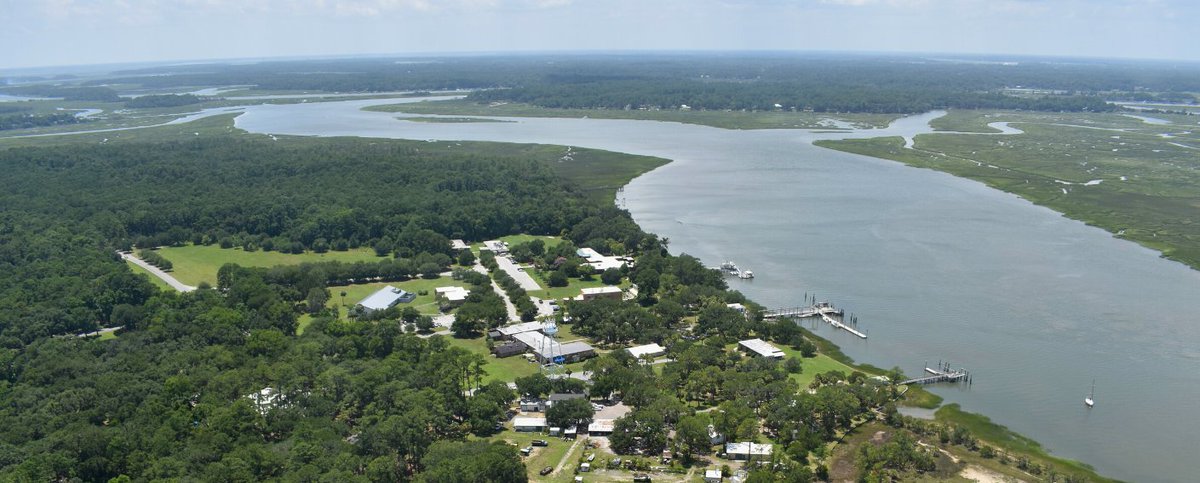
I am looking for a summer undergraduate intern to contribute to estuary sampling for HABs, mixotrophy identification, and phytoplankton culturing! Paid position with housing available in Savannah! Applications are open #REU #marinescience #oceanography skio.uga.edu/undergraduate-i…
2
38
49
5,011
Natalie Sarno retweeted
8 Mar 2024
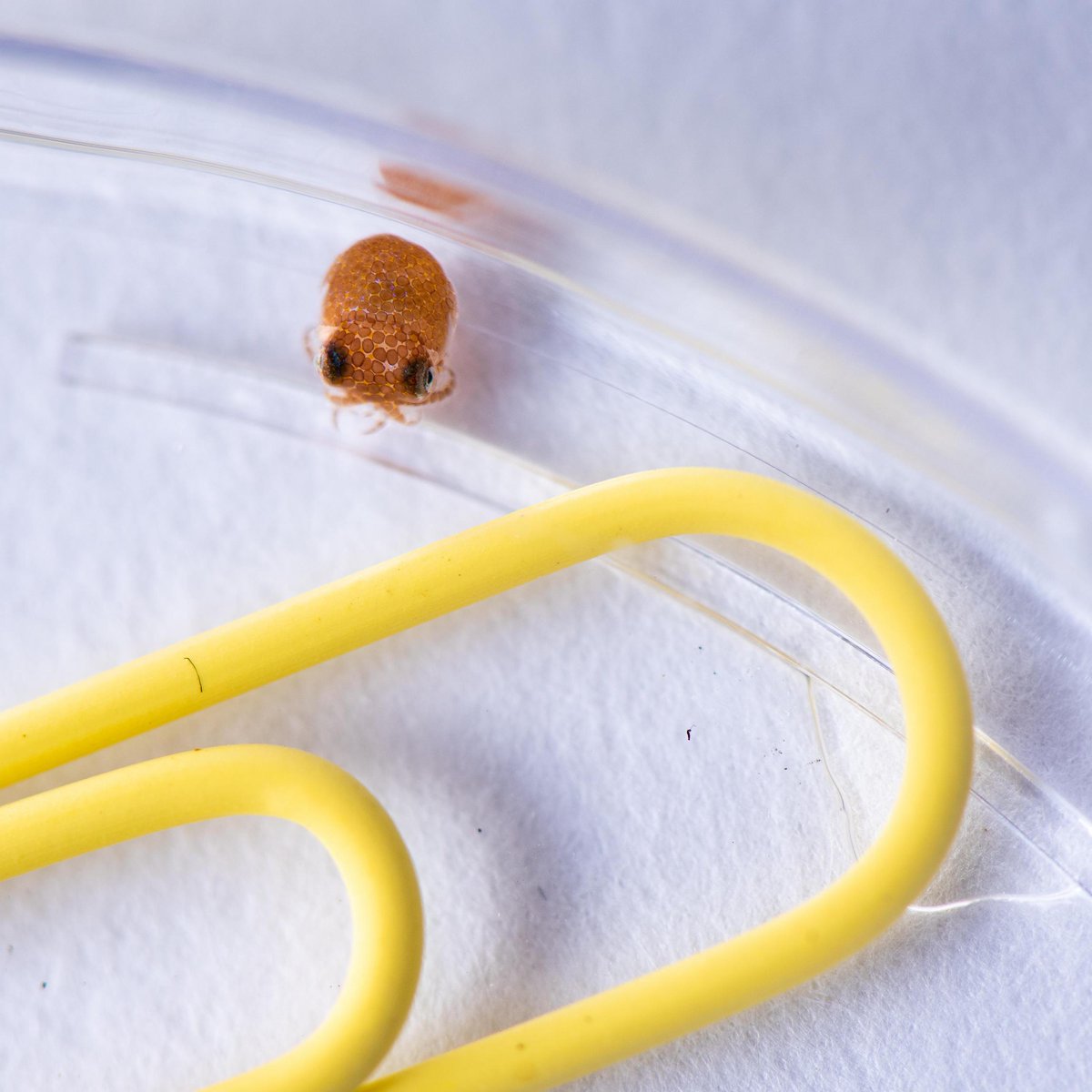
Not trying to sway you one way or the other, of course. Just dropping this picture of the smallest Hummingbird Bobtail Squid next to a paperclip...
Photo credit: Tim Briggs
8 Mar 2024

Which Symbiotic superstar deserves a spot in the #MBLMarchMadness Semi-Finals?
4
61
308
24,570
18 Feb 2024
👴🏻🦠
30 Jan 2024

It may surprise you to know that older bodies of water are much better for finding hotspots of ciliate diversity.
Like the old lake in Warsaw, where our master of microscopes found this unique ciliate that hasn't been seen in 90 years. youtu.be/zgjo6fAH16I
3
172

We are excited to announce that UT Summer Science registration is now open! UT Summer Science is an exciting, inquiry-based learning experience for youth entering 3rd through 8th grade.
Visit apps.ideal-logic.com/utexasp… for UT Summer Science Registration.

3
3
637
Natalie Sarno retweeted

8 Feb 2024
I’ve been dreaming of this paper for a decade. One PhD and one postdoc later, here it is!
What do ecology and evolution look like in a 20-year freshwater time series? Turns out they blur together.
@sarilog @quendi @archaeal @USLTER @NSF @jgi
biorxiv.org/content/10.1101/…
2
27
89
7,626
8 Feb 2024
Check out this AMAZING preprint from my lab mate @RobinRohwer where she analyzed 20 YEARS worth of data from Lake Mendota! biorxiv.org/content/10.1101/…
1
6
580
Natalie Sarno retweeted

20 Nov 2023
Ecological analysis of samples for @HensonMW_08 's previous culturing experiments identifies the brackish-water microbiota and provides valuable baseline data for a climate-vulnerable system
Microbial ecology of coastal northern Gulf of Mexico waters biorxiv.org/content/10.1101/…
6
15
1,453
Natalie Sarno retweeted
20 Nov 2023
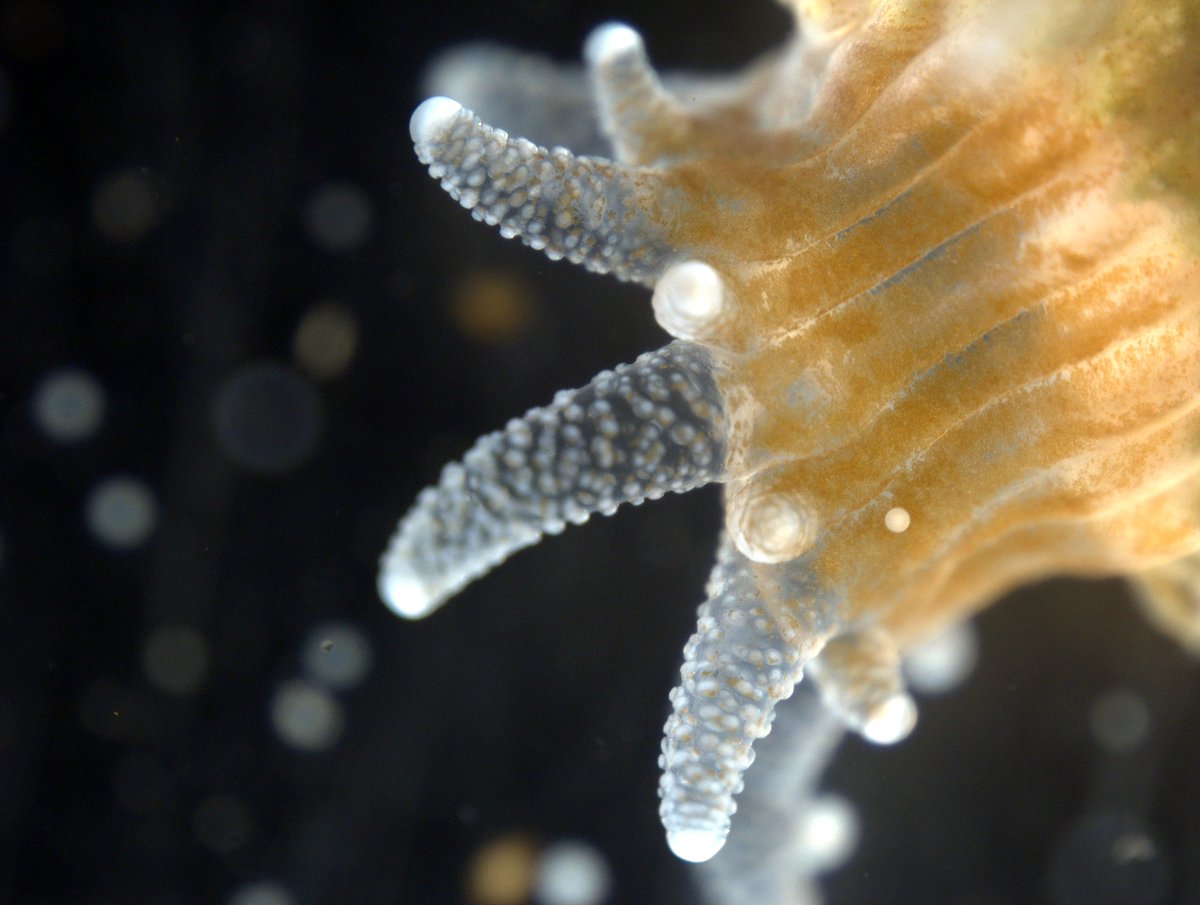
It's #MicroscopyMonday, so let's take a peek into the 🔬! Because of their clear tissues, Northern Star Coral (A. poculata) are also used to image critical events like bleaching.
More info and credit in alt-text.
10
36
3,326