Joined January 2010
- Tweets 1,091
- Following 214
- Followers 262
- Likes 63,468
160 Photos and videos




Jun 8
Jun 7

Play this to your children
Open the eyes that the education system is trying to close 🇬🇧❤️🇬🇧❤️
6
Carol Davies retweeted

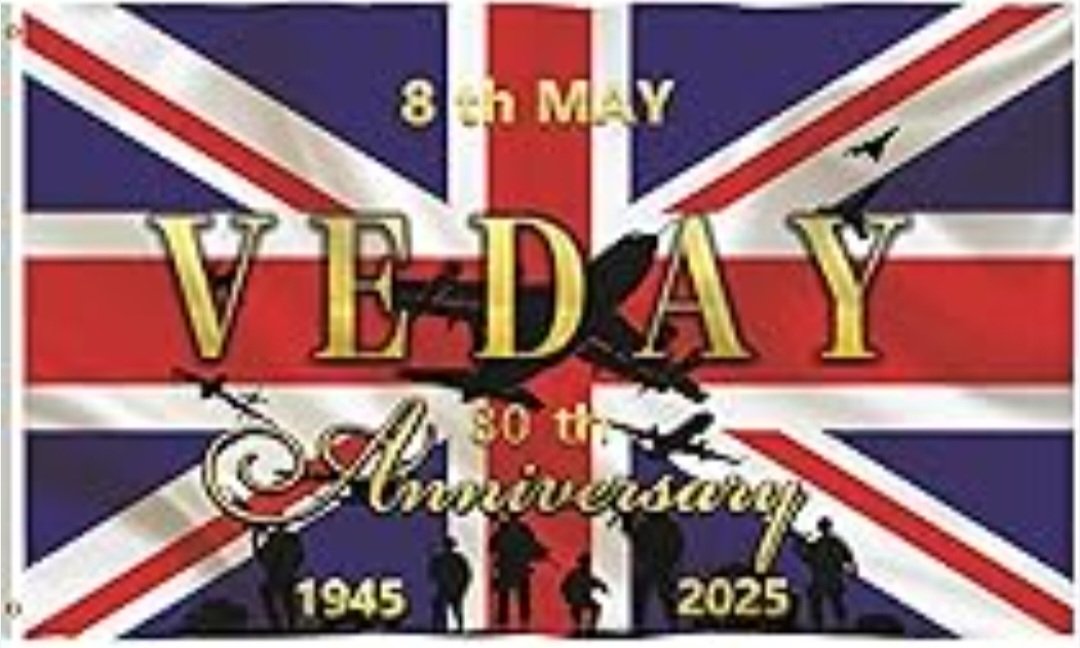
This VE Day and always, we will remember the generation that gave everything to restore freedom to Europe. #VEDay81
85
995
3,532
96,437
Carol Davies retweeted

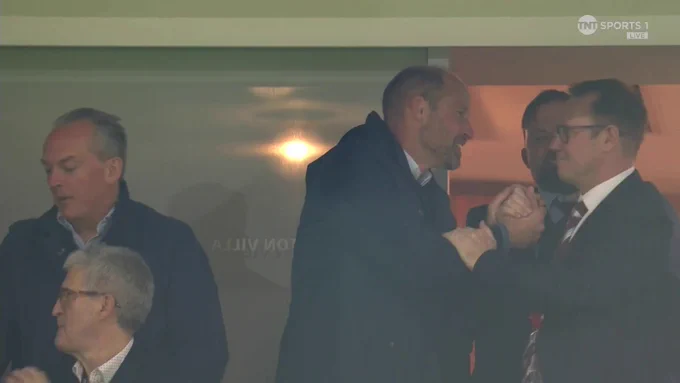
Aston Villa will play their first European final in 44 years 🔥
The Villans will meet Freiburg in the Europa League final 🤝
📺 TNT Sports and HBO Max
58
846
11,939
341,280
Carol Davies retweeted

PRINCE William was seen belting out Sweet Caroline and celebrating wildly as his beloved Aston Villa thumped Nottingham Forest to reach the Europa League final.
He’ll probably get into trouble that
55
113
2,136
62,960
Carol Davies retweeted
Prince William behind-the-scenes with Matty Cash and Lucas Digne 🤝
42
437
7,701
322,591
Carol Davies retweeted

Apr 29
🔥 EPIC! King Charles just gifted President Trump the BELL from the UK's HMS Trump, which was a WWII submarine
HMS Trump sank SEVERAL Japanese ships during the war
47 looks so excited 😂
CHARLES: "And should you ever need to get hold of us, just give us a ring!" 🤣🔔
897
5,571
52,792
1,831,584
Carol Davies retweeted

Apr 29
Im in tears. King Charles just gave President Trump a PERSONAL Gift. A Bell from the UK’s WWII Trump submarine
“Should you ever need to get hold of us, just give us a ring”
THIS IS SO EPIC 🔥
964
4,619
37,643
708,385
Carol Davies retweeted

Apr 23
Win a pair of hospitality tickets to Nottingham Forest v Aston Villa🎟️
We're proud sponsors of the @EuropaLeague and Aston Villa and we're giving away 3 pairs of 𝐡𝐨𝐬𝐩𝐢𝐭𝐚𝐥𝐢𝐭𝐲 𝐭𝐢𝐜𝐤𝐞𝐭𝐬 to the first semi final!
To Enter:
Follow @Betano_UK
RT this post
#AVFC

123
1,594
442
87,758
Carol Davies retweeted

Mar 26
So, as a doctor I can’t accept a plastic pen from a pharmaceutical company because it might influence my prescribing decisions, but MPs can accept thousands in cash from those who want to privatise the NHS and it won’t affect their decision-making??? CTFO
thenational.scot/news/259677…
412
9,680
24,875
394,159
Carol Davies retweeted

As a Bishop, I cannot stay silent. I have today drafted and sent an open letter to His Majesty King Charles III, the text of which reads as follows:
To:
His Majesty, Charles III,
King of the United Kingdom and the Realms,
Supreme Governor of the Church of England,
Bearer of the ancient title Defender of the Faith.
Your Majesty,
I write to you neither as a politician nor as a commentator, but as one of your loyal subjects who, as a bishop of Christ’s Church, cannot remain silent while the Christian foundations of this kingdom are steadily dismantled.
Sir, there are moments in the life of a nation when silence becomes a form of betrayal. If I refused to speak to Your Majesty now, this would be such a moment.
For more than a thousand years the Crown of this realm has stood in solemn covenant with the Christian faith.
The laws of this land were shaped by it.
The liberties of our people were nurtured by it.
The conscience of our civilisation was formed by it.
From the abbeys of medieval England to the parish churches of our villages, from the preaching of the Reformers to the missionary zeal that carried the Gospel to the ends of the earth, the Christian faith has not merely influenced Britain — it has defined her.
Yet today that inheritance is being quietly but deliberately eroded. Across the institutions of this nation there is a growing hostility toward the faith that built them.
Christian belief is mocked in the public square. Christian morality is dismissed as intolerance. Christian institutions are pressured to surrender doctrine in order to conform to the ideology of the age.
Within the very Church that bears the name of England, voices have arisen that appear more eager to mirror the spirit of the age than to proclaim the eternal truth of the Gospel.
Meanwhile, beyond the walls of our churches, powerful political movements openly speak of removing Christianity from its historic place within the life of this nation.
What would once have been whispered is now proclaimed openly: that Britain must become a post-Christian state.
It is in this context that I write to you, Your Majesty. For the British Crown does not stand apart from this crisis.
The Sovereign of this realm bears a title that is not merely historic but sacred in its origin and meaning: Defender of the Faith. Those words are not decorative. They are a charge.
They speak of a monarch whose duty is not merely to preside over the ceremonies of the Church, but to stand as a guardian of the Christian inheritance of the nation.
Yet many among your subjects now ask, with increasing anxiety: “Who will defend that inheritance today?”
They see a nation drifting from its foundations. And they ask whether the Crown will remain silent while that inheritance is dismantled.
Your Majesty, may I be so bold as to observe that your coronation oath was not a poetic formality. It was a solemn vow made before Almighty God to maintain and preserve the Protestant Reformed Religion established by law.
Those words bind the conscience of the sovereign. They remind the Crown that its authority is not merely constitutional but moral. The monarch is not merely a symbol of national continuity, but a custodian of the spiritual inheritance that shaped this realm.
History records moments when kings and emperors were confronted by the Church and reminded that their authority was accountable before God. In the fourth century Ambrose of Milan stood before the Emperor Theodosius I and reminded him that even the ruler of an empire must bow before the moral law of Christ.
That tradition of prophetic witness has never disappeared. Nor should it. For when rulers forget the foundations upon which their authority rests, the Church must speak — not with hostility, but with holy clarity.
And so, I write to say this, Your Majesty: The Christian character of this nation is under profound and accelerating assault.
If the Crown does not stand visibly and courageously in defence of that inheritance, history will record that the guardians of Britain’s institutions watched in silence as the foundations were removed.
The issue before us is not nostalgia. It is civilisation. Remove Christianity from the story of Britain and you do not create a neutral society — you create a moral vacuum. And history teaches us that moral vacuums are never left empty for long.
Your Majesty now stands at a crossroads that few monarchs in modern history have faced.
For the erosion of Britain’s Christian inheritance will not ultimately be judged by speeches made in Parliament or debates in the press. It will be judged by whether those entrusted with the guardianship of our ancient institutions chose to defend them — or merely preside over their quiet surrender.
You may preside over the quiet dissolution of Britain’s Christian identity. Or you may rise to the ancient responsibility entrusted to the Crown and speak with clarity about the faith that built this kingdom. The first path requires little courage. The second will require a great deal. But it is the path that history honours.
Your Majesty’s subjects are not asking for religious coercion. They are asking for leadership. They are asking that the sovereign who bears the title Defender of the Faith remember what that title means.
They are asking that the Crown hear the growing cry of anguish from Christians across this land who feel that the spiritual inheritance of their nation is being surrendered without resistance. And they are asking whether the Crown will stand with them.
For the faith that shaped Britain is not merely a cultural ornament. It is the wellspring from which our laws, our liberties, and our moral imagination have flowed. If it is cast aside, the nation will discover — too late — that it has severed itself from the very roots that sustained it.
Your Majesty, to many the Crown is a symbol of authority. But before God it is also a symbol of stewardship. And stewardship carries with it the duty to defend what has been entrusted.
May Almighty God grant Your Majesty the wisdom to discern this hour, and the courage to fulfil the sacred duty entrusted to the Crown.
Yours faithfully,
Bishop Ceirion H. Dewar FSHC
Missionary Bishop
Diocese of Providence
Confessing Anglican Church
@PhilHs10 @RevBrettMurphy @revwickland @BishopRobert1 @GBNews @TalkTV @danwootton @Jacob_Rees_Mogg @LozzaFox @BackBrexitBen @RupertLowe10 @KemiBadenoch @JohnCleese
5,502
18,409
59,182
2,222,913
Carol Davies retweeted

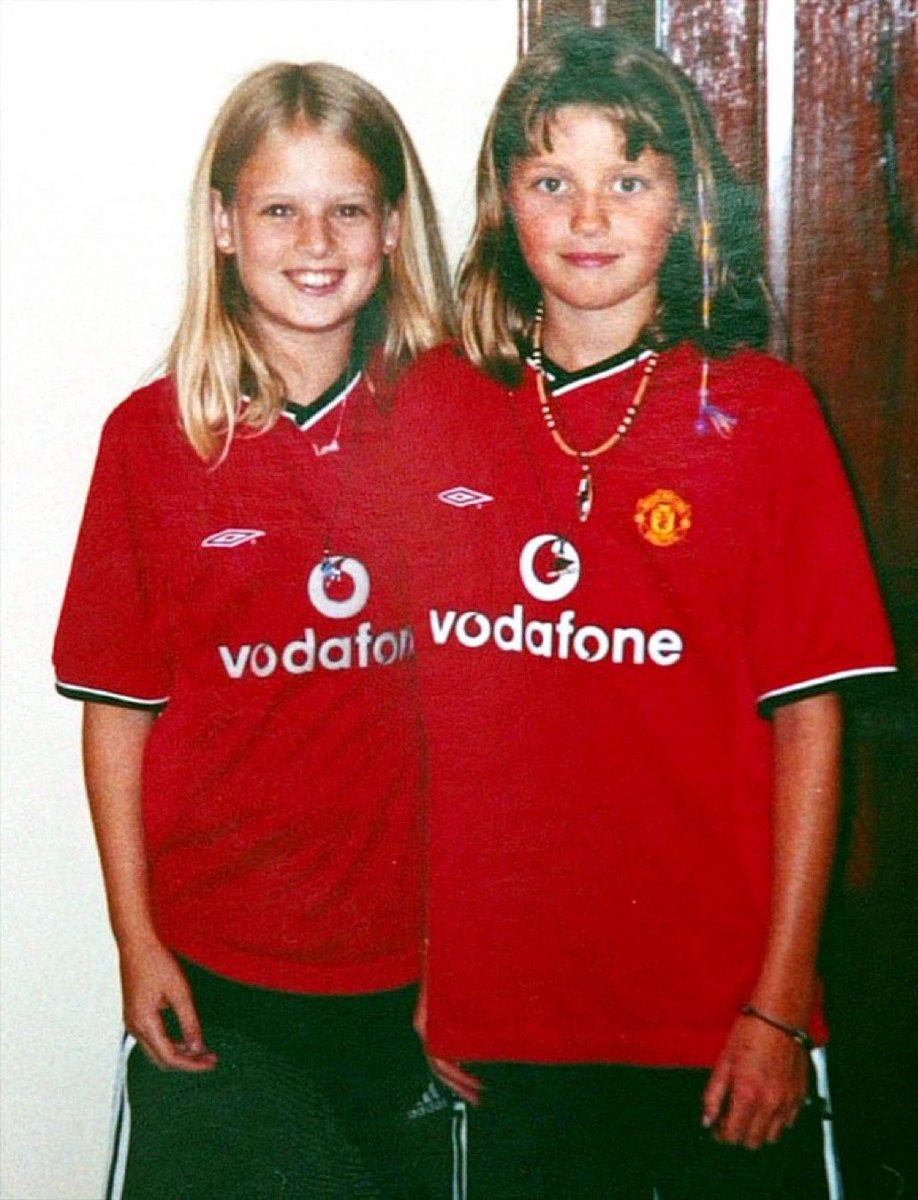
The only names that matter.
RIP Holly Wells and Jessica Chapman. 😢🇬🇧
15
148
1,515
13,502
Carol Davies retweeted

Jan 21
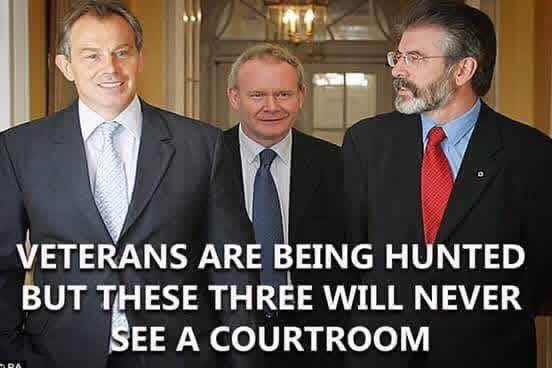
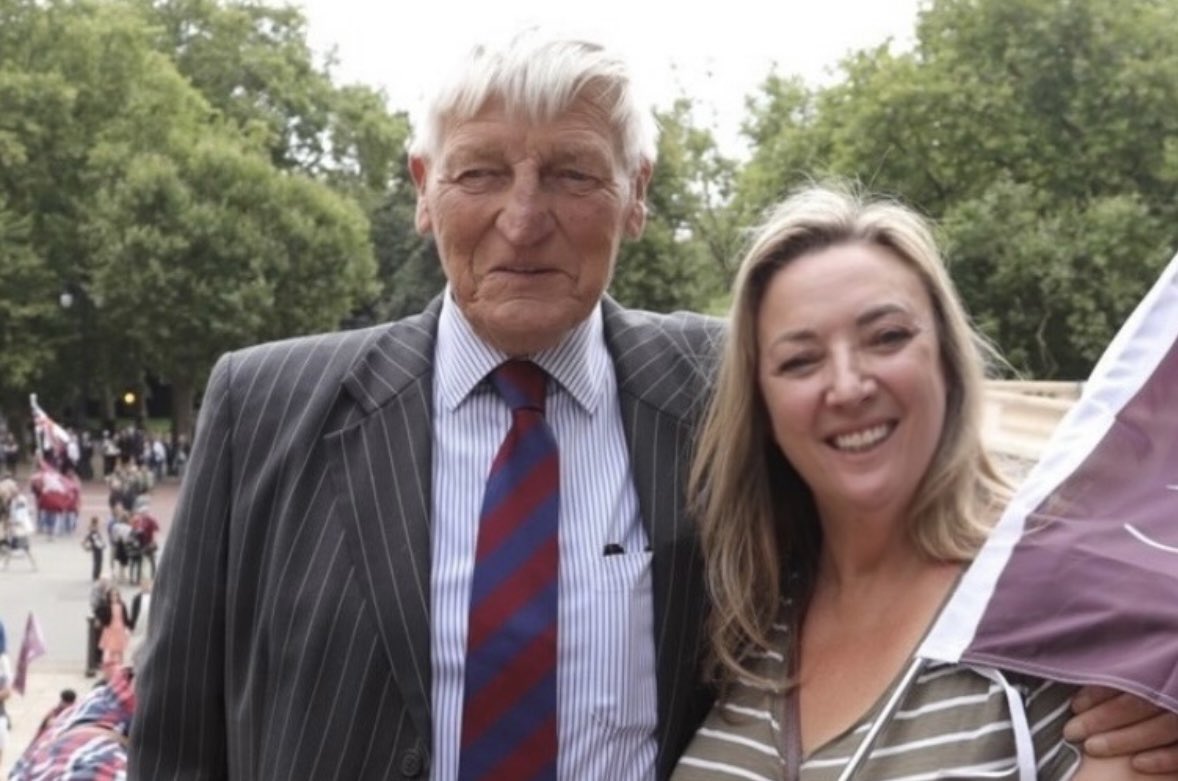
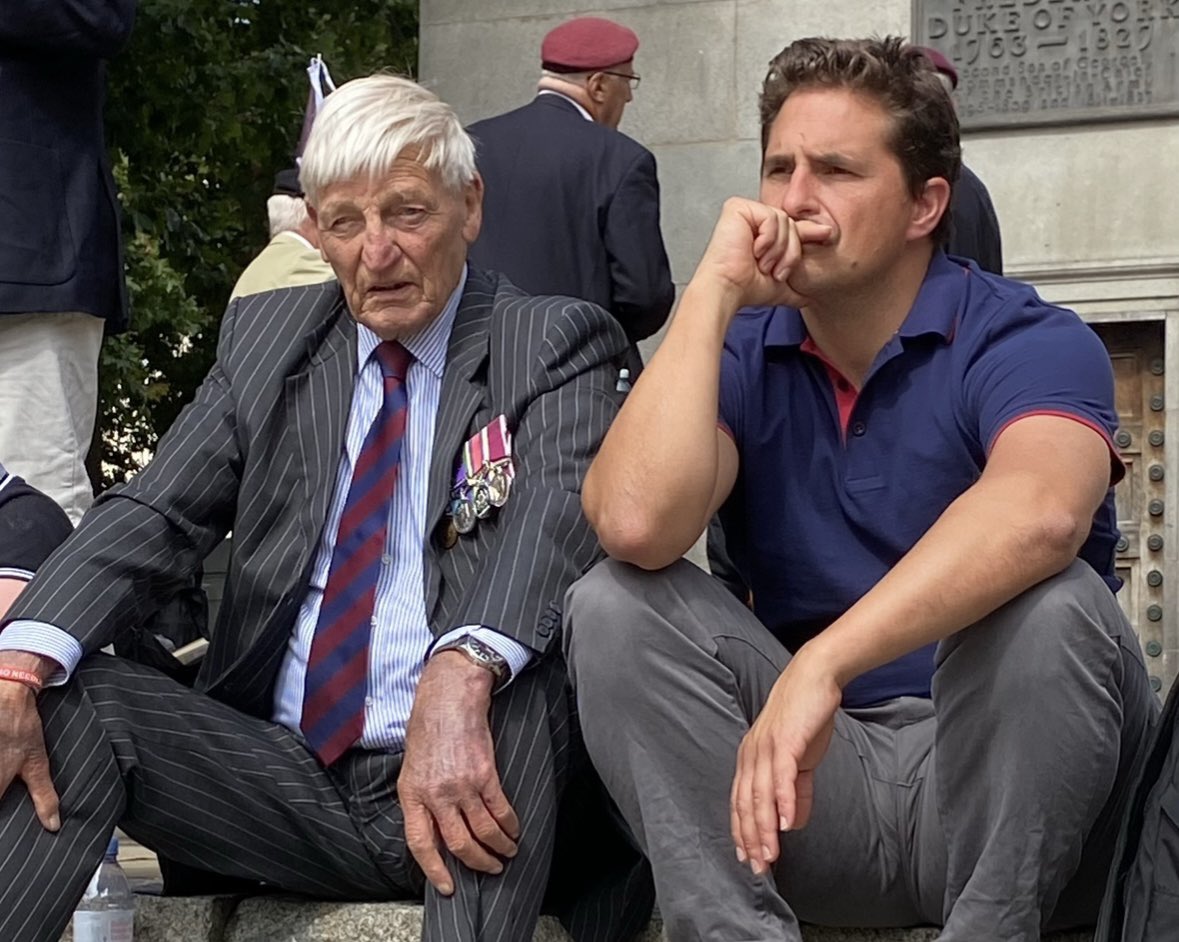
I'm beyond furious 🤬 I’m seething with rage that boils over into pure heartbreak. 💔 My dear friend Dennis Hutchings, a true hero who served 26 years in the British Army including the Life Guards, was hounded to his death by this cruel system. In 2021, at 80 years old, already battling terminal kidney failure, heart disease, and on dialysis, he was dragged to Belfast Crown Court to defend his name over a 1974 incident during the Troubles. Just three days into the trial, he contracted Covid-19, and the stress and ordeal contributed to his death in the Mater Hospital. His lawyer said plainly, he would still be alive today if he hadn't been forced to endure that prosecution. Dennis died fighting to clear his name, while the very government he served turned its back on him.
And now, on January 21, 2026, these same MPs had the gall to vote 373 to 106 to scrap conditional immunity in the Northern Ireland Legacy Act, ripping open the door for more elderly veterans, men like Dennis, to be persecuted decades later for doing their duty! 🤬
At the exact same time, the Armed Forces Bill, introduced just last week, raises the recall age for veterans in the Strategic Reserve from 55 to 65, so they can be yanked back into service for "warlike preparations" amid global threats. Refuse without a valid excuse? You're treated as AWOL or a deserter under the Reserve Forces Act 1996 and Armed Forces Act 2006: arrest, court-martial, fines over £5,000, or up to 2 years in prison (or worse in extreme cases).
Prosecute them to death for the past, like they did to my friend Dennis, then threaten to jail them if they won't fight again in the future? This is not just hypocrisy, it's a vicious, blood-boiling betrayal of the men who gave everything for this country. Dennis deserved honour, peace in his final years, and justice, not a courtroom and a hospital bed as his reward!
How dare they? Our veterans are not disposable. They are heroes. This ends now, or we shame ourselves forever.
Rest in peace, Dennis 🙏 you fought the good fight to the end. 😞 We won't forget, and we won't forgive this outrage! 🤬🇬🇧
@GBNEWS @PatrickChristys @MartinDaubney @MichelleDewbs
@VoWSilla @VoWalesOfficial @StanVoWales @antmiddleton
#JusticeForDennis #SupportOurVeterans #EndTheWitchHunt #UKBetrayal
698
3,074
9,712
219,910
Carol Davies retweeted

Jan 21
Writing in the Telegraph, Kate Hoey is right to warn that Labour is about to unleash lawfare on Britain's veterans. What she exposes is not a technical dispute over legacy legislation, but a deeper collapse of state responsibility. In revisiting the past, the government is repudiating its own authority and offering up those who served it as payment.
Under Keir Starmer, Britain has chosen to subordinate its judgement to an external legal order and call the result justice. The gutting of the Legacy Act was not forced upon this country. It was a political decision, taken willingly, to abandon a domestic settlement designed to end endless legal pursuit and replace it with permanent uncertainty for those who wore the uniform.
The most revealing point in Hoey's article is the one ministers prefer to skate past. International law does not override domestic law. Parliament could have stood its ground. The appeal against the Northern Ireland ruling could have been pursued. Instead, on the advice of Richard Hermer, the government folded at the first legal challenge and recast surrender as moral seriousness.
This is where the rot sets in. The state is no longer defending its own framework for resolving conflict. It is deferring to the ECHR while insisting its hands are tied. They are not tied. They are withdrawn.
The asymmetry that follows is brutal. Terrorists destroyed evidence, stayed silent, or were rewarded with letters assuring them they would not be pursued. Soldiers kept records, gave statements, and remained traceable. Decades later, only one group remains available for scrutiny. Not because they are more culpable, but because they are still reachable.
This is why the process itself becomes punishment. Endless inquests, reopened cases, civil claims, reputational ruin, all without realistic prospect of conviction. The system knows this. It is not seeking outcomes. It is sustaining motion. Law as industry rather than justice.
Hoey is right to point out the scale of the cost. Billions spent, more to come, with no serious assessment of value or truth produced. What remains undisclosed is how much of this money ends up in legal fees and settlements, and how little reaches victims.
The government's language about truth rings hollow. The IRA kept no archives. Witnesses are dead. Evidence is gone. What remains is narrative, shaped by lawyers and politics. Truth becomes something asserted rather than discovered. Veterans are expected to defend split-second decisions made under fire half a century ago, while those who waged terror face no such reckoning.
The most damning detail of all concerns Gerry Adams. A judge ruled that denying him compensation breached his rights. That finding was removed from the remedial order to avoid public backlash, while ministers know full well he can now take the case to Strasbourg and likely win. Terrorist leaders are insulated quietly. Veterans are exposed publicly.
That contrast tells you everything about priorities. The law bends upward and strikes downward. The state protects itself by sacrificing those with the least power to resist.
What is dressed up as reconciliation is, in reality, bureaucratic self-preservation. Officials shield past decisions by keeping their own failures opaque and redirecting scrutiny onto ageing soldiers who acted under orders in a war the state itself fought.
A serious country does not behave this way. It confronts institutional mistakes at the level they were made. It does not outsource blame to those who carried rifles while others drafted policy.
Kate Hoey has done the country a service by stating plainly what this policy means. Britain is choosing lawfare over loyalty, process over responsibility, and foreign judgement over its own. A state that will not defend those who acted in its name is not correcting history. It is surrendering to it.
"The most damning detail of all concerns Gerry Adams. A judge ruled that denying him compensation breached his rights."
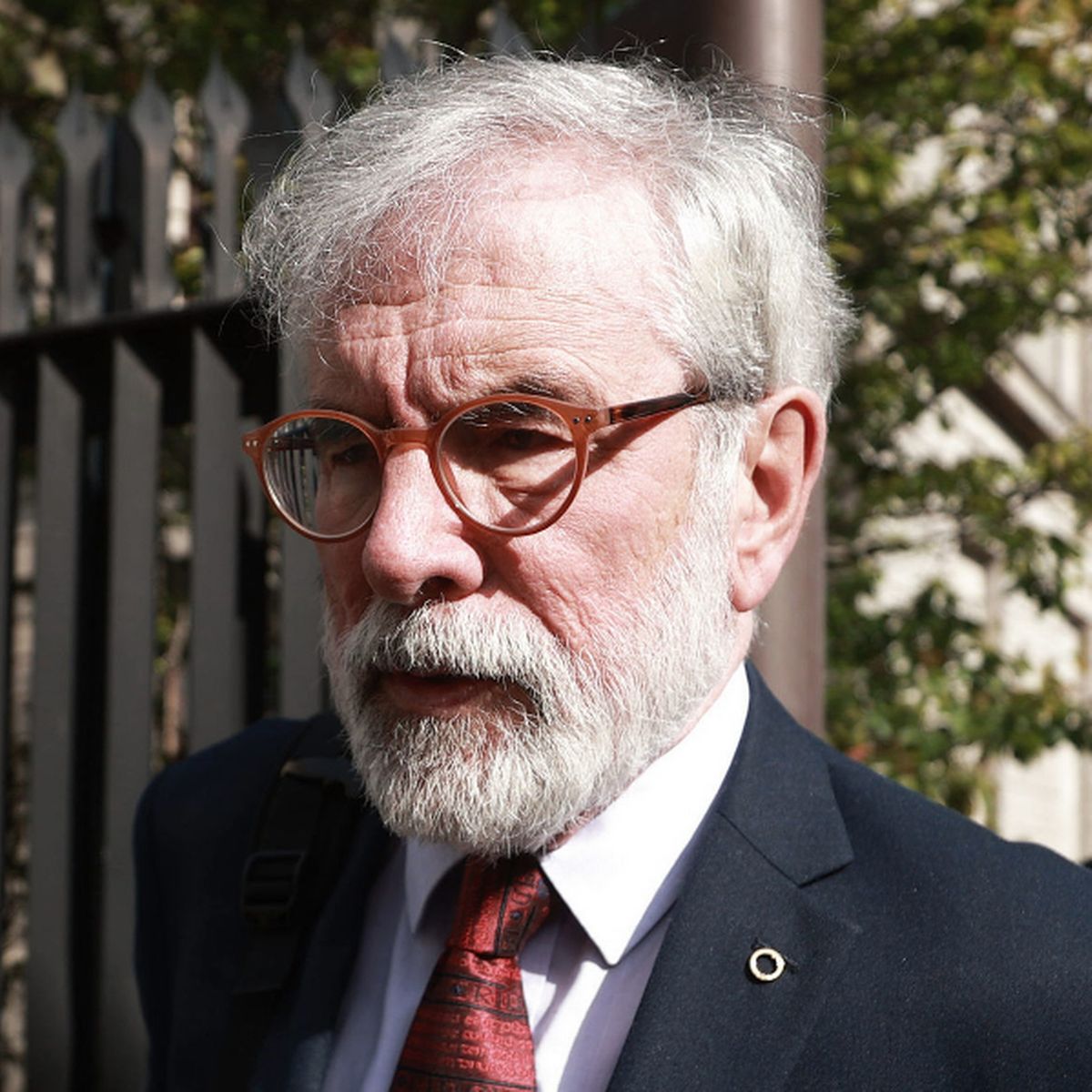
ALT Gerry Adams
200
961
2,613
68,642
Carol Davies retweeted

31 Dec 2025
You getting ready for 2026?
Happy new year to all you beautiful people may next year bring you good luck and happiness
Lang may yer lum reek
91
1,475
8,005
74,796
Carol Davies retweeted

18 Nov 2025
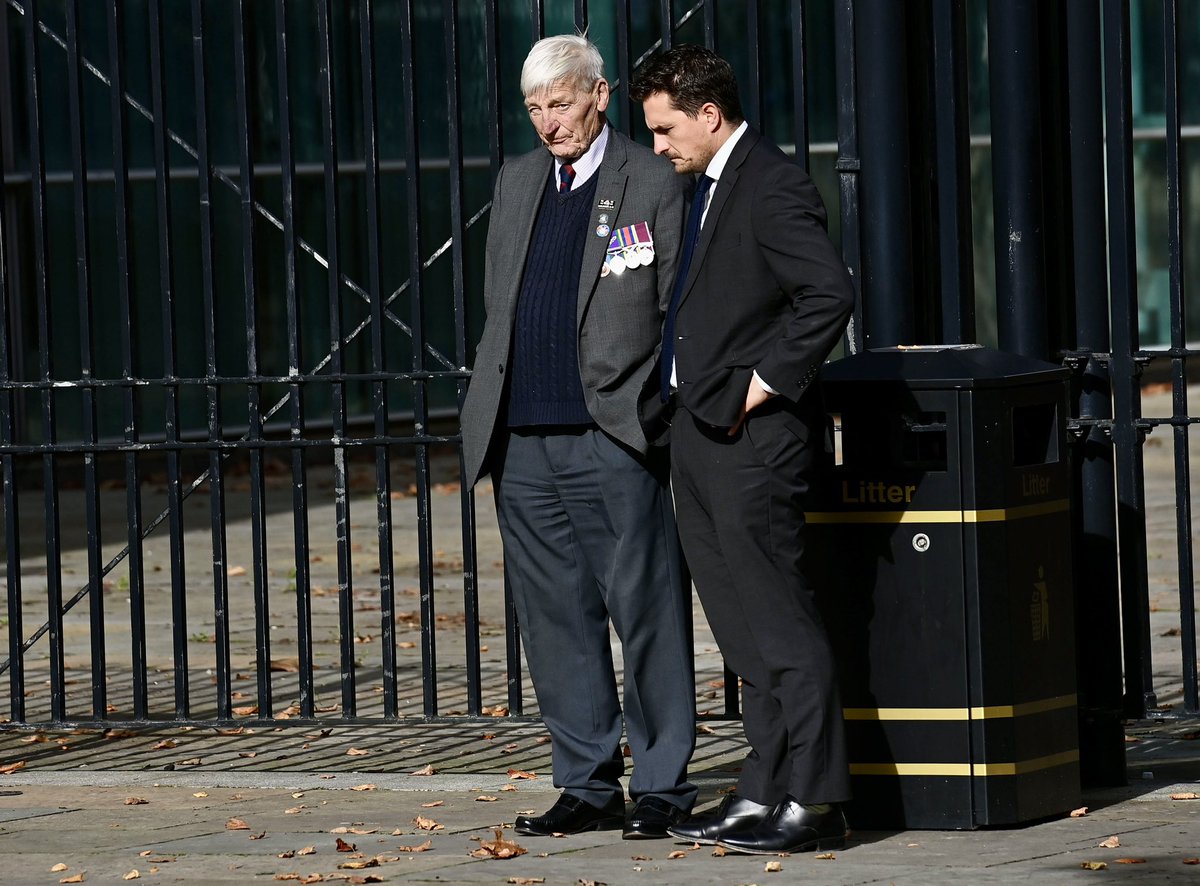
I made a lot of mistakes in public life. But I could never be accused of being unclear as to who I was in it for.
It is heartbreaking to see years of campaigning, awful experiences and finally - changing the law in the Legacy Act of 2023, being casually torn up by this Government with today’s Troubles Bill.
Being a Minister meant nothing to me if veterans like Dennis Hutchings didn’t feel I was there for them. I resigned, went to court in Belfast to support him and others, and we eventually changed the law (it wasn’t easy).
Those now in the arena must answer to their integrity.
“What did you do to make things better for veterans traditionally shafted by their Government?”
“Restarted prosecutions of Northern Ireland veterans.”
💔
271
716
3,798
190,746
Carol Davies retweeted

4 Nov 2025
Written by a fellow veteran and good friend of mine. I have his permission to redeploy it.
"I'm quite proud of this one.
A soldier doesn't want to go to war, but does it anyway,
He does it for those he loves and hopes to see the break of day.
He dreams of home, hot cups of tea and fires that are aglow,
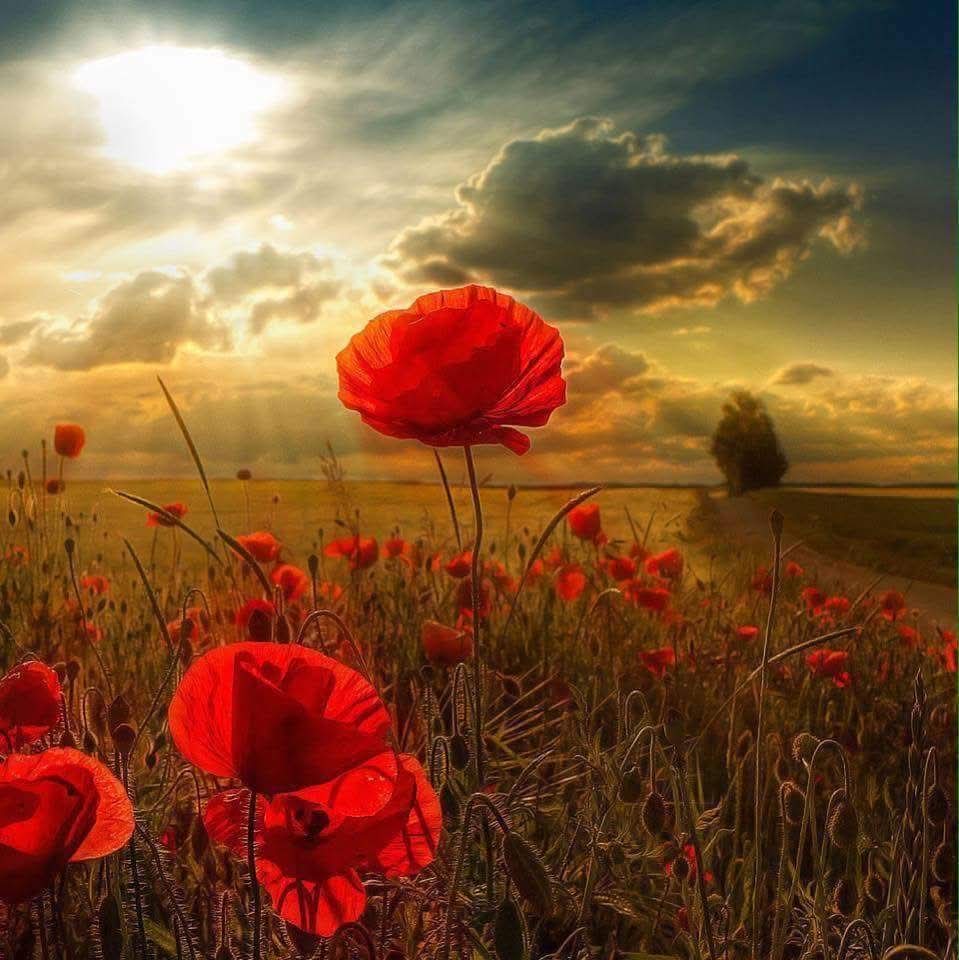
And when the guns fall silent, in the wind, the poppies blow.
He hates not what is in front of him but loves what's left behind,
So when his call to arms arrived on the dotted line he signed.
His mind drifts back to summer fields where peaceful rivers flow,
And when the battles roar is stilled, the poppies gently blow.
So many didn't make it home, their blood for freedom spent,
Praying heaven's grace upon them as through dark nights they went.
I hope they walked once more on England's pastures, green and true,
And when the guns at last fell still, the poppies gently blew."
©️ Keith Lawson.
49
320
1,210
15,203