Physician Scientist, Nephrologist. Interests: #AKI, #Uromodulin, Multiplex imaging & Spatial analytics, Immune mediated kidney injury. Investigator @KPMProject
Joined May 2017
- Tweets 723
- Following 496
- Followers 652
- Likes 1,344
73 Photos and videos

Pinned Tweet

19 Jul 2023
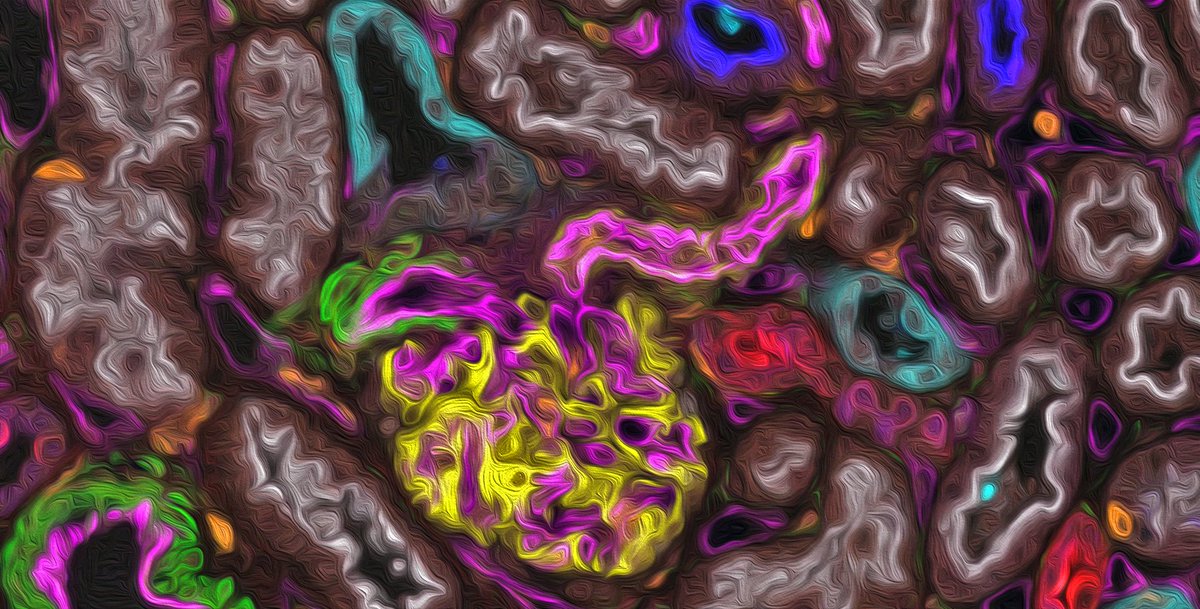
Happy to contribute along with many other colleagues to the 2 Kidney papers bridging @KPMProject and @_hubmap that are just out today in @Nature and @NatureComms :
nature.com/articles/s41586-0…
nature.com/articles/s41467-0…
6
22
88
12,125
Tarek M. Ashkar (El-Achkar) retweeted

Mar 25
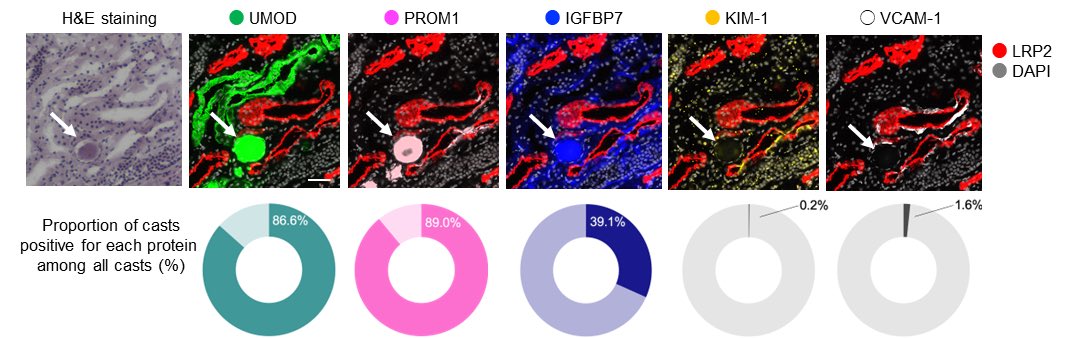
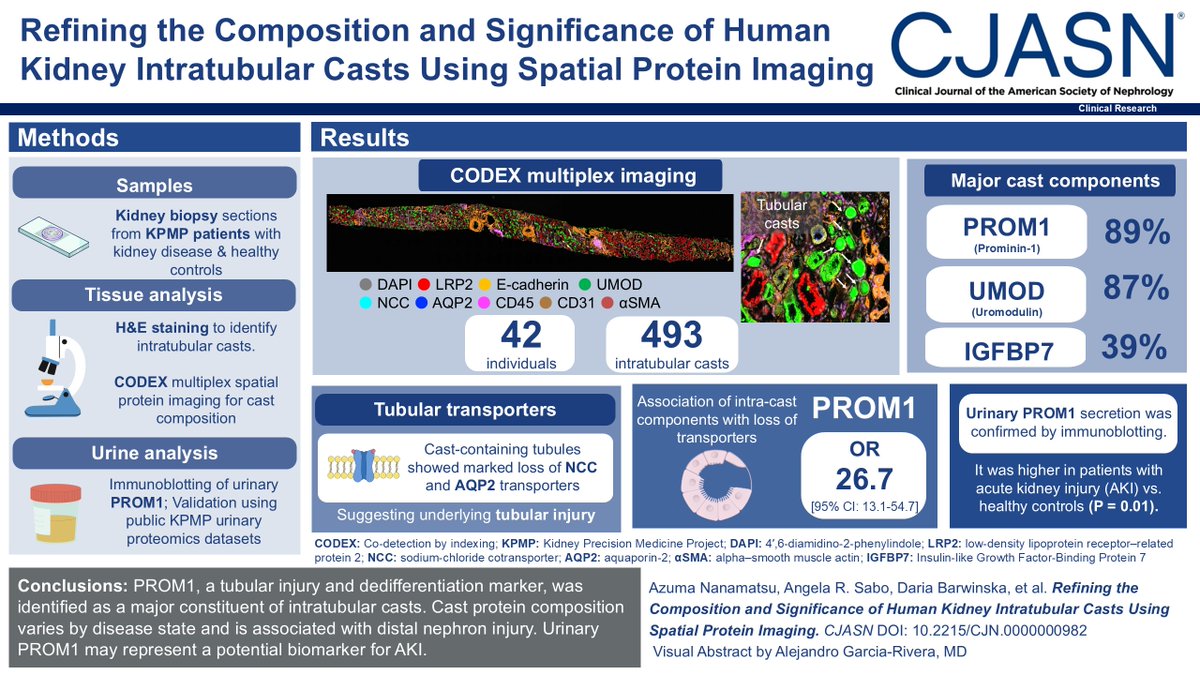
Kidney casts contain high levels of PROM1, a marker linked to cell damage and dedifferentiation based upon new #ASNCJASN study. kidney.pub/CJASN0982
7
18
1,139
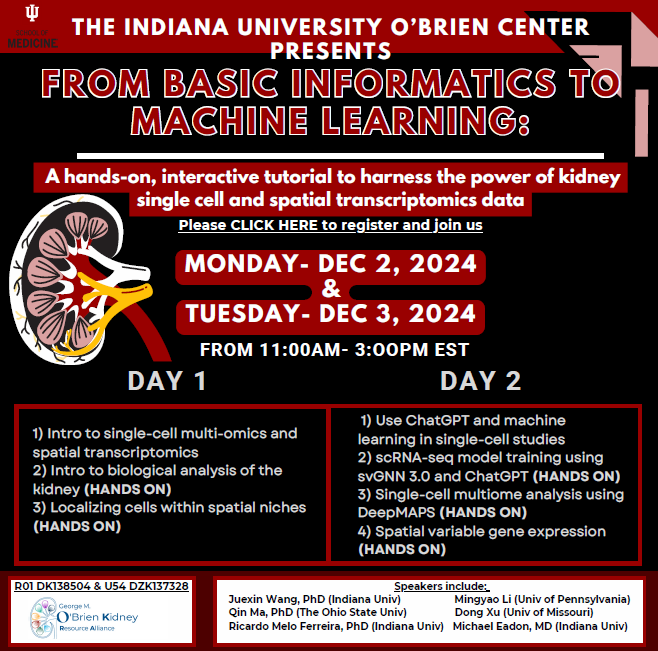
Registration link
iu.zoom.us/webinar/register/…
Preliminary agenda
nam12.safelinks.protection.o…

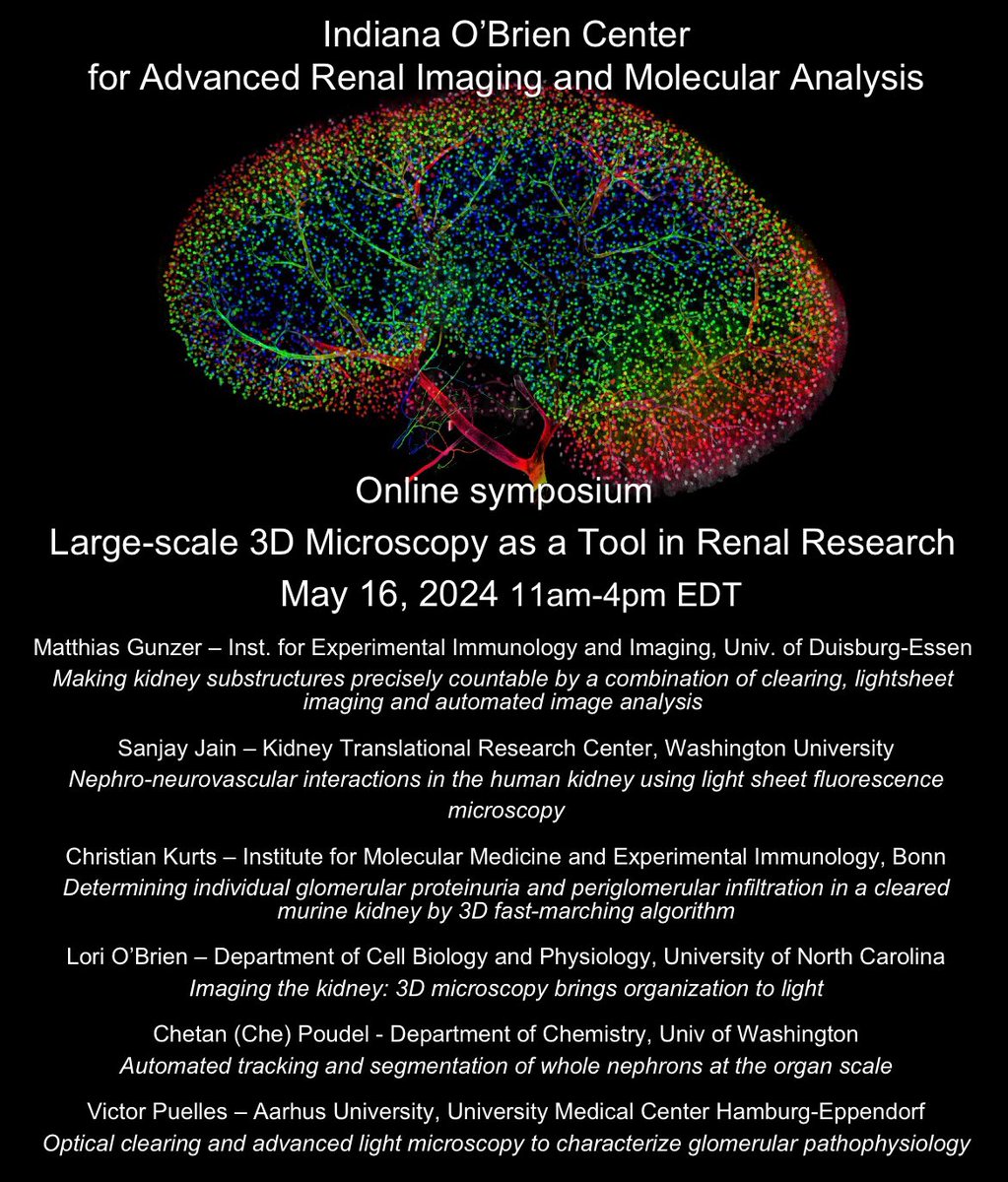
Save the Dates: May 20 & 21, 2026
The Indiana O’Brien Center for Advanced Renal Microscopy will host a virtual workshop on Spatial Protein Imaging. Details coming soon on the program and registration (free). Stay tuned!!
1
142
Save the Dates: May 20 & 21, 2026
The Indiana O’Brien Center for Advanced Renal Microscopy will host a virtual workshop on Spatial Protein Imaging. Details coming soon on the program and registration (free). Stay tuned!!
1
3
6
405
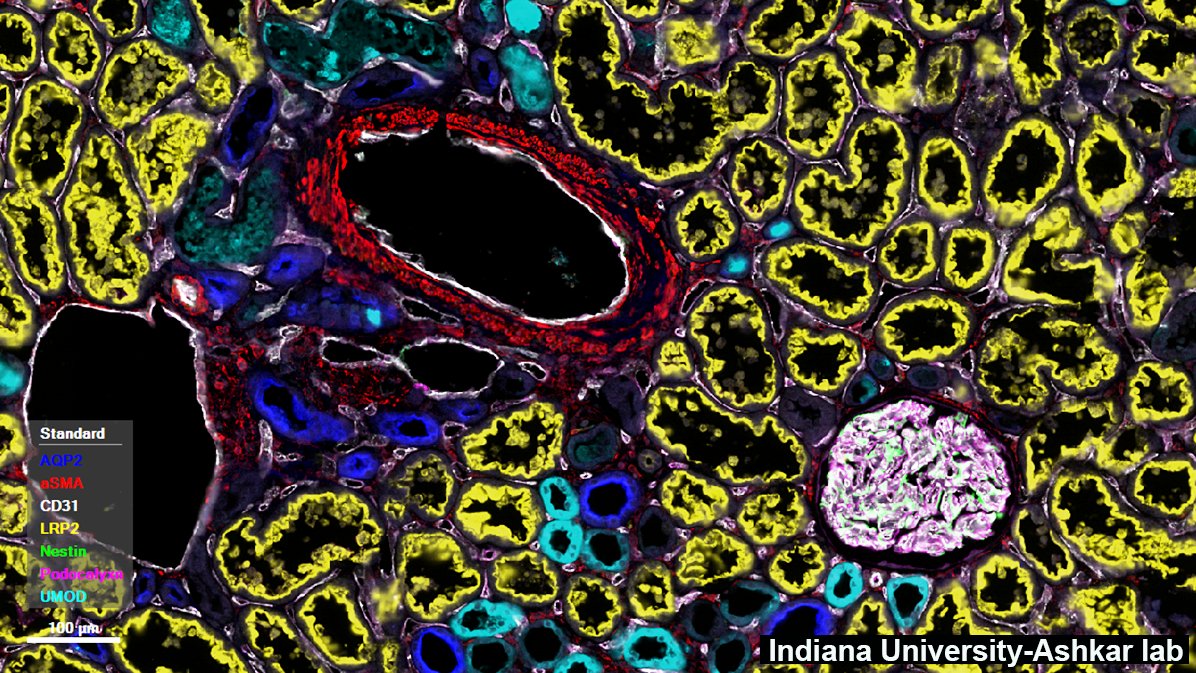
What proteins do kidney tubular casts contain? More than what you think but with notable absences. New in CJASN journals.lww.com/cjasn/abstr…
1
3
12
832
The secret of youth: posting a profile picture on the university website. Diamonds are forever.
3
320
11 Dec 2025
Times have changed. Reviewing papers stopped being predominantly a duty and an academic privilege, to also becoming an integral part of a multi-billion dollar publishing industry. Compensate reviewers? Any other examples of industry sustained by free work?
2
168
25 Nov 2025
The Role of the Vascular Niche in Regulating Kidney Tubulo-Interstitial Fibrosis - Kidney International kidney-international.org/art…
1
1
11
694
9 Oct 2025
This perspective in @asnpublications CJASN discusses the importance of spatial biology in studying kidney disease and the translational implications to identify therapeutic targets and biomarkers. journals.lww.com/cjasn/citat…
1
4
345
3 Oct 2025
Happy to contribute to this superb work!
3 Oct 2025

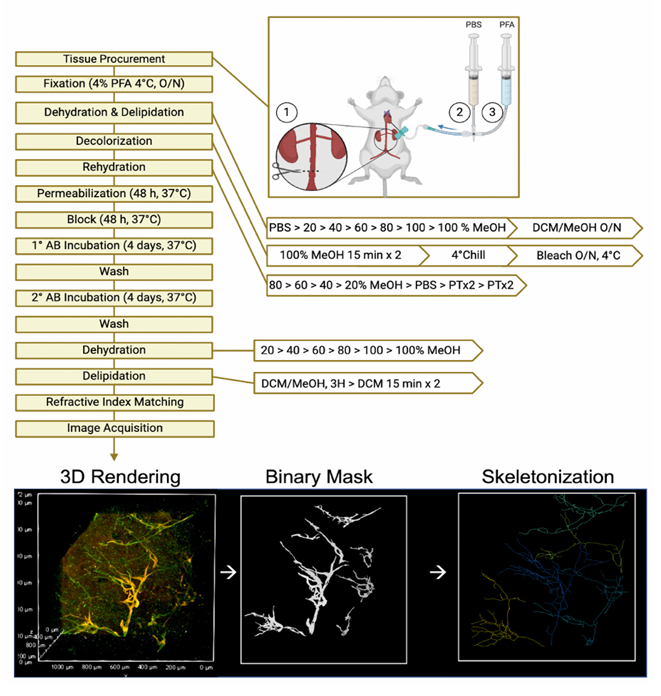
The lymphatic system has historically been understudied due to the difficulty of distinguishing it from the blood vasculature. This #ASNKidney360 paper's authors optimized an antibody-based method for imaging hard-to-visualize adult murine kidney lymphatics. Read more: kidney.pub/KID0919
2
9
983
27 Sep 2025
Linking histology with Omics. Happy to contribute to this work that offers a really nice tool. @_hubmap nature.com/articles/s41467-0…
3
7
446
19 Aug 2025
Kudos to all the team @IUKidney and all the collaborators and especially the participant heroes from @KPMProject who made this work possible
19 Aug 2025

Kidney diseases are a leading cause of death in the U.S. They affect 14% of adults, often without knowing it. IU researchers are mapping kidney cell types to improve diagnosis and open the door to more precise therapies.
bit.ly/47HwKHE
1
1
6
478
15 Aug 2025
Our latest in @ScienceAdvances from a large collaboration through @KPMProject . We characterize a population of PTs in human kidney that express the regenerative marker THY1. THY1 PTs are lost in kidney disease science.org/doi/10.1126/scia…
1
1
10
433
15 Aug 2025
Loss of THY1 and increase in PROM1 PTs may be indicative of disease progression and can help stage kidney disease
Harnessing Spatial Biology- Protein and RNA
1
2
176

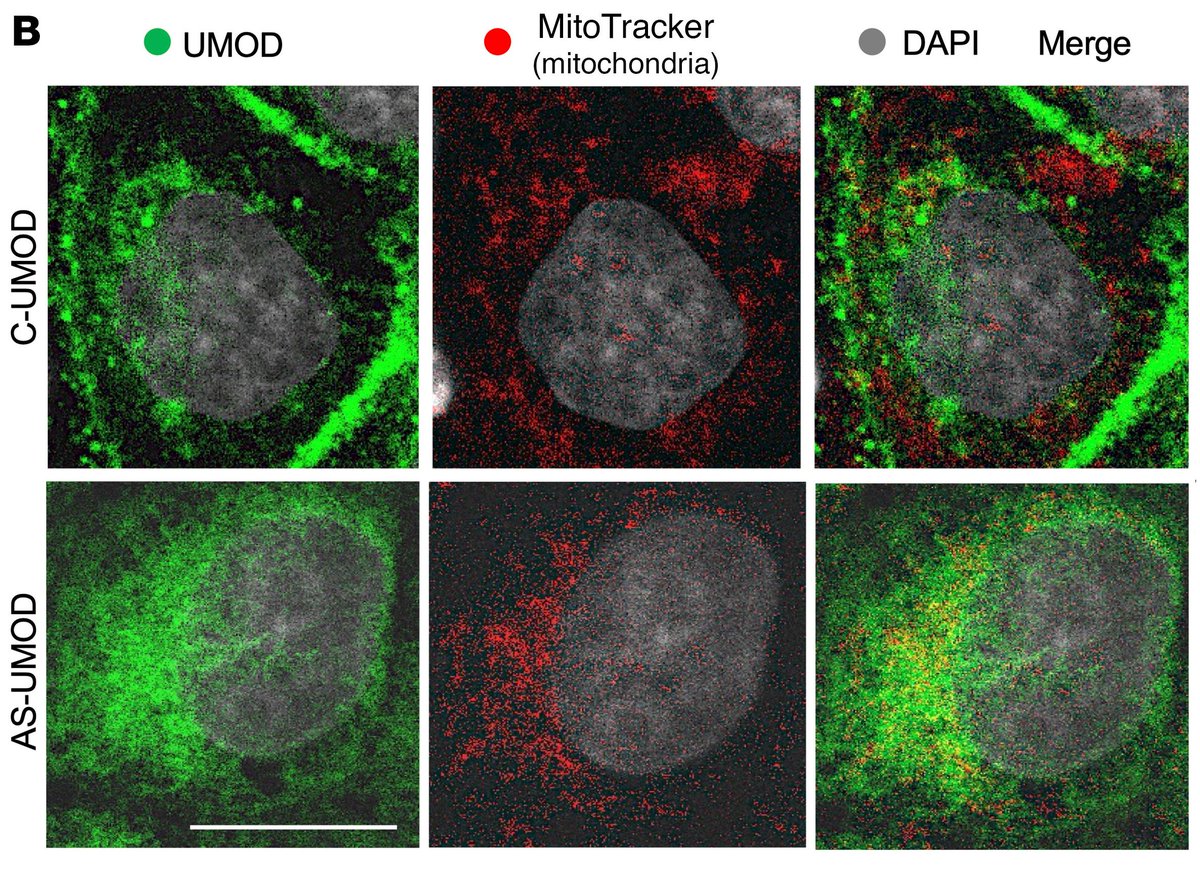
Kidney cells can protect themselves during injury, but the mechanisms were unclear.
ASCI member Tarek M. El-Achkar @AshkarLab & team @IUMedSchool now show that oxidative stress induces an isoform of uromodulin that re-routes to the mitochondria to enhance energy production.
View paper: jci.org/articles/view/183343
1
2
458
19 Jun 2025
Very nice excited to see this work published and also the super well done editorial by @Vishal_D_Patel
19 Jun 2025

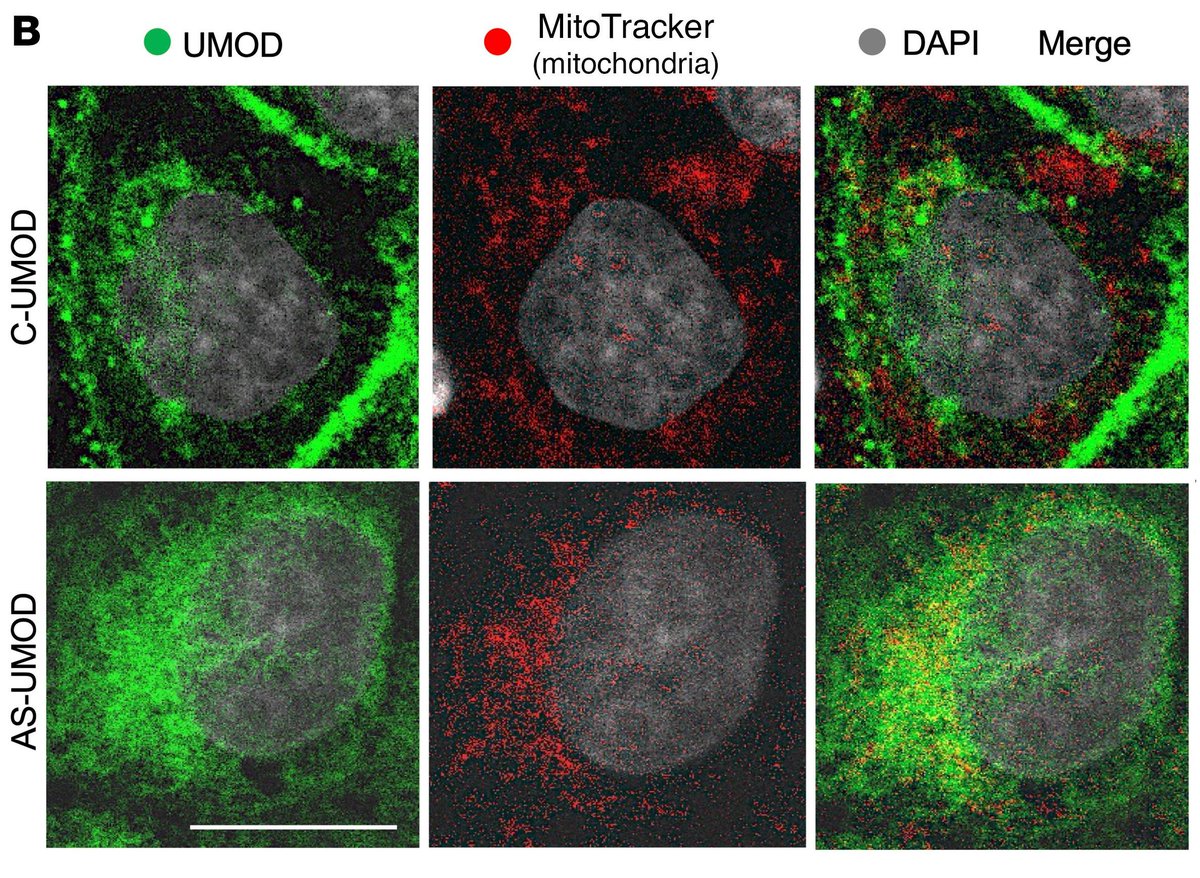
Kidney cells can protect themselves during injury, but the mechanisms were unclear.
@AshkarLab & team @IUMedSchool now show oxidative stress induces an isoform of uromodulin that re-routes to the mitochondria to enhance energy production.
View paper: jci.org/articles/view/183343
1
13
462
15 Apr 2025
Looking forward to this tomorrow!
14 Apr 2025

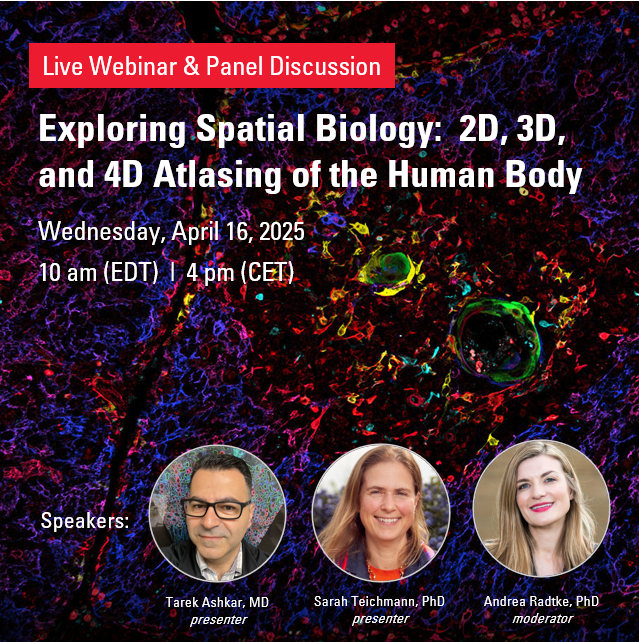
How do trillions of cells work together to form & maintain the human body? @AshkarLab & @sarahteichmann1 will guide you through 3D & 4D spatial imaging, uncovering how organs function, develop, & respond to disease. Join the discussion! fcld.ly/hyh0vuq #CellMapCrew
3
8
831
8 Apr 2025
Happy to share this work in @jclinicalinvest led by superstar Azuma Nanamatsu. We found a splice variant of Uromodulin directed intracellularly to mitochondria to enhance energy metabolism and protect TAL cells from injury.
jci.org/articles/view/183343
3
5
14
2,430
8 Apr 2025
Splice switching antisense oligonucleotide that enhance this splice Uromodulin variant can improve the course of acute kidney injury. Many thanks to all collaborators @IUKidney @KPMProject
1
159