
Joined September 2016
- Tweets 9,908
- Following 888
- Followers 949
- Likes 13,177
1,269 Photos and videos






Pinned Tweet

24 Oct 2024
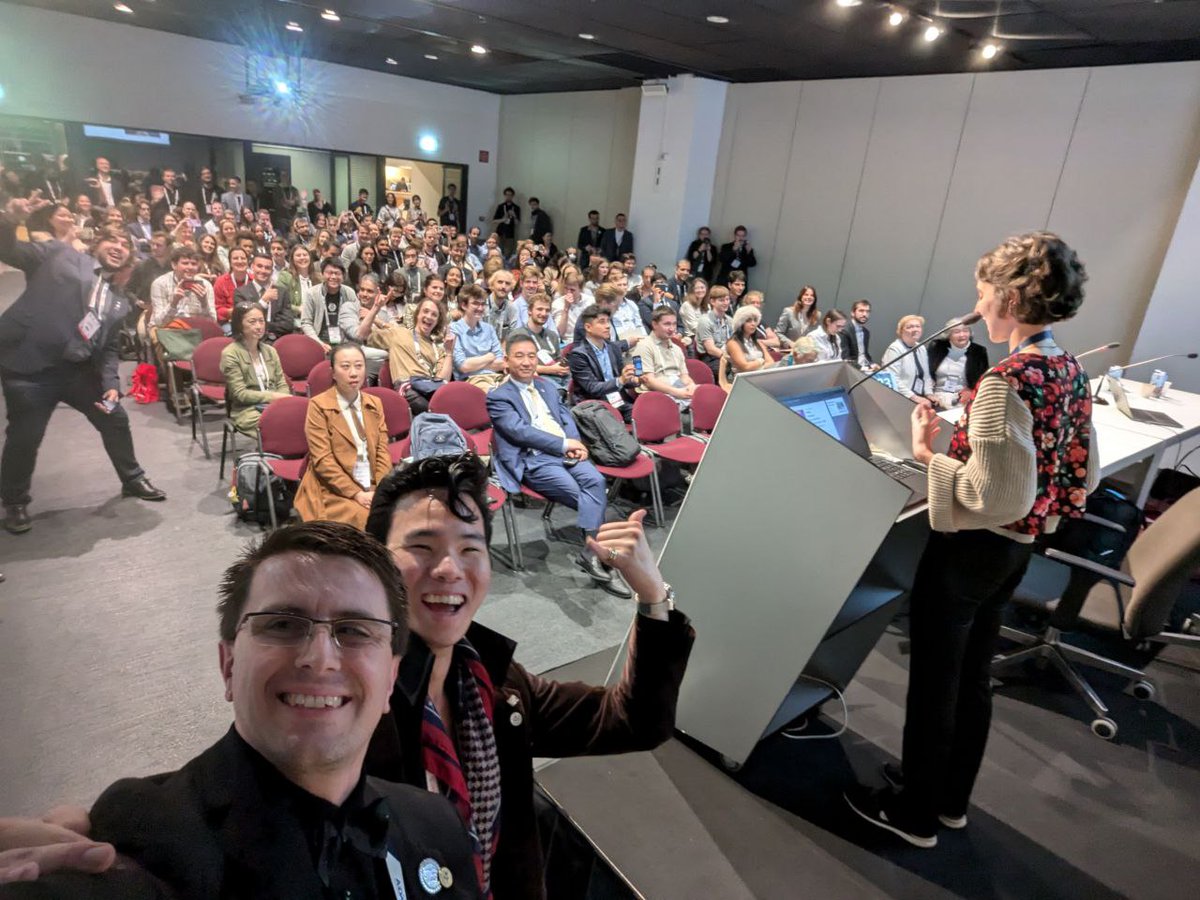
.@IAC2024 was a blast. Our first non-technical paper ever titled: "STEM: Science, Technology, Engineering and Memes – mostly memes" lead to a full room and many laughs. Find about how to use memes effectively for comm&outreach: researchgate.net/publication… #STEM #IAC2024 #Memes
1
1
5
477
Manfred Ehresmann retweeted

Jun 14
A plumber knows more about plumbing than you.
A pilot knows more about flying than you.
A scientist usually knows more about science than you.
That doesn’t make them automatically right.
But it does mean the burden of proof is on the person claiming thousands of experts got it wrong.
Science isn’t a democracy.
It’s not decided by likes, vibes, or confidence.
It’s decided by evidence.
And evidence doesn’t care who wins the argument.
382
534
2,680
58,948
Manfred Ehresmann retweeted

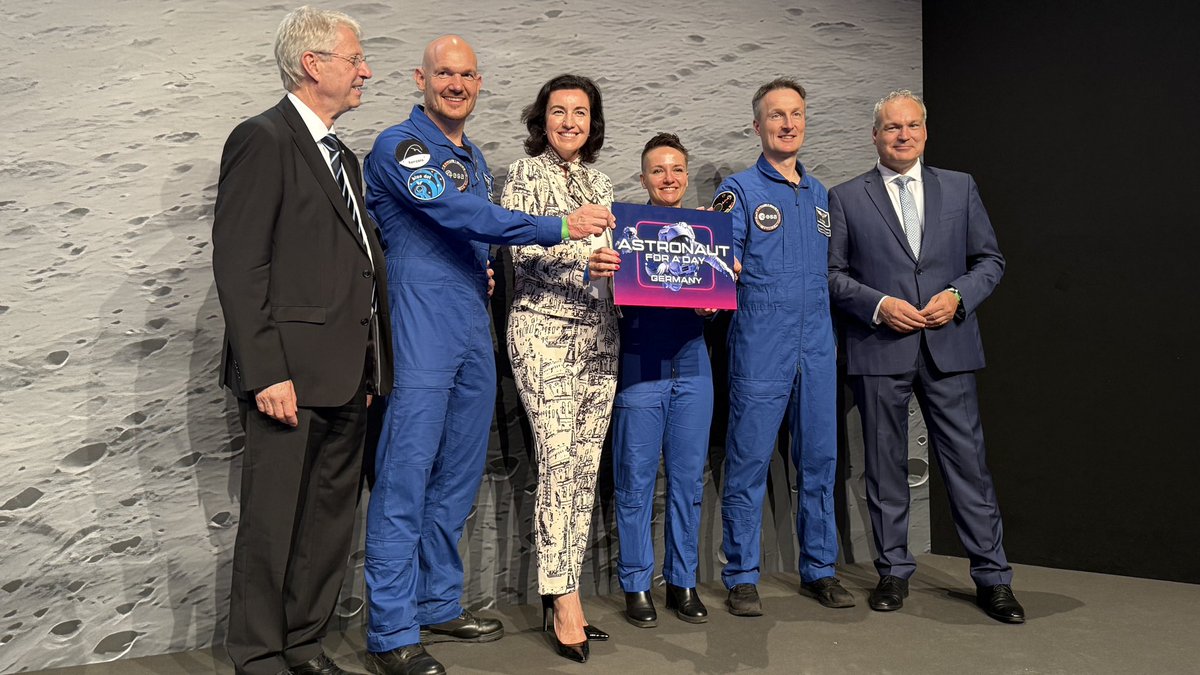
🤩 Nachwuchsförderung in der Raumfahrt 👩🏼🚀👨🏼🚀 Auf der ILA 2026 hat die Bundesministerin für Forschung, Technologie und Raumfahrt @DoroBaer den neuen Wettbewerb „Astronaut for a Day“ vorgestellt. Jugendliche zwischen 15 und 18 Jahren können sich mit einem Motivationsvideo bewerben – nach einem Auswahlprozess, der dem für Astronautinnen und Astronauten ähnelt, werden 30 Teilnehmende Schwerelosigkeit bei einem Parabelflug erleben. 🛩️✈️
Ein einzigartiges Erlebnis, das die Faszination der Raumfahrt lebendig macht. @DLR_SpaceAgency organisiert diese Initiative und unterstützt so die Nachwuchsförderung. Der Wettbewerb ist Teil des Wissenschaftsjahres 2027 zum Thema Raumfahrt. Weitere Infos folgen.
5
15
480

31
1,678
17,572
255,889
Jun 12
One funny issue with over unity/perpetuum mobile "engineers" is that we live in a time where the energy to cash conversion pipeline was never shorter. Years ago they would have mined crypto, today they would sell the energy for AI compute. None such cases.
10
Manfred Ehresmann retweeted

Jun 10
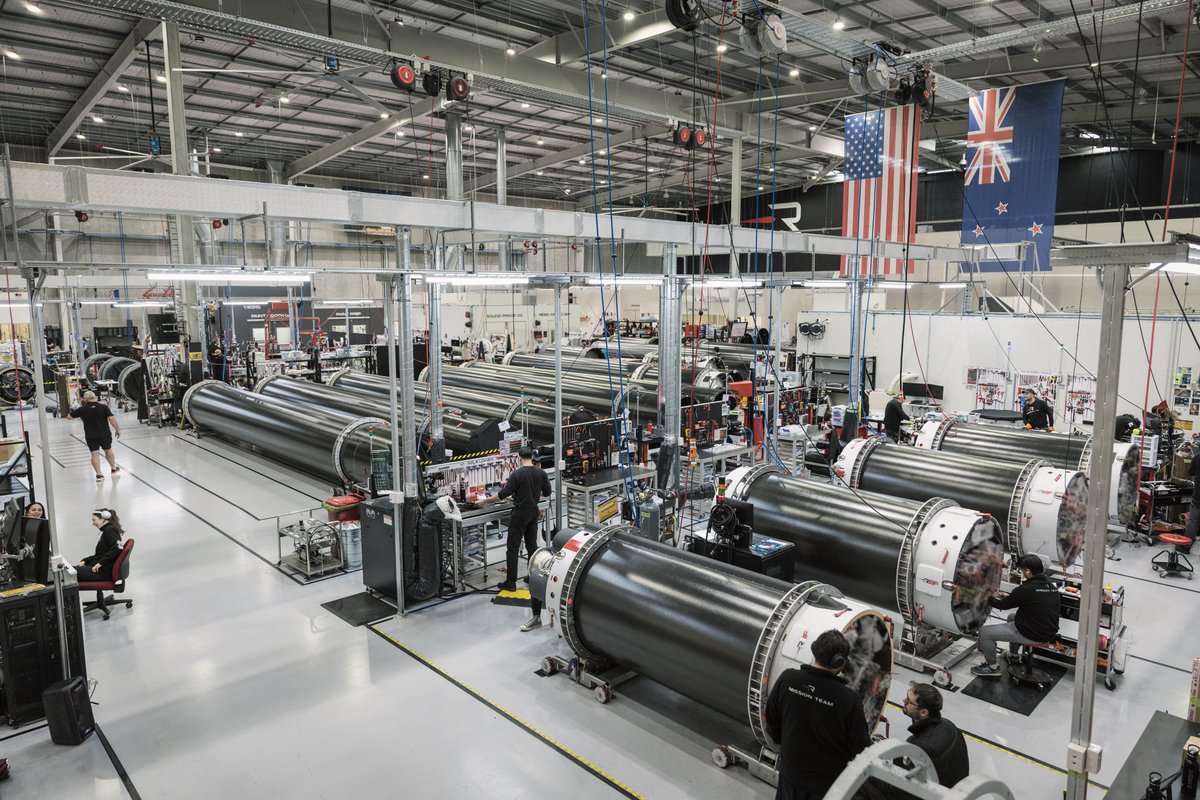
Fresh rockets rolling off the line. Factory is busier than ever. Our 100th Electron rocket is in this lineup.
74
401
4,162
249,002
Manfred Ehresmann retweeted

Jun 8
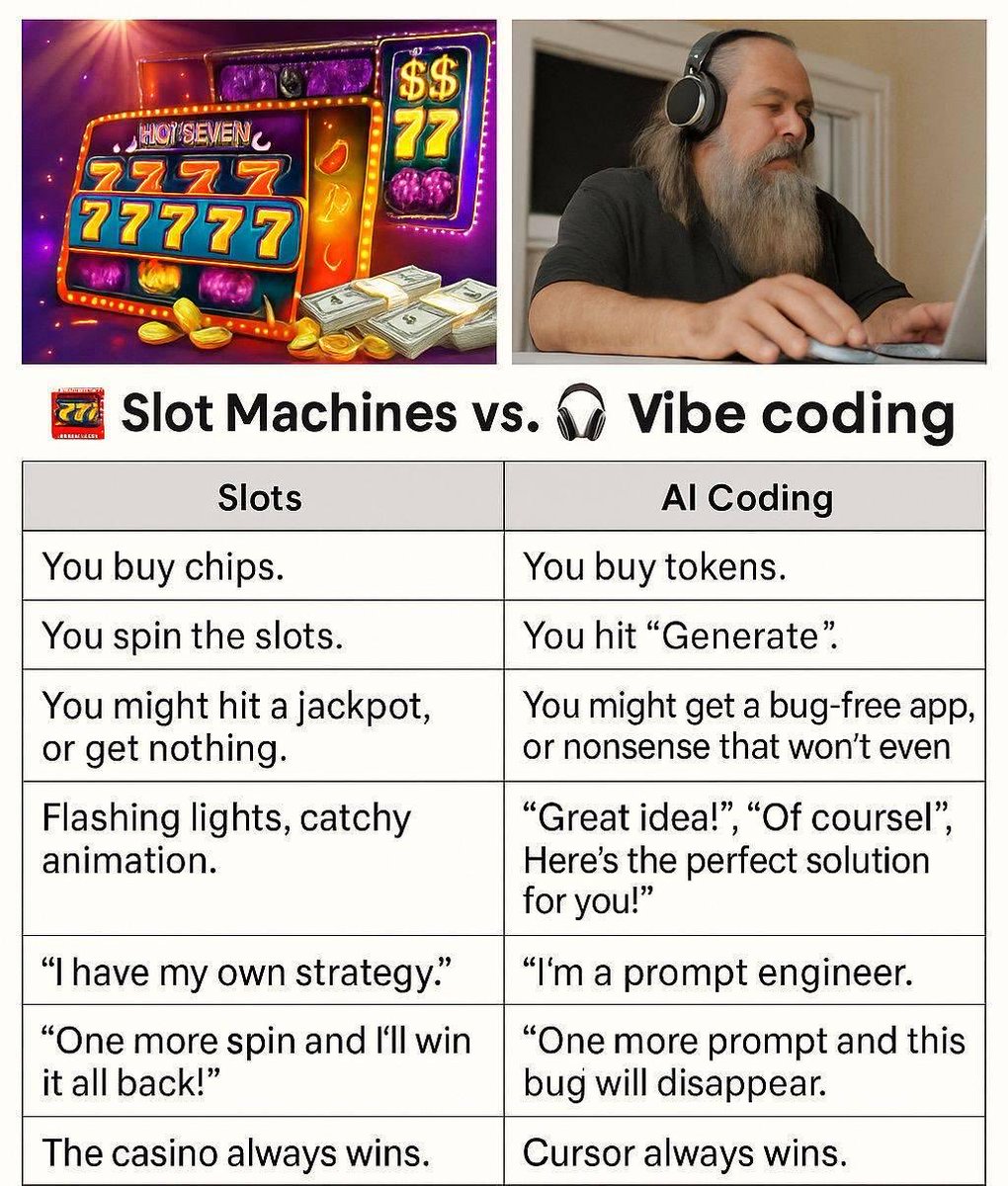
Jun 8

Vibe-coding is just a gambling addiction for SWEs
72
1,783
13,430
565,921

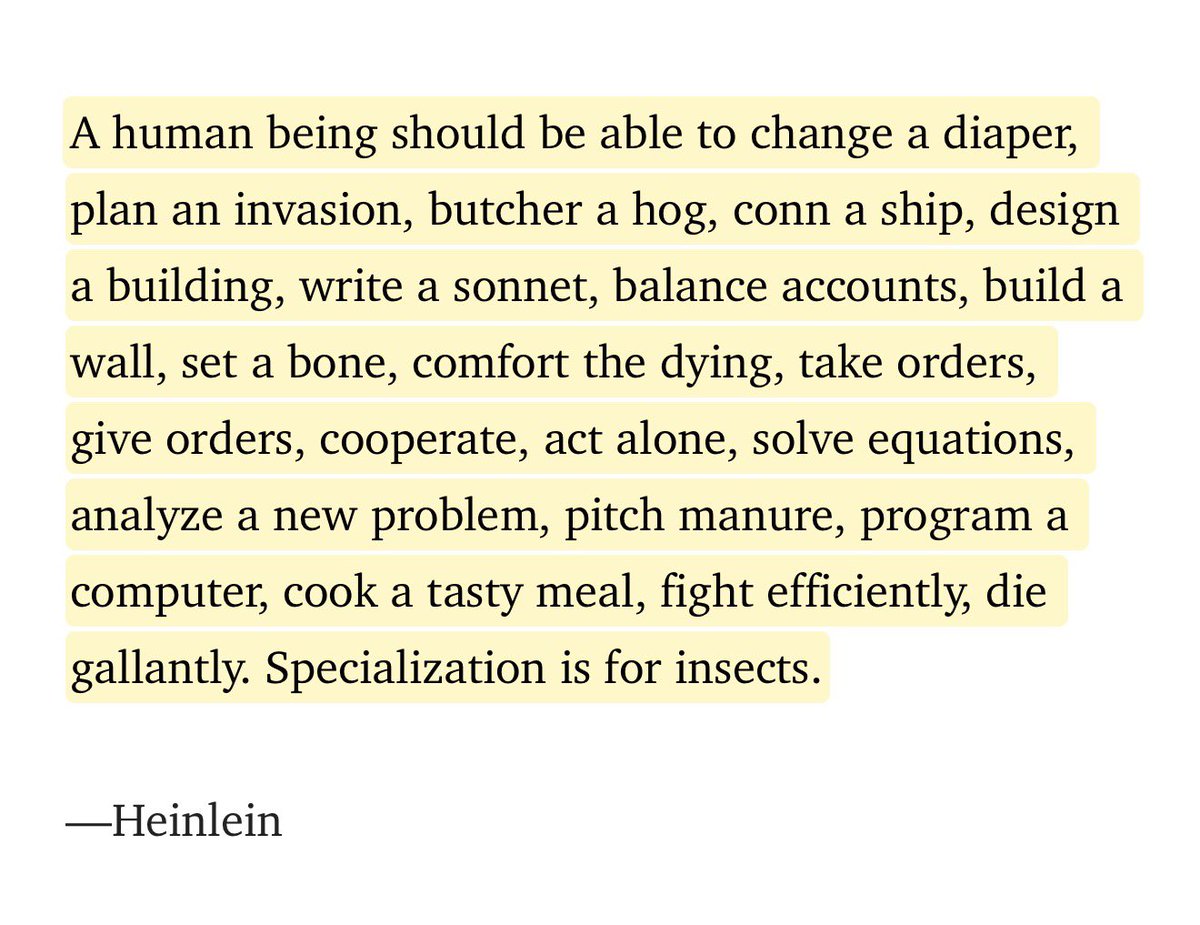
Manfred Ehresmann retweeted

This applies to many niche skills. I didn’t learn astrophotography from school, I learned it by getting my hands dirty & spent every night learning how NOT to do it.
If you want to do something, just start doing it. Waiting for someone to teach you might leave you with nothing.

There is obviously no “degree” you can get from a university that actually teaches you how to make an orbital rocket, as none of the professors know how to do it!
157
604
6,350
612,129
Manfred Ehresmann retweeted

It’s called a ‘tungsten nanoneedle’, and if you make it right, its tip can shrink to a handful of atoms across. It’s the ultimate needle, the subtle knife that cuts a hole in the world, and it’s used in electron microscopes.
Take a tungsten wire and electrolytically etch it in potassium hydroxide solution until, just beneath the liquid surface, a necked region appears, splitting the wire in two. Take the remaining half and very, very carefully pulse-etch it. The physics of electrolytic etching work with electric field curvature, and as the necked geometry tapers into a disappearing conic, the electric fields, and the etching process itself, mould each other in a positive feedback loop, controlled by pulse duration & voltage. Follow this process just right and the resulting shape, carved by the malleable physics of electric fields, becomes an infinite needle. In 2006, the National Institute for nanotechnology in Alberta set an unbeatable record and produced a tungsten nano-needle tapering to a mere one atom.
The sharpest object in the world.
And what can you do with the sharpest thing in the world? Not acupuncture on leprechauns. You use it as a point electron source for electron microscopes, where the fineness of the needle helps you to see some of the smallest things in creation.

31
136
1,214
76,736
Manfred Ehresmann retweeted

It's not that AI can't be used to do knowledge work. It's that it's wildly unreliable in bizarre and incomprehensible ways. Things you'd never think it could be possible to mess up are the things that it messes up.
Like you ask it download some data and do an analysis, and instead it just completely fabricates a fictional dataset for no reason, and gives you results based on that.
Fine if you catch it, but potentially career-ending if you don't.
It inserts its own ideas without telling you. It deletes critical paragraphs.
These actions would be psychopathic in a colleague, but we're just supposed to accept it because it's a machine.
133
312
1,595
68,282
Manfred Ehresmann retweeted

Jun 5
the hard problem is a skill issue
52
15
184
13,456
Manfred Ehresmann retweeted

Jun 5
When my analytic philosophy friends complain about "corpo speak"
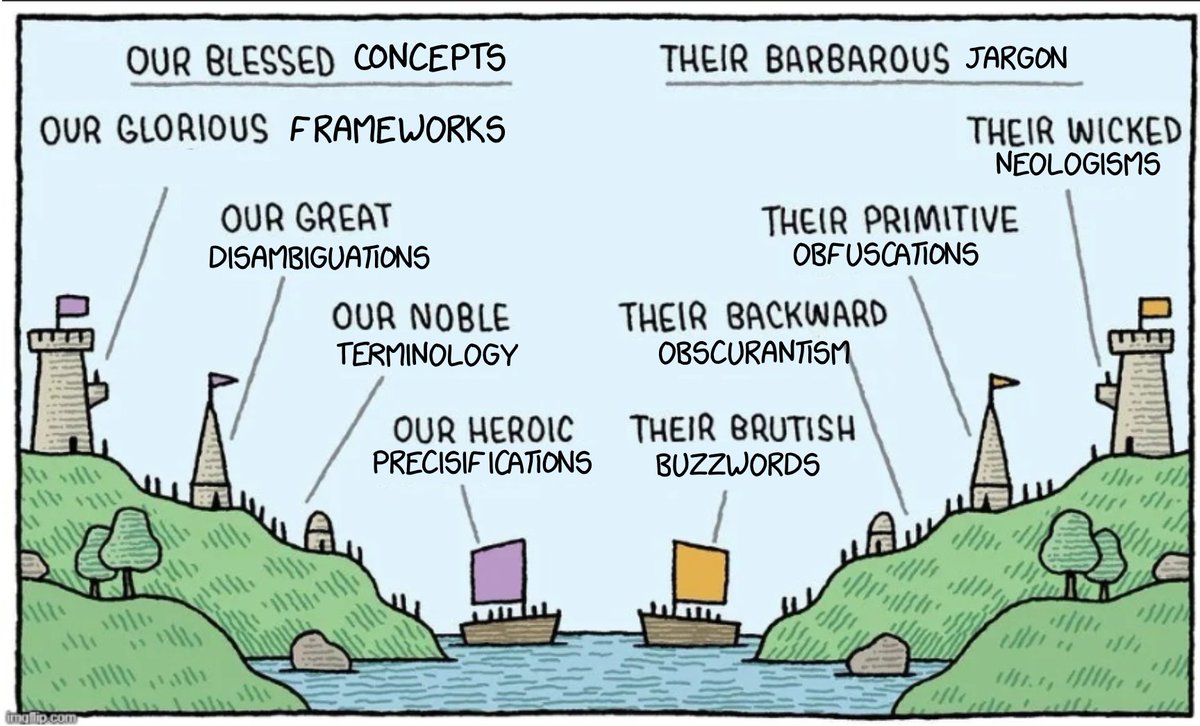
33
392
5,724
147,846
Manfred Ehresmann retweeted

May 31
We need Carl Sagan now more than ever
Sorely missed
May 31

If we don’t explain science to the public, others will fill the gap with nonsense.
77
577
3,493
50,841
Manfred Ehresmann retweeted

May 26
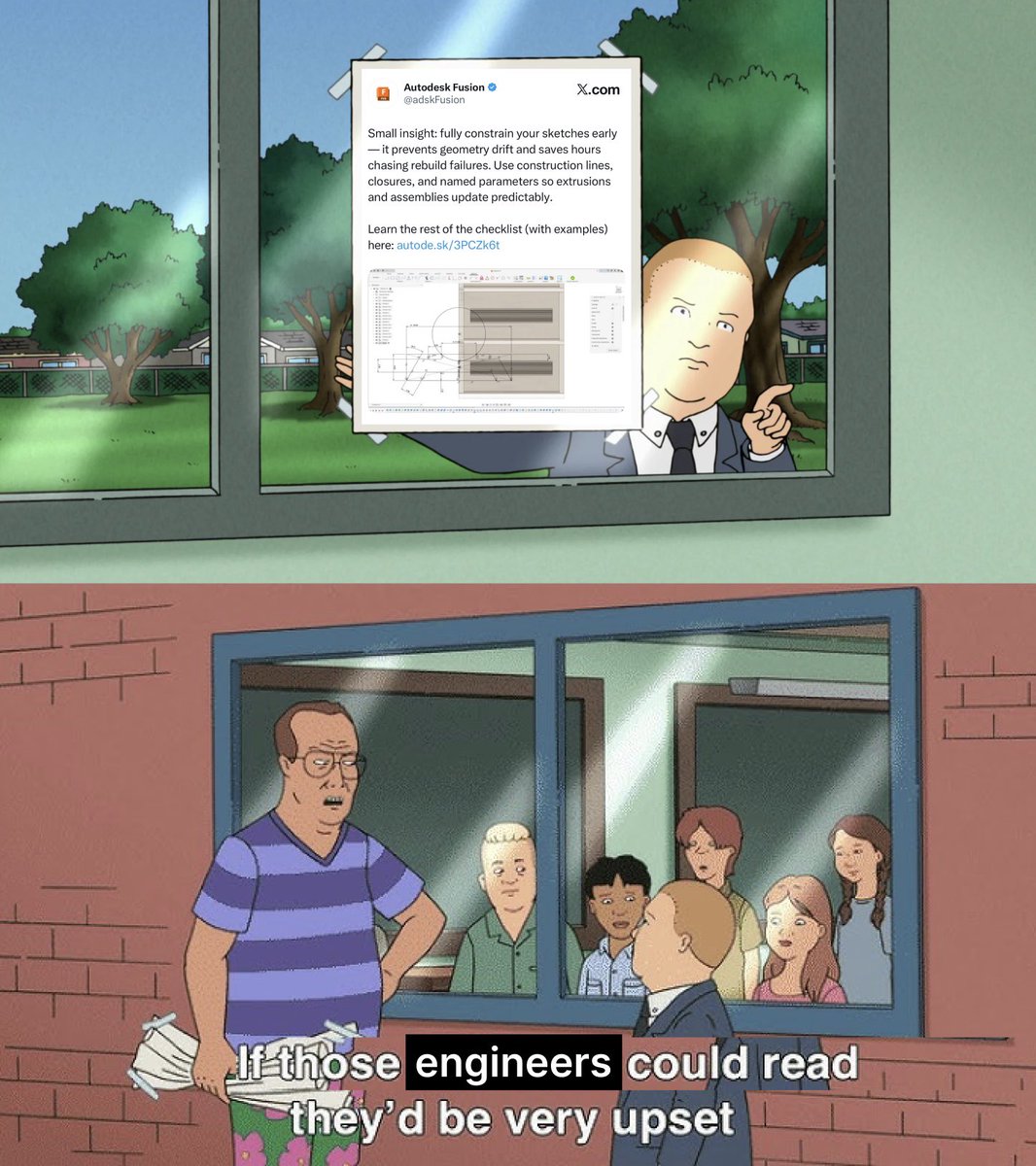
May 26

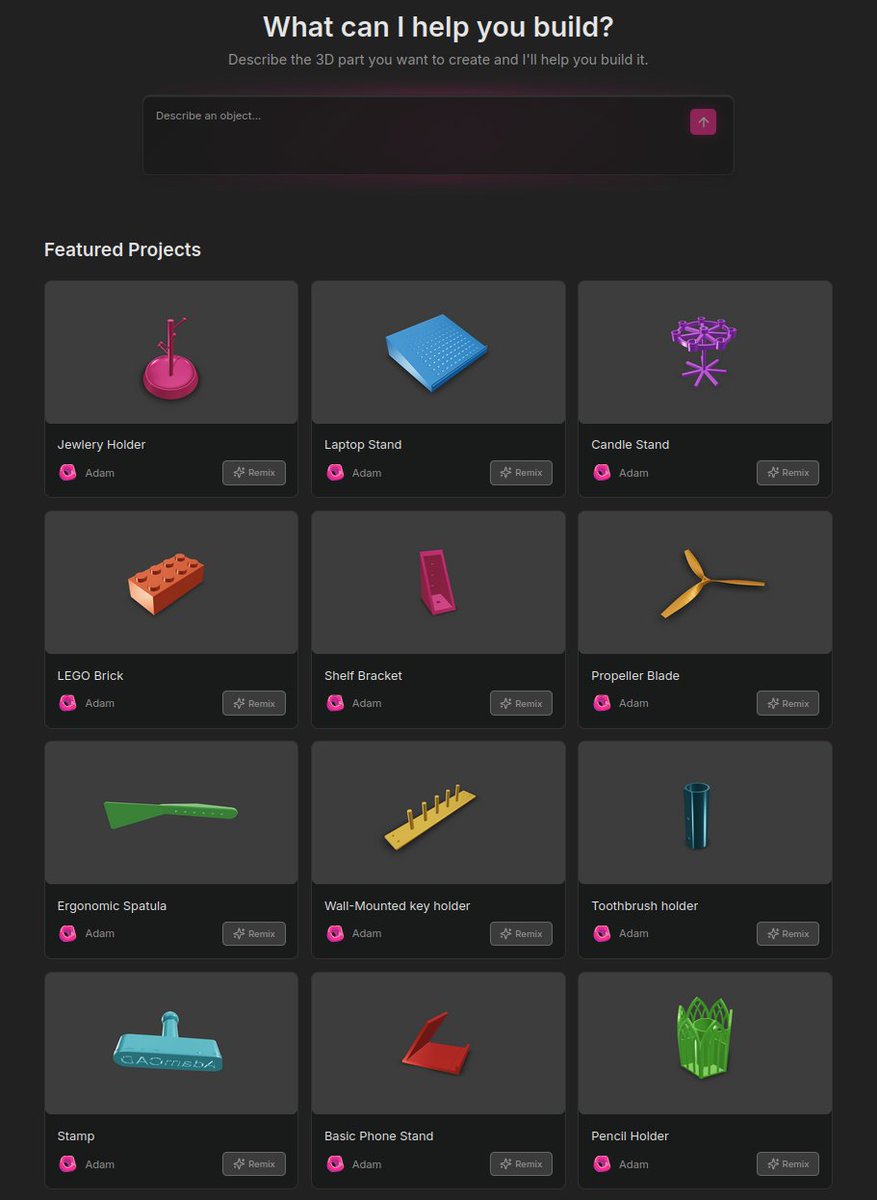
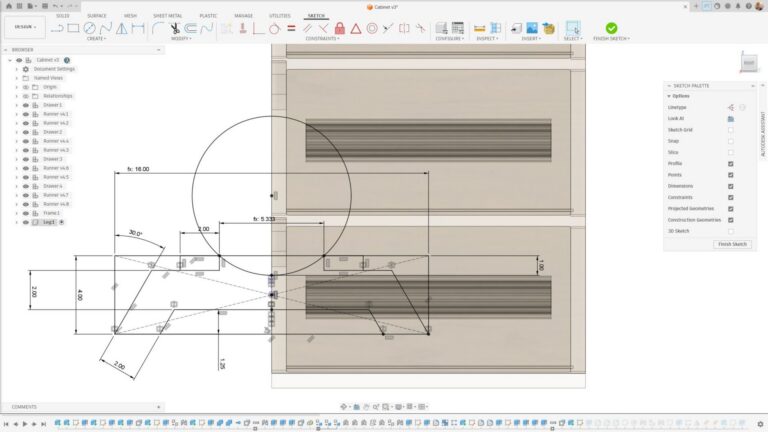
Small insight: fully constrain your sketches early — it prevents geometry drift and saves hours chasing rebuild failures. Use construction lines, closures, and named parameters so extrusions and assemblies update predictably.
Learn the rest of the checklist (with examples) here: autode.sk/3PCZk6t
7
10
284
22,600

Prusa ColorMix is here: our open-source color mixing model for PrusaSlicer and EasyPrint! 🎨 Full-spectrum printing has been growing fast in the community, so we developed our own model. It predicts the final color you’ll see when different filament colors are printed in thin alternating layers. 1/2

14
66
476
28,309
Manfred Ehresmann retweeted
May 24
we need to prevent elon from building datacenters in the sky because it will use up all the water in the clouds
56
30
724
37,331
Manfred Ehresmann retweeted

May 25
Major difference in my mind:
- an engineer, given a problem, invents and tries multiple solutions and stops when the solution is good enough. The goal is product innovation and shipping.
- a scientist asks new questions, proposes various new solutions, compares them (sometimes with old ones), and writes about it. The methodology must be sound or else peers will sneer. The goal is scientific breakthroughs and technological progress.
Both can be called "researchers". Many people can do both: these are activities, not identities.
Importantly, most product innovations are built on scientific breakthroughs and technological innovations that happened 2, 5, 10, or 20 years earlier.
112
310
3,678
263,698
Manfred Ehresmann retweeted

May 24
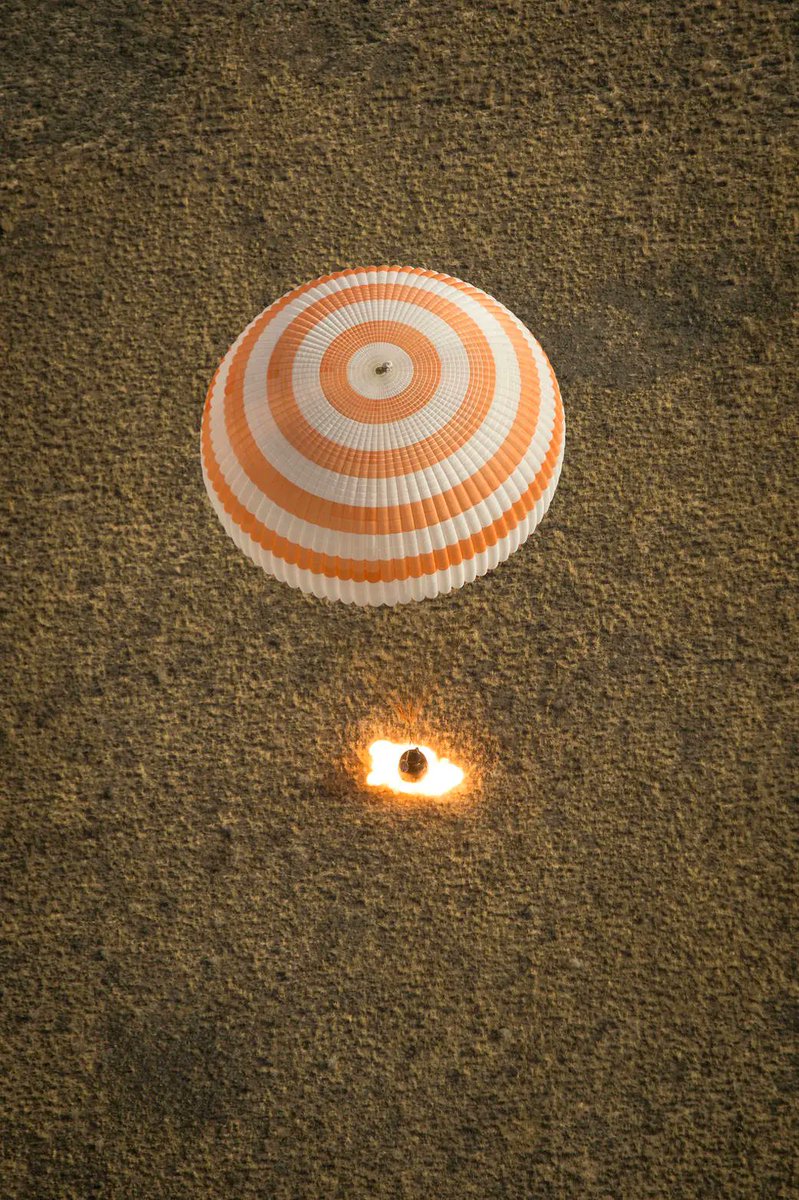
The moment the rockets fire, to cushion impact with Earth.
Six nitroglycerine rockets are triggered by a gamma-ray altimeter to fire just before we hit. Inside, we're strapped into crash seats, raised on shock absorbers.
Even still it's wildly violent, like 2 quick car crashes in a row (rocket blast, then impact). And if the wind is blowing us sideways, our Soyuz capsule tumbles end-over-end.
After 6 months of graceful weightlessness, it's a rude (but reliable) welcome home. Sometimes it starts a grass fire...
(photo from Mi-8 helo: @ingallsimages @nasa)
37
103
1,317
55,692
Manfred Ehresmann retweeted

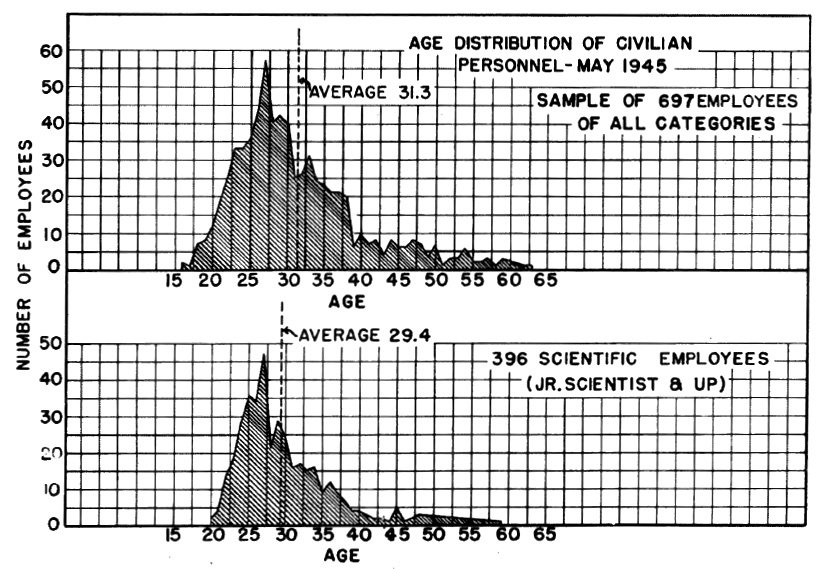
Das ist so utopisch. Medianalter für das Kreieren von Nuklearwaffen war einfach 27.
Einfach mit den Jungs Nukes bauen.
Währenddessen man als Zoomer heutzutage keine coolen Jobs bekommt, da "Erfahrung" fehlt. Ich hasse Boomer und die Gerontokratie.
May 23

Reminder that the average age of people who worked on the *Manhattan Project* was 31
41
599
7,105
182,585
Manfred Ehresmann retweeted

MOAR CAMERAS IN SPACE
10
101
2,863