
Senior Spacecraft Systems Engineer | Tweets on astronomy, rocketry & spaceflight developments in India | Per Aspera Ad Astra 🚀
Joined April 2010
- Tweets 4,279
- Following 462
- Followers 10,889
- Likes 69,423
1,420 Photos and videos

Jun 12
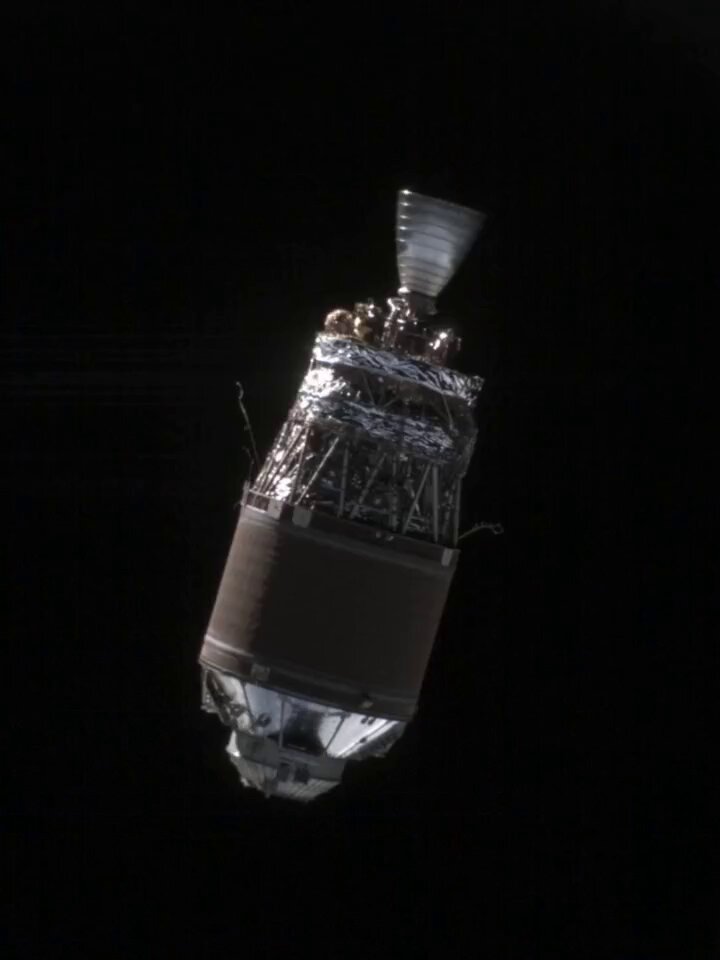
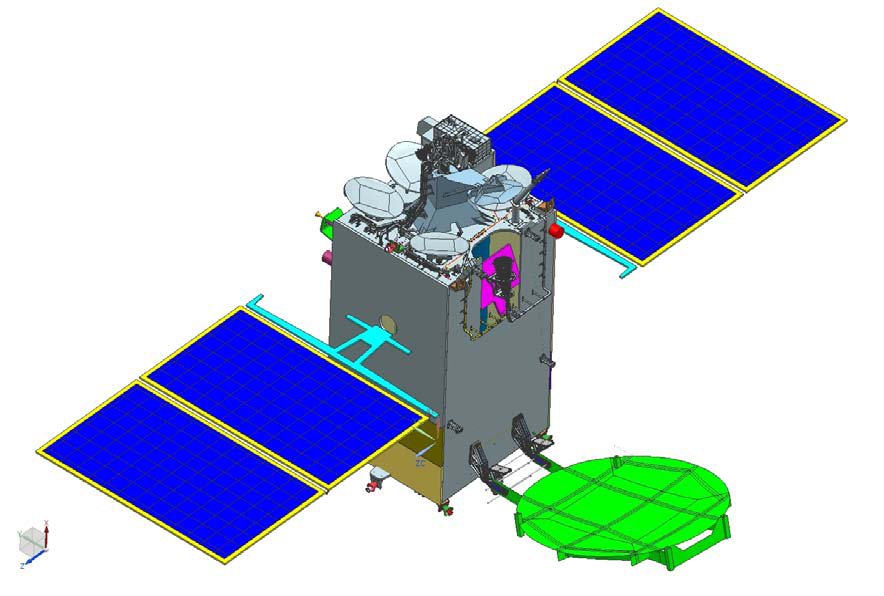
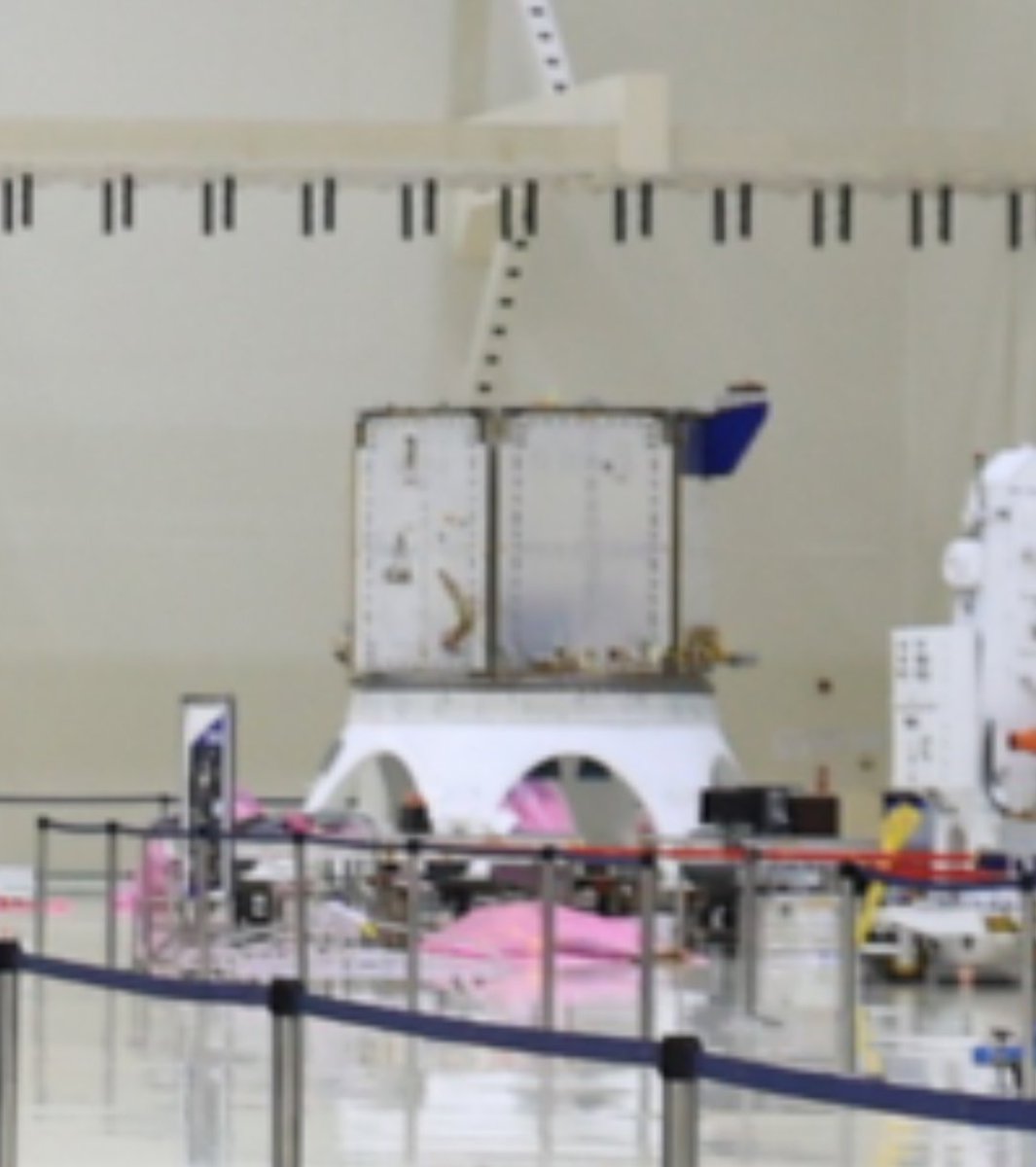
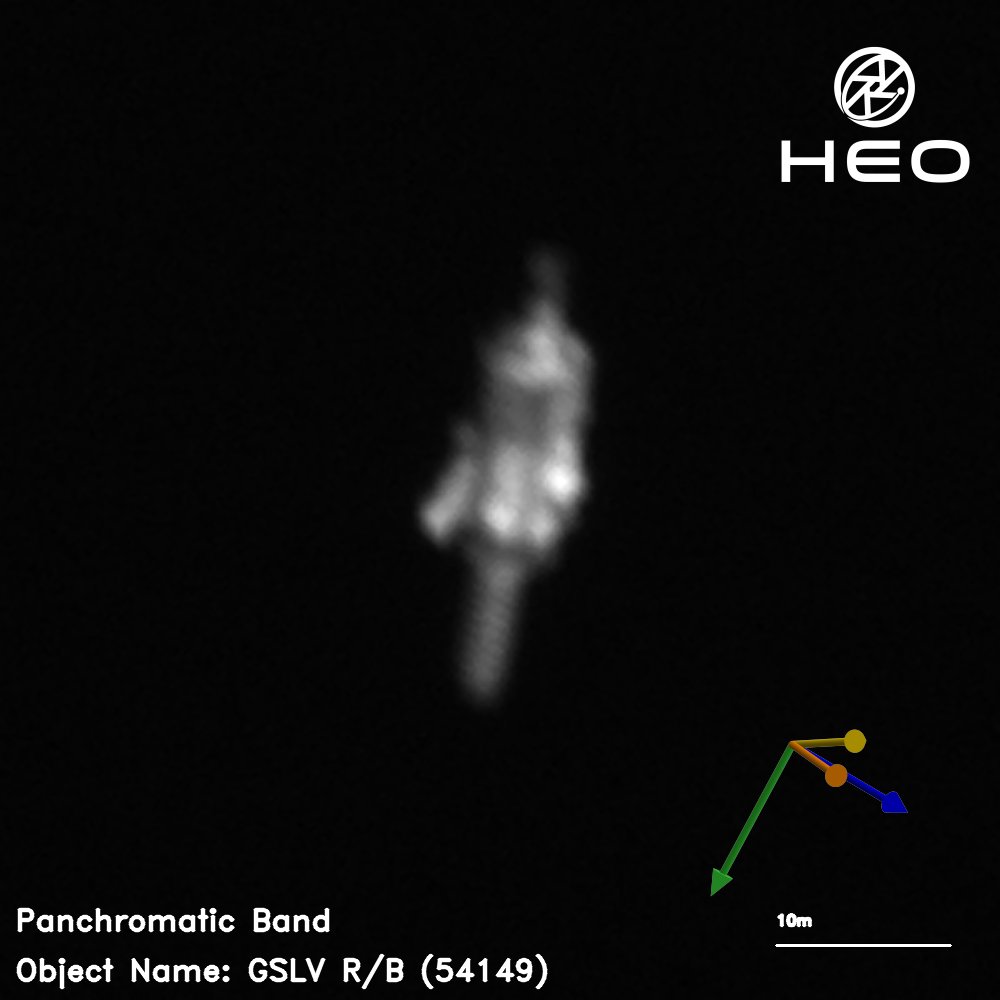
This LVM3 mission was launched about 4 years ago. Since then, its Cryogenic Upper Stage has taken some beating from the orbital debris, it seems.
A quick overlap with its schematic makes me infer there being some spillage hanging out from its damaged hull.
Or do we have any other conjecture that explains this deformity?

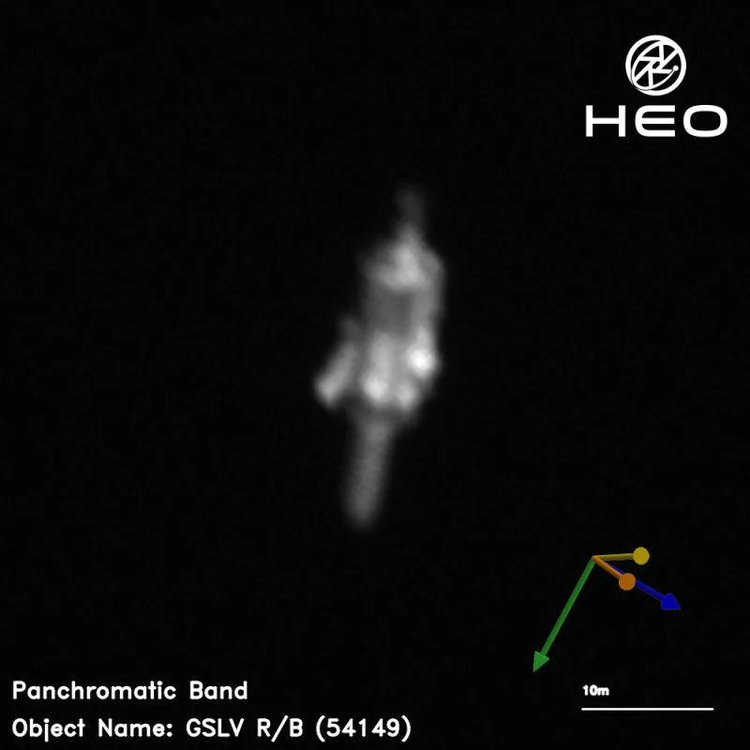
This is the spent upper stage of India's LVM3-M2, imaged here at 14 cm/pixel.
The rocket's first dedicated commercial mission, flown in October 2022, placed 36 OneWeb satellites into orbit, executing a nine-phase deployment sequence across 75 minutes to deliver the heaviest payload ISRO had ever flown at the time.
HEO characterised this object from a distance of 34.54 km. The collection shows the structure is largely intact and we’re able to resolve its attitude and condition after three years in orbit.
As proximity operations become a reality rather than a future prospect, the ability to approach, interact with, or deorbit an object depends on knowing its current physical state.
Historical imagery of this kind also establishes a baseline: what the object was, when, and in what condition. If its status changes, whether through fragmentation, collision, or degradation, that record becomes an attribution resource.
2
6
40
1,483
Jun 12
This could be one good opportunity for our Indian startups to take this CUS as a target to practice their RPO skills, and to divulge further about the exact state of this stage.
It reminds me of @astroscale_HQ's RPO mission where their ADRAS-J closely approached H-2A's discarded upper stage in LEO and circumnavigated it for LiDAR mapping and making close observations (see the attached video).
I'd love to see something like that with this CUS of ours.
astroscale.com/en/missions/a…
1
2
29
702
Astro_Neel retweeted
May 8
Hey Suyash, I can understand dealing with the LEOPs has been tough lately so I wouldn't want my post to further ruin your morning.
Also, I noticed that in your long response you didn't deny once that any of these claims are misleading? So should we all reckon that something is indeed amiss?
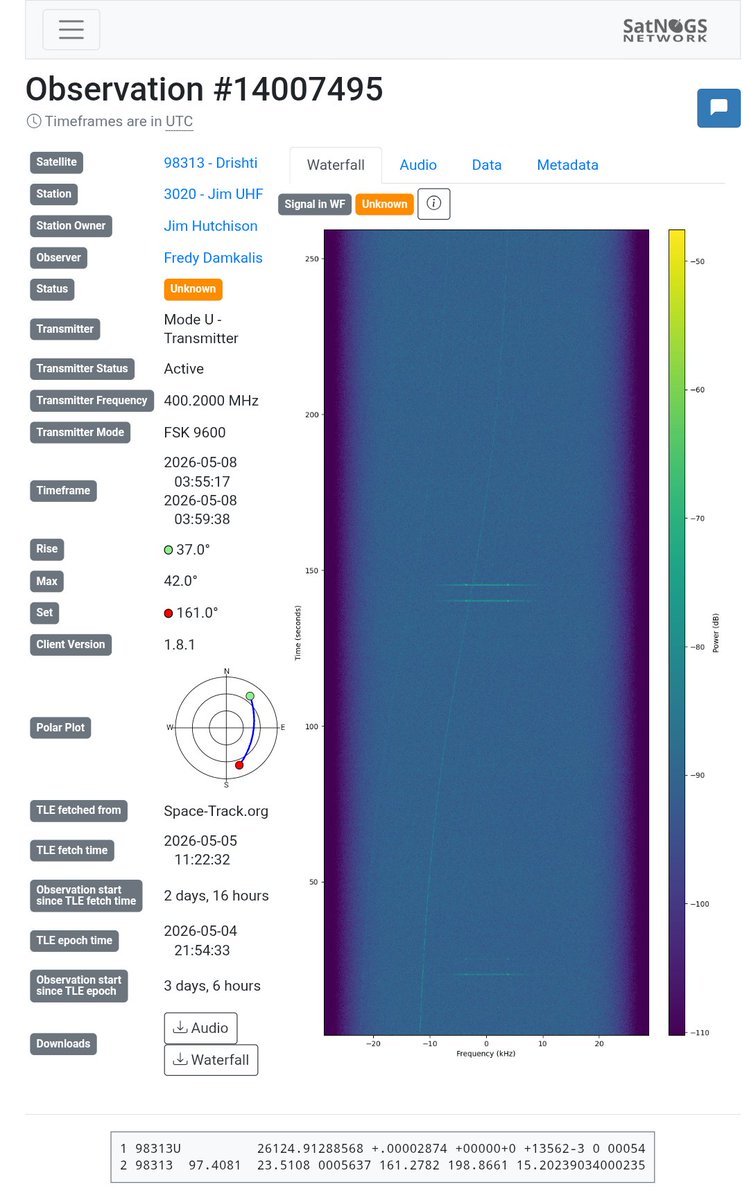
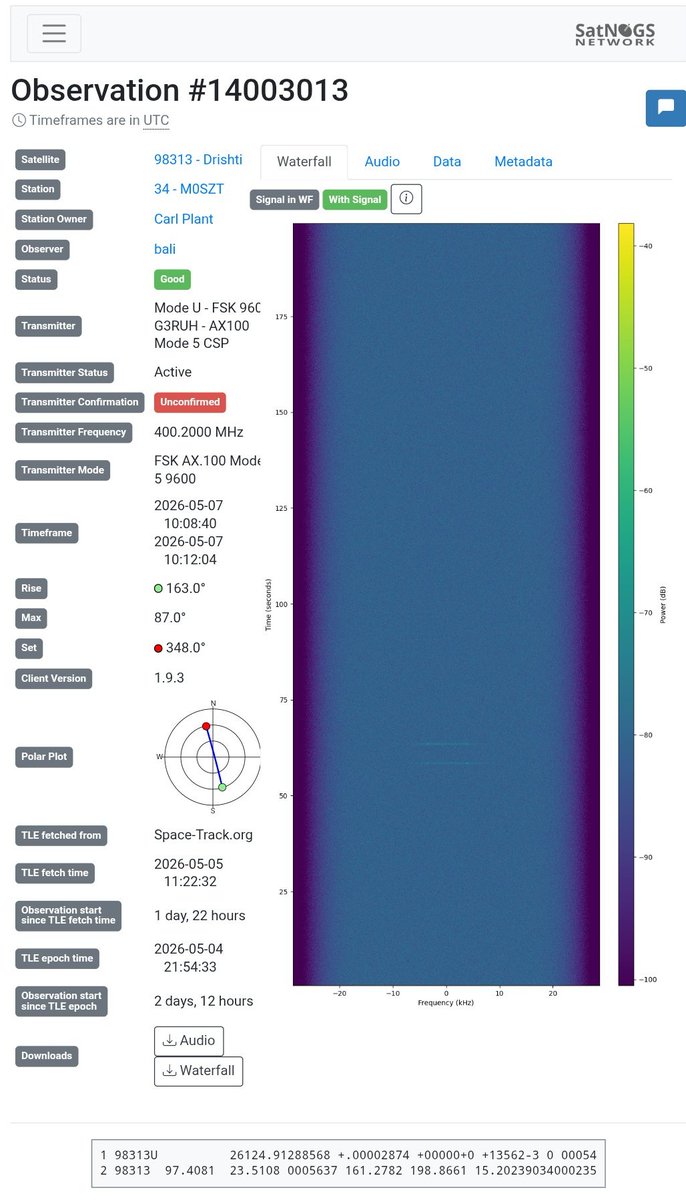
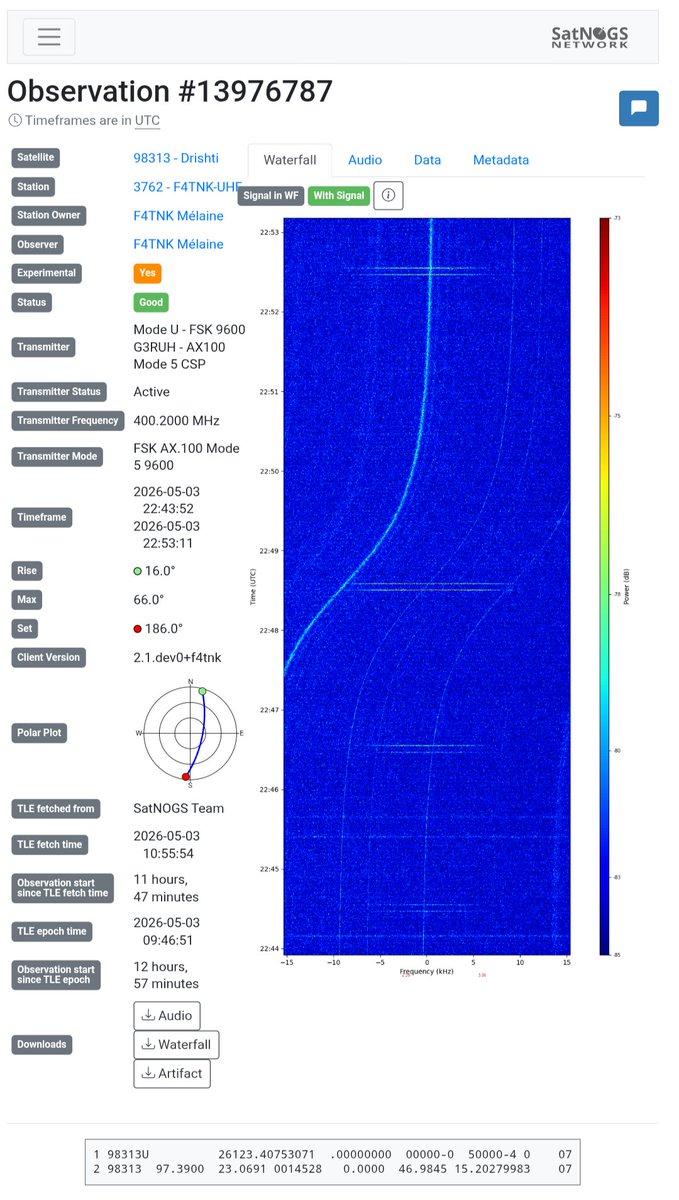
That's understandable, because all the ground passes of Drishti have been telling the same story- network.satnogs.org/observat…
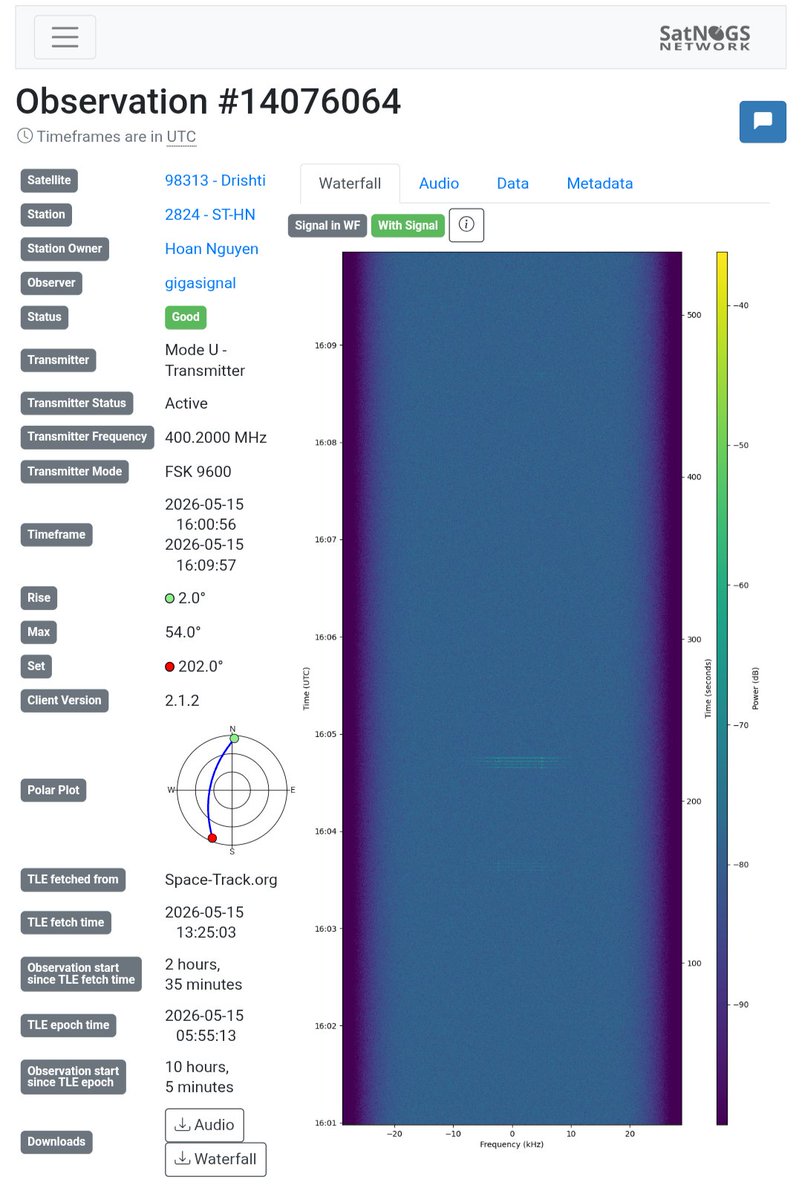
And here's the data from the latest pass from just under an hour ago- network.satnogs.org/observat… (see attached pic). Similar tumbling rates.
And you've answered yourself for why you haven't seen such a level of interest/questioning from the community before. It's exactly because it's the first uniquely big satellite of this mass class from the private Indian ecosystem! So it'd naturally invite both praise and scrutiny in increased proportions. Come on, you should have thought of that before.
Plus, you're right. I haven't had the chance to work upon a 190 kg satellite. But if and when I do, I'll definitely be taking lessons from this convo about preparing a proper response plan instead of publicly crashing out.
Anyway, all the best to your mission control team. Looking forward to being proven wrong and zipping up when you put out your first OptoSAR image in front of all of us. Cheers :)
3
9
122
10,071
May 7
Hello?
So are we all going to just casually ignore the fact that in the publicly available open-source data, anyone can see that Drishti is still tumbling in orbit at the rate of ~3°/sec (or one rotation every two minutes) ever since it was deployed?
network.satnogs.org/observat…

14
13
146
47,980
May 7
I mean I have all the love and sympathy for the folks at GalaxEye who, I'm sure, must have poured their heart and soul out in building this satellite, but let's not pretend It's doing well right now. 🙏🏼
When the truth is the satellite isn't even close to being 3-axis stabilized, let alone working fine.
2
84
5,905
Apr 24
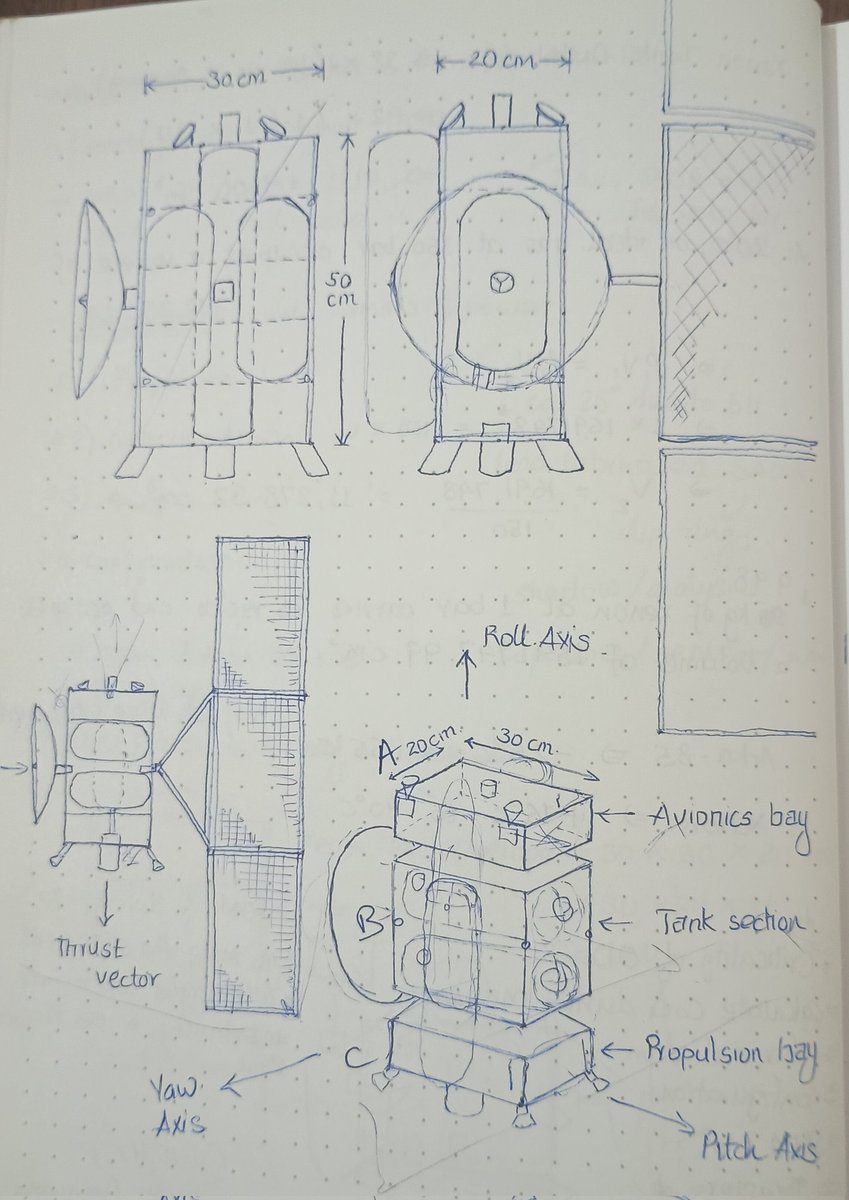
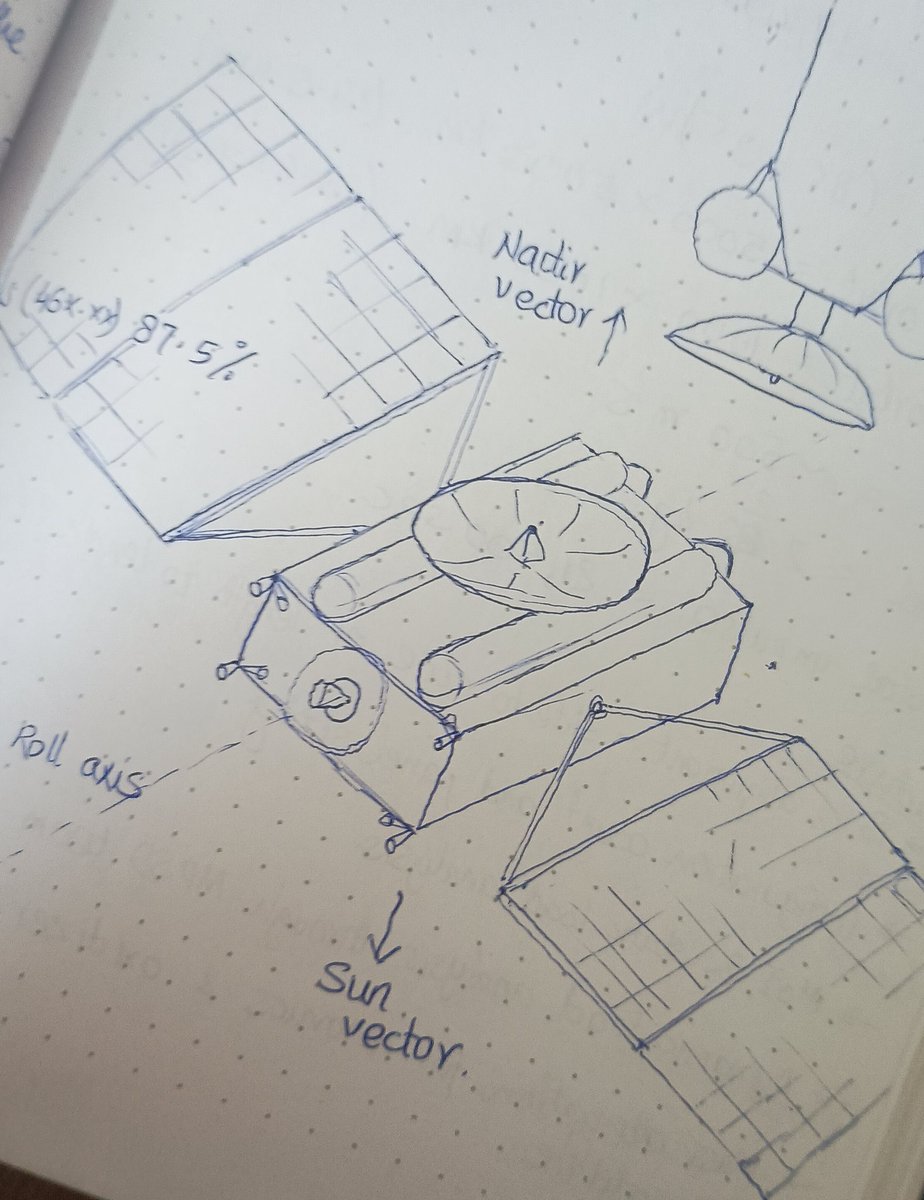
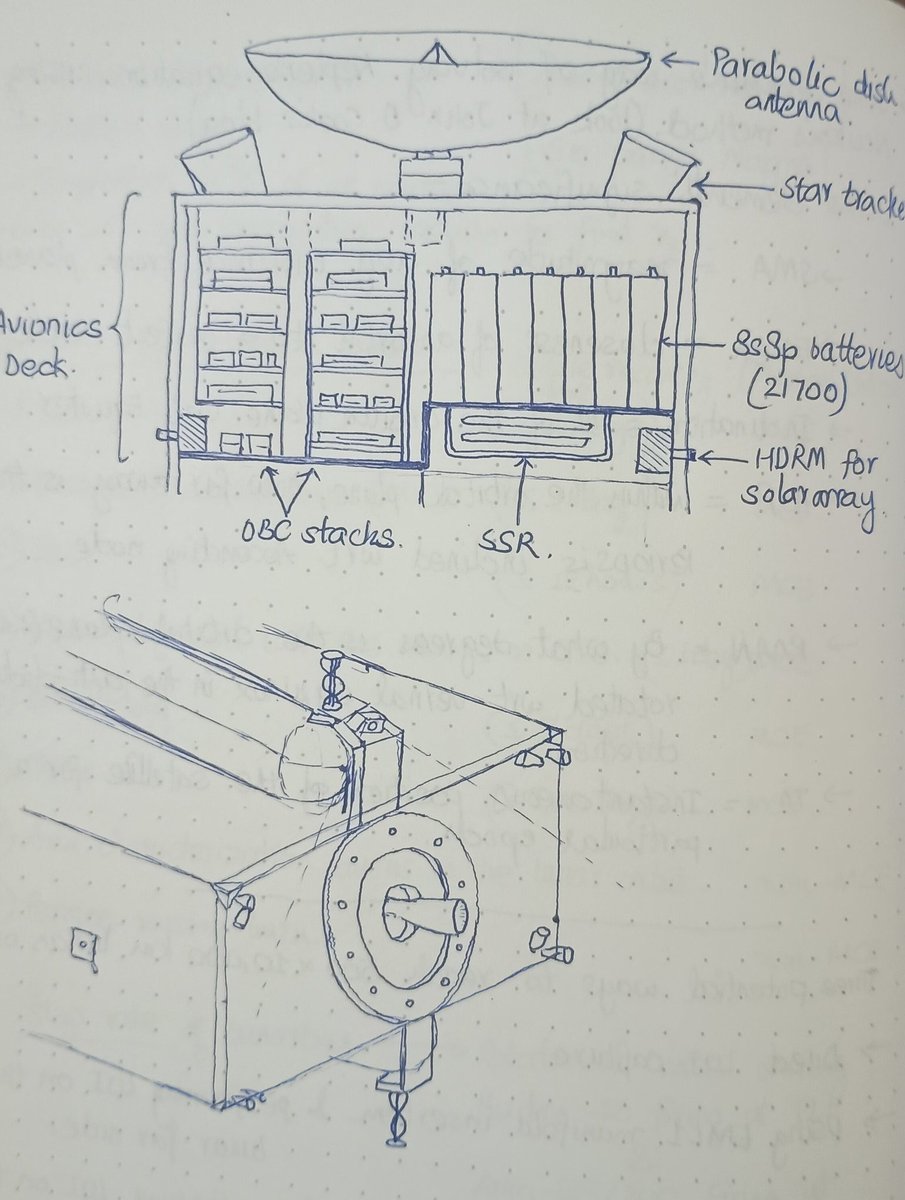
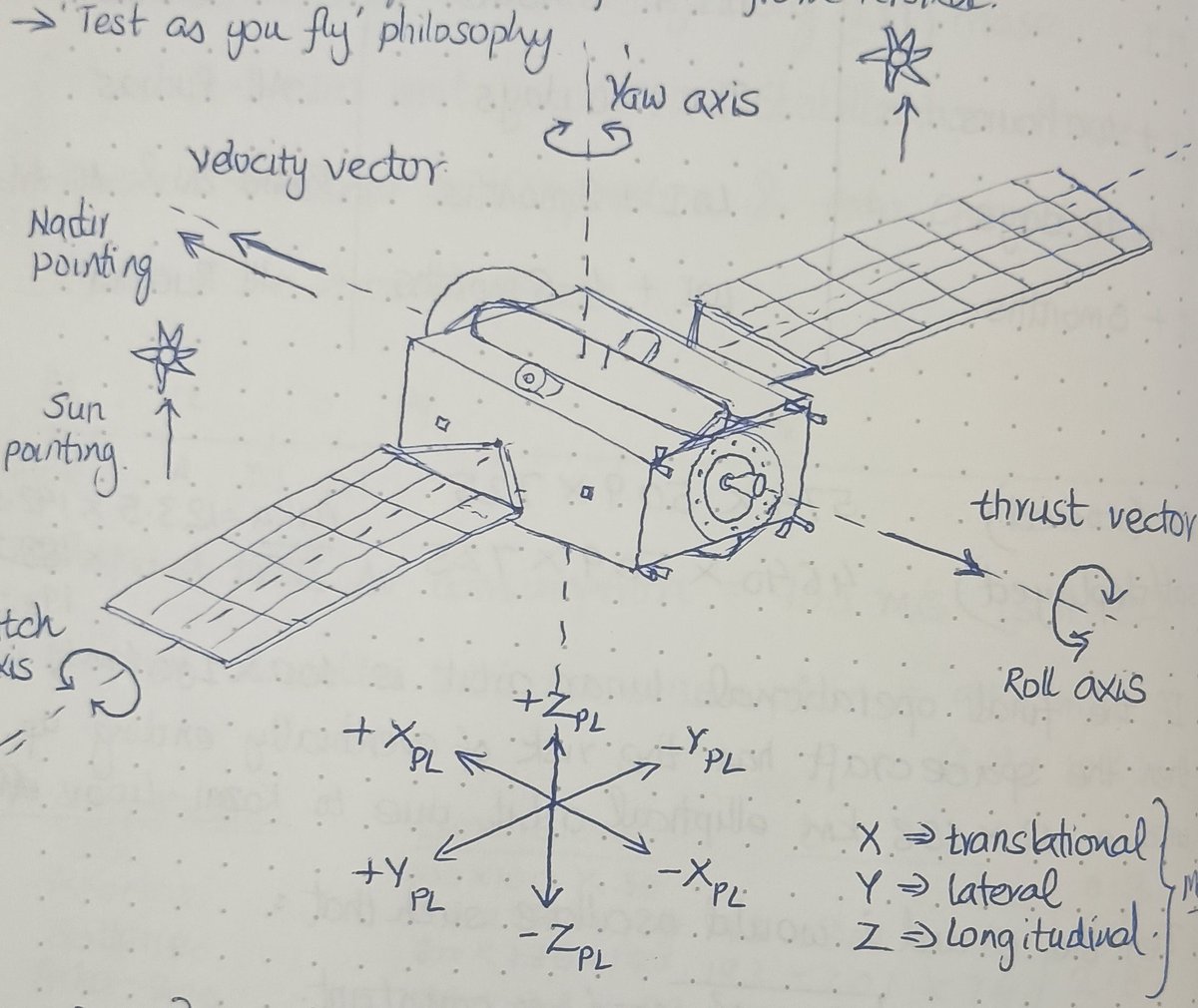
CAD models? No thanks. I like to design my satellite concepts using my own hands, as nature intended. :)
9
7
154
4,823
Apr 21
My absolute favourite Indo-European cognates are the words for night.
In German, the term for night is → die Nacht (नाख्त).
And phonetically it's very similar to many of its other European counterparts, like:
Latin - Nox (eg. equinox)
Old English - Noct (eg. nocturnal)
Lithuanian - Naktis
French - Nuit
Czech/Polish/Slovak - Noc
Spanish - Noche
Greek - Nyx
Russian - Noch'
Esperanto - Nokto
Italian - Notte
Swedish/Norwegian/Danish - Natt
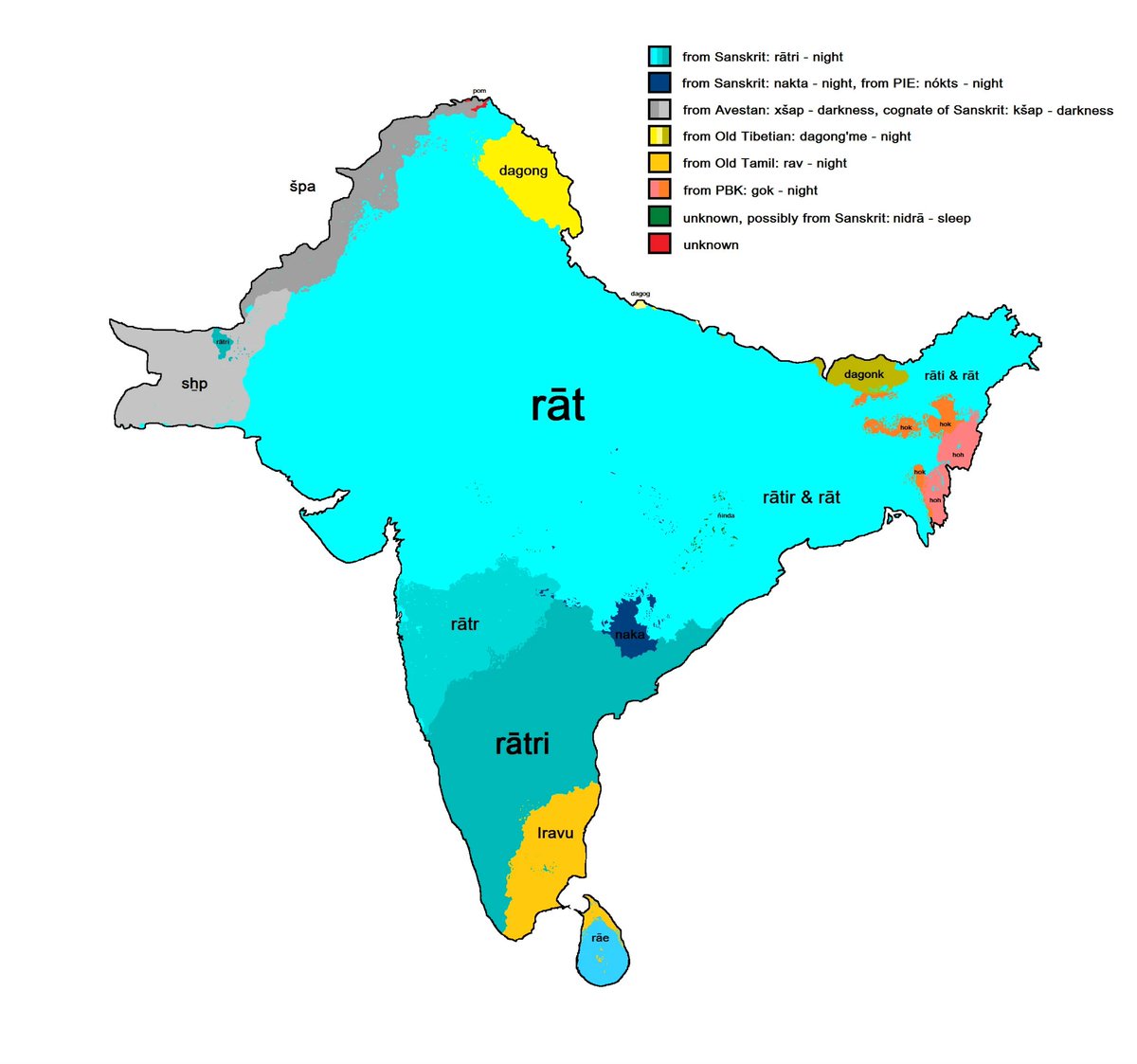
Most of the everyday Indians today may not be familiar with the above terms or any similar sounding synonyms in their own vernacular, considering that today our widely used terms for night are - Rātri/Raat/Nisha. (See the first pic)
However, what if I tell you that there *was* once an archaic Sanskrit term, eerily similar in sound with the European terms listed above? And that term was used more than a dozen times in Rigveda/Atharvaveda and other ancient classical texts? And one of its remnant forms still survive to this day, hiding in plain sight, but known to all of us while being relevant to Indian astronomy?
That Sanskrit word is → 𝗡𝗮𝗸𝘁/नक्त.
And it has been used generously in the older Mandalas of Rigveda for the personification of night. Sometimes, its other form Naktam/नक्तं is also seen.
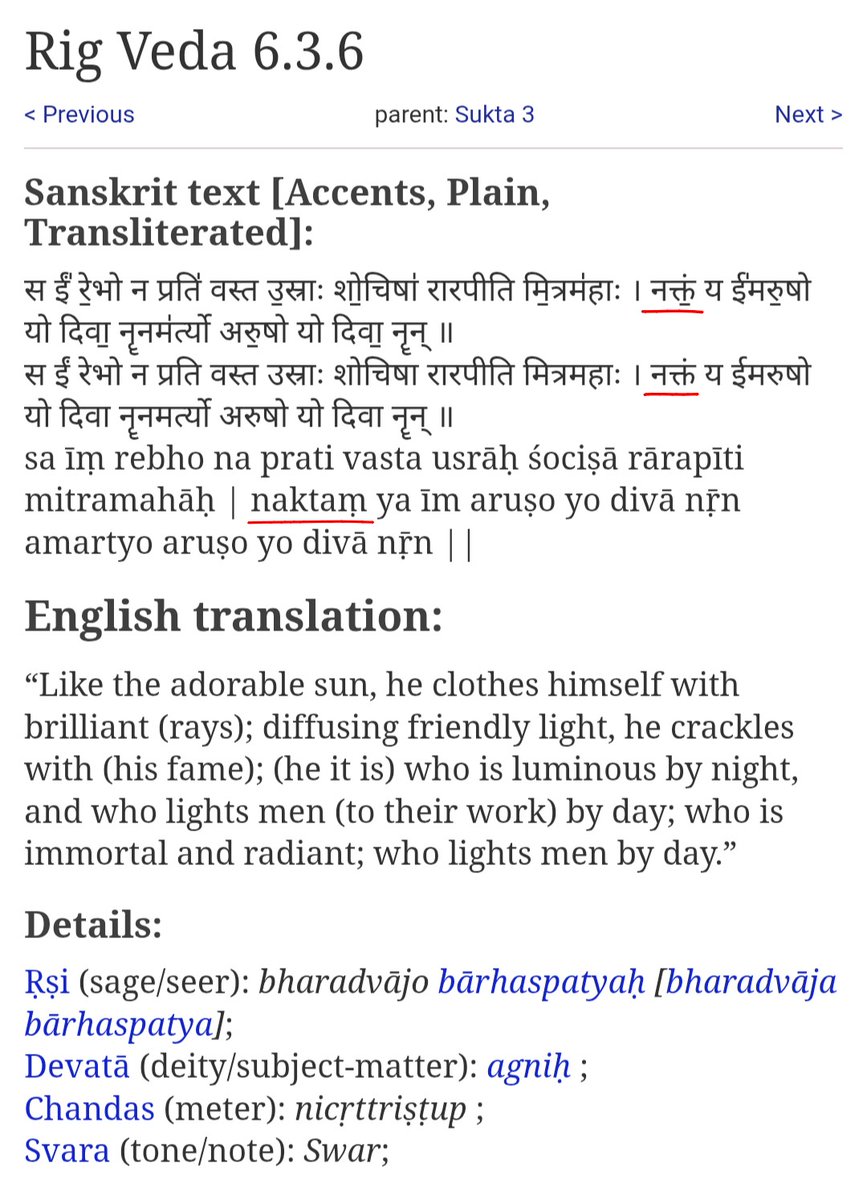
Here is the verse that is in all likelihood, the oldest attestation of this word from the oldest mandala of Rigveda, and thereby its earliest mention in the entire corpus of ancient Sanskrit literature -
स ईं॑ रे॒भो न प्रति॑ वस्त उ॒स्राः शो॒चिषा॑ रारपीति मि॒त्रम॑हाः।
नक्तं॒ य ई॑मरु॒षो यो दिवा॒ नॄनम॑र्त्यो अरु॒षो यो दिवा॒ नॄन् ॥
- Rigveda (Mandala 6, Sukta 3, Hymn 6)
Apr 20

Today I learnt that the German word for "gathering", or "assembly" is Sammeln.
Stunned, because it is exactly the same as the Hindi word for it- Sammelan.
🤯
29
137
982
91,418
Apr 21
Now coming to the part where this word still lives on in our modern vernacular in the form of an ancient Indian astronomical term, as I hinted at earlier...Want to take a guess what that word is?
It's Nakshtra / नक्षत्र !
Yes, it's a term that we use to define 27 sectors of the night sky where the Moon transits through. Or in other words, lunar mansions.
And that's because the word nakshatra is a sandhi (union) of -
Nakt (नक्त) kshetra (क्षेत्र) = Nakshatra (नक्षत्र)
Do you see it now? Nakshatra is the ancient way of dividing the path of the Moon into roughly equal sized areas. This also explains why this word is sometimes also translated as 'constellation' in modern contexts.
Because it's literally an area (kshetra) of the night (nakt) sky that we've geometrically defined to keep track of the Moon's motion across the dark skies!
Presently, we have 27 nakshatras in Indian astronomy because Moon's sidereal period around the Earth is 27.3 days. So the Moon spends almost one day in one nakshatra (sector) which spans across ~13.2° in the sky (360°/27.3=13.2). Or in other words, every single day the Moon moves ahead by 13.2° in its orbit, which is still the value that we use today for the mission planning of any lunar spacecrafts heading towards the Moon.
3
11
79
6,432
Apr 21
One last fact before I wrap this up. Do you know that all the 27 names of Nakshatras are female names? Rohini, Shipra, Anuradha, Bharani, etc. Yeah, look it up. :)
It's because in Indic traditions, those lunar mansions are personified as Moon's 27 wives that he visits every single day.
And this is by far my favourite thing about this whole chronicle. It's how the ancient Vedic scholars encoded the knowledge of Moon's orbital motion in the tale of Chandra (Moon). If you ever read the mythology of Chandra, it narrates how he spends a day with each of them (because Moon crosses one nakshtra per day), while spending the longest time in Rohini (Aldebaran) which leads him to get cursed by King Daksha and consequently Chandra starts to wax and wane for each half of the month - which we now know as Shuklapaksha (brightening phase) and Krishnapaksha (darkening phase) in our calendars. Amazing, right?
I highly recommend watching this video of Dr. Raj Vedam (@RajVedam1) to know how the ancient Vedic astronomers ingeniously encoded and transmitted these precise astronomical facts in the form of multi-generational story telling traditions- youtu.be/Jq__DXtfeXw
So this is it. This is the amazing sangam of an ancient archaic term for 'night' that spans across two continents woven together with the way ancient Indians did astronomy that still continue to shape our lives in the form of panchāngs and almanacs with the accuracy that rivals the modern day observational results.
3
12
61
10,295
Apr 20
That's such a sweet gesture from Mike Fincke. And Happy Bihu indeed! 🎉
But just so everyone should know, the word "Bihu" is the Assamese way of saying "Vishu" (or to say the full word - Vishuvam/विषुवम्), meaning 'equal'. Referring to equal duration of day and night within the 24 hour Earth rotation. Note that the Equator is also called Vishuvat Rekha/विषुवत रेखा in Sanskrit for this exact reason because it neatly divides the Earth into equal parts.
And do you know what other name do we know such days by? 'Equinox' (equi = equal, nox = night). Yes, surely you may have heard of them.
So Bihu essentially is the celebration of a new luni-solar year when the Sun crosses the mark of Spring/Vernal Equinox! A fitting astronomical marker to start the new year, one that indicates the arrival of longer days and hence more sunlight for everyday folks. So the Sun is literally तमसो मा ज्योतिर्गमय-ing us right from the beginning of the new year!
But the more scientifically aware amongst you would ask..."wait, isn't Spring Equinox celebrated on the 20/21 of March every year? So isn't Bihu off by a whole month?"
And you'd be absolutely correct.
The number of days by which Bihu is off from Spring Equinox today is the same number of days by which Makar Sankranti is off from the Winter Solstice (Uttarayan). And this is due to the fact that when these dates were set in stone in the antiquity by the almanac makers of those times, the epoch of 285 A.D. was selected as the baseline year for reference. Because that's exactly when the zodiac entry dates (Sankrāntis) of the Sun perfectly aligned with the seasonal cycle here on Earth. In other words, that year was last when the Sidereal based position of the Sun in the sky coincided with its Tropical based motion.
Every year since then, the Sun's position has drifted away from its Tropical markers (dates of Equinoxes and Solstices) at a consistent rate of 20 mins/year (or 1 day/72 years). So after a whole 1700 years of continuous and unchecked divergence, these dates have become distant from each other by almost a whole month.
This is the exact reason why Sun's position is off by 25 days in our Hindu calendars when we celebrate any festival tied exclusively to the Sun (Makar Sankranti, New year). But this drift is not observed in the festivals which are tied to both Sun and Moon (Vasant Panchami, Chhath Puja, etc.) because the lunar cycle runs independent of the Precession of the Equinoxes, so no zodiacal drift creeps in the calendar.
This has been one of my pet peeves over many years, and I've been advocating for the correction in this observed drift in our modern panchāngas and align our festivals with the real astronomical events they correspond to. Someday, I hope our Vikram and Saka Samvats would get their much deserved rectifications. It's been long overdue. 🤞🏼
Apr 19

Bihu in an International Space Station 🌃🚀👨🚀
Kudos to astronaut Mike Fincke for this special gesture to Assam’s culture. It’s wonderful to see Bihu going global, especially after the special focus given by Adarniya Shri @narendramodi ji during #BihuBinandia.
1
6
22
1,758
Feb 28
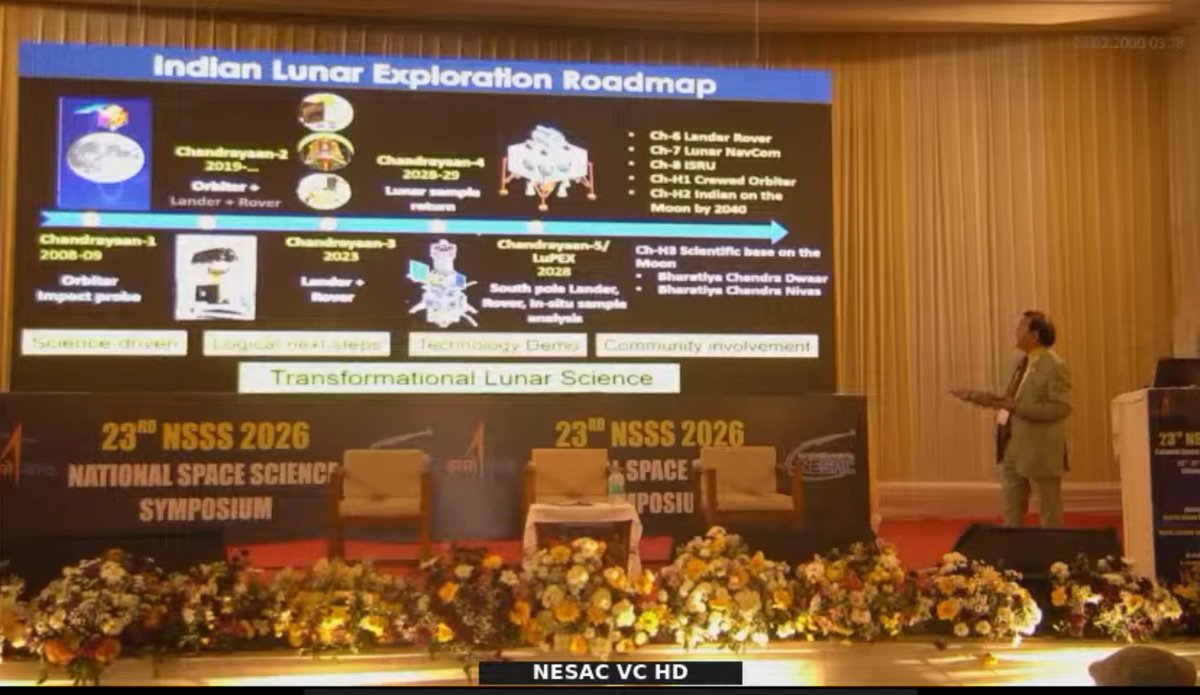
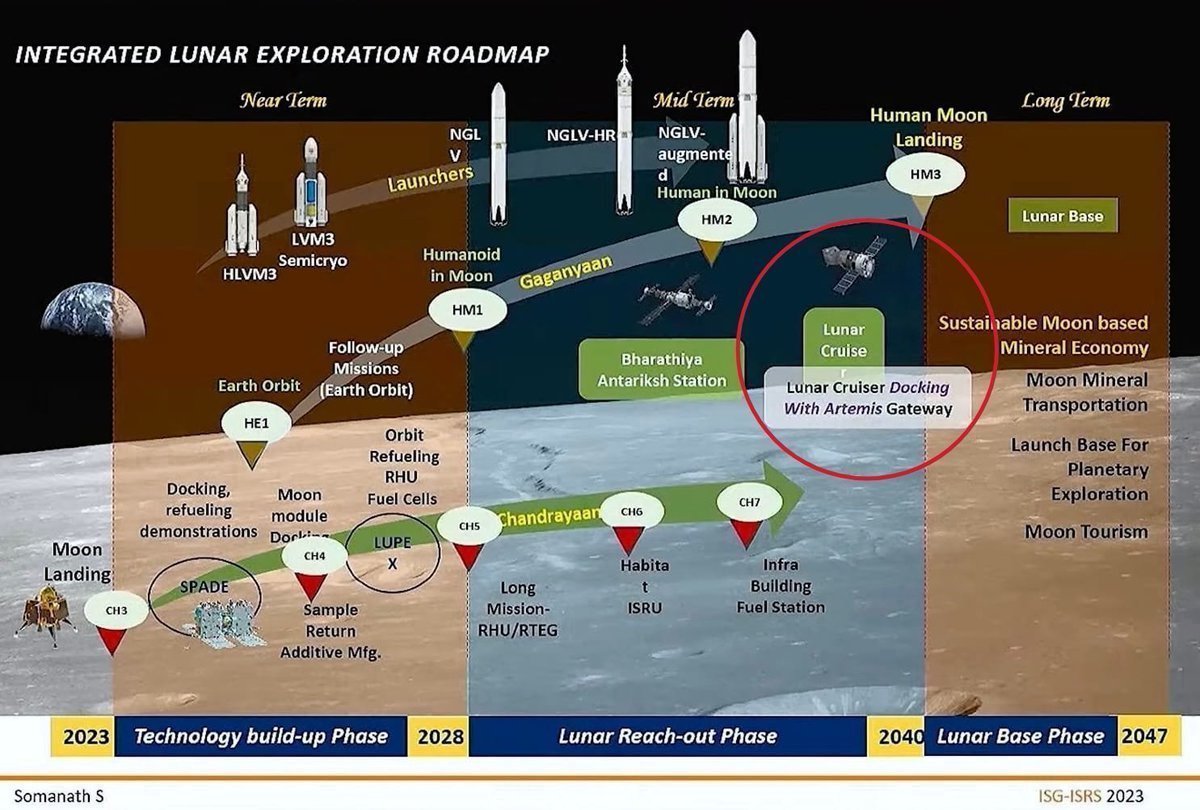
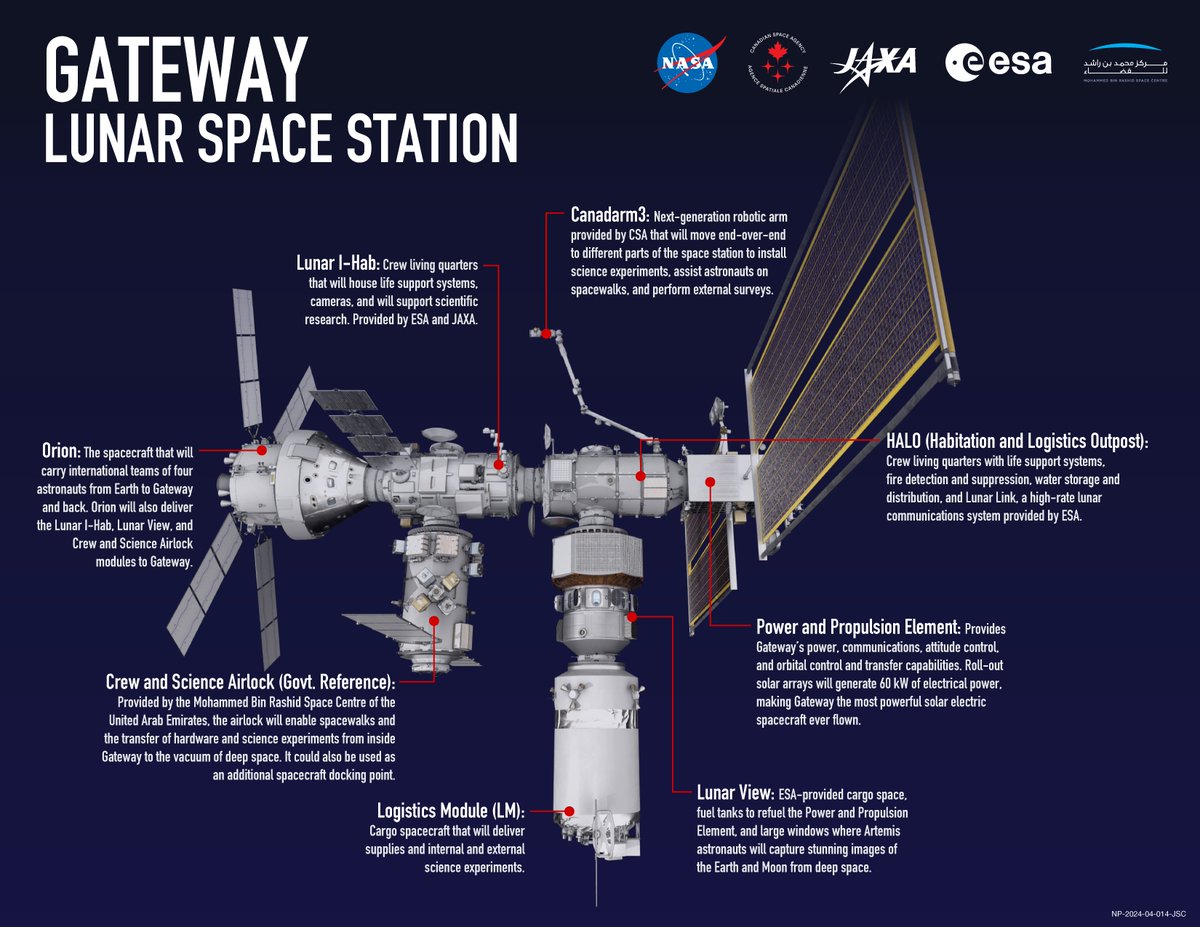
What's happening here?
Is this new "Bharatiya Chandra Dwaar" India's version of Lunar 𝗚𝗮𝘁𝗲way, or is it simply a renaming of deep space class of Gaganyaan capsule that they're planning to dock with Artemis' Gateway?
Either way, I'm sure we could've come up with better names for these. 🫠
12
19
140
7,125
Feb 20
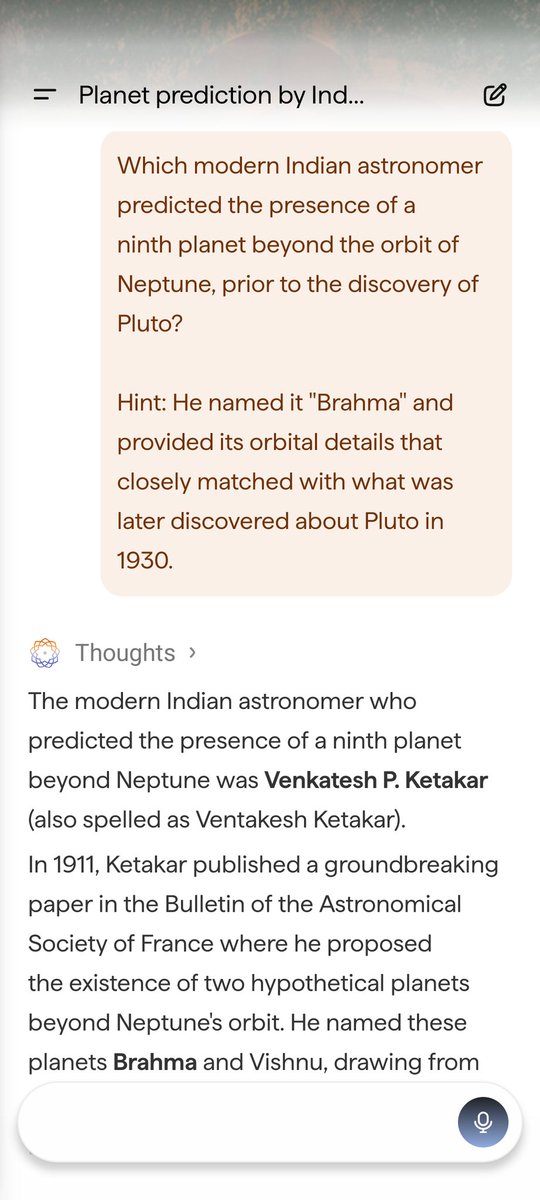
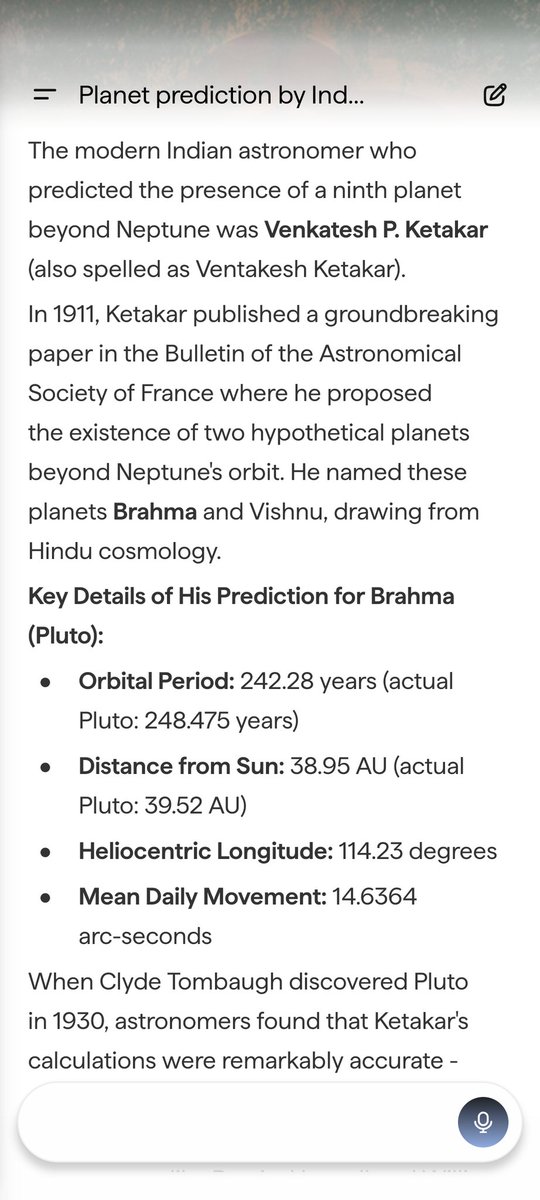
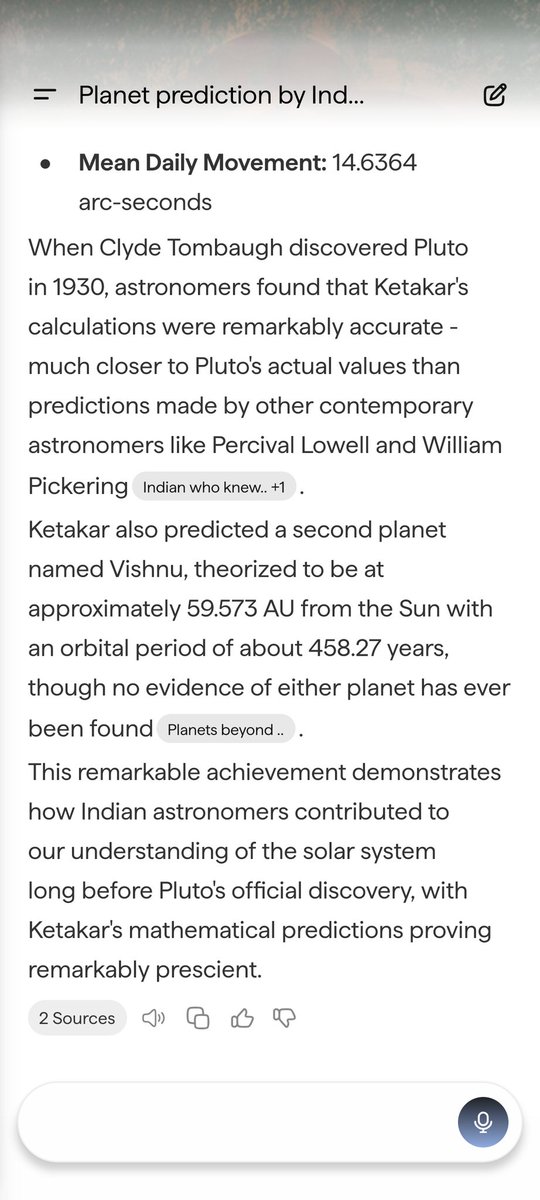
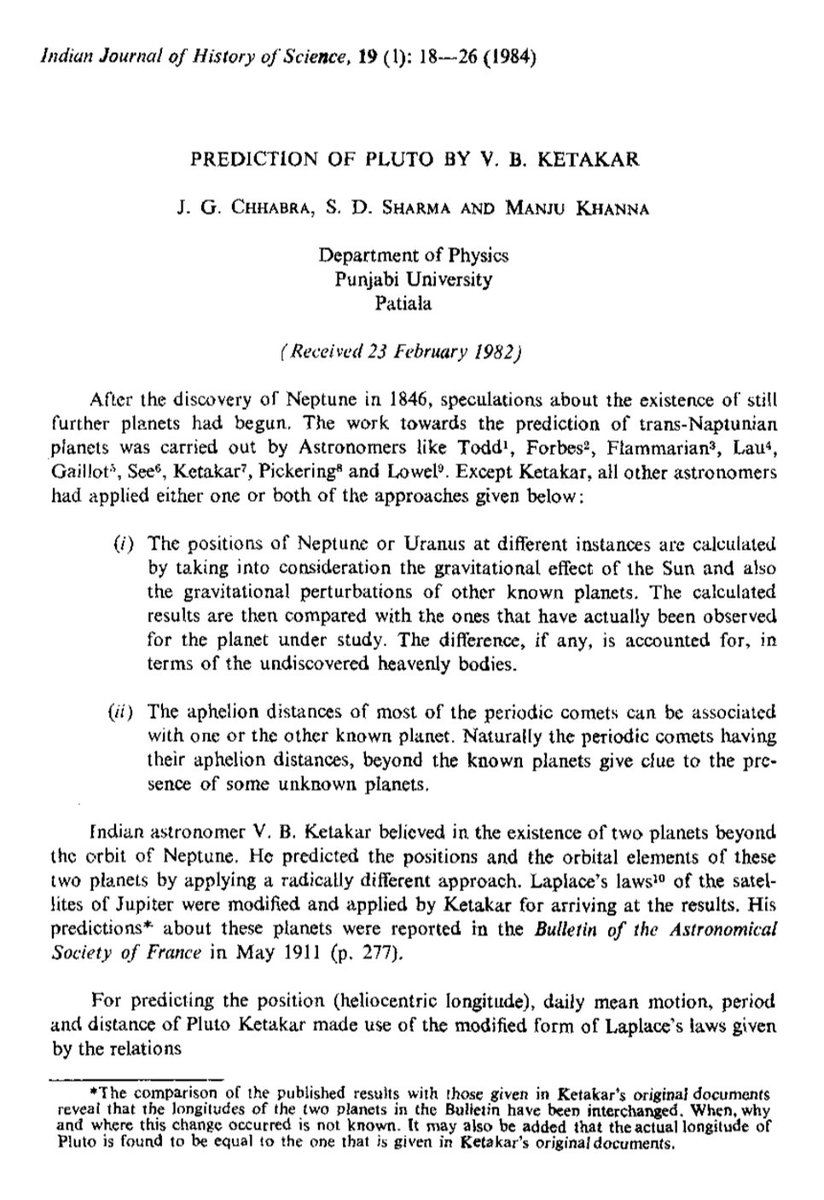
Not bad @SarvamAI. Not bad at all! :)
[Fun fact for those who didn't know this by the way 🙂]
6
108
666
22,100
Feb 20
The only inaccuracy I could find here is that his full name was Venkatesh Bapuji Ketkar, so the alphabet in the middle should be B, not P.
Regardless, I think more Indians (and the rest of the world) should know about him!
bvmap.org/images/bvmap/publi…
1
1
19
2,605
Feb 18
This is what an actual smart quadruped rover actually built by university students looks like.
Meet SpaceBok from ETH Zurich, a rover built to test agile locomotion on extraterrestrial surfaces. Yes, for lunar and martian terrains!
What's even cooler to know is that this isn't even an AI powered rover, and these videos were recorded by me in 2018's Bremen Space Tech Expo (8 years ago)!
1
5
54
2,458
29 Dec 2025
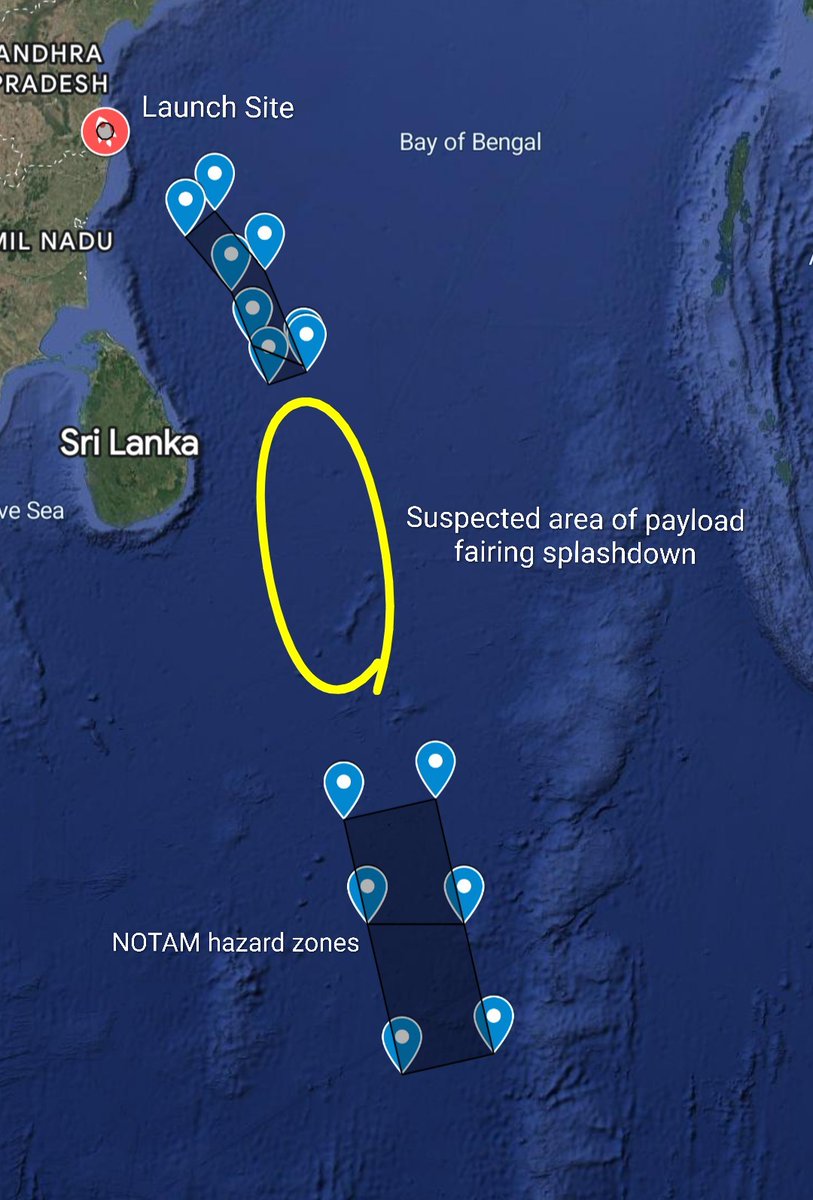
Yup, the latest sea wave direction data from Copernicus Marine Service does verify that anything fallen between the NOTAM hazard zones after the launch date (24 Dec 2025) would eventually end up on the eastern coast of Sri Lanka.
29 Dec 2025

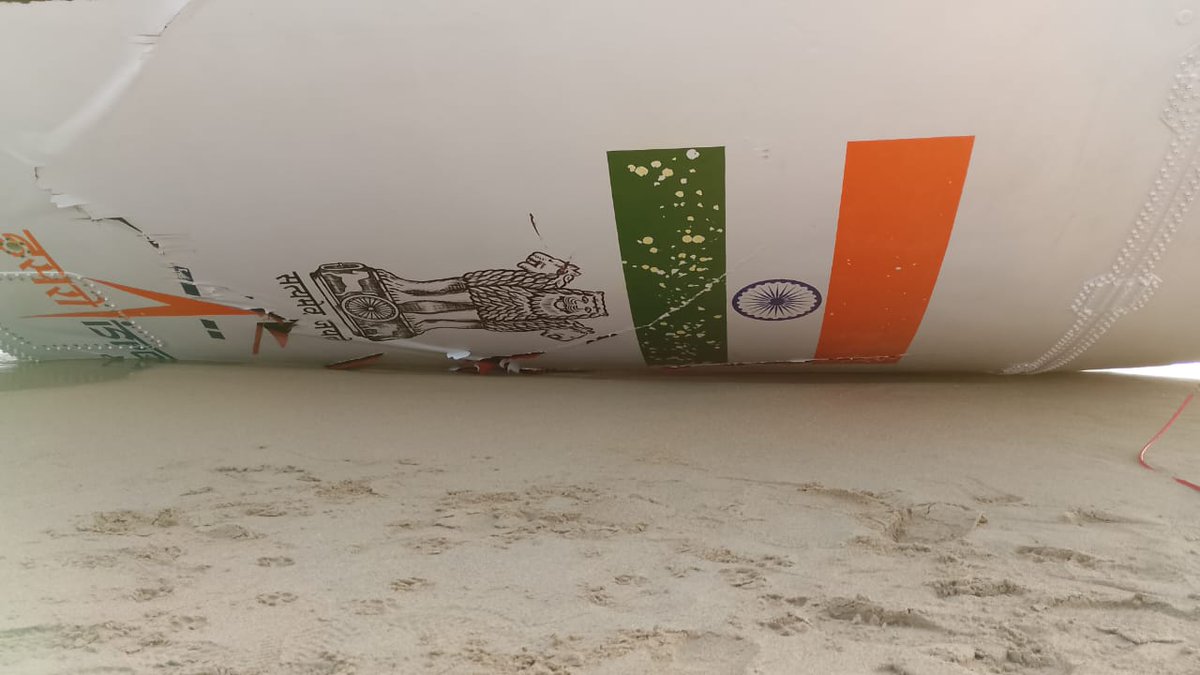
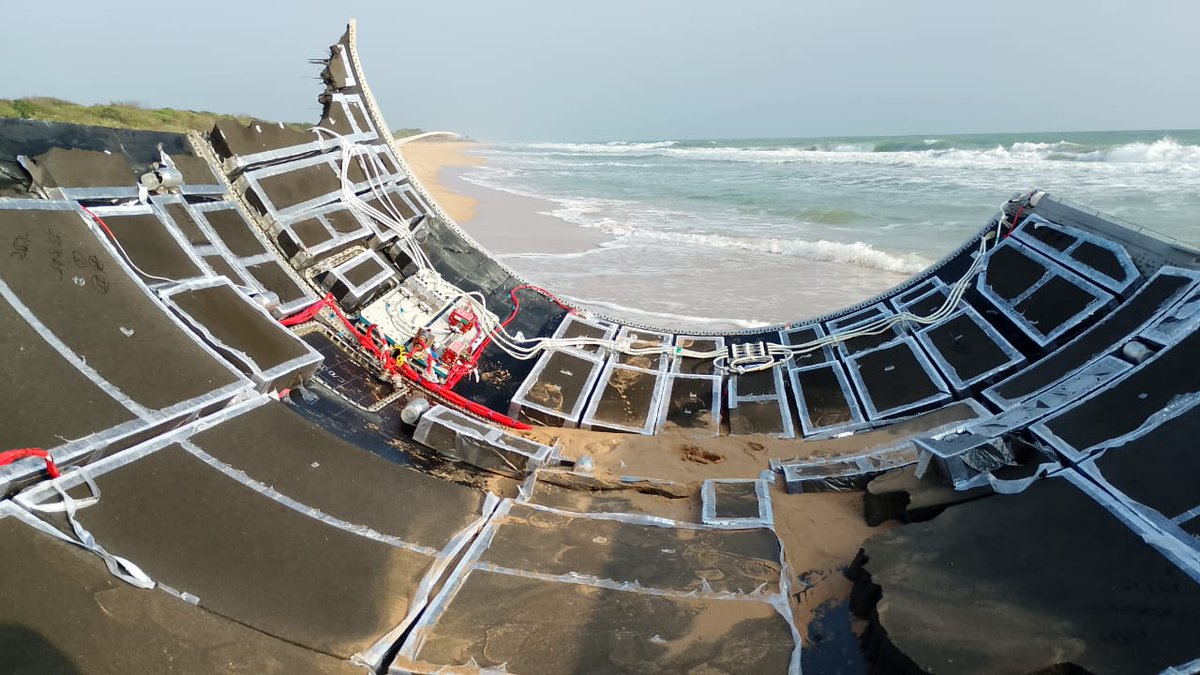
Payload fairing (the protective cover within which the satellite is encapsulated) of an Indian spacefaring rocket washed ashore in Sampur-Malamundhal on the East coast of Sri Lanka..
It is likely to be from the recent LVM3 M5/M6 launches, as it looks new
1
1
23
1,930
11 Dec 2025
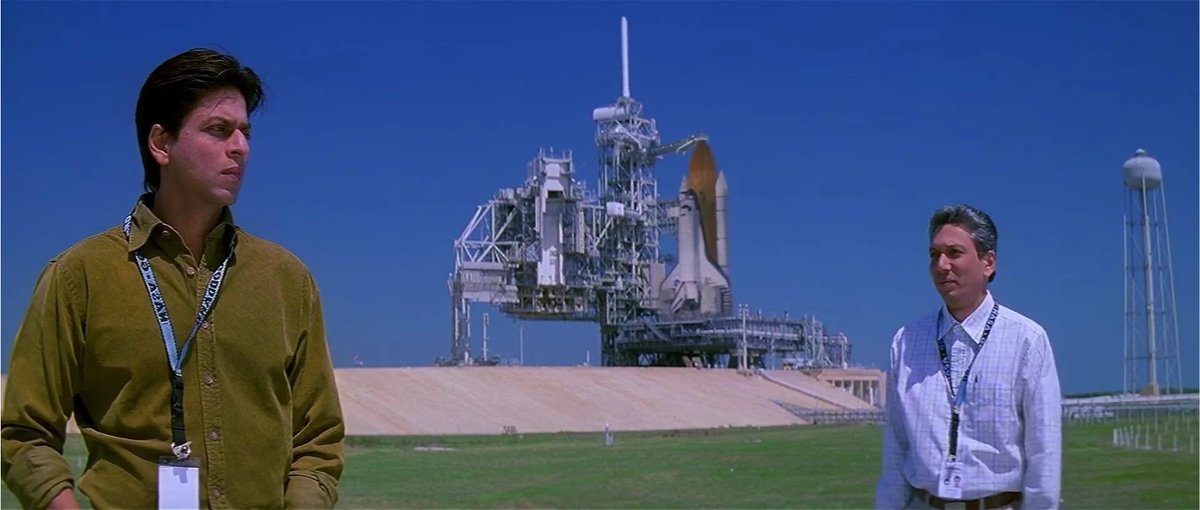
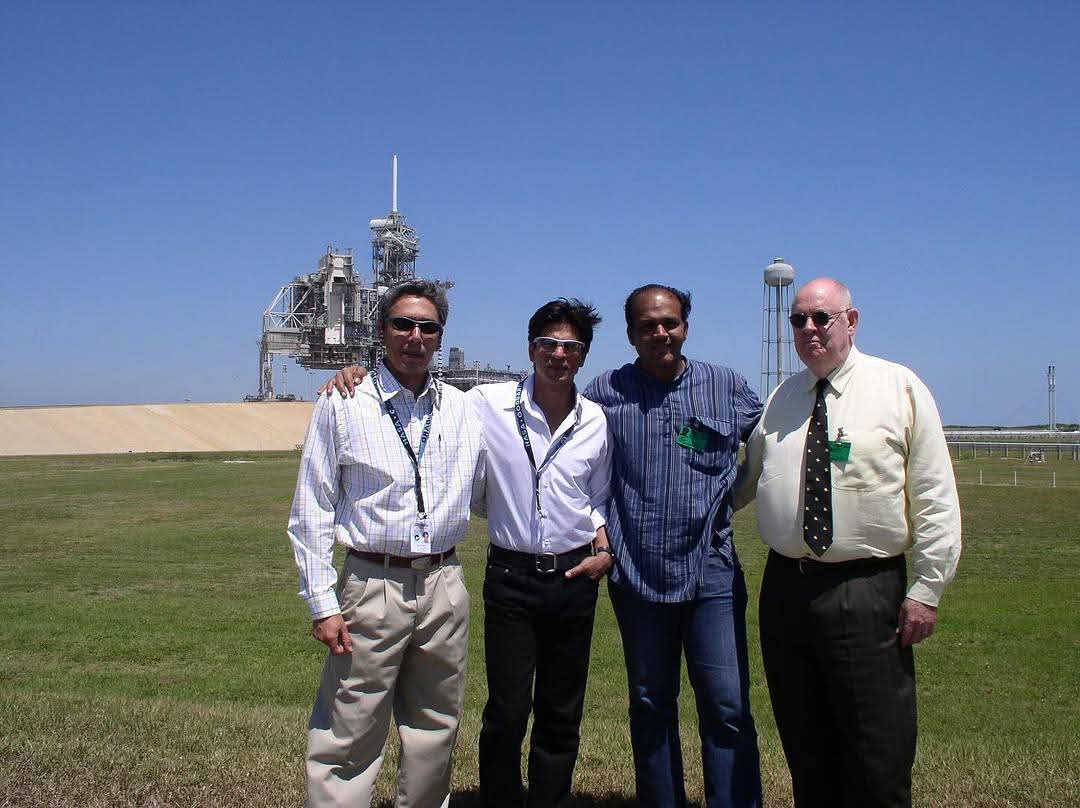
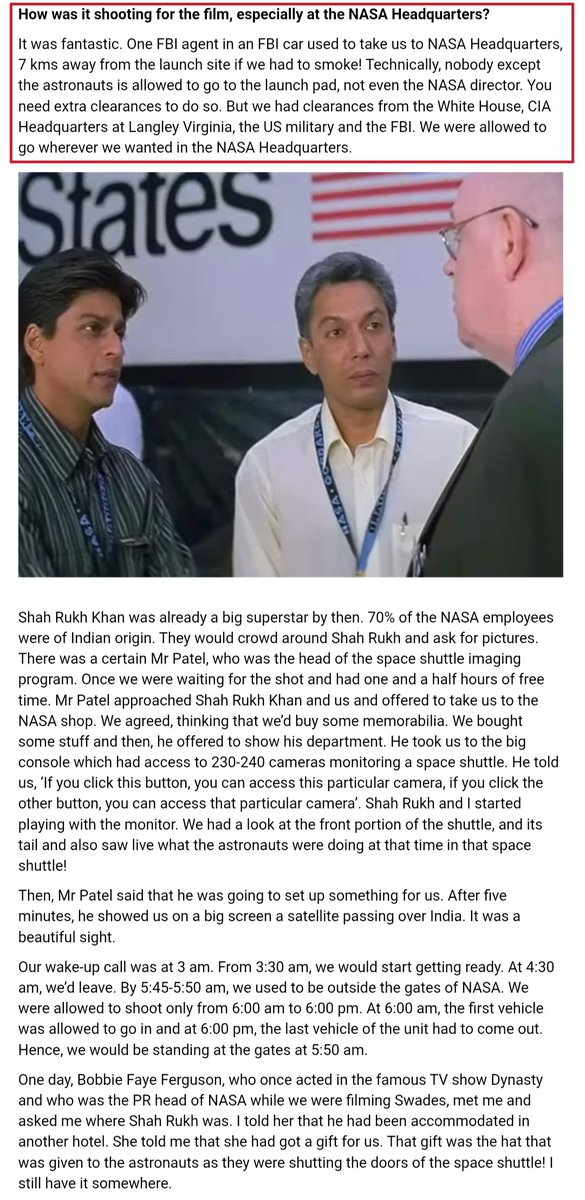
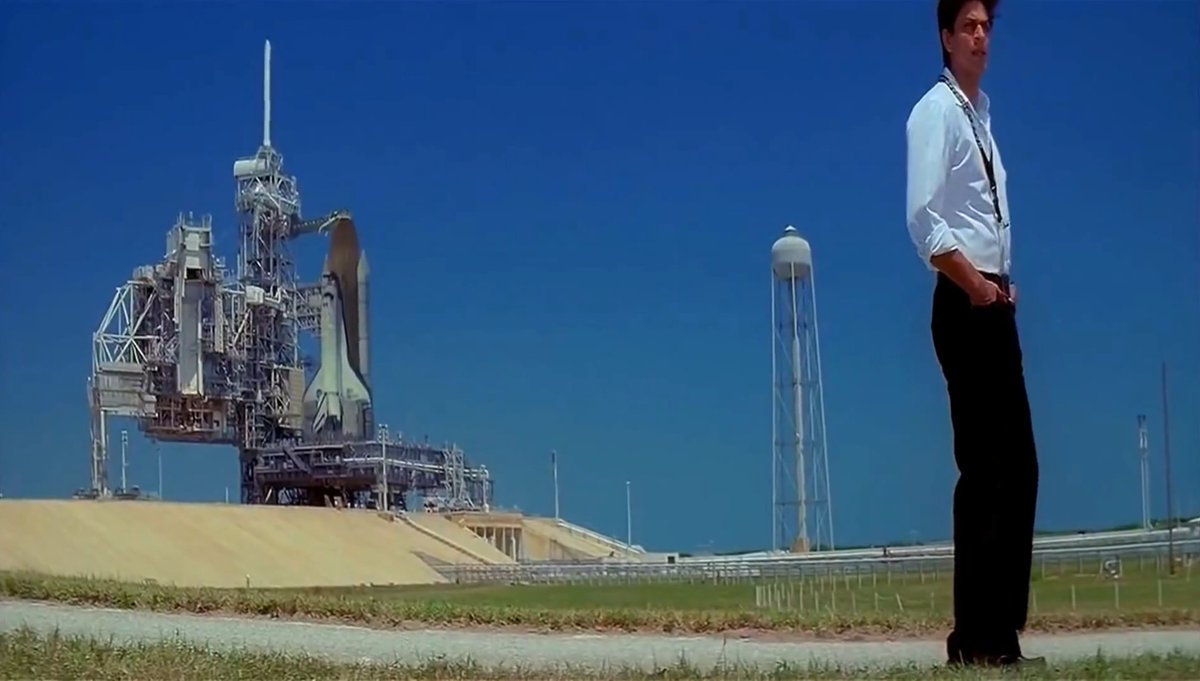
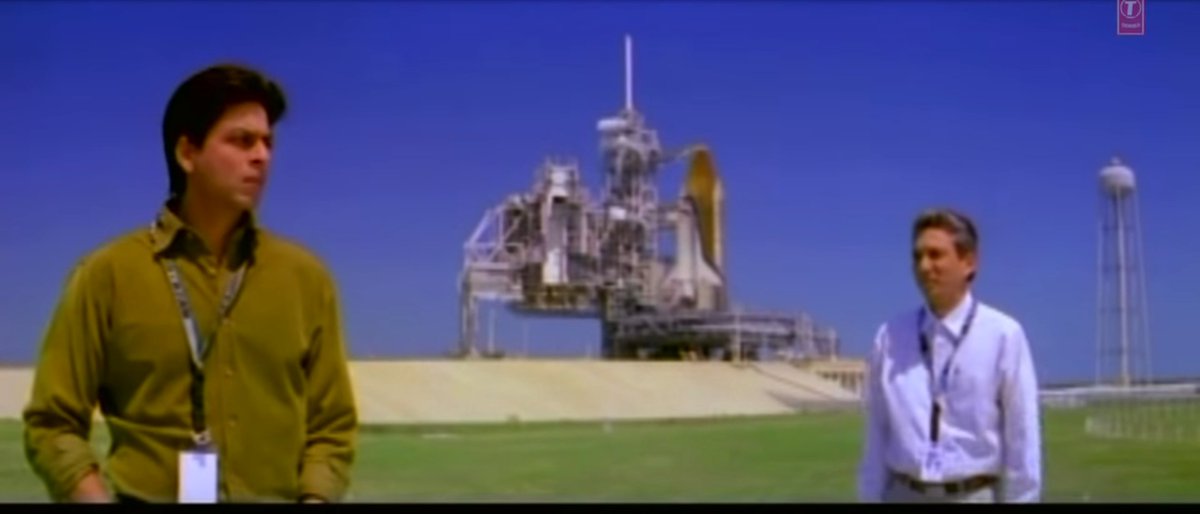
Till date the only Bollywood movie to have been shot in a NASA facility.
These pics are from Launchpad 39A of Kennedy Space Centre, Florida - about a year after the Columbia Space Shuttle disaster (that took the life of Kalpana Chalwa and her 6 crewmates).
The amount of clearances they had to acquire to shoot a couple minutes of content from afar is still astounding to this date.

10 Dec 2025

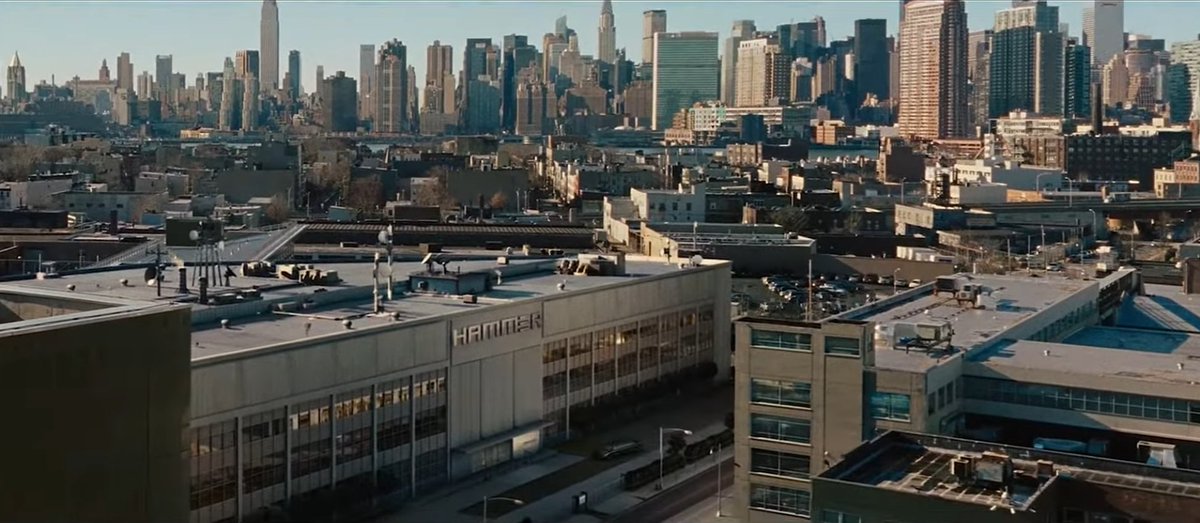
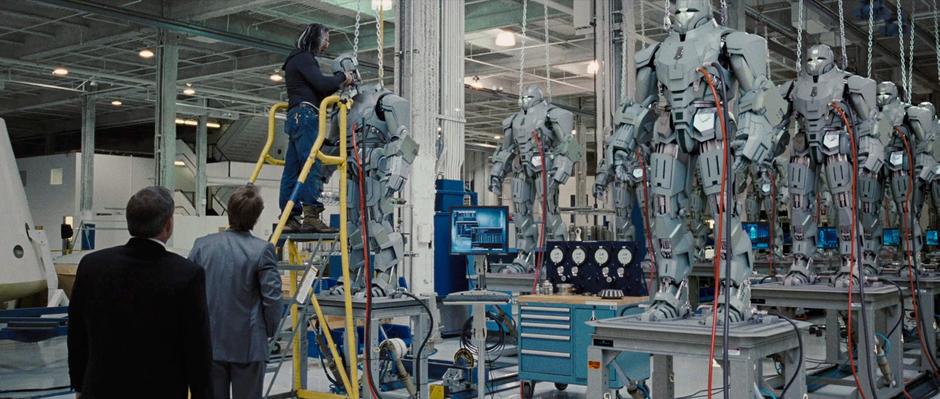
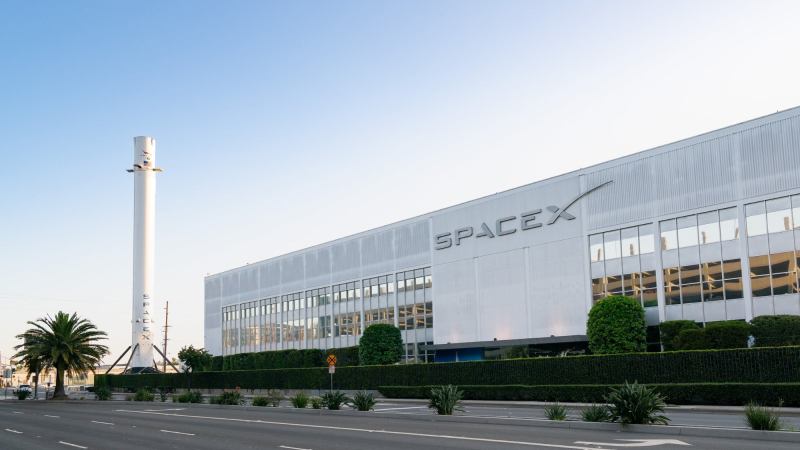
This scene in Iron Man 2 was shot at SpaceX HQ.
Parts of Falcon 9 are visible in the background.
Even the people in the background were real SpaceX employees working while they were filming.

6
40
685
32,954
11 Dec 2025
Also plugging in the short thread on Swades I compiled from a couple years ago -
x.com/i/status/1392627612883…
12 May 2021

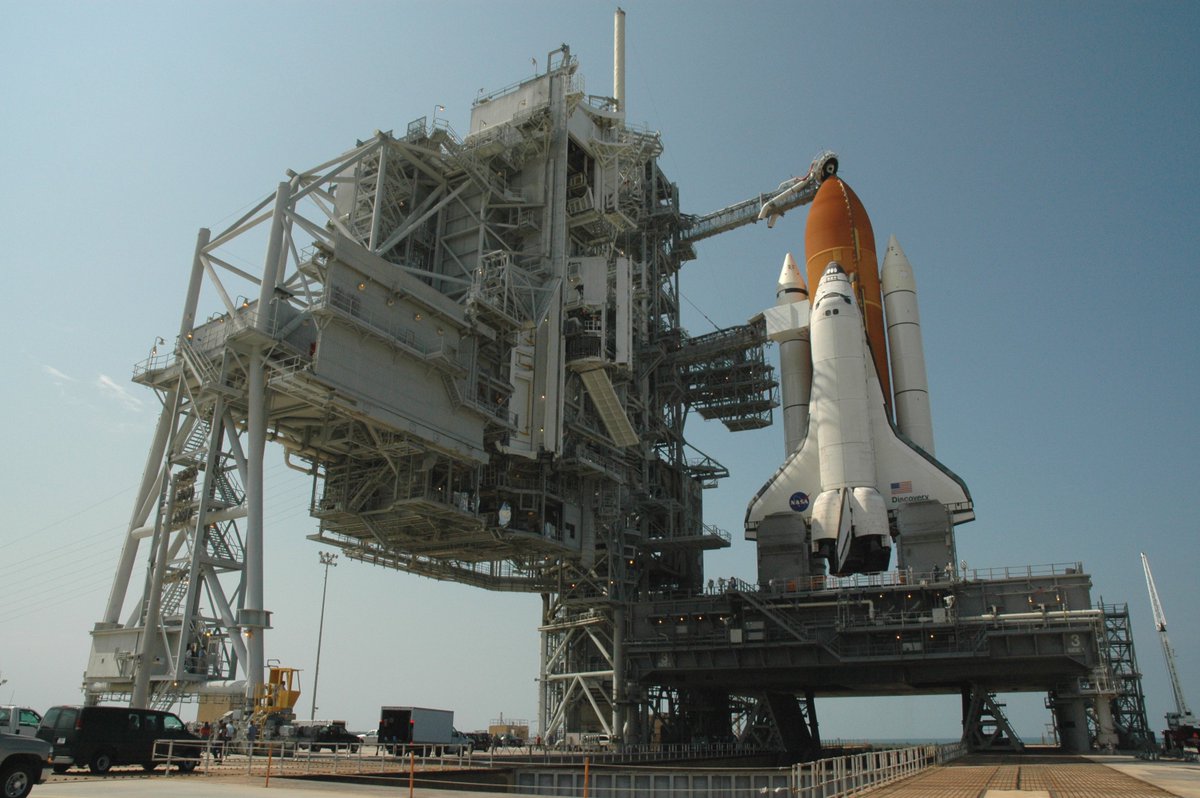
Happened to watch this gem of a movie (Swades) again and I couldn't help but do some further digging into this scene.
Turned out this was the shuttle Discovery of STS-114 waiting at the Kennedy Launch Complex 39-B, the first shuttle flight scheduled after the Columbia disaster!
18
3,250
10 Dec 2025
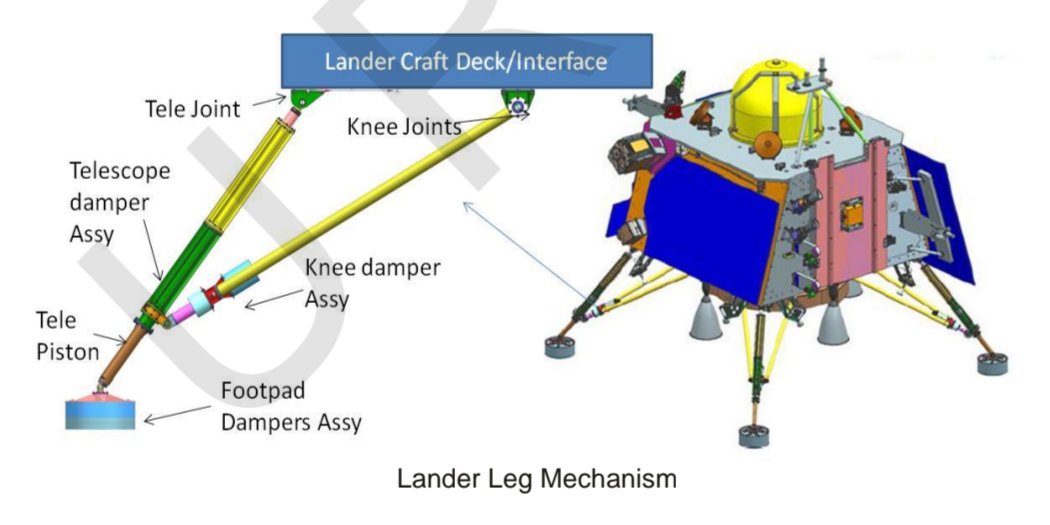
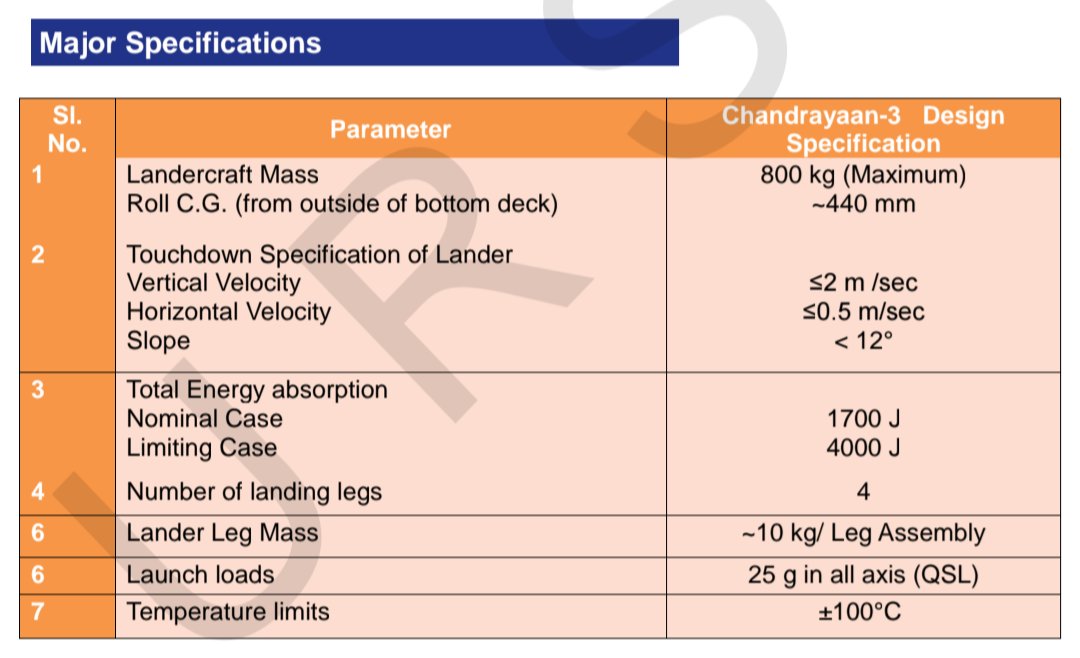
If you're building your own Moon lander, you can now procure Chandrayaan-3's lander legs from ISRO, who has now made this mechanism available for tech transfer to all private players.
Nice to see sweet sweet info- ursc.gov.in/industry/pdfs/TT…
3
26
151
12,783