
17y/o @AlphaSchoolATX Building the next generation of Ed-tech that will reach 1 billion kids.
Joined August 2023
- Tweets 683
- Following 149
- Followers 5,572
- Likes 567
19 Photos and videos



May 1
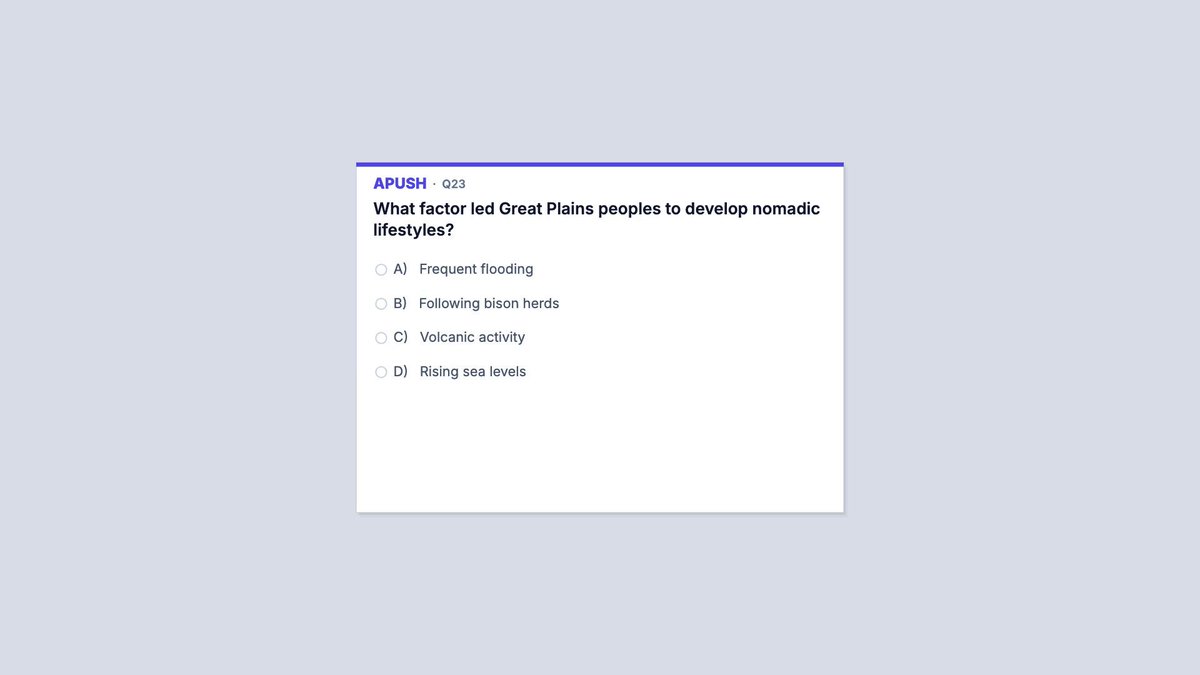
At 17, I pitched my school's founder to let me build the AP social science edtech. (AP = Advanced Placement.)
That was 2 months ago. Today the practice test results are in.
AP Human Geography (13 students): avg 5.00
AP US History (9 students): avg 5.00
AP World History (9 students): avg 5.00
A 5 is a perfect score. The national average on these exams is a 2.91. Only 14% of students ever score a 5.
In just 6 weeks of using the program, students' practice test scores jumped:
Student 1: 1 → 5
Student 2: 2 → 5
Student 3: 2 → 5
Every student got there through advanced, personalized edtech. ( @AlphaSchoolATX is the future of education )
22
15
218
18,041
Apr 7
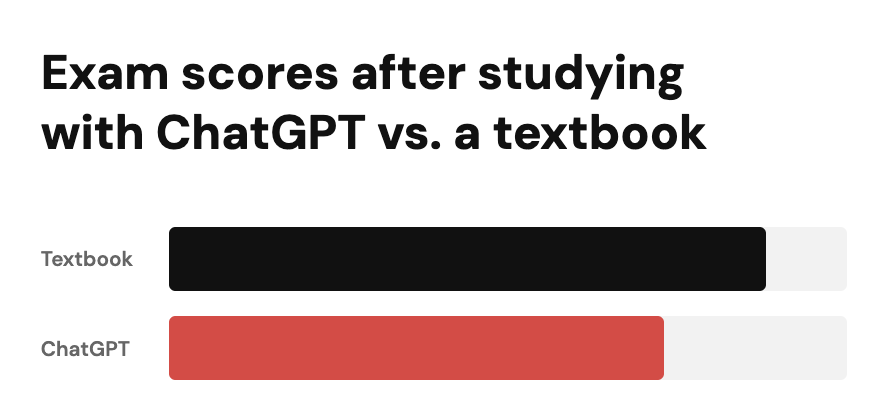
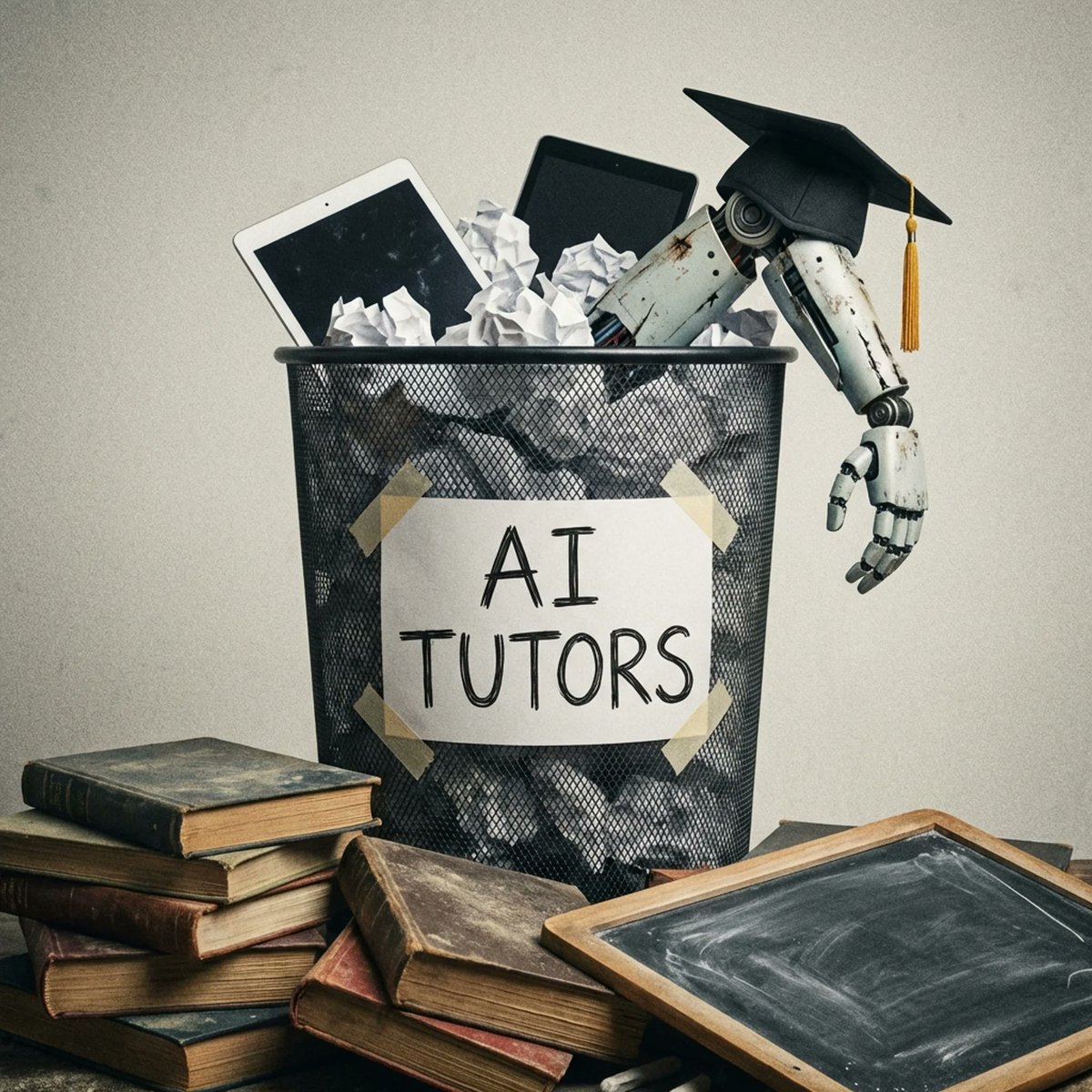
A student with a textbook will outperform a student with ChatGPT.
Hear me out.
A team at UPenn took about 1,000 high school students and split them into two groups.
One group got ChatGPT to help them with their math practice. The other group got nothing but their textbook and notes.
The ChatGPT group scored 48% higher on homework than the textbook group. By every metric, it looked like the question was already answered.
Then the researchers took ChatGPT away and gave everyone the same exam.
The ChatGPT group scored 17% worse than the students who never had it.
That is insane.
None of this means AI can't work in education. It means a raw chatbot is not a learning tool.
(Peer-reviewed, published in PNAS, 2025.)
14
9
63
13,454
Apr 3
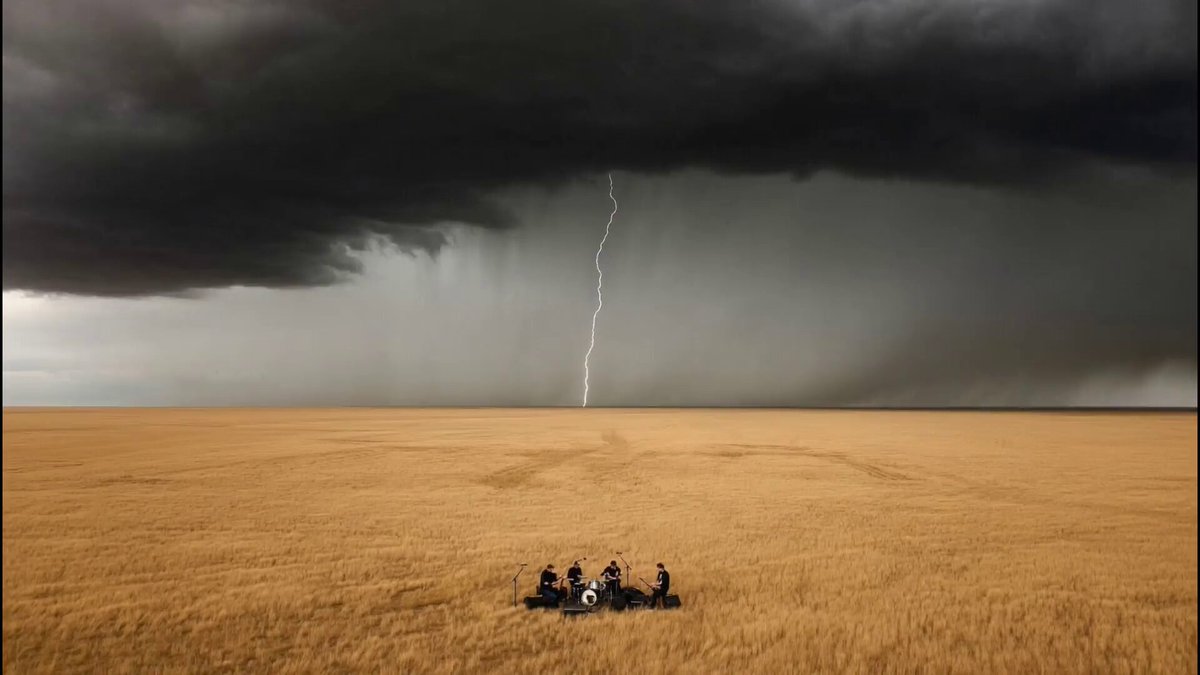
A week ago our students came to us and said they wanted a way to turn their history lessons into songs.
So we built it.
After you finish a lesson, you can generate a song about everything you just learned in any style you want. Pop, rap, country, whatever.
Now students are doing their history just to get to the song.
More of their songs in the reply.
9
11
116
8,331
Apr 3
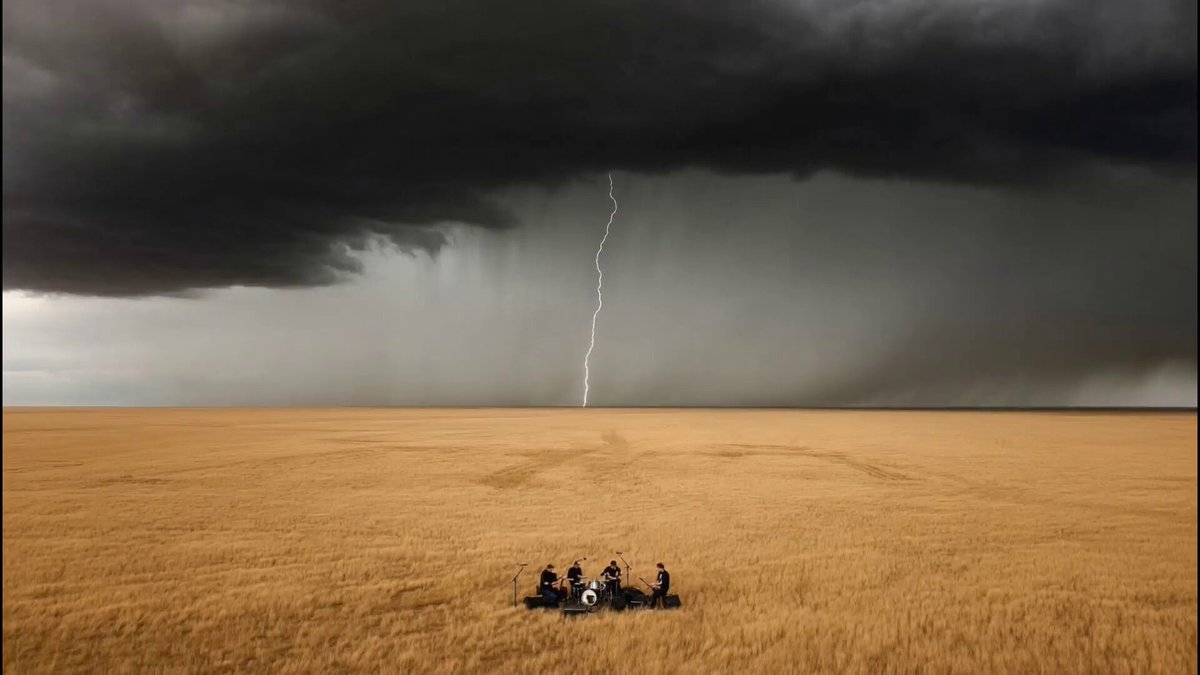
We don't show the students the videos, as AI is too unreliable. That said, here is another song one of our students generated.
5
936
Apr 1
We spent months perfecting our adaptive learning algorithm.
Spaced repetition. Bayesian knowledge tracing. etc.
Then we added sound effects and animations to correct answers and it outperformed everything.
Students are answering 9x more questions per day.
They're attempting 4x more hard questions.
They're mastering skills 3x faster.
10
9
167
8,875
Mar 30
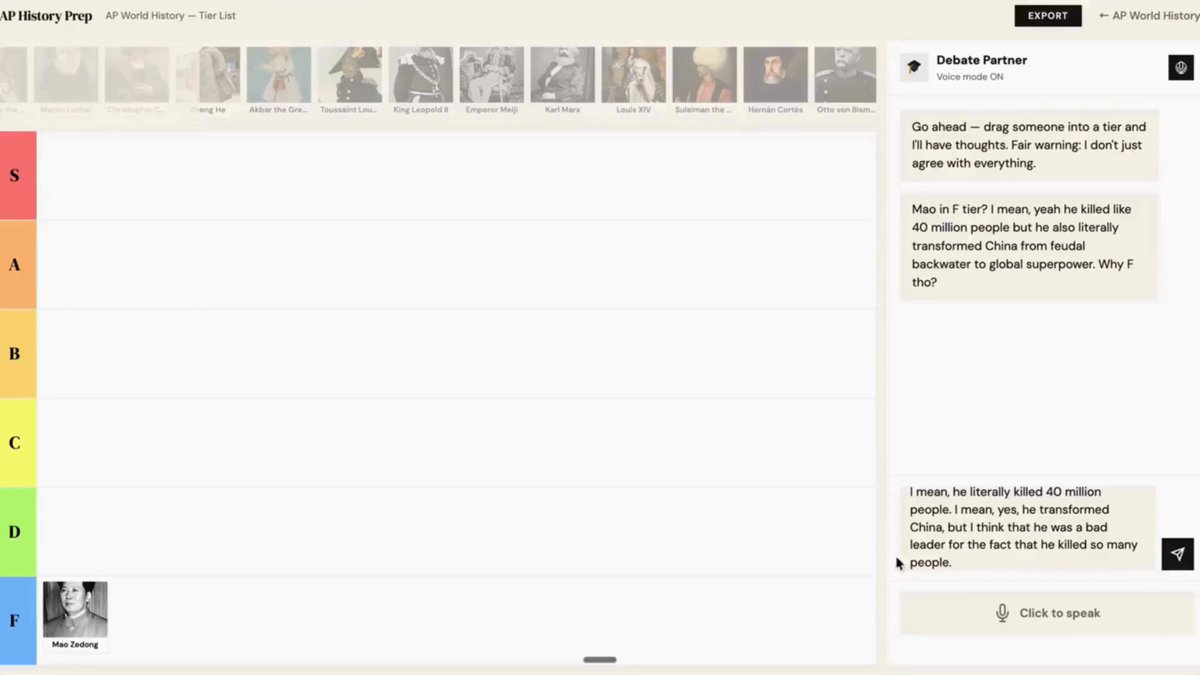
A week ago I noticed our AP History students couldn't match world leaders to what they actually did.
So we built a tier list game.
Students rank leaders, then argue against a (somewhat sassy) AI to justify their placement.
A week later, the knowledge gap is gone.
17
23
475
36,895
Mar 28
Our history students spend 45 minutes a day voluntarily learning geography.
Every break, Every lunch... Same thing... GeoGuesser.
So we asked the obvious question:
Why doesn't this exist for history?
We built it.
You watch AI footage from a time and place in history.
Then you guess where and when it happened.
They love it.
73
92
1,523
196,938
Mar 26
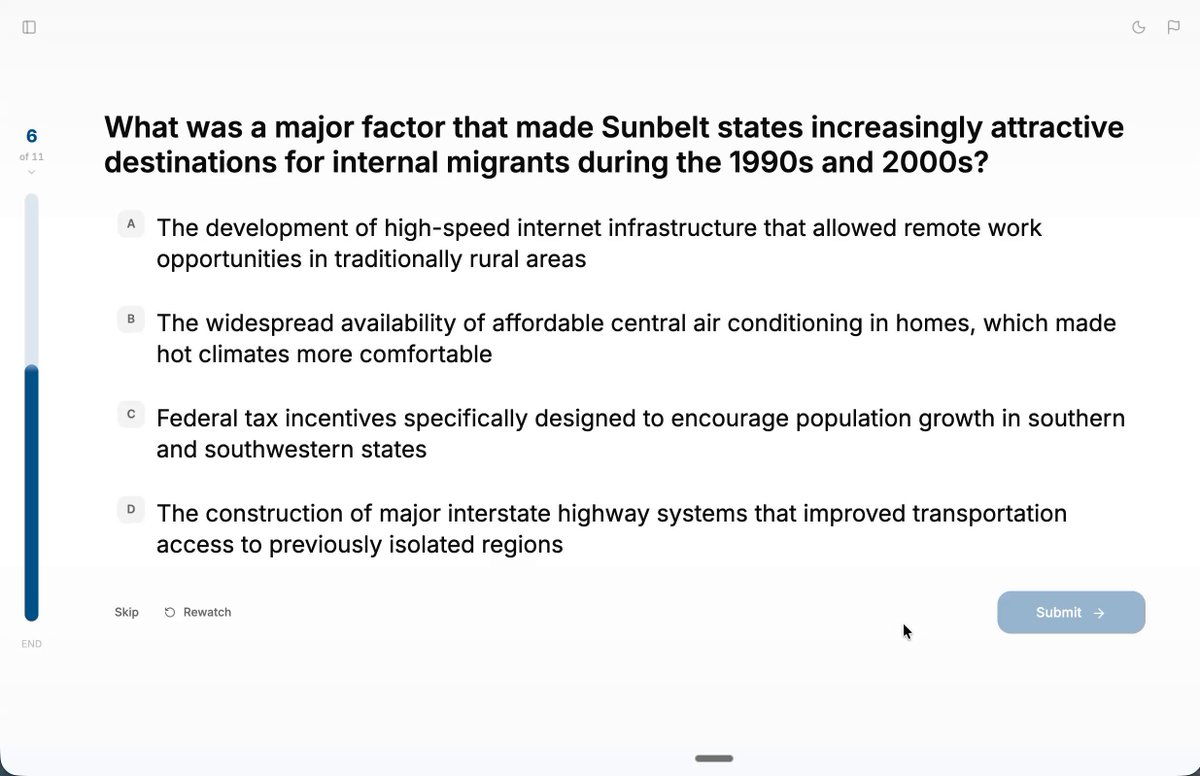
Are you smarter than an @AlphaSchoolATX 5th grader?
Probably not...
That's not an insult to you, it's a compliment to what's possible when edtech is done right.
Want to find out? Take the test! (In comments) 👇
3
4
67
19,325
Mar 25
Having no friends is making you stupid.
Every month of social isolation shrinks the developing brain by 0.27%.
Lonely students fall 8 months behind their peers in math.
This is not uncommon. 1 in 5 teenagers are lonely.
But stopping it is shockingly simple.
Stanford had freshmen do one thing. Read stories from older students who said "worrying about fitting in is normal. It goes away." Then write a short letter to future students saying the same.
That single hour resulted in the following:
→ GPA went up every year for 4 straight years
→ Achievement gap was cut in half for 3 years
→ 10 years later: better careers, more mentors, happier lives
Mar 23

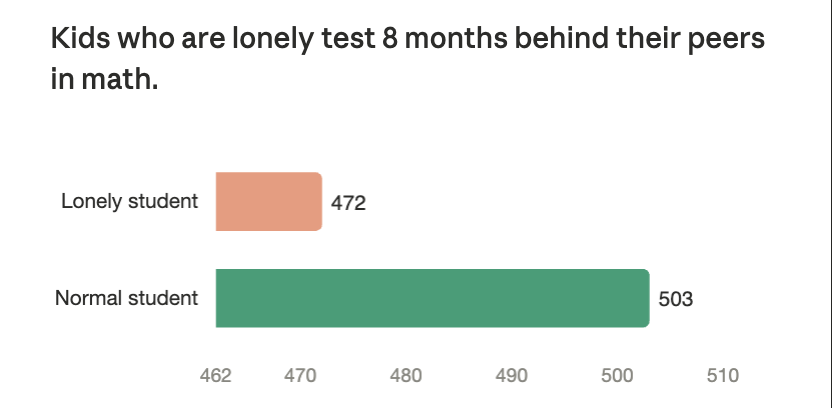
Kids who are lonely test 8 months behind their peers in math.
Even worse: the damage is permanent.
12 year olds who were lonely had lower grades and often never recovered from the academic hit. And every month a child is lonely in school leads to a 0.27% decrease in brain size.
3
1
33
3,850
Austin Way retweeted

Mar 25
Inside Alpha Schools: How AI is transforming the traditional education system | video.foxbusiness.com/v/6391… @MorningsMaria @FoxBusiness
8
18
41
8,786
Mar 23
Lonely students test 8 months behind in math
1 in 5 teenagers are lonely.
→ Kids with no friends are 3x more likely to dropout of school.
→ In some cases, every month of isolation shrinks a child's developing brain by 0.27%
It doesn't even take a friend to change the trajectory.
Stanford gave lonely students a single one-hour conversation: "that feeling of not fitting in? It's normal. It goes away."
The achievement gap was cut in half for three years. A decade later, those students still reported higher well-being.
Mar 23
Kids who are lonely test 8 months behind their peers in math.
Even worse: the damage is permanent.
12 year olds who were lonely had lower grades and often never recovered from the academic hit. And every month a child is lonely in school leads to a 0.27% decrease in brain size.
2
2
25
2,975
Mar 19
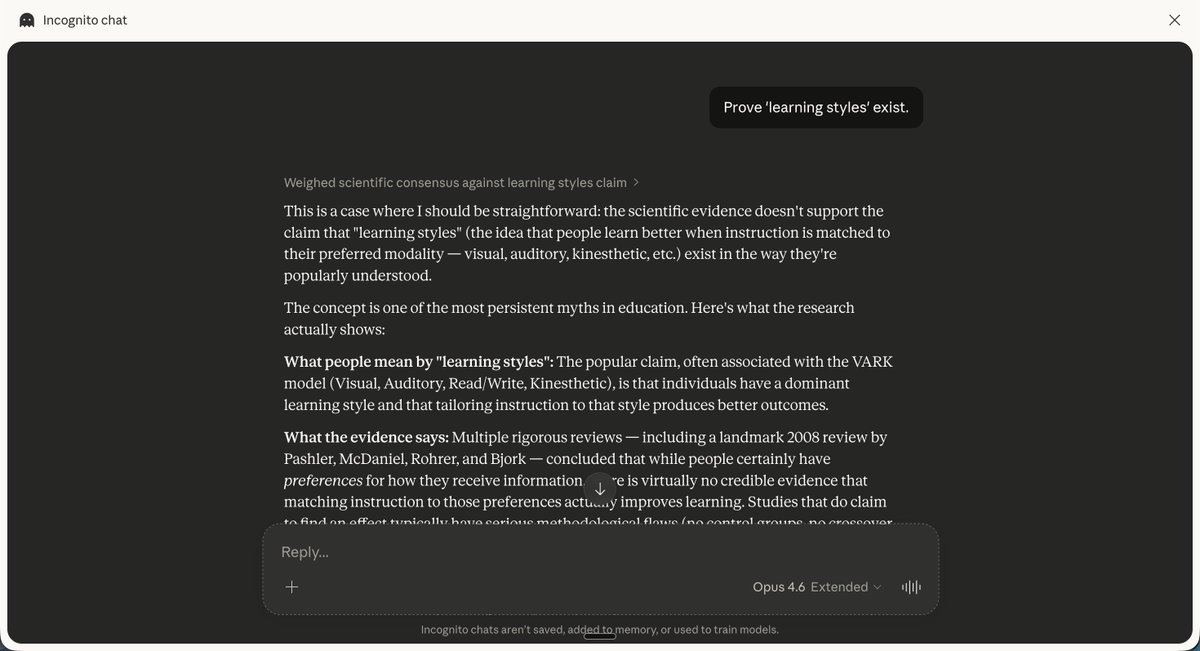
The education system has been lying to you since second grade.
You think you're a visual learner? Or a hands-on learner?
You're not.
"Learning styles" are a myth.

41
51
452
144,748
Mar 17
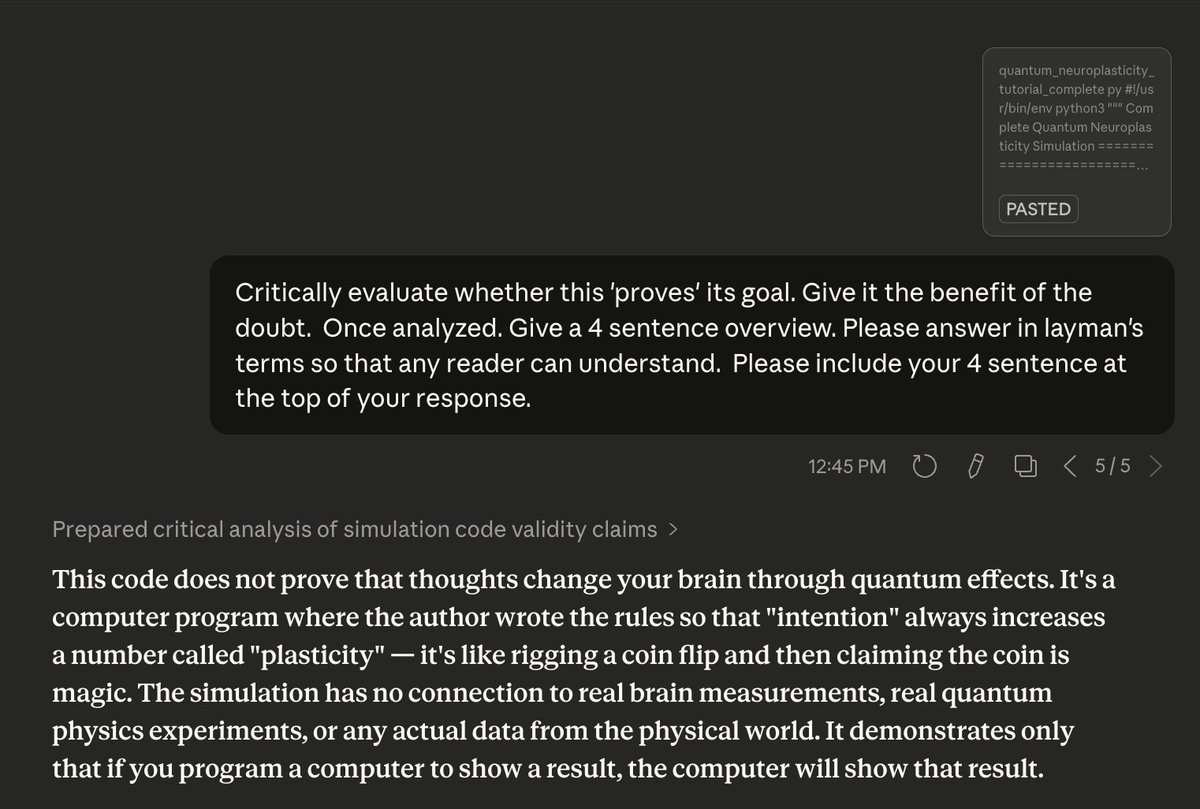
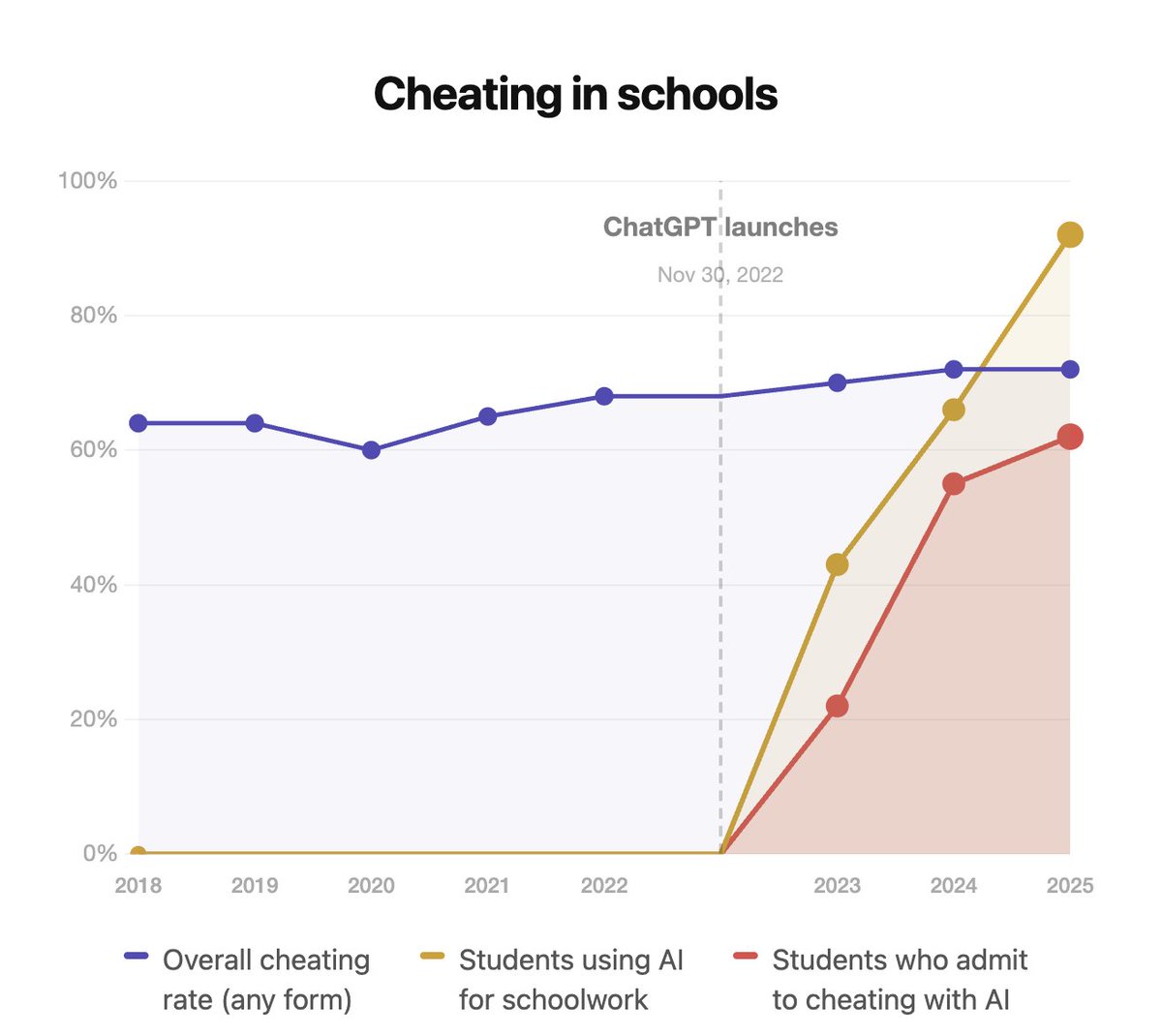
There's a cheating method so advanced that no school in the world can detect it.
We just caught someone using it.
An AI agent can now complete online coursework indistinguishably from a real student.
Tools like @Openclaw can mimic the arc movement of the mouse, the pace of a student, etc.
It operates at the system level, meaning there's nothing for a platform to detect.
So how did we catch someone using it?
Every student leaves a pattern in their data, and when an AI agent does the work, that pattern looks nothing like a real student.
By extrapolating student data and comparing to the mean, you catch a cheater.
21
2
139
15,308
Mar 16
In just 30 days I scored a 5 on the Physics 1 AP practice exam.
Nobody believes me when I tell them I only studied 30 minutes each day.
This is the future of Physics edtech.
Mar 16

The mean AP Physics 1 score is 2.59.
Why? Because students can't identify the equations they need.
Getting a 5 is actually really easy. That is why we built this:
An adaptive software designed to help students identify the right equations in 10 seconds.
Just like how you know 7x8.
8
35
592
45,417