
8,842 Photos and videos










BCdee 🦅⚽️❣️ retweeted

I have lived in Boston for a while and I have never once seen this city look so happy. Took 11,000 strangers in kilts.
69
695
8,769
71,210
BCdee 🦅⚽️❣️ retweeted

The Tartan Army is skyrocketing up the best fanbase in sports power rankings
54
164
3,324
173,565
BCdee 🦅⚽️❣️ retweeted

I think I love the Tartan Army
127
297
7,852
643,238
BCdee 🦅⚽️❣️ retweeted

Jun 14
Be faithful unto death, and I will give you the crown of life.
17
128
1,286
16,710


Jun 14
Look at that EAGLE! 🦅😍🤩🦅
Jun 14

🚨 AWESOME! A literal BALD EAGLE just kicked off tonight's Freedom 250 UFC weigh-in on the National Mall DIRECTLY in front of the White House
"USA! USA! USA!" 🇺🇸🇺🇸
How can ANY patriot hate this?!
What a HISTORIC event!
2
160
Jun 14
Amazing, Syd!! FIFTH (5th) in the Nation in the 400M….ALL AMERICAN! #SydSegalla 🦅💨
#WeAreBC! So proud of you! ❤️



1
11
404
BCdee 🦅⚽️❣️ retweeted

Jun 12
WHOA: Spencer Pratt just went NUCLEAR on Karen Bass and Nithya Raman in a new video posted to X.
“You think your election was going to stop me? If you want to stop me, you’re going to have to f*cking kill me!”
He warned that he has recordings of one of the candidates that will force her to “resign in shame,” and said the gloves are now completely off.
PRATT: “You’re about to reward the arsonist who torched the place with four more years of destruction?”
“My goal hasn’t changed. I’ve been very focused on stopping these commie animals and I will stop them.”
“If you think we uncovered a lot of fraud and evil in the campaign, just wait.”
“We have some recordings of one of your exalted candidates doing and saying something that would make her resign in shame.”
“I was saving it for the general election. Go ahead and pick your demon, certify your choice and then you get to see it.”
“So Karen, Nithya, ask yourself, is it possible that one of your employees may have a recording of you doing or saying something that would force you to resign in disgrace?”
1,131
8,118
33,823
621,194
BCdee 🦅⚽️❣️ retweeted

These monuments tell the story of America.
They honor the men and women who sacrificed for our freedom and the leaders who helped shape this nation.
Their beauty, history, and meaning remind us why America remains the greatest country on Earth.
They stand as lasting symbols of courage, strength, sacrifice, and the American spirit.
God Bless America! 🇺🇸
650
8,557
36,036
405,072
Jun 12
Don’t care if this is AI…this is what I needed to see this morning! #TGIF! ☕️☕️☕️☕️

It's funny how they shouldn't be able to talk at all, yet they totally get it lol 😂
86
BCdee 🦅⚽️❣️ retweeted

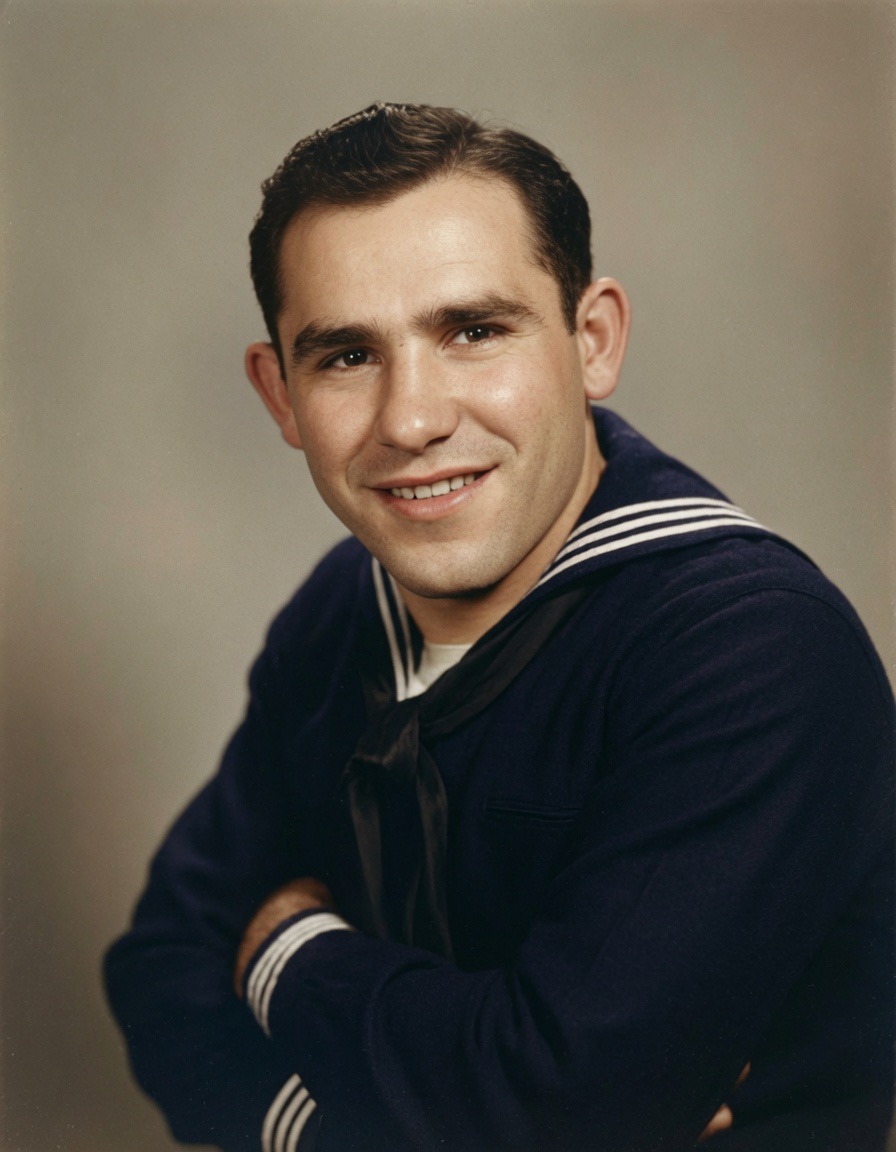
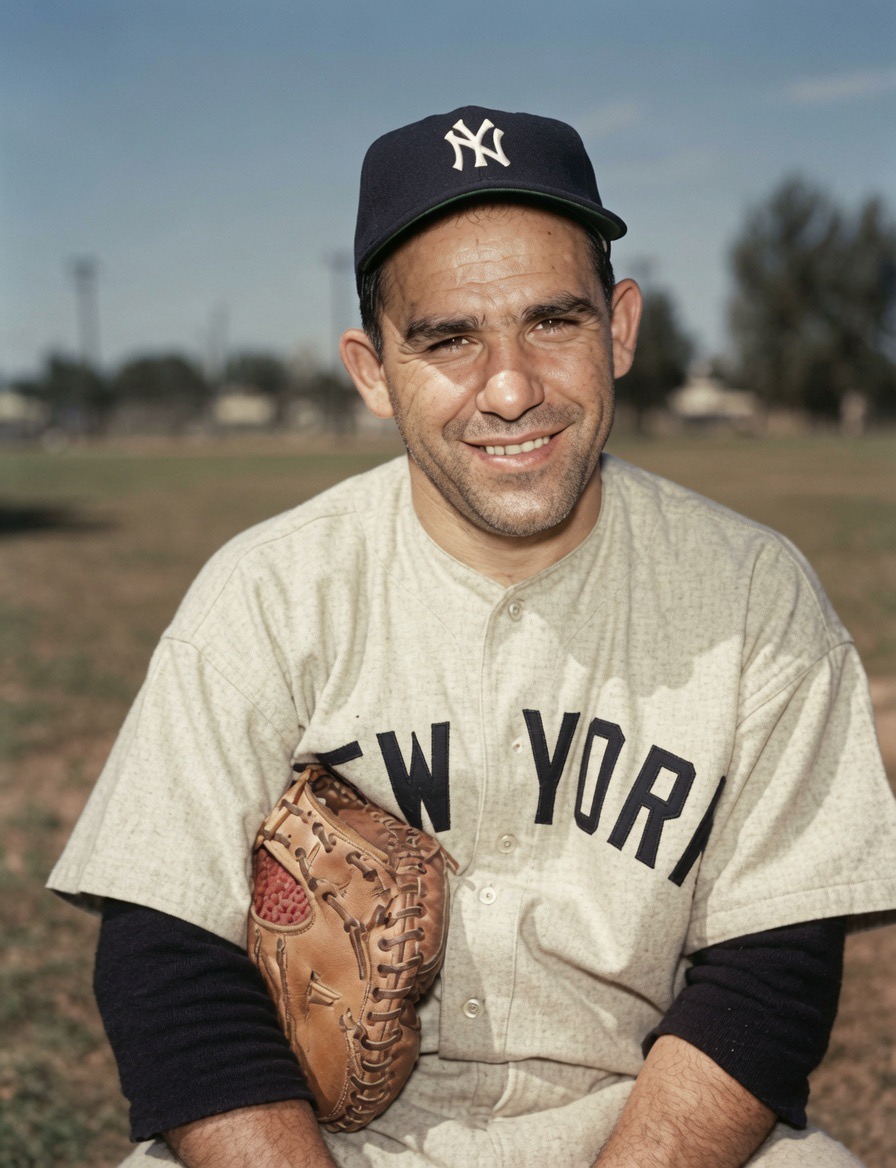
🇺🇸 Most Badass Ballplayers: Combat Veteran Edition #5 Yogi Berra
Eighty-two years ago today on D-Day, at 19 years old, he was on a small rocket boat firing on German positions during one of the most important days in modern history.
Born May 12, 1925, in St. Louis, Missouri.
In 1943 he enlisted in the United States Navy even though he had already signed with the Yankees.
He put baseball on hold to serve his country.
He was assigned to the attack transport USS Bayfield and served as a gunner’s mate on a 36-foot Landing Craft Support vessel (LCSS). It was a rocket boat armed with machine guns and a dozen rockets.
On D-Day his boat raced in close to shore to suppress German positions before the first waves of troops landed.
Yogi manned a .50 caliber machine gun.
The scene was so intense with explosions and gunfire that his officer had to keep yelling at him to keep his head down.
Yogi later said it looked “just like the Fourth of July.”
Almost everyone on his boat was hit by enemy fire that day.
Yogi was wounded in the hand and earned the Purple Heart, though some accounts say he never formally accepted it because he didn’t want his mother to receive a telegram and worry.
After D-Day, his rocket boat spent the next 12 days protecting the beach and shooting at enemy aircraft.
Later that year he also supported the invasion of southern France.
After the war Yogi returned to baseball and made his major league debut with the Yankees in 1946.
Over the next 19 seasons he became one of the greatest catchers in history, winning ten World Series titles as a player, earning three MVP awards, and being selected to 18 All-Star Games.
He was inducted into the Baseball Hall of Fame in 1972.
Thank you, Yogi! 🫡🇺🇸⚾

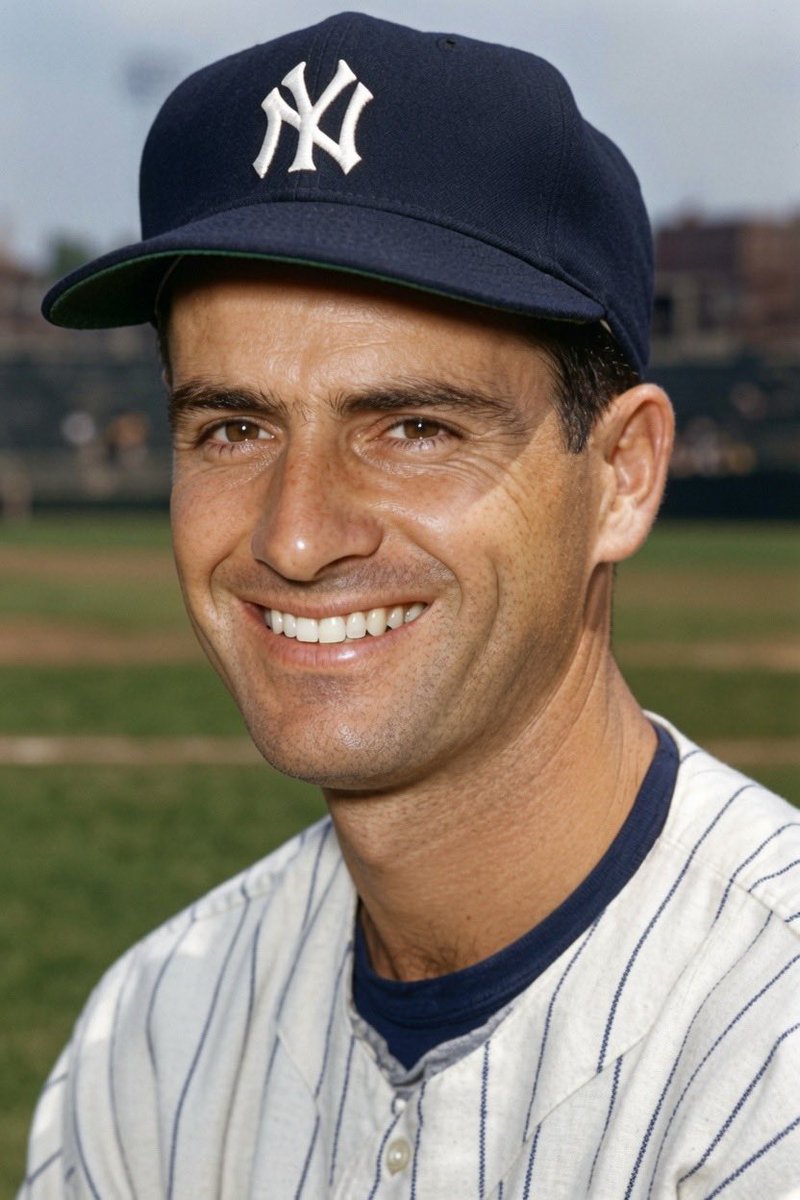
🇺🇸 Most Badass Ballplayers: Combat Veteran Edition #6 Jerry Coleman
Jerry Coleman, USMC, was the 1949 American League Rookie of the Year, All-Star, 1950 World Series MVP, and one badass ballplayer.
He was also a WWII and Korean War combat veteran.
Born September 14, 1924, in San Jose, California.
After Pearl Harbor, Coleman enlisted in the United States Marine Corps and became a pilot.
He put his baseball career on hold to fly combat missions in World War II.
Flying the SBD Dauntless dive bomber with Marine Scout Bombing Squadron 341, the “Torrid Turtles,” he flew 57 combat missions in the Pacific.
He operated out of Guadalcanal and flew raids from Green Island in the Solomon Islands, later striking targets in the Philippines campaign.
For his actions he earned two Distinguished Flying Crosses and seven Air Medals.
After the war he finally made his major league debut with the Yankees in 1949.
In 1950 he had a breakout season, winning American League Rookie of the Year, making the All-Star team, and being named World Series MVP as the Yankees won the championship.
He helped New York win three World Series titles between 1949 and 1951.
When the Korean War broke out, Coleman once again left baseball and returned to active duty.
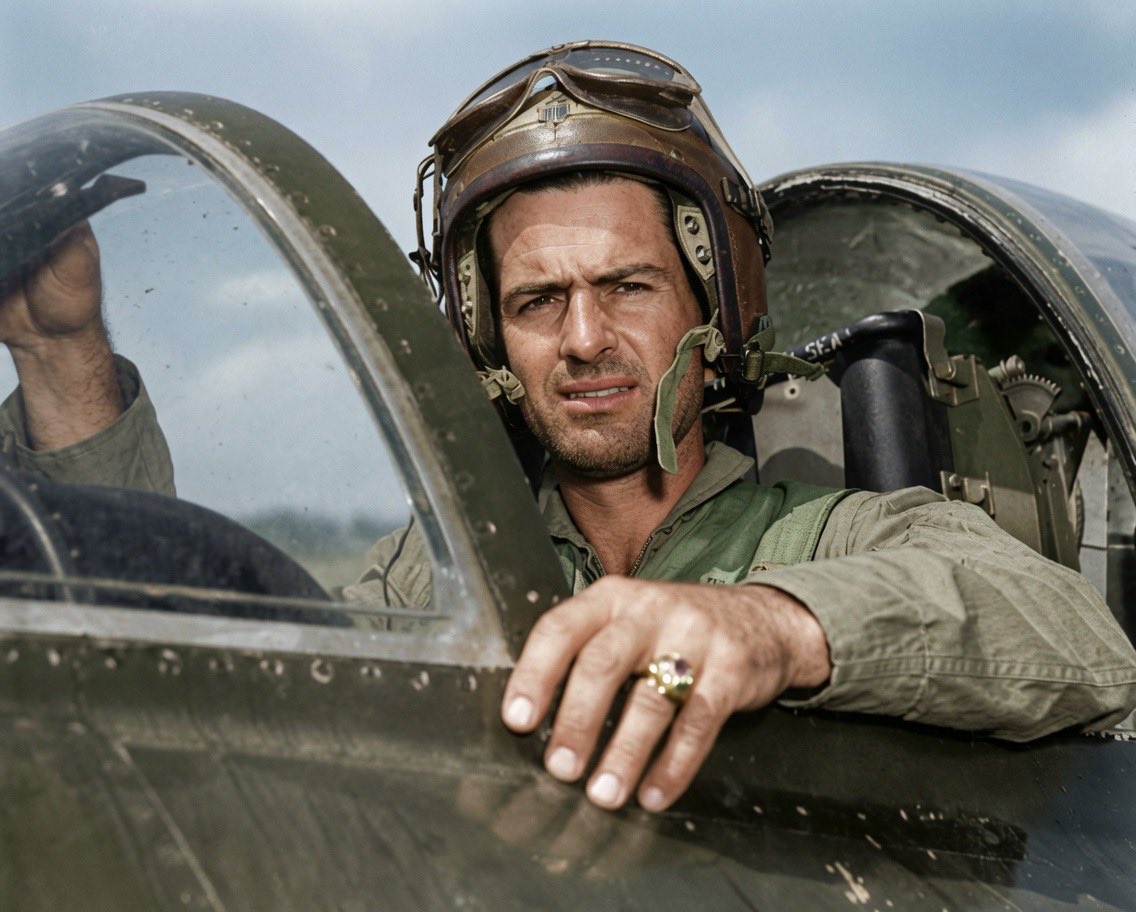
Flying the AU-1 Corsair with Marine Attack Squadron 323, the “Death Rattlers,” he flew another 63 combat missions bringing his total across both wars to 120.
In Korea he flew dangerous close air support and strike missions deep into enemy territory.
On one mission his windshield became completely covered in oil. Rather than abort and leave his wingmen, he flew the entire mission blind with the cockpit door open and still completed his bombing run.
During another mission he watched his close friend and tentmate get shot down by anti-aircraft fire right in front of him.
Coleman is the only Major League Baseball player in history to fly combat missions in two different wars.
After Korea he returned to the Yankees and helped win another World Series title in 1956.
Over nine seasons in the majors he hit .263 with 558 hits, 16 home runs, and 217 RBIs.
He later became one of the most respected voices in baseball, broadcasting for decades with the Yankees and especially the San Diego Padres.
2 Distinguished Flying Crosses. 13 Air Medals. 3 Navy Citations. 4 World Series Championships.
Thank you, Jerry! 🫡🇺🇸⚾
7
95
484
24,559
Jun 8
🥺

This is insane
Spencer Pratt “We talked to the building contractor today. He said to rebuild our 2,500 square foot, it's a 2 bedroom house $2.5 million. $2.5 million to build a 2,500-square foot house… not including a single thing inside of the house that we ever bought, just the actual structure”
Okay how is this even possible
Apparently California makes it extremely expensive to build in these areas
Factors include strict seismic codes, energy efficiency requirements because of Title 24, new environmental regulations, permits
The rest of of course labor costs and materials
But again that’s just the house, nothing else. Apparently from estimates by the time they’re done the cost could by over $7 million
207
BCdee 🦅⚽️❣️ retweeted

Jun 7
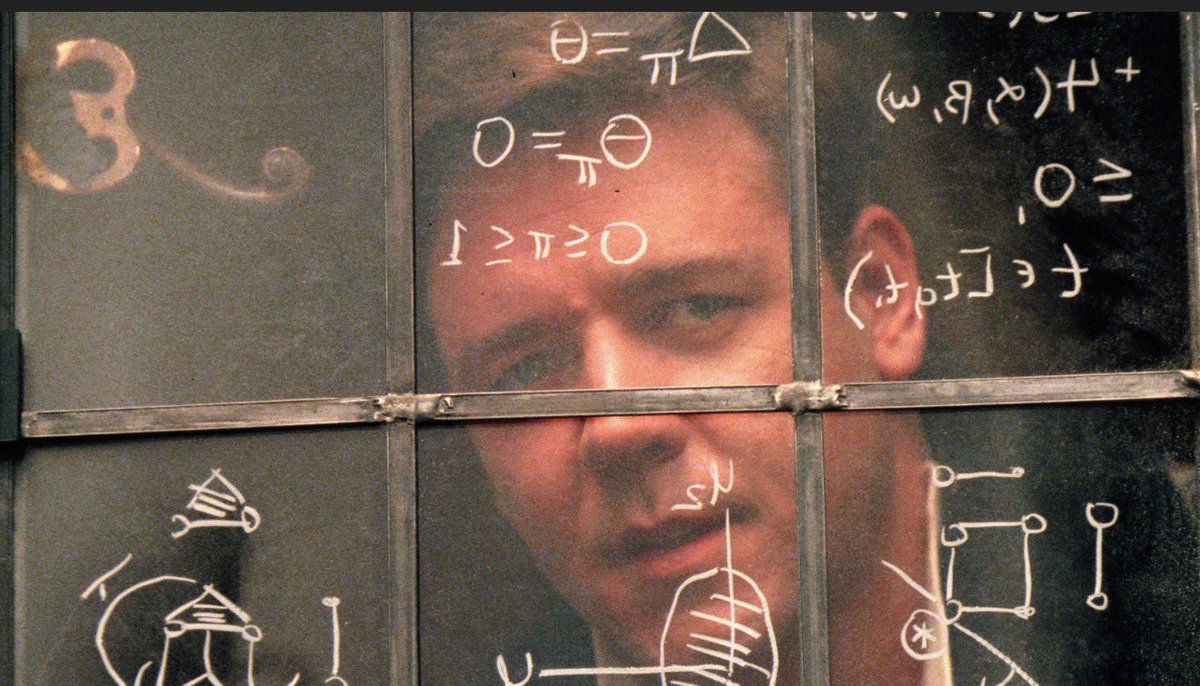
Me trying to figure out how votes get counted in LA
6,853
17,425
150,646
8,240,501
BCdee 🦅⚽️❣️ retweeted

A Dad should be the one man in your life, who wishes you do better than him, and is more happy for you, than you are, when you do.
108
942
19,149
1,007,816
BCdee 🦅⚽️❣️ retweeted

Jun 6
This is being a parent ...❤️
308
3,049
64,998
2,357,676
BCdee 🦅⚽️❣️ retweeted

Jun 6
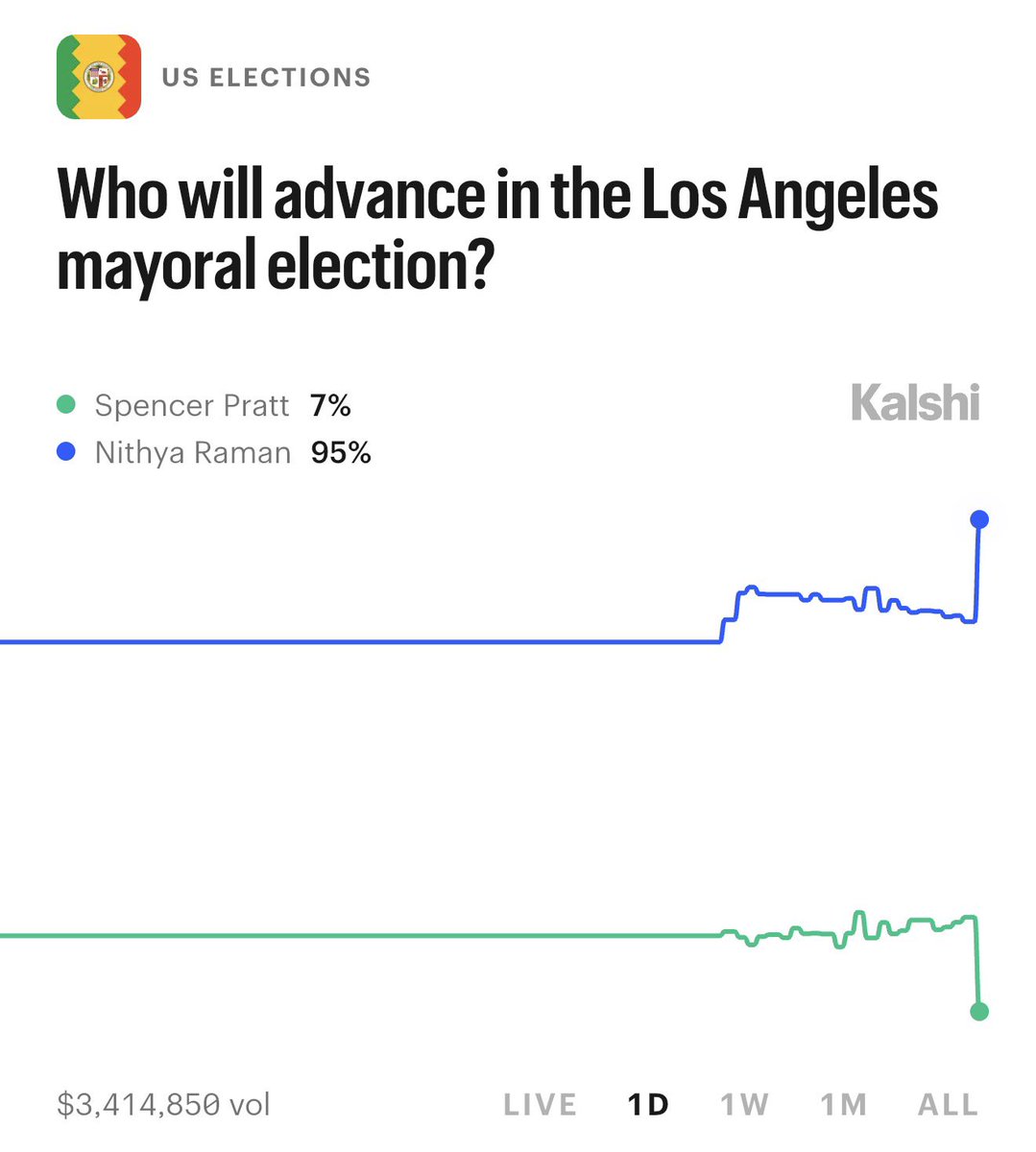
This is a literal crime scene. There is no way this is an honest election.

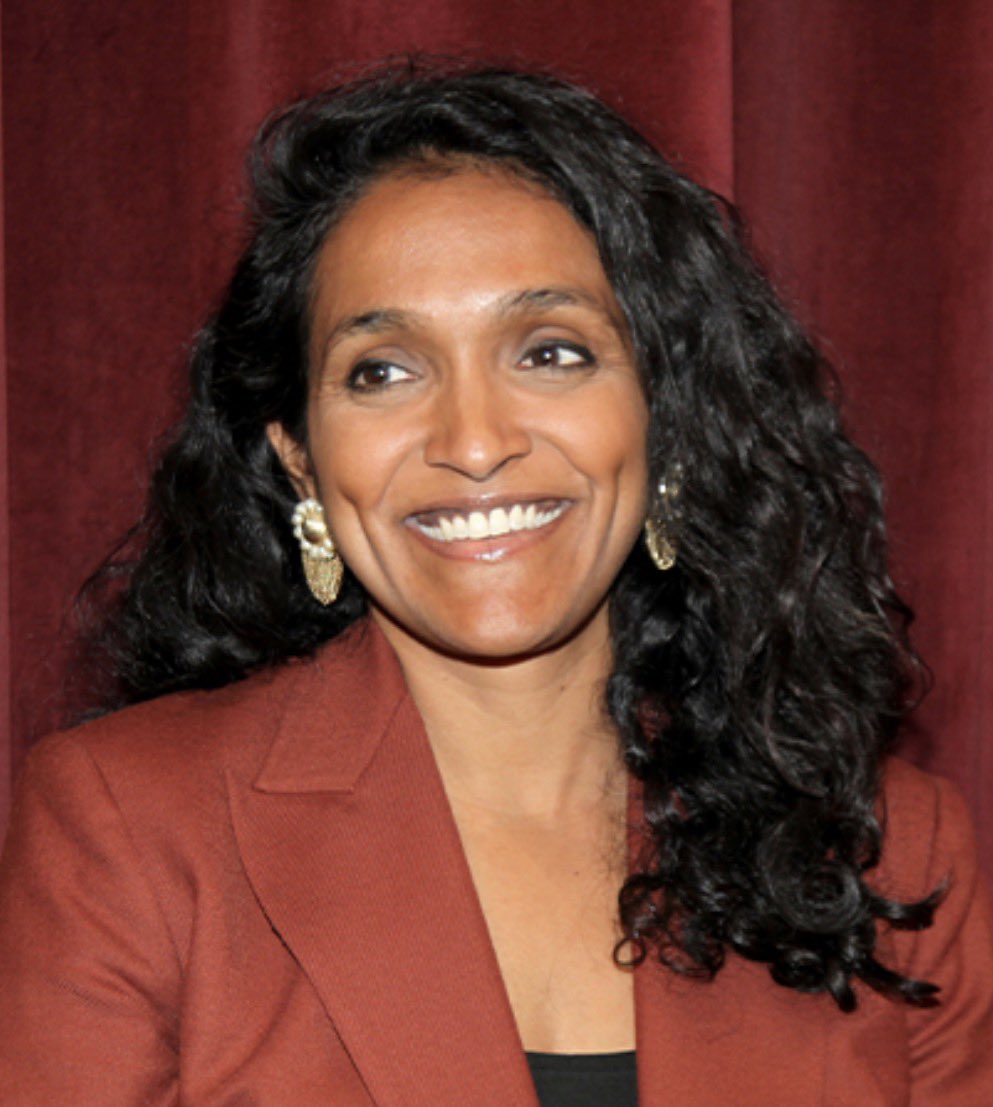
BREAKING: Nithya Raman’s odds to advance in the LA Mayor race increase to 95%
2,077
5,919
48,428
1,355,392
BCdee 🦅⚽️❣️ retweeted

Jun 6
Im in tears. WWII D-Day Veteran returns to Omaha beach in Normandy, France with an American Flag
AMEN 🙏
595
5,374
28,971
233,459
BCdee 🦅⚽️❣️ retweeted

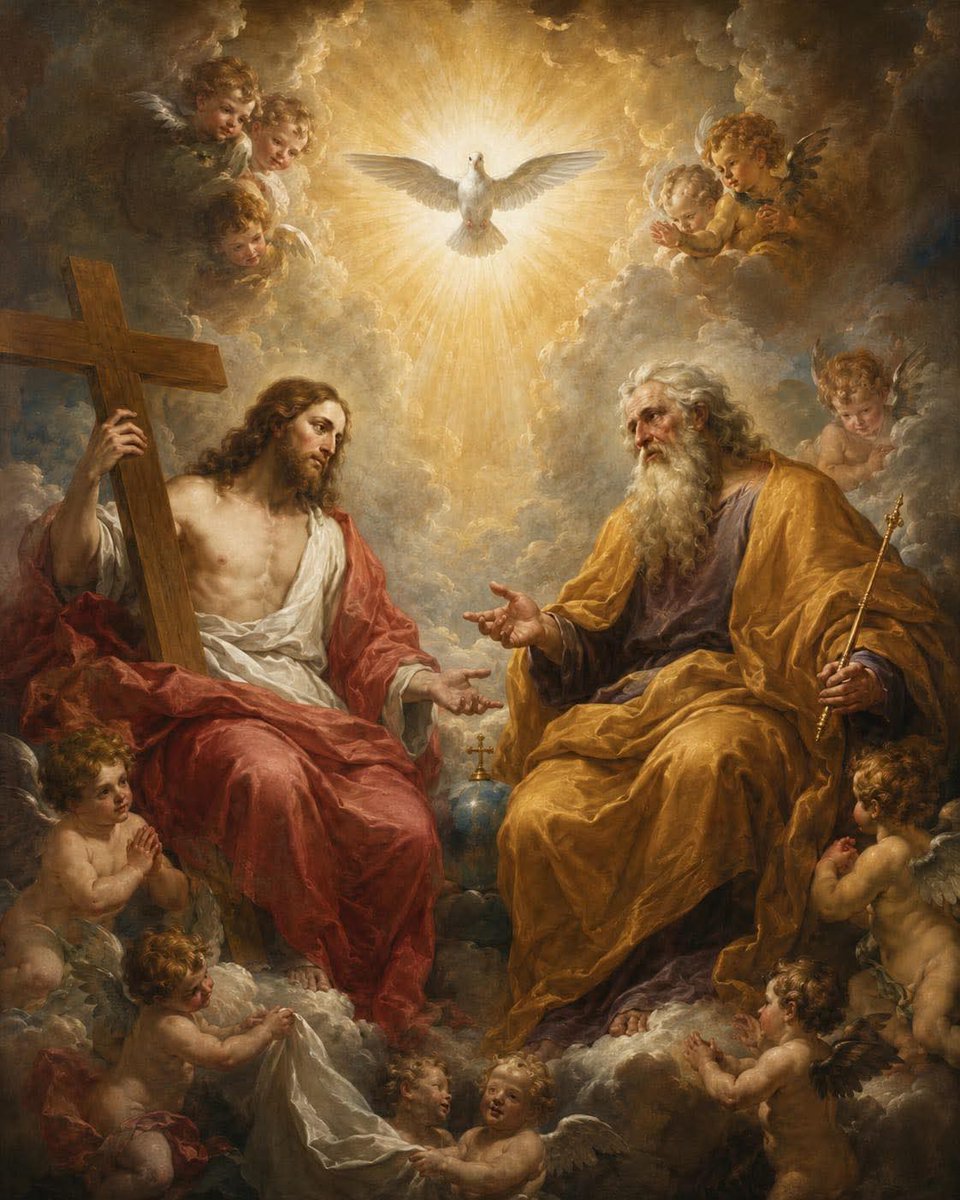
Glory to the Father, the Son and the Holy Spirit
To God Who is, Who was, and Who is to come.
Alleluia
51
363
2,967
15,812