British Patriot. Supporter of the Iranian people. Pro Israel. I will get the blue checkmark when I am able to.
Joined April 2026
- Tweets 1,632
- Following 696
- Followers 64
- Likes 1,697
25 Photos and videos

The Daily Mail has attempted to ruin my life.
They have called me a 'White supremacist' and a 'Neo Nazi' without evidence, my face with these words on it has been put on the front page of one of the biggest media outlets in Britain, getting seen by millions.
They gave me no right to reply nor a heads up that this was coming out. This has completely changed the direction of my life and has already wrecked my work life and public image.
If you do want to support me through this struggle here is the link - buymeacoffee.com/angloid
391
819
5,763
163,759
British Keyboard Crusader retweeted

See the 90s liberal position was always “he’s entitled to his opinion” regardless of what he thinks. When did “liberal” start to mean “insane fascist” and why do they still call themselves liberals when they demonstrably aren’t? 🤷♂️

The Daily Mail has attempted to ruin my life.
They have called me a 'White supremacist' and a 'Neo Nazi' without evidence, my face with these words on it has been put on the front page of one of the biggest media outlets in Britain, getting seen by millions.
They gave me no right to reply nor a heads up that this was coming out. This has completely changed the direction of my life and has already wrecked my work life and public image.
If you do want to support me through this struggle here is the link - buymeacoffee.com/angloid
2
35
458
British Keyboard Crusader retweeted

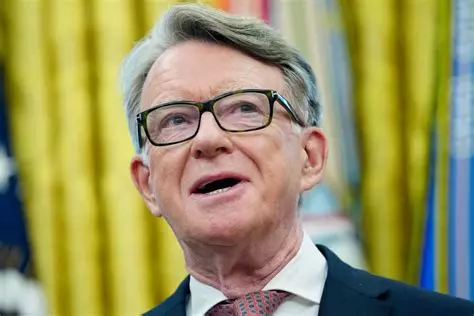
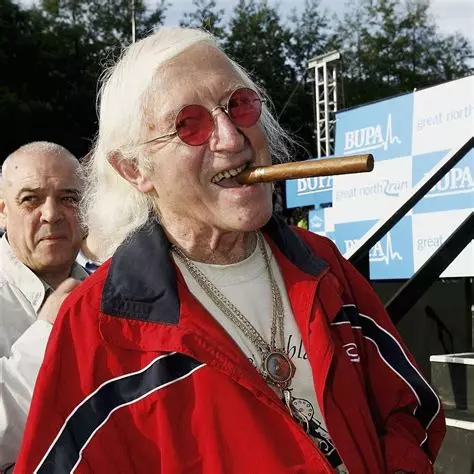
Just a couple of reminders of how much Starmer cares about the safety of kids.
51
1,798
7,003
53,721

There isnt a word in the English language to describe how i feel about that wanker!

I DETEST KEIR STARMER.
Repost if you do too.
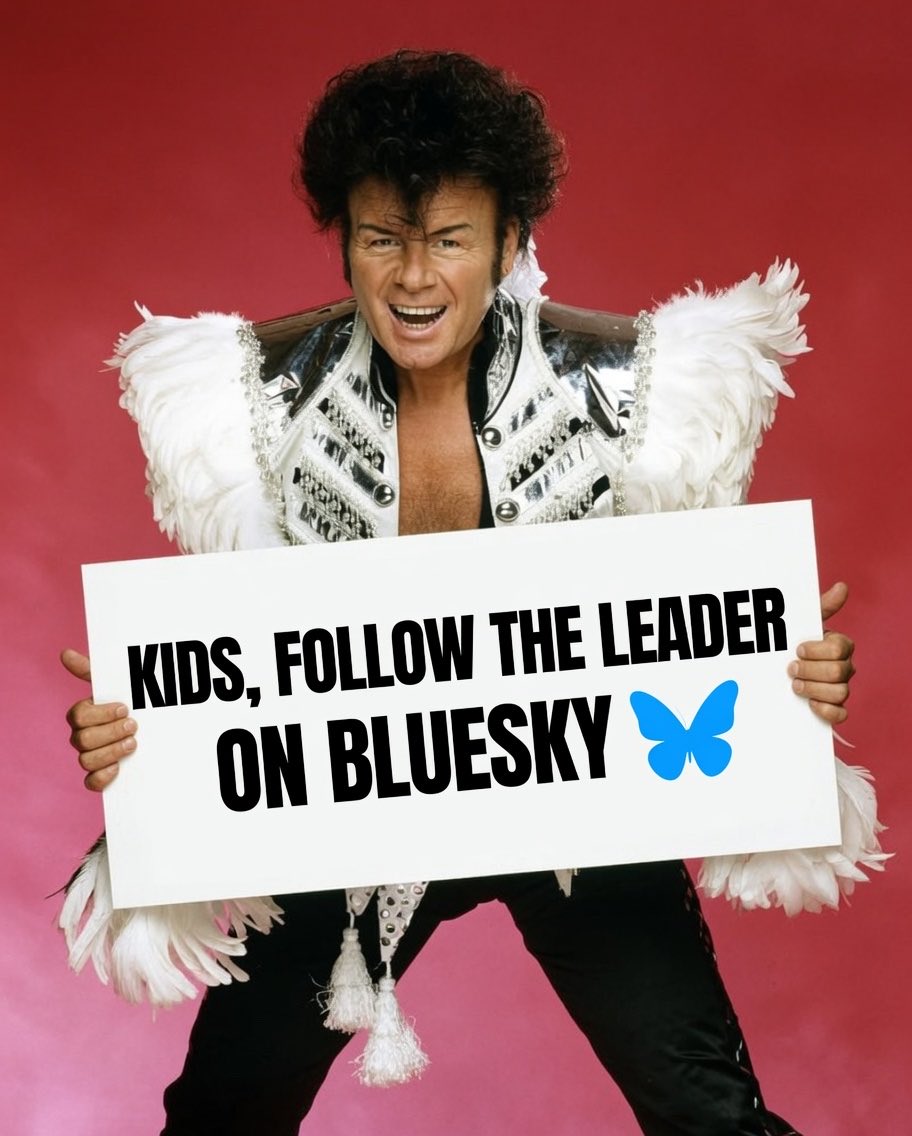
Labour totally fine with kids going on pedo bluesky apparently!

4
British Keyboard Crusader retweeted

I took my 5 year old son to a park yesterday.
As we arrived, scores of naked people (mainly fat old men) cycled directly past us at the entrance.
I don’t care what they ‘think their message is’… it is exhibitionism pure and simple. It shouldn’t be allowed.
I dread to think how many peadophiles were among the ‘adults’ doing this event yesterday, getting their kicks from children seeing their genitals.
It’s absolutely disgusting.
If you are a grown adult and you think it is ok for other people’s children to see you naked, you need to give your head a wobble.
@metpoliceuk @SadiqKhan this ‘event’ should be banned.
For decency reasons, I only recorded the ‘rear end’ of it (excuse the pun).
🤡🤡
782
1,210
5,962
112,868
British Keyboard Crusader retweeted

They hate you.
They want you dead.
They want your children dead.
They think it's funny.

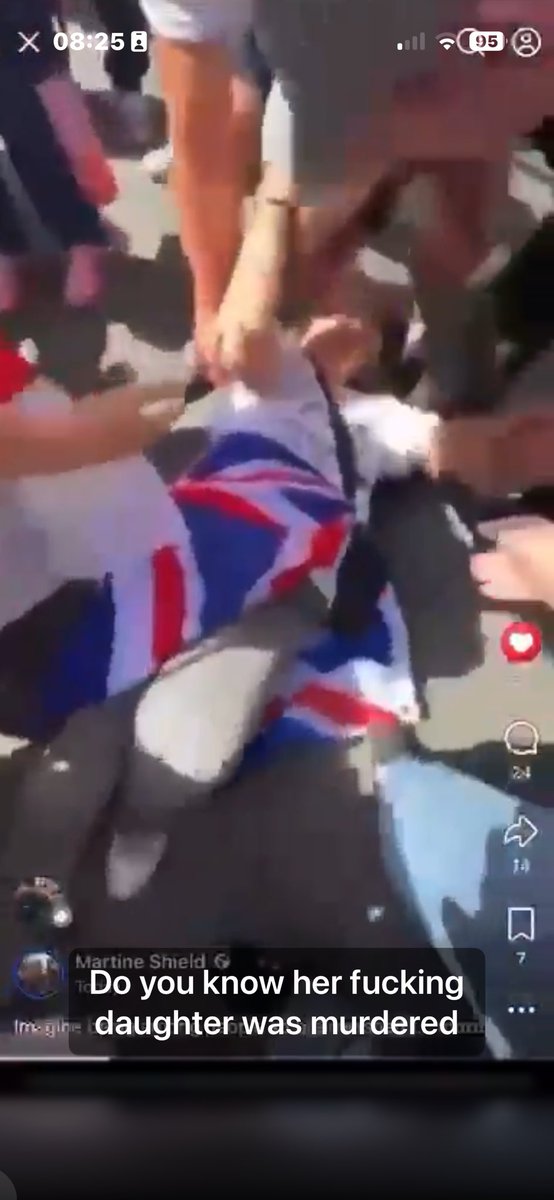
Lefties in Brighton Chanting
"Rhiannon Whyte deserved it" right to Rhiannon's mothers face
When Siobhan raised the issue with the police, they SHOVED her down onto the floor!
Rhiannon Whyte was murdered by an illegal immigrant who resided at the hotel that Rhiannon worked at - and lefties think it's okay to mock her death straight to her mother's face.
These people are genuinely DISGUSTING
5
16
116
1,000
My god!!! 🤬🤬🤬🤬
May 31

This police bodycam video was banned within 24 hours after mass reporting by police.
It shows police trying to beat a man to death in the back of their van after a speech-crime allegation.
It was posted under @elon's repeated calls to release the Henry Nowak bodycam footage.
1
7
British Keyboard Crusader retweeted

You are slipping a leash around every adult in this country and telling us it is to protect the children.
One of the darkest days in British history. The most authoritarian internet crackdown ever.
Every adult just put their face on it. Their name. Their bank. Then they will ban us if they don't like our opinions.
Tony Blair tried this in 2006. Scrapped. His institute lobbied for it ever since. 2.9 million signed a petition against it. Now it arrives through children because nobody argues with child safety. That is the genius of it.
Not protecting children. Pushing them onto the dark web. No rules. No oversight. The NSPCC told you that. To your face.
NCA confirmed 64% of child sexual abuse happens offline. In the home. By people they already know. Baroness Casey told your Home Office to preserve grooming gang evidence. Sat on it seven months. Potentially shredded. Dare question it and your Technology Secretary tells you on Sky News you are on the side of Jimmy Savile.
You gave Apple and Google three months to install AI scanning software on every device in Britain. Not just images. Once that software exists the infrastructure is there for any content. Any search. Any message. Any time. You built the key. You just haven't told us what doors you plan to open with it yet.
We might beat Russia to banning VPNs. Already in your March 2026 consultation. Once law almost impossible to change. Control the children. Control their minds. Control the future.
Stricter than China demands of its own citizens. North Korea controls every screen its citizens see. People said that was impossible in Britain. It just happened.
307 to 173 your own MPs voted this down. Bypassed Parliament. Exempted BlueSky. Not banning your own safe space. Banning everywhere else.
Not the 39,000 unvetted strangers crossing the Channel. Not the Epstein files. Not the grooming gang evidence your Home Office potentially shredded.
The left are cheering. Think this is about smashing billionaire social media companies. The facade is working perfectly.
Piece one. Not the last piece. Three years left. Three years from now we will not recognise the streets. The police. The internet.
I feel sick to the stomach.
Protect children? Publish the full truth about the grooming gangs. Bring Epstein back to the front. Remove every undocumented foreign national from this country.
Perhaps we should all message our MPs and ask what our children should have for dinner. Since we are clearly not capable as parents.
4
12
44
604
British Keyboard Crusader retweeted

Ian Russell does not believe this is a coincidence. He told the Telegraph there was "no reason other than maybe a by-election in Makerfield" for the sudden acceleration, and called it "political opportunism."
x.com/i/status/2066246300044…

It Took Eight Years to Listen to a Bereaved Father. It Took a By-Election to Act.
Molly Russell died in November 2017. Her father has spent the years since asking governments of both colours to act on the algorithms that fed his fourteen-year-old daughter suicide content until she took her own life. Eight years. The most recent stage of that process was a three-month consultation that closed last month, attracting some 100,000 responses. The Prime Minister told bereaved parents gathered in Downing Street that responding properly would be challenging given the volume, and that he would move as fast as possible by the summer recess.
That timeline has now collapsed to days. On Monday Starmer will announce what he calls a "game-changing" ban on under-16s using social media, complete with facial age scans, curfews for teenagers and restrictions on addictive features. The announcement lands three days before the Makerfield by-election, in which Andy Burnham, the man positioning himself to challenge Starmer for the Labour leadership, is standing as the party's candidate.
Ian Russell does not believe this is a coincidence. He told the Telegraph there was "no reason other than maybe a by-election in Makerfield" for the sudden acceleration, and called it "political opportunism." From a man who buried his fourteen-year-old daughter and has spent eight years pleading with successive governments for exactly this kind of action, the word "disgraceful" carries weight no opposition politician could match.
What makes the timing more damning is the evidence Russell is citing against it. Australia introduced its own under-16s ban in December 2025. Six months on, six in ten Australian under-16s remain on the banned platforms because the tech companies have failed to enforce it and children have found ways around it. Russell's own charity, the Molly Rose Foundation, has just published research showing 47 percent of girls aged 13 to 17 are still being shown high-risk content relating to suicide, self-harm and eating disorders every week, under the existing Online Safety Act that was supposed to have already fixed this. Ofcom admits nine in ten children aged 8 to 12 are using platforms with a minimum age of 13, because nobody enforces the limit that already exists.
Russell's argument is not that nothing should be done. It is that the government is choosing a headline-grabbing ban it knows does not work, over the harder regulatory work, forcing platforms to redesign addictive features, that experts say would. He fears that when the ban unravels as it has in Australia, the Prime Minister will be left asking why nobody warned him in advance. They did. This week.
There is a precedent for how fast this government can move when it chooses to. Liz Kendall's powers to remove "incendiary" online content during a "crisis" went from announcement to legislation within forty-eight hours. Jonathan Hall, the government's own terror watchdog, raised the national security implications of mass migration through proper channels and received silence that has now lasted for weeks, in the same period that Belfast burned. Eighty-seven thousand four hundred and fifty people sit in the asylum appeals backlog, a figure larger than the population of Carlisle, with no comparable urgency attached to it at all.
Two different forms of harm to children and to the country. One produced legislation in two days. The other has waited eight years and counting, and finally moved only once a leadership rival's name appeared on a ballot paper. The question Ian Russell is too polite to ask directly is the one that matters most. What, precisely, does this government consider urgent, and for whose benefit?
"Ian Russell does not believe this is a coincidence. He told the Telegraph there was "no reason other than maybe a by-election in Makerfield" for the sudden acceleration, and called it "political opportunism.""
5
50
265
4,115
RT @kingkapoor72: This is what we are facing in @MayorofLondon's London.
@metpoliceuk, get ready to arrest me again as some peaceful peop…
231
British Keyboard Crusader retweeted

ANOTHER INBRED WANTED FOR SEXUAL ASSAULT. IF YOU SEE HIM, DON'T BOTHER CALLING THE POLICE. THEY ARE BUSY DEALING WITH PEOPLE SAYING HURTY WORDS.
4
35
83
544
British Keyboard Crusader retweeted

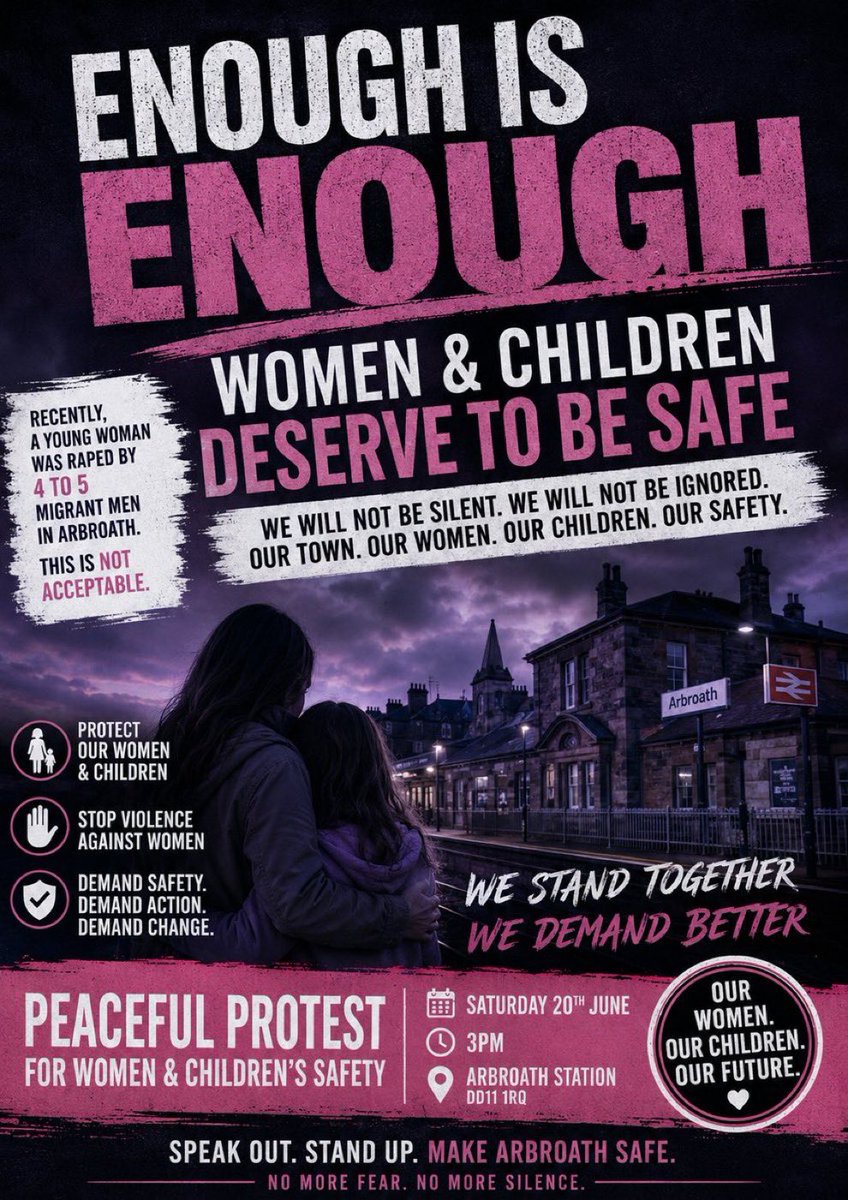
🚨NEW: A protest has already been called in Arbroath following confirmation a woman was RAPED earlier this month 🏴
YET AGAIN another HORRIFIC attack took place and the police SCRAMBLED to keep stayed hidden - even telling locals not to speak about in on social media according to reports.
If you are in or around the area go show them some support on Saturday 20th June 🫵

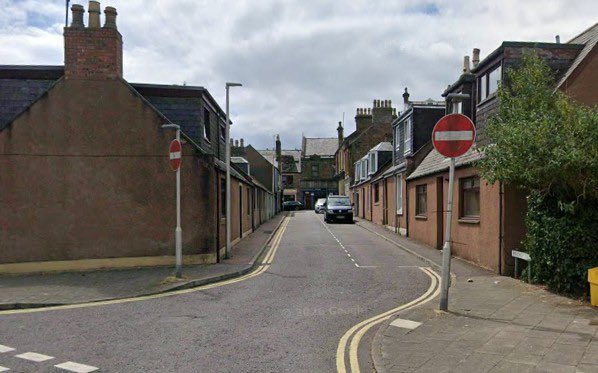
🚨UPDATE: A 23 year old “man” has been CHARGED after a woman was RAPED in Arbroath 🏴
Police received reports of a serious sexual assault on bridge street on June 6th. A 23 year old was ARRESTED and CHARGED and is due to appear at Forfar Sheriff Court at a later date.
STV reports that “social media posts saying the incident involved ‘illegal’ immigrants are incorrect” - yet NO DETAILS of the suspect have been released.
By the way, this story was BURIED by the authorities and we only know about it through social media.
5
43
141
3,893
British Keyboard Crusader retweeted

May 29
UK law:
If you are Muslim you can punch a police offer in the face, bang your first cousin and claim benefits for your fourth wife (also a family number)
If you are white, you get prison time for tweeting how pissed off you are about it.
Labour are inciting riots
1,605
21,368
106,795
990,390
British Keyboard Crusader retweeted

10h
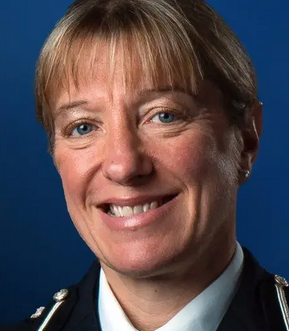
Rogue police push over the elderly mother of Rhiannon Whyte who was stabbed to death by a migrant. The Vichy copper did this whilst Antifa were chanting "Rhiannon Whyte deserved it!" What does identikit Chief Constable Jo Shiner of @sussex_police have to say about this outrage?
347
5,205
18,316
342,360
British Keyboard Crusader retweeted

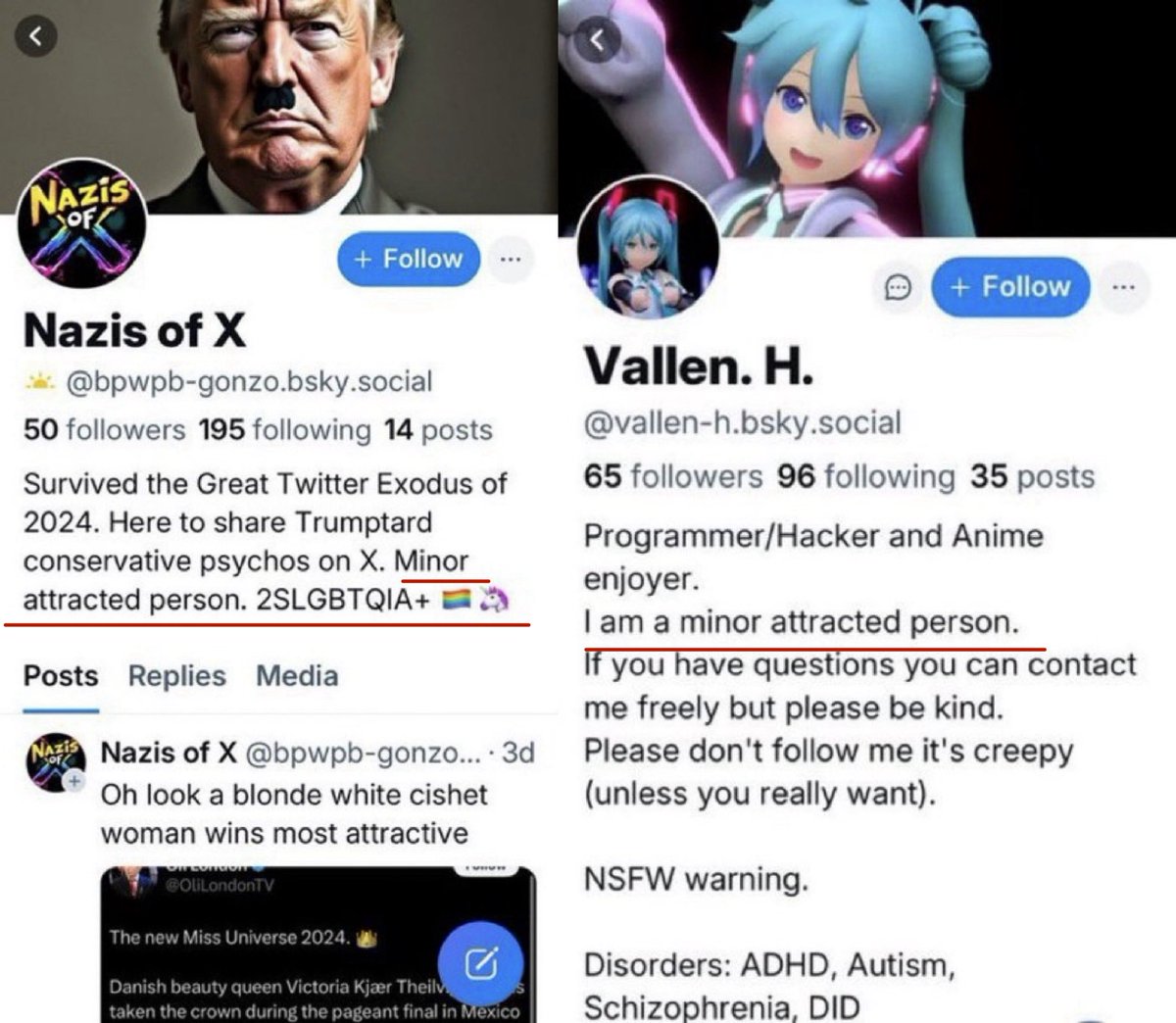
🇬🇧 So BlueSky will be now a bunch of “minor attracted persons” and British kids?
It’s gonna get weird af!
Make sure your kids will not go to BlueSky. FFS

🇬🇧 Q.: What are you most worried about?
"Not being able to contact my friends. I use most of my social media to contact my parents & family."
— teenager on Starmer's Social Media ban
10
43
185
8,873
So labour continuing to shoot themselves in the foot eh?!

They are angry.. with Labour! We don’t need to tell them anymore about Labour .. THEY GET IT NOW
British Keyboard Crusader retweeted

Socialism: You have two cows. Give one cow to your neighbor.
Communism: You have two cows. Give both cows to the government, and they may give you some milk.
Fascism: You have two cows. You give all of the milk to the government, and the government sells it.
Nazism: You have two cows. The government shoots you and takes both cows.
Anarchism: You have two cows. Keep both cows, shoot the government agent and steal another cow.
Capitalism: You have two cows. Sell one, buy a bull.
249
1,169
5,954
181,208
And the British patriots were WITHOUT knives!
Jun 14

Crazy how you have armed Muslims walking through the streets of Europe and the cops don’t seem to care nearly as much as they did when it was Europeans protesting.
19
🤣🤣🤣🤣🤣🤣 this wins the Internet for me today lol
Jun 14

If we harvested your organs we could keep at least 10 additional people alive.
So why not?
1
19