
Joined October 2009
- Tweets 545
- Following 255
- Followers 81
- Likes 2,310
3 Photos and videos

Brita Gjerstad retweeted

7 Aug 2025
This is an excellent question. Why doesn't the world talk about the 40,000 children in Congo enslaved into labor camps and cobalt mines? The millions displaced and killed, the massacres, including the mass-beheading of Christians.
You'd think the media would mention some of that.
But it doesn't.
Any theories about what it actually takes to trigger the Western moral imagination? Anyone?
56
144
685
32,328
Brita Gjerstad retweeted

7 Mar 2025
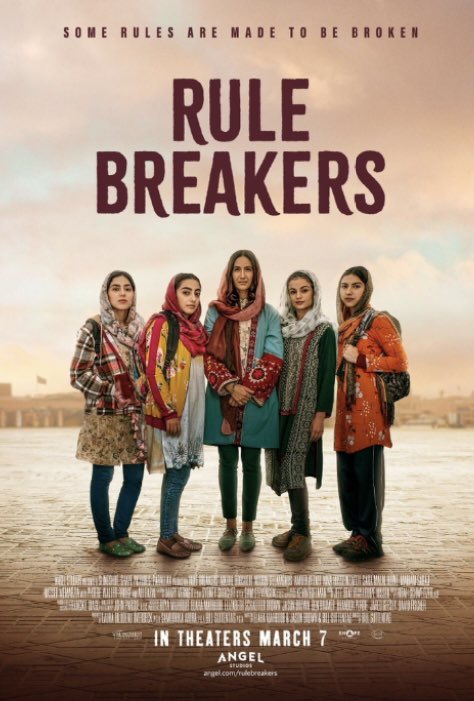
Don't miss it: @RuleBreakers25 is an inspiring movie following the story of the Afghan Girls RoboticTeam - incl #ECWChampion @FaruqiSomaya!
Learn more about the young visionaries risking everything for their right to learn.
share.angel.com/unecwagvrb
#AfghanGirlsVoices #RuleBreakers
18
25
1,424
Brita Gjerstad retweeted

24 Feb 2025
We will never forgive Russia for the tears of our children💔
544
3,203
18,516
355,235
Brita Gjerstad retweeted

9 Feb 2025
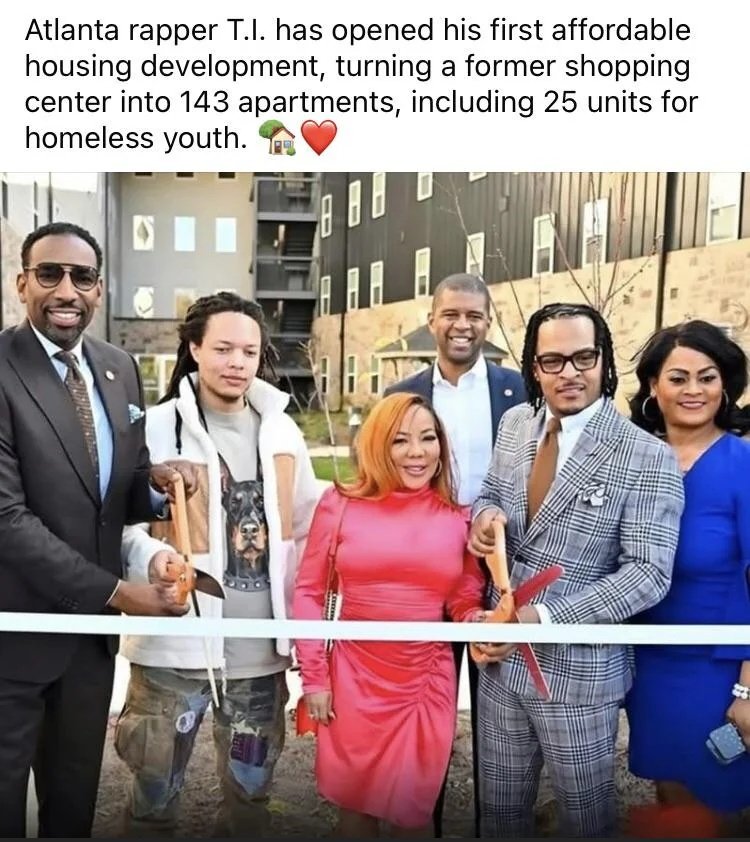
This is the type of stuff I really love to see.
5
22
182
27,659
Brita Gjerstad retweeted

2 Feb 2025
- Vi kan la oss forarge over Trump, med en parylysert pekefinger.
- Vi kan vise handlekraft og bruke et par prosent av de merinntektene krigen har gitt oss til å midlertidig tette de mest alvorlige økonomiske hullene som nå ser ut til å være under oppseiling i Ukraina. 2/6
1
3
50
1,015
Brita Gjerstad retweeted

22 Jan 2025
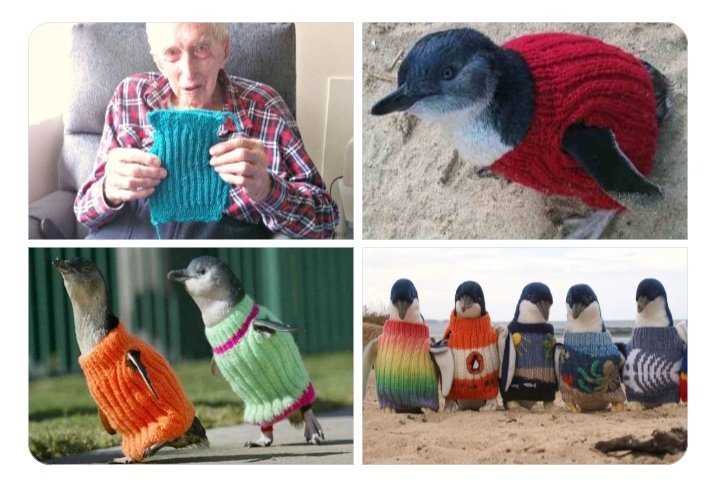
A few years ago...Australia’s oldest man knitted tiny sweaters for recovering penguins injured in oil spills.....
( Just this once.... #MensArt )
43
629
3,429
73,869
Brita Gjerstad retweeted

7 Jan 2025
white man holding a Bible refuses to shake hands with Black woman who happens to be US vice-president. US in 2025.

GOP Senator's Husband Goes Viral For Refusing to Shake Hands With Kamala Harris At Swearing-In Ceremony bit.ly/40mrF3x
16
31
277
25,779
Brita Gjerstad retweeted

28 Sep 2024
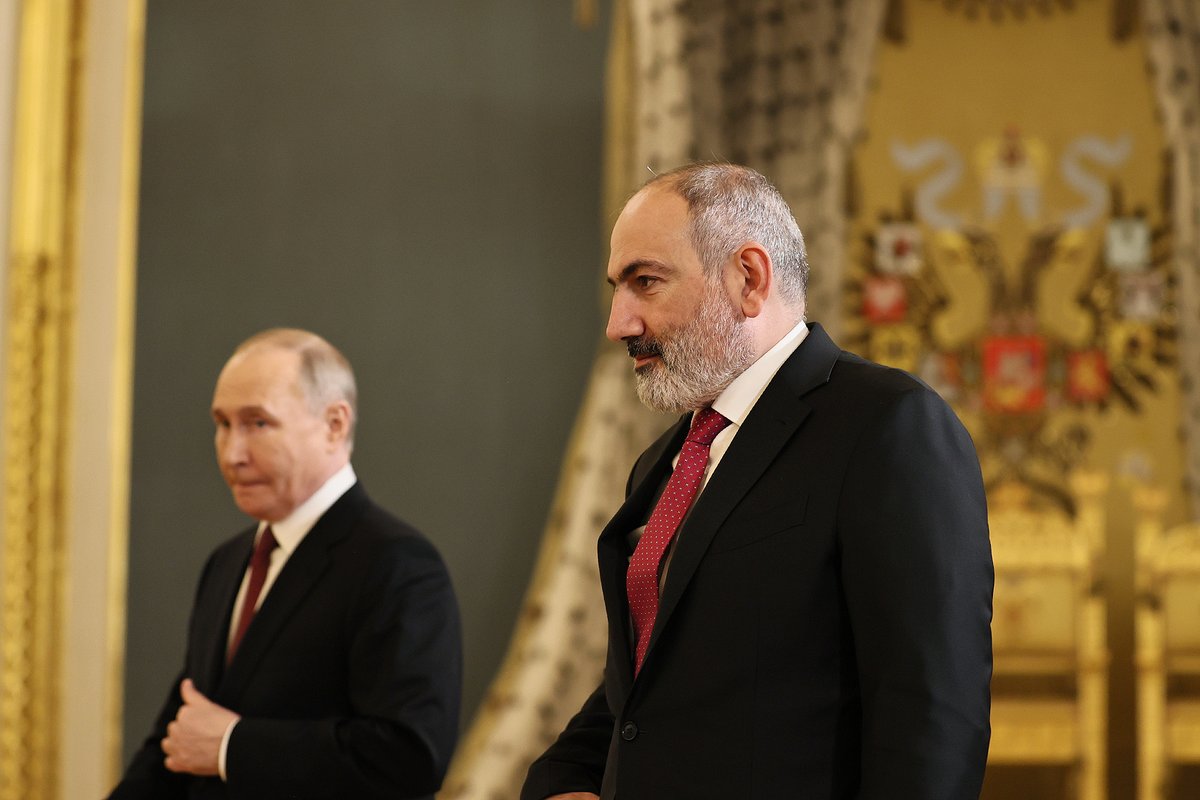
#Armenia has no alternative in terms of foreign policy orientation. The system of dependencies Armenia has with #Russia is so extensive and dangerous that today even a slight shift toward the #West or steps to distance from Russian integration units become significant threats. Russia perceives actions such as purchasing weapons from France or the presence of #EU observers in Armenia with extreme rigidity and threats.
However, as a small country under significant threats, Armenia is obligated to manoeuvre. That is the only tool through which Armenia can secure Western military-political support while it remains within Russian integration structures.
However, this can only be a temporary, transitional situation. Total disengagement from Russia is necessary. Today, Prime Minister Pashinyan’s government speaks of pursuing a balanced foreign policy. I would call it manoeuvrability. Balanced foreign policy can be effective in the short term when there is a need to free oneself from harmful dependencies on Russia.
For example, if five years ago 95% of Armenia's military arsenal came from Russia, today that figure is between 5% and 10%. Armenia has adopted a multi-branch strategy, and a balanced approach is currently appropriate because it allows us to free ourselves from Russian dependence in the arms market.
However, geopolitical developments are leading states to divide into "black and white" groups. The democratic West, with its global allies on other continents, is in fierce competition with authoritarian countries. Russia is increasingly perceived as a global threat. Pressures against Russia will only increase.
Even if Russia doesn't lose the war but some intermediate solution is found, the West will continue to wear Russia down and weaken it. Russia will be pushed out of the global great game. Threatening with nuclear weapons is not a sign of strength. Besides Russia, nuclear weapons are also possessed by the #USA, #France, the U.K., India, and Israel.
Of course, China and North Korea are also part of this group. However, in the event of a global nuclear war, it’s unlikely they would support Russia by using nuclear weapons against the West and its allies. So, if Russia uses nuclear weapons, it will face responses from at least three superpowers.
Today, Russia cannot defeat Ukraine, so how will it defeat the #US, France, the U.K., Germany, or #NATO if it strikes these countries? My point is that Russia is increasingly becoming a global evil.
Any cooperation with that country will make us just as toxic. The problem is that Armenia's continued membership in Russia-led CSTO, the EAEU, and the CIS prevents us from developing long-term institutional cooperation with the U.S., EU, and France. Yes, today Armenia has managed, through its behaviour, to assure Western partners that it is not Russia's ally in the war against Ukraine and will not help circumvent Western sanctions.
Armenia will not yield Russia the "Zangezur Corridor," which could be used to circumvent sanctions through Turkey and Azerbaijan. I'm not suggesting that Armenia should become a martyr and engage in an unequal war against Russia. That would be disastrous for us.
However, I believe that in the long run, Armenia must distance itself from Russia by lowering the level of bilateral official relations and cautiously withdrawing from Russian integration blocs. Armenia's economy cannot be competitive because it operates according to EAEU standards and for the #EAEU market. It’s no coincidence that today half of our exports go to Russia.
Of course, efforts are being made to find new markets. But if we build our economic development vector on exports to Russia, we will lose the opportunity to modernize our economy and enter Western markets.
The April 5 meeting in Brussels between Armenia's leader and senior U.S. and EU high-ranking officials was about the West's willingness to help strengthen Armenia's economic resilience. However, the entire effort must come from Armenia's officials and entrepreneurs.
#Pashinyan said that Armenia's goal should not be to reduce the level of exports to Russia but to increase export volumes to other destinations. I'm not optimistic that this formula will work because Armenian businessmen are accustomed to the corrupt and low-standard-demanding Russian economy.
It will take significant efforts to convince them to modernize their equipment and production to export to the West. Here, Pashinyan's government must take drastic measures—surgical interventions—so that businesses redirect their export flows from Russia to the West.
If Russia imposes sanctions, the Armenian economy could collapse, as exports are primarily directed toward Russia. The only way to overcome this risk is by reducing the Russian share in the export volume. This would deprive Russia of a powerful tool against Armenia.
Yes, the official level of relations between Armenia and Russia is low today, but that doesn't mean we are members of the Western family and have their full support. However, if this formal balancing policy is ended and the official process of joining the EU begins, it would mean Armenia is making a civilizational, military-political, and economic choice and is planning the path it will follow over the next decade.
It would also send a clear message to entrepreneurs that they need to align their production with the EU market. As long as the official process of joining the EU hasn't started, Armenian entrepreneurs will continue to export to Russia.
Today, Armenia lacks Russia's security, political, and economic support. On the contrary, Russia, together with Azerbaijan, demands that Armenia cede the "Zangezur Corridor," at the cost of violating our sovereignty.
Armenia also doesn't have full military-political, economic, and security support from the U.S., EU, or France because we are officially part of Russia's camp. Of course, it should be noted that the West, led by the U.S. and France, has made significant efforts to preserve Armenia's statehood and independence. However, I'm not sure where Armenia-U.S. relations are heading.
There are plans and initiatives, but I don't know what kind of strategy they are part of. Is there a strategy for where Armenian-American relations should be in 5-10 years?
I don't know what expectations we can have from the U.S. regarding military-political support. The security issue is even more complicated because Armenia is still a member of the CSTO, while the U.S. is the number one superpower leading NATO. According to my information, Armenia and the U.S. will officially agree in the fall on the construction of a new nuclear power plant, which will be officially announced.
Armenia and the U.S. have agreed to elevate their bilateral relations to the level of a strategic partnership commission. However, it is still unclear what specific projects these countries will cooperate on. The U.S. has appointed a consultant in Armenia's Ministry of Defense who will assist with reforms.
However, if Armenia weren't a member of the CSTO, perhaps the U.S. would be more involved in the army reforms. Armenia cannot remain in the CSTO for years because it deprives us of the vast resources we could gain by developing cooperation with the West.
As long as the war between Russia and Ukraine isn't over, a peace agreement with Azerbaijan isn't signed, and relations with #Turkey aren't settled, Armenia's government will be cautious about making sharp moves toward the West at an institutional level.
However, Armenia must have a "Plan B" for the scenario in which Azerbaijan, under Russia's orders, continues to sabotage the signing of a peace agreement, thus hindering Armenia's institutional rapprochement with the West. It will be difficult to make a strategic turn without overcoming security challenges.
This will be challenging, especially as the West hasn't yet defeated Russia in Ukraine, meaning the hybrid war against Armenia also hasn’t been neutralized.
The word "balancing" can be used for some time as a way to distance from Russia while moving closer to the West in substantive terms. The word "balancing" will also come in handy for diplomats, for example, when receiving yet another protest note from the Russians, allowing them to say that Armenia is pursuing a "balancing" foreign policy and that cooperation programs with the West fall within this framework.
Armenia must change its substance. Armenia must be able to defend itself against Azerbaijan’s military attacks, aimed at sacrificing our sovereignty to Russia.
Before making an institutional turn, Armenia must align its substance with Western standards. This requires extremely hard work from Armenia's government and significant support from the West.
We Armenians must answer an important question: If Russia does not lose the war against #Ukraine, should Armenia remain in Russia's orbit? Of course not. We must be prepared to answer this question.
Armenia must become a modern state, capable of distancing itself from Russia so that doesn't lose the war. This means our efforts must be aimed at serving the worst and most complex scenarios. If Russia wins the war against Ukraine, the Iron Curtain will come down again between Russia and the West.
Armenia's place is not beside Russia because that would mean the loss of Armenian statehood. It’s not an easy task to prevent that scenario, but there is no alternative. Otherwise, the alternative is the Belarusification of Armenia.
16
25
109
10,385
Brita Gjerstad retweeted

22 Aug 2024
Aliyev regime using the old tricks of “drug possession” to silence undesired ppl. #JusticeForBahruz
Azerbaijani researcher reportedly detained in Baku on drug charges oc-media.org/azerbaijani-res…
1
6
26
1,165
Brita Gjerstad retweeted

20 Aug 2024
🧵MAJOR - Possible indications of another incursion by #Azerbaijan in #Armenia's southern Syunik province in the making with US elections coming up, the world busy with the Russo-Ukraine conflict, Kursk incursions, Armenia ever more isolated in the region, among others things...
7
54
119
29,156


Brita Gjerstad retweeted

11 Jul 2024
If Michael Jackson played tennis 🎾
x.com/zapta30/status/1811092…
1,091
12,069
77,302
6,618,426
Brita Gjerstad retweeted

14 Feb 2024
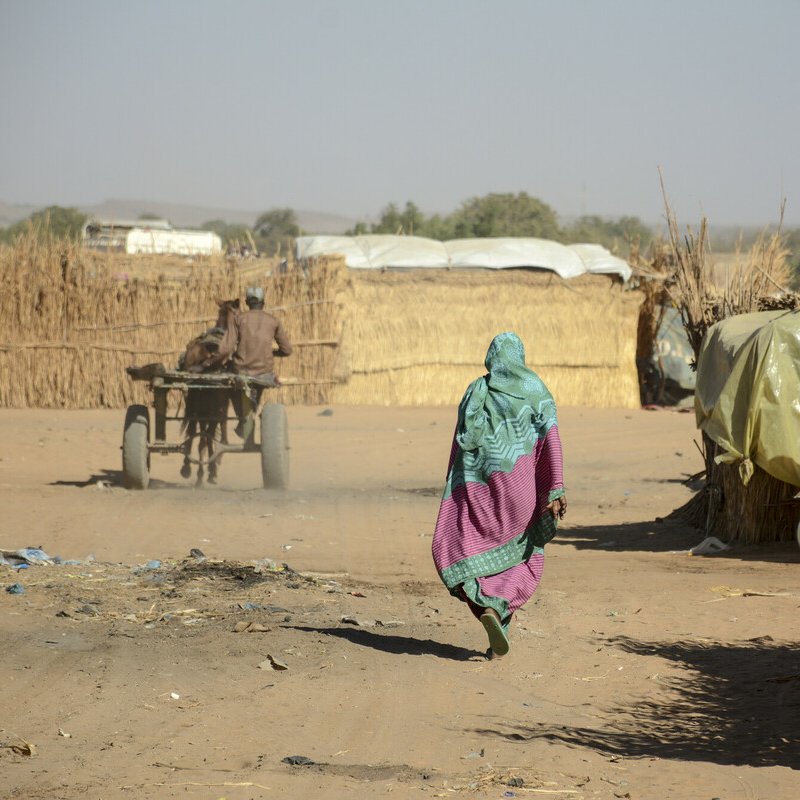
Utterly shaken after meeting survivors of the ethnic cleansing in Darfur here in eastern Chad. The women that were gang raped by Arab militias, the father that had three sons killed, the mother who took in 5 orphans. They must not be ignored anymore by the rest of the world.
61
1,036
2,058
263,344
Brita Gjerstad retweeted

9 Jan 2024
Historic paintings given expressions
x.com/Artsworlld/status/1744…
443
22,980
123,605
12,549,231
Brita Gjerstad retweeted

26 Dec 2023
the way we were made to believe that electric cars would save the planet, but not informed about the cobalt mining and inhumane treatment that is required to get them… this shit frustrating as hell.
45
3,813
14,451
493,831
Brita Gjerstad retweeted

19 Dec 2023
Researchers gave homeless people $750 per month for a year, no questions asked. The recipients spent the money on food, housing, transportation, clothing, and health care. And after six months, only 12% of those who received funds were still homeless.
latimes.com/california/story…
615
13,233
58,688
10,846,042
Brita Gjerstad retweeted

14 Dec 2023
On this day 105 years ago Countess Markievicz shattered a glass ceiling, becoming the first woman elected to Westminster Parliament.
We salute her

6
125
631
32,113
Brita Gjerstad retweeted

13 Dec 2023
This Christmas, if you can afford to, please:
12 Dec 2023


16
46
4,092