
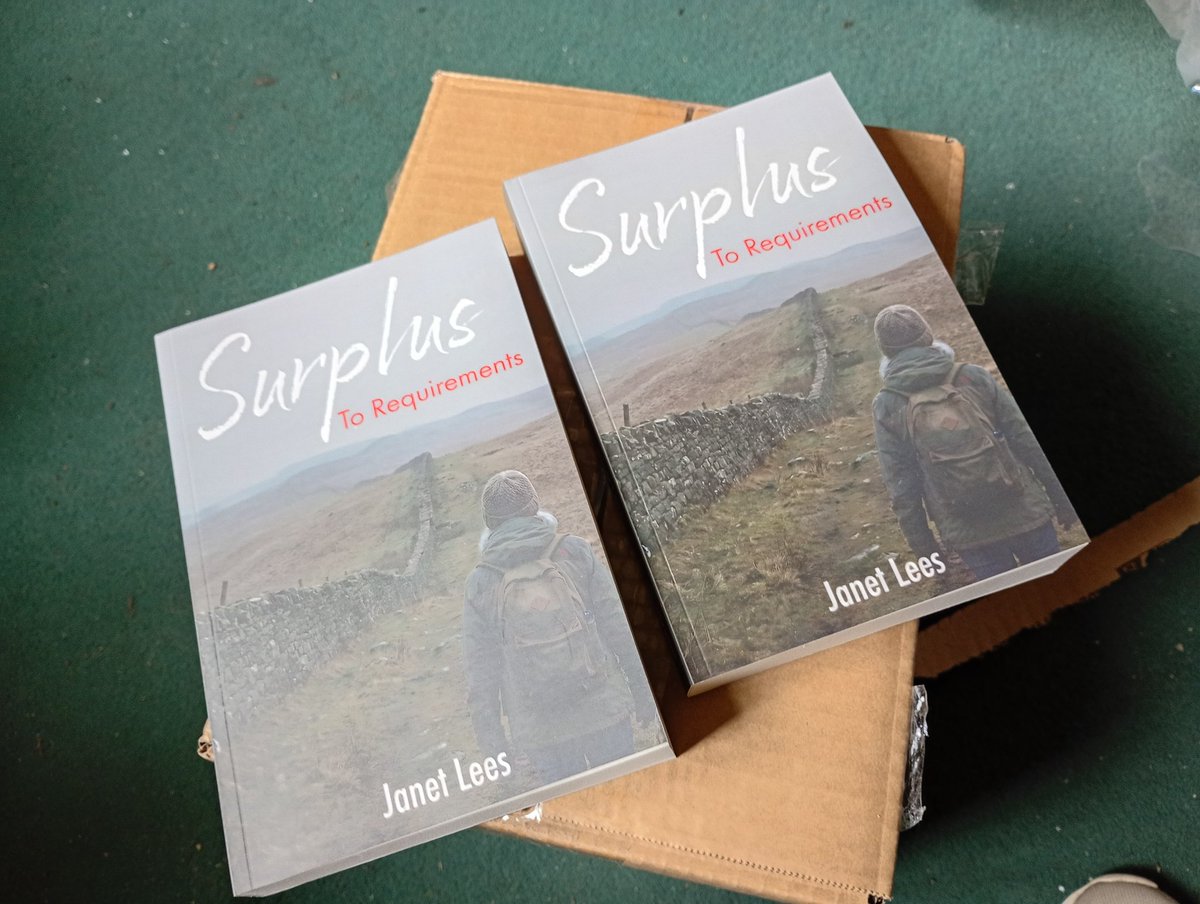
Writer, living in Longdendale, posting about nature, my book Surplus to Requirements and Bambi, the Mobile Chapel of St Scholastica. Instagram @bambigoeswild
Joined September 2014
- Tweets 100,011
- Following 2,511
- Followers 2,298
- Likes 256,761
13,951 Photos and videos















Pinned Tweet

Seven years ago, on 2nd April 2019, I began my walk End to End at Land's End. It was an amazing experience. Spring was unfolding across the country and I was walking along within it.
You can read about it in my book about activities for pilgrims in Britain
ionabooks.com/product/come-w…

1
8
40
942
Dr Janet Lees retweeted

On the morning of November 30, 2021, in a courtroom in Frankfurt, a judge read out a verdict that no court anywhere had ever delivered before.
The defendant, an Iraqi former ISIS member, was guilty of genocide.
The specific crime: the death of a five-year-old Yazidi girl named Reda. He and his wife had purchased Reda and her mother as slaves in 2015. As punishment for wetting the bed, he had chained the child to a window in the open sun in Fallujah, Iraq, in heat that reached fifty-one degrees Celsius, and left her there until she died. The mother survived. She testified.
It was the first time any court anywhere in the world had convicted any member of the Islamic State of genocide. It was the first time any court anywhere had ruled in law that what was done to the Yazidi people was a genocide.
The institutional path that made it possible to use that word, in that courtroom, six years after Reda died, runs straight back through the United Nations to a twenty-two-year-old Yazidi woman who, in December 2015, decided not to speak in generalities.
Her name is Nadia Murad. She was born in Kocho, a Yazidi village of about seventeen hundred people in the Sinjar region of northern Iraq.
On August 3, 2014, ISIS fighters surrounded Kocho. They separated the men from the women, took the men to the edge of the village, and shot them. They took the older women and shot them too. Among the dead were six of Nadia's brothers and her mother. The younger women — Nadia among them — were loaded onto buses and driven to Mosul. There, they were sold.
She was twenty-one years old. She would spend the next three months in captivity, passed between captors under what ISIS called sabaya — sex slavery — until, in early November, she found a door left unlocked and ran. A Muslim family in Mosul, at enormous risk to themselves, sheltered her and helped get her out. She crossed into northern Iraq, then a refugee camp, then Germany, which granted her asylum.
She was, by every standard the world recognizes, free.
She was also, by every standard the world recognizes, free to be silent. Most survivors of mass sexual violence are silent. Nadia Murad chose differently.
On December 16, 2015, she walked into the chamber of the United Nations Security Council, accompanied by the human rights lawyer Amal Clooney, and described what had been done to her and her community. She did not speak in generalities. She did not use the diplomatic euphemisms — gender-based violence, crimes, abuses. She used the names of things. She said the women had been sold. She said the children were as young as nine. She said her mother had been executed. She said what had been done to her.
Then she made the demand the testimony had been built to make: international recognition that this was a genocide, and prosecution of the people who had committed it.
The room was silent. The transcript exists in the UN archives.
Here is the part that turns a speech into law.
Vague testimony, by design, cannot become evidence. A genocide conviction in a court of law requires testimony specific enough that a judge can rule on intent, on system, on patterns of conduct. Nadia's testimony, and the testimony of other survivors she helped gather in the years that followed, was specific enough to do that work.
In 2016, the United Nations Commission of Inquiry formally determined that ISIS's treatment of the Yazidis met the legal definition of genocide. The United States, the European Parliament, and the UK Parliament reached the same determination in the same months. In 2017, by Security Council resolution, the UN established a specialized investigative team — UNITAD — whose job was collecting evidence to courtroom standard, so prosecutions could one day take place.
In 2018, she was awarded the Nobel Peace Prize, shared with the Congolese gynecologist Denis Mukwege, for their work to end the use of sexual violence as a weapon of war. She used the acceptance speech to remind the room of the women still missing.
And in 2021, in Frankfurt, in a case in which Amal Clooney represented Reda's mother, the architecture caught up with the testimony.
There have been further German convictions since. There are open prosecutions in other countries. UNITAD's investigative files have been used in courts where the crimes themselves happened in Iraq but the accused was found in Europe, under universal-jurisdiction laws that allow genocide to be tried wherever the perpetrator turns up.
Nadia Murad is thirty-two years old now. She continues to travel, to testify, to run Nadia's Initiative, which rebuilds water systems, clinics, and schools in Sinjar — the region she came from. By the most recent figures, more than two thousand eight hundred Yazidi women and children are still missing or held in captivity. Mass graves are still being excavated.
The first time a court used the word genocide for what was done to her people, the year was 2021. The first time anyone said it in a chamber where the law could hear it was December 16, 2015. The woman who said it was twenty-two.
She did not speak in generalities.
If her story moved you, drop one word in the comments — Nadia, witness, evidence, anything that comes to mind. Tap the like button so more people find this story. The page is small. Every reaction helps us keep telling stories like this one.

10
72
143
3,728
Dr Janet Lees retweeted

13th June, anniversary of the worst day in my life when I lost my brave & beautiful daughter Grace in the Nottingham attacks. Grace was the love of my life. The best of me and the best of my wife Sinéad. Thank you all for coming to grieve with us, the Coates family and a special I’ll thanks to @redrumlisa for being there and representing the warm people of Nottingham. Rev Dr Alan Mair gave a beautiful homily at St Paul’s Church, Lenton. We then walked across and laid a rose for my rose Gracie at Ilkeston Road. 🌹
This is the text of Rev Dr Alan Mair’s homily: beautiful words:
my Homily for victims Grace, Barney and Ian June 13th 2026
We need few words to express why we are gathered here on the third anniversary of the brutal attack that left Grace, Ian and Barney dead and Sharon and Wayne who received life changing injuries.
We gather with heavy hearts. We come before God carrying grief, anger, confusion, and sorrow. We remember, Grace, Barney and Ian whose lives were cruelty taken. We pray for each other whose lives have been forever changed.
In moments like these, words can seem inadequate. We ask questions that have no easy answers. Why did this happen? Why were precious lives lost? Why does violence continue to wound our communities?
The Gospel does not pretend that suffering is easy to understand. Even Jesus stood before the tomb of his friend Lazarus and wept. The Son of God Himself entered into human grief. This reminds us that our tears are not a sign of weak faith. They are a sign of love. And God receives every tear we shed.
We entrust them to the mercy of God, confident in the promise of Christ who said, "I am the resurrection and the life." Death does not have the final word. Through His death and resurrection, Christ has opened the way to eternal life. A tough concept to understand. But last Saturday at the hockey tournament I felt the presence of Grace. On the stands at the City Ground, I am certain Ian was cheering the fact that Forest stayed up while West Ham were relegated. I am certain too that Barney’s cricket club feel his gentle presence as they go out to bat.
Yet our prayer today extends beyond remembrance. We also pray for healing. We pray for parents whose hearts have been broken, for brothers and sisters, sons and daughters who miss a loved one, for friends carrying trauma, and for communities living in fear.
The Christian response to violence is not indifference. Nor is it revenge. St Paul tells us: "Do not be overcome by evil but overcome evil with good." This is one of the hardest commands in the Gospel. Yet history shows that hatred never heals hatred. Violence never truly defeats violence. Only love, justice, mercy, and truth can break the cycle.
We are called to become instruments of peace. In our homes, schools, parishes, and communities, we must build a culture where every person knows they are valued and loved. We must support young people, strengthen families, and work for justice. We must refuse to accept violence as normal or inevitable.
The Church stands alongside all who suffer. We believe that even in the darkest moments, God has not abandoned His people. The Cross itself seemed like a victory for violence and death. Yet God transformed it into the source of salvation and hope. The resurrection assures us that darkness does not overcome the light.
And we ask the Lord to make us bearers of His peace, so that through our words, actions, and witness, we may help build a society where life is cherished, communities are healed, and every person can live without fear.
May the souls of all who have died through violence rest in peace.
And may the peace of Christ, which surpasses all understanding, guard our hearts and minds, now and always.
Amen.
@EmilyMayTV @ITVCentral @SkyNews @MartinDaubney @redrumlisa @nottm_post @downingstreet @wesstreeting @jamesmurray_ldn @AlexDaviesJones
236
796
6,946
69,713
Dr Janet Lees retweeted

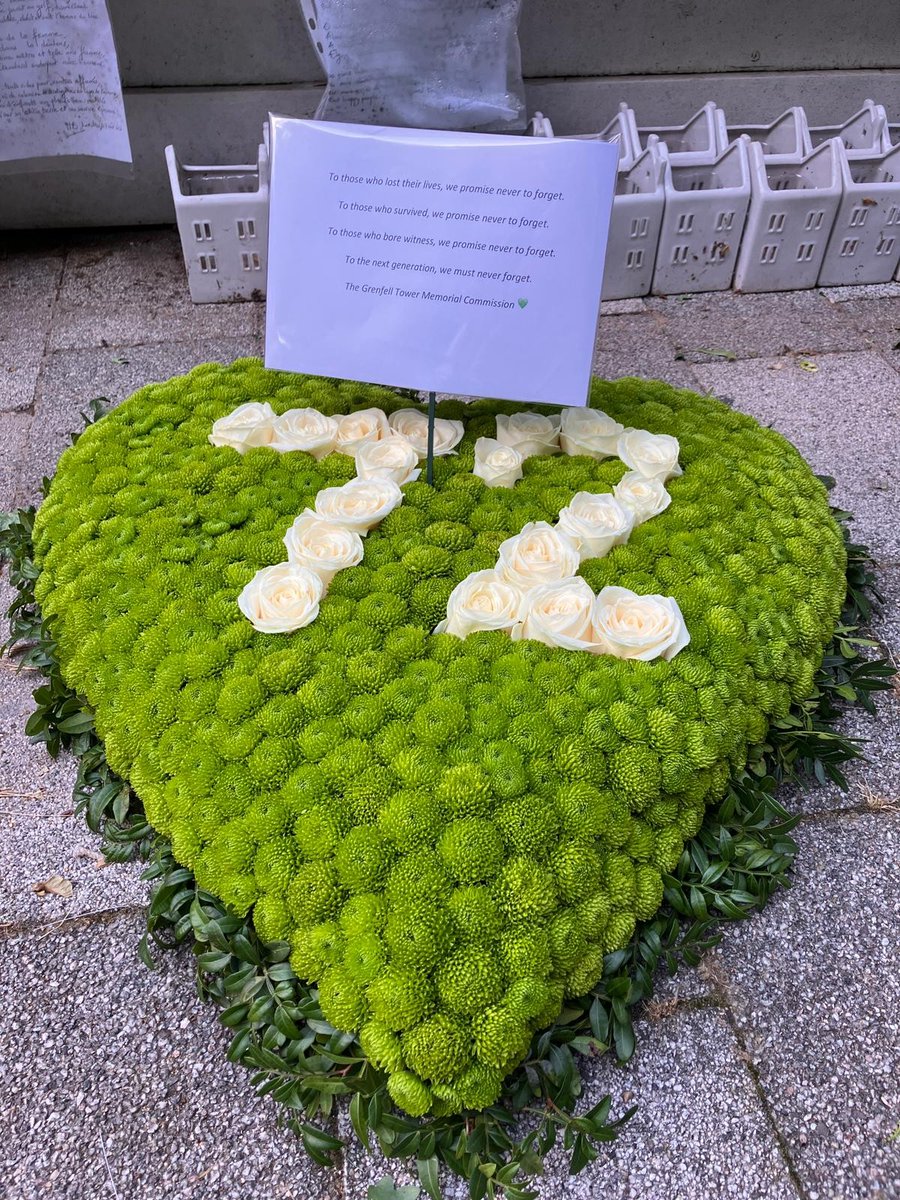
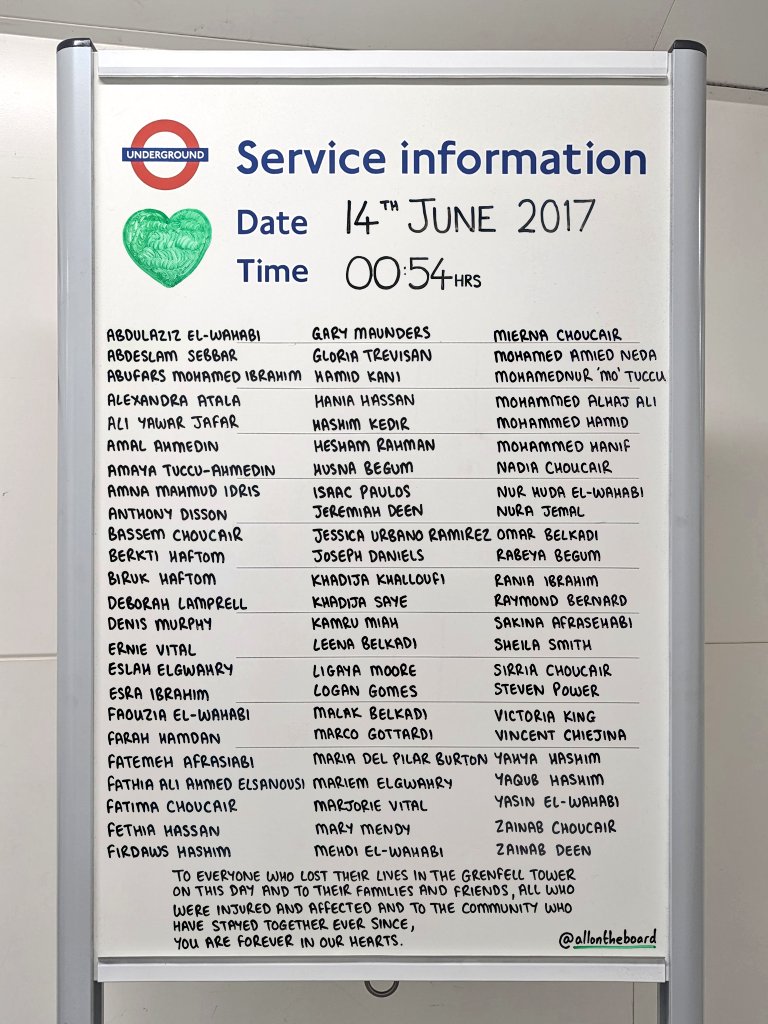
To those who lost their lives, we promise never to forget,
To those who survived, we promise never to forget,
To those who bore witness, we promise never to forget,
And to the next generation, we promise never to forget.
Forever in our hearts.
💚💚💚💚💚💚💚💚💚
2
11
29
461
Dr Janet Lees retweeted

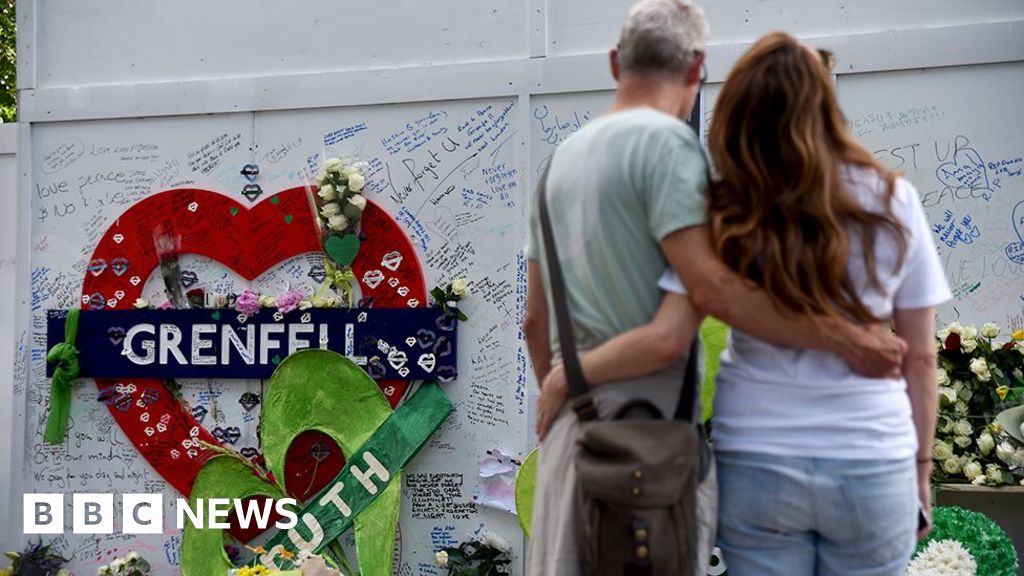
Nine years after the fire, no justice for Grenfell ➡️ bbc.in/4g3q8Ib
2
23
31
23,516
Dr Janet Lees retweeted

#JusticeforGrenfell
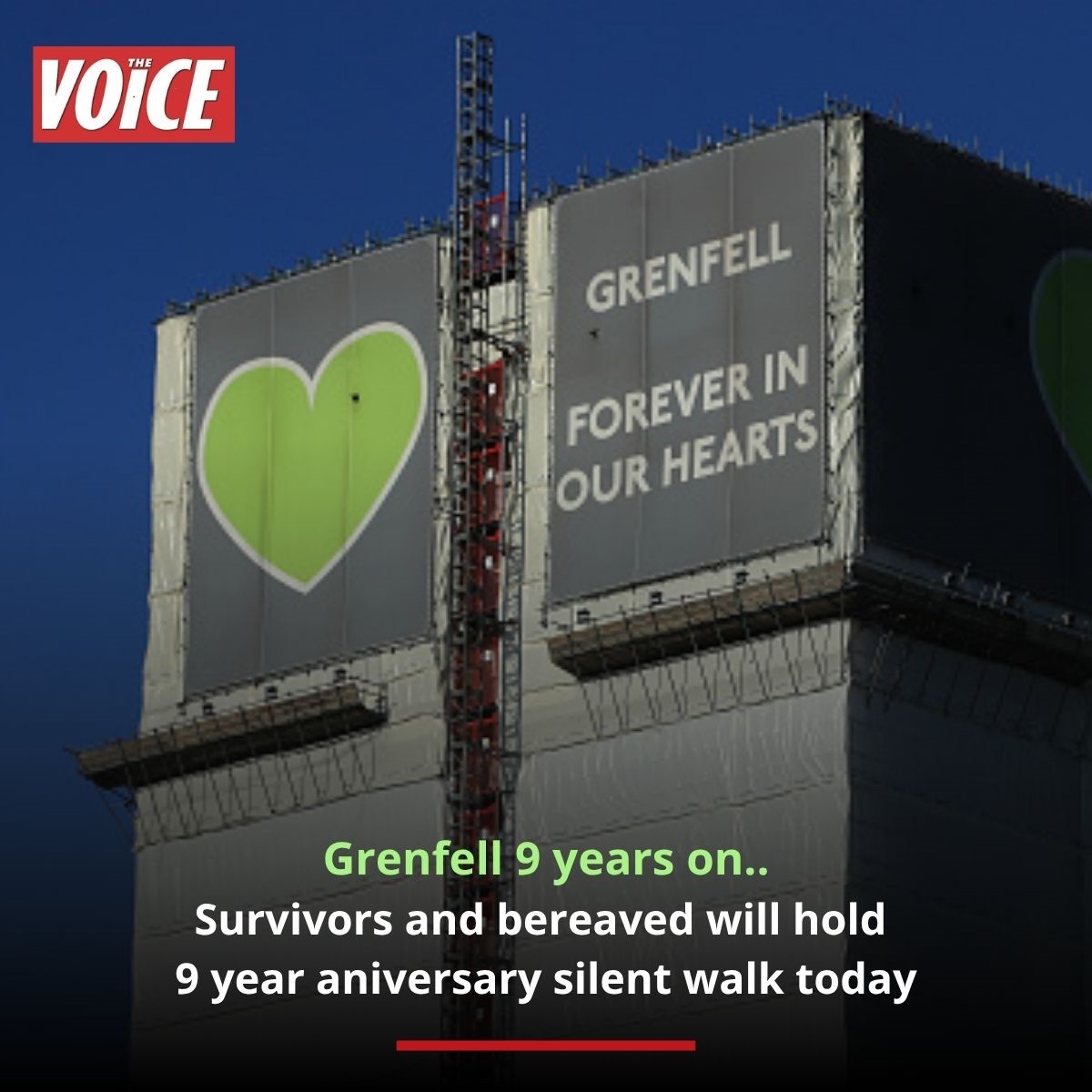
Today marks 9 years since the devastating fire took the lives of 72 people in 2017.
Grenfell bereaved and survivors will gather for a silent walk to remember all those that tragically lost their lives, and support those fighting for justice.
The tower is due to be completely taken down after this anniversary.
Forever in our hearts. 💚 #grenfell
1
46
63
1,377
Dr Janet Lees retweeted

Today marks 9 years since the Grenfell Tower fire.
But 9 years on, there is still no justice.
9 years on & people still live in unsafe buildings.
We must not forget those killed because of dishonesty and corporate greed.

17
1,166
2,266
22,338

Dr Janet Lees retweeted

Jun 13
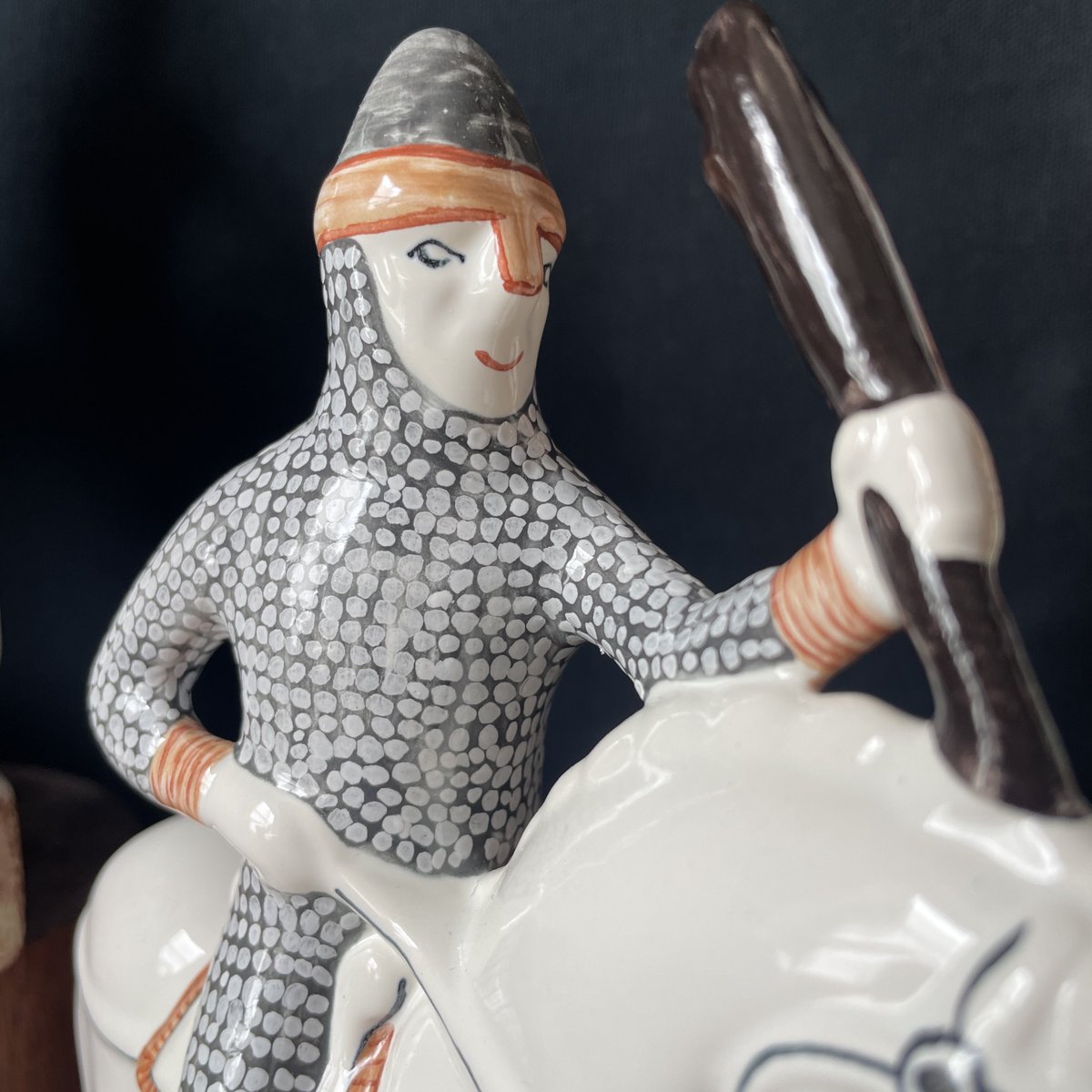
Getting excited by the growing interest in the imminent arrival of The Bayeux Tapestry. We’re about to add a new figure to our hand-made collection of intricate ceramic figures depicting William the Conqueror, Harold Godwinson, Edward the Confessor, Bishop Odo & Edith Swan Neck…
6
43
361
10,077

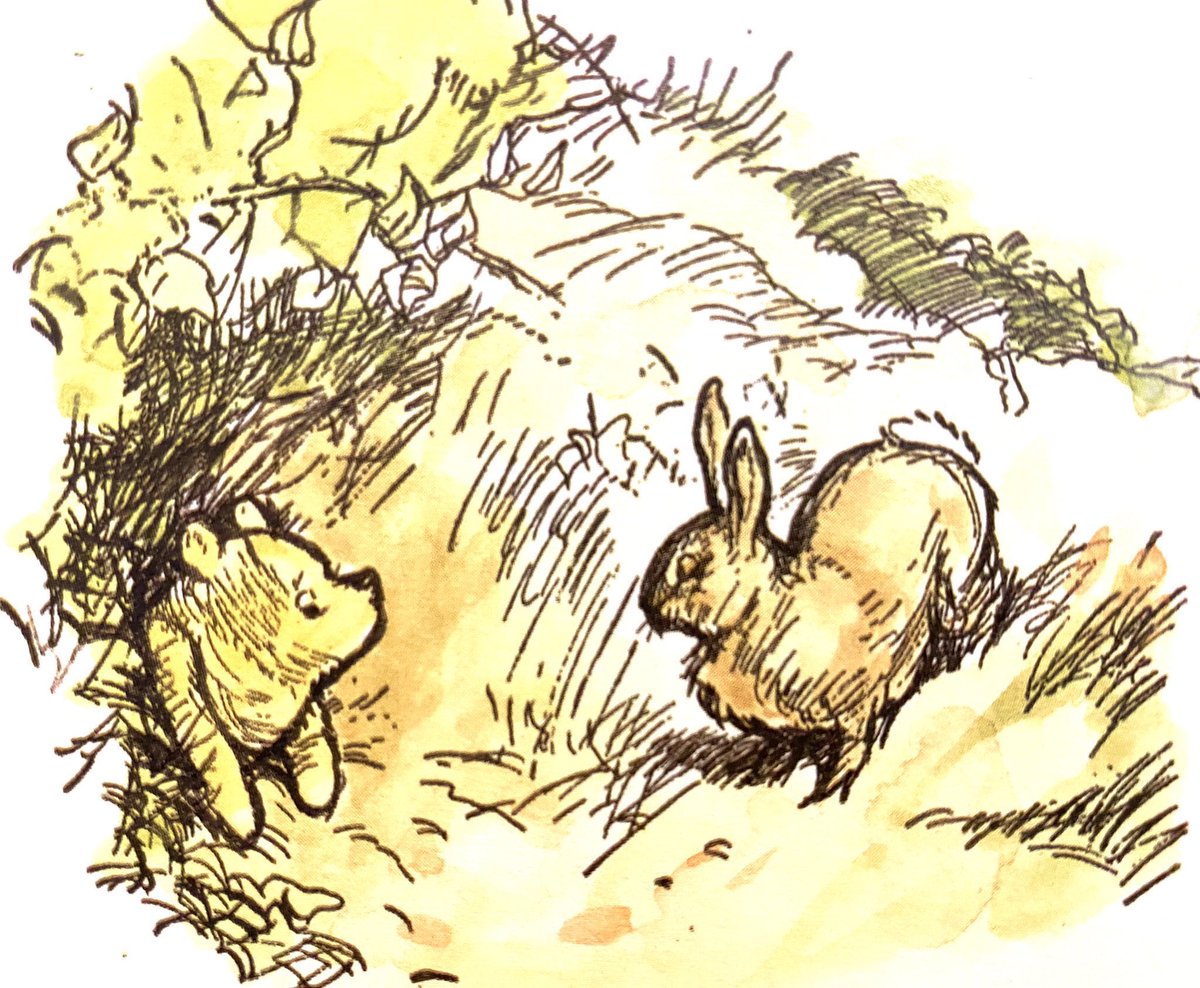
“If we can’t pull you out, Pooh, we might push you back.”
Rabbit scratched his whiskers and pointed out that, when once Pooh was pushed back, he was back, and of course nobody was more glad to see Pooh than he was, still, some lived in trees and some lived underground. ~A.A.Milne
16
145
861
6,627

subsequently, all young men were mobilized and deportation, about 30k to Siberia! it was called military retraining! All police, border guard, homeland defense, military groups etc.! It was actually a prison camp and about one third, of them died of hunger or disease in Siberia
2
11
178
Dr Janet Lees retweeted

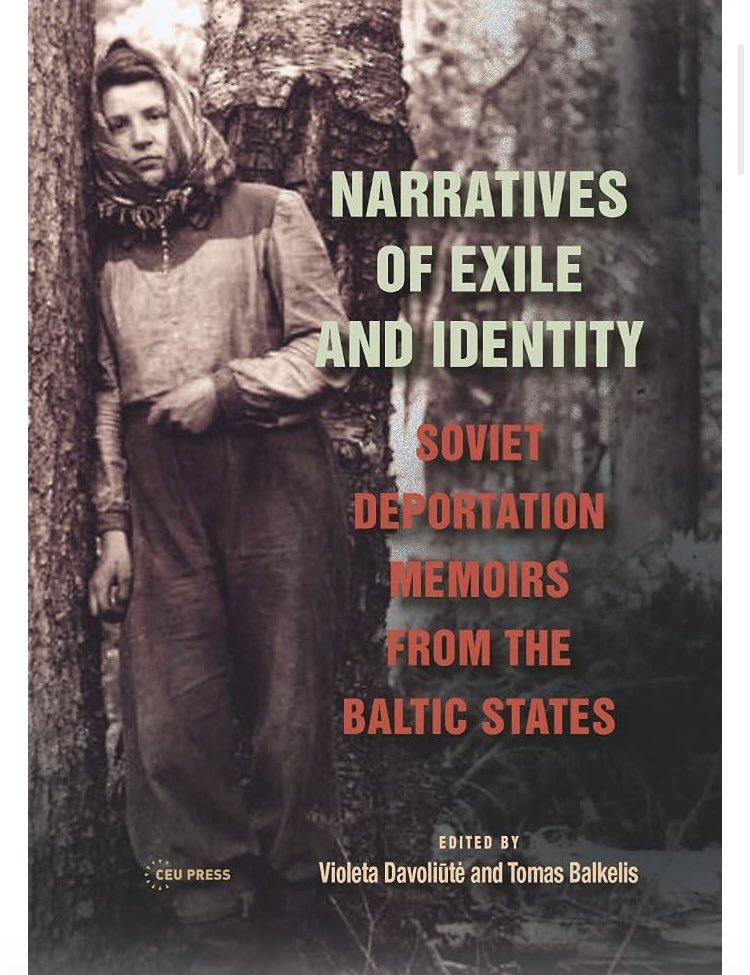
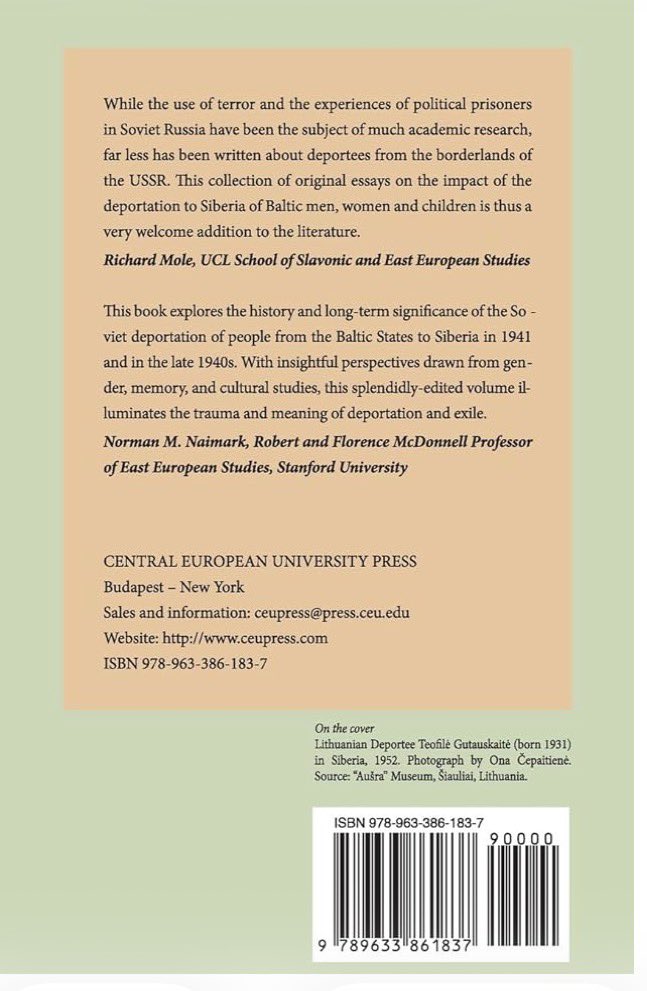
This looks like an interesting book on the subject.
Thanks for your post.
1
3
111
Dr Janet Lees retweeted

Today, 85 years ago, Soviet authorities under Stalin violently deported more than 10,000 people from Estonia to Siberia in soiled cattle wagons.
It was part of a wider campaign of terror ordered from Moscow. In the Baltics, Moldova and western Belarus, around 106,000 people were deported in May–June 1941 alone.
Most of those taken from Estonia were women, children and the elderly.

8
161
318
5,532

Dr Janet Lees retweeted
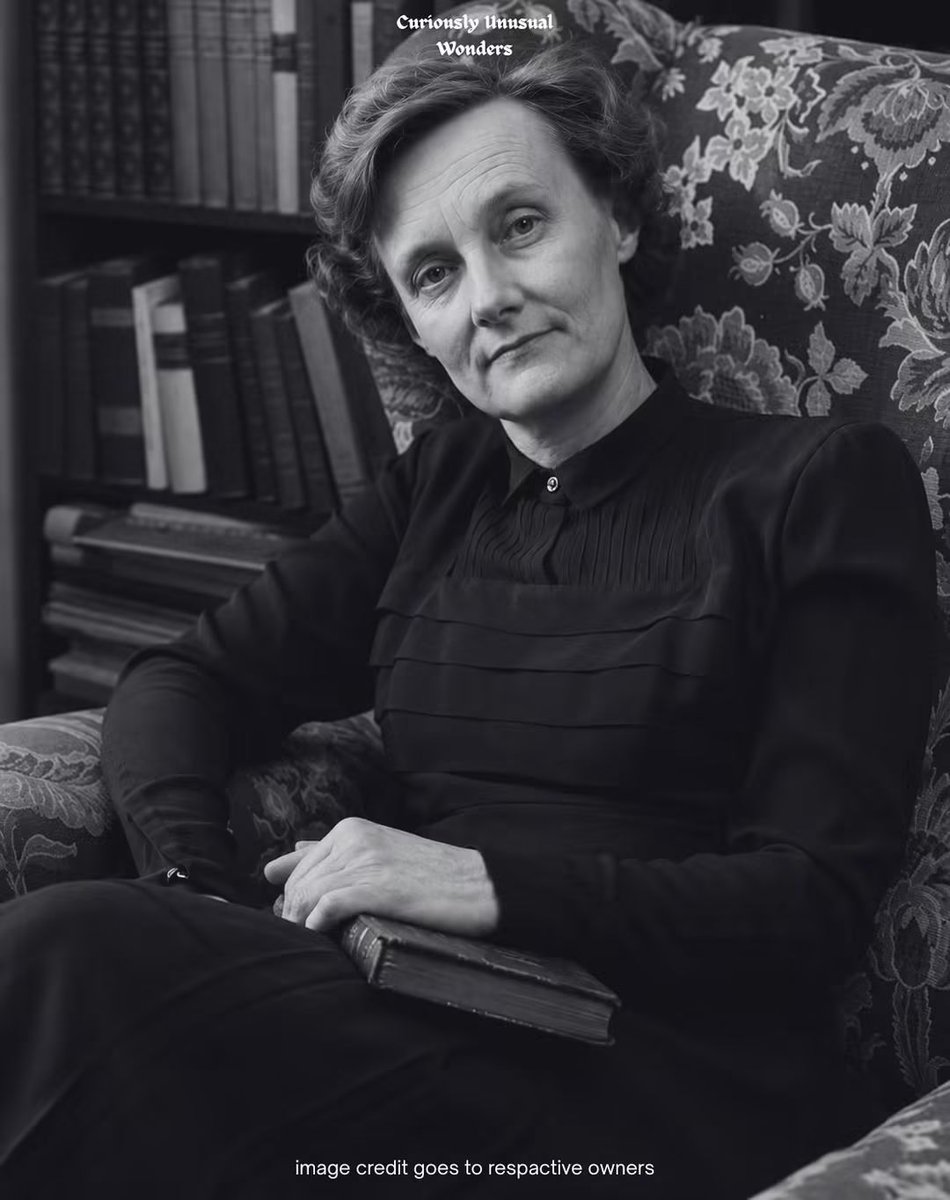
The Swedish government told her she owed 102% of her income in taxes. She was 68 years old, a children's book author, and held no political power. Yet, by writing a simple fairy tale, she helped topple a government that had ruled for 44 years.
Stockholm, 1976.
Astrid Lindgren opened her mail to find a tax assessment that defied logic. As Sweden’s most beloved author and the creator of Pippi Longstocking, her books had taught generations of children about courage, independence, and standing up to bullies. Now, she had to face a broken system of her own.
She read the document carefully, did the math, and realized the truth: due to a quirk in the law that combined regular income tax with self-employment fees, her marginal tax rate had hit 102%.
It was not a typo, nor was it a rounding error. One hundred and two percent.
If she paid what they demanded on her extra earnings, she would owe more than she actually made. She would literally go into debt for the privilege of working.
At 68 years old, she could have hired expensive accountants to quietly find loopholes and protect her wealth. She could have done what many powerful people do when systems overreach—safeguard her own position and leave everyone else to figure it out alone. Instead, she picked up her pen.
In March 1976, she published a satirical fairy tale in Expressen, a major Stockholm newspaper. It was called "Pomperipossa in Monismania" (Pomperipossa in Money-mania). It told the story of a successful author who loved her country and worked hard, only to discover a tax system designed to punish honesty and success.
The story was witty, precise, and impossible to misread. Pomperipossa was Astrid; Monismania was Sweden.
The ruling Social Democratic Party—which had governed Sweden for over forty consecutive years—was furious. Prime Minister Olof Palme went on the defensive, dismissively claiming in public that Lindgren was a wonderful storyteller but a terrible mathematician.
Astrid didn't back down. She stood by her numbers, and soon enough, the Ministry of Finance was forced to admit that her math was completely correct.
She began appearing on television and speaking out publicly, pointing out—with the calm, steady patience of someone used to explaining things to people who aren't listening—that a tax system taking more than 100% of a person's earnings wasn't progressive. It was absurd.
That September, Sweden held its national elections. For the first time in forty-four years, the Social Democratic Party lost power. While political analysts pointed to several contributing factors, like economic stagnation and inflation, everyone acknowledged that Astrid Lindgren’s tax revolt had fundamentally shifted the national conversation. She had made it safe to question a system that once seemed untouchable, giving a voice to frustrations millions of people felt but hadn't known how to articulate.
The new coalition government reformed the tax code, cutting the most extreme rates, and Astrid quietly went back to writing children's books.
But she never stopped paying attention. In the 1980s, when Sweden debated a new animal protection bill, she noticed loopholes that would still allow for cruel factory farming practices. She wrote articles, lobbied politicians, and testified before Parliament well into her eighties. In 1988, Sweden passed some of the strongest animal welfare laws in the world. It was widely nicknamed "Lex Lindgren" (Lindgren's Law) because everyone knew she was the driving force behind it.
Astrid Lindgren passed away in January 2002 at the age of ninety-four. Sweden honored her with a state funeral attended by the Royal Family and the prime minister, while thousands lined the streets of Stockholm.
But her true legacy lives on far outside of official ceremonies. Every child in Sweden still reads her books, every debate about fair taxation still references Pomperipossa, and animal welfare advocates across Europe still look to Lex Lindgren as proof of what is possible.
She never ran for office, nor did she ever build a formal political movement. She had no credentials in economics or public policy—just an extraordinary gift for storytelling. But she had spent decades writing about Pippi Longstocking, a girl who refused to follow rules that didn't make sense, stood up to bullies, and never shrank herself to make others comfortable.
Astrid Lindgren simply chose to live her life exactly like the hero she created. When authorities insisted that nonsense made sense, she refused to pretend along with them. And because she spoke up, the world listened.
9
303
990
28,525
Dr Janet Lees retweeted

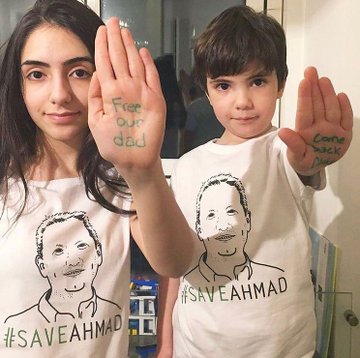
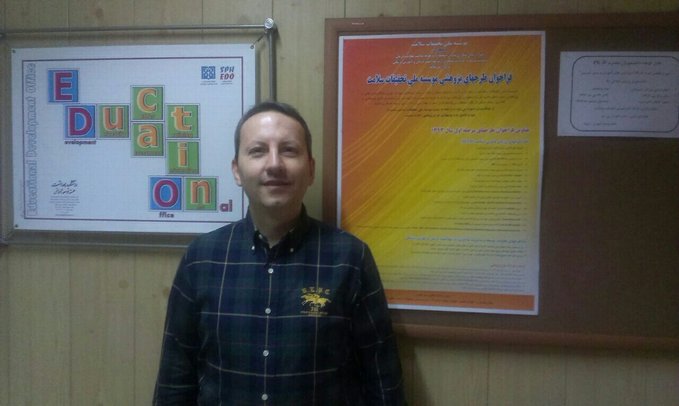
Day 3,701 of injustice for Ahmadreza Djalali and his family. A doctor and a specialist in disaster medicine, his work has saved the lives of many. Now his life remains in danger, sentenced to death on bogus charges and imprisoned since April 2016. '#SaveAhmadreza @MariaStenergard
2
31
43
263

Dr Janet Lees retweeted

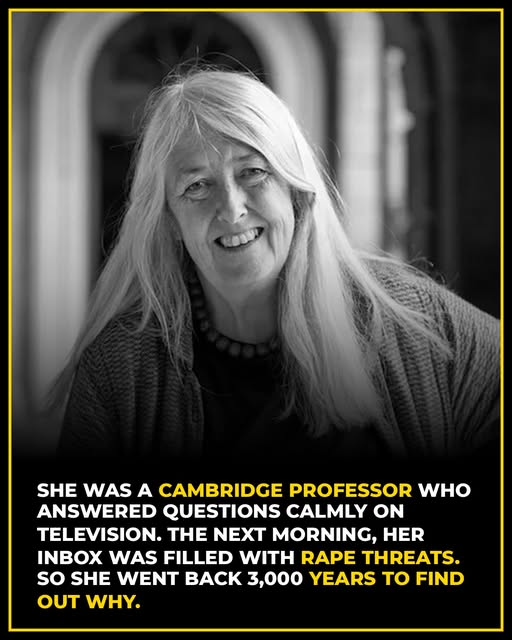
She was 57 years old.
White hair. No carefully managed image. No media training designed to make her more palatable. Just thirty years of accumulated knowledge and the calm, unhurried authority of a woman who had spent her life mastering her subject.
She sat on a BBC panel, answered questions about immigration and politics, cited evidence, made arguments — and then went home.
The next morning, her inbox looked like a crime scene.
Her name is Mary Beard — Cambridge professor, classicist, one of the most respected scholars of ancient Rome and Western civilisation alive. And the internet had decided that a woman speaking with quiet authority on television needed to be punished for it.
The messages were not criticism. They were not debate. They were rape threats. Death threats. Coordinated campaigns of personal destruction targeting her appearance, her age, her voice — anything that could be used to remind her that spaces like the one she had just occupied were not meant for her.
Most people would have gone quiet.
Mary Beard went further in.
She did what scholars do when they find a pattern that disturbs them: she followed it backward. Through decades. Through centuries. Through millennia. All the way back to some of the oldest texts in Western civilisation.
And she found it had always been there.
In Homer's Odyssey — one of the foundational works of Western literature, nearly three thousand years old — there is a scene that most readers pass over without registering its quiet violence. Penelope comes downstairs and asks the poet to sing a different song. Her own son, Telemachus, cuts her off. He orders her back to her room and tells her plainly: speech is the business of men.
She goes.
Mary Beard read that scene and recognized it immediately.
Not as ancient history. As a pattern.
In ancient Rome, women who dared to speak in public were not described as orators or thinkers. They were described as noise — disorderly sound, something that did not deserve to be called language or argument. Their voices were not speech. Their thoughts were not thoughts.
In the medieval world, women who claimed public authority were labeled as witches.
Elizabeth I — Queen of England, ruler of a nation — had to rhetorically reshape herself into something masculine just to be taken seriously as the leader of her own country.
The silencing of women who speak with authority was not invented by social media. It was not a modern pathology or a cultural accident. It was built deliberately, over centuries, into the very foundations of how Western civilisation defined who gets to speak, what authority sounds like, and who is allowed to take up space in public life.
Mary Beard had found something important.
In 2017, she published Women & Power: A Manifesto — short enough to read in an afternoon, substantial enough to reframe everything you thought you understood about why this keeps happening.
Her argument was precise and devastating.
The problem is not that women lack the ability to lead. The problem is that the model of leadership itself — the template for what public authority looks, sounds, and feels like — was built by men over centuries and has never been redesigned. When a woman enters public life and doesn't fit that template, she is not failing. The template was never built for her. It was built specifically to exclude her, and it has been doing exactly that, efficiently and continuously, for three thousand years.
The solution, Beard argued, is not to teach women to perform power the way men have always performed it. The solution is to dismantle and rebuild the very concept of what power is allowed to look like.
She kept teaching. She kept writing. She kept appearing on television — white-haired, unhurried, carrying her decades of authority without performing it, without packaging it for comfort, without apologizing for it.
The threats continued.
But other messages began arriving too. Letters from women and girls who had spent their entire lives feeling that every door was slightly too narrow, every table slightly too high, every room slightly reluctant to make space for them. Women who had spent years wondering what was wrong with them — why they couldn't quite fit, couldn't quite belong, couldn't quite be taken seriously no matter how much they knew or how hard they worked.
They read the book and understood, perhaps for the first time, that nothing had ever been wrong with them.
The room had been designed without them in mind.
That is not a personal failing.
That is a three-thousand-year-old architectural decision.
And one Cambridge professor with white hair and a calm voice — who refused to go quiet when the internet told her to — spent her career documenting it, naming it, and handing that knowledge to everyone who needed to hear it.
Telemachus told Penelope that speech was the business of men.
He was wrong then.
He is still wrong now.
And Mary Beard has three thousand years of evidence to prove it.
via The Inspireist
#FeministFriday #HERstory
118
2,277
6,690
137,672



1
9
73



1
8
69
Dr Janet Lees retweeted

Jun 13
Pedunculate oaks are famous for living hundreds of years developing massive, gnarled trunks and wide, spreading canopies. When you gaze upward, the interwoven branches create a soaring cathedral of light
35
227
978
25,913