
Love To Explore!
Joined May 2021
- Tweets 2,869
- Following 4,325
- Followers 312
- Likes 32,322
94 Photos and videos







kisha 🪬 retweeted

May 30
اگر کارهای بنده باعث دسترسی آزاد شما به اینترنت شده ممنون میشم حمایتی هم از اینجانب بکنید:
USDT (BEP20): 0x76a768B53Ca77B43086946315f0BDF21156bF424
USDT (TRC20): TU5gKvKqcXPn8itp1DouBCwcqGHMemBm8o
TON (TON):
UQAc-mZB3y7uxWHKiMmq0ORZEYgycWDWZ4V1k73HsXvTJx-i
29
374
2,725
43,375
kisha 🪬 retweeted

این فیلم رو ببینید
غیرت و شجاعت رو ببینید
داره همزمان فیلم میگیره، صف اول مبارزست و میگه حمله و میره جلو
حتی با دست خالی گاز اشک آور برمیداره میگه ببینید اصلا چیز خطرناکی نیست و پرتش میکنه سمت بسیجیا!
از ۱۸ و ۱۹ دی میشه صدها ساعت مستند ساخت از رشادت مردم
39
960
3,297
39,437
kisha 🪬 retweeted

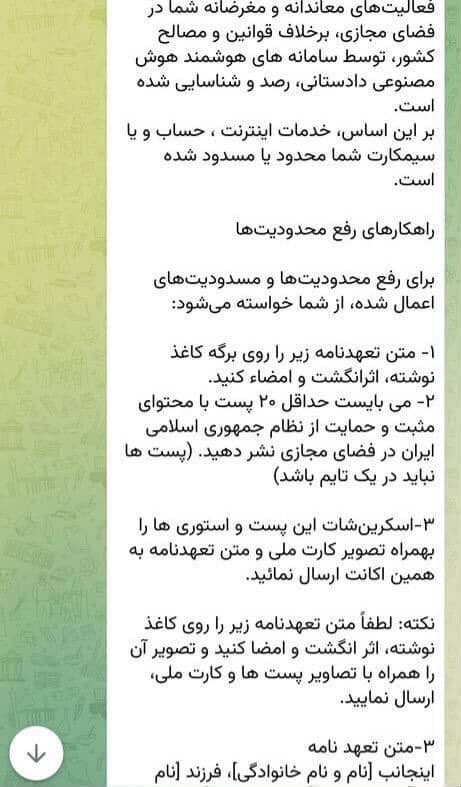
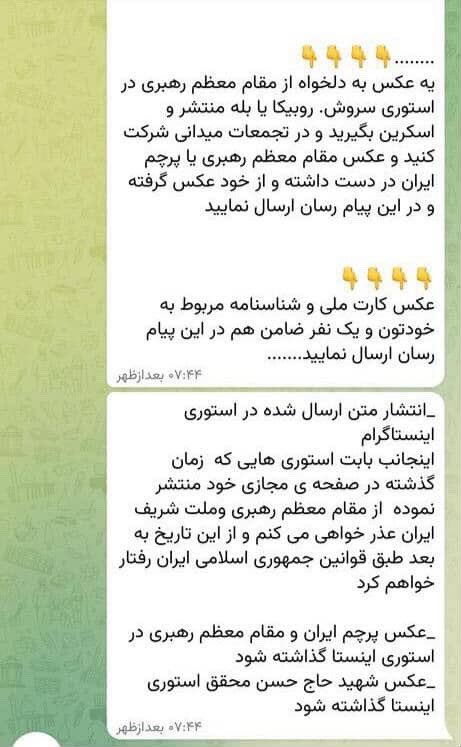
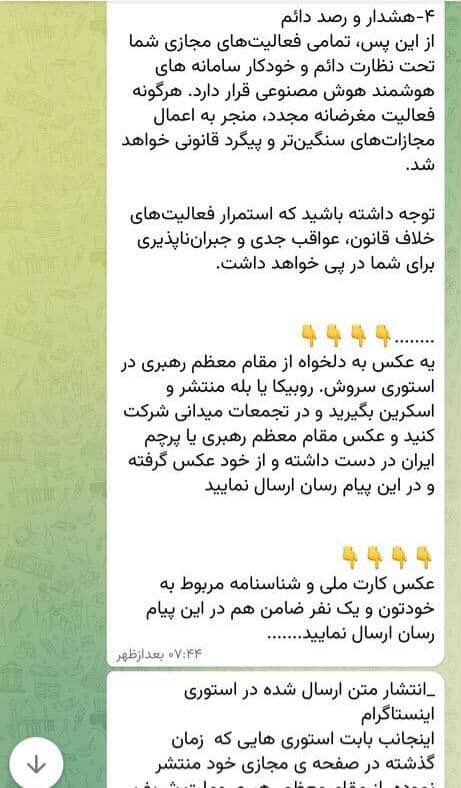
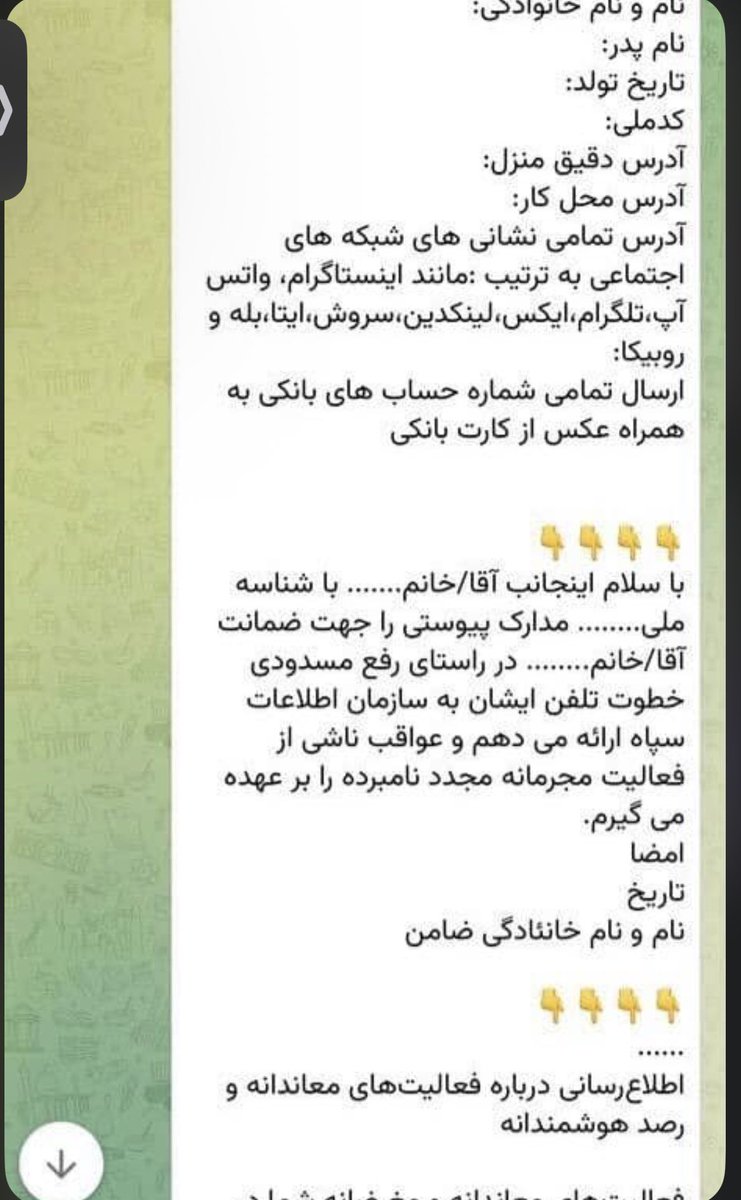
پیامهایی که ماموران اطلاعات سپاه به کسبوکارهای اینترنتی میدهند!
استپری عکس خامنهای و شرکت در تجمعات شبانه، از جمله شروط برای اجازه ادامه فعالیت است.
نکته اینکه باید شخص دیگری هم ضمانت کند!
و در پایان بنویسند «بدون هیچ اجباری» این کارها را کردند!
24
151
630
37,081
kisha 🪬 retweeted

Iranians urgently need help.
We understand that enabling domain fronting in @Cloudflare may introduce security and operational risks for your services. However, allowing a limited set of verified domains could make a huge difference for people in Iran. We are also open to paying for our usage if needed.
currently only few SNI of TLS connection of websites hosted in @Google , @awscloud , and @Cloudflare are opened. By using domain fronting it will provide Internet for Iranians.
In Iran, access to just 100 GB of internet can cost nearly the equivalent of a full month’s salary for many workers in Iran.
Your support could help millions of people maintain access to information and communication.
We sincerely ask you to consider this request.
@realDonaldTrump @JDVance @VP @POTUS @FoxNews @BBC
21
573
1,684
47,225
kisha 🪬 retweeted

May 6
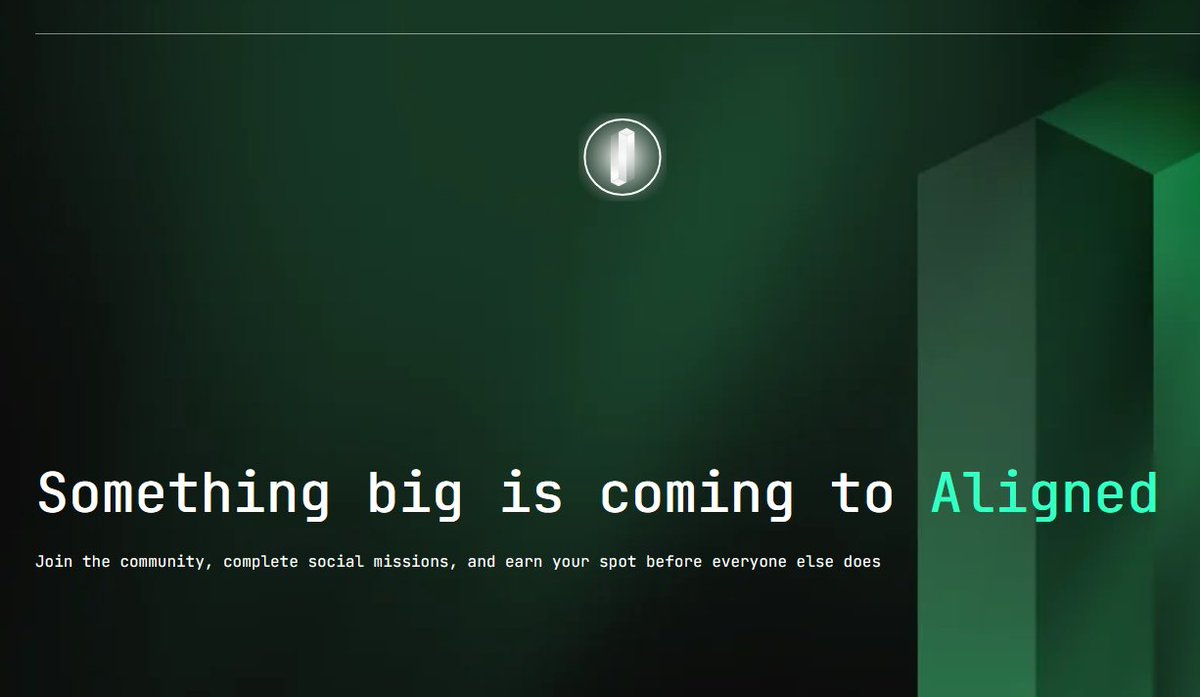
بشتابید که بالاخره ایردراپ @alignedlayer داره میاد😁
حتما چکرش رو چک کنین؛ خیلی ها شامل شدیم به خاطر سابقه روی L2 ها به خصوص ZK هاش؛ حتی ولت های دوم و سوم اینا
اگه یادتون باشه تمرکزش رو ZK بود و وسط هایپ L2 ها اومد به روش کلاسیک ایردراپ خیلی هامون رو شامل کرد؛ منتها بولران تموم شد و بزرگوار نیومد!
حالا با جذب سرمایه های مجدد مجموعا 45 میلیون دلار جذب کرده - آخریش رو همین آپریل انجام داده 10 میلیون دلار روی 10 سنت.
برای رفقای LB باز هم یه پلتفورم آوردن بالا جهت مارکتینگ شون:
campaign.alignedlayer.com/ho…
اگه رفتین توی کارش؛ شیرینی ما هم این رفرال رو انتهای صفحه وارد کنین: 6698515a
لینک چکر:
community.alignedlayer.com/
12
7
88
6,603

May 6
RT @NarimanGharib: دیشب کانال «چشم عقاب» رفت روی ماهواره. مدتی بود روی این پروژه کار میکردم.
روش کار ساده است: کانال ماهواره را روی تلویز…
233
kisha 🪬 retweeted

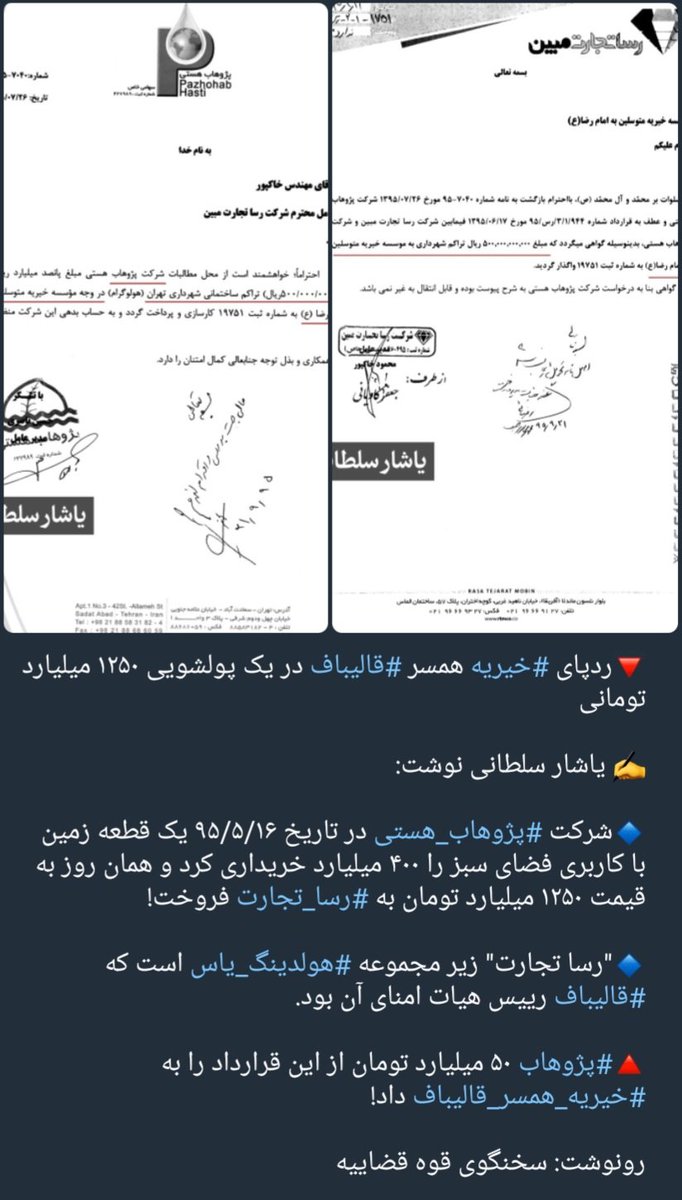
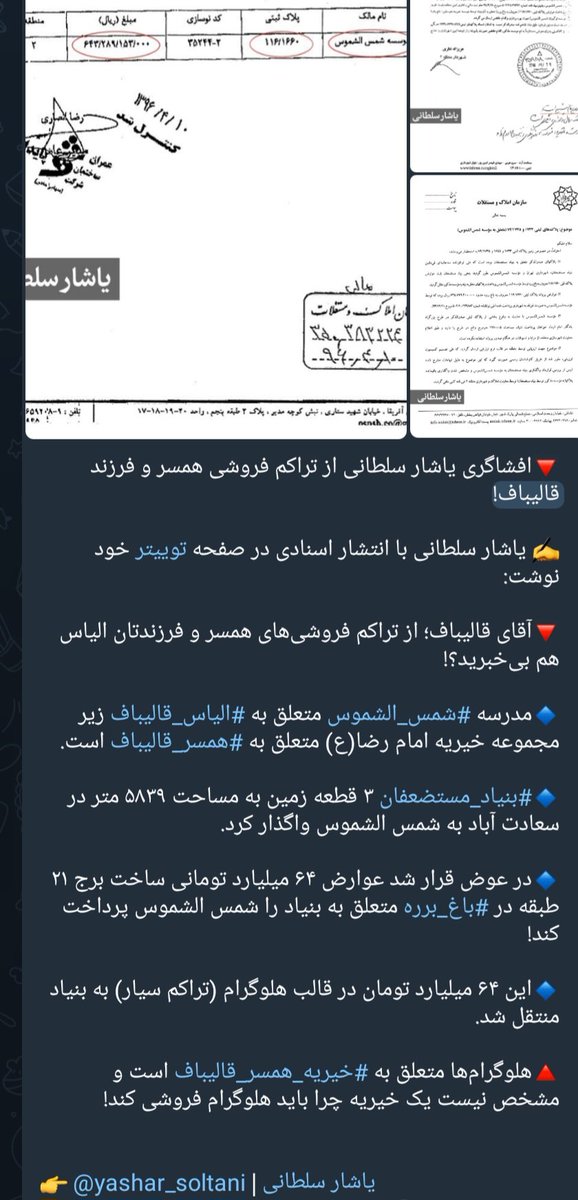
سقف فساد قالیباف به اندازهی ثروتی است که در اختیارش باشد.
در شهرداری، به اندازهی هزاران میلیارد املاک نجومی و چپاول اموال مردم توسط خیریهی همسر و پسرش.
در سپاه، به اندازهی چند هزار میلیارد دزدی در هلدینگ یاس.
وای به وقتی که بر کل ثروت یک ملت مسلط شود.
413
2,810
8,531
100,209
kisha 🪬 retweeted

اینجوری بگم که اگر فشار جنگ روی مردم ۵ یا ۶ از ۱۰ باشه، فشار قطع بودن اینترنت ۹ از ۱۰ هست. به این معنی که قطع بودن اینترنت، بدترین فشار ممکن روی مردم هست. از هر جنبهای، اقتصادی، اجتماعی، روانی و … بدترین فشار ممکن حال حاضره
13
269
1,984
33,304



kisha 🪬 retweeted

Jan 24
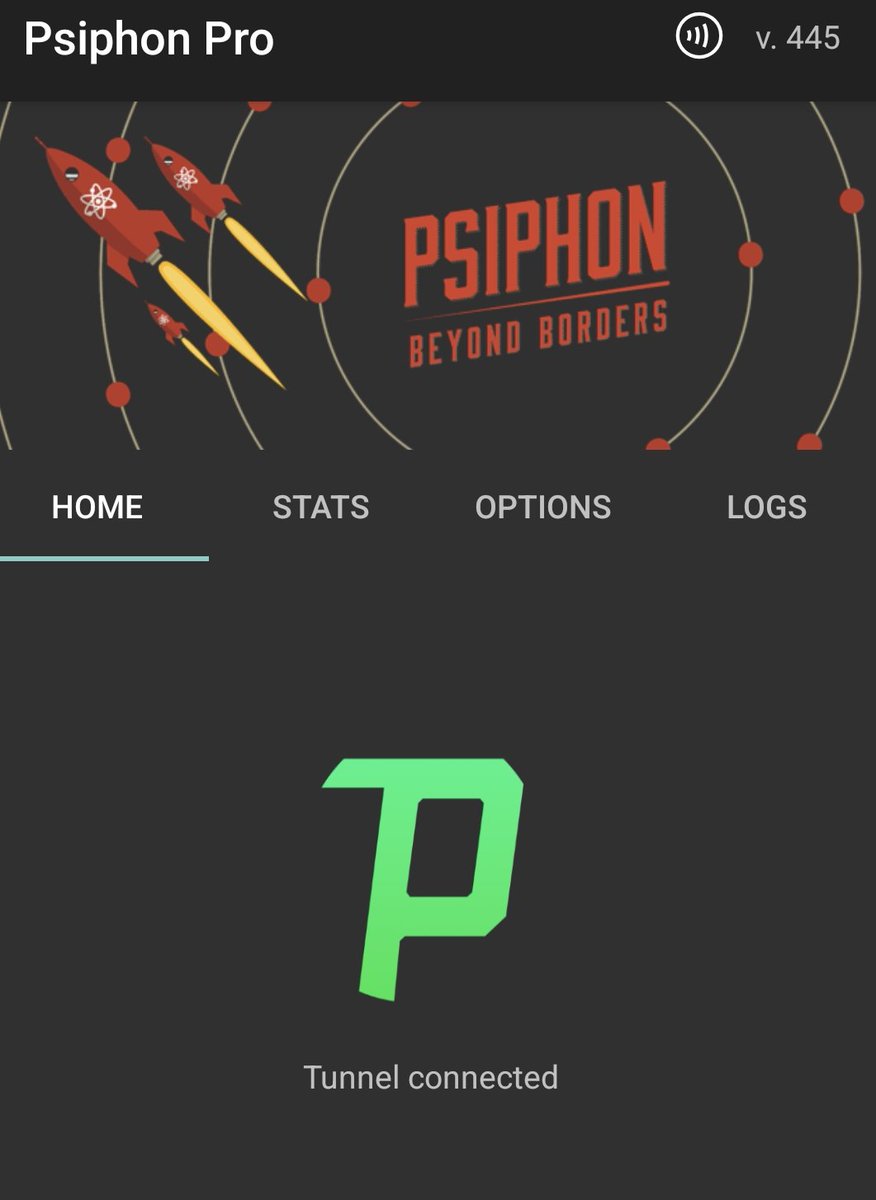
بچه هایی که دارید با اپ conduit اینترنت برامون به اشتراک میذارید، دمتون گرم🫂
واقعا کار میکنه
133
198
3,634
137,511
kisha 🪬 retweeted

Jan 23
نرم افزار Psiphon سایفون پرو نه
نسخه v. 435
تنظیمات access point
name: google.com
apn: google.com
اینترنت همراه اول
سیستم عامل اندروید
متصل شد
16
12
428
78,313
kisha 🪬 retweeted

Jan 23
الان وقت خرید ویپیان نیست، هر مدل کانفیگی بخواید رایگان هست!
یه لیست از کانالهای رایگان ساختم، میتونید تو تلگرام راحت اضافه کنید.
t.me/addlist/dIF8diqHoRRlZDM…
39
87
1,461
715,065
kisha 🪬 retweeted

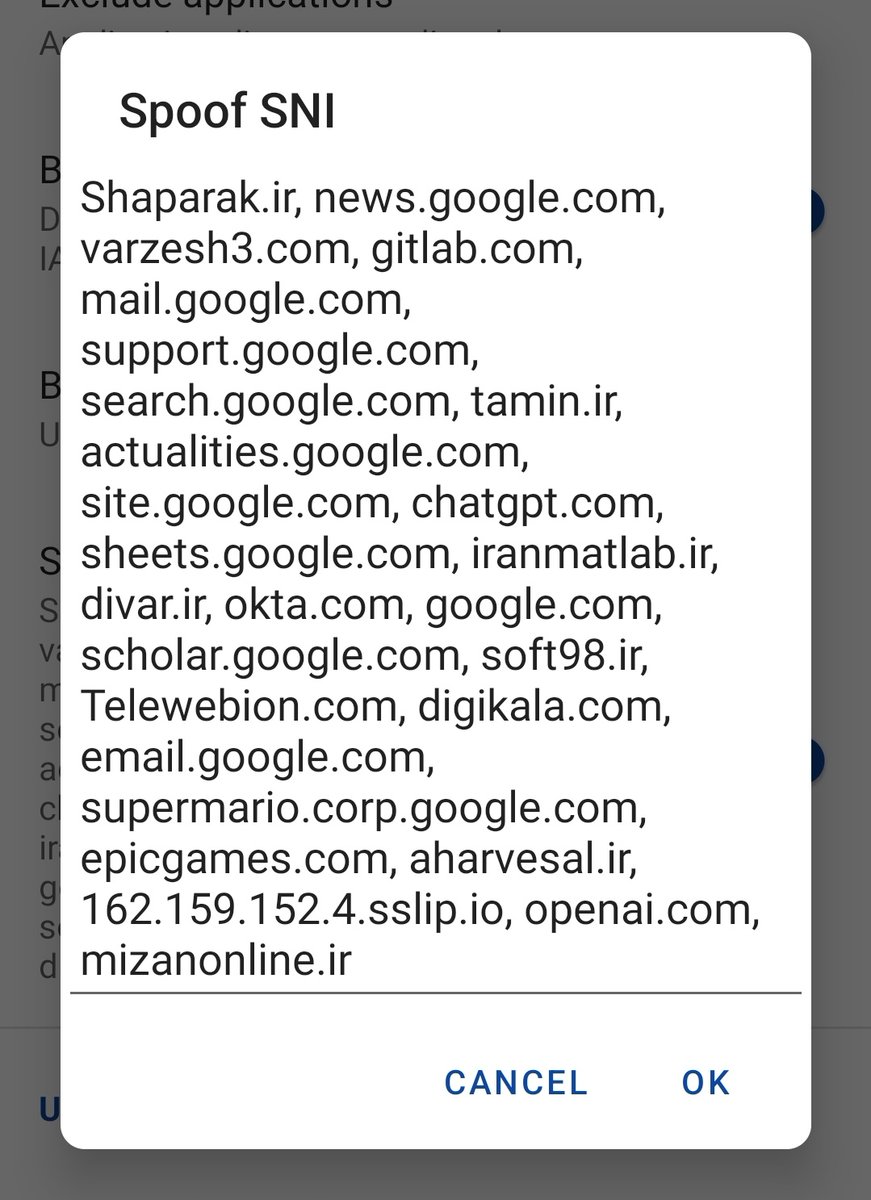
داخل اپ InviZible Pro وارد بخش Fast Settings شده و گزینه Spoof SNI رو روشن کنین. سپس لیست مشخص شده رو وارد کرده و روی اتصال بزنین.
اتصال زمانبر هست، اما روی برخی از اپراتورها مثل همراه اول جواب میده.
البته ممکنه نیاز باشه در تنظیمات Bridges رو روی Use Bridges Default List قرار بدین و بعد Snowflake رو انتخاب کنین، تا شرایط اتصال بهتر بشه.
Jan 22

این روش به سختی روی همراه اول وصل میشه حدود یک ربع طول کشید اما وصل شد درحالیکه هیچ کانفیگ من وصل نمیشه بدون bridge
6
13
122
26,401
kisha 🪬 retweeted

29 Oct 2025
Helping users become better farmers… or just farming the users?
823
240
3,199
248,687
kisha 🪬 retweeted

24 Oct 2025
Convenience is not always your friend.
Don't rush things in crypto guys, take your time.
@okutrade would show the full details for aggregated swaps.
22 Oct 2025

⚠️ Be Careful When Using @Rabby_io
2 days ago, I lost $1,000 while swapping tokens using Rabby Wallet due to a wrong route execution. i’ve been using Rabby for swaps for over a year, sometime had some problem but small.
Here’s what happened:
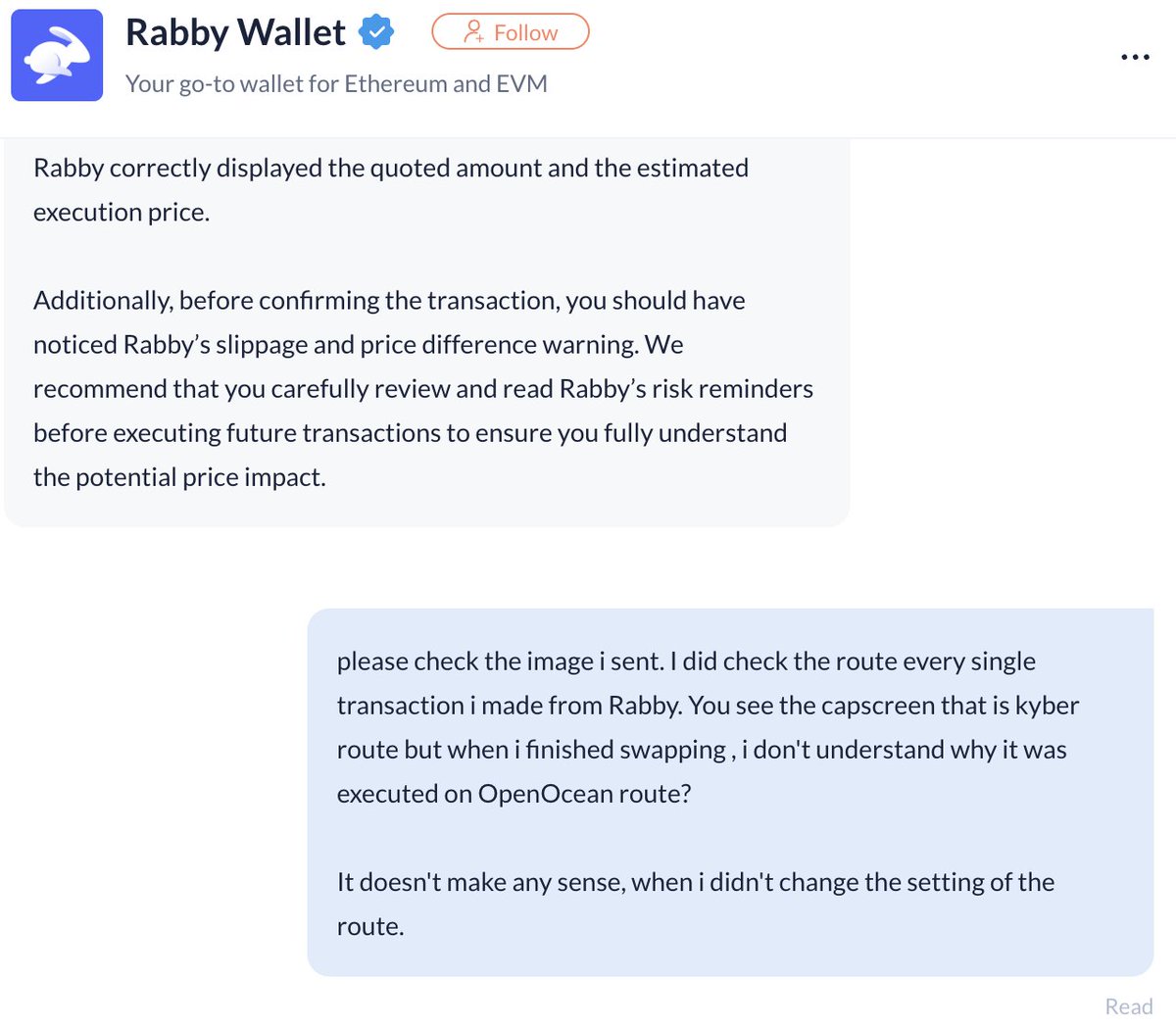
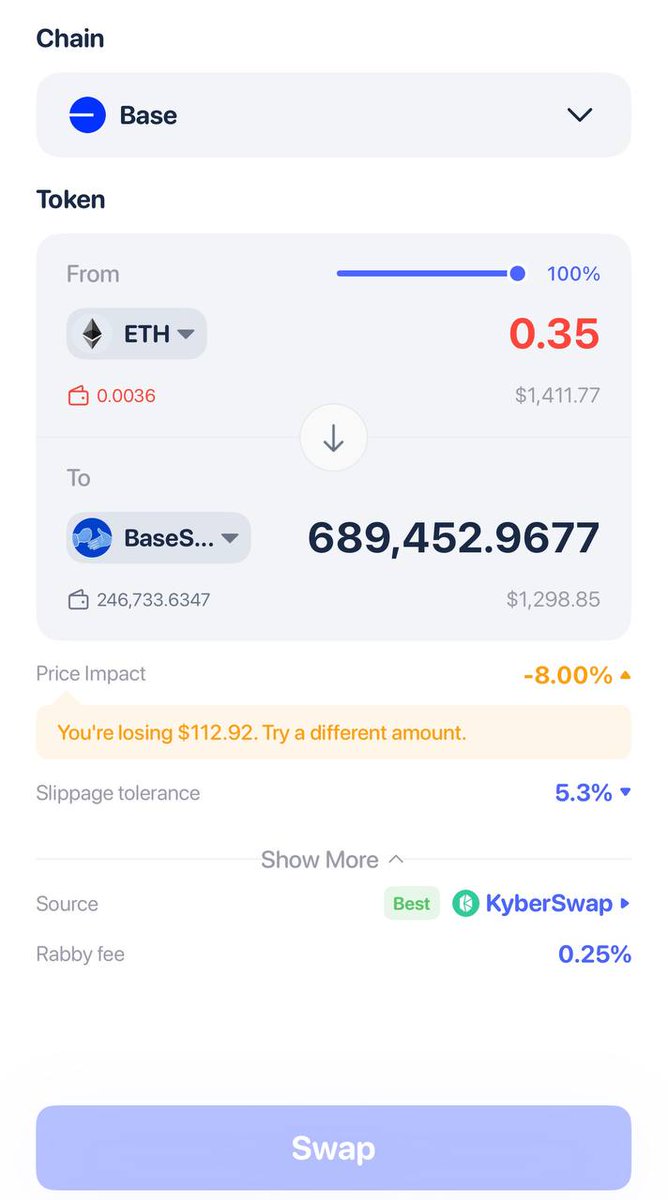
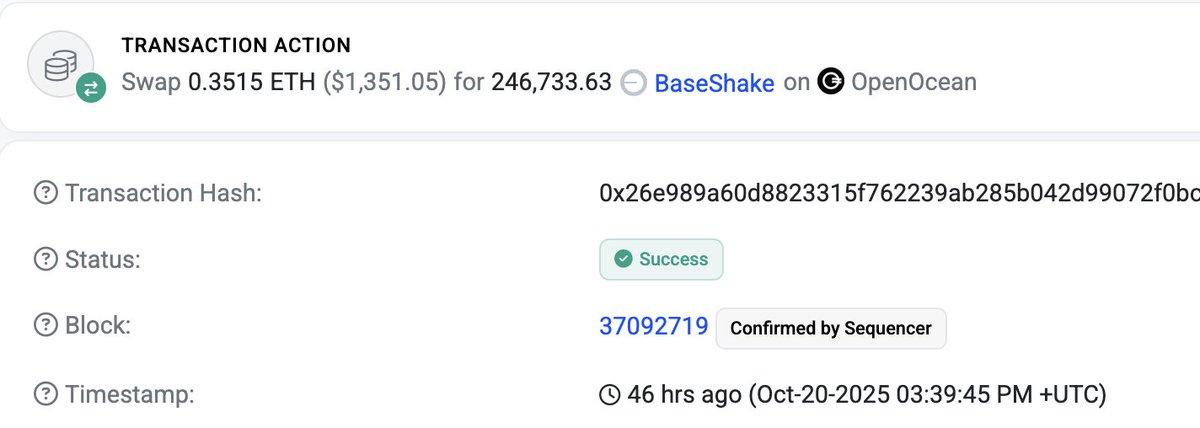
I swapped 0.35 ETH (~$1,400) to $baseshake on Base chain. The UI showed the best route as KyberSwap with ~5% slippage - i didn’t change anything. But after confirming, the swap executed through OpenOcean with 67% slippage, and I only received around $500 worth of tokens.
I swapped $baseshake on Rabby 2–3 times before this event with no problem. But this time, the route changed without any notice.
I contacted Rabby support, but they simply replied that nothing was wrong with their product - no accountability, no help. My follow-up message was seen but never replied to.
1k is not much but imagine if this happens to someone swapping $50k or $100k - it could ruin lives.
People trust Rabby because of its UI and convenience, but this kind of issue is serious and dangerous and the customer service is disaster.
I wasn’t planning to post this publicly if I had received a proper answer from Rabby support - but unfortunately, I didn’t. So i'm writing this to remind pp be careful when using Rabby.
I will never use it again.
15
2
43
12,027
kisha 🪬 retweeted

22 Oct 2025
⚠️ Be Careful When Using @Rabby_io
2 days ago, I lost $1,000 while swapping tokens using Rabby Wallet due to a wrong route execution. i’ve been using Rabby for swaps for over a year, sometime had some problem but small.
Here’s what happened:
I swapped 0.35 ETH (~$1,400) to $baseshake on Base chain. The UI showed the best route as KyberSwap with ~5% slippage - i didn’t change anything. But after confirming, the swap executed through OpenOcean with 67% slippage, and I only received around $500 worth of tokens.
I swapped $baseshake on Rabby 2–3 times before this event with no problem. But this time, the route changed without any notice.
I contacted Rabby support, but they simply replied that nothing was wrong with their product - no accountability, no help. My follow-up message was seen but never replied to.
1k is not much but imagine if this happens to someone swapping $50k or $100k - it could ruin lives.
People trust Rabby because of its UI and convenience, but this kind of issue is serious and dangerous and the customer service is disaster.
I wasn’t planning to post this publicly if I had received a proper answer from Rabby support - but unfortunately, I didn’t. So i'm writing this to remind pp be careful when using Rabby.
I will never use it again.
214
98
923
209,780
kisha 🪬 retweeted

23 Oct 2025
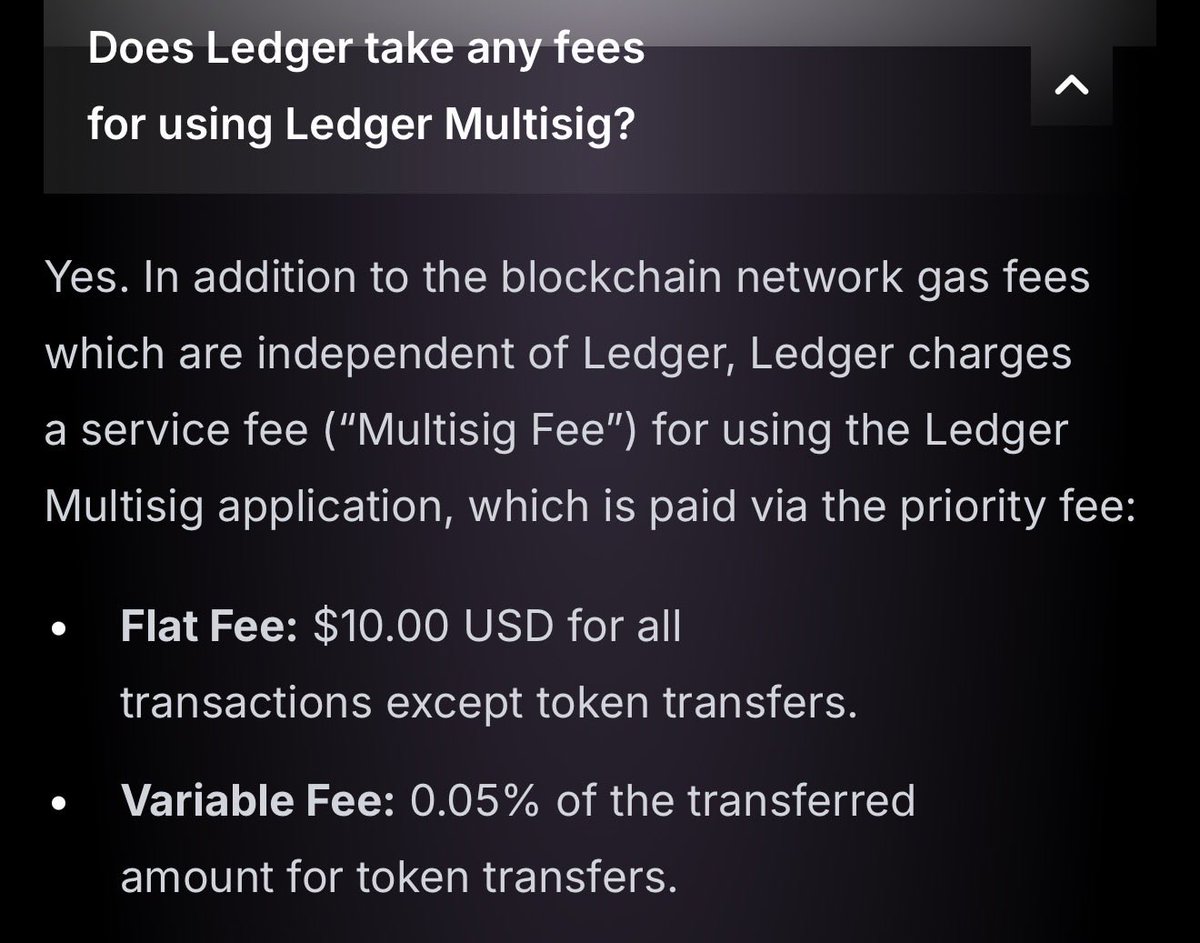
Damn Ledger. Writing a novel to respond to a yes or no question. Sounds like a no.

At Ledger, we strongly believe in an open-source approach. It's a great set of principles that advocates openness and transparency, some of our core values. That's why we're constantly working towards making source code components available, reviewable, and auditable. Importantly, a majority of Ledger's code is open source, including Ledger Wallet™, Wallet API, Secure SDK, and embedded applications on our devices.
Open-source software reduces the need for trust from users, however, it's not entirely bulletproof. Open-source software on non-secure chips will still be highly vulnerable to side-channel and fault attacks. Given the choice of using the Secure Element and being almost completely open-source vs using a non secure chip and being fully open-source, Ledger chooses the more secure approach.
We encourage everyone to research thoroughly and make informed decisions about their security. With a decade of innovation, over 8 million devices sold, and a track record of zero hacks, Ledger stands as the trusted leader in hardware wallet security.
Ledger takes transparency seriously. While we employ proprietary software for our Secure Elements, this choice ensures the highest level of tamper resistance and security. You can review key components like the OS commands dispatcher and entry points of Ledger Recover implementation, with more parts of the Ledger OS being gradually released for verification.
Our proprietary software is essential for the security of the Secure Elements, which utilize advanced technology from trusted manufacturers to implement hardware countermeasures against potential attacks, even with physical access. Some code is tied to the Secure Element's security peripherals, which are proprietary intellectual property of the manufacturer. Revealing this would compromise the very security we aim to protect.
Learn more: support.ledger.com/article/1…
15
8
213
29,015

kisha 🪬 retweeted

14 Oct 2025
Interesting!
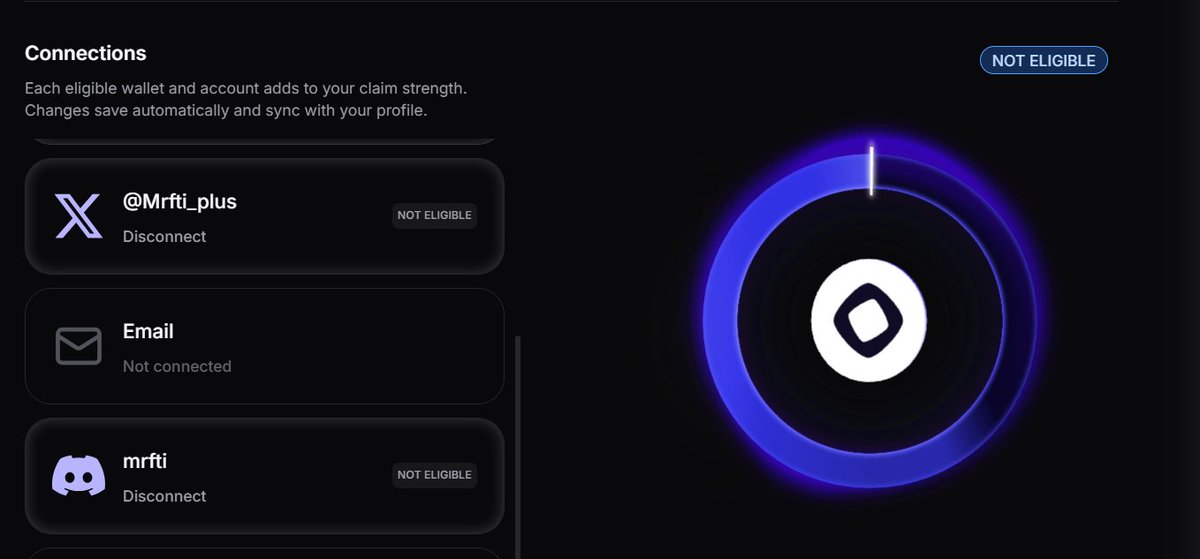
Been active on @Monad analytics since its testnet launch and have created over 30 dashboards (Flipside, Dune), publishing constant updates about it (and its eco) and many accounts/users use my dashs for their content creation...
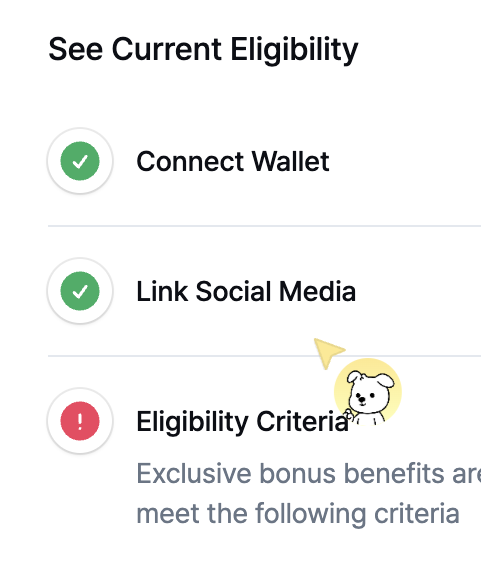
Not Eligible for Monad Airdrop!🤡
7
1
39
9,663