
Increasingly befuddled
Joined September 2016
- Tweets 2,353
- Following 598
- Followers 182
- Likes 21,821
99 Photos and videos










Andy Rushton retweeted

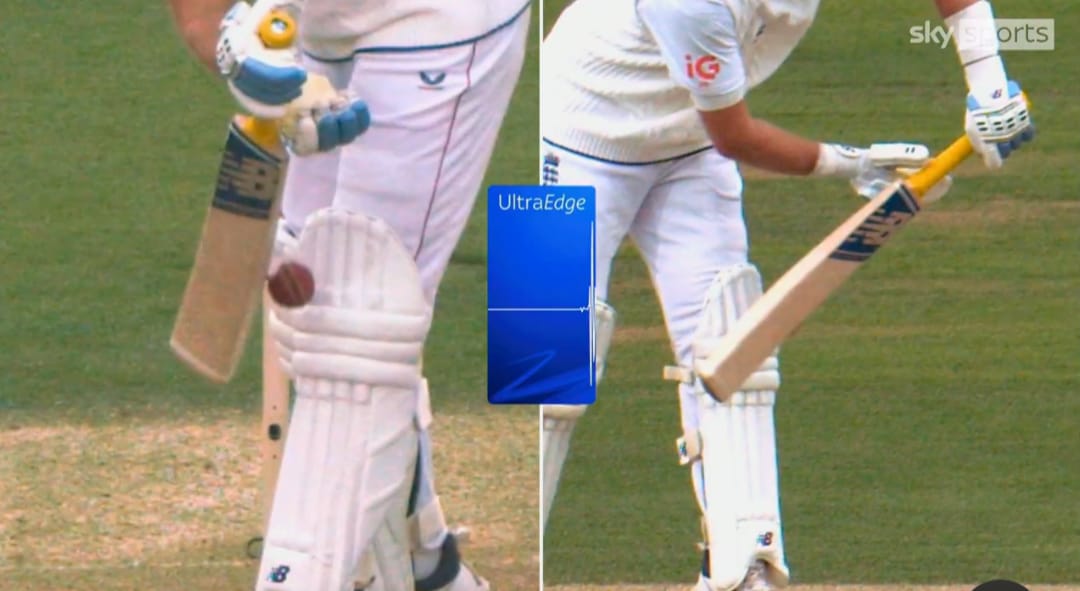
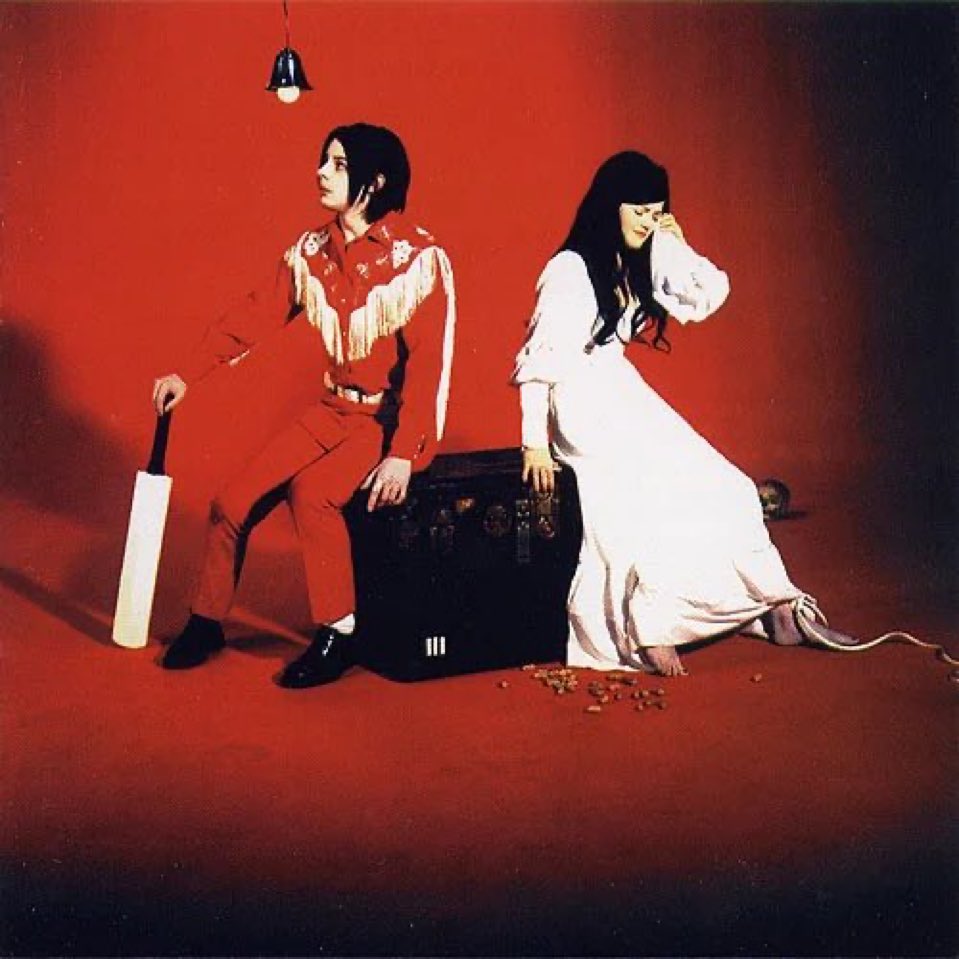
Feels like an important time to remind everyone that Kane Williamson’s bat featured on the cover of Elephant by the White Stripes
1
25
321
22,921
Andy Rushton retweeted

Jun 12
Did any of us EVER envision a future where Johnny Rotten would be the voice of reason and sanity??
x.com/Marwood_PostLib/status…
Jun 12

John Lydon blames woke culture on “horribly, horribly tempestuous, spoiled children coming out of colleges and universities with shit for brains”.

17
16
164
3,744

Jun 5
1
240
Andy Rushton retweeted

Jun 4
In honor of Pride month, here’s a list of countries in the Middle East that recognize same sex marriage:
1. Israel
550
6,368
37,678
1,898,827
Andy Rushton retweeted

Jun 3
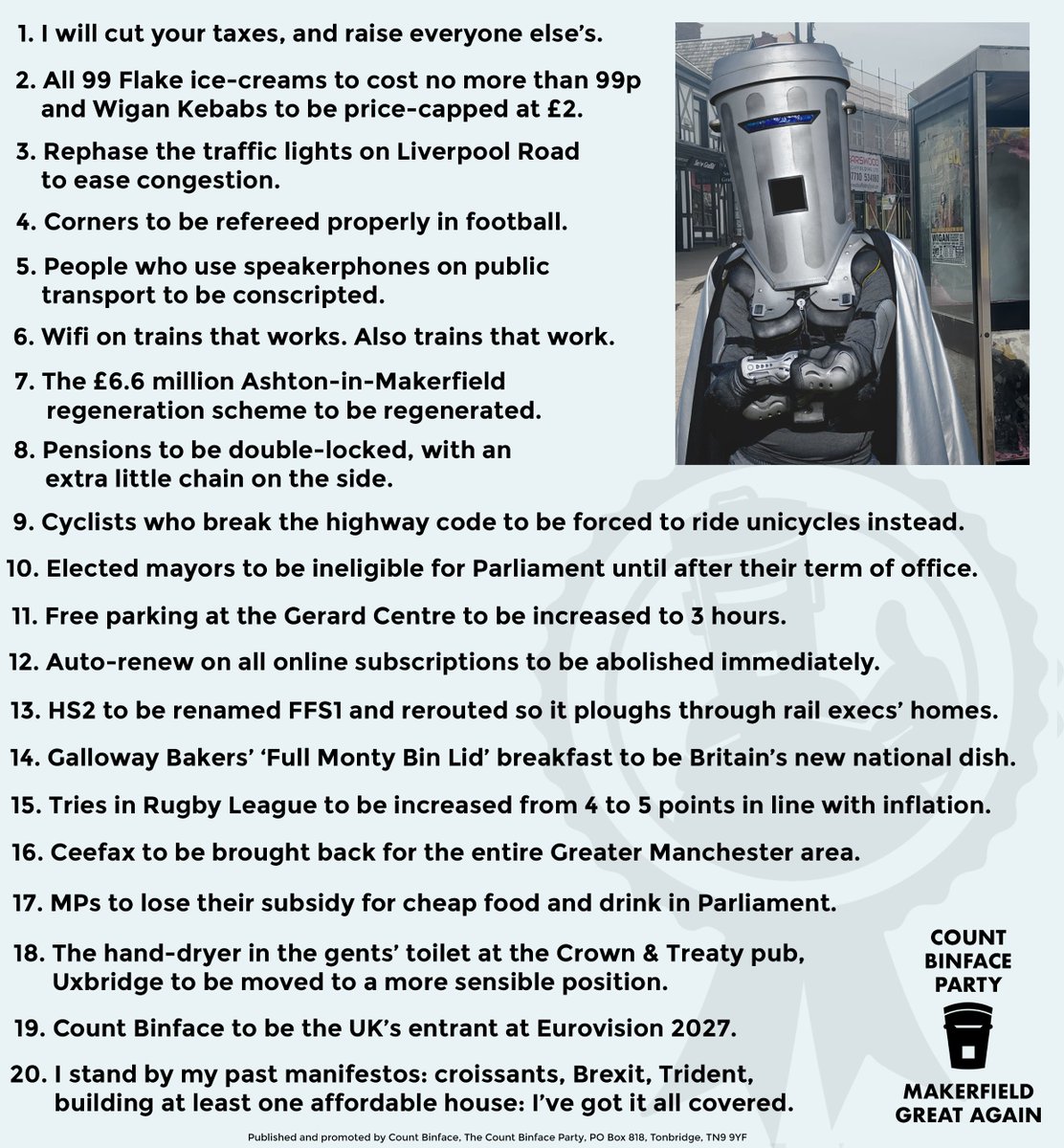
Here it is: my 2026 manifesto for the #Makerfield By-Election. Makerfield Great Again! #VoteBinface #MakeYourVoteCount
346
1,094
4,880
291,220
Andy Rushton retweeted

Only bollards can deliver this much happiness.
#WorldBollardAssociation
31
308
2,479
89,221
Andy Rushton retweeted

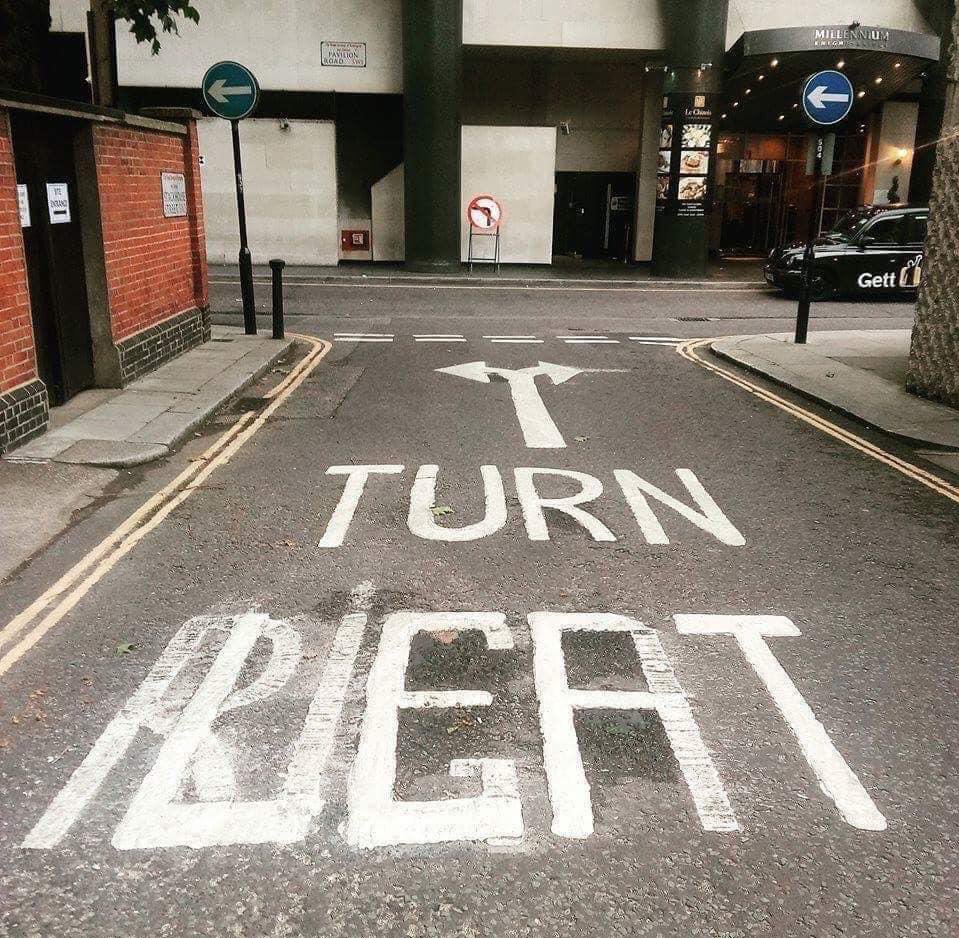
Breaking : Andy Burnham reveals his new manifesto.
27
669
5,430
65,015
Andy Rushton retweeted

May 17
I think for next year’s Eurovision we should submit the song from the Pepto Bismol ad. Maybe slow it down to a ballad and throw in a key change, see if that gets us any votes.
90
490
8,084
180,171
Andy Rushton retweeted

May 15
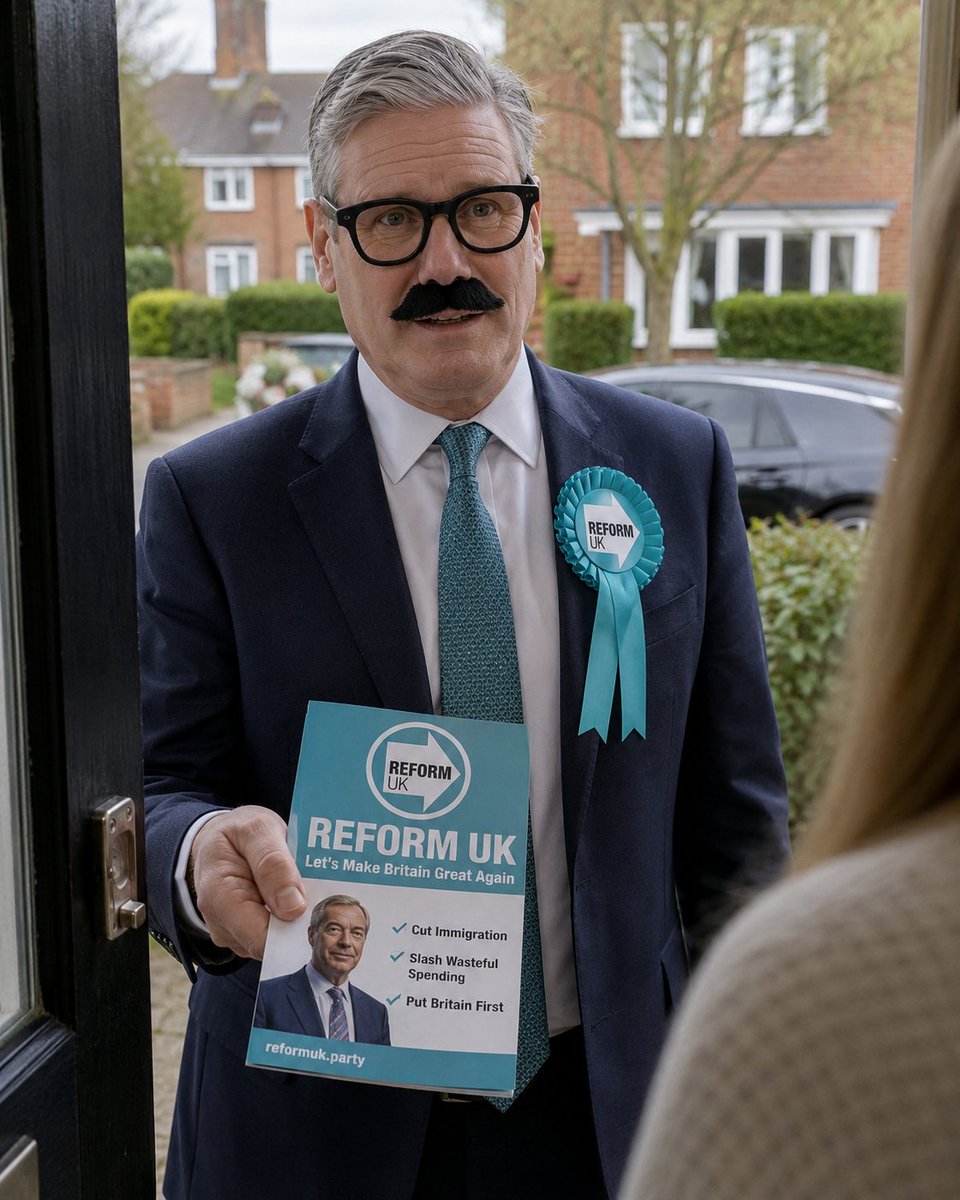
"Hi there! My name's Kieran. I hope I can count on your support for our fantastic local Reform candidate in the upcoming by-election"
53
520
4,966
299,393
Andy Rushton retweeted
May 11
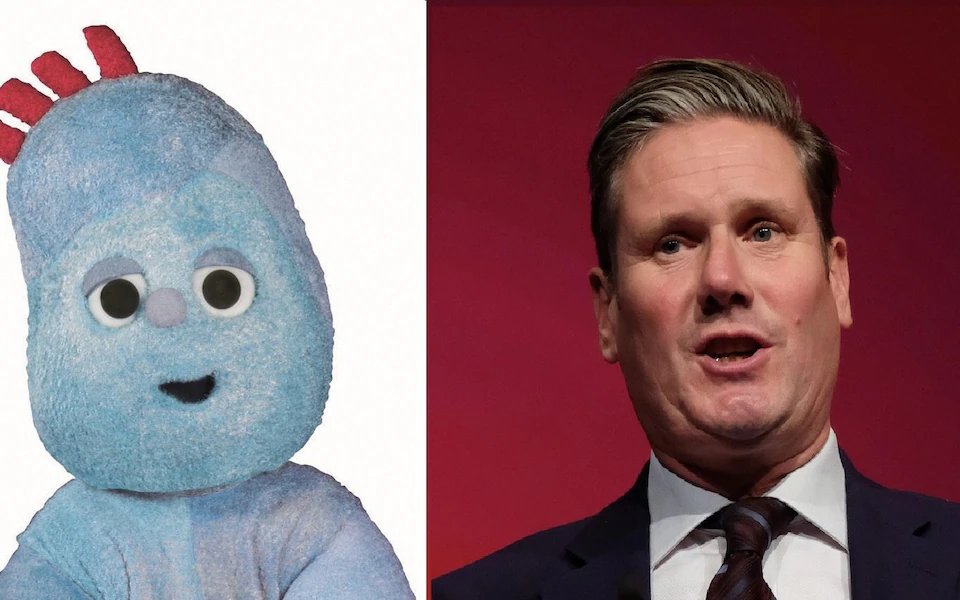
It would be a nice touch if Labour MPs lever out Keir Starmer using a crowbar made by his dad.
53
395
2,527
76,122


Andy Rushton retweeted

May 11
I've created a Zack Polanski CV generator which refreshes each time it's opened - so every time you see it there's new roles that Zack's worked in
dynamic-profile-488554318091…
312
856
3,884
180,999
Andy Rushton retweeted

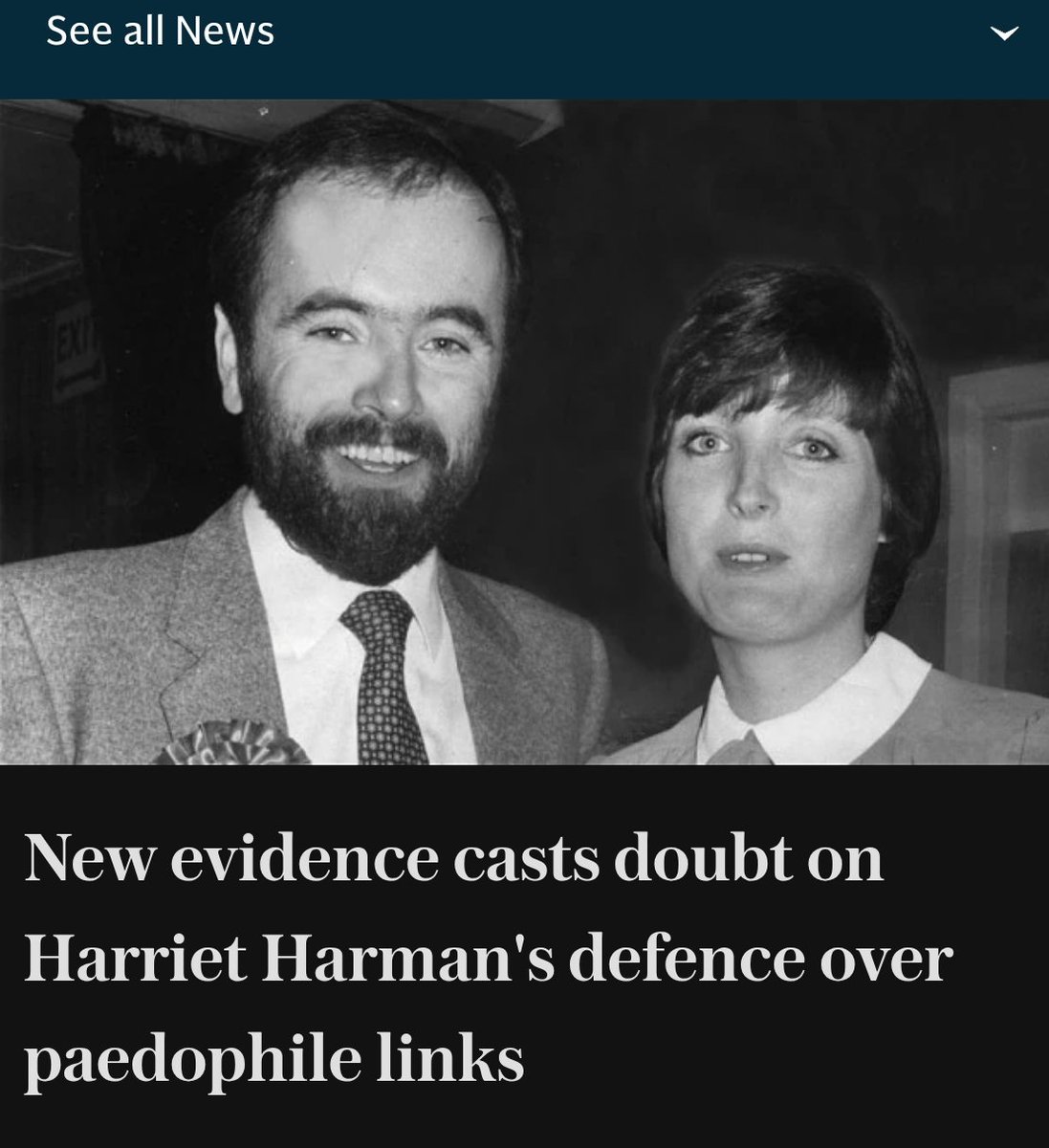
Starmer: "You thought Mandelson was a dodgy appointment? Hold my beer..."
87
1,809
6,049
46,386


Andy Rushton retweeted

Apr 27
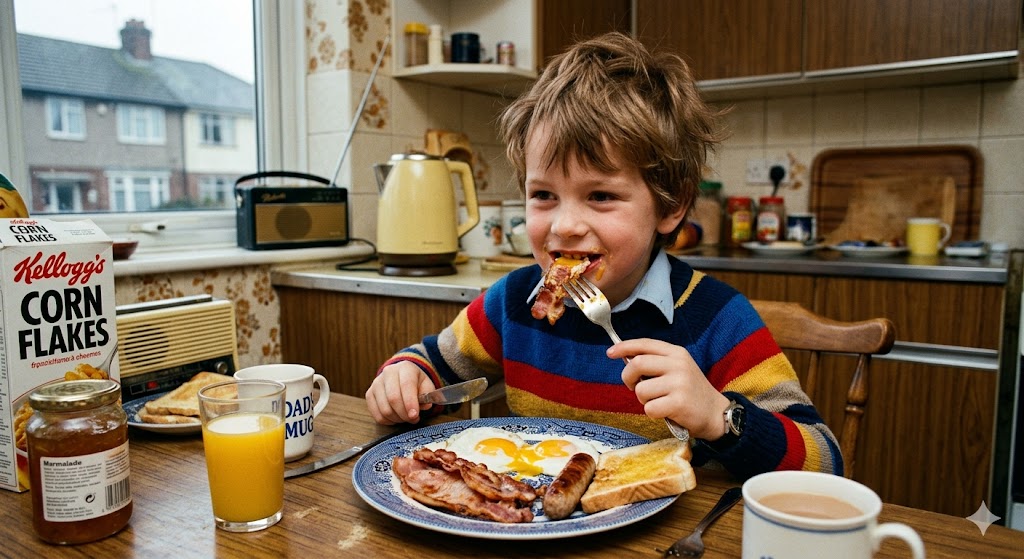
The British Vitamin D problem is not new.
Britain sits between 50 and 58 degrees north. London is on the same latitude as Calgary. Edinburgh is level with Moscow. From October to March, the sun does not rise high enough above the horizon for the UVB wavelength your skin needs to actually reach the ground. You can stand naked in February noon sunlight on the south coast and produce essentially zero vitamin D.
This is six months of the year, every year, for the entire history of human habitation on these islands.
The British have known this, in their bones, for ten thousand years.
Look at what was eaten in winter, before anyone had ever heard the term cholecalciferol:
Oily fish. Herring, mackerel, sprats, kippers. Three or four times a week from October to March. A single kipper carries roughly 250 IU of D3.
Cod liver oil. Spooned into every British child between 1850 and 1980, a teaspoon at a time. Distributed free by the Ministry of Food in the war on the explicit understanding that British children needed it through the dark months. Rickets fell by 90 per cent between 1940 and 1960. Cod liver oil was the reason.
Liver. Eaten weekly in working households until 1985.
Egg yolks from hens that had been outside in the summer.
Grass-fed butter, made from cream from cows on summer pasture, the fat-soluble vitamins banked into the cream and eaten through the winter.
The British solution to the British problem, evolved over centuries by people who could not articulate the biochemistry but knew, with absolute certainty, what kept the children growing through the dark months.
Then between 1955 and 2010, the British removed almost all of them.
Cod liver oil reduced to a niche supplement. Liver dropped from weekly to never. Oily fish consumption halved. Eggs rationed by the Department of Health on cholesterol grounds since retracted. Butter replaced with margarine carrying no fat-soluble vitamins at all.
Result, by 2020: roughly half of all British adults are vitamin D deficient by the end of winter. A third of children. Rickets has reappeared in British paediatric wards. The NHS now recommends every adult take a supplement from October to March.
This is the NHS recommending in 2026 what the British diet was doing automatically in 1926.
The geography has not changed. The latitude is the same. The sun is still inadequate from October.
The food used to handle it.
The kippers are still being smoked at Craster. The cod liver oil is on the chemist's shelf. The liver is at the butcher. The butter is in the dairy aisle, behind the spreads.
The sun was always seasonal.
The food was the backup.
The backup got thrown out.
Get it back.
148
1,423
5,303
167,894
Andy Rushton retweeted

Apr 17
BREAKING NEWS: “Starmer denies knowing he was Prime Minister”
Sir Kier Starmer has revealed that no one told him until last Tuesday he won the 2024 election and had become PM.
He told Beth Rigby “I was totally kept in the dark by my officials. I’m really angry about it.”

1,205
7,224
30,587
704,513
Andy Rushton retweeted

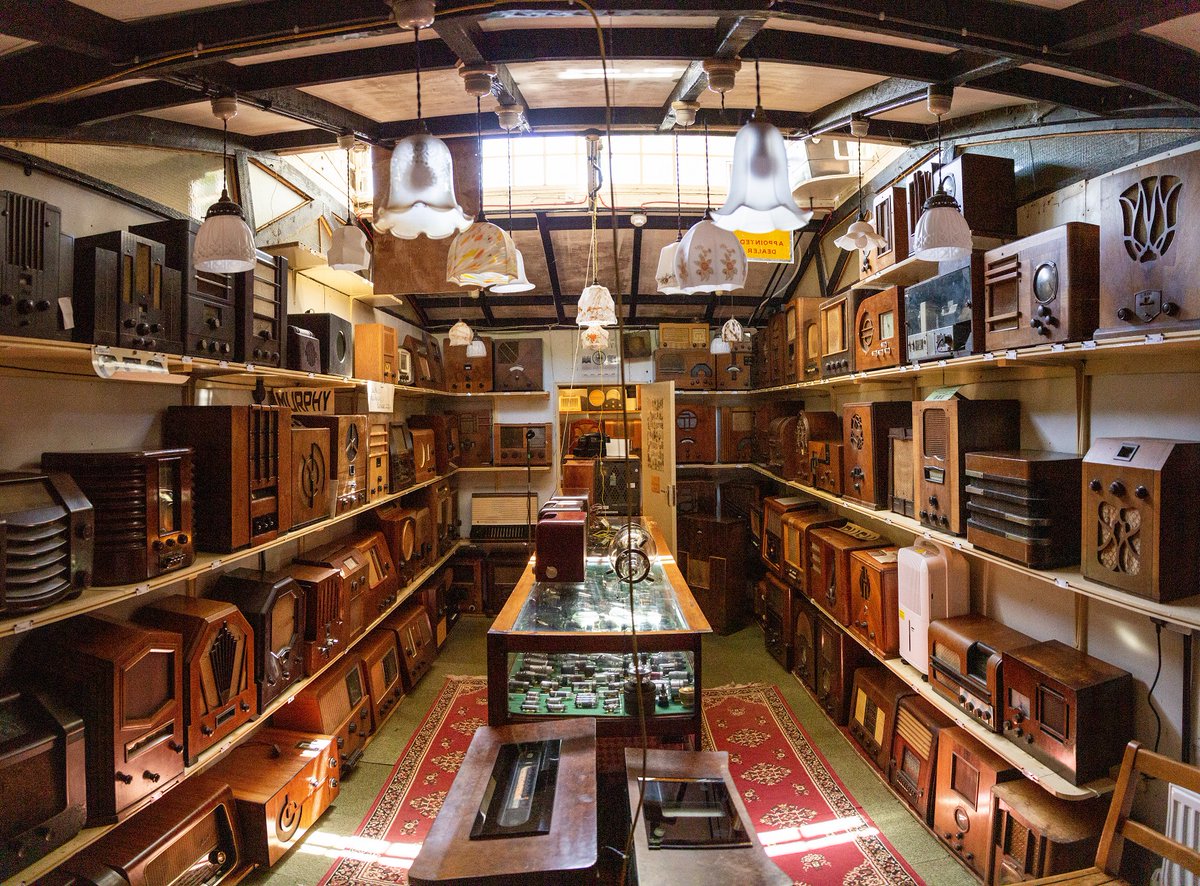
Was looking up what a 'Wireless Festival' was and came across the British Vintage Wireless and Television Museum, which seems rather more to my taste
22
35
522
10,000
Andy Rushton retweeted
Mar 17
Pretty chuffed with my 0.07% tbh.
Mar 17

BREAKING 🔴
Kim Jong-un wins North Korea’s parliamentary elections with 99.93% of the vote.

96
602
12,334
246,707