
Journalist, writer, editor, and media consultant with dual UK/US nationality. A British northerner who lives in, and loves London.
Joined March 2007
- Tweets 23,621
- Following 3,805
- Followers 1,227
- Likes 50,934
196 Photos and videos


Lynne Bateson retweeted

The center of mass of a uniform solid hemisphere of radius r is at 3/8r from the center.
Therefore it tends to always stay upright.
117
604
4,226
300,885
Lynne Bateson retweeted

Norway fans are doing a “Viking Row” up the escalator at Boston’s South Station before heading to the World Cup
Adding this to the list of things I’ve never seen before and probably never will again
1,152
11,780
120,176
5,461,811
Lynne Bateson retweeted

Jun 15
Disclosure isn’t just about information. It’s about people and how they process it.
Jun 8

uNHIdden launches Preparedness Plan - a public health approach to disclosure
Today uNHIdden publishes Preparing for Disclosure ‒ the first public health preparedness framework for paradigm-shifting discoveries.
Governments prepare for pandemics, natural disasters and industrial incidents.
Almost nobody is preparing for the human consequences of a discovery that fundamentally changes how people understand themselves and their place in the universe.
Whatever is disclosed, people matter.
#uNHIdden #PublicHealth #Disclosure #OntologicalShock
youtu.be/gD465Vxwsb8?si=61Ma…
81
93
607
28,813
Lynne Bateson retweeted

We’ve arrived in Scotland.
27
27
1,074
33,320
Lynne Bateson retweeted

The Good Life - When I'm 65 (10th June 1978). A fascinating look behind the scenes (all thanks to HM the Queen deciding she'd like to come to the Television Centre to watch an episode of The Good Life being recorded).
22
84
1,022
95,546
Lynne Bateson retweeted

Jun 14
This is why I will never give up on Twitter

ロミオとジュリエットと猫の別角度の動画ありましたのでリポスト
やっぱり観客爆笑してました🤣
最後は猫も紹介してもらってた
75
579
3,345
125,795

Lynne Bateson retweeted

Jun 14
As front pages go, this one's so beautiful.
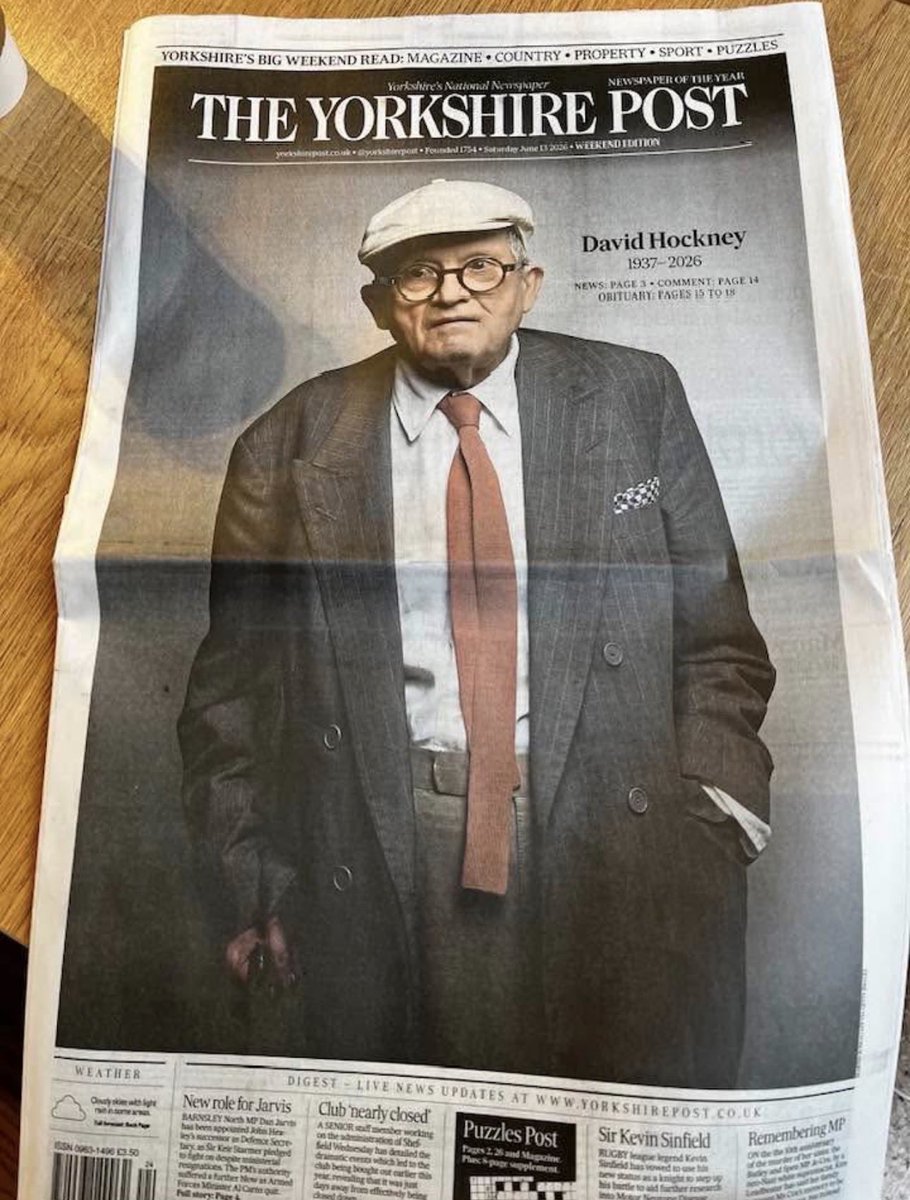
42
637
5,149
87,168
Lynne Bateson retweeted

Defra Trail Hunting Consultation
🦊 If you do one thing for wildlife today, please do this NOW
Please share this post and encourage your friends, family and colleagues to take part before the consultation closes on 18th June.
Together, we can make a difference for Britain's wildlife.
Have your say here: consult.defra.gov.uk/.../tra…
Save Me Trust Link savemetrust.co.uk/our-work/a…
51
1,352
2,168
38,991
Lynne Bateson retweeted

Jun 12
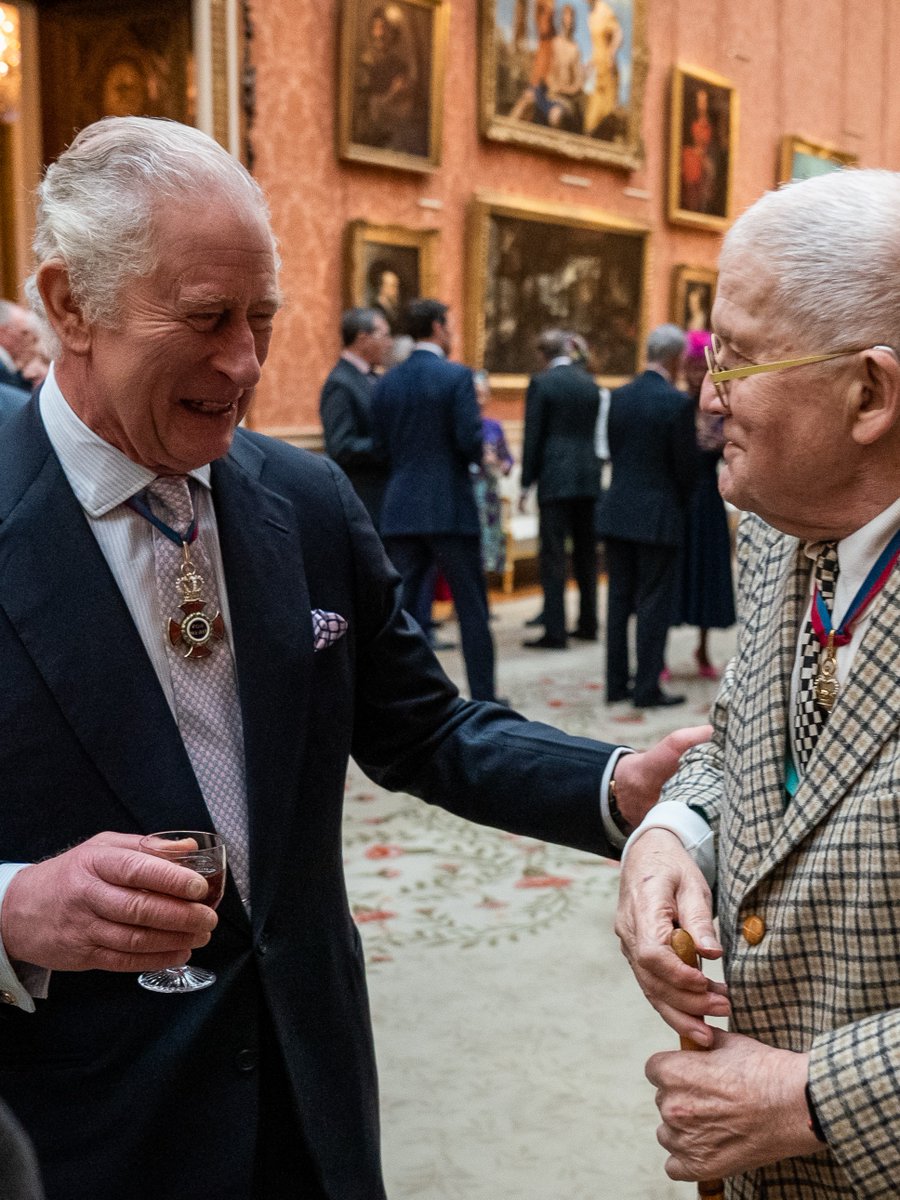
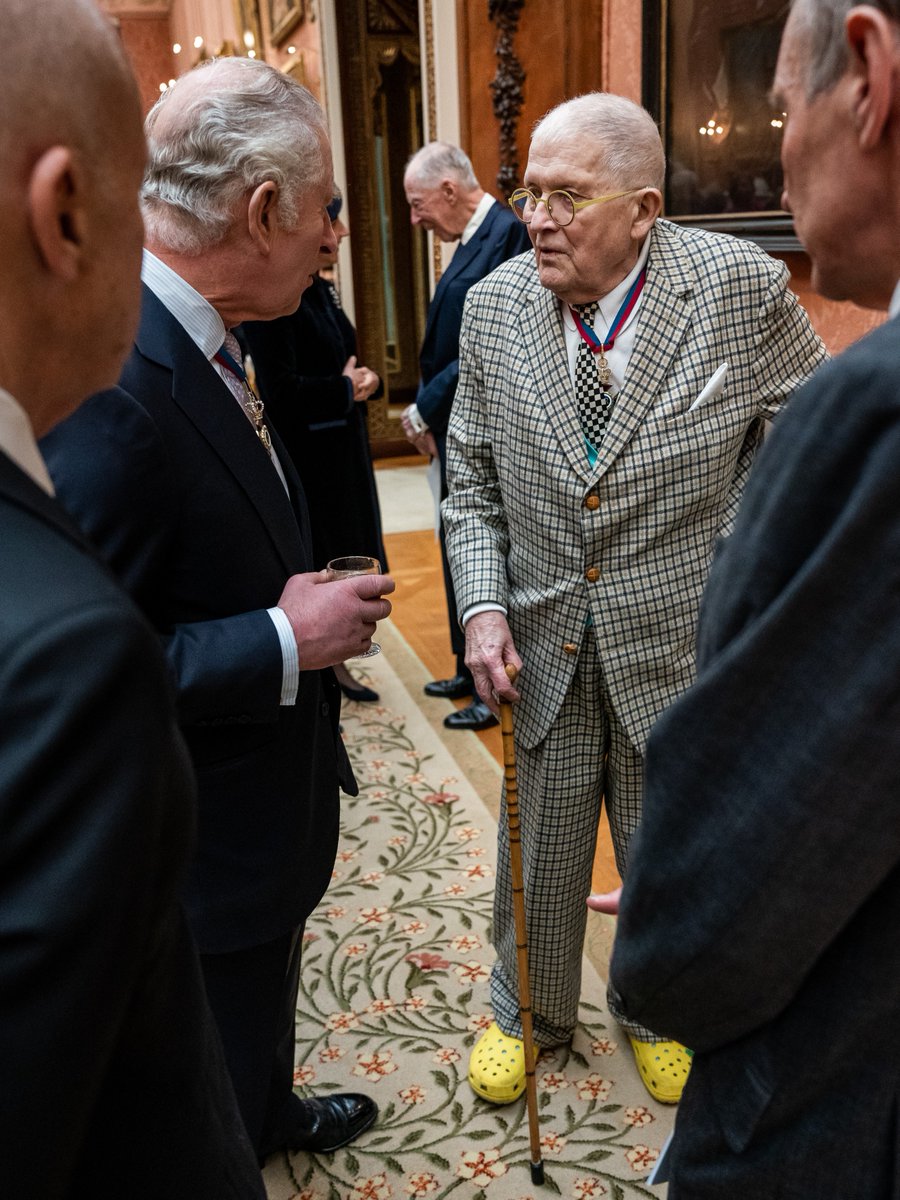
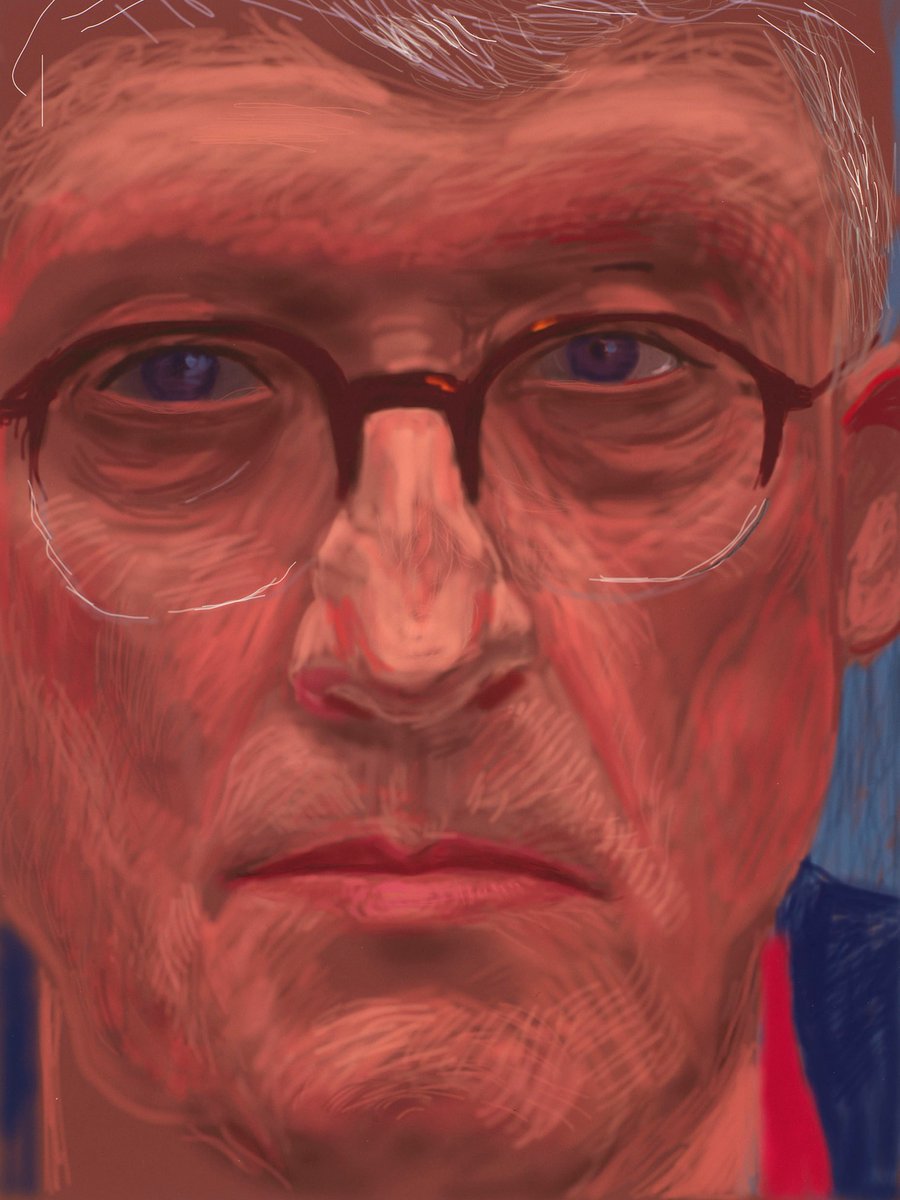
‘My wife and I were greatly saddened to learn of the death of David Hockney O.M., a giant of the world of art and painting, a Yorkshireman through and through and a dear friend and inspiration to so many.
David was one of life’s true originals; one who wore his genius as lightly as those beloved yellow Crocs of his that helped brighten Palace occasions. I trust they will see him tread safely into the hereafter as we mourn a man whose irrepressible charm, talent and constant innovation will be most sorely missed, but whose dazzling creativity lives on in galleries and museums around the world.’
Charles R
113
711
6,395
168,287
Lynne Bateson retweeted

Jun 12
BBC: “What advice did David Hockney give to you?”
BBC Guest: “Enjoy life and fuck everyone.”
157
972
6,718
701,980
Lynne Bateson retweeted

Jun 12
Most of the obituaries and tributes to David Hockney will, I imagine, focus primarily on his extraordinary craft and brilliance as an artist. Perhaps they might also mention his brilliance as a communicator (he was such a fine writer and speaker).
But there was something else rather unique about him too. He was also strikingly honest about the tricks/techniques artists use and used to paint. His book Secret Knowledge is a rather wonderful detective work into how renaissance and Dutch golden age painters used glass and mirrors to help them master perspective.
It's a pretty compelling case (see this video clip from a BBC doc he made alongside the book👇) though I'm sure some art historians will raise their eyebrows. Many will be aghast at the notion that greats like Vermeer might have been using lenses and camera obscuras to help them draw and paint. As if it were in some way "cheating". But Hockney was so self-evidently brilliant he was one of the few people who could document this without anyone gainsaying his own talent.
There are very few artists, living or dead, who have this degree of self-confidence. Not just to know their craft, but to be bracingly honest about how it works. One other who comes to mind is Paul Simon: not just an extraordinary musician but is also an extraordinary communicator about the tricks and techniques of how to write and perform music.
For many great artists, the temptation is to cloak their crafts in mystery, like a member of the magic circle. Hockney wasn't having any of it. So yes, he was a legend in all the obvious ways. But also in a few other less obvious ways as well. RIP.
72
586
2,743
140,887
Lynne Bateson retweeted

Jun 11
Healey's resignation is far more consequential on an issue of war and peace than Michael Heseltine's over Westland. That was about contracts, this is about whether the Treasury is going to adequately protect the country. Starmer clearly hasn't the clout to deliver what the armed forces need.
70
351
1,763
63,157
Lynne Bateson retweeted

Jun 10
Happy 67th Birthday to Hugh Laurie!
While filming FLIGHT OF THE PHOENIX in Namibia, Laurie recorded his audition for HOUSE in a hotel bathroom because it had the best lighting. The homemade tape helped him land the role that would define a generation.
45
605
8,011
303,343
Lynne Bateson retweeted

Jun 10
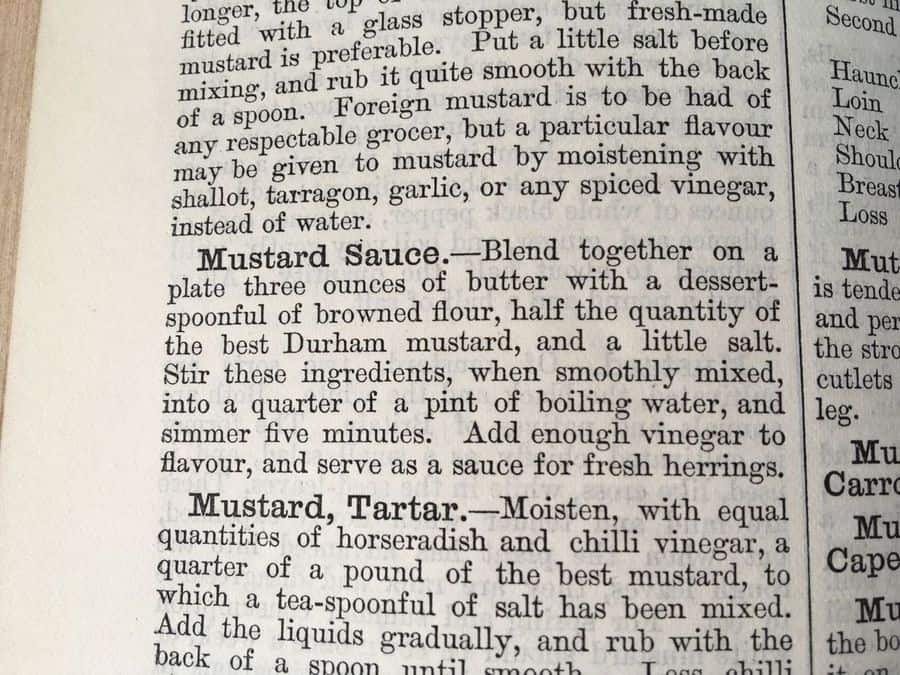
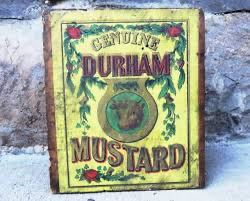
On this day in 1720, Mrs. Clements of Durham, England, began marketing the first commercially successful fine-milled “paste-style” English mustard (often called Durham Mustard).
This innovation transformed mustard from a coarse, variable condiment; typically made by roughly grinding seeds and mixing them with vinegar, wine, or must as needed, into a smoother, more consistent, and pungent product that could be prepared as a stable powder or ready paste.
Mrs. Clements (first name unknown; sometimes spelled Clement) realised that grinding mustard seeds finely, like flour, after separating the husks and stems, produced a much stronger and more flavourful powder. This retained the volatile oils better than earlier coarse methods. The result was a bright yellow, hot English-style mustard when mixed with water or vinegar.
She operated from Durham (County Durham, northeast England), possibly in or near Sadler’s Yard/ Saddler Street. The area grew mustard plants, providing local seeds.
She sold it locally, then expanded to London. Legend says King George I became a fan and helped popularise (or even patented) it, though direct evidence for royal patronage is anecdotal. Her product gained fame as “Durham Mustard” and influenced later producers.
The technique spread, and the business passed through family (including to the Ainsley name). It eventually connected to larger operations like Colman’s of Norwich (founded 1814), which became the iconic English mustard brand using similar fine-milling methods. English mustard remains known for its bright colour, thick consistency, and heat.
This event marks a pivotal moment in condiment history: a woman entrepreneur in early 18th-century England commercialised a smoother, hotter mustard that became a British staple. Today, you can still find echoes of her recipe in classic English mustard; sharp, sinus-clearing, and perfect with roast beef or ham (for many people, just not me)!
10
34
731

Lynne Bateson retweeted

15 Oct 2024
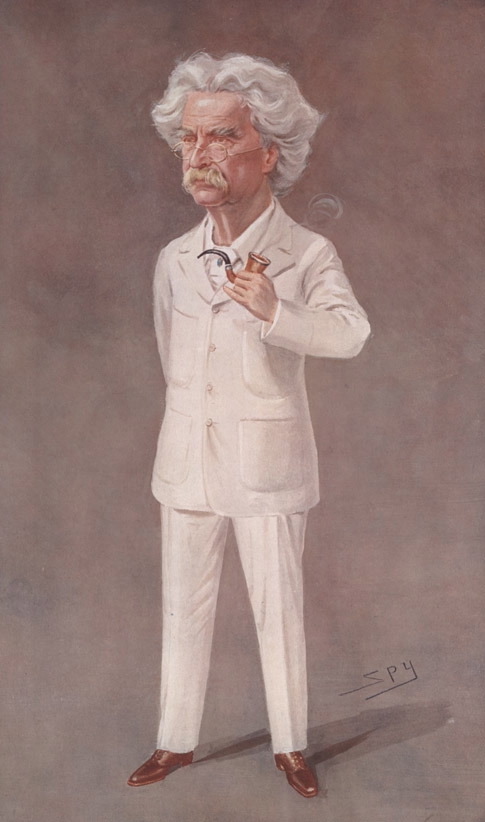
In 1887, Mark Twain was asked what books every boy and girl should read.
He responded with a list of seven.
It's a list of Great Books, and they're not just for kids.
I think adults should read them, too -- or, at least, read this thread about them: 🧵
62
929
4,600
697,356
Lynne Bateson retweeted

Jun 9
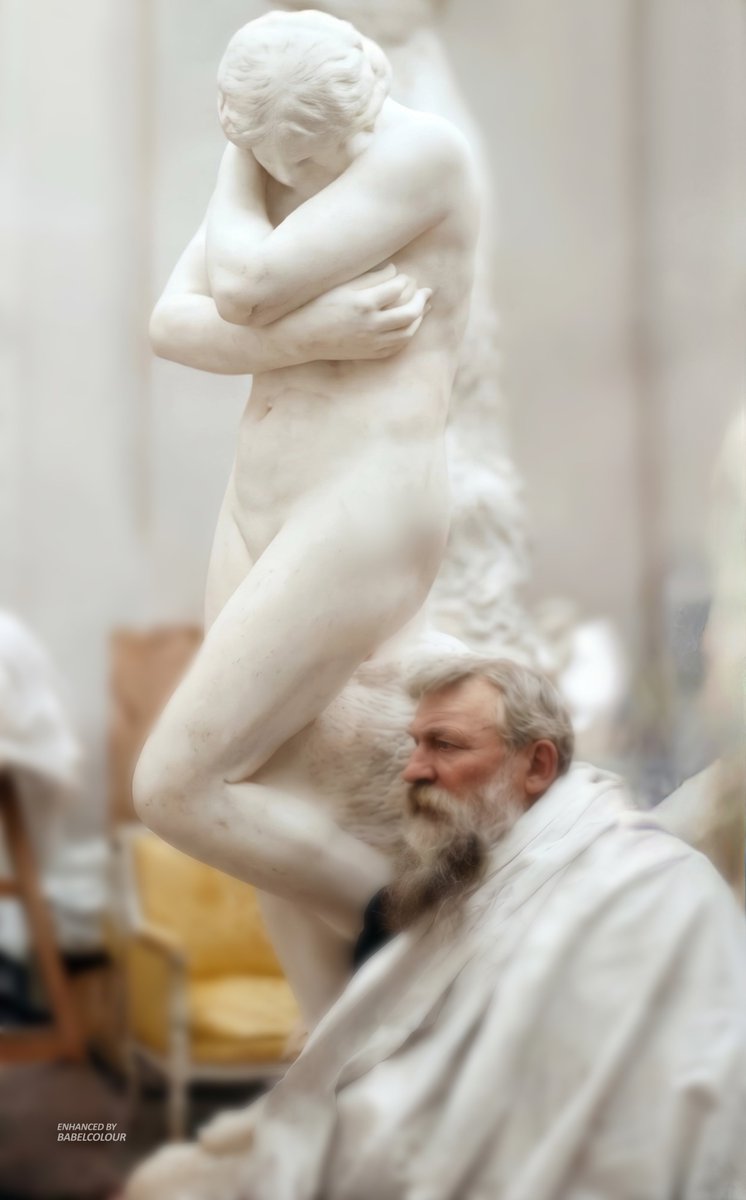
I have cleaned-up this remarkable Autochrome portrait of the great French sculptor Rodin (1840-1917), looking statueque, draped in a white sheet in his studio 119 years ago. Rodin is most famous for creating 'The Thinker' and considered the founder of modern sculpture. This colour photograph was taken by Edward Steichen in 1907, showing Rodin seated in front of his sculpture "Eve". It is an early colour glass-plate process and not colourised.
35
264
1,393
33,044
Lynne Bateson retweeted

Jun 9
Who could not admire the motto... "Be prepared!"
The uNHIdden group has done a valuable service here for the community at large, and health care practitioners specifically.
Jun 8
uNHIdden launches Preparedness Plan - a public health approach to disclosure
Today uNHIdden publishes Preparing for Disclosure ‒ the first public health preparedness framework for paradigm-shifting discoveries.
Governments prepare for pandemics, natural disasters and industrial incidents.
Almost nobody is preparing for the human consequences of a discovery that fundamentally changes how people understand themselves and their place in the universe.
Whatever is disclosed, people matter.
#uNHIdden #PublicHealth #Disclosure #OntologicalShock
youtu.be/gD465Vxwsb8?si=61Ma…
20
45
366
26,985
Lynne Bateson retweeted

Jun 8
Fucking NHS. I woke up this morning with some trouble in my eye. Called the optician. Had tests. Sent straight to hospital with a torn retina.
They insisted on giving me laser surgery there and then to fix it. Didn't want any money for the job. Now I'm home again.
How inconsiderate. Joking aside. Remember there are people out there who want to dismantle the NHS.
582
2,865
23,877
1,138,862