
Superintelligent accelerates enterprise AI. Watch for a new announcement soon.
Joined February 2024
- Tweets 543
- Following 163
- Followers 1,370
- Likes 817
198 Photos and videos












Superintelligent: Enterprise AI Unlocked retweeted

18 Feb 2025
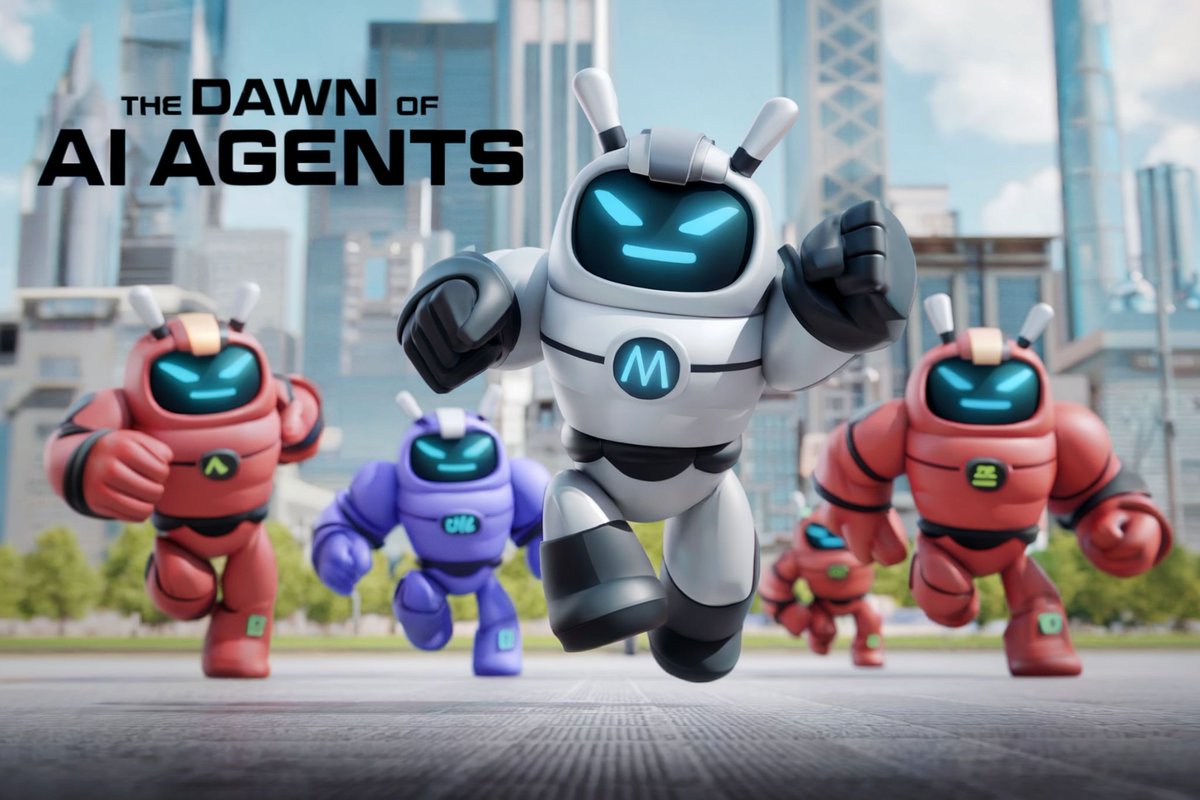
If every worker will soon need to manage their own army of AI agents - are you prepared for this shift?
@nlw from @BeSuper_AI shares the current state and future predictions for AI agents
Full episode link in bio
3
3
25
13,234

28 Oct 2024
The world of AI agents is here!
With Anthropic and Microsoft letting their agents loose, this wave represents a fundamental shift in how we interact with artificial intelligence. Unlike traditional AI tools that require constant human direction, these autonomous agents can independently execute complex sequences of tasks. This evolution from passive tools to active digital workers marks the beginning of true AI enablement, where systems don't just assist humans but can operate as independent workforce participants.
Anthropic's Breakthrough:
Anthropic has unveiled an AI system that can directly control computers - moving the mouse, typing, and navigating between applications just like a human would. While still in the experimental stages with a modest 14.9% success rate for basic tasks, this marks a significant shift toward AI systems that can operate independently.
Microsoft's Enterprise Push:
Microsoft has launched a suite of autonomous AI agents through its Dynamics 365 platform, allowing companies to create custom AI workers using Copilot Studio. McKinsey & Company has already reported that their pilot AI agent could potentially reduce administrative work by 30% and improve lead time by 90%.
How These Agents Work:
These AI agents can now perform tasks like:
- Filling out forms using data from multiple sources
- Scheduling calendar events
- Creating basic websites
- Managing client communications
Challenges and Limitations:
The technology is still in its early stages, with Anthropic acknowledging that their system remains "unwieldy and error-prone". Privacy concerns also exist, as these agents require significant access to users' computers and data.
Workforce Implications:
The introduction of computer-controlling AI agents by industry leaders like Anthropic and Microsoft signals a transition from theoretical possibilities to practical applications. While current success rates may be modest, the trajectory suggests we're entering an era where AI systems will increasingly operate as autonomous colleagues rather than just tools.
Looking Ahead:
The real breakthrough isn't just in what these agents can do but in how they're changing our understanding of AI's role in the workplace. As these systems mature, we're likely to see a fundamental restructuring of how organizations approach automation, task delegation, and workforce planning.
What are your thoughts on AI agents? How will you take advantage of this latest breakthrough in AI enablement?
Let us know what you think in the comments!
ALT The world of AI agents is here!
3
2,391
16 Oct 2024
Google is backing a groundbreaking project to build seven small nuclear reactors in the U.S., aimed at fueling its growing energy needs for AI and sparking a revival in nuclear power. Partnering with Kairos Power, Google expects to access 500 megawatts of carbon-free, 24/7 energy by 2035. A bold step toward sustainable AI growth!
1
1
4
1,448
11 Oct 2024
The University of Cincinnati has launched its AI Enablement Community of Practice, driving AI innovation across research, enterprise platforms, and education. From cutting-edge AI tools to fostering collaboration, UC is setting the stage for continued growth in AI awareness and application. We love to see it!
1
1,039
Our AI learning paths provide a structured way to master skills, from fundamentals to advanced applications. Perfect for anyone looking to explore practical AI workflows and tools. 🧠 🛤️
1
2
784
Building AI skills can feel overwhelming. Our curated learning paths break down complex concepts, guiding you from foundational ideas to real world applications. Whether you're creating AI art or working on predictive analytics, our lessons provide a practical roadmap for mastering AI one skill at a time! 🧠 🛤️
538
Using AI to enhance brainstorming helps teams stay creative and productive. Tools like ChatGPT guide problem solving, while Otter.ai captures and organizes ideas. This combination keeps the flow going and leads to faster, more innovative solutions. How are you using AI in your brainstorming sessions? 💡
1
1
417
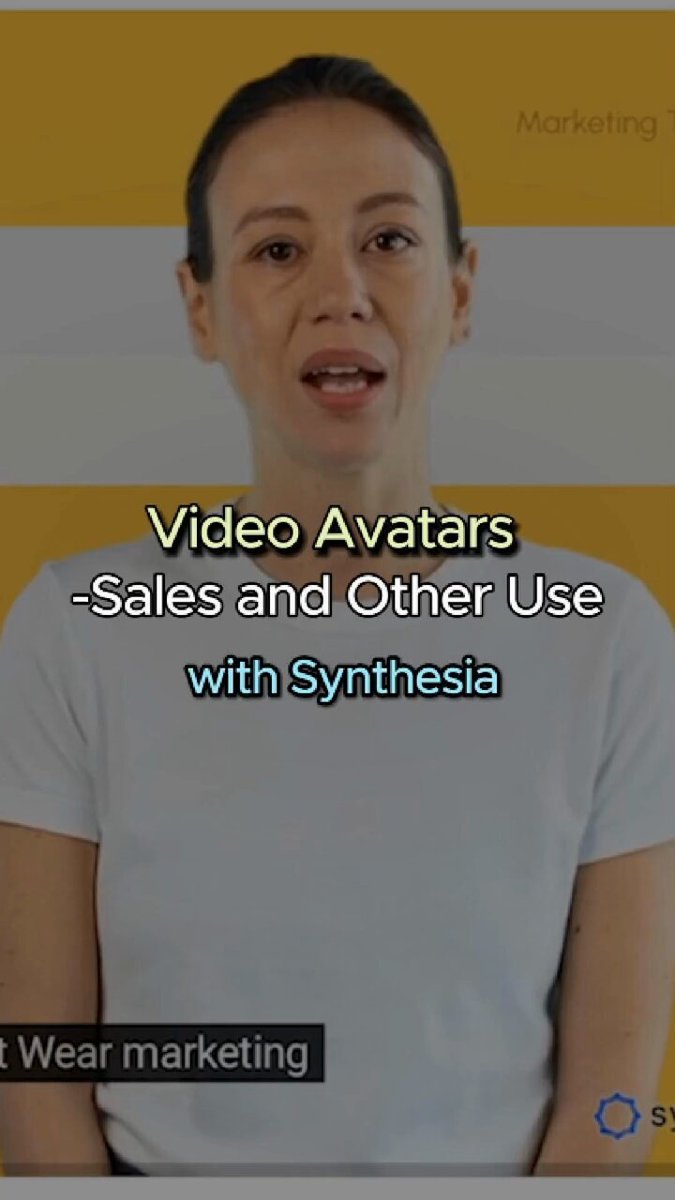
Video avatars are revolutionizing how businesses engage with customers and teams. In this tutorial, learn how to create your own Synthesia video avatars for email campaigns. Personalized video content is an effective way to capture attention and drive conversions. 🎥 📧
1
368
30 Sep 2024
With 40% of incoming business graduates using AI daily compared to only 15% of current managers, we’re witnessing a significant shift in how business is conducted. As AI savvy graduates enter the workforce, organizations must bridge the generational AI gap to stay competitive. From onboarding to workflow integration, it’s time to prioritize AI enablement.
1
273
30 Sep 2024
Save time on financial analysis with Perplexity AI. This tool offers a fast, efficient way to process financial documents, from extracting critical data to generating tables and graphs. Ready to streamline your workflow? 📊📈
1
301
27 Sep 2024
Building a LinkedIn ghostwriter with GPT can help you stay consistent with content that speaks directly to your audience. Whether it’s CEOs or freelancers, learn how to set the right tone, address audience pain points, and share insights that matter! ✍️
251
25 Sep 2024
MidJourney provides multiple ways to bring your vision to life. Slash commands on Discord give you flexibility, while the web version allows you to upload your own images and modify settings on the fly. Discover how to make the most of both platforms! 📸 🎨
231
24 Sep 2024
1
182
24 Sep 2024
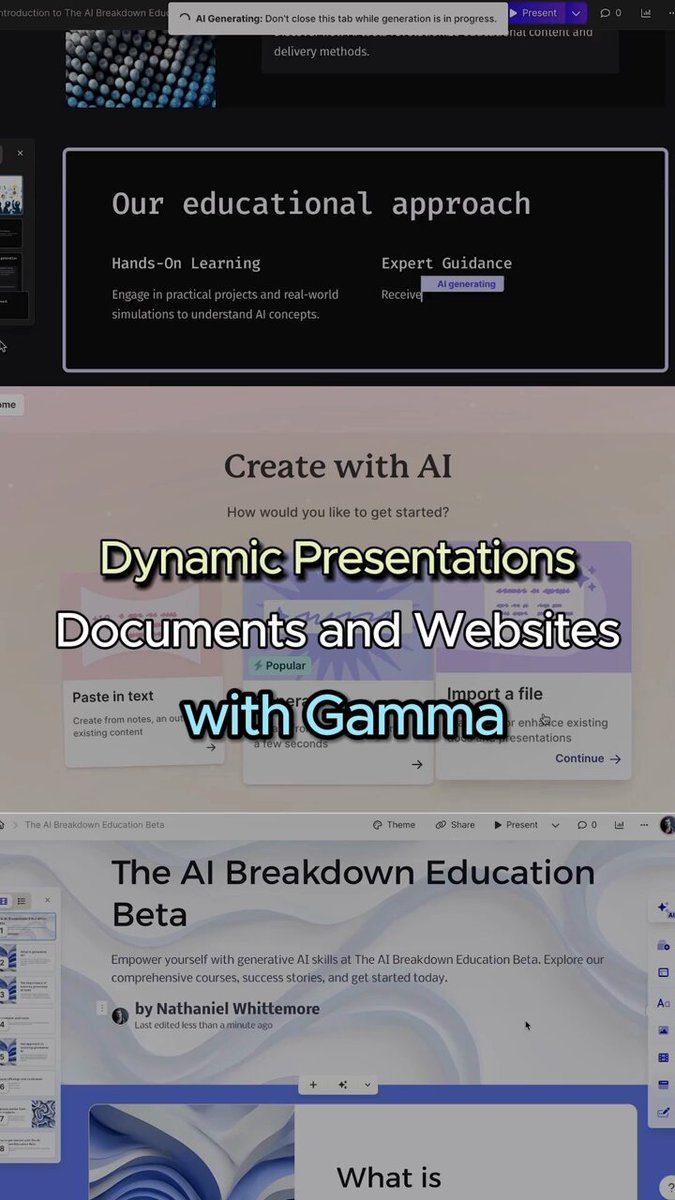
Gamma introduces a fresh way to present ideas. Using AI, it lets you create presentations, documents, and websites from the same content. Whether you’re building a report, sharing a proposal, or publishing a website, Gamma’s flexibility makes it easy to adapt your ideas for different formats.
188
23 Sep 2024
One of the most impactful AI use cases we've seen comes from @tryramp. They use AI to transcribe and analyze over 1000 customer interactions daily, turning the insights into a 5 minute podcast for their team. This kind of automation, transforming customer feedback into actionable insights, was once unthinkable, but now it’s helping businesses drive real change. 🎙️ 🗣️
277
23 Sep 2024
Need help planning your family trip to Tulum? Perplexity Collections can act as your virtual travel agent, organizing everything from activities for kids to flight prices. Watch BeSuper’s tutorial to learn how AI can simplify vacation planning! 🌴✈️
274
20 Sep 2024
From TikTok to pitch decks, adjust your MidJourney images for any format. Learn how to change aspect ratios using the right prompts in this quick tutorial. Follow BeSuper for more AI tips! 💻 📐
205
19 Sep 2024
Need help managing your learning schedule? Zapier allows you to automate the process by sending reminders, tracking chapters, and integrating with platforms like ChatGPT for interactive learning. Watch BeSuper’s tutorial to learn how to create a personalized learning system using Zapier. 📚⚡
191