Trying to be an adult… currently at level 1.Also believe in Dragons like Joel Rogan
Joined November 2024
- Tweets 152
- Following 1,279
- Followers 198
- Likes 65
25 Photos and videos


May 31
Replacing Saka and Kai Havertz has left us with very few options. Also, I hate when players stop during a penalty run-up and start doing little dribbles. Just pick your spot and hit it.
You can’t spend the last 84 minutes trying to defend a one-goal lead. We should have killed the game off long before then.
Arteta still doesn’t know how to read a game as it’s happening. His substitutions and in-game decisions keep costing us. After all these years, I don’t see enough improvement. Time for @Arsenal to move on from him.
25
May 19
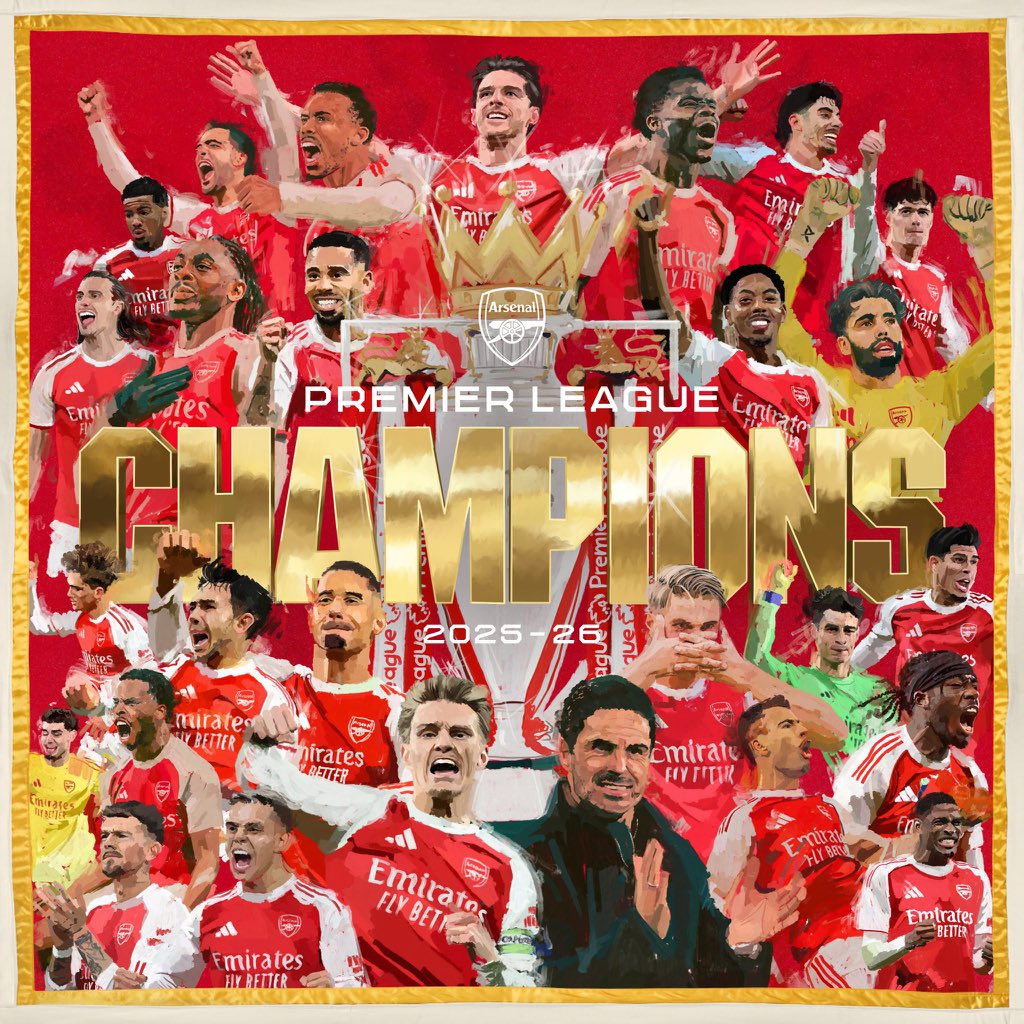
Your Excellency @PaulKagame, I am still waiting for your tweet celebrating @Arsenal as champions of the English Premier League.
If you happen to see this message, I humbly ask for your mercy and for a second chance. Hope and compassion can change a life.

The Arsenal. Your Premier League champions.
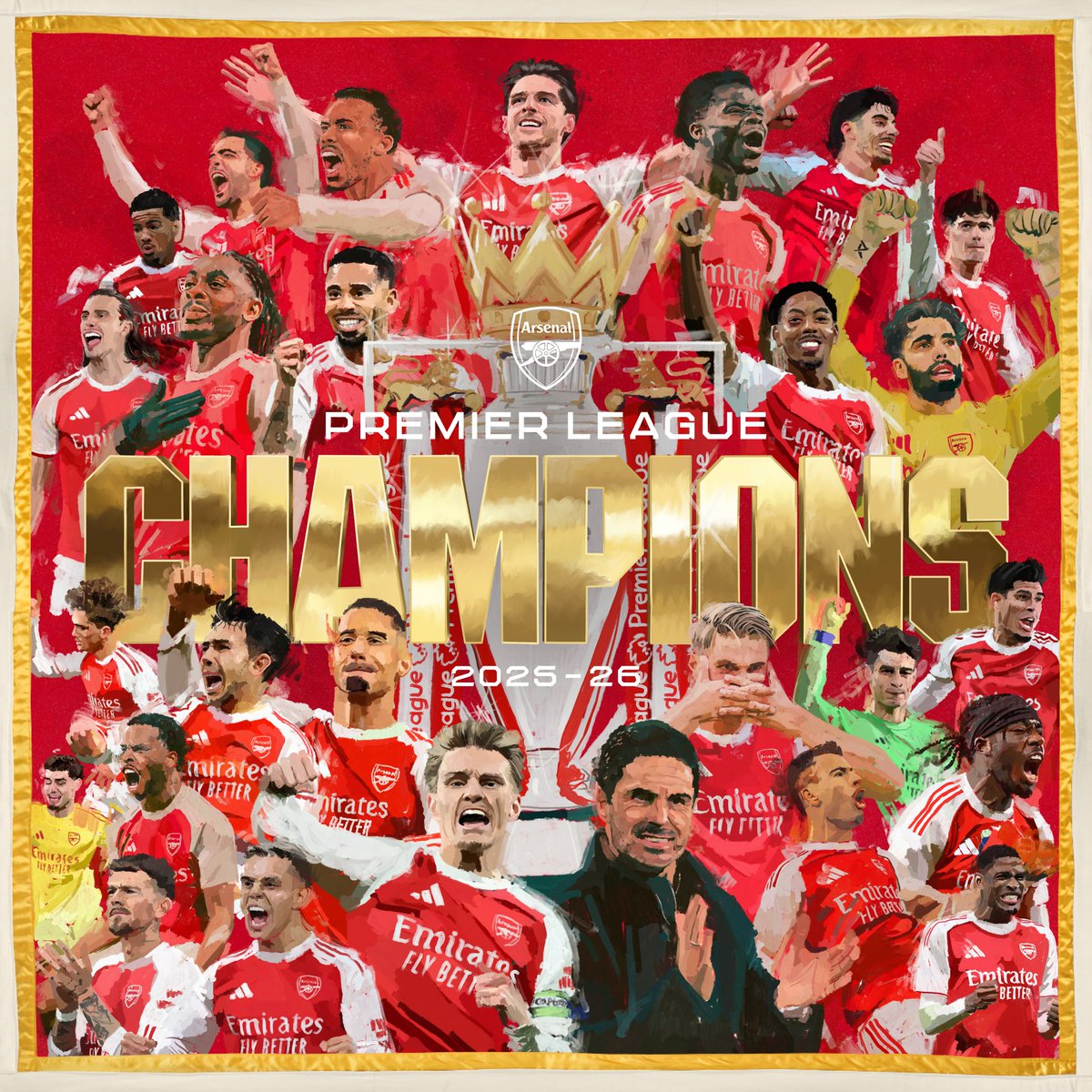
ALT The Arsenal. Your Premier League champions.
66
May 18
😂, was this a bot or?
May 17

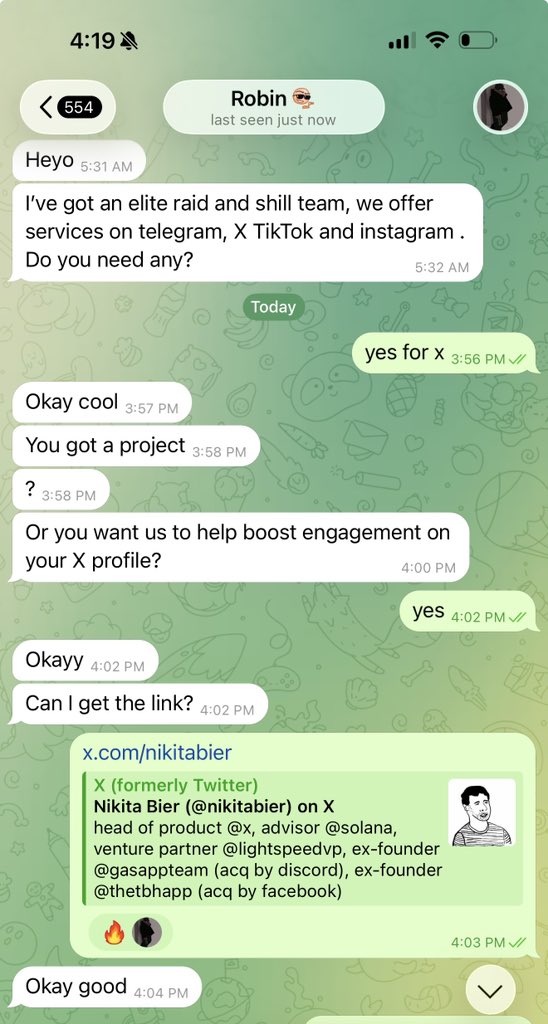
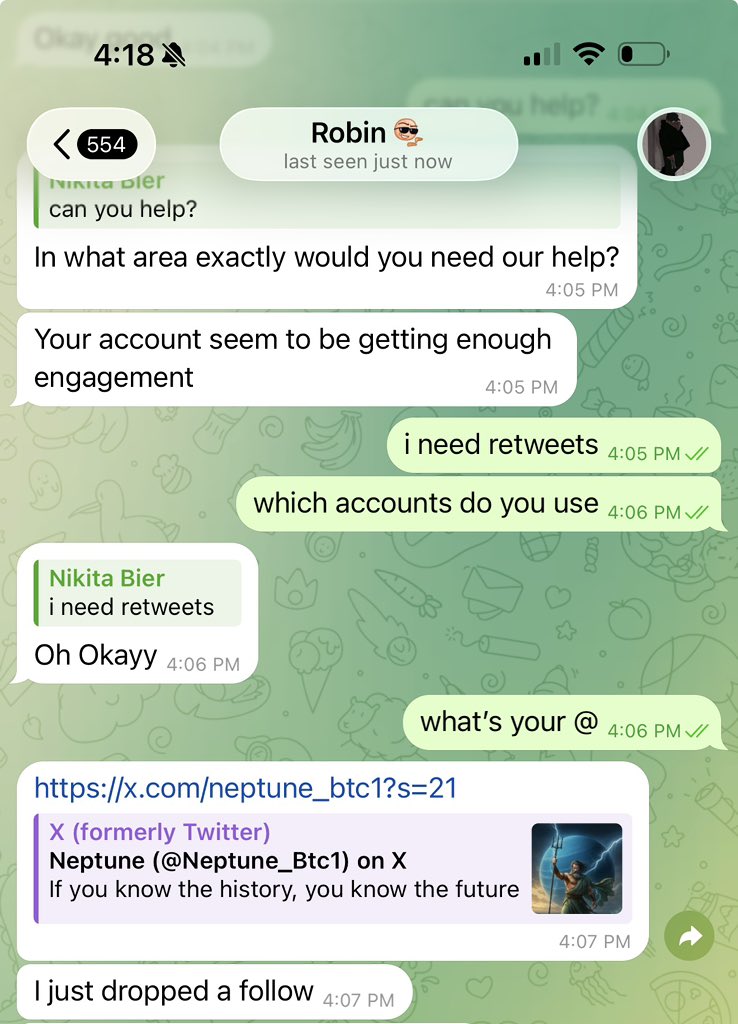
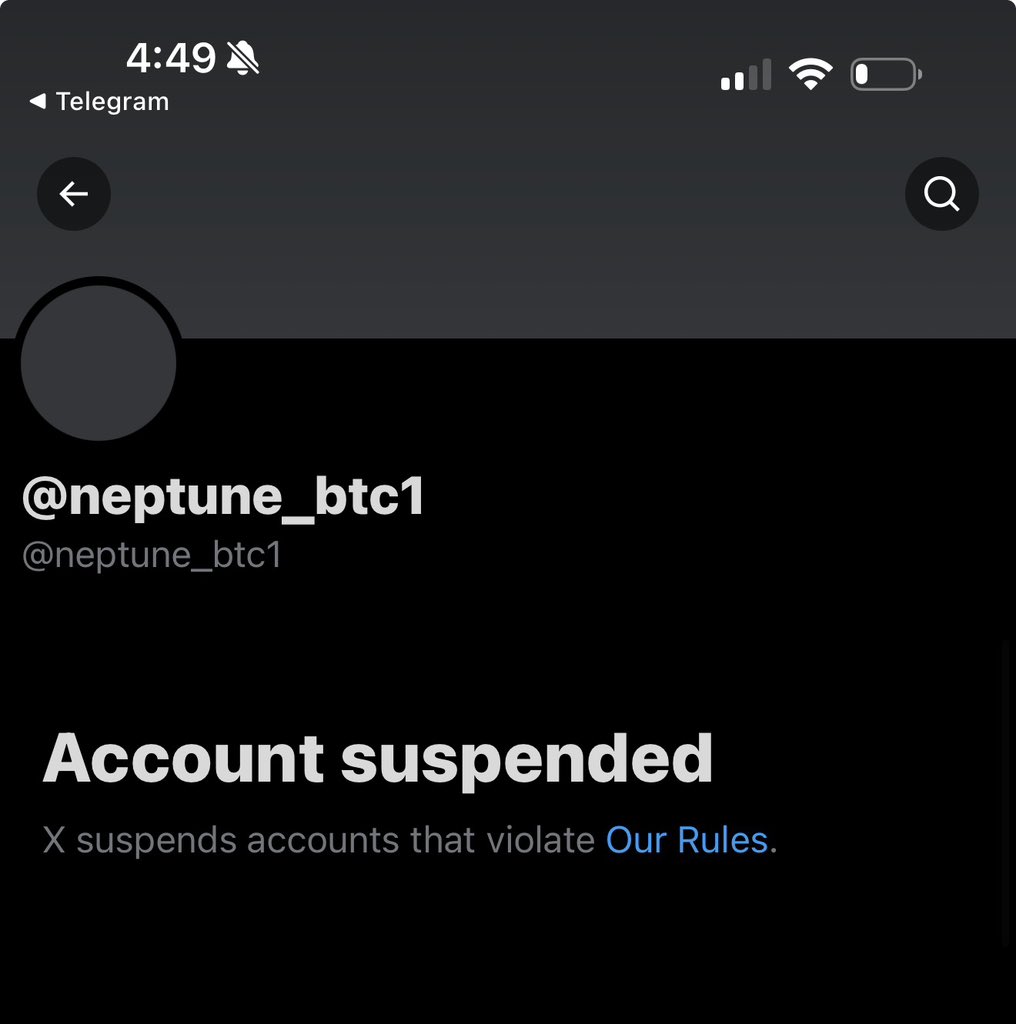
This is equivalent to trying to sell a cop drugs while he’s in uniform in his police car.
13
May 8
So now @Kingabo_ has deleted the tweet. Thank you, Ngabo. I’m glad you realized that the way this was handled was not right.
42
May 8
This @Ngabo_Karegeya

I honestly think we need to start having more balanced conversations around accountability, especially among us young entrepreneurs . Not every situation is simply about blaming authorities or portraying ourselves as victims.
In this particular case, one thing that stood out to me was the lack of acknowledgment toward the institutions and people who initially supported the project. If the City of Kigali and even the Ministry of youth took their time to mediate and support someone’s vision, that shouldn’t be overlooked. Gratitude is part of our culture and it matters.
We should not forget that , agreements are agreements. If there was a contract with clear obligations on both sides, then responsibility also has to be respected. Having influence, fame or a large online following shouldn’t place anyone above accountability.
Of recent i have also noticed a growing tendency where, once consequences come in, the conversation immediately shifts to victimization instead of reflection. We saw similar reactions in the recent DC Clement case, where he openly admitted giving “giving a kickback ” to facilitate a project in a non-permitted area, but once the issue caught up with him, many people focused only on portraying him as a victim.
Young entrepreneurs deserve support, opportunities and mentorship, absolutely. But we also need to encourage responsibility and ownership of our actions. I think both conversations can exist at the same time.
Social media often rewards emotional reactions faster than nuanced reflection, which can sometimes make honest self assessment more difficult. Wishing you all you a happy weekend ahead!
73
Apr 27
I think Elon is the most influential person ever lived, how was he able to start and run all these companies? Have babies and tweets?
44
Apr 26
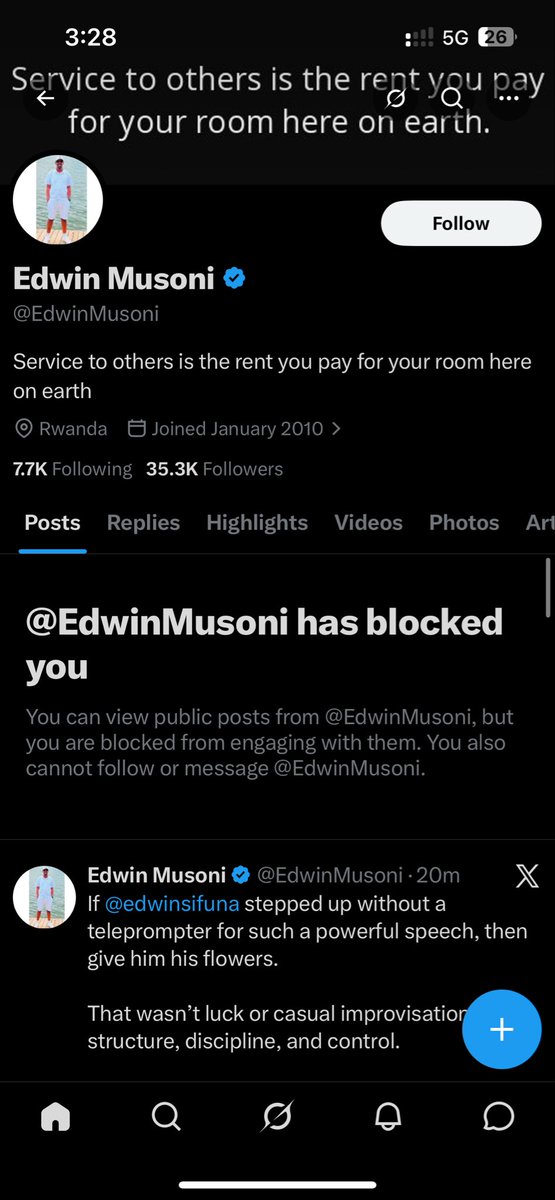
I called out this guy @EdwinMusoni for his AI use, and he blocked me… lol 😂. He doesn’t like the truth
65
BeTheLink retweeted

Apr 25
One of the most important things that Elon taught me:
People engaging in fraud are always the first and loudest to complain.
5,773
3,908
47,695
3,227,435
Apr 25
Thread 1/4
An Open Letter to President @PaulKagame:
What if the final chapter of your legacy is not only rebuilding Rwanda, but ensuring its strength endures for generations?
A respectful appeal on institutions, justice, and Rwanda’s future. Thread 👇
#Rwanda #Kagame #RwandaFuture
1
1
79
Apr 25
4/4
5. Deepen decentralization and local accountability.
6. Build a pipeline of ethical young leaders.
7. Strengthen economic resilience beyond personalities.
8. Consider a National Covenant for Rwanda’s long-term governance and reconciliation.
Rwanda’s future is too important not to be secured through enduring institutions.
Let this be the chapter that strengthens Rwanda for generations.
What reforms best secure Rwanda’s tomorrow? Quote & share 👇
1
1
50
Apr 21
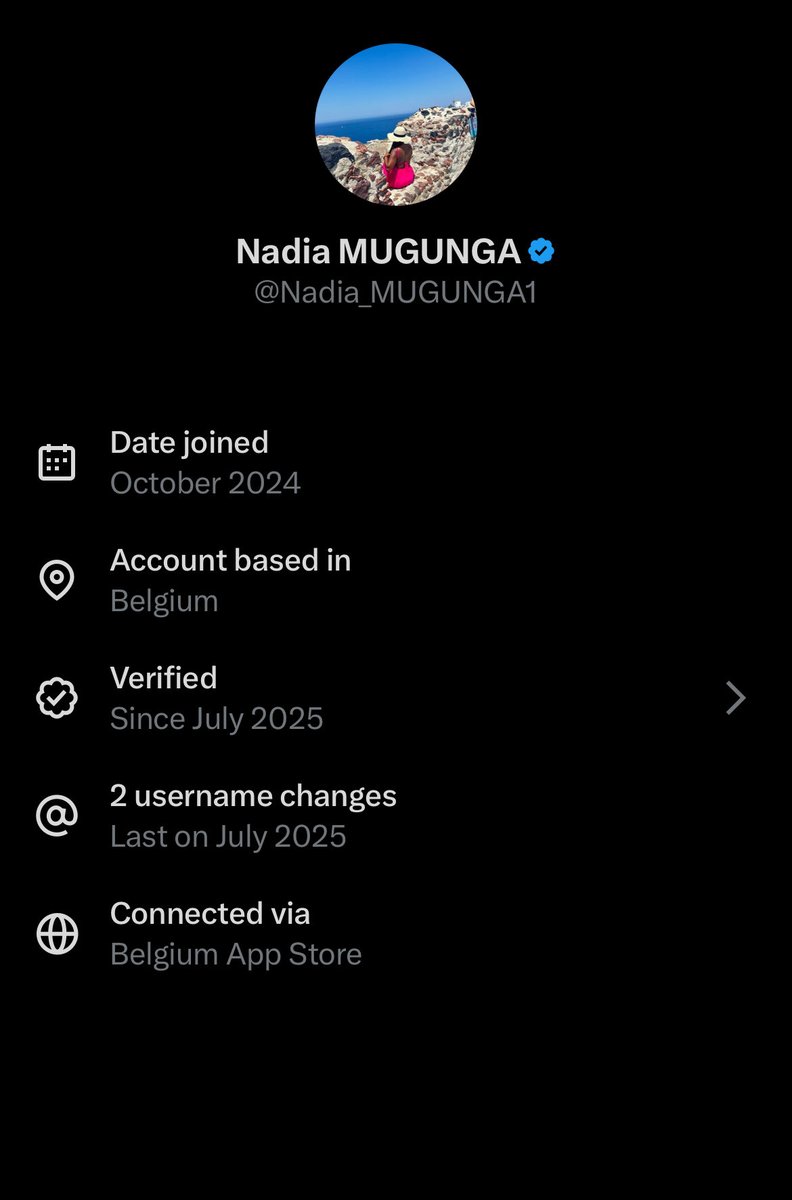
Make this tweet viral, @Nadia_MUGUNGA1 real name is Emile Nzamurambabo and is employed at UZ Brussels.
22 Nov 2025

We know that @Nadia_MUGUNGA1 is currently in Belgium and employed at UZ Brussels. His real name is Emile Nzamurambaho. More information will be shared soon. We will continue to expose anyone involved
140
Apr 15
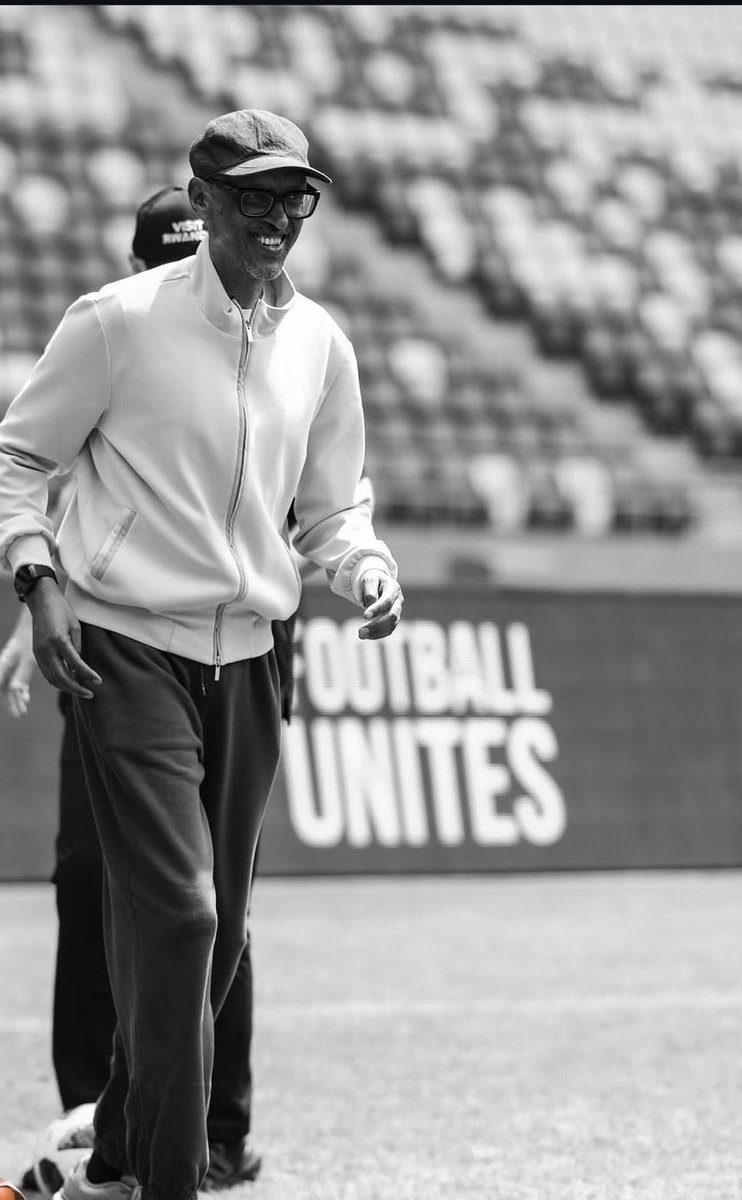
Congrats @PaulKagame. If you see this, please let me know how I can contact you about a family matter. I’ve tried everything but haven’t had any luck.#TeamPK
Apr 15

Well done to #VisitRwanda partner @Arsenal for qualifying for the UEFA Champions League semi-finals tonight! Look forward to cheering you on during the next stage!
101
Mar 18
Your Excellency @PaulKagame , I humbly seek guidance on how I may privately share a sensitive family matter. I would be grateful for a secure and appropriate channel. Thank you.
Cc: @UrugwiroVillage , @rpfinkotanyi @PrimatureRwanda @fnamuh
52
Feb 9
Good morning @CityofKigali
Here is a big problem that we didn’t talk about during #umushyikirano20 #Umushyikirano #Umushyikirano2026
Problem:
In dense neighborhoods, the current approach where every house relies on septic tanks and soak pits (sometimes 20 m) and narrow roads creates serious long-term risks. Wastewater can migrate laterally, weakening soil under neighboring homes, causing dampness, cracks, and foundation settlement. Inspections often stop at foundations, leaving structural, electrical, and plumbing work unchecked.
As populations grow, narrow roads and lack of reserved land for infrastructure mean the government must buy land from private owners to widen roads or install sewage systems, a costly and disruptive process. Examples include Rusororo, where retrofitting is complicated, and Kanombe, where upgrades are nearly impossible without significant payments to landowners.
Solution:
New and growing neighborhoods should:
•Reserve land early for shared sewage systems and drainage, even if treatment is funded later
•Reserve wider road corridors for future traffic growth
•Inspect all critical works, including structural, plumbing, and electrical systems, not just foundations
This forward-looking planning reduces costs, prevents environmental and structural risks, and ensures sustainable urban growth.
Cc: @RwandaHealth @RwandaInfra @Jadouwihanganye @Dr_JimmyGasore @PaulKagame
67