Conservationist working to make a better world. Building the next generation of America’s conservation movement via United By Nature and @ninp_org.
Joined July 2010
- Tweets 28,202
- Following 2,179
- Followers 45,103
- Likes 61,546
4,093 Photos and videos
Benji Backer retweeted

Jun 12
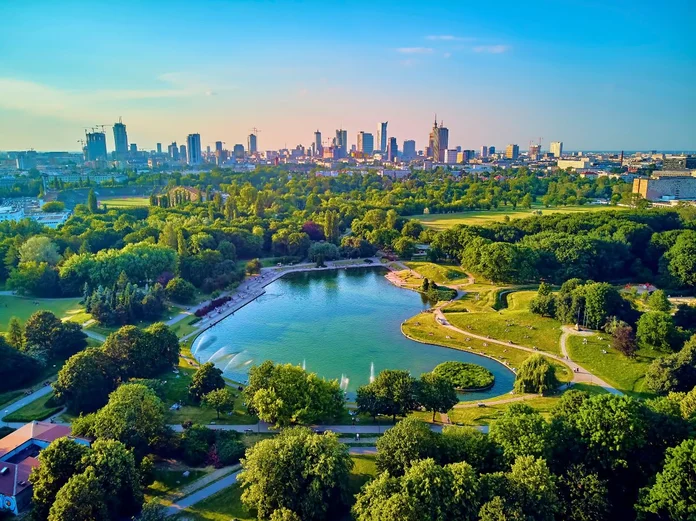
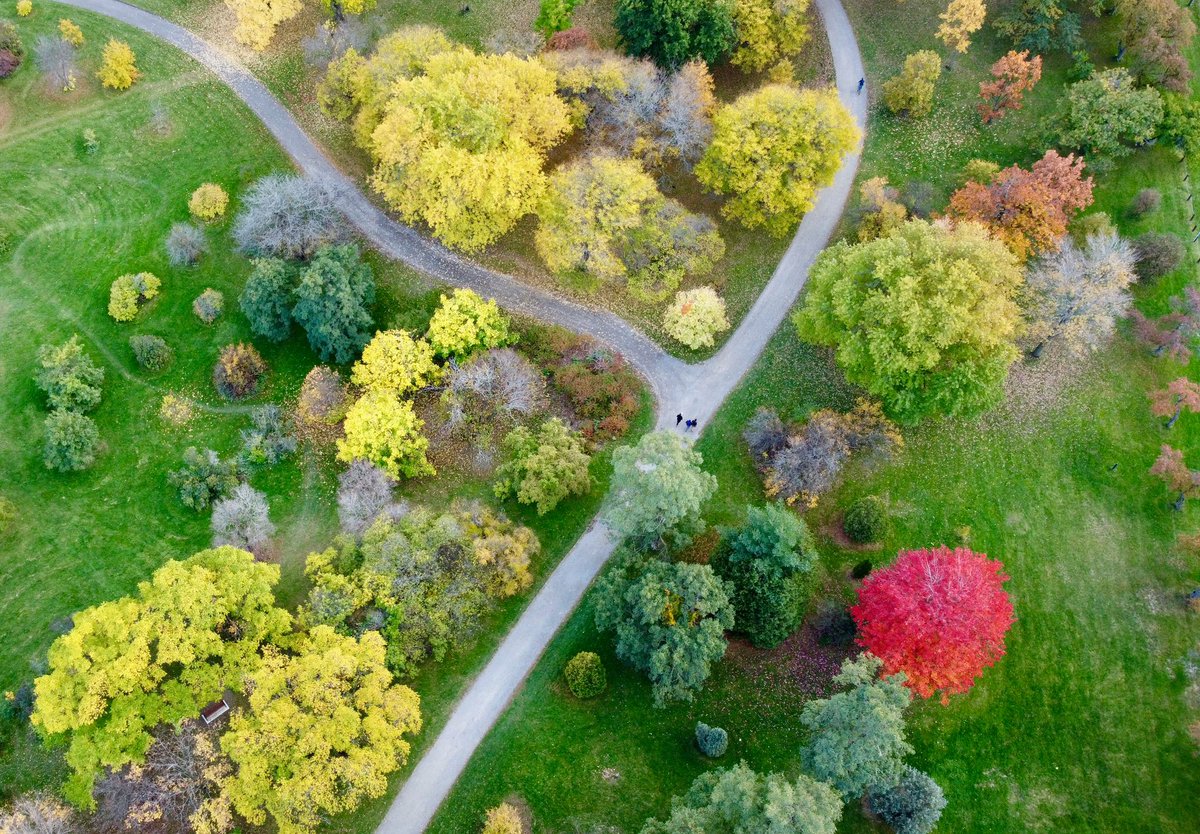
Kids who grow up around green space tend to have better mental health as adults.
Researchers in Denmark followed more than 900,000 people from birth, using satellite images to measure how much green surrounded each child's home through age 10. Then they tracked their mental health into adulthood.
The children who grew up with the least green space had up to 55% higher risk of developing a psychiatric disorder later in life.
The link held even after accounting for income, family history, and whether kids lived in a city. And it was dose-dependent.
More years near green, lower risk.
The effect did not require wilderness. A neighborhood with trees or a field within walking distance was enough.
We tend to file green space under nice to have.
For a kid's developing mind, the research keeps pointing somewhere closer to essential.
5
8
57
5,315

Jun 9
AI shouldn’t be allowed in any political ad, sorry not sorry
Jun 9

NEW: The Trump-aligned org Citizens for Sanity is dropping a six-figure ad buy in the Texas Senate race.
The ad is a 15 second clip of AI-generated James Talarico singing a "trans kids" rendition of “Favorite Things."
Obtained first by @DailyCaller:
11
9
379
15,844
Jun 9
Our country should probably start following rules and morals again sometime soon

Breaking: A judge in district court in Lubbock County, Texas, has granted the injunction requested by Texas Tech QB Brendan Sorsby. He’s set to be eligible for the 2026 season.
Sorsby cannot play in Texas Tech's first two games, which was the penalty his legal team suggested to the NCAA.

1
1
16
2,508
Jun 9
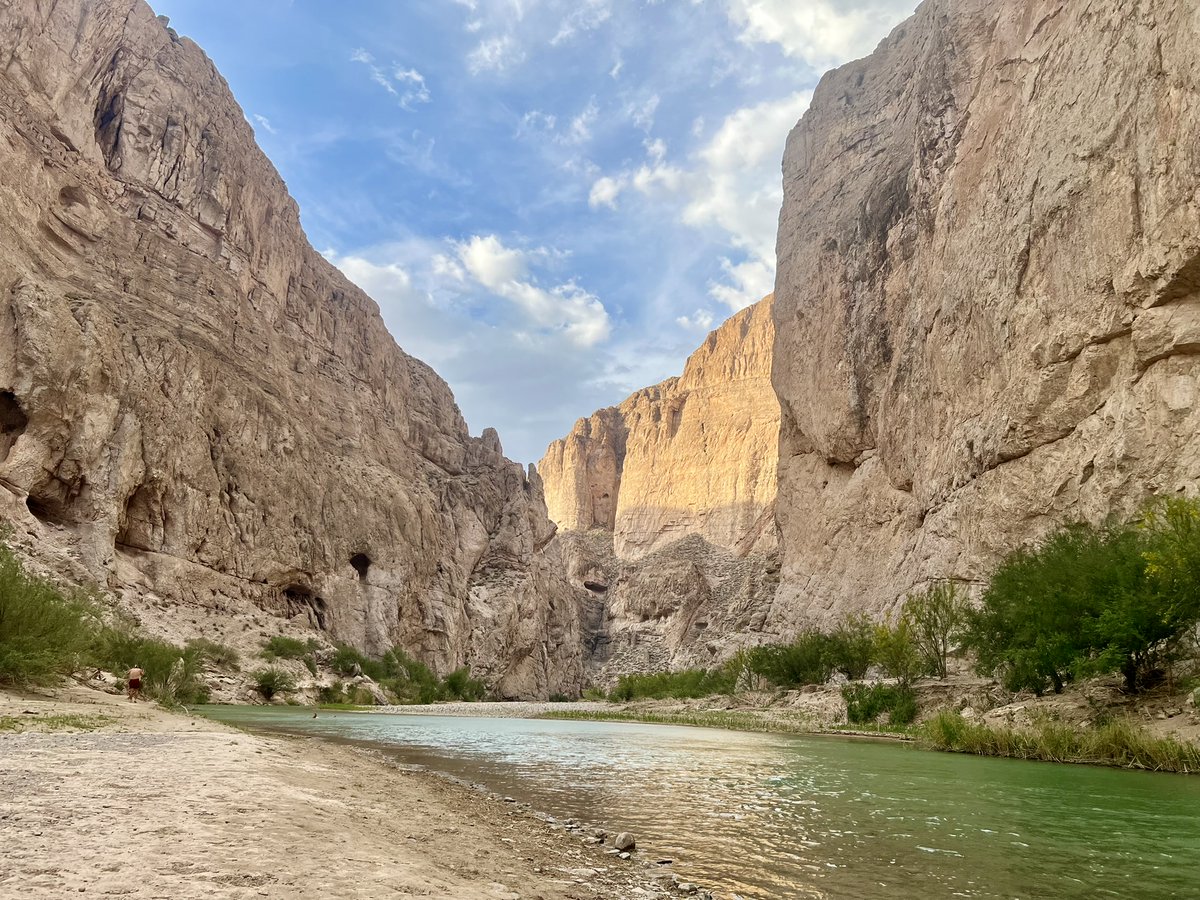
Absolutely not. This destroys some of America’s most wondrous natural heritage with zero impact on immigration issues.
Bad for Texas, bad for America, and entirely unnecessary.

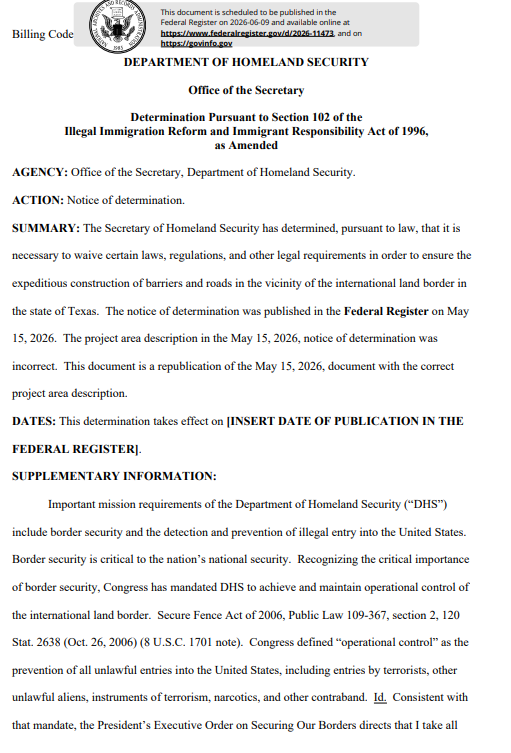
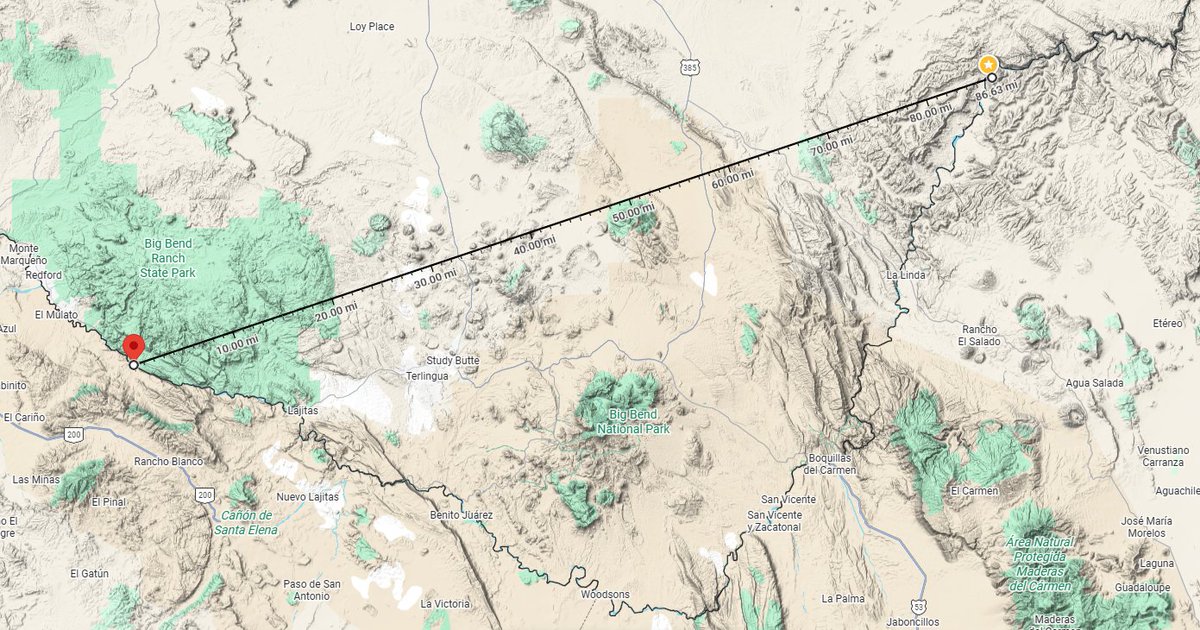
BREAKING: DHS just waived all environmental laws to blast border barriers and roads through Big Bend National Park.
This marks the first time in American history the feds have gutted dozens of laws to push industrial-level construction through a national park.
12
121
612
28,575

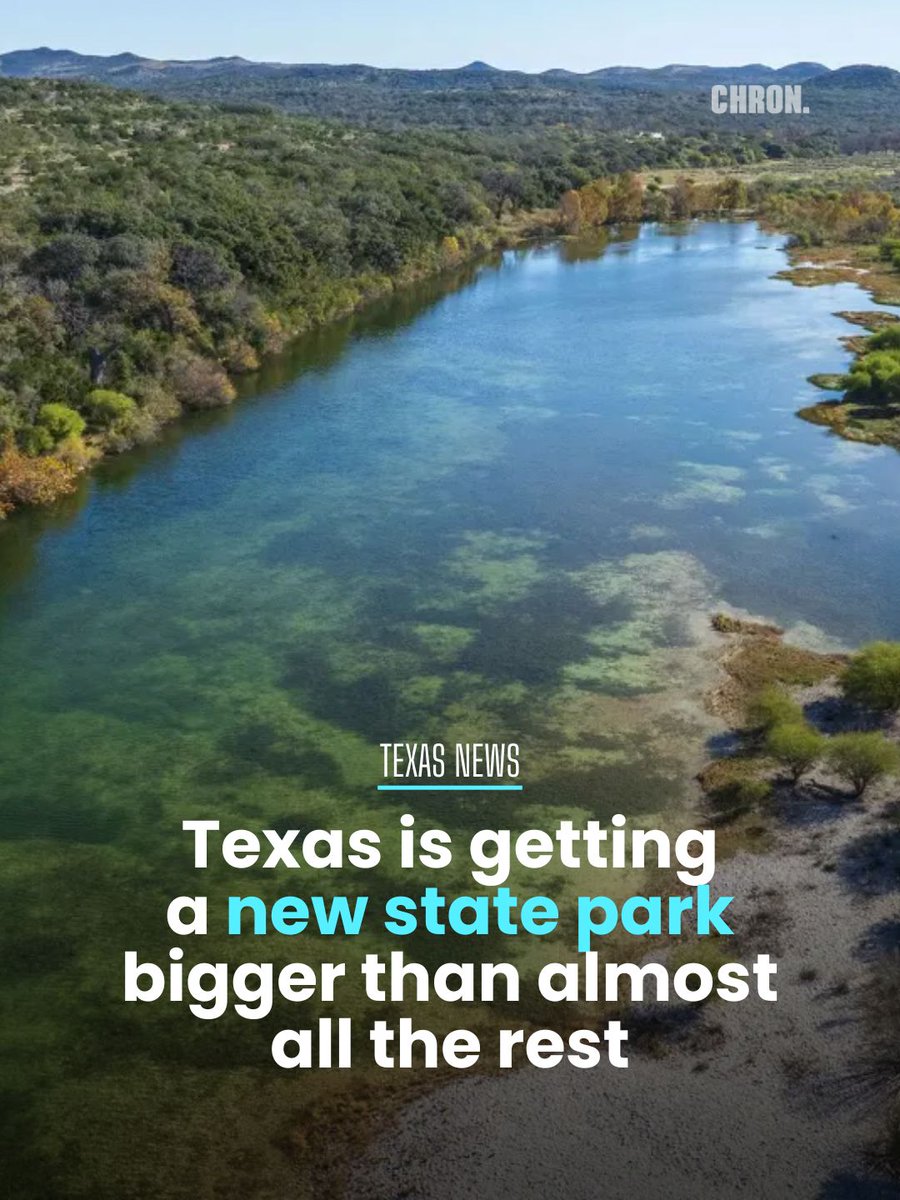
🌳 Texas is getting a massive new state park.
Texas just unveiled plans for a huge new Hill Country state park. Silver Lake State Park will span nearly 54,000 acres, making it the second largest in the state once development is complete.
Read more at bit.ly/42VfzPz
#texas #texasnews
12
50
577
516,332
Benji Backer retweeted

May 28
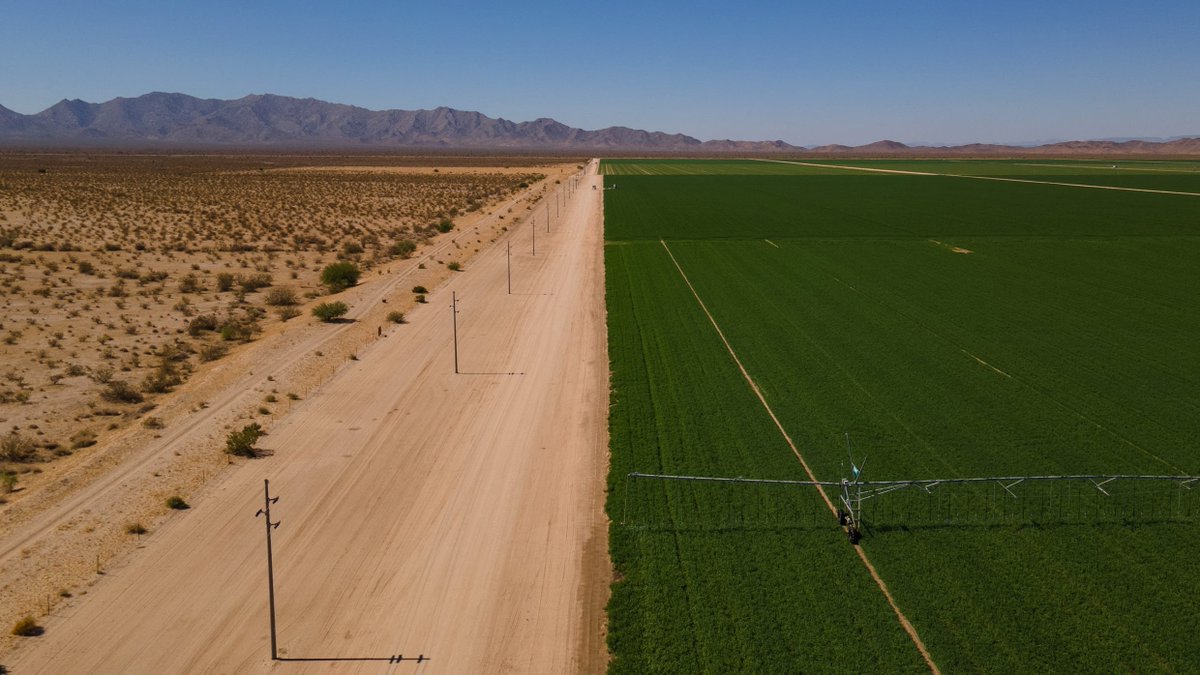
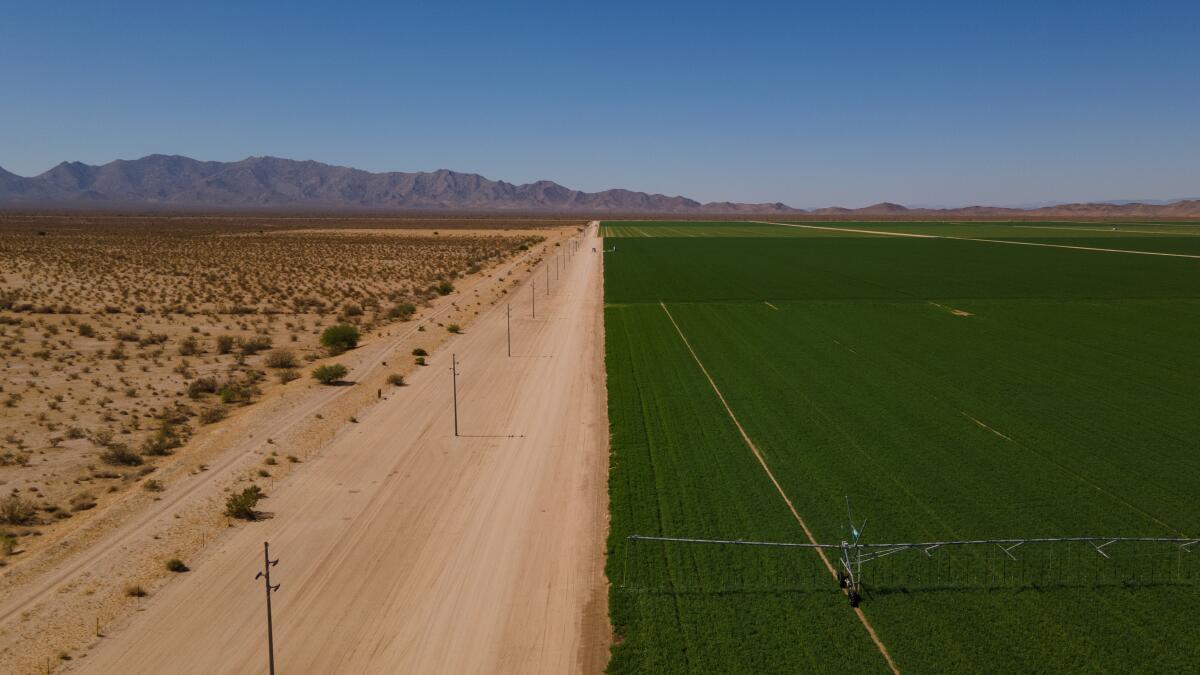
Arizona wastes an extraordinary amount of water growing alfalfa in the literal desert. It's ~27% of the state's total water use.
This is extremely uneconomical, and if farmers were forced to to pay anything close to the actual value of that water, it would disappear overnight.
May 28

Kearny AZ "was given just 77 acre-feet this year, a fraction of the 280 acre-feet it typically uses. Kearny asked residents to cut their water use by 30%, banned watering lawns and washing cars, drained its public pool and let Little League fields go brown." nytimes.com/2026/05/25/us/sn…
161
963
9,263
472,232
May 24
We don't need more "fighters" as leaders.
We need more builders and doers.
4
6
44
1,720
May 20
Looking back at history, humanity has never regretted saving a natural place, even if it was unpopular or uneconomic at the time
50
344
4,345
May 19
I know this is a crazy idea, but we should probably stop supporting candidates who are consistently immoral in their personal life.
Immorality doesn't just go away once someone is elected. It intensifies.
2
7
43
1,891
May 19
Just absolutely backwards.
Horrible for our country, horrible for our fellow citizens, horrible for our environment.

Key Biden-era regulations designed to protect the nation’s drinking water from the most dangerous cancer-causing per-and polyfluoroalkyl substances, or PFAS, have been removed by the Trump administration. cnn.it/42H6Ct6
6
42
216
11,768
May 19
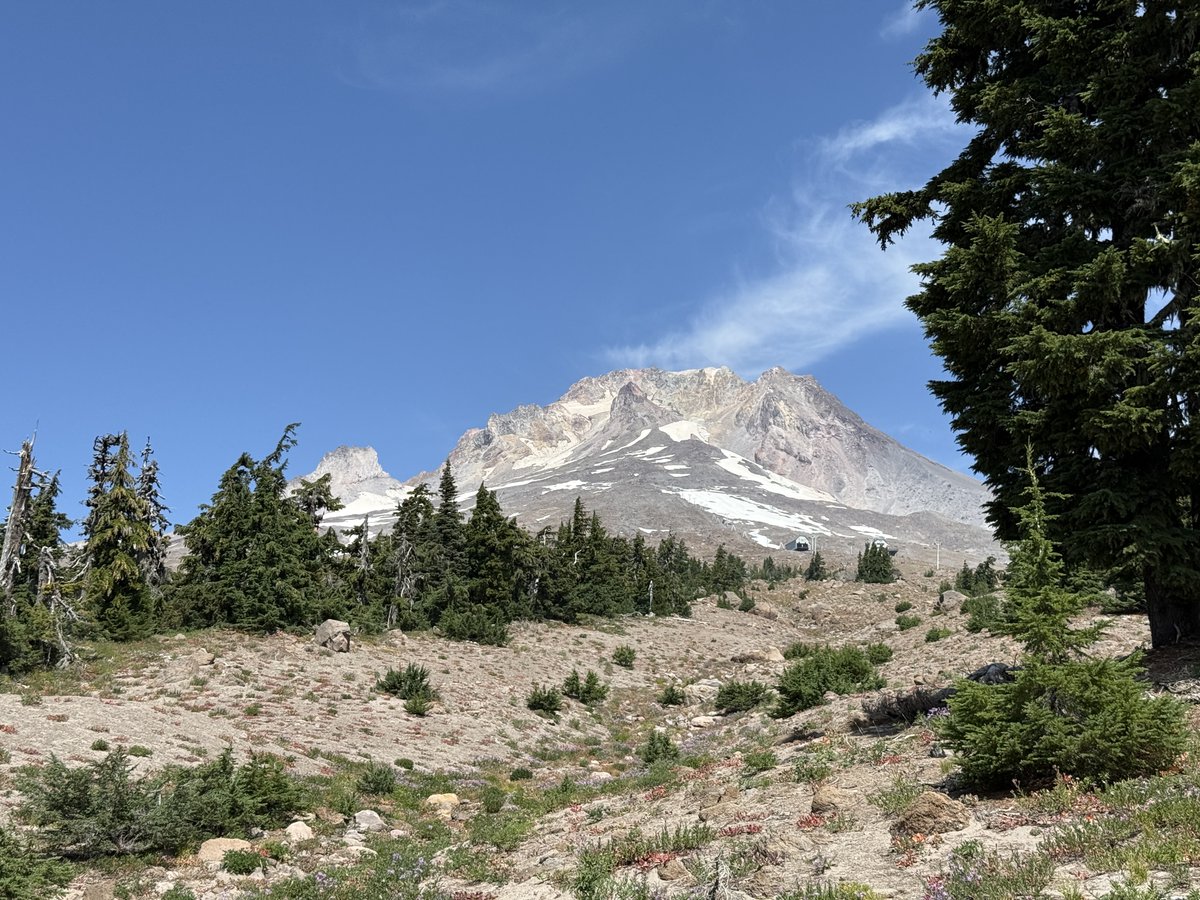
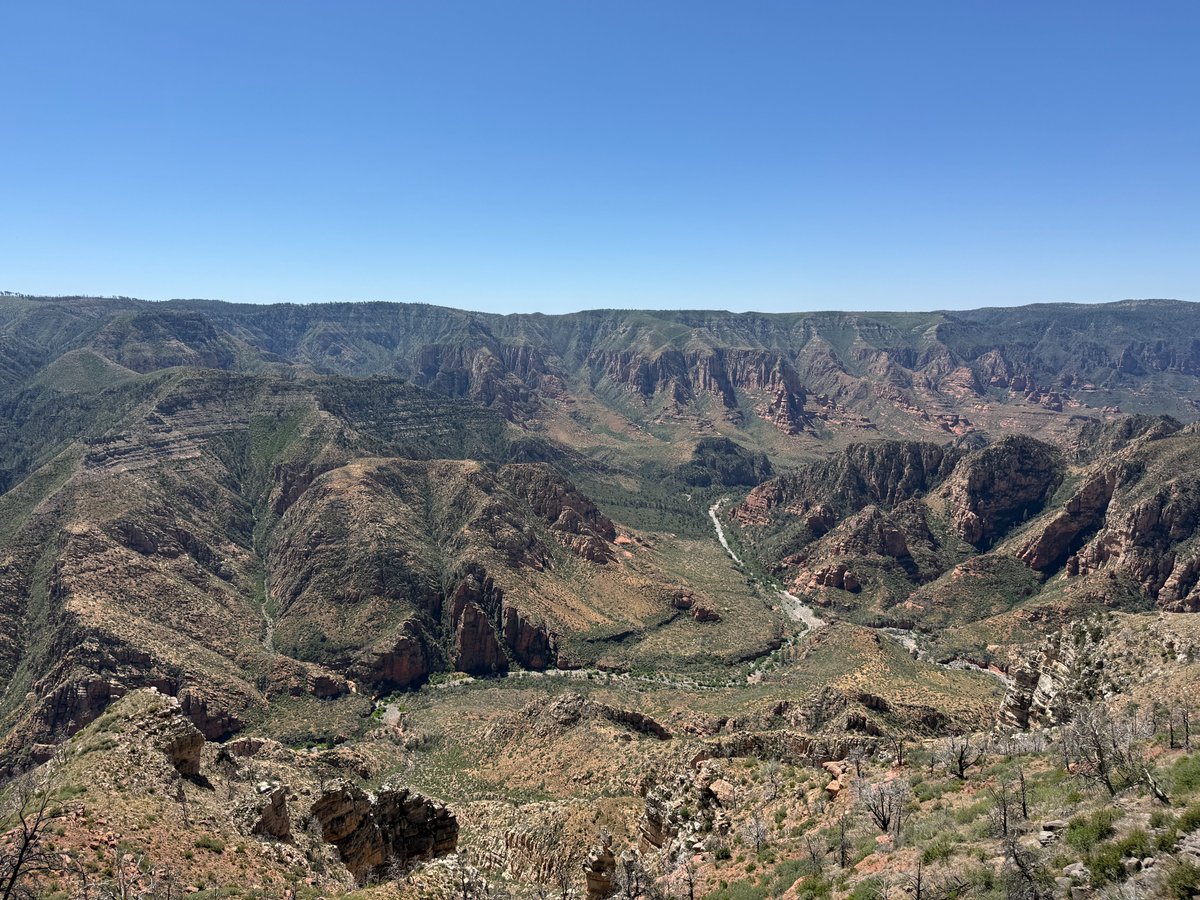
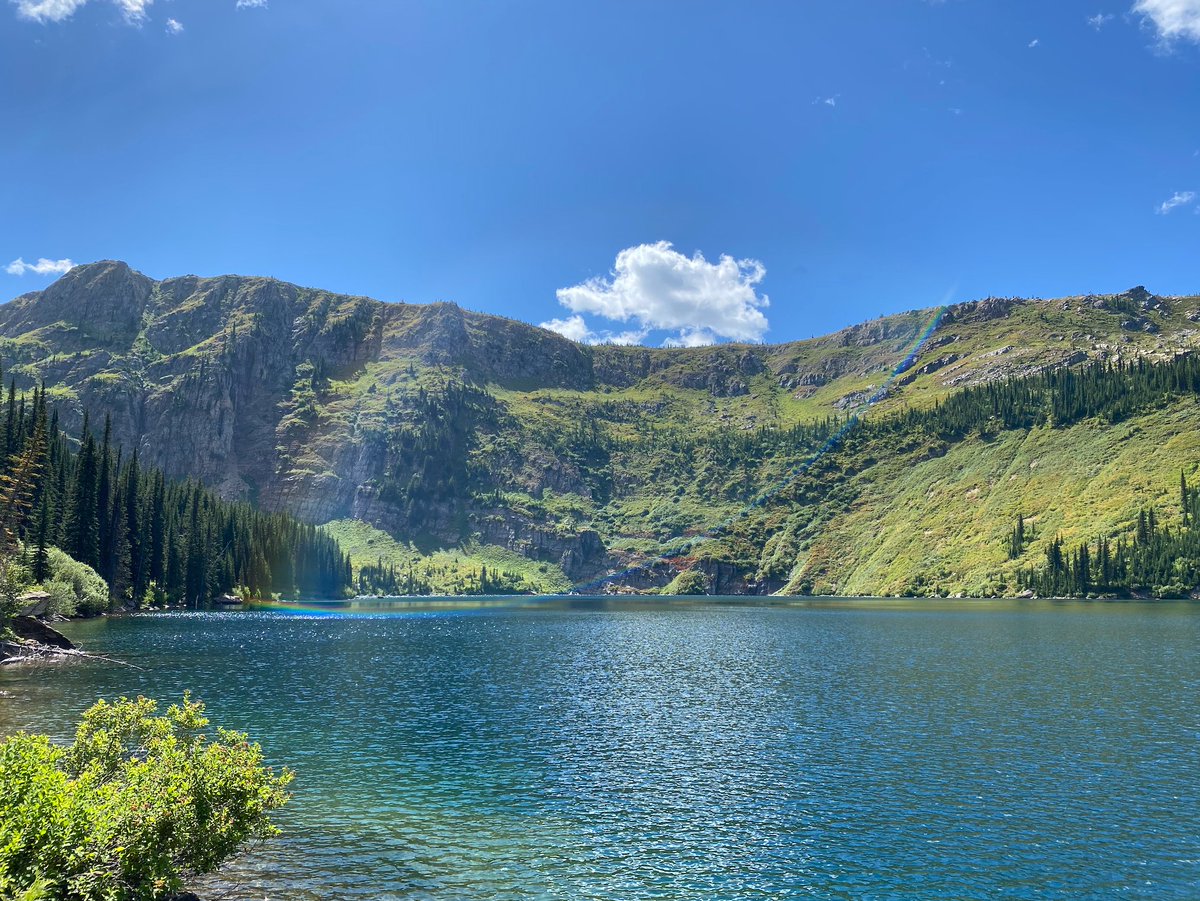
It's America last to continue putting our nation's environment last
7
42
422
8,130
Benji Backer retweeted

May 14
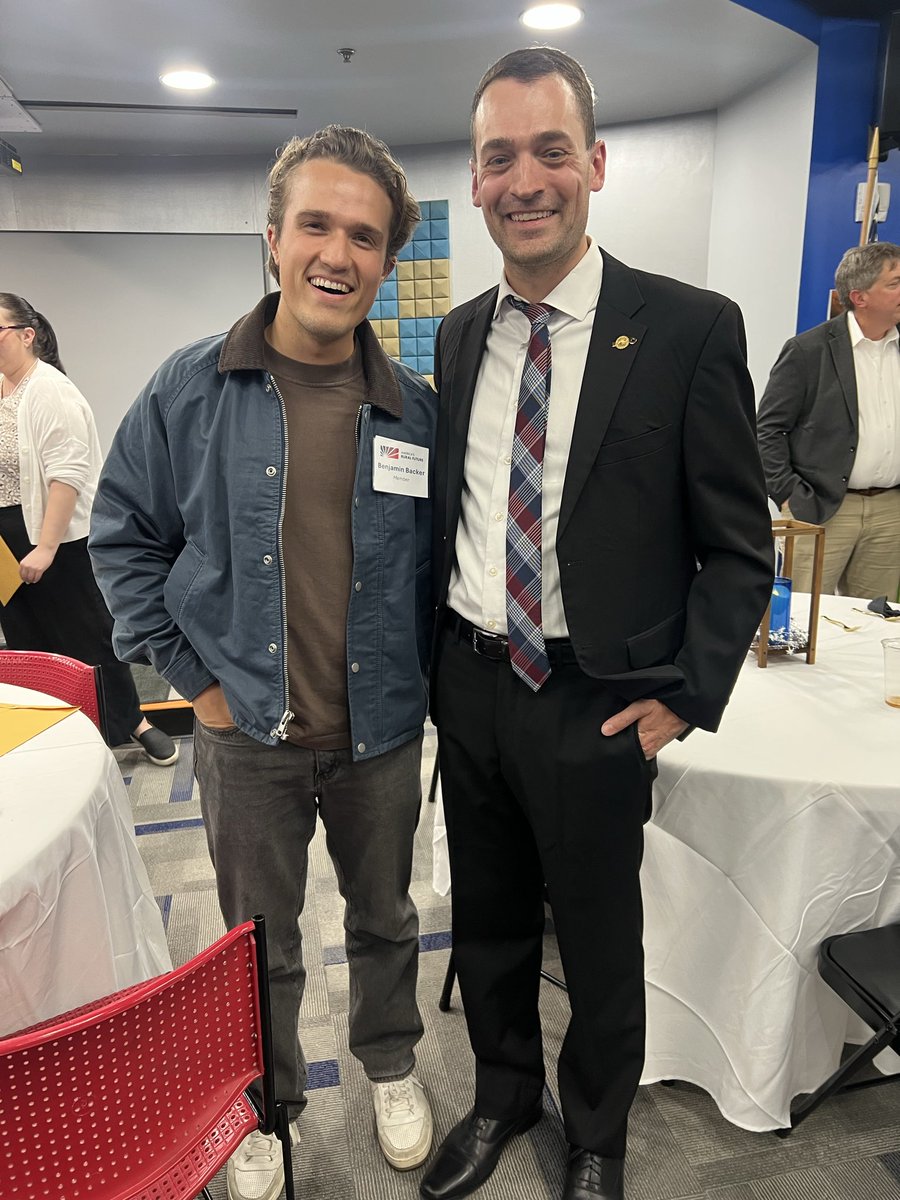
Sent a letter to @BenjiBacker eight years ago to come visit and see our mountains, and he made good!
Great to meet a man doing incredible work, and everyone else that was part of the @BrookingsInst @AEI Commission on Rural Prosperity
1
8
1,224
Benji Backer retweeted

May 11
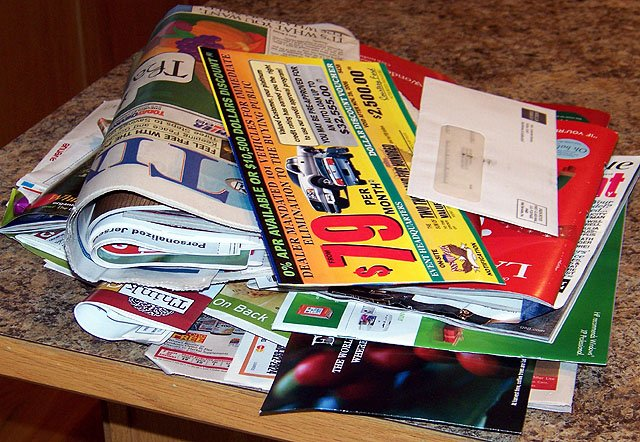
It is time for the United States Postal Service to ban junk mail.
Unsolicited spam calls are already prohibited by the FCC. Emails are heavily regulated by the CAN-SPAM Act of 2003. Junk mail is the majority of mail, 100 million trees per year. Enough!
3,041
3,558
43,691
3,636,352
May 9
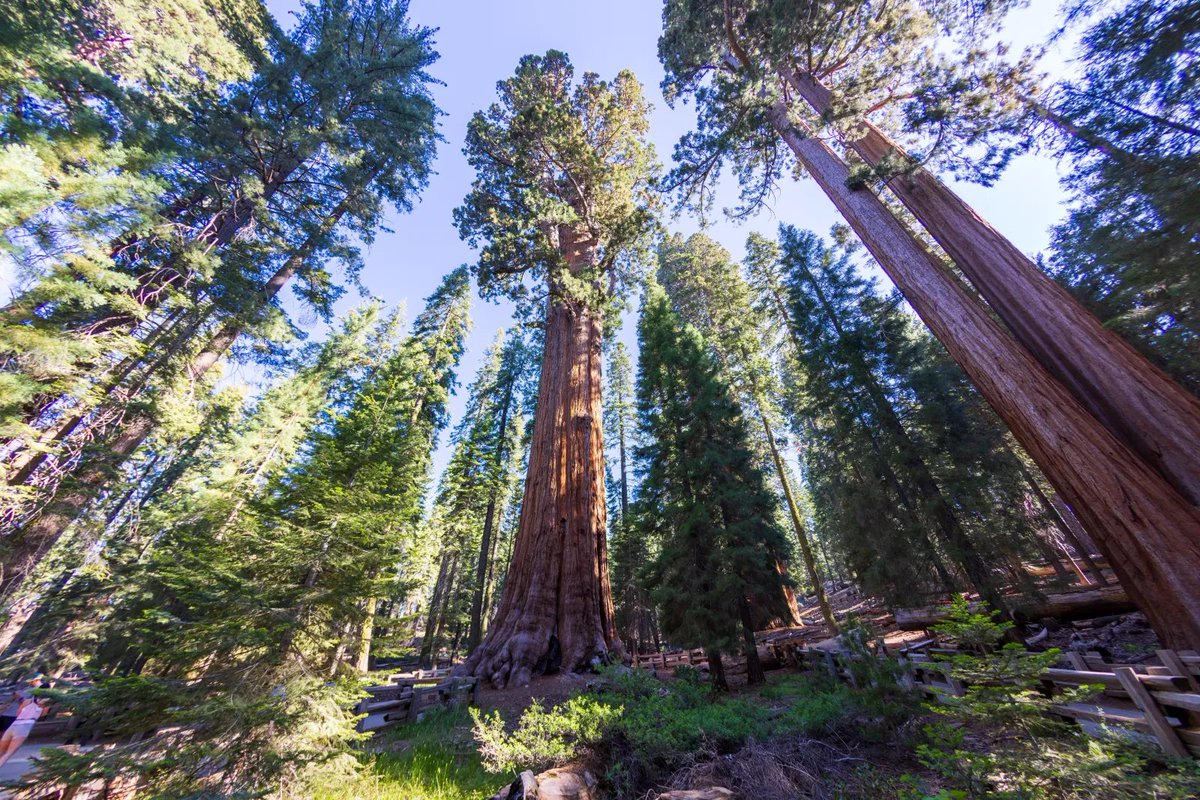
Love nature - and rich or poor - you will always enjoy life's most grand treasure.
2
3
30
1,052
May 8
If we can't conserve our nation's natural beauty or our resources, we won't conserve our nation.
It's really that simple.
1
8
117
4,527
Benji Backer retweeted
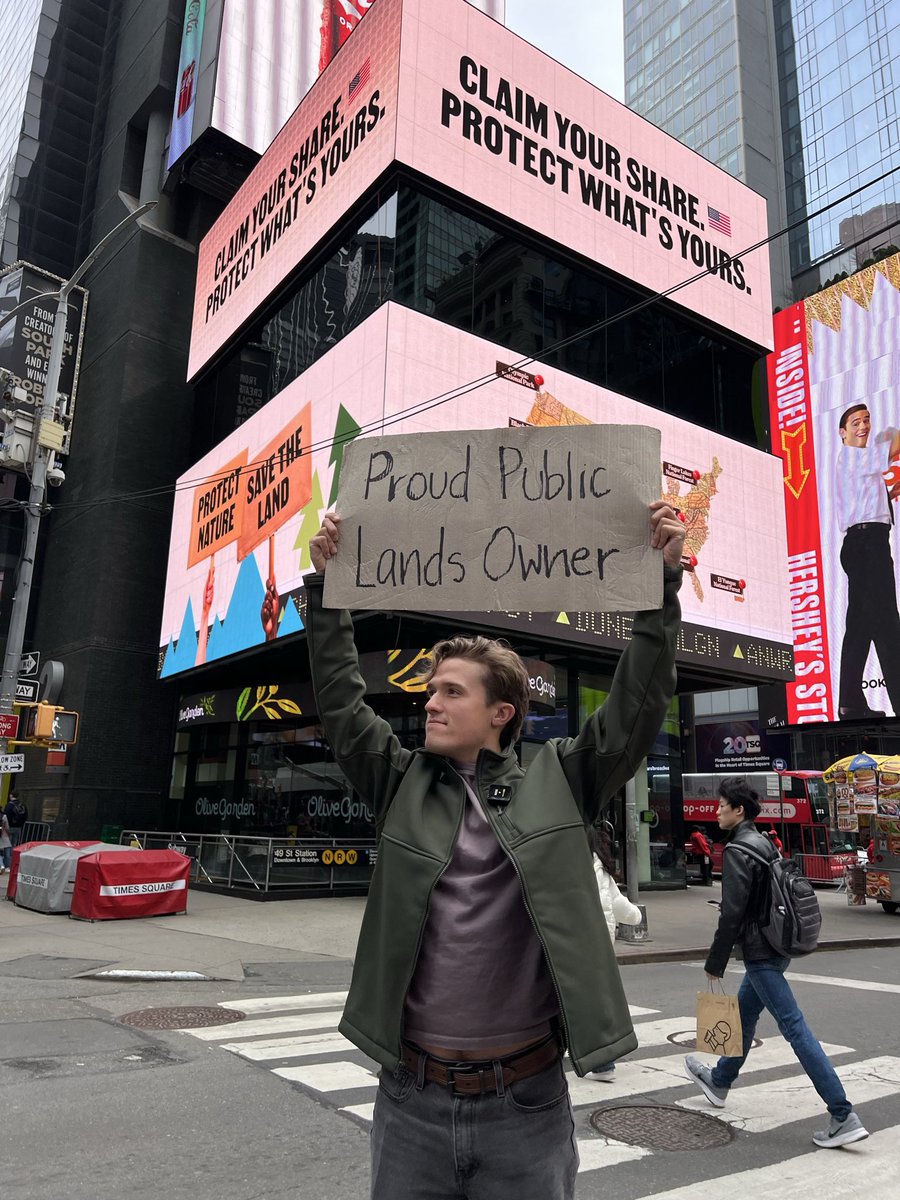
In case no one told you, you own 640 million acres of public land.
5
44
265
9,065
May 7
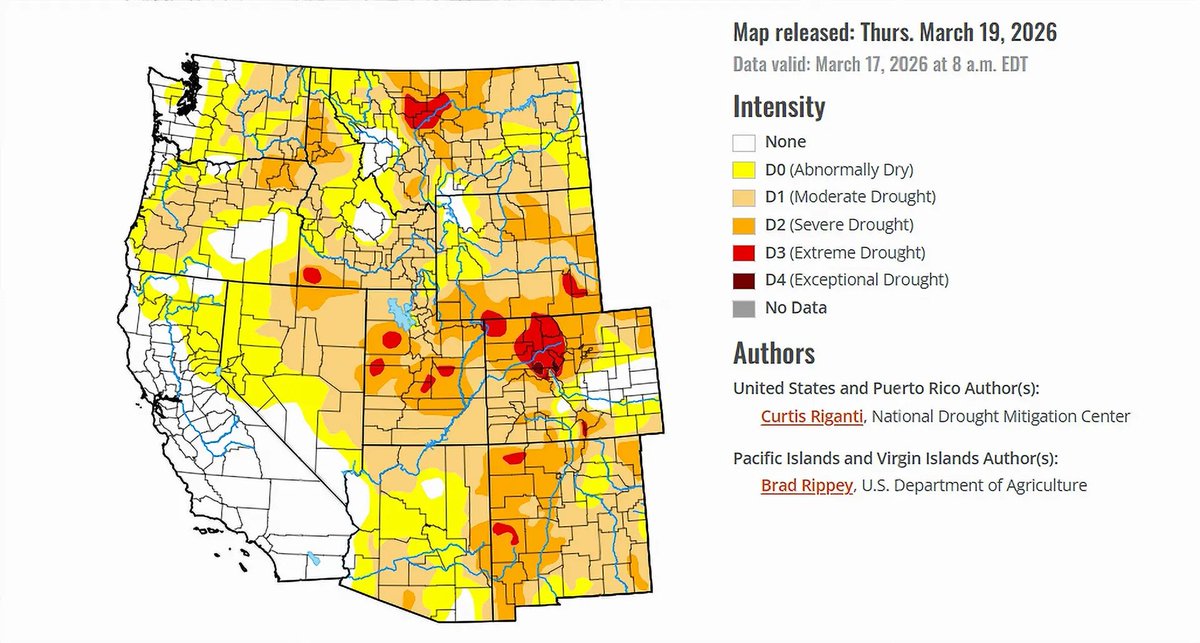
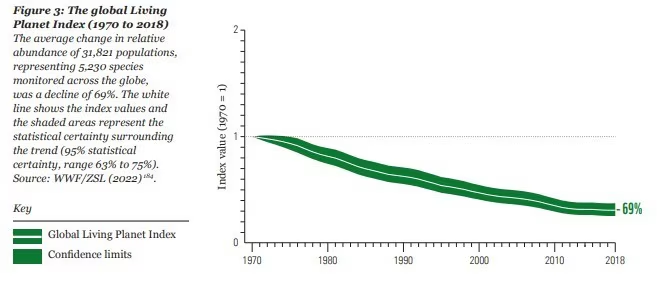
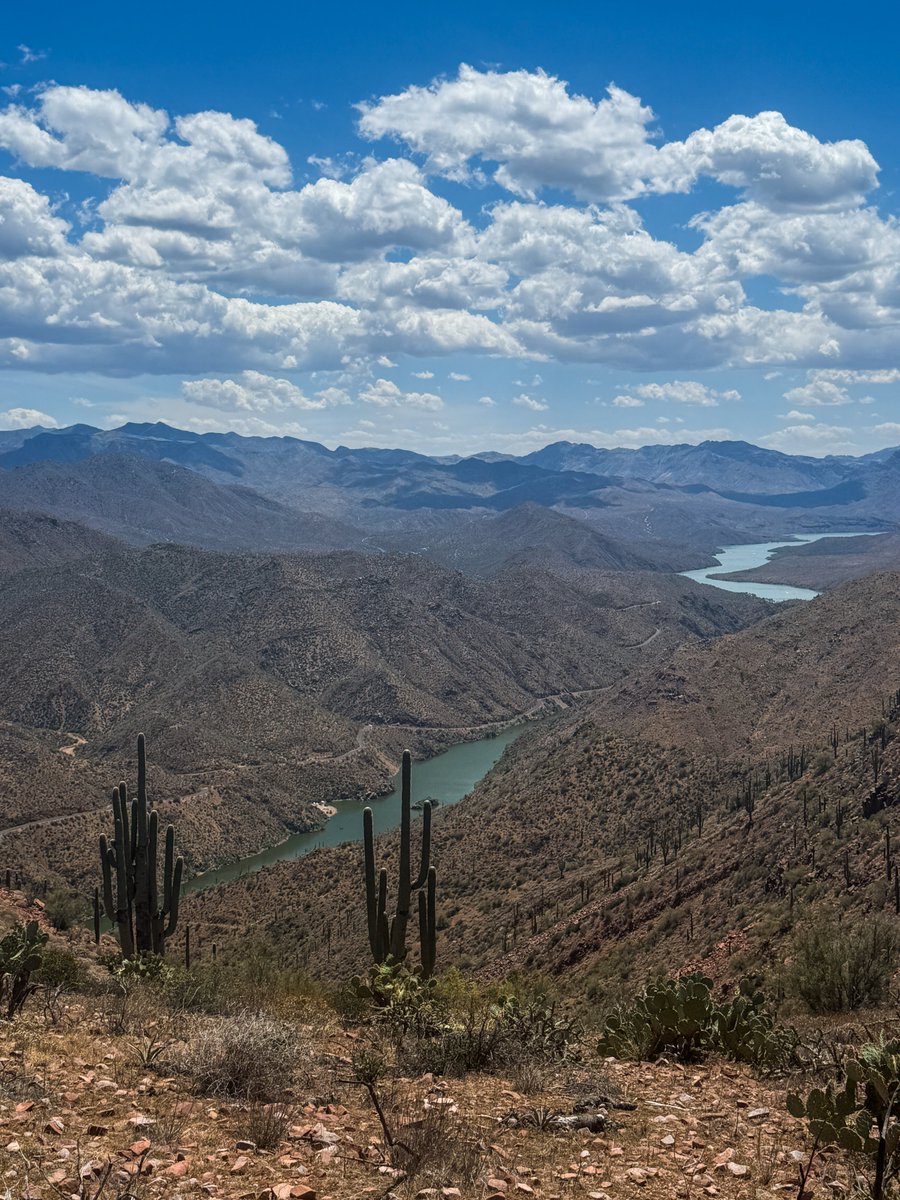
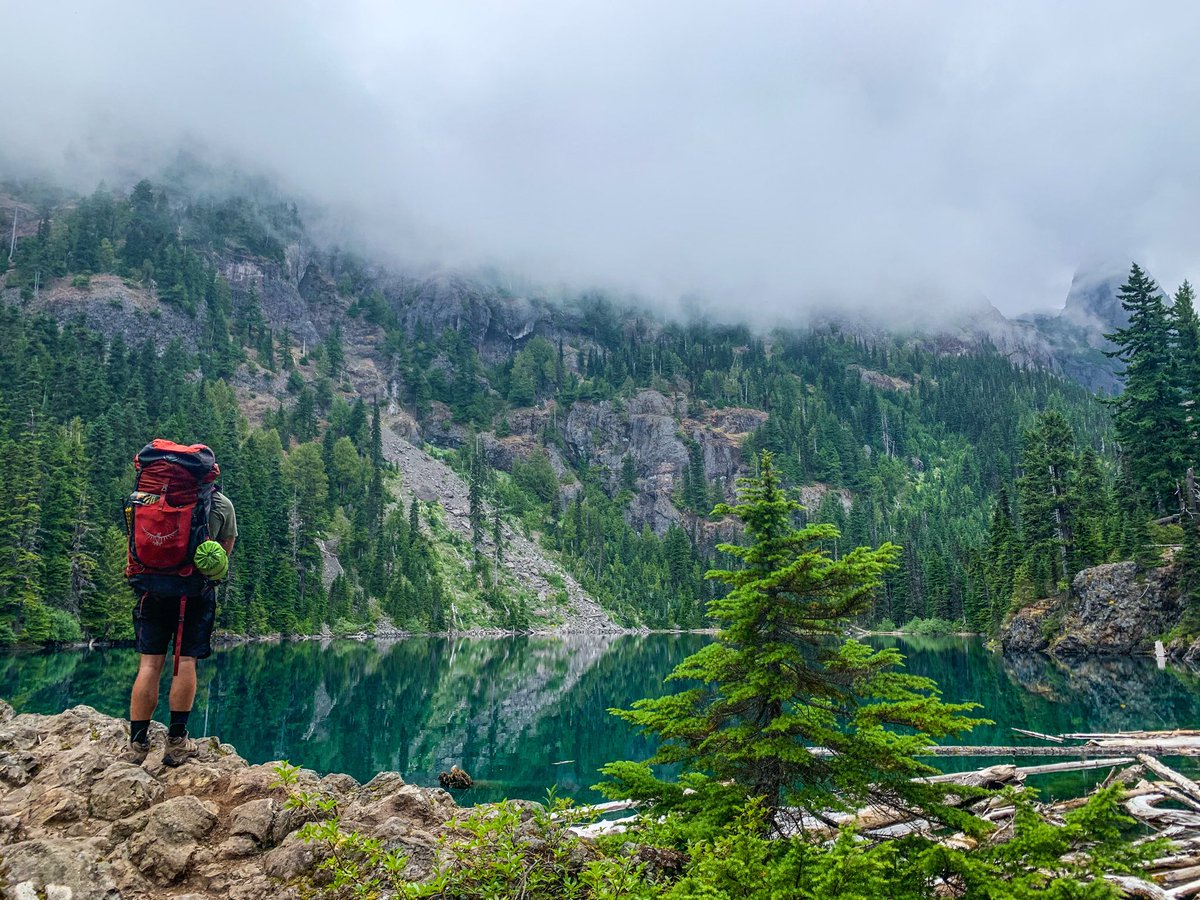
The American West is running out of water.
The American West is getting ravaged by wildfires.
The American West is at risk — and our leaders aren't taking action.
Save the American West.
97
221
2,050
43,576
Benji Backer retweeted

Apr 27
A lot of people are asking why more politicians are not like Ben Sasse.
Because voters will not elect them, that’s why. They may say they care about character, but most don’t vote that way.
Instead they vote party line, ideology, self-interest, or out of pique against a perceived enemy.
How can we expect our leaders to embody higher levels of virtue if a majority of voters don’t make personal character a red line?
It looks like we get the leaders we deserve.

Every American should watch every second of this video.
Thank you, @BenSasse.
192
569
3,684
329,490
Benji Backer retweeted

Apr 26
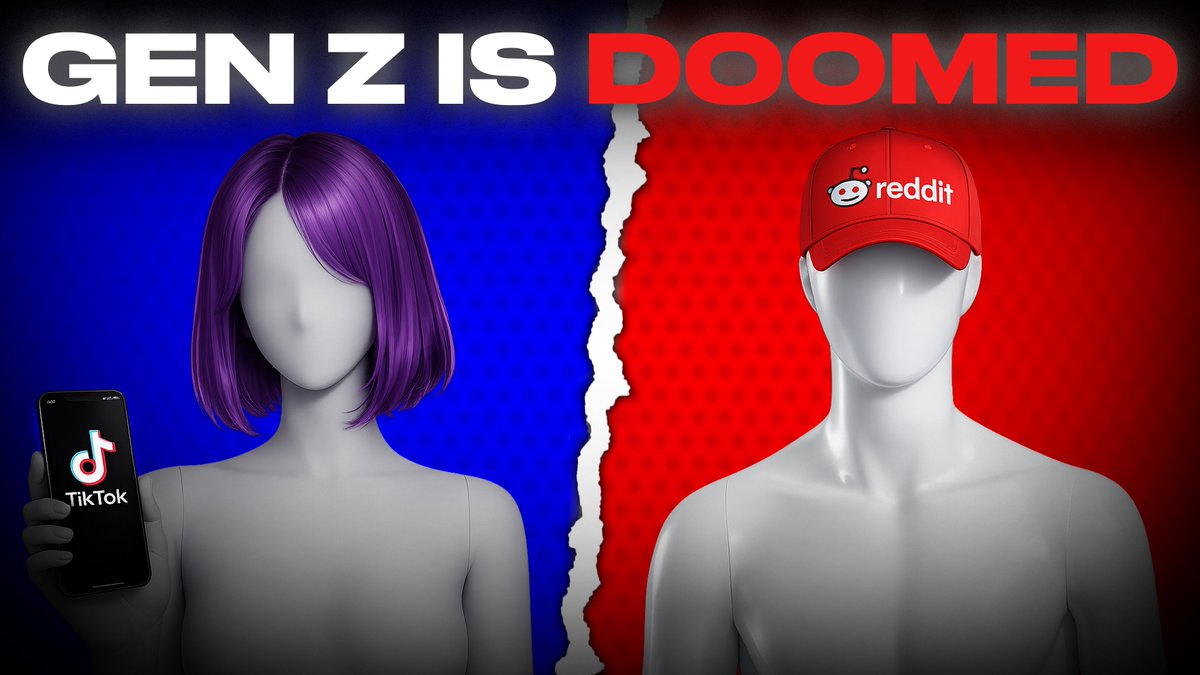
The past 24 hours is exactly why we made this documentary.
Young people are becoming more politically extreme at an alarming rate. Mostly driven by social media, the online echo chambers are extremely powerful and toxic.
And sadly no one is getting the wake up call… yet.
Apr 24

3% of young Americans describe the United States as a democracy. 72% of young women say they cannot date someone with opposite politicals. 22% of them say they are "not at all" proud to be American. Gen Z is becoming extremist. Check out today's video: youtu.be/JBv99iGNNWk
284
508
6,968
246,948