
Gamer, Walthamstow resident, sci-fi fan. Tweets politics, local news and Brutal Architecture. Clownfish advocate, friend to foxes. Hoarder 🦊🎲🌈🇪🇺🐠🇬🇧🇬🇭
- Tweets 46,765
- Following 1,660
- Followers 1,512
- Likes 52,591






















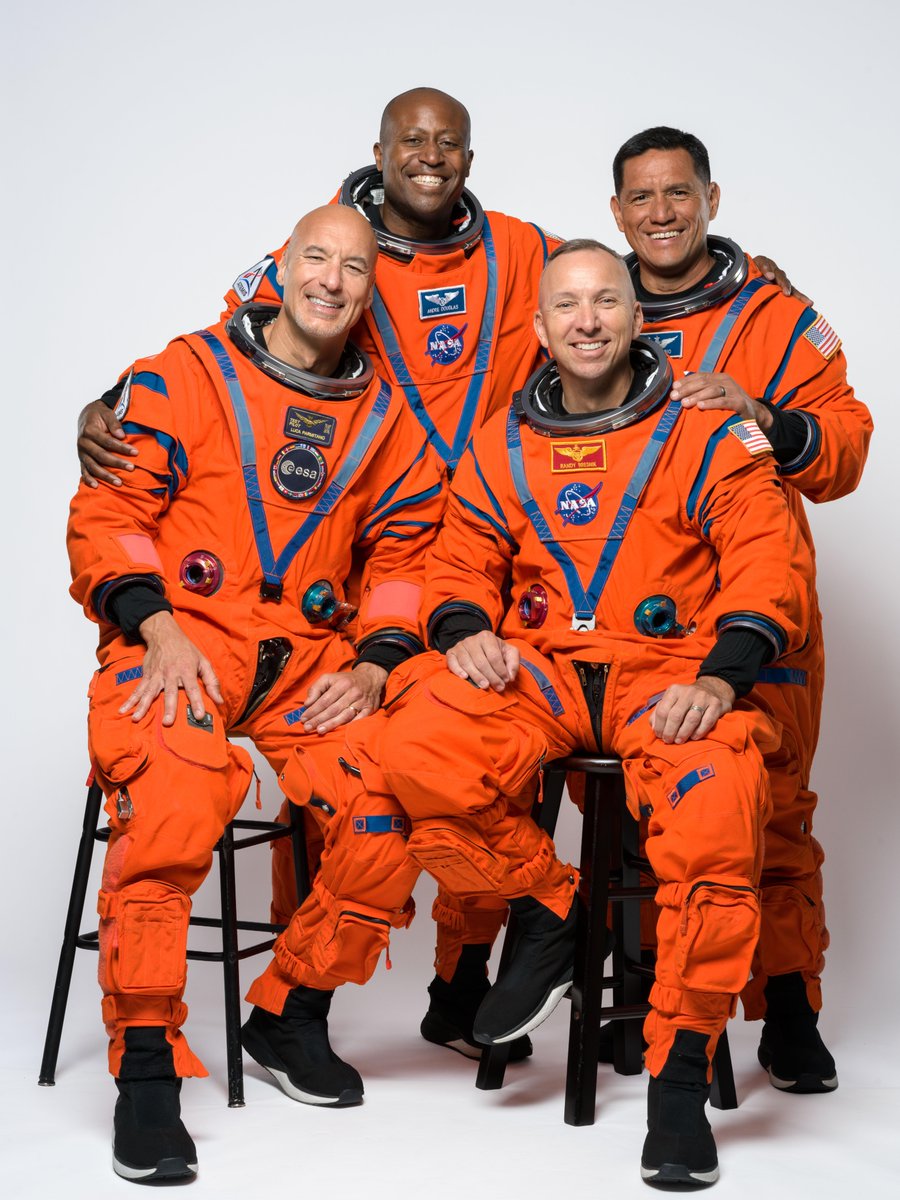
ALT The four crew members of Artemis III -- from left to right, Luca Parmitano, Andre Douglas, Randy Bresnik, and Frank Rubio -- grin for the camera as they pose for a photo. They are wearing their orange flight suits against a white background; Luca and Randy are seated on stools, with Andre and Frank standing behind them. Credit: NASA/Helen Arase Vargas




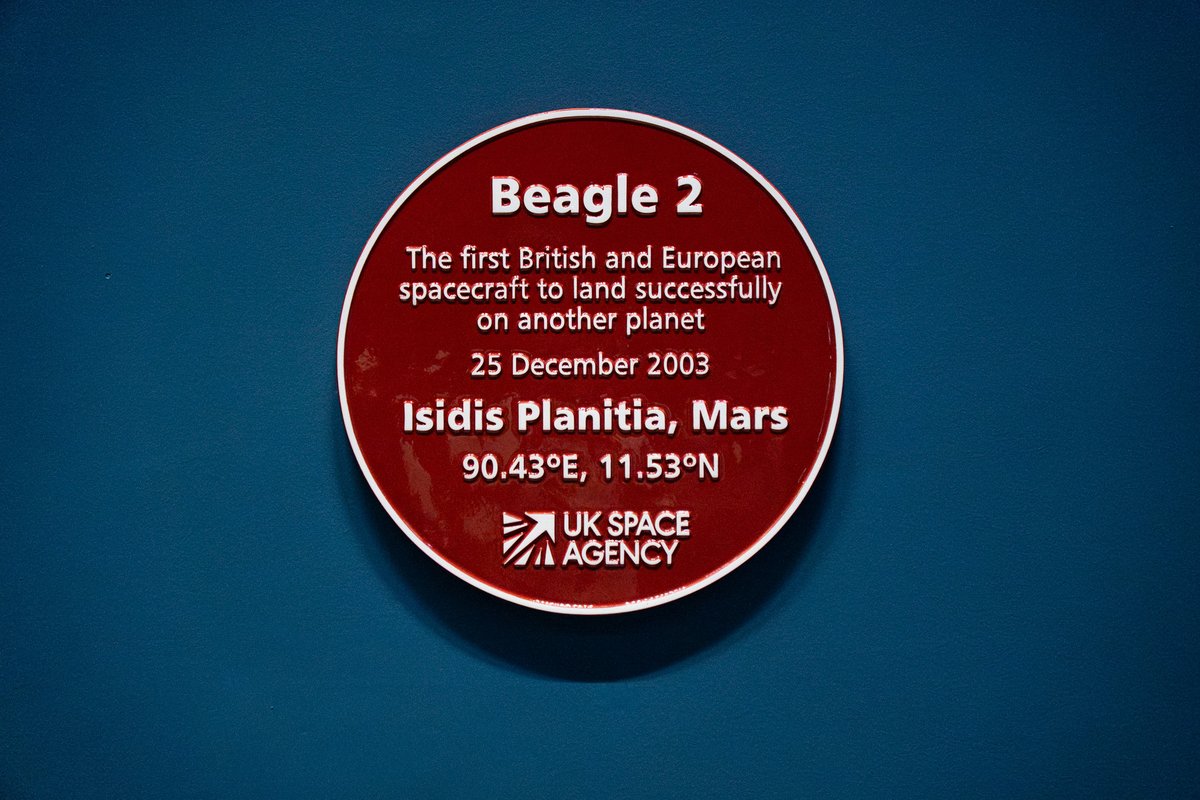
ALT Plaque commemorating Beagle 2, the first British and European spacecraft to land on another planet on 25 Dec 2003.


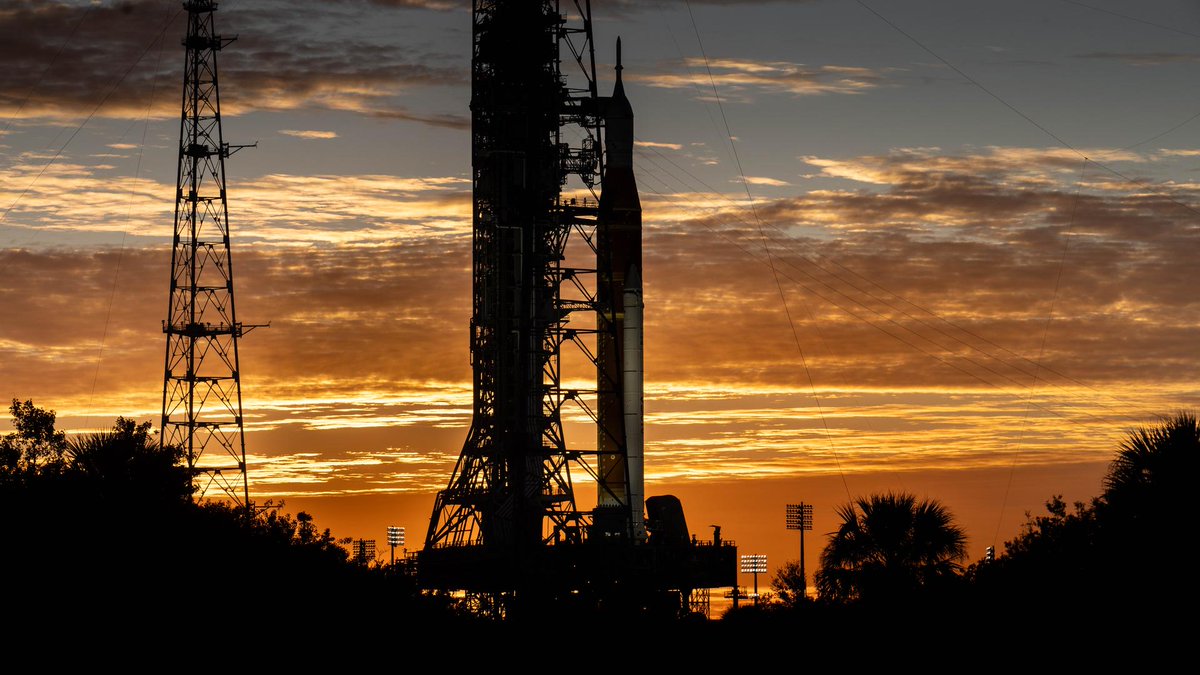
ALT Clouds and the sun illuminate the sky on Wednesday, Jan. 28, 2026, as NASA’s Artemis II SLS (Space Launch System) rocket and Orion spacecraft stand vertical at Launch Complex 39B at NASA’s Kennedy Space Center in Florida. Credit: NASA/Cory Huston