
Joined December 2024
- Tweets 652
- Following 101
- Followers 631
- Likes 184
125 Photos and videos
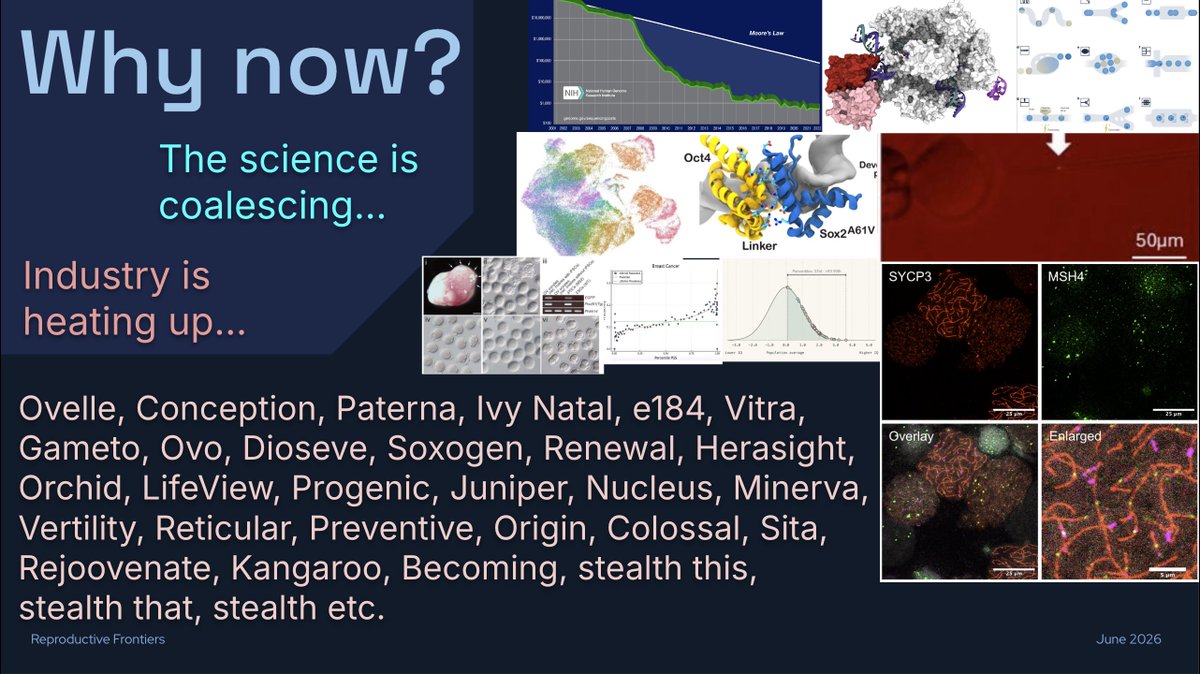

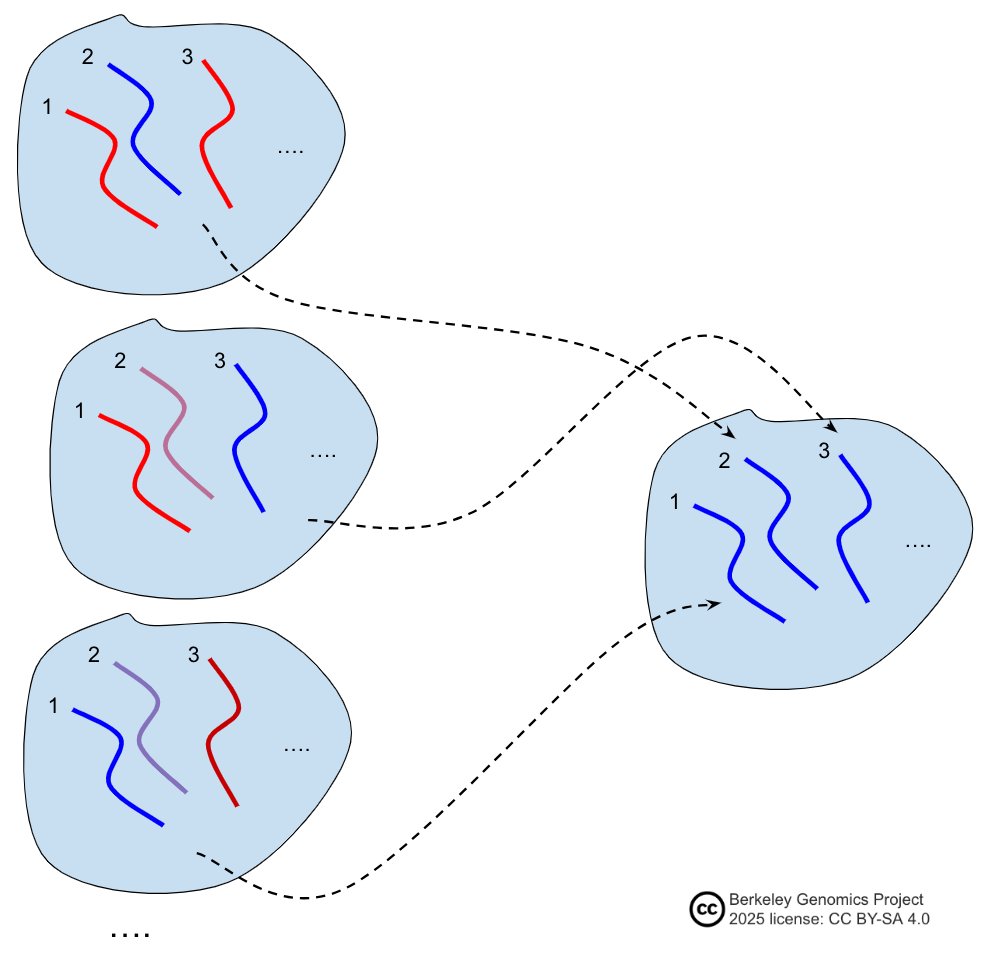

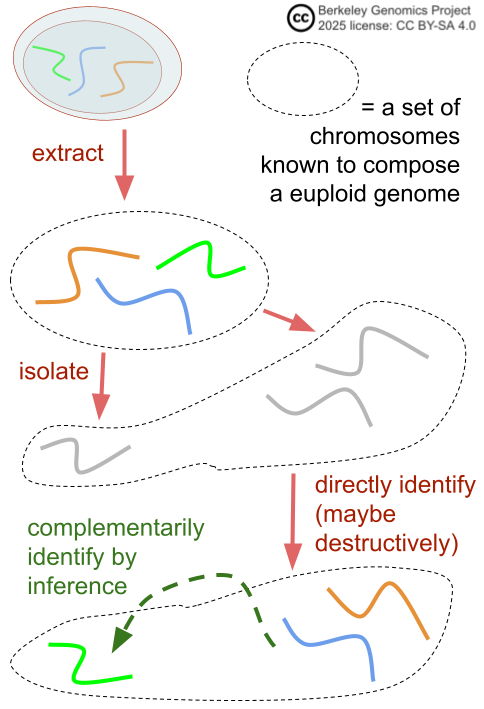

Deep reprotech seems to be emerging. Come learn & build at Reproductive Frontiers 2026, June 16-18, Berkeley. Tickets⬇️
2
1
11
645
See the full schedule here: reproductivefrontiers.org
Register at: reproductivefrontiers.org/re…
79
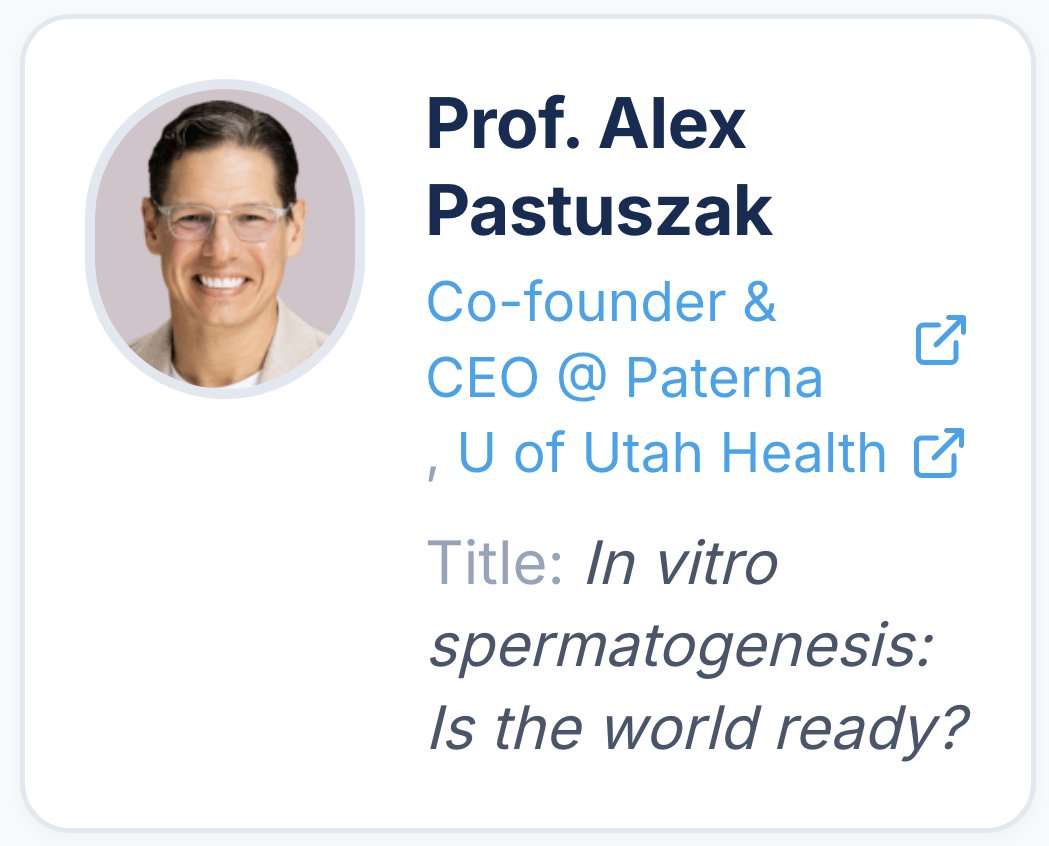
In April, a startup stated they'd coaxed spermatogonia to develop into normal-looking sperm. If these sperm are genetically & epigenetically high-quality, this is a breakthrough. Paterna @PaternaBio CEO Dr. Alex Pastuszak @apastusz will speak at Reproductive Frontiers. Tickets⬇️
1
9
478
See the news article here: wired.com/story/startup-says…
See the full schedule here: reproductivefrontiers.org
Register at: reproductivefrontiers.org/re…
Financial aid is available for students.
Hope to see you there!
1
131
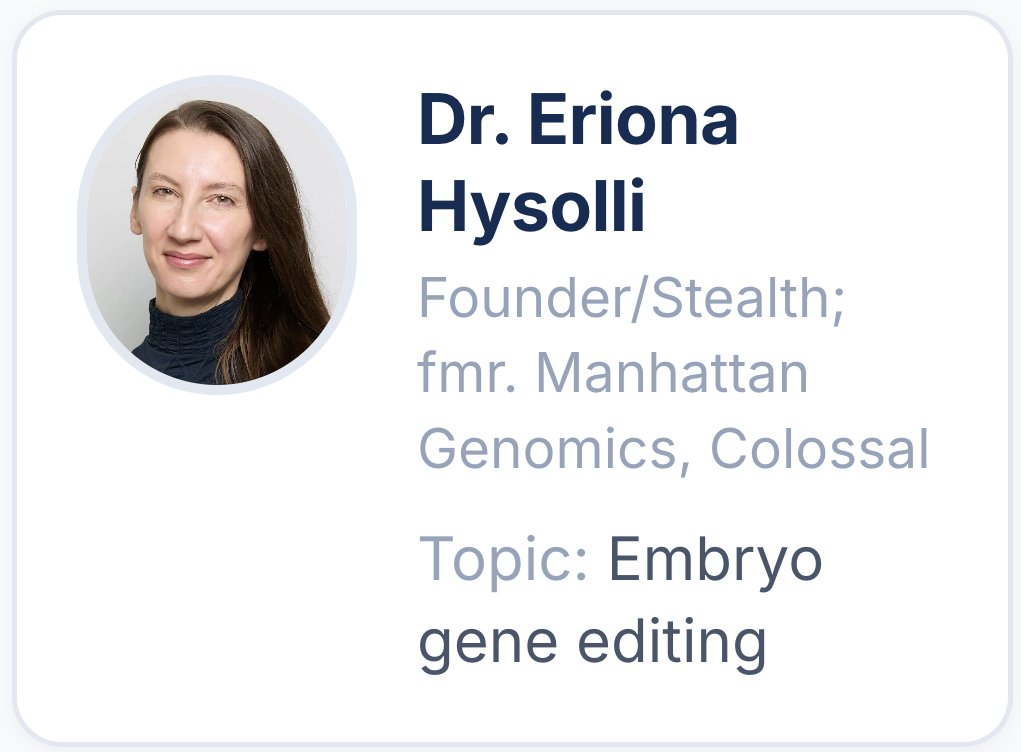
Actually using gene editing for reprogenetics has big obstacles. How to make many edits? How to make them precisely? Dr. Eriona Hysolli, former lead of the project at Colossal to de-extinct woolly mammoths & now stealth founder, will speak at ReproFro on her work. Tickets⬇️
1
10
724
See the full schedule here: reproductivefrontiers.org
Register at: reproductivefrontiers.org/re…
Financial aid is available for students.
Hope to see you there!
82
Berkeley Genomics Project retweeted

Jun 9
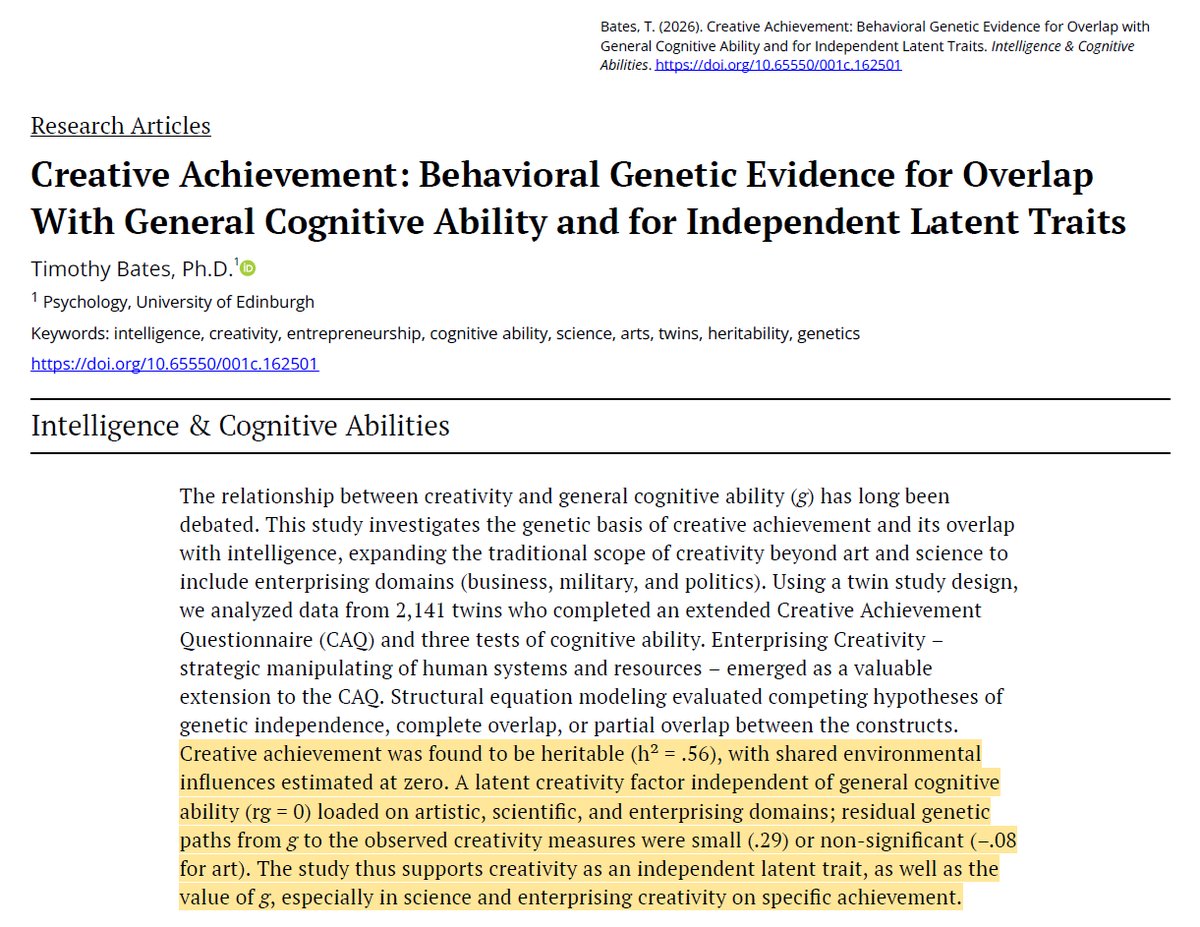
🧠 Is creativity mostly just high intelligence?
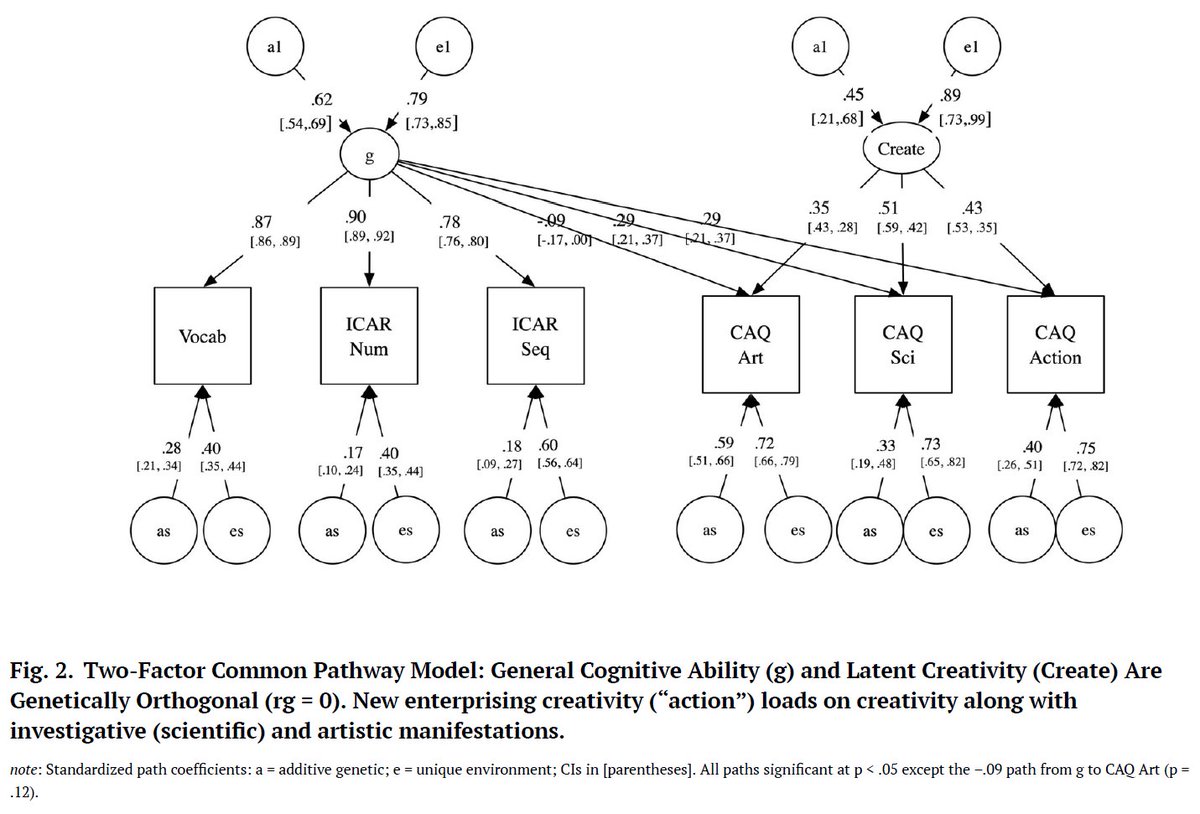
A new twin study in @ICAJournal says no. There’s a large genetically independent component.
@timothycbates analyzed intelligence test scores and creativity data in three domains: business, military, politics/leadership). Key findings:
➡️Creative achievement is highly heritable (h² ≈ .56), shared environment ≈ 0
➡️Latent creativity and general intelligence are genetically independent.
➡️g explains only ~10% of the genetic variance in creative achievement
These findings support a hybrid view: g helps in many domains, but creativity has substantial unique genetic architecture. As Bates explains, "the genetic architecture of real-world creative achievement is not merely a downstream consequence of general intelligence but reflects a separate, heritable system that operates across artistic, scientific, and enterprising domains" (p. 6).
Read the full open-access paper: doi.org/10.65550/001c.162501
54
99
658
1,596,359
How do you turn stem cells into eggs? Easy: first you turn them into primordial germ cell-like cells, then you turn the PGCLCs into eggs! Just kidding, that's a decades-long scientific challenge. Prof. Katsuhiko Hayashi will speak on his groundbreaking IVG work. Tickets⬇️
1
21
1,769
See the full schedule here: reproductivefrontiers.org
Register at: reproductivefrontiers.org/re…
Financial aid is available for students.
Hope to see you there!
2
145
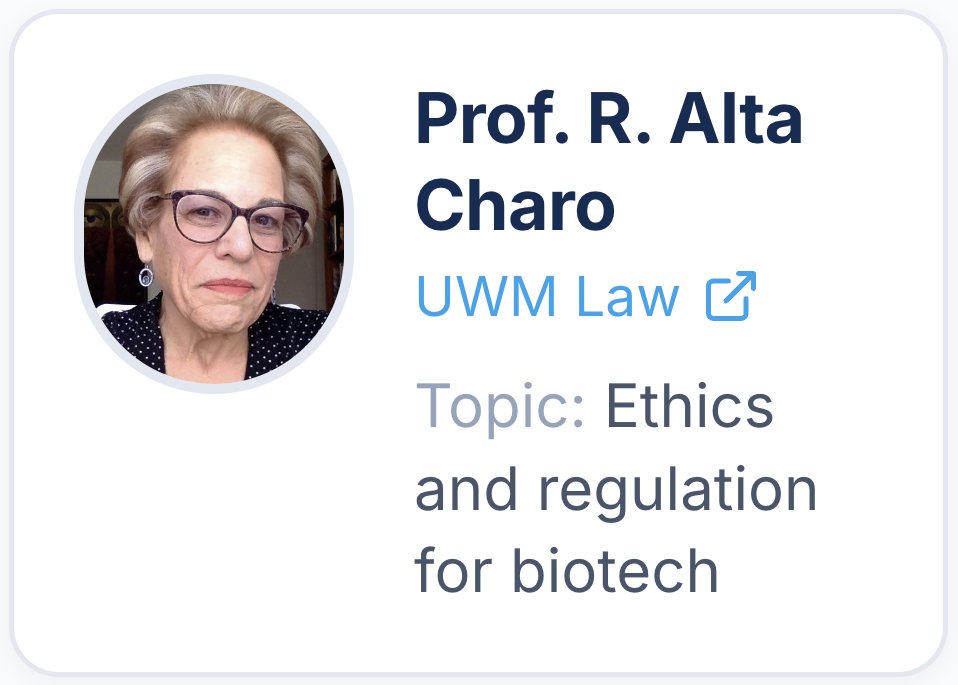
Often, opinions on reprogenetics collapse to "for" or "against". In her outstanding career in law & bioethics, e.g. co-chairing the 2017 NASEM germline editing report, Prof. R. Alta Charo has been asking another question: How do we do this well? Hear her at ReproFro. Tickets⬇️
1
5
435
See the full schedule here: reproductivefrontiers.org
Register at: reproductivefrontiers.org/re…
Financial aid is available for students.
Hope to see you there!
139
From:
Wakayama, Sayaka, Ryoko Araki, Misato Sunayama, et al. “Resurrection of Chromosomes from Frozen Animals by Single Chromosome Transfer into Mouse Oocytes.” Scientific Reports, ahead of print, June 1, 2026. <doi.org/10.1038/s41598-026-5…>.
1
2
3
286
Amazing research by @SayakaWakayama
x.com/SayakaWakayama/status/…

We published new method!
Resurrection of chromosomes from frozen animals by single chromosome transfer into mouse oocytes. | Scientific Report
2
185
Is this true? If so, what causes it to be true?
x.com/eryney_ok/status/20630…

The high end of biotech talent is so insanely underpaid it’s sickening. $150k for an RA is basically unheard of, but that’s entry level for the elite in any industry that’s serious
4
1
9
3,855
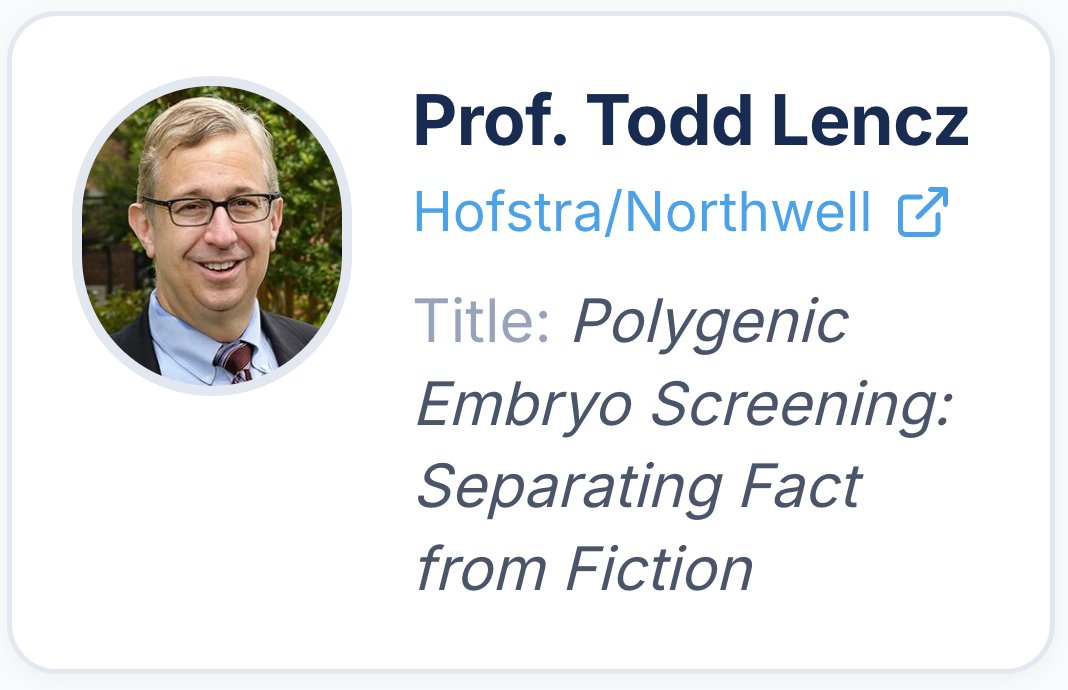
How do genes affect the brain? What variants increase or decrease risks of mental illnesses, or cognitive capability? Prof. Todd Lencz @ToddLencz has worked for over a decade on many of the biggest studies. He'll speak on embryo screening at Reproductive Frontiers. Tickets⬇️
1
2
8
779
See the full schedule here: reproductivefrontiers.org
Register at: reproductivefrontiers.org/re…
Financial aid is available for students.
Hope to see you there!
166
Berkeley Genomics Project retweeted

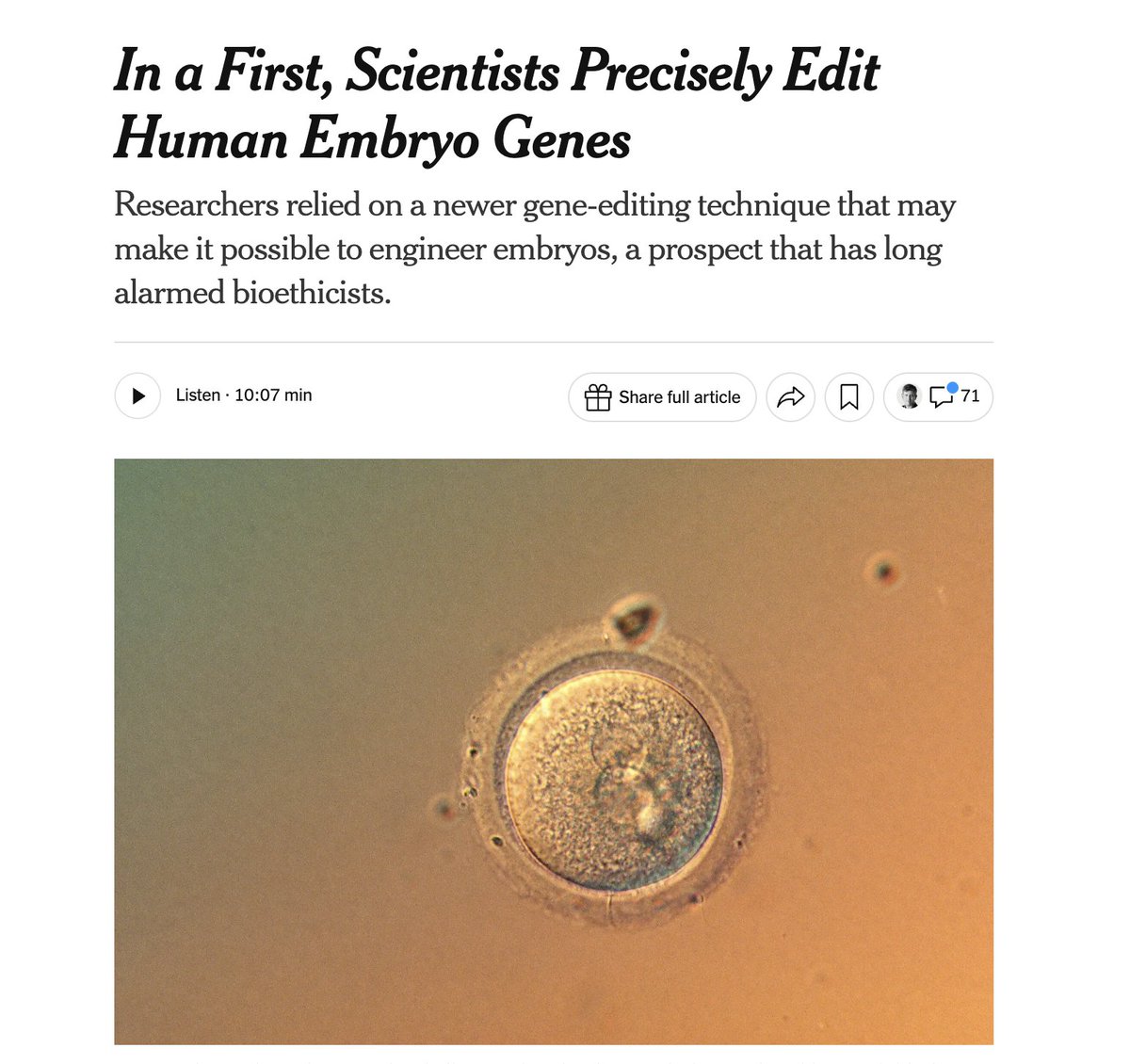
Interesting proof-of-concept for multiplex base editing in embryos.
That said, we were surprised by the lack of optimization and benchmarking. The study does not explore guide stoichiometry, delivery parameters, RNA stabilization strategies, or next-generation ABE variants designed to improve editing precision and reduce bystander activity.
We were also surprised by the comparison against Cas9 rather than against the current generation of adenine base editors.
Finally, editing outcomes in MII-stage embryos cannot always be inferred from observations in HEK293 or hESC systems, making developmental context an important variable to consider.
At Origin Genomics, we believe these questions are the real frontier. We're building experimental systems to systematically study how editor architecture, delivery, guide design, and developmental context influence editing outcomes in human embryos.
The paper demonstrates feasibility. The more interesting question is how much further efficiency and precision can be pushed with systematic optimization.
1
3
15
1,614
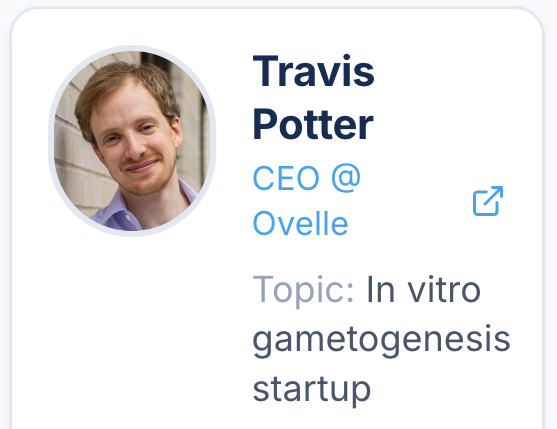
Egg retrieval helps 100,000s. But it's expensive, painful, inconvenient, unreliable, and unavailable for many. What if there were another way to make eggs? Travis Potter @Tpot244 (CEO) will speak at Reproductive Frontiers on @OvelleBio's in vitro gametogenesis efforts. Tickets⬇️
3
17
1,036
See the full schedule here: reproductivefrontiers.org
Register at: reproductivefrontiers.org/re…
Financial aid is available for students.
Hope to see you there!
1
204